Gallup Economic Confidence Index Slides to -45, Worst Since 2022

Why It Matters
Consumer confidence is a leading indicator of household spending, which accounts for roughly two‑thirds of U.S. GDP. A sustained drop in confidence can depress retail sales, delay big‑ticket purchases, and dampen business investment, creating a feedback loop that slows economic expansion. Moreover, the bipartisan nature of the decline suggests that political narratives are less able to buoy sentiment, placing greater pressure on policymakers to address underlying cost pressures. The sharp rise in inflation concerns and gas‑price anxiety also points to structural vulnerabilities in the energy market that could influence fiscal and monetary policy. If confidence does not rebound after the next CPI report, the Federal Reserve may feel compelled to maintain a tighter stance, potentially extending higher borrowing costs for businesses and consumers alike.
Key Takeaways
- •Gallup Economic Confidence Index fell to -45 in May, the lowest since Oct 2022.
- •Only 16% of adults rate current conditions as excellent or good; 49% say conditions are poor.
- •76% of respondents believe the economy is getting worse, matching the high point of May 2023.
- •Republican confidence score at +22, Independents at -58, Democrats at -80 – all lowest since 2025.
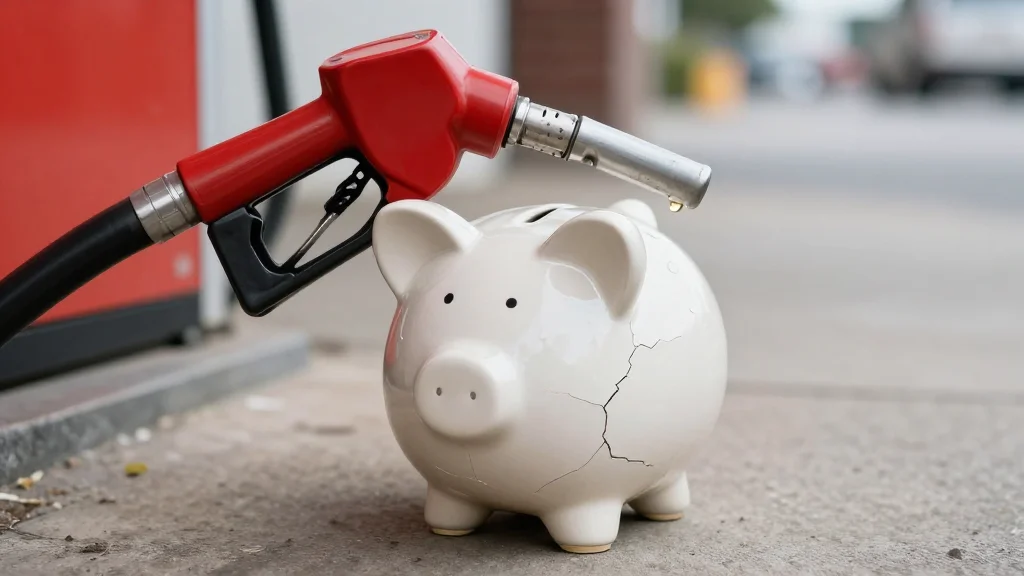
- •Inflation mentioned as top problem by 15% of adults; gas prices cited by 4% overall, 10% of Republicans.
Pulse Analysis
The plunge to -45 underscores a turning point where consumer sentiment is no longer anchored by a resilient labor market but is instead being pulled down by persistent price pressures. Historically, confidence indices below -30 have preceded slower GDP growth, as households cut discretionary spending. The current reading, coupled with the highest share of respondents who think conditions are worsening, suggests that the economy may be entering a soft‑landing scenario rather than a robust expansion.
Politically, the uniform decline across party lines erodes the traditional narrative that partisan optimism can buoy consumer mood. Even the GOP’s modest positive score slipped dramatically, indicating that fiscal policy promises are insufficient to offset day‑to‑day cost concerns. This bipartisan slump could force legislators to prioritize tangible relief measures, such as targeted subsidies for energy or temporary tax credits, to restore confidence.
Looking forward, the next Gallup poll and the June CPI report will be critical. If inflation shows a clear deceleration, confidence could stabilize, providing the Federal Reserve with room to pause rate hikes. Conversely, a continued rise would likely cement the current trajectory, prompting tighter monetary policy and potentially extending the period of subdued consumer spending. Stakeholders—from retailers to policymakers—should monitor these metrics closely, as they will shape the economic narrative for the remainder of 2026.
Gallup Economic Confidence Index Slides to -45, Worst Since 2022
Comments
Want to join the conversation?
Loading comments...