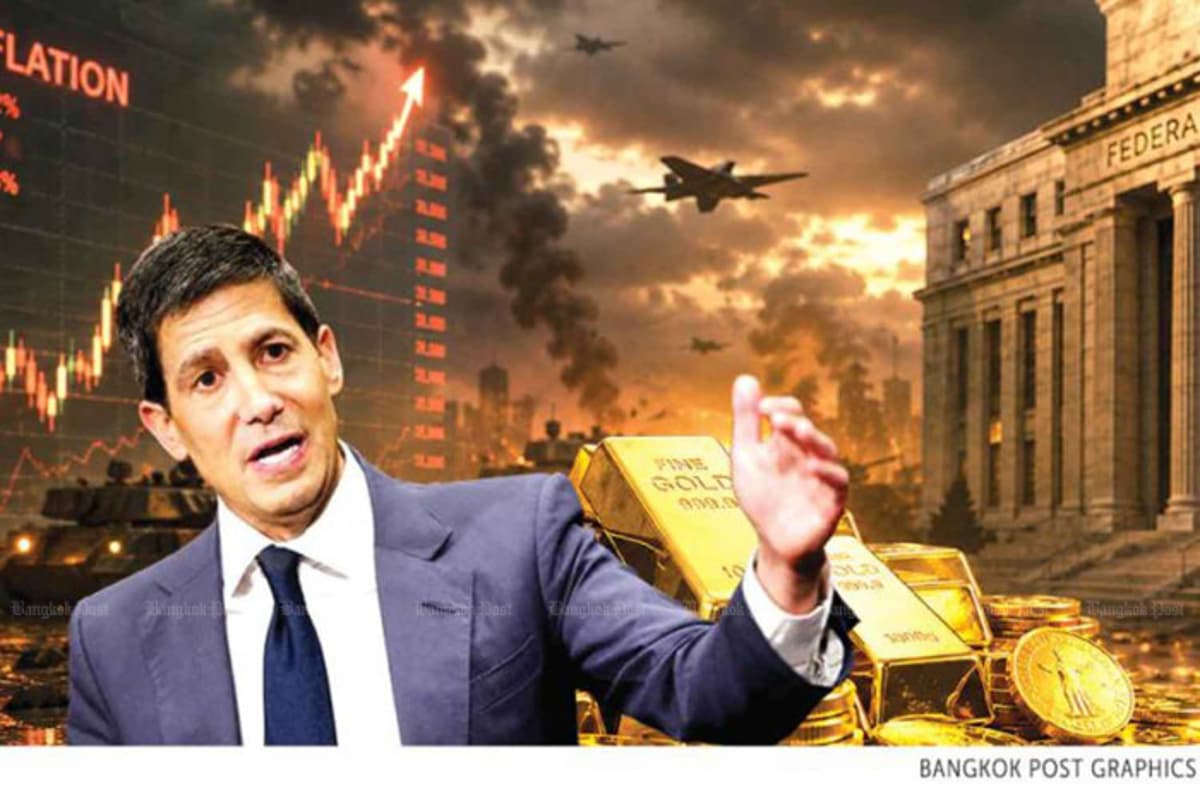
New Fed Chief Faces Immediate Pressure
Companies Mentioned
Why It Matters
Warsh's blend of rate‑cut optimism and aggressive balance‑sheet reduction could reshape US liquidity, influencing global bond yields, the dollar, and emerging‑market capital flows. His policy direction will be a key barometer for inflation management and financial stability.
Key Takeaways
- •Warsh likely to adopt a more dovish stance on rates than Powell
- •Expect faster quantitative tightening, shrinking the Fed's balance sheet aggressively
- •Higher short‑term yields may fall while long‑term yields stay elevated
- •Persistent inflation could delay rate cuts until next year, pressuring markets
- •Thai baht may appreciate if US rates fall, attracting capital flows
Pulse Analysis
Kevin Warsh steps into the Federal Reserve chairmanship amid a volatile macro backdrop. While his past as a 2006‑2011 governor painted him as a rate‑hike advocate, recent remarks suggest a shift toward a more dovish posture on policy rates, especially if inflation eases below the 5% threshold. Yet the Fed’s core challenge remains: CPI at 3.8% and producer prices climbing 6% reflect both pandemic‑era price inertia and a new oil price shock from the Middle East. Warsh’s public comments on AI‑driven productivity and one‑off tariff impacts reinforce his belief that the economy can tolerate modest rate cuts, but he also warns that any move must be consensus‑driven within a split FOMC.
A defining feature of Warsh’s agenda is his criticism of quantitative easing and a push for accelerated quantitative tightening. By shrinking the balance sheet more aggressively than Powell likely would, the Fed could withdraw excess dollar liquidity at a time when bank reserves are already thinning. This strategy is expected to tighten financial conditions without raising the policy rate dramatically, potentially steepening the yield curve as short‑term yields dip while long‑term yields stay high. The resulting tighter liquidity environment may weaken the dollar over the medium term, reshaping cross‑border capital flows and prompting investors to reassess risk premiums.
Market participants are already pricing the implications for assets ranging from equities to commodities. A slower rate‑cut timeline could keep real yields firm, pressuring gold and Bitcoin, while a more aggressive QT may lift long‑end Treasury yields, offering an alternative to risk‑on assets. Emerging markets, notably Thailand, could benefit if US rates eventually decline, attracting capital and supporting baht appreciation. However, any upside hinges on the Fed’s ability to navigate persistent inflation and geopolitical supply‑chain shocks without compromising credibility, making Warsh’s early months a critical test for monetary policy stability.
New Fed chief faces immediate pressure
Comments
Want to join the conversation?
Loading comments...