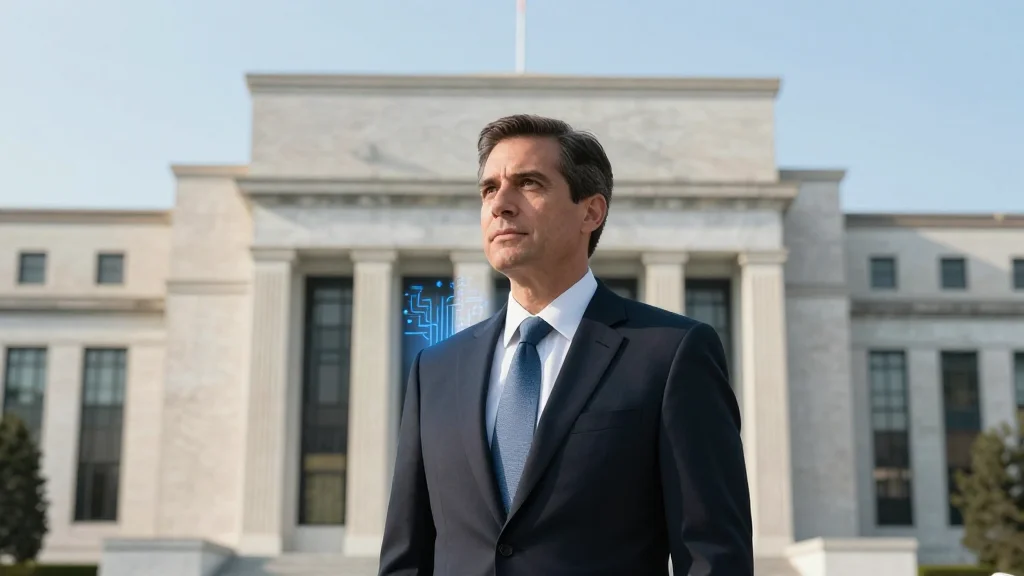
Warsh Sworn In as Fed Chair, Markets Bet on 2026 Rate Hike Amid Trump’s Mixed Signals

Companies Mentioned

Why It Matters
Warsh’s appointment marks a pivotal moment for U.S. monetary policy. By pricing in a 2026 rate hike, bond markets signal confidence that the Fed will prioritize inflation control despite political pressure for cuts, reinforcing the central bank’s credibility. At the same time, Warsh’s focus on AI as a structural disinflationary force introduces a new policy variable that could reshape long‑term inflation expectations and influence the timing of future rate adjustments. The clash between presidential rhetoric and market pricing underscores the delicate balance between political influence and central‑bank independence. How Warsh navigates this tension will affect borrowing costs, investment decisions, and ultimately the broader U.S. economy’s growth trajectory over the next several years.
Key Takeaways
- •Kevin Warsh sworn in as Fed chair on May 22, 2026, in a White House ceremony.
- •CME FedWatch shows >60% probability of a 25‑bp rate hike by December 2026.
- •10‑year Treasury yield rose to 4.57%, the highest for a new chair since 1987.
- •President Trump praised Warsh’s independence but later promised rapid rate cuts.
- •Warsh highlighted AI as a "significant disinflationary force" that could affect future policy.
Pulse Analysis
Warsh inherits a Fed at a crossroads: inflation is still above target, but the geopolitical backdrop—particularly the Israel‑Iran conflict—adds supply‑side pressure to energy prices. The market’s swift re‑pricing of a 2026 hike reflects a collective belief that Warsh will lean on his reputation for inflation credibility, a stance reinforced by Governor Waller’s recent hawkish comments. This shift also signals a broader market fatigue with the previous cycle’s aggressive easing, suggesting that investors now value policy predictability over short‑term stimulus.
Warsh’s AI optimism introduces a longer‑term strategic layer to monetary policy. If AI can indeed boost productivity and wages, it may lower the natural rate of unemployment and shift the Phillips curve, giving the Fed more room to maneuver without reigniting inflation. However, the immediate impact of such structural changes is uncertain, and markets will likely remain focused on near‑term data—especially oil price volatility and core PCE trends—before granting the Fed leeway to pivot.
The political dimension cannot be ignored. Trump’s contradictory messaging—publicly endorsing independence while privately urging cuts—creates a potential source of pressure that could test Warsh’s resolve. Historically, presidents have exerted subtle influence, but the overt nature of these statements could embolden market speculation about a policy clash. Warsh’s ability to maintain a clear, data‑driven narrative will be critical to preserving the Fed’s credibility and ensuring that the U.S. economy avoids the stagflation risks that plagued the early 2020s.
Warsh Sworn In as Fed Chair, Markets Bet on 2026 Rate Hike Amid Trump’s Mixed Signals
Comments
Want to join the conversation?
Loading comments...