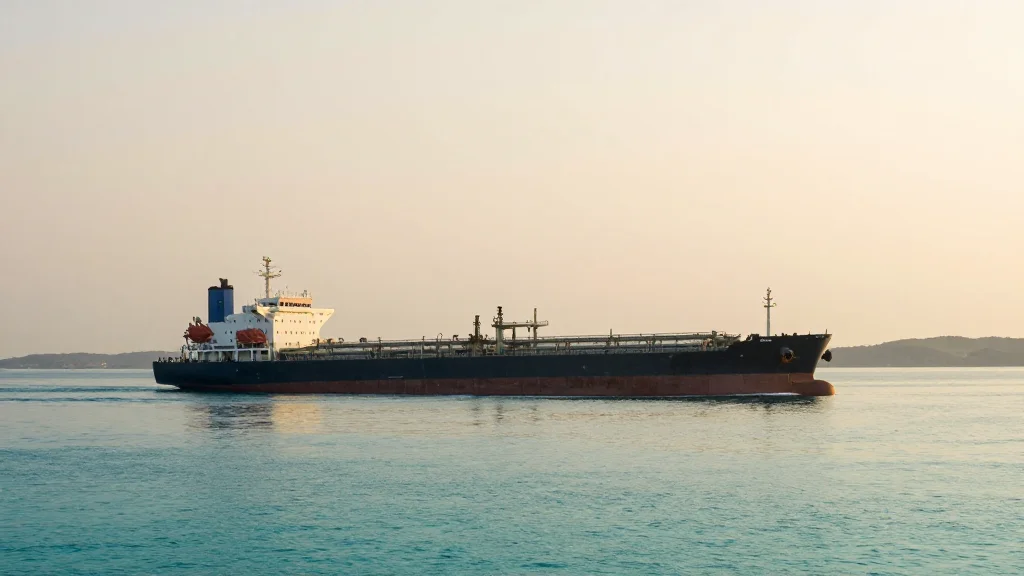
U.S. Administration Signals Economic Relief in Iran Peace Talks, Aims to Reopen Strait of Hormuz

Why It Matters
Reopening the Strait of Hormuz would directly affect global oil supply, potentially lowering crude prices and easing the inflationary pressure that has driven U.S. consumer prices to multi‑year highs. For the U.S. economy, reduced energy costs could improve disposable income, lower transportation expenses for businesses, and reduce the urgency for further Federal Reserve rate hikes. Moreover, lifting sanctions would restore trade channels for Iranian oil and related commodities, reshaping regional trade balances and influencing global market sentiment. The diplomatic breakthrough also carries geopolitical weight. A negotiated settlement could stabilize a volatile region, reduce the risk of military escalation, and create a more predictable environment for multinational corporations operating in the Middle East. For U.S. policymakers, the ability to translate diplomatic progress into tangible economic benefits will be a key metric of the administration’s foreign‑policy success.
Key Takeaways
- •President Donald Trump says Iran peace deal is "largely negotiated" and will lift sanctions.
- •Strait of Hormuz has been closed since Feb. 28, cutting 10‑12 million barrels per day from global supply.
- •Vice President JD Vance and envoy Steve Witkoff joined a multi‑nation call with regional leaders.
- •Secretary of State Marco Rubio cautioned that the deal still requires full Iranian acceptance.
- •U.S. dollar rose on expectations that oil supply shock could ease, potentially tempering inflation.
Pulse Analysis
The announcement marks a rare convergence of diplomatic and economic objectives for the United States. Historically, sanctions have been a blunt instrument, often inflicting collateral damage on global markets. By tying relief to a concrete maritime outcome—the reopening of the Strait of Hormuz—the administration is attempting to calibrate pressure in a way that directly benefits U.S. consumers and businesses. If successful, the move could set a precedent for future negotiations where economic levers are used more surgically.
However, the path to implementation is fraught with uncertainty. Tehran’s insistence on retaining jurisdiction over the waterway, as reported by Fars news agency, suggests that any agreement will involve complex compromises on navigation rights and sanctions sequencing. The involvement of a broad coalition of regional actors indicates both the strategic importance of the deal and the potential for divergent interests to stall progress. Market participants will likely price in a range of outcomes, from a swift reopening that eases oil markets to a protracted stalemate that keeps prices elevated.
From a macroeconomic perspective, the timing is critical. The U.S. economy is navigating a delicate balance between curbing inflation and sustaining growth. A modest reduction in oil prices could provide the Federal Reserve with breathing room to pause rate hikes, supporting credit conditions and consumer spending. Conversely, if the deal collapses or is delayed, the administration may face renewed pressure to address the energy crunch through domestic policy tools, potentially reigniting debates over fiscal stimulus or strategic petroleum reserves. The coming weeks will reveal whether diplomatic optimism can translate into measurable economic relief.
U.S. Administration Signals Economic Relief in Iran Peace Talks, Aims to Reopen Strait of Hormuz
Comments
Want to join the conversation?
Loading comments...