More War-Driven Inflation Seen in Fed’s Favored Gauge
Why It Matters
A near‑4% PCE reading forces the Fed to reassess its tightening path, while markets gauge the risk of renewed rate hikes. The development underscores how geopolitical shocks can quickly re‑ignite inflationary pressures, affecting monetary policy and investment decisions.
Key Takeaways
- •PCE inflation expected at 3.8% YoY in April
- •Fed's preferred gauge nearing 4% as energy spikes
- •War‑driven energy costs could broaden overall price pressures
- •Two‑month inflation acceleration biggest since late 2021
Pulse Analysis
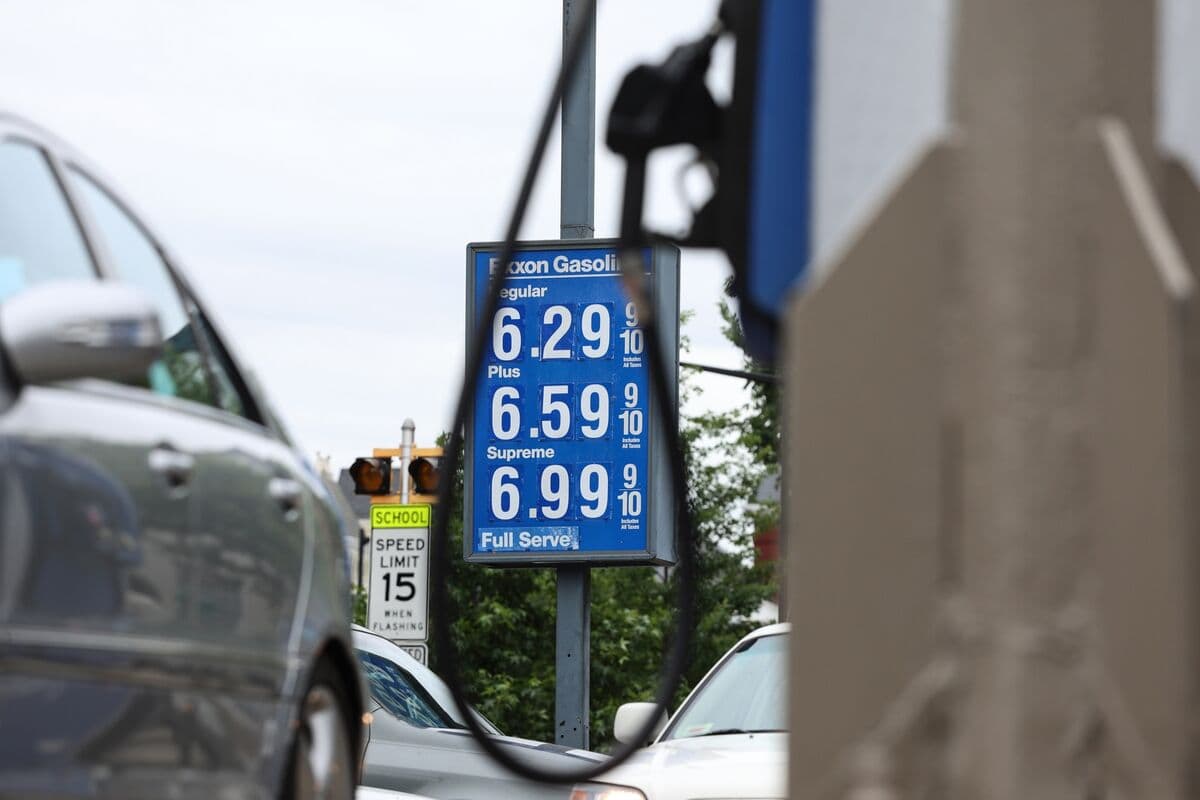
The personal consumption expenditures (PCE) price index has long been the Federal Reserve’s benchmark for gauging inflation because it reflects household spending across a broad basket of goods and services. In April, the index is projected to have risen 3.8% year‑over‑year, nudging the Fed’s favored headline measure close to the 4% threshold. This uptick is largely attributable to a sharp rebound in energy prices, which have been propelled by ongoing geopolitical tensions and the renewed conflict in Eastern Europe. The surge revives concerns that the recent disinflation trend may be reversing.
When the PCE gauge edges toward 4%, the Fed faces a tighter policy dilemma. Higher energy costs can feed through to core components such as transportation and manufacturing, potentially eroding the progress made since the 2022 rate‑hike cycle. Markets are already pricing in a modest increase in the probability of another 25‑basis‑point hike at the July meeting, while some analysts argue that a pause may be prudent to avoid overtightening. The Fed’s communication strategy will be critical in anchoring inflation expectations amid this renewed volatility.
Looking ahead, the durability of the war‑driven energy shock will shape the inflation trajectory for the rest of 2026. If oil and gas prices remain elevated, core inflation could stay above the Fed’s 2% target, prompting a more aggressive tightening stance. Conversely, a rapid de‑escalation of the conflict or a supply‑side breakthrough could ease pressure and allow policymakers to pivot toward rate cuts. Investors should monitor energy market data, Fed minutes, and forward‑looking surveys to gauge whether the current spike is transitory or a sign of deeper price‑setting dynamics.
More War-Driven Inflation Seen in Fed’s Favored Gauge
Comments
Want to join the conversation?
Loading comments...