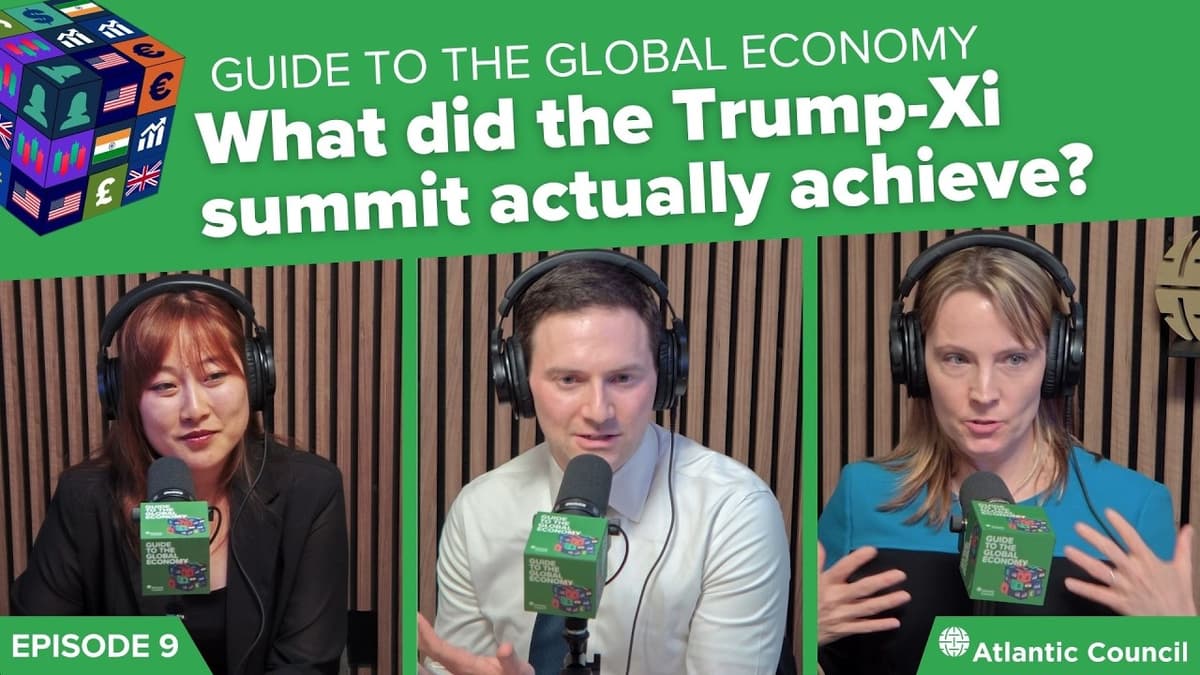
What Did the Trump-Xi Summit Actually Achieve?
The podcast dissects the Trump‑Xi summit in Beijing, asking what, if anything, was achieved beyond the media splash. Hosts Josh Lipsky and Jesse Yin, joined by Atlantic Council senior director Melanie Hart, note that the visit produced a flurry of statements but no signed contracts or detailed implementation plans. Key takeaways include the White House’s claim that China will buy $17 billion of U.S. agricultural products annually—an amount China never confirmed—along with vague promises on rare‑earth and critical‑minerals export controls. Equally concerning is President Trump’s televised remark that Taiwan arms sales could be used as a bargaining chip, a line that experts say undermines decades of deterrence policy. The touted Boeing‑GE aircraft purchase also remains unverified by Beijing, raising strategic worries about future supply‑chain leverage. Hart highlights three areas of consensus—strategic stability, surprise avoidance, and new cooperation—but stresses the lack of measurable outcomes. She cites a Chinese official’s post‑summit invitation to U.S. firms as a modest signal, while noting the CEO entourage appeared more for optics than for advancing specific market‑access goals. The discussion also references the failed follow‑through after the previous Busan meeting, underscoring a pattern of diplomatic suspense. The implications are clear: without concrete, enforceable agreements, U.S. leverage over China’s overcapacity and critical‑mineral dominance remains limited, and the Taiwan comment risks destabilizing a fragile security balance. Policymakers must move beyond symbolic gestures to secure verifiable commitments if they hope to reshape the bilateral economic relationship.
"You Don't Fix the Fed. You Opt Out of Needing It."
The video traces the Federal Reserve’s origins to a clandestine 1910 meeting on Georgia’s Jackal Island, where six powerful bankers and a senator drafted the blueprint for America’s central bank. It argues that the Fed’s public façade masks a hybrid...

The China Connection - 22-May-26
The China Connection episode focused on the accelerating tech rivalry between the United States and China, highlighting policy moves, corporate earnings and regional trade talks. President Trump’s decision to hold off on an AI oversight order was framed as a...
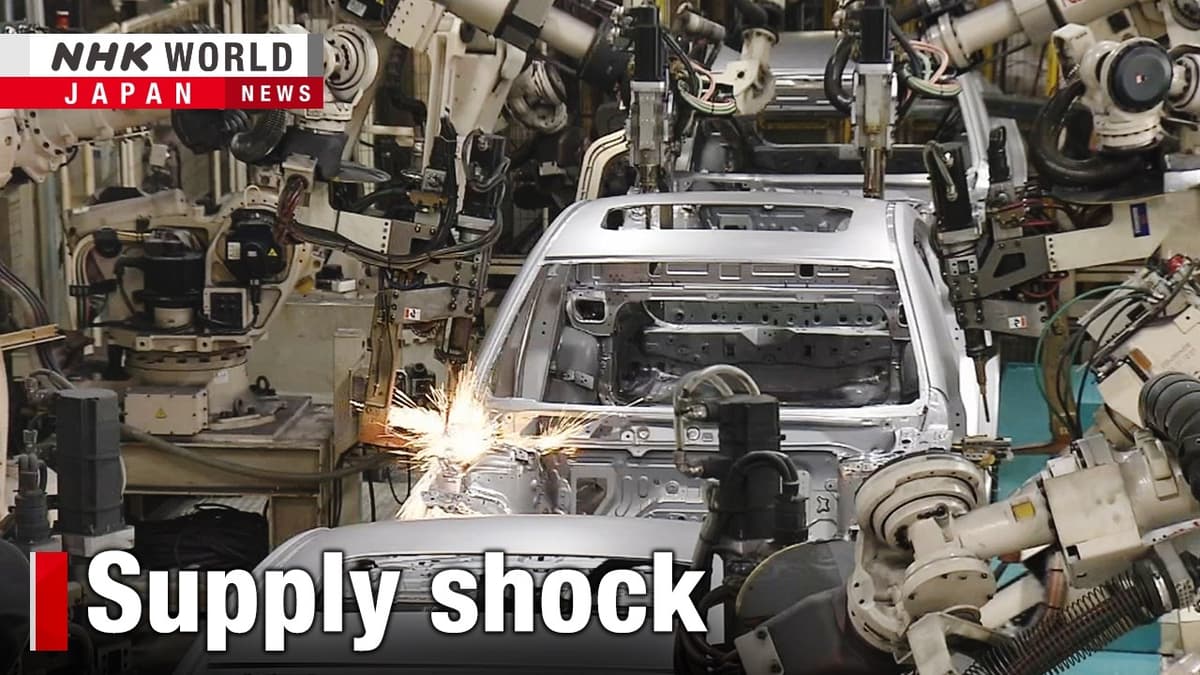
Hormuz Shock: Pressure Building on Japanese FactoriesーNHK WORLD-JAPAN NEWS
The week’s business focus turns to the escalating blockade of the Strait of Hormuz and its ripple effect on Japan’s manufacturing sector, as the country awaits key US and Japanese inflation data and its own April industrial production figures. Japan’s industrial...
Simon Hunt: 'Inevitable' Oil Shortages, Famine Is Coming, Gold & The New Monetary Order
Simon Hunt, a geopolitical analyst, warned that the ongoing closure of the Strait of Hormuz is creating the largest commodity supply disruption in modern history, with oil stocks projected to run dry in Asia, Europe and the United States by...
Financial Market Preview - Friday 22-May
Global markets opened firmer on Friday, May 22, with US futures and Asian and European equities supported by renewed optimism about a potential US–Iran ceasefire that helped reverse earlier weakness and lift momentum- and AI-linked stocks. Bonds were mixed and...
Will Vacation Inflation Affect Your Summer Travel? Here’s What to Know
The episode examines how soaring fuel prices and the recent shutdown of Spirit Airlines are reshaping the U.S. summer travel landscape. A fresh CPI report shows fares rose roughly 3% in April, while airlines grapple with higher jet‑fuel costs stemming...

Why Fixing the UK Is So Hard
Britain’s recent political churn — five prime ministers in seven years — has collided with deteriorating fiscal and economic conditions under Labour’s Keir Starmer, whose landslide victory has given way to poor local election results and internal party dissent. Rising...
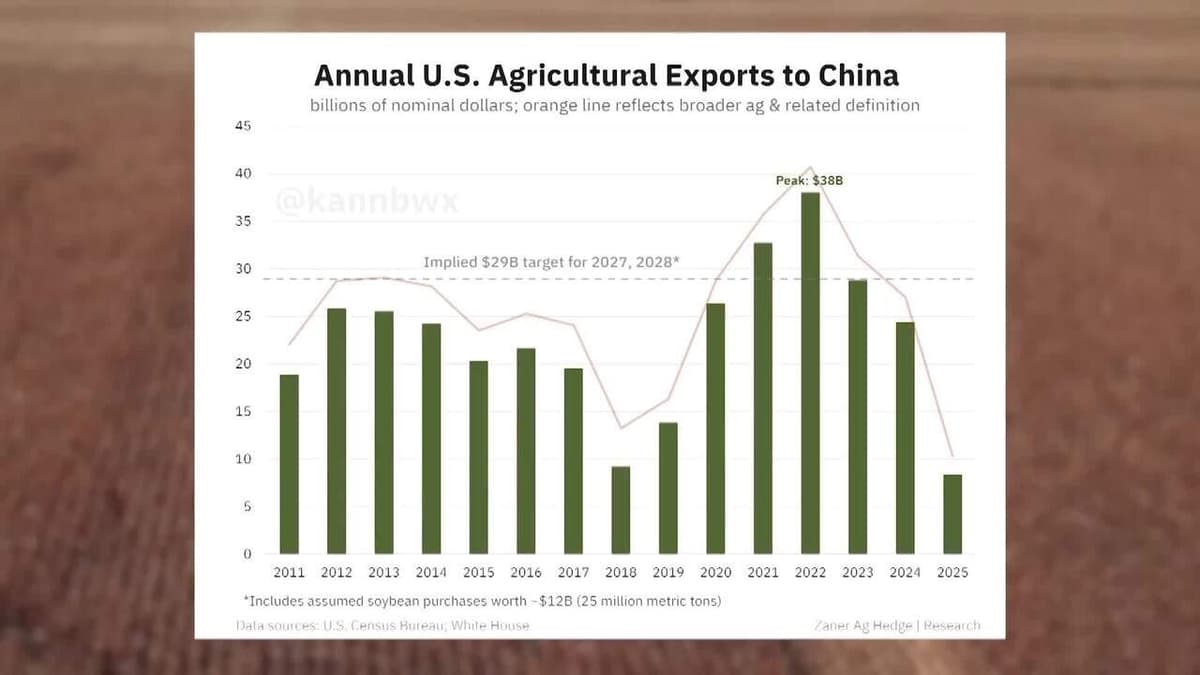
NDSU Study: Effect of China's Retaliatory Tariffs
A North Dakota State study finds the US lost nearly $15 billion from March 2025 to February 2026 due to China-related measures, combining fentanyl and reciprocal tariffs; soybeans account for about $7 billion, with beef and cotton at $1.3 billion...

Indonesia’s Shock Export Controls Catch Traders Off Guard | Insight with Haslinda Amin 5/22/2026
Indonesia announced a sweeping export‑control overhaul, establishing a sovereign‑wealth‑fund‑backed entity, DSI, to channel all coal and crude palm‑oil shipments. The move targets $65 billion of annual commodity exports and seeks to curb chronic under‑invoicing, improve traceability, and boost state revenues. Analysts note...
What Do Higher Oil Prices Mean for Inflation? May 2026 Economic Update
The Reserve Bank of Australia released a new educational video and worksheet that explain why inflation has risen and how higher oil prices feed into price pressures. The material connects cost‑push and demand‑pull inflation concepts to the latest monetary policy...
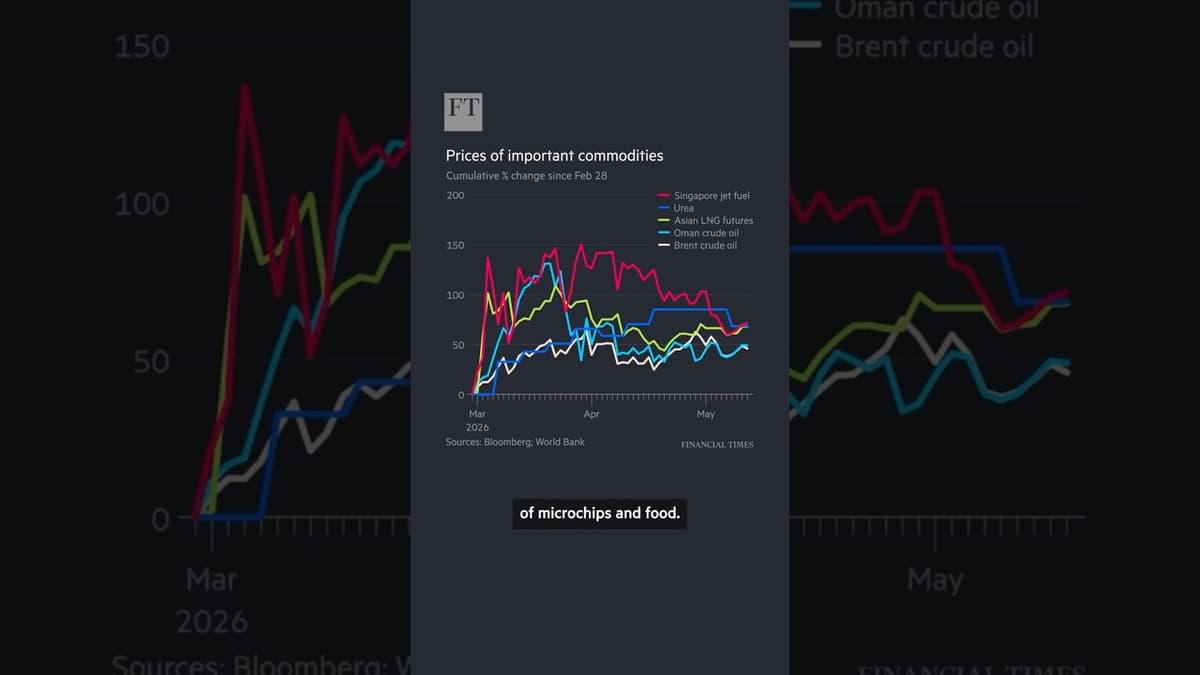
Why the Energy Crisis May Just Be Starting | FT #shorts
The video warns that the current Middle‑East conflict is sparking the world’s largest energy crisis, not only from the closure of the Strait of Hormuz but also from Iran’s targeted attacks on oil infrastructure. It explains that refinery configurations are tied...

European Leaders Call for Sanctions After Ben‑Gvir Video Sparks Outrage | DW News
A video of Israel’s far-right national security minister Itamar Ben‑Gvir taunting handcuffed activists from a flotilla attempting to breach the Gaza naval blockade has provoked international outrage and calls for sanctions, led by Italy urging the EU to act. Israel...
Daniel Lacalle: The Monetary Tsunami Is Coming
In a recent interview, economist Daniel Lacalle warns that the “monetary tsunami” is not a relic of the pandemic‑era stimulus but an imminent wave that will hit developed economies. He points out that the explosive money‑supply growth and soaring deficits from...
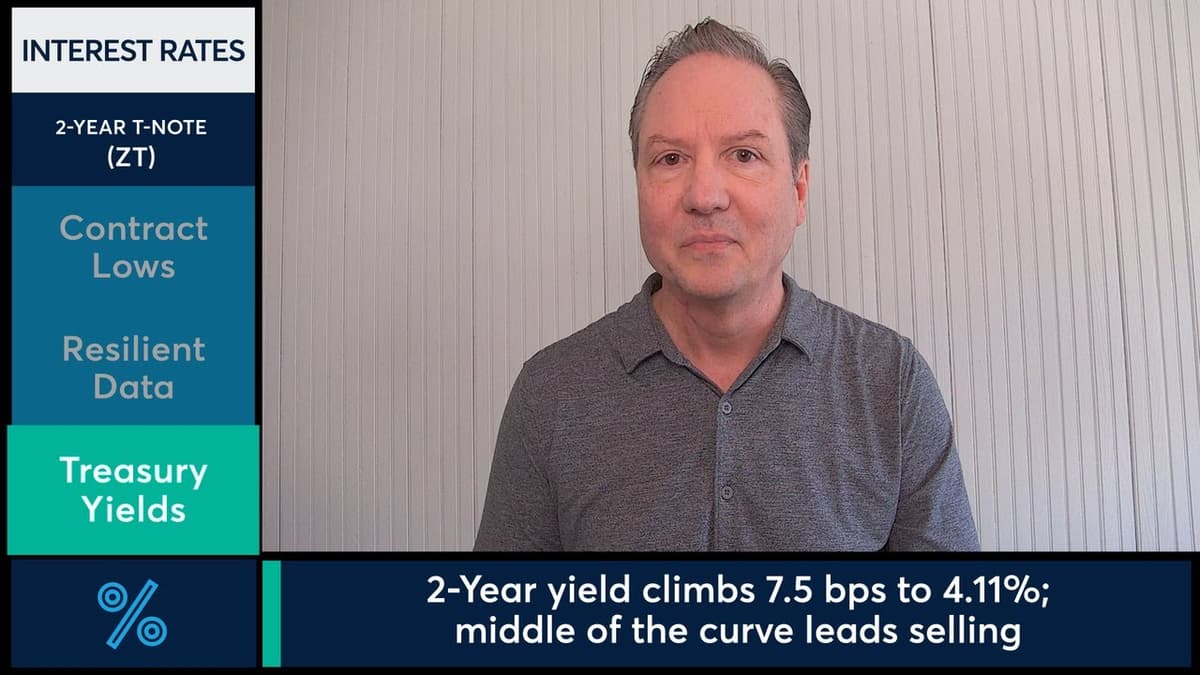
2-Year T-Note Futures Fell as Resilient Data Lifted Yields. 5/21/26
The market focus today was the continued decline of two‑year Treasury note futures, which slipped back toward the lows established two days ago. The June contract traded around 103.05, pushing the 2‑year yield up 7.12 basis points to 4.11%, just...