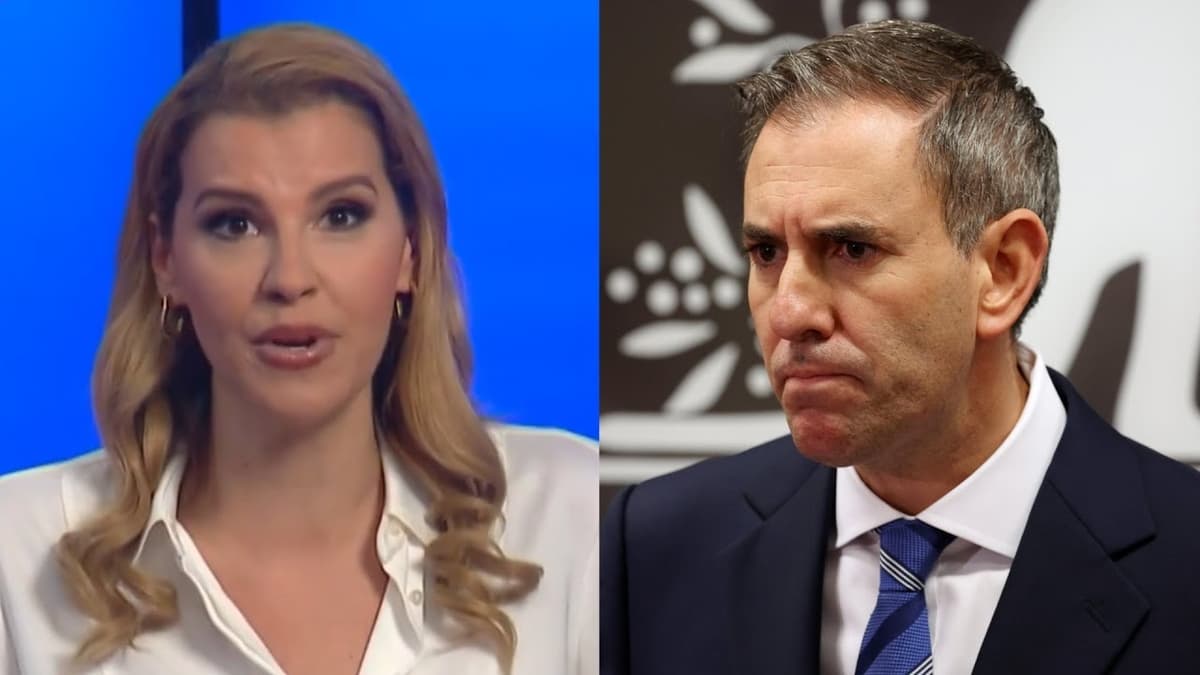
‘One Band-Aid Solution After Another’: Jim Chalmers Plays Blame Game as Rates Rise
The video captures Treasurer Jim Chalmers defending the Labor government’s fiscal record as inflation spikes, attributing price pressures to the war in the Middle East and touting a $114 billion “savings” achievement. Critics on the program argue the savings are merely re‑allocation of spending, point to record‑high government outlays, the controversial fuel excise cut that was forced on the party, and a Senate estimate where Finance Minister Katie Gallagher admitted no real savings occurred. Commentators label the approach a “Band‑Aid solution” and quote Chalmers saying “we will do what we responsibly can,” while opponents retort it’s “a lie” and liken it to “robbing Peter to pay Paul.” If the narrative persists, it could erode market confidence in Australia’s fiscal discipline, pressure the Reserve Bank toward higher rates, and shape voter sentiment ahead of the next election.

Hedgeye Investing Summit Spring 2026 | Chris Whalen, Chairman of Whalen Global Advisors
At the Hedgeye Investing Summit, Chris Whalen joined host Keith to dissect macro‑investment thinking, emphasizing the gap between enthusiastic “macro tourists” and seasoned professionals who apply disciplined processes. Whalen argued that blending diverse expert edges compounds knowledge, not just returns,...
Christopher Joye: Brace Yourself for a Higher for Longer Rates Cycle
James Marley interviews Coolabah Capital’s Christopher Joye about Australia’s looming higher‑for‑longer interest‑rate environment. Joye notes core inflation running at 3.9% on a six‑month annualised basis, well above the RBA’s 2.5% target, and argues the central bank should push rates toward...
FOMC: The End of an Era
The video focuses on the April 29 FOMC meeting, which will be Jerome Powell’s last as Federal Reserve chair, signaling the end of an era for U.S. monetary policy. Powell can remain a governor until 2028, but this meeting will...
India’s Youth Boom Meets a Jobs Bust
The fifth edition of the State of Working India report, released by Azim Premji University, examines how India’s youthful population is faring in the labor market as the country approaches the tail‑end of its demographic dividend. By focusing on...
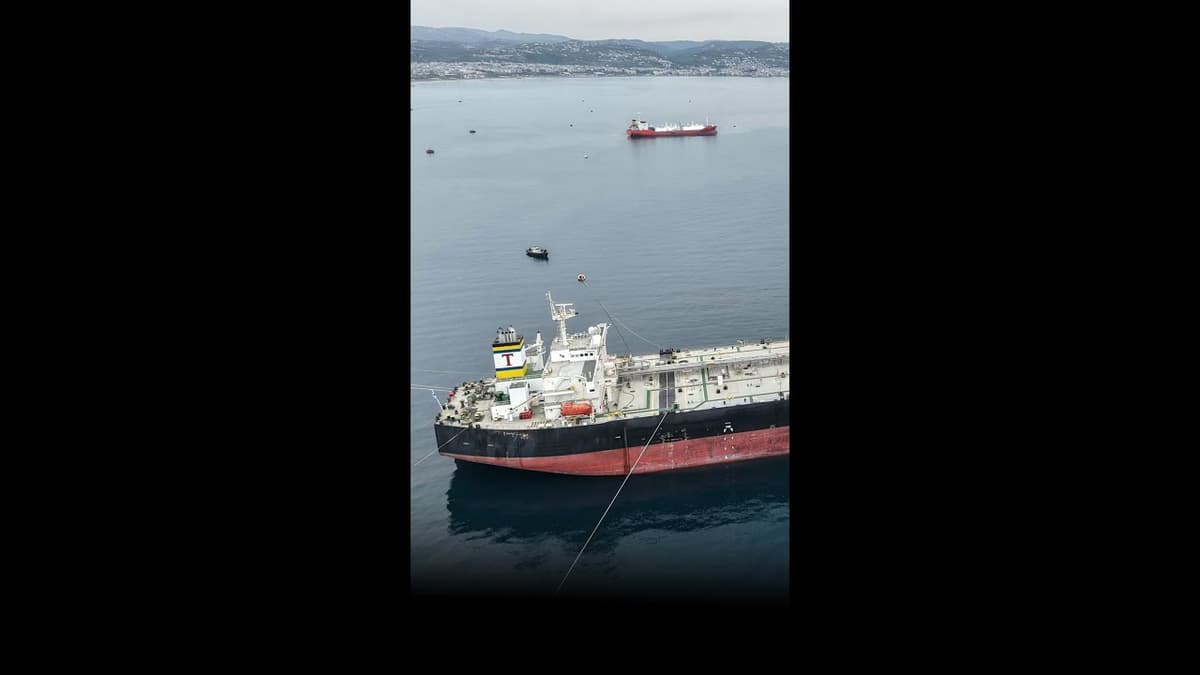
The Stock Market’s 'Curious Exuberance' Despite the Iran War
The video examines why the stock market remains unusually upbeat despite the ongoing Iran‑Israel conflict. Early‑quarter earnings have been robust, with roughly 80% of S&P constituents beating estimates, but only one month of the reporting period actually overlapped the war,...
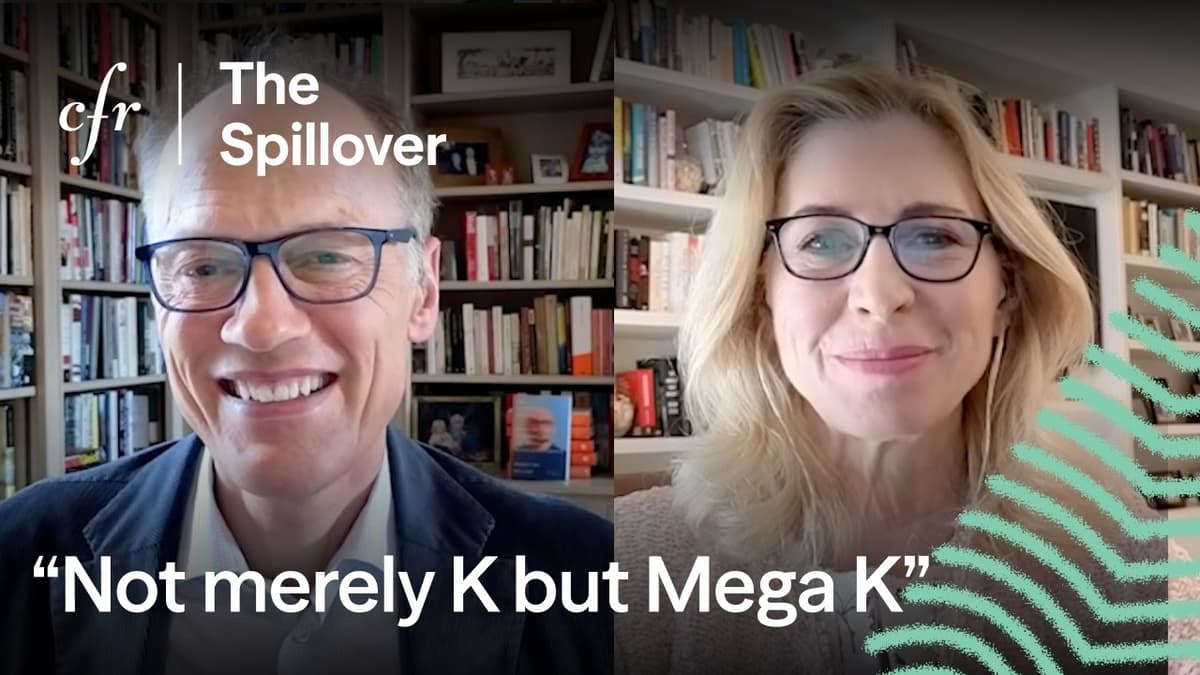
K-Shaped Everything + Affordability Crisis + Trump Vs. Mamdani Populism | The Spillover
The episode tackles the concept of a K‑shaped economy, arguing that the pandemic amplified a split between affluent households that saw asset values surge and lower‑income families that faced stagnant or declining real wages. Hosts Sebastian Malaby and Rebecca Patterson...
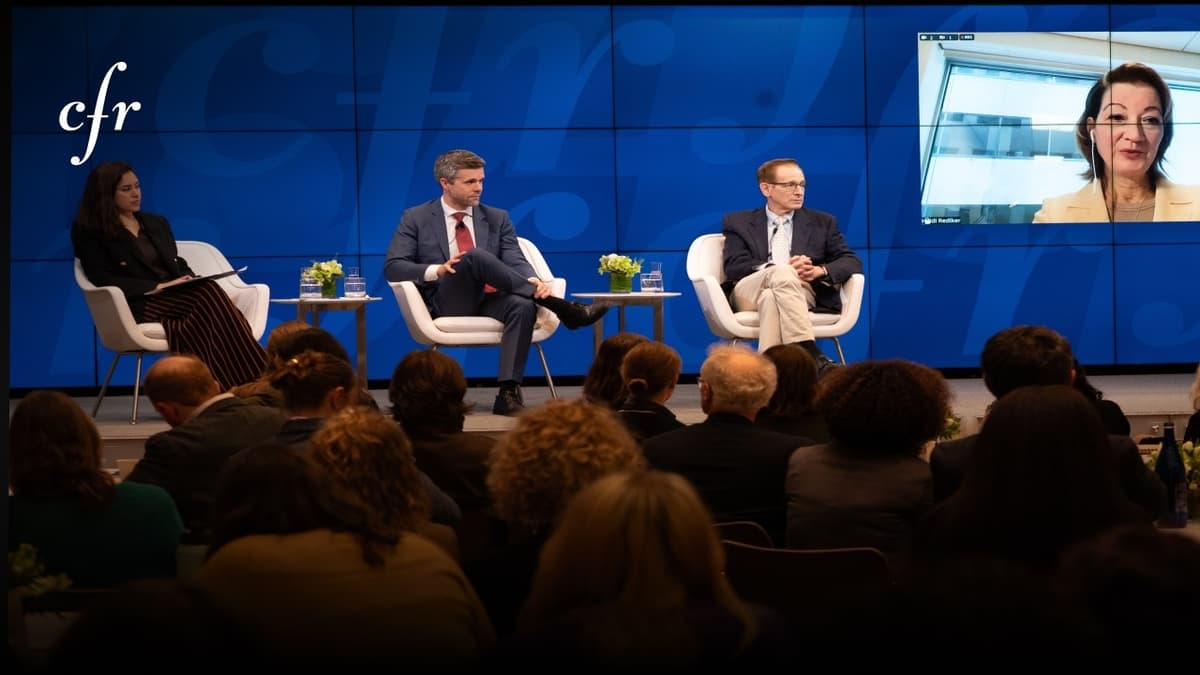
U.S. Economic Security
The Council on Foreign Relations task force warned that U.S. economic security now hinges on maintaining leadership in three dual‑use technologies—artificial intelligence, quantum computing, and biotechnology—each projected to generate up to $29 trillion in market value by 2040. The report,...
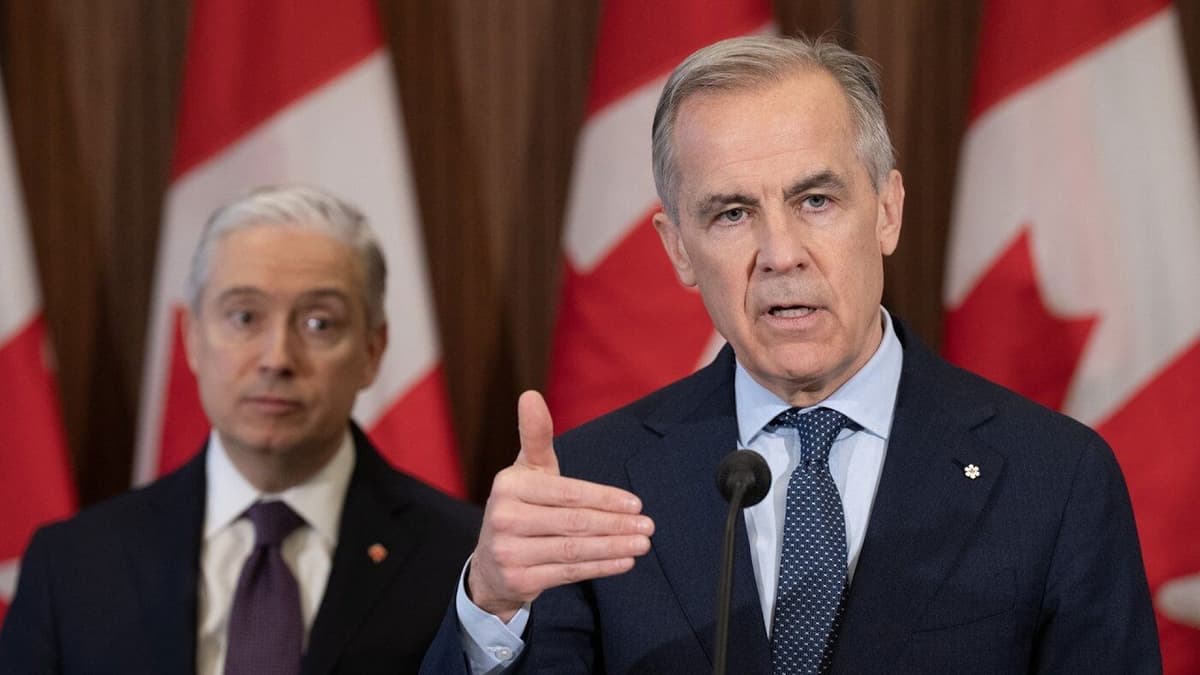
Power Play Special Coverage of the Spring Economic Update
The Liberal government released its spring economic update, an amendment to the November 2025 budget, highlighting a revised deficit forecast and a suite of new policy measures. The projected deficit for 2025‑26 falls from over $78 billion to about $67 billion, a $11.5 billion...
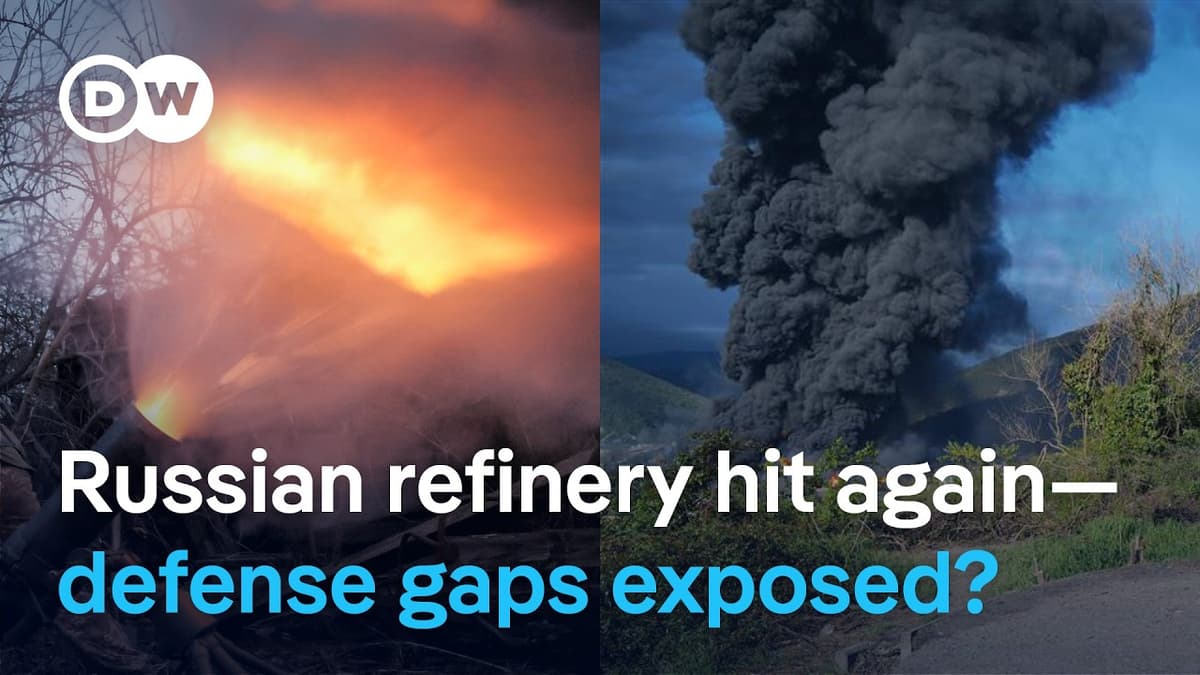
Ukraine's Refinery Attacks Expose Russia's Air Defense Challenge | DW News
The DW News report details a third Ukrainian drone strike on the Tuapse oil refinery in Russia’s Black Sea port, igniting a large fire and halting production. The attacks have destroyed more than two dozen storage tanks, caused prolonged blazes and...

David Woo: China Is Ready for War. Japan and Korea Are Not. #China #Oil #Hormuz
In a recent commentary, David Woo argues that China is far better positioned than its regional neighbors to endure a prolonged conflict, particularly one that disrupts oil supplies through the Strait of Hormuz. He points to a surprising 5% year‑over‑year GDP...
A Conversation with IMF Managing Director Kristalina Georgieva | Global Conference 2025
At the Global Conference 2025, IMF Managing Director Kristalina Georgieva addressed the unprecedented level of economic uncertainty, highlighting the twin shocks of volatile trade policies and lingering pandemic‑era disruptions. She noted that the Fund has lowered its global growth projection...
U.S. Stocks Are at 1929-Level Extremes | The Hard Asset Hedge | Adrian Day
The video argues that U.S. equities are trading at valuation extremes not seen since 1929, with most metrics indicating severe overvaluation. Higher oil prices are prompting profit warnings across roughly 30% of companies, while margin debt and one‑day option activity have...

Lumber For Liquor
The video critiques a tongue‑in‑cheek proposal to lift Canadian lumber tariffs in exchange for allowing U.S. liquor exports into Canada. The commentator argues the idea is economically nonsensical and serves more as political posturing than a viable trade solution. Key points...
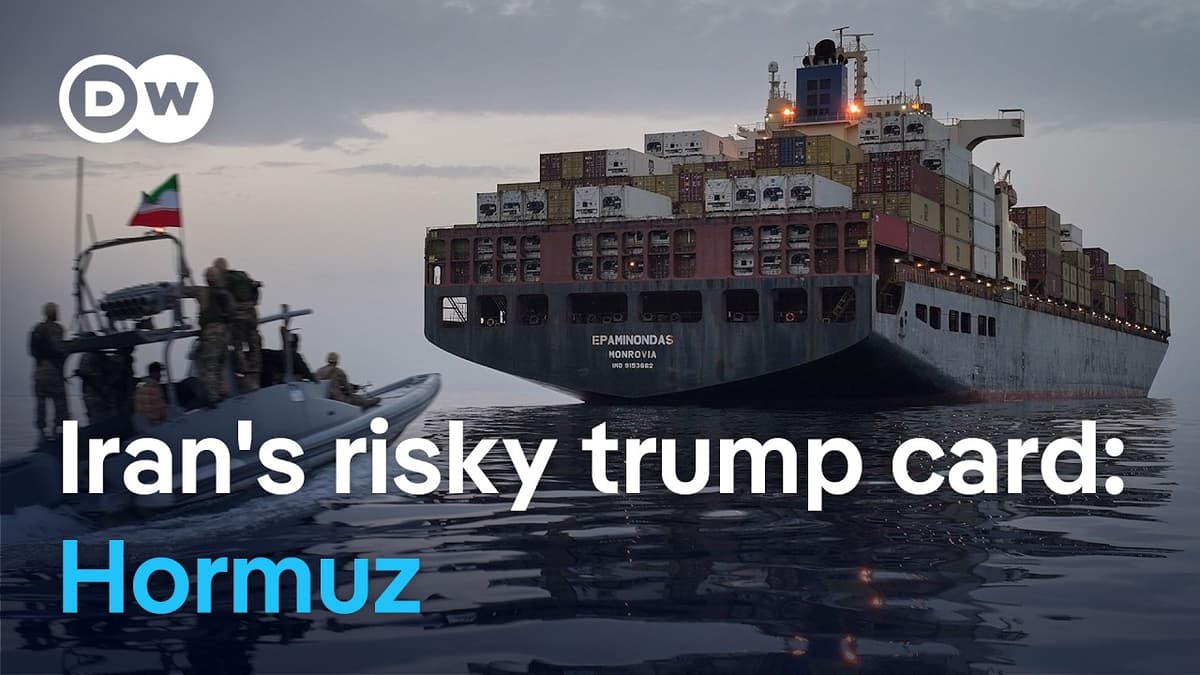
Iran Peace Proposal Fails to Impress Trump as Hormuz Standoff Enters Ninth Week | DW News
The DW News segment examines Iran’s latest peace overture amid a nine‑week stalemate over the Strait of Hormuz, noting President Donald Trump’s refusal to accept the terms. Since the April 8 cease‑fire, Iran has offered to reopen the strait in exchange...

Inflation Vs. Recession, Which Is Worse?
The video examines the Federal Reserve’s perspective on inflation versus recession, emphasizing that a downward shift in inflation expectations raises real interest rates and can deepen economic downturns. It highlights the Fed’s dual mandate of full employment and stable 2%...
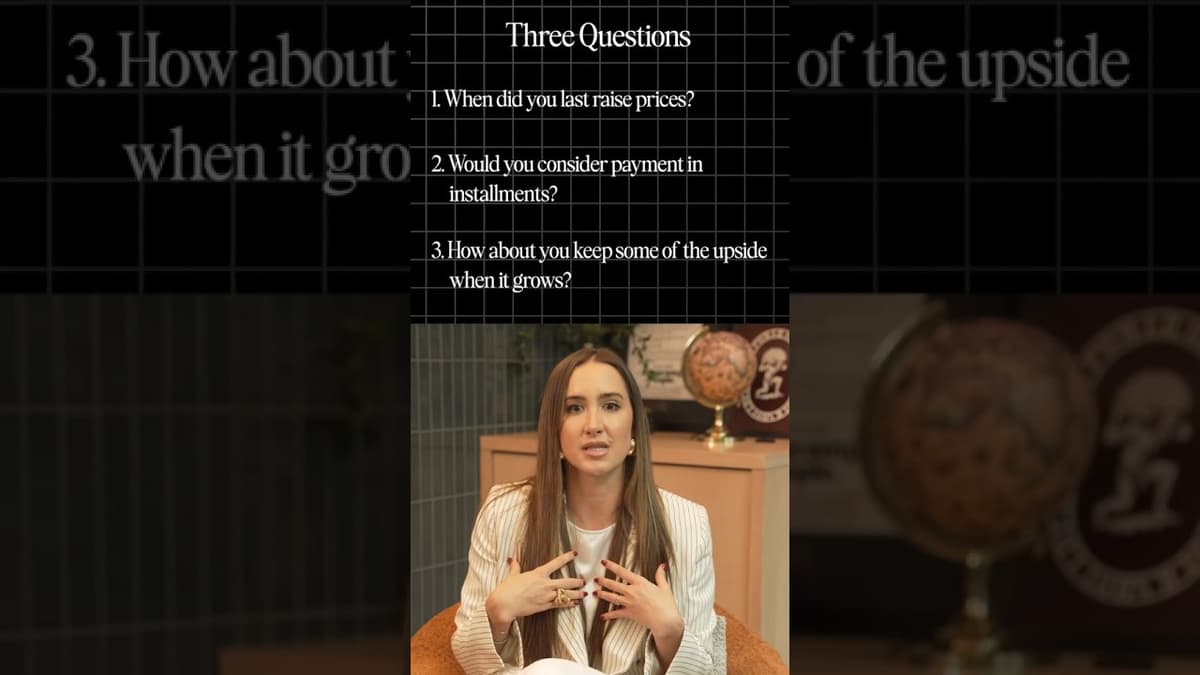
Inflation = Investor Edge
The video highlights the latest consumer‑price‑index (CPI) reading of 3.3%, the highest inflation rate since 2024, and frames it as a rare opportunity for investors. It argues that inflation acts as a hidden tax on cash while simultaneously inflating the earnings...
Peter Tchir: Energy Experts Have 'Early COVID Vibes' On Hormuz #Oil #SupplyChain #Inflation #Iran
Peter Tchir highlighted growing anxiety among energy specialists who liken current Hormuz‑related tensions to the early‑COVID supply‑chain shock. He noted that while oil’s fungibility cushions some volatility, the broader energy ecosystem—particularly liquefied natural gas—faces tighter constraints and heightened operational complexity. Experts...
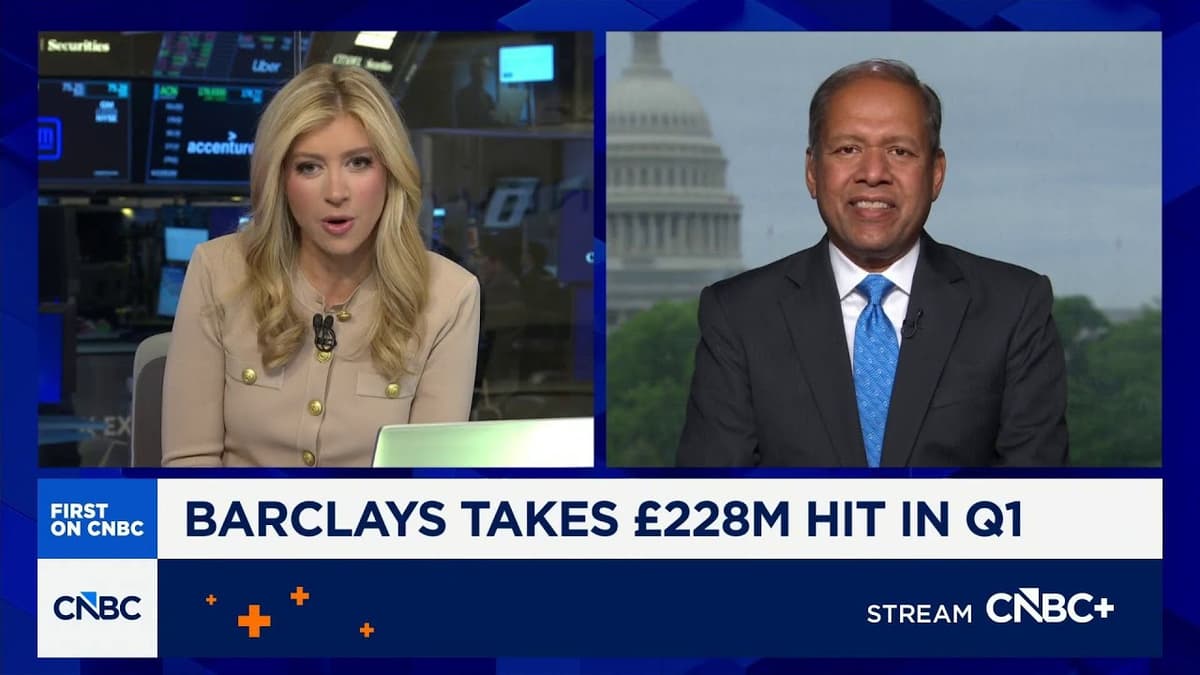
Barclays CEO on Inflation: 'In the Longer Term, You've Got to Be Worried'
Barclays CEO C.S. VenkataKrishna opened the Q1 earnings call by noting a solid quarter, driven by revenue growth across all divisions, but flagged a £228 million impairment linked to a collapsed mortgage‑originator. He highlighted a 13.5% return on equity overall, with...

UAE Leaving OPEC at Right Time, Energy Minister Says
The United Arab Emirates announced it will leave OPEC after six decades, citing a need for greater agility in responding to volatile energy markets. The move comes amid heightened supply concerns linked to the Iran‑Israel conflict and the temporary closure...
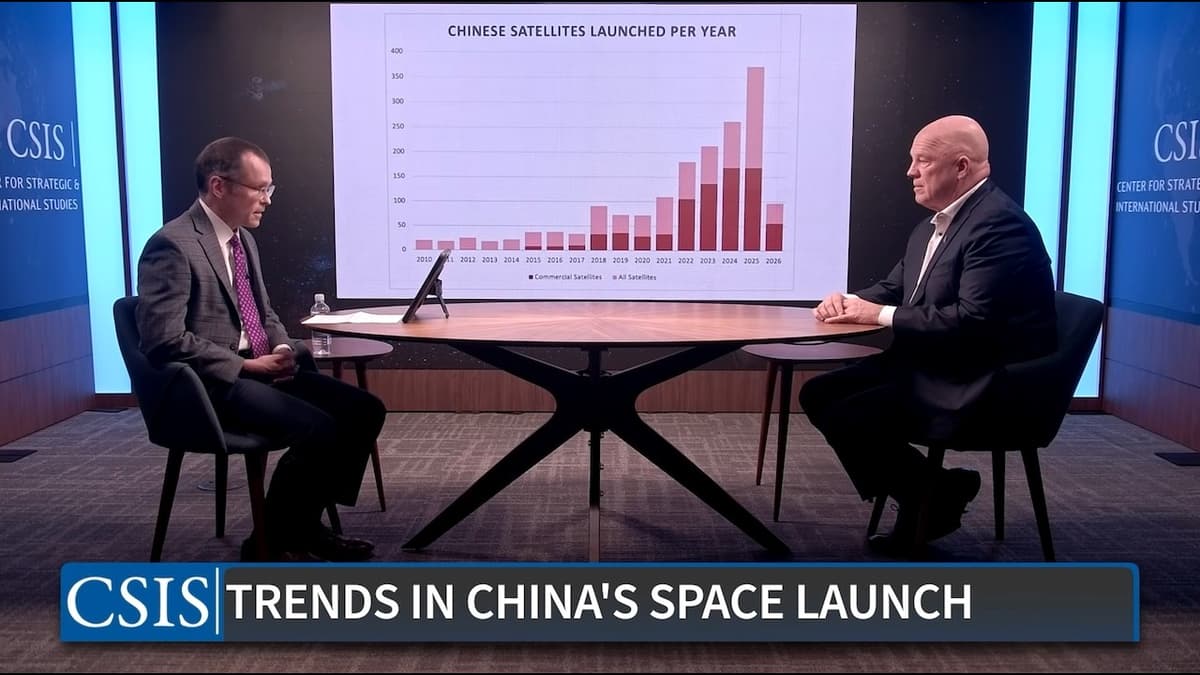
Red Tide Rising: China’s Increasing Satellite Launch Cadence | Space Strategic Dialogue
The Space Strategic Dialogue focused on China’s rapid expansion in satellite launches, noting that the nation deployed more than 350 satellites last year, a dramatic rise from its modest early‑1990s efforts. By contrast, the United States launched roughly 3,500...
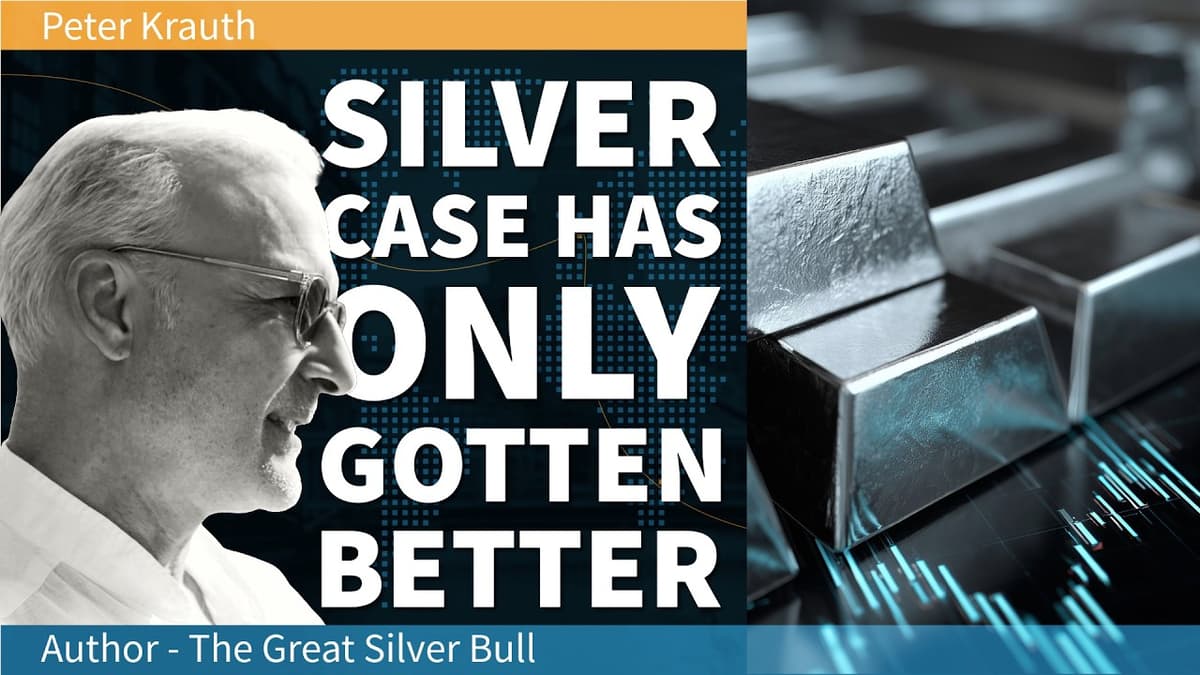
Peter Krauth - The Case for Silver Has Only Gotten Better
Peter Krauth, author of *The Great Silver Bull*, argues that the current market environment is the most favorable ever for silver and silver‑related equities. He ties recent price action to a broader secular commodities bull that began around 2001, noting...
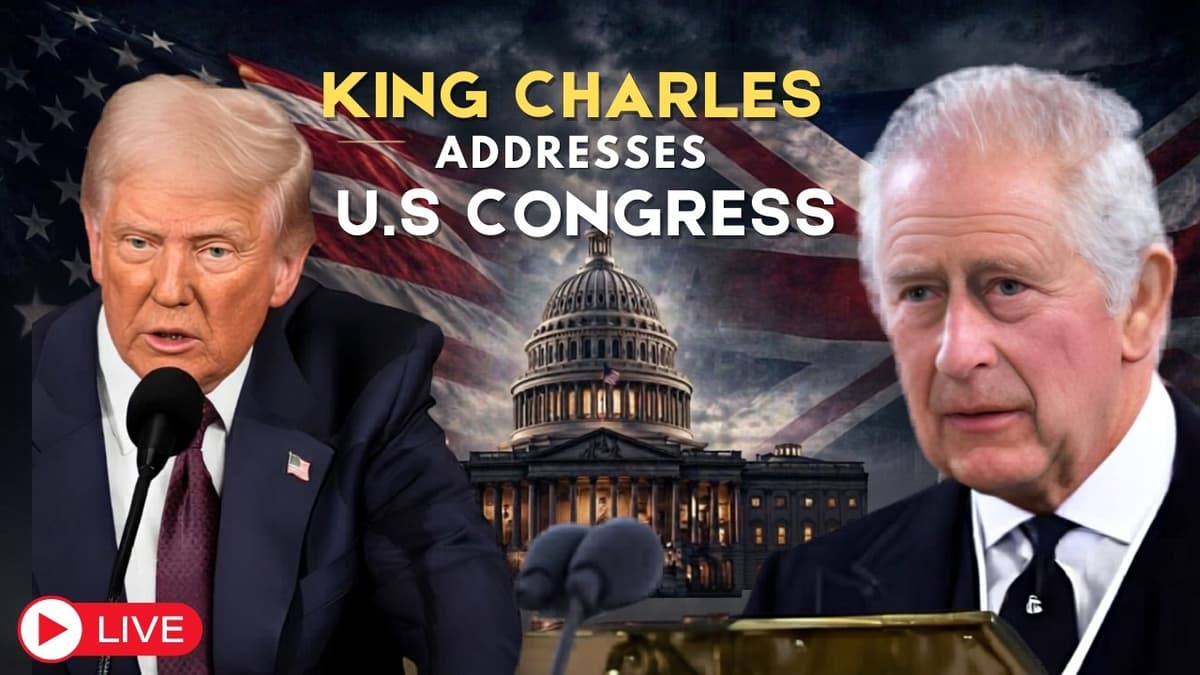
Watch LIVE: King Charles III Addresses U.S. Congress on 250th Independence Anniversary | Trump News
King Charles III addressed a joint meeting of the U.S. Congress, marking the semiquincentennial of the Declaration of Independence and underscoring the historic depth of the Anglo‑American partnership. He paid tribute to the shared democratic foundations, noting how Magna Carta and...

Positive Housing Demand and a Preview of the Fed Meeting
The episode with analyst Logan Mohtashami reviews recent housing‑market tracker data and looks ahead to the Federal Reserve’s upcoming meeting, marking Jerome Powell’s final press conference. Data show pending home‑sale contracts at a multi‑year peak, new listings exceeding 80,000, and...
Trump Weighs Tehran Proposal; Kimmel Defends Comments About First Lady | Bloomberg Daybreak: US...
President Donald Trump convened his national‑security team to assess Iran’s latest interim offer, which calls for a mutual lifting of the Hormuz Strait blockades, war reparations and a postponement of nuclear negotiations. The White House reiterated that Tehran’s red lines...
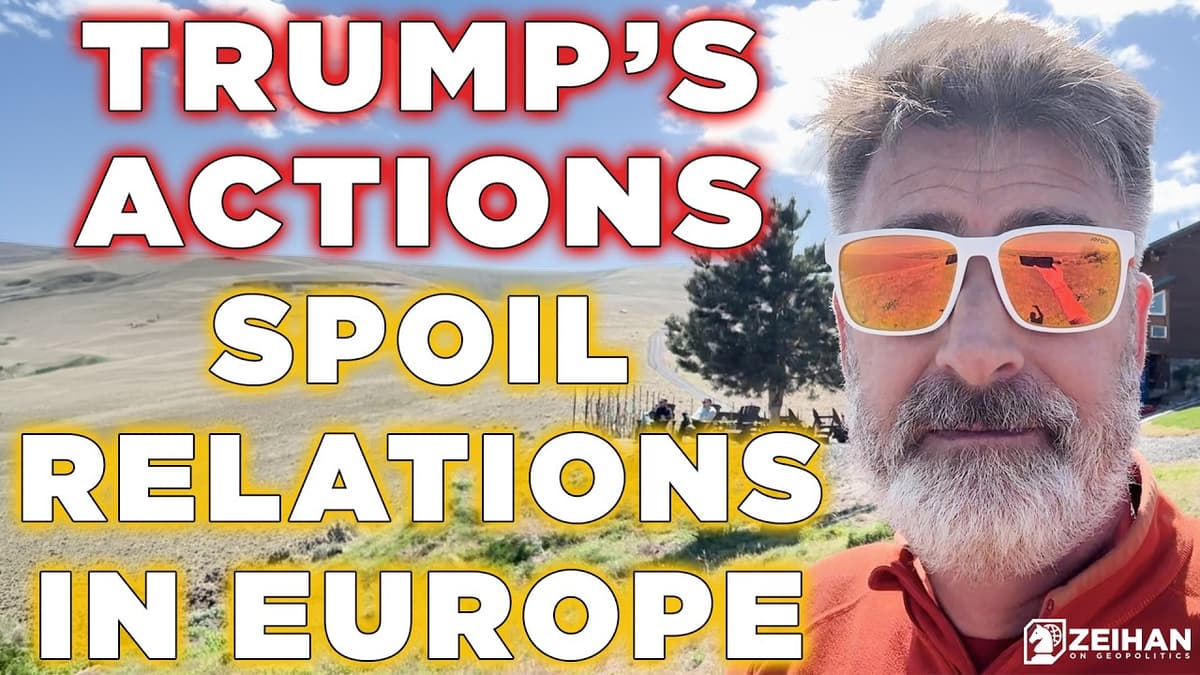
Italy Gives Trump the Cold Shoulder || Peter Zeihan
Peter Zeihan argues that the United States is witnessing the rapid disintegration of its post‑World‑II alliance with Europe, with Italy now openly rejecting Trump’s foreign‑policy agenda. He attributes the rupture to the former president’s public denunciations of allies, his refusal...
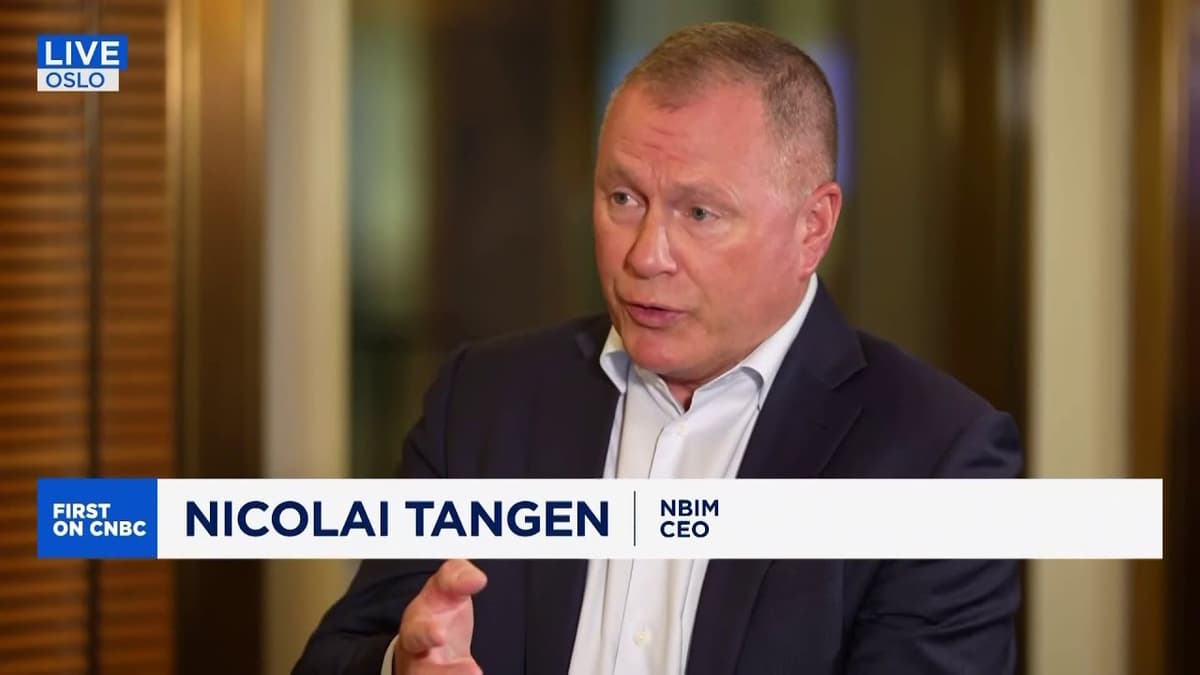
NBIM CEO: Outlook Very Uncertain
The Norwegian sovereign wealth fund’s chief executive warned that the market outlook is “very uncertain,” citing the fallout from Middle‑East conflicts, volatile energy prices and ripple effects across Asia, Europe and the United States. He reaffirmed NBIM’s commitment to a...

The U.S. vs China AI Battle Is Getting Ugly | China Decode
The episode of China Decode focuses on the escalating U.S.–China rivalry in artificial intelligence. Washington has publicly alleged that Chinese actors are running large‑scale campaigns to query and replicate the outputs of American large‑language models, a practice the hosts label...

The COB: Pessimistic Positioning
The COB broadcast focused on today’s Australian market slide and the looming inflation data that could shape central‑bank policy across the region. The S&P/ASX 200 closed 0.6 % lower at 8,710, a three‑week trough, while the energy index gained roughly 0.7 % as oil...
Currencies Call the Shots as Central Banks Hold the Line | the Trade
The Trade focused on this week’s central‑bank calendar, highlighting the Federal Reserve’s likely decision to keep rates on hold while hinting at possible hikes if inflation persists. In Asia, the Bank of Japan is expected to maintain its ultra‑easy stance,...
Why China Is America’s Top Adversary
The video argues that China has become America’s foremost adversary because it now couples near‑peer military capabilities with an economic engine far larger than the Soviet Union ever possessed. Unlike the Cold War rival, Beijing can finance advanced weaponry,...
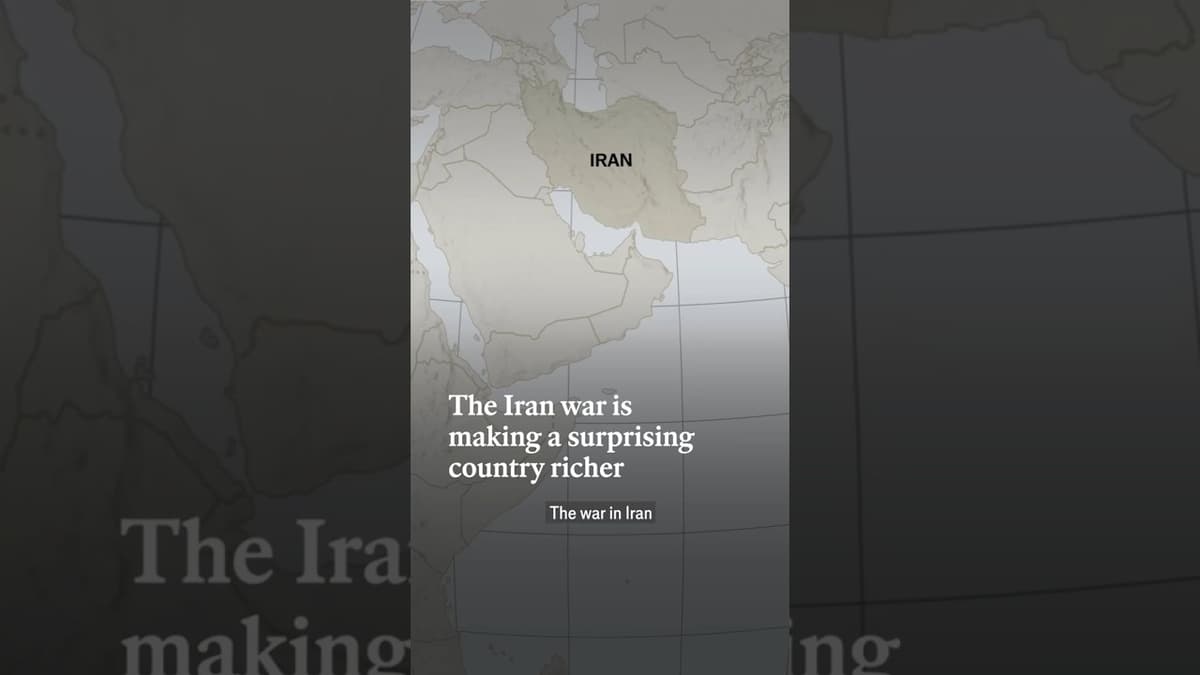
The Iran War Is Making a Surprising Country Richer
The video explains how the Iran‑Russia conflict has unintentionally enriched the South American nation of Gana. After a 2015 discovery of 11 billion barrels of offshore oil, production began in 2019 and weekly revenues jumped from $370 million to $623 million, making...
Tariff Refund Process, Trade Over Aid, and USTR Greer Testifies
The Trade Guys podcast examined three intertwined topics: the rollout of the IEPA tariff‑refund portal, the Trump administration’s new "trade over aid" strategy, and USTR Katherine Tai’s recent testimony before the House Ways and Means Committee. The discussion opened with...
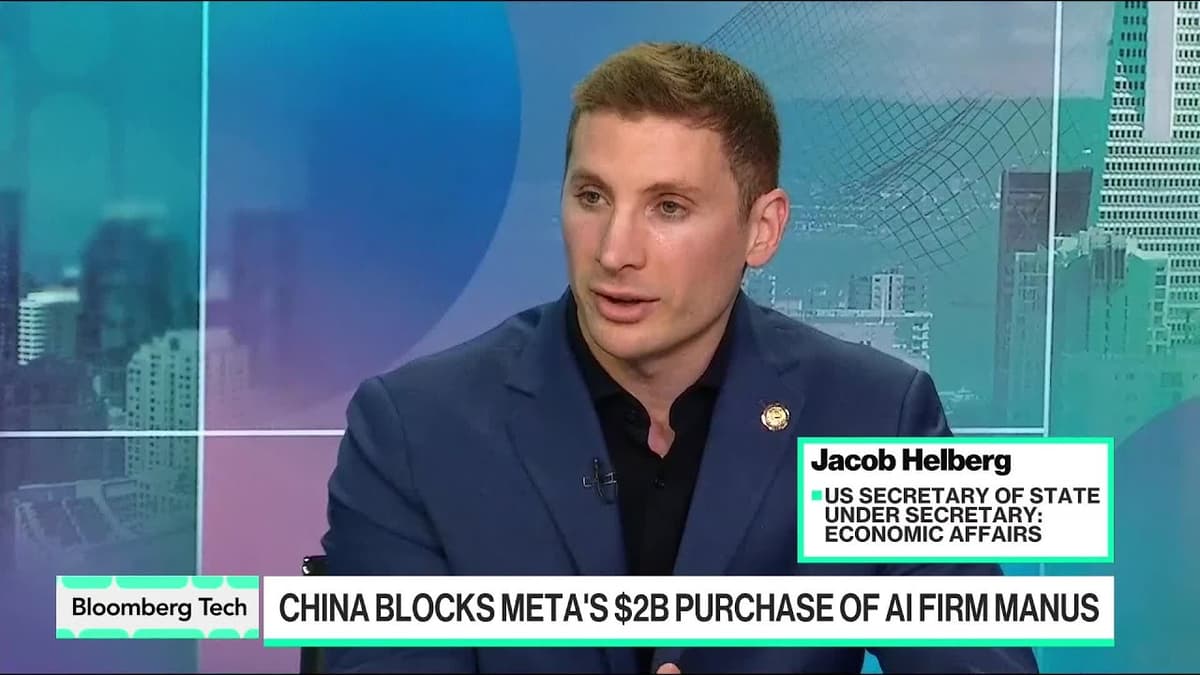
US Is Doubling Down on Tech Deals with the Gulf: Helberg
The video features a senior U.S. official outlining a new economic‑security initiative called Paxilica, a 14‑nation coalition designed to counter China’s Belt‑and‑Road model by leveraging private‑sector strength and strategic partnerships in the Gulf and Southeast Asia. Key points include the launch...
Access Middle East - 27-Apr-26
Access Middle East opened with a stark reminder that oil markets remain volatile: Brent briefly breached $107 a barrel and WTI rallied 14% last week as the United States and Iran failed to revive peace talks in Pakistan. President...
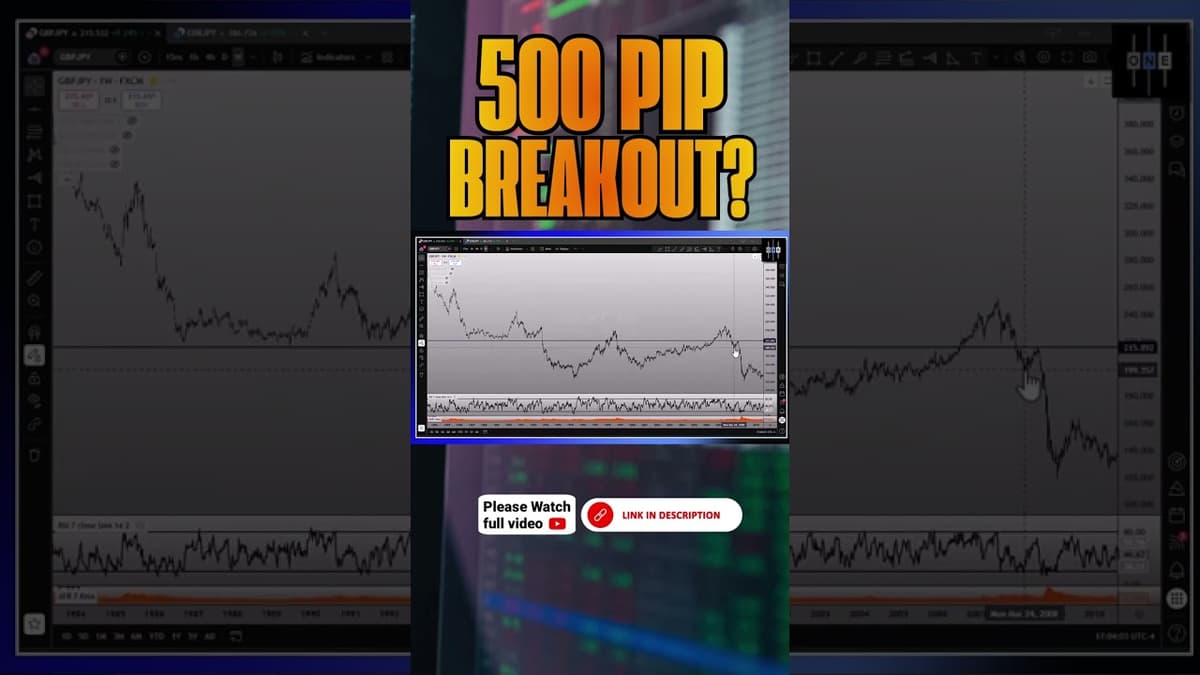
This BOJ Decision Could Trigger a MONSTER GBPJPY Move
The video examines the GBP/JPY pair in the wake of a looming Bank of Japan policy decision, arguing that the currency could experience a dramatic rally if certain technical thresholds are breached. Technical analysis shows the pair has been in a...
Why Has the Stock Market Been Able to Move Higher Despite the Oil Shock From the War?
Investors are puzzled as the S&P 500 reached a fresh record despite the oil shock triggered by the Middle East conflict. The video explains that the United States' greater energy independence shields its economy from the worst of the supply crunch,...
We Asked Chris Davis What Investors Are Getting Wrong About Risk
In this interview, veteran investor Chris Davis warns that investors are misreading risk by chasing high valuations rather than durable, resilient businesses. He frames the current environment as a convergence of three macro forces—relentlessly low cost of money now unwinding,...
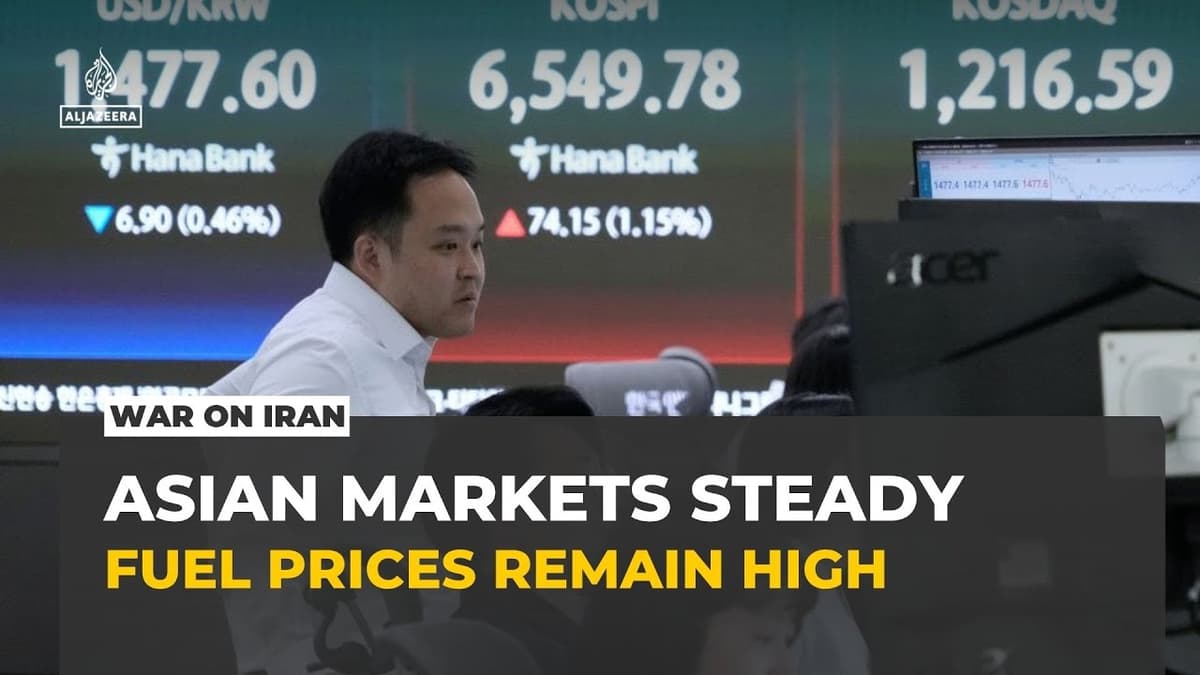
Asian Markets Steady Despite War on Iran, as Fuel Prices Remain High
Asian equities held steady two months after the U.S. and Israel struck Iran, even as crude‑oil prices remain elevated and fuel costs surge across the region. In South Korea, gasoline is about 18 % higher than pre‑war levels, pushing March inflation to...
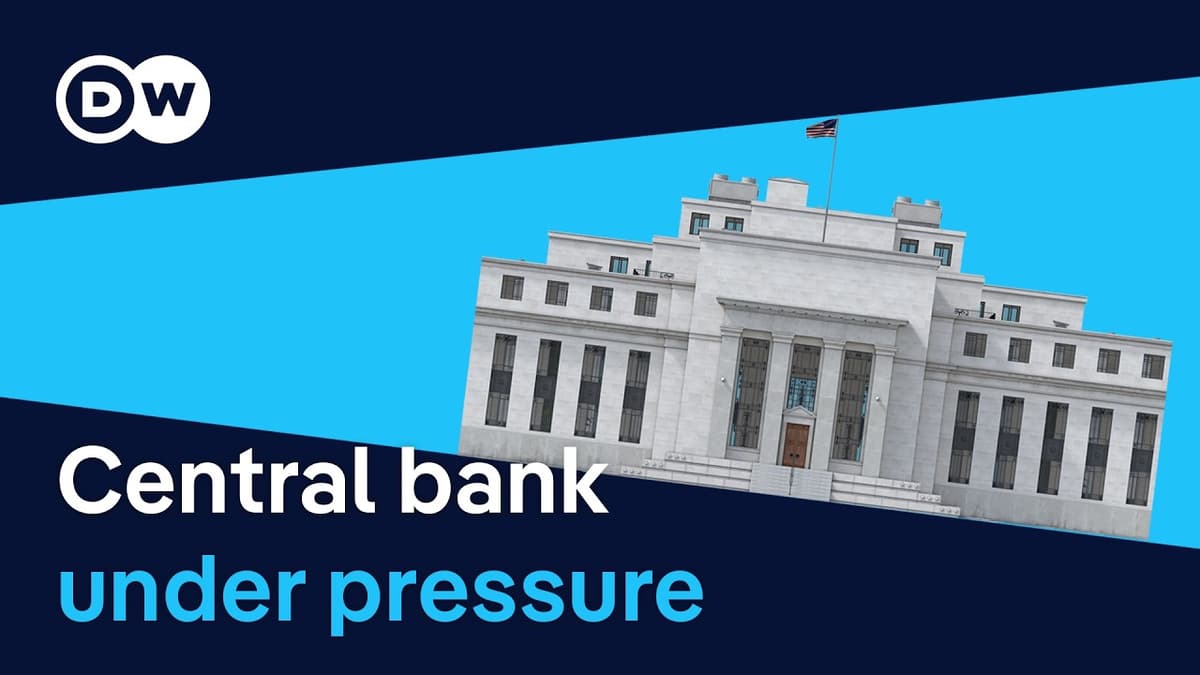
Can the US Fed Stay Independent as Political Pressure Grows? | DW News
The DW News segment examines growing political pressure on the U.S. Federal Reserve as President Donald Trump pushes for lower interest rates and his nominee, former Fed governor Kevin Warsh, prepares for confirmation. The clash centers on whether the central...

Hedgeye Investing Summit Spring 2026 | David Rosenberg, Rosenberg Research & Associates
The 16th Hedgeye Investing Summit opened with Keith McCullough introducing David Rosenberg, founder of Rosenberg Research, for a candid discussion on macro‑focused investing and personal discipline. Rosenberg outlined his daily routine—rising at 4 a.m., feeding chickens, scanning five to six newspapers,...

Featured Speaker Seminar with Ralph De Haas: How Will Aging Populations Reshape the Global Economy?
Professor Ralph De Haas, director of research at the European Bank for Reconstruction and Development, presented the 2025‑26 “Brave Old World” report, examining how rapidly aging populations will reshape the global economy. He highlighted the shift from a demographic dividend...
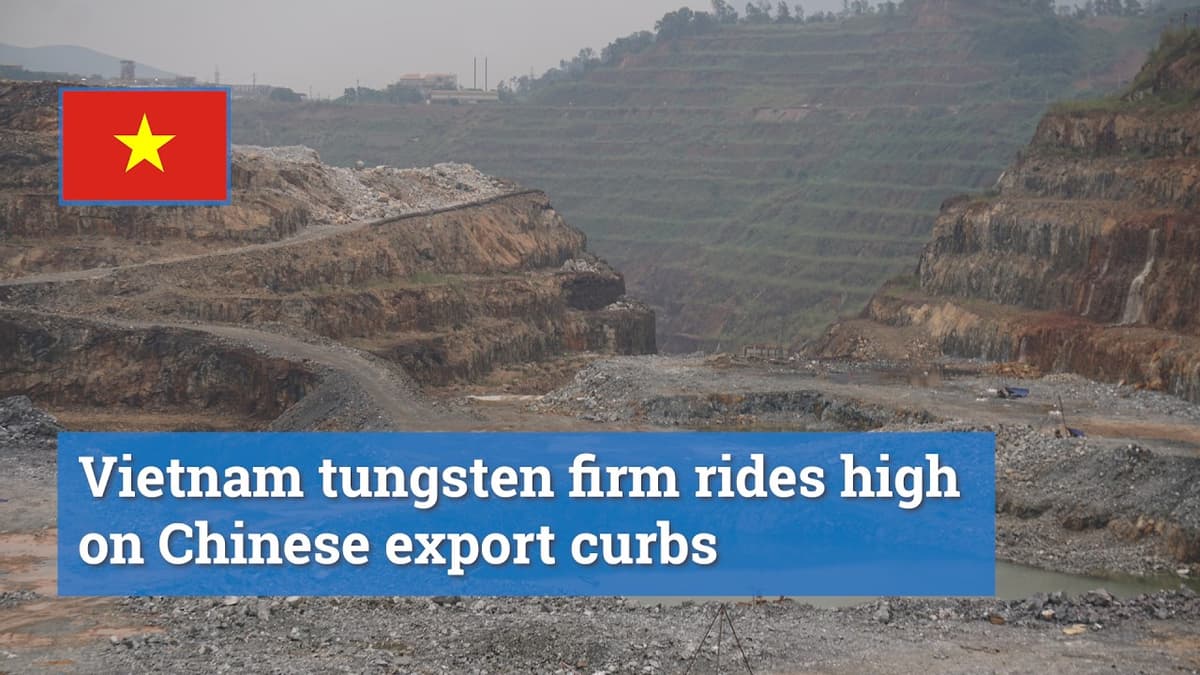
Vietnam Tungsten Firm Rides High on Chinese Export Curbs
A Vietnamese tungsten mining firm anticipates a breakout year as global tungsten prices surge. The rally is driven by China’s newly imposed export controls on the metal, which is critical for cutting tools, defense systems, and AI hardware. Higher prices...

🚨 FOMC Meeting + Earnings Collide: Massive Market Move Incoming? Live at 8pm ET
True Trading Group (TTG) opened its live stream by celebrating what it called the largest trade in its history—a short position on AIS that fell from $715 to $200—while teasing a “massive market move” week driven by the Fed meeting,...
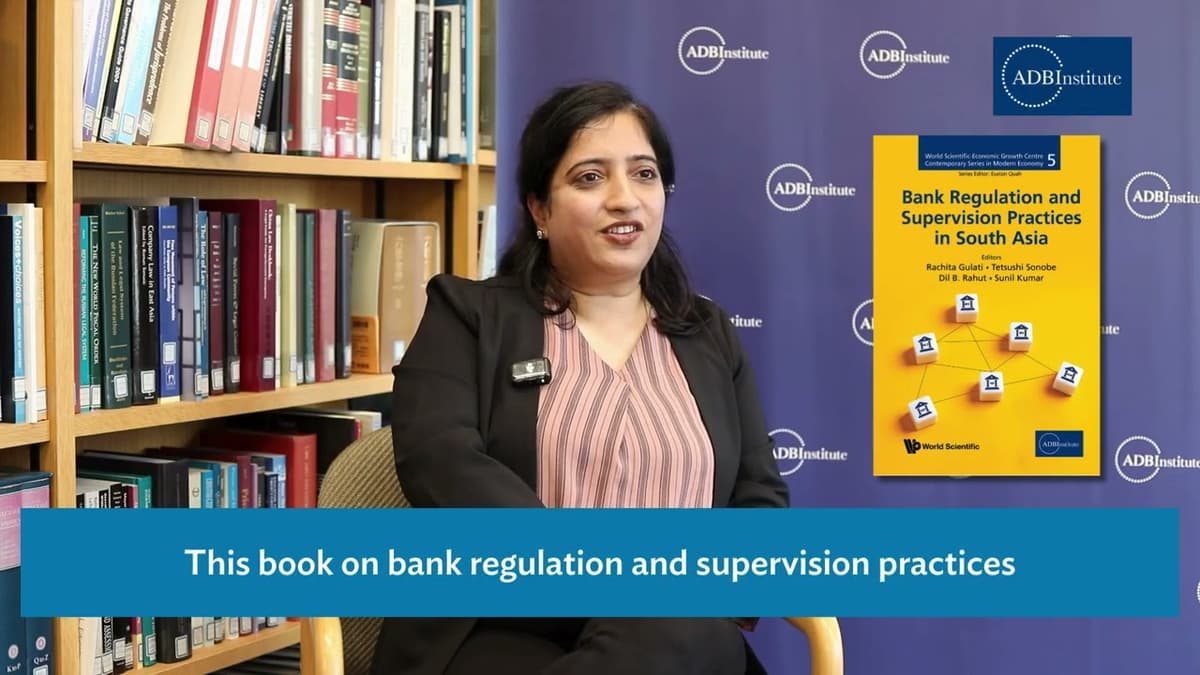
Book: Bank Regulation and Supervision Practices in South Asia
The new book "Bank Regulation and Supervision Practices in South Asia" examines how rapid digitalization, rising non‑bank players, cyber risk, and climate vulnerability are reshaping the region’s banking sector. It surveys regulatory and supervisory frameworks across Bangladesh, Bhutan, India, Nepal, Sri...
Texas Oil Insiders Just Gave DIRE Warning For What's Coming
The video warns of a looming oil market crisis, emphasizing a stark disconnect between futures contracts and cash (spot) prices. Dallas Federal Reserve officials surveyed Texas oil veterans, uncovering that while front‑month WTI hovers near $95, real‑world barrel costs exceed...
LIVE | Iran Flexes Missiles, Trump Halts Pakistan Plan: Signs of a Bigger Crisis? | Mojtaba
The video examines the widening gap between Tehran and Washington as Iran flaunts a burgeoning domestic arms industry while the United States sustains a naval blockade of the Strait of Hormuz. President Trump’s decision to cancel a planned envoy visit...

Weekend Trading Update | Performance and What's Coming
Steve Gans' weekend update on April 26 2026 highlights an extraordinary rally, with the S&P 500 climbing roughly 14 percent in just 18 days and the Nasdaq‑linked QQQ jumping about 20 percent over the same span. Gans attributes the surge primarily to three factors: a perceived dovish...
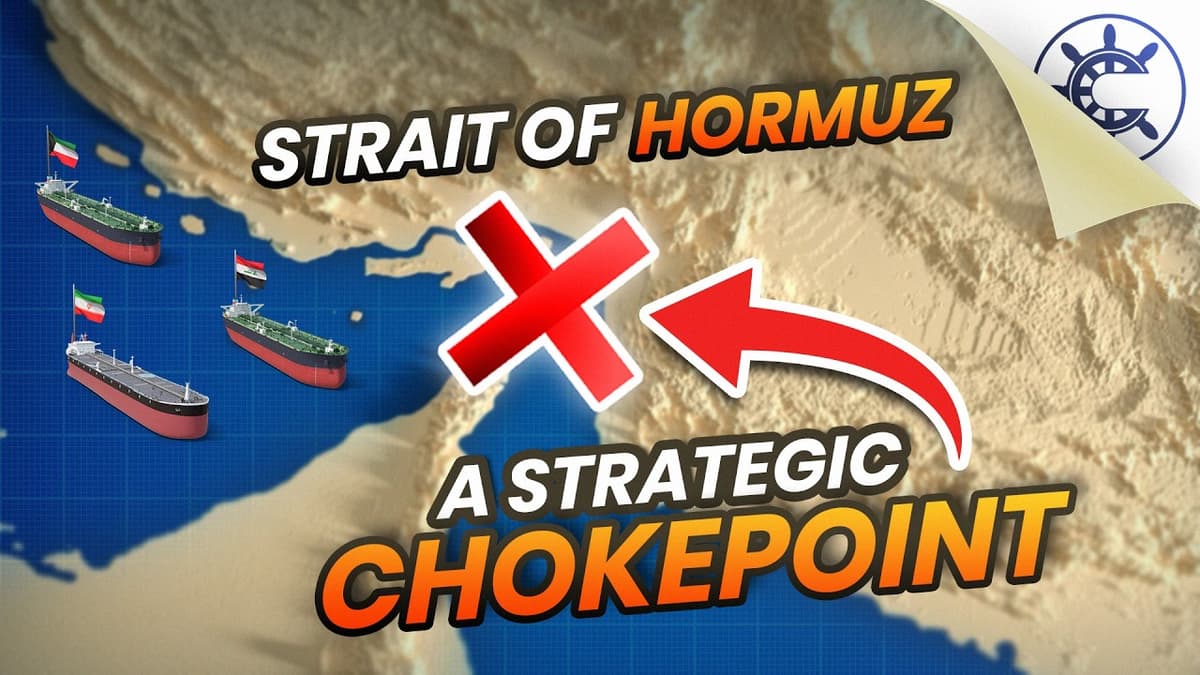
Why Is the Strait of Hormuz So Important
The video explains why the Strait of Hormuz is the world’s most critical oil choke point and how recent hostilities have turned it into a flashpoint for global energy markets. Roughly 21 million barrels of crude—about one‑fifth of worldwide consumption—transit the...
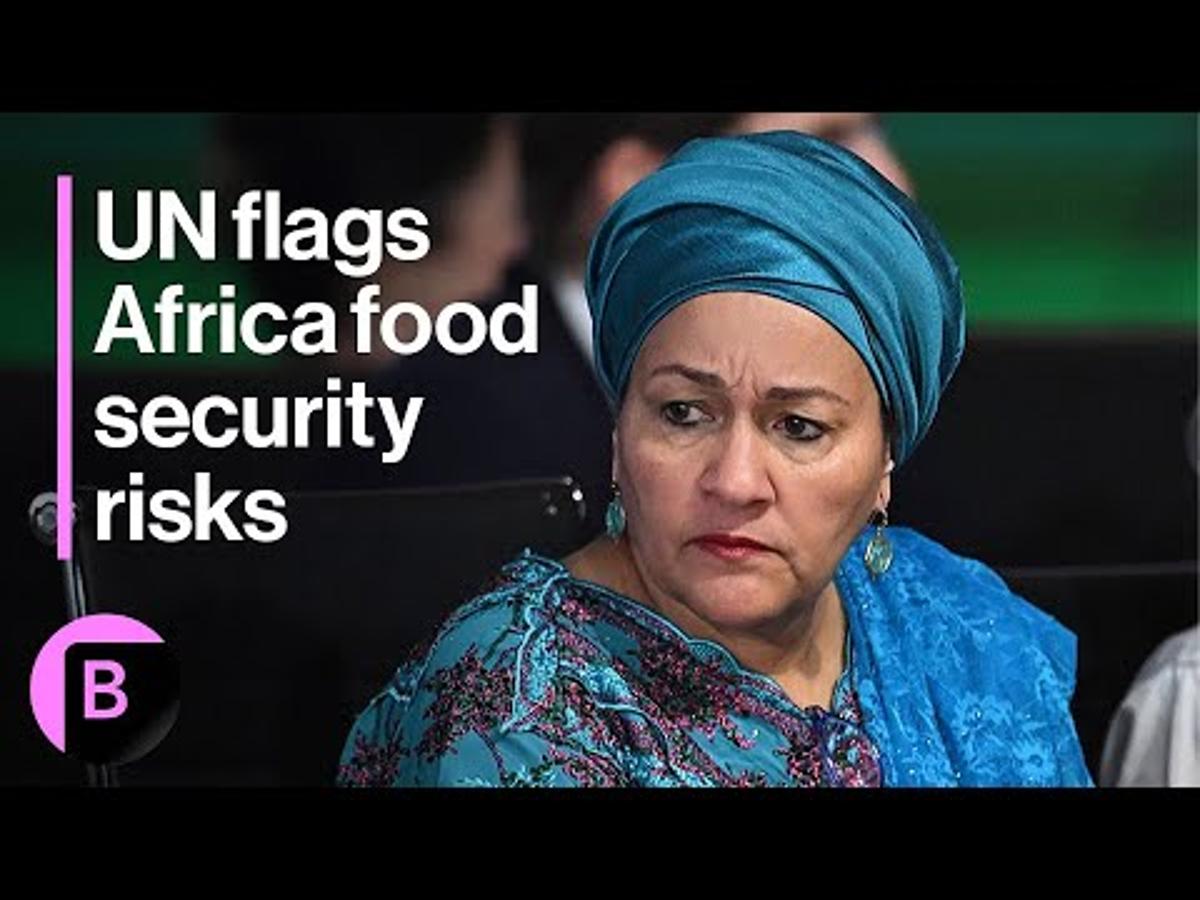
UN Deputy Secretary-General Warns of Food Security Risks in Africa
The United Nations Deputy Secretary‑General Amina J. Mohammed warned that the ongoing Middle East conflict, especially disruptions around the Strait of Hormuz, is spilling over into Africa, jeopardizing fertilizer imports and food security. She cited reports projecting up to 42 million Africans...