BREAKING: Private Credit’s ‘Lehman Moment’ Just Happened
The video examines a recent development in India where a major junk‑rated borrower has agreed to postpone principal and interest payments on one of the country’s largest high‑yield bonds. Holders of the note include prominent private‑credit managers such as Cerberus, Vardy Partners and Davidson Kempner, as well as Deutsche Bank, which is heavily exposed to private‑credit assets worldwide. While the postponement does not threaten any single institution, the speaker argues it is a clear symptom of a broader credit‑cycle reversal. Key data points include the bond’s extension to June 30, the potential $2.6 billion refinancing plan the issuer is considering, and the growing use of payment‑in‑kind (PIK) structures that mask underlying distress. The speaker cites rising repo‑rate expectations, unusually rich Treasury‑bill valuations, and recent criticism of opaque asset‑valuation practices—exemplified by TCW’s handling of Red Lobster debt—as evidence that trust in the private‑credit market is eroding. Notable quotes underscore the systemic focus: “The crisis of 2008 was not Lehman; it was the credit crunch that followed.” The video also references Bank of England’s Sarah Breeden, who warned that leverage and disclosure gaps in private credit could spark a credit crunch akin to the 2008 banking crisis, even if no major bank fails. Critics like Jeffrey Gunlock highlight the proliferation of PIK financing as a red flag for hidden risk. The implication is that a private‑credit crunch could curtail liquidity, depress employment and trigger deflationary pressures, even without headline‑grabbing bank failures. Market participants, regulators and investors should monitor repo rates, PIK usage and transparency in private‑credit portfolios to gauge the risk of a systemic slowdown.
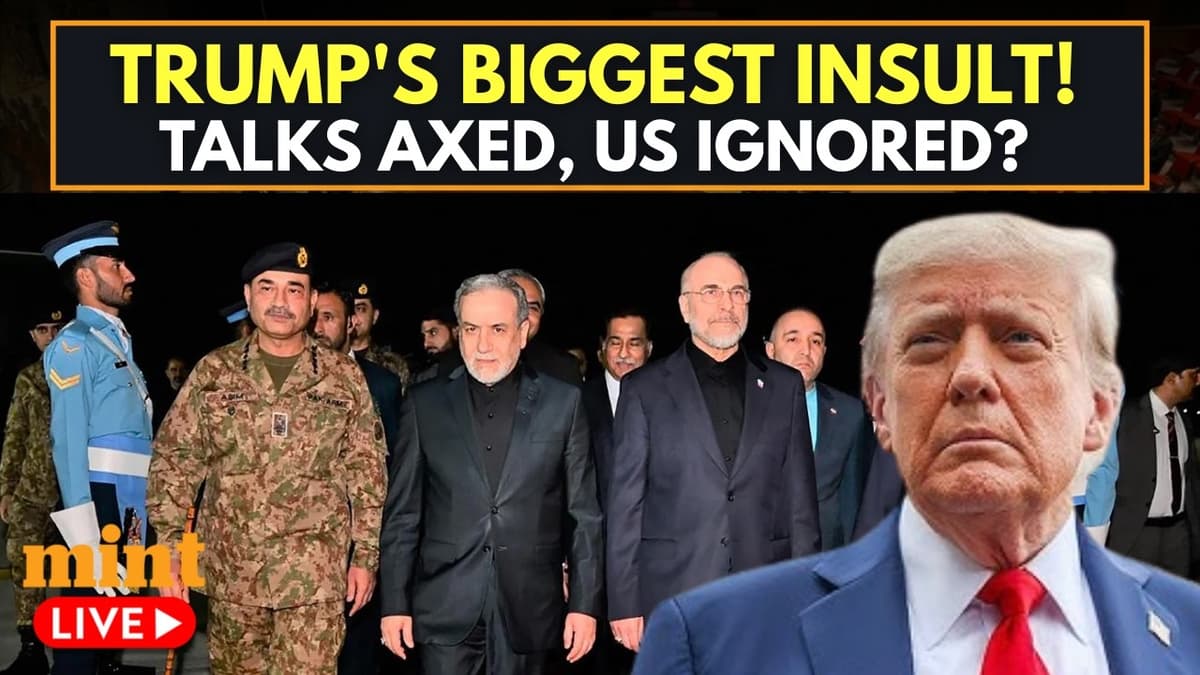
LIVE | Big Setback for Trump: Iran Puts Talks on Backburner, Shifts To Bilateral Ties | Mojtaba
The video reports that Iran’s foreign minister, Hossein Arachi, arrived in Pakistan on April 24 and abruptly ended any prospect of direct talks with the United States, dealing a fresh blow to President Trump’s diplomatic agenda. The White House had announced...
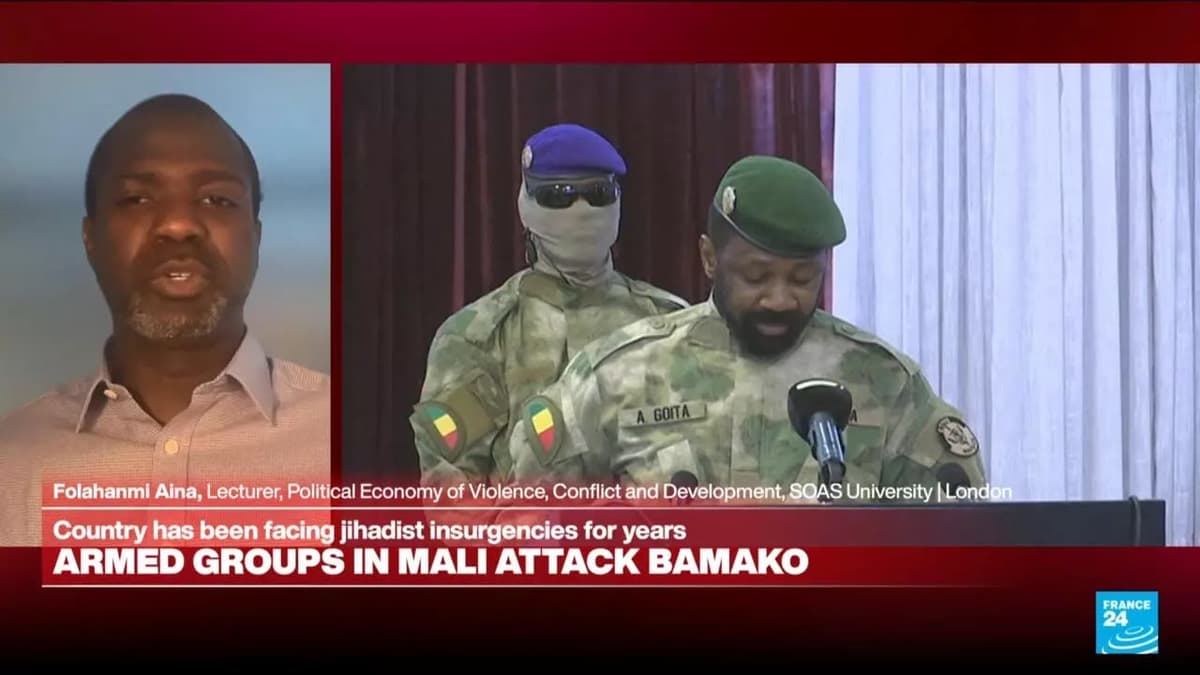
Tuareg Rebels Have Been "Trying to Create a Separatist State" From Mali for Years • FRANCE 24
The video examines the resurgence of the Tuareg‑led Azawad Liberation Front, which has been trying to carve out a separatist state in northern Mali since 2012, and its recent wave of coordinated attacks that threaten the authority of the military...

Bloomberg This Weekend | Mix Messages on Iran Talks, DOJ Ends Powell Probe, Trump's "Triumphal Arch"
Bloomberg This Weekend highlighted three converging stories: the stalled diplomatic overture with Iran, the Department of Justice’s abrupt termination of its investigation into Federal Reserve Chair Jerome Powell, and President Trump’s preoccupation with White House renovations amid waning domestic support. Special...
Markets Weekly April 25, 2026
The weekly market wrap focused on the confirmation hearing of Kevin Walsh, the president’s pick to lead the Federal Reserve, and his unconventional push to redefine inflation metrics in order to pave the way for rate cuts. Walsh argued that...
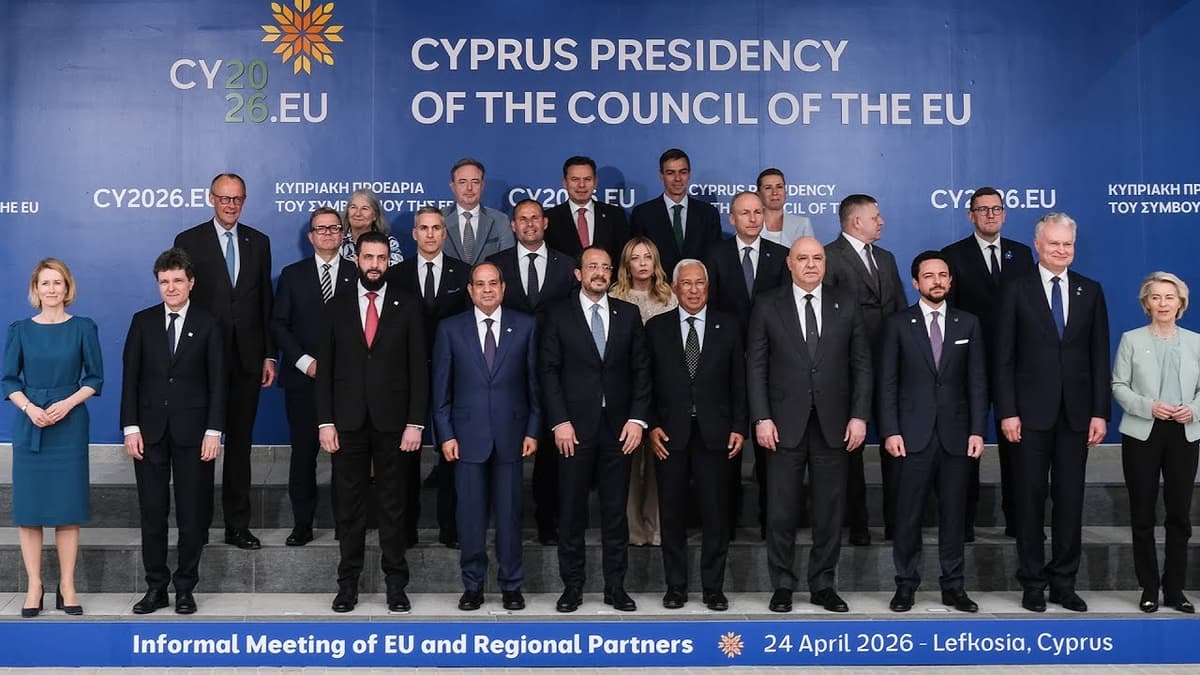
European Union Leaders Convene in Cyprus Amid Iran War
European leaders gathered in Cyprus to confront a volatile mix of crises – the Iran‑U.S. conflict, soaring energy prices, and the war in Ukraine. The summit’s tone changed dramatically after Hungary’s long‑time prime minister Viktor Orban was voted out, removing a...
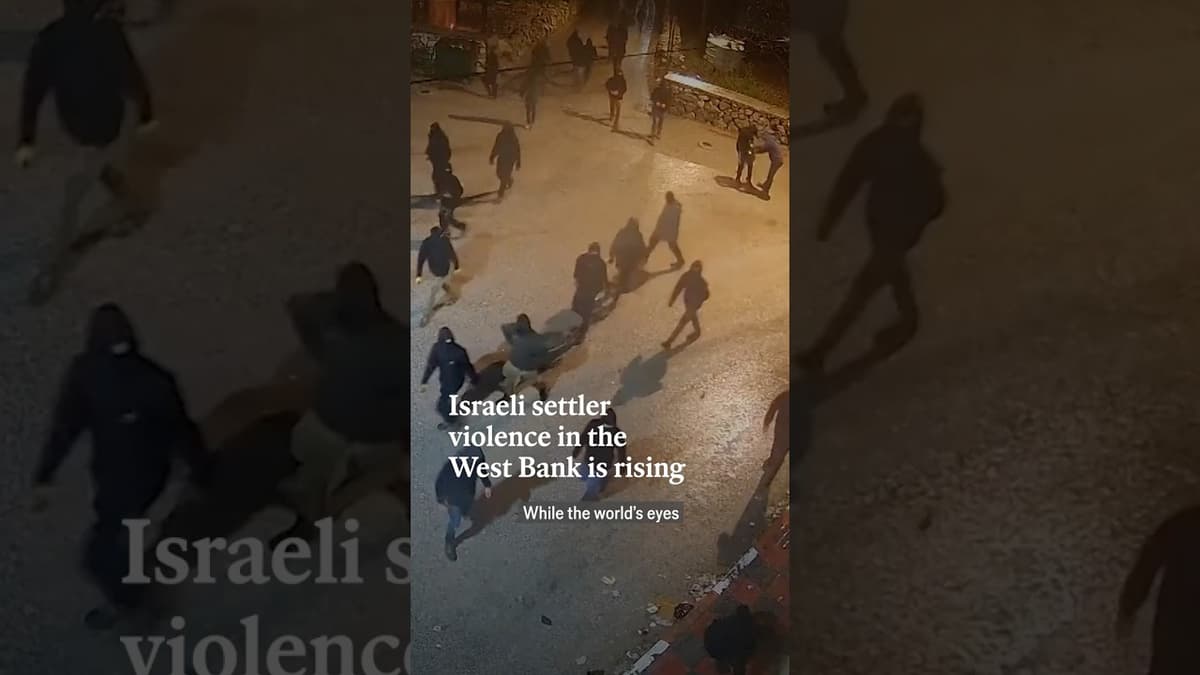
Israeli Settler Violence in the West Bank Is Rising | The Economist
The Economist’s video highlights a sharp surge in Israeli settler violence and territorial expansion in the occupied West Bank, even as global attention fixates on Iran. In March 2026, Palestinian fatalities at the hands of settlers reached a ten‑year peak,...
Iran War Fallout Drives Inflation Risks in Africa | Bloomberg Next Africa
Bloomberg Next Africa examines how the war in Iran is reverberating through global supply chains, driving up fuel and fertilizer costs and raising inflationary pressures on the continent’s already fragile food systems. Analysts note that fertilizer prices have roughly doubled since...
🚨 Importers, This Is Your Wake-Up Call: New Tariffs, New Risks 📱
The episode spotlights the rollout of AIPA tariff refunds after the Supreme Court reversal, with Customs and Border Protection estimating a 60‑90 day processing window. It also underscores how a surge of tariff changes has turned routine customs entries into...
The UN Security Council Has Changed, Here’s How
The video explains that the United Nations Security Council, which once routinely adopted resolutions on Iran and North Korea by unanimous consent, has lost that ability to reach consensus. Historically, from the early 2000s through 2016, the P5 managed to align...
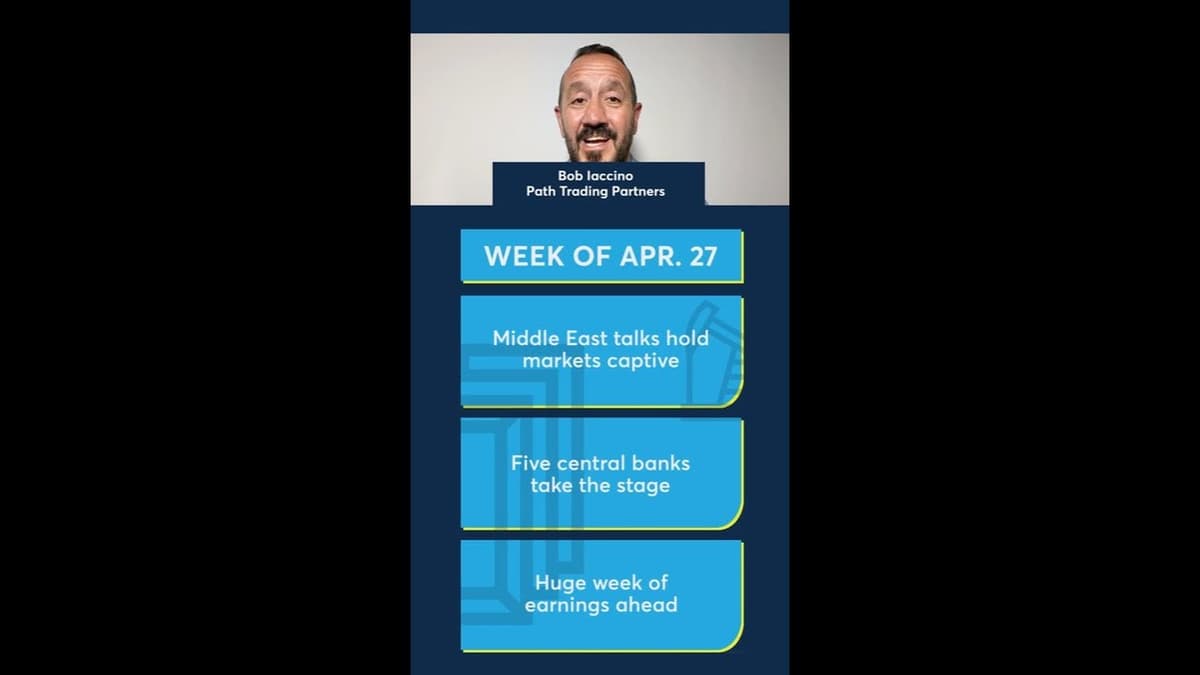
Geopolitics and Central Banks Command the Market Focus. 4/24/26.
The market focus this week centers on two intertwined forces: geopolitics surrounding Iran’s cease‑fire negotiations and a slate of central‑bank meetings. Traders will watch the outcome of talks in Islamabad and the status of the Strait of Hormuz, while five...
"At the Sound of the Guns, Buy": Gen. Spider Marks & Peter Tchir on Iran, China & Critical Metals
The Wealthy on podcast hosted a deep‑dive on Iran’s escalating conflict, China’s exposure, and the looming shortage of critical metals. General Spider Marks and macro‑strategist Peter Tchir warned that investors are treating the situation as settled, even as oil futures...

Deep Dive on Where Markets Can Go
The panel dissected today’s market rally, noting that the S&P 500 and Nasdaq are posting fresh all‑time highs largely on the back of technology and semiconductor strength. While the technical charts look bullish, the hosts warned that valuations are stretched and...
Trump's $166 Billion Dollar Tariff Scheme: Winners, Losers, and Why It Didn't Need to Happen
The video dissects the $166 billion tariff scheme launched by former President Donald Trump, which the Supreme Court later ruled illegal and is now being partially rebated. It outlines how the administration invoked a dubious national‑emergency claim to bypass Congress’s constitutional...
Brits Are Falling Out of Love with America | The Economist
The Economist video examines the steady erosion of British public affection for the United States, tracing the trend from a post‑World War II high to a pronounced dip after the 2003 Iraq invasion and a further plunge during the two Trump...
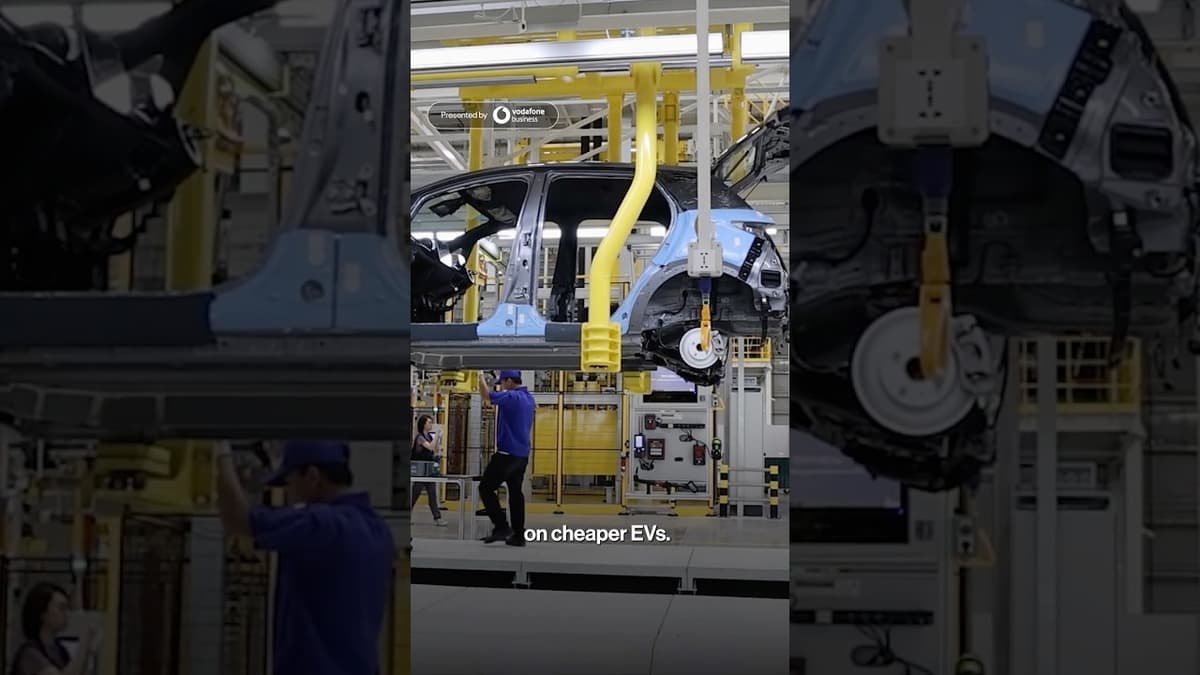
How China Built a Battery Superpower
The video explains how China transformed into a battery superpower through deliberate state policy. Beginning in 2001, the government earmarked advanced battery technology as a growth engine, and the 2015 Made in China 2025 plan elevated electric‑vehicle (EV) batteries, robotics...
Iran War 'a Gift to the World', Hegseth Says
The video features a speaker, identified as Hegseth, proclaiming the ongoing conflict with Iran as a "gift to the world" and celebrating a newly named Operation Epic Fury. He argues that the operation has achieved decisive military results within weeks,...
Will the Ceasefire in Iran Continue? | SFS Fast Break
In this Fast Break session, Dean Joel Hellman hosts former diplomat Dennis Ross to assess whether the cease‑fire in Iran will hold and what conditions must be met for renewed talks. Ross explains that the Biden administration has paused negotiations...
India A Tough Nut To Crack: Jamieson Greer On India-US Trade Deal | Inaia-USA Trade Talks
USTR Deputy Trade Representative Jamieson Greer described India as a “tough nut to crack” during three days of high‑level trade talks in Washington. The dialogue, the most senior U.S.–India engagement since 2022, sought progress on market access, intellectual property, and...
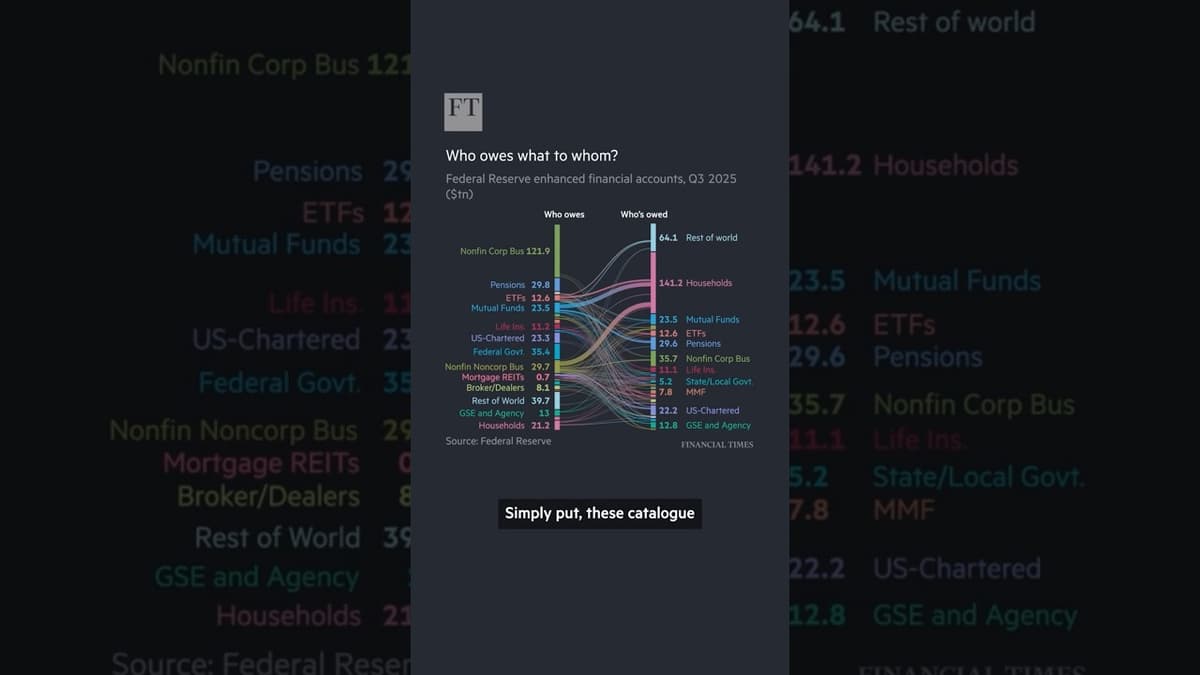
How the Fed Increased Its Exposure to Shadow Banks | FT #shorts
The Federal Reserve has expanded its oversight by launching the Enhanced Financial Accounts, a comprehensive database that catalogs who owes what to whom across the U.S. financial system. This initiative shines a light on the growing web of liabilities that...
What's China's Next Move? | Ask Ian
The video examines whether Beijing will accelerate from economic pressure to hard‑power actions amid global conflicts, especially the Iran war, and how Washington might respond. Ian argues that despite rhetoric about a “third‑gear” shift, China is unlikely to launch overt...
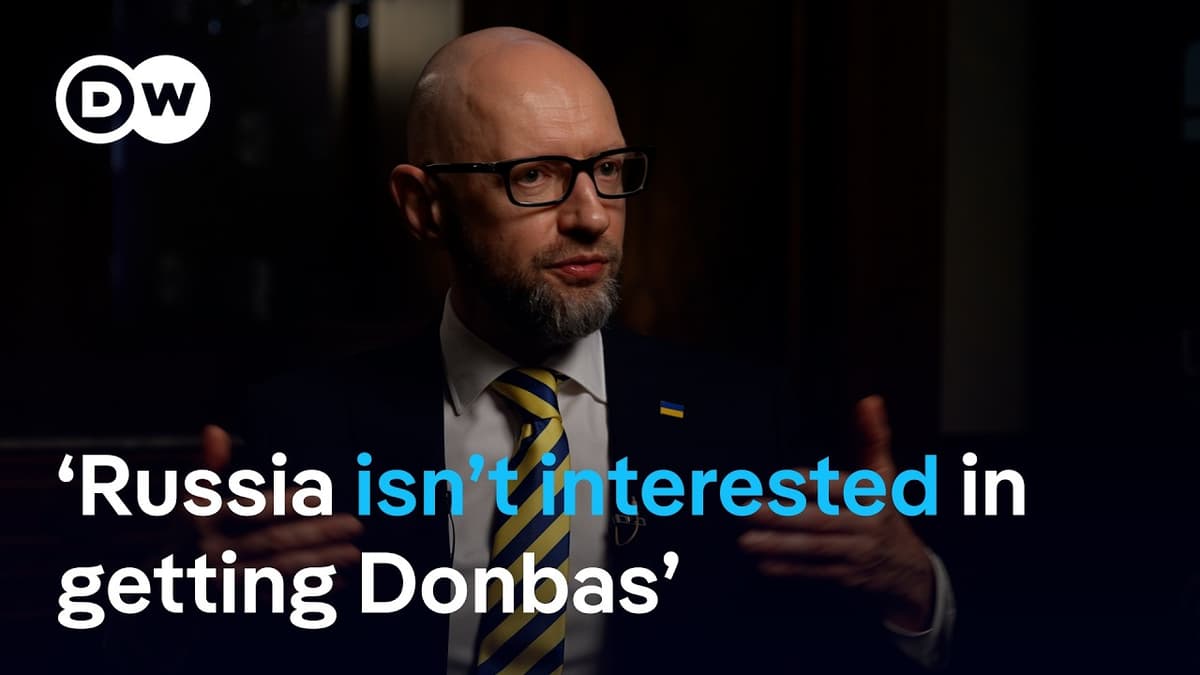
Russia-Ukraine Peace Talks a 'Sham' - Ukraine's Ex-Prime Minister Arseniy Yatsenyuk | DW News
Former Ukrainian prime minister Arseniy Yatsenyuk told the Kyiv Security Forum that the current Russia‑Ukraine peace negotiations are a "KGB special operation" designed to stall Ukraine while Putin pursues the ultimate goal of annexing the entire country. He dismissed the...
Booms and Busts in the Gulf Are Often Cyclical. Is that Still True?
The latest episode of CFR’s "The Spillover" debates whether Gulf instability from the Iran‑Israel conflict and a potential closure of the Strait of Hormuz is a temporary, cyclical shock like past oil price spikes, or a lasting disruption that could...
What Is at Stake in Tamil Nadu’s Elections? | Asked & Answered
The video examines the upcoming elections in five Indian states, zeroing in on Tamil Nadu as a bellwether for national economic direction and development targets. It underscores how state outcomes shape India’s broader growth agenda, climate commitments, and foreign policy, especially...
Leading Economist: Germany Cannot Muddle Through Any Longer | DW News
The DW interview with leading economist Marcel Frcher focuses on Germany’s near‑zero growth outlook, driven by soaring energy costs from the Iran war and a fragile domestic demand base. Frcher explains that the modest 0.5% expansion this year relies almost...
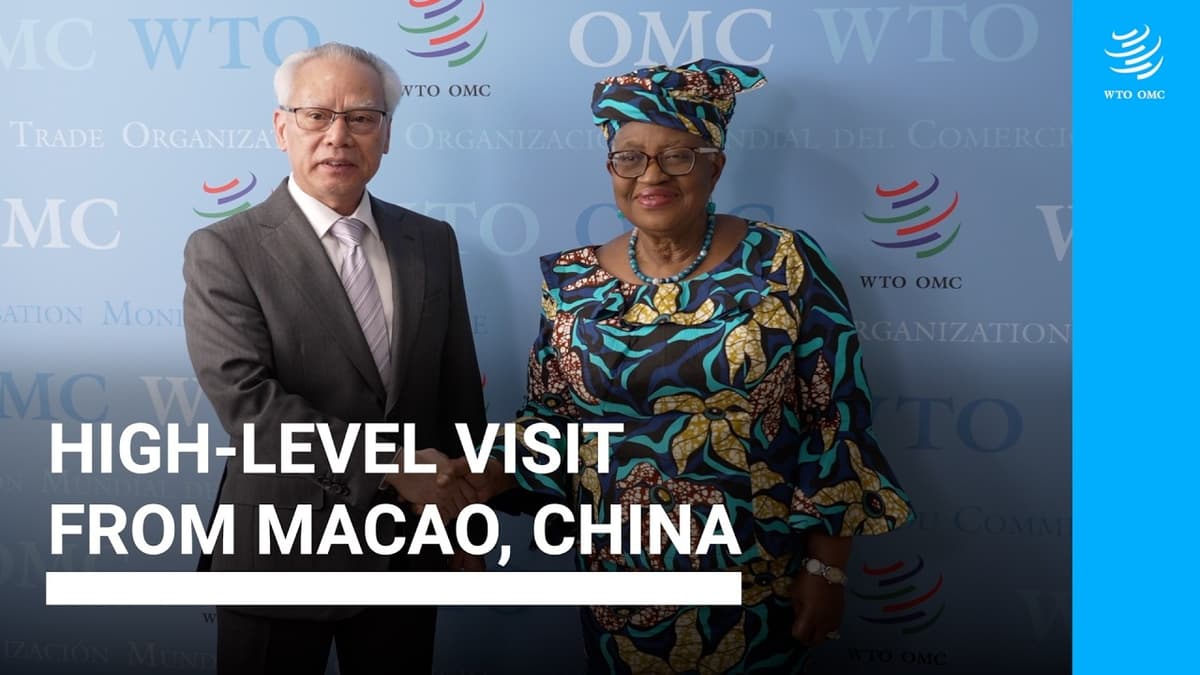
High-Level Visit: Macao, China
On April 23, WTO Director‑General Ngozi Okonjo‑Iweala met Macao Chief Executive Sam Hou Fai at the organization’s headquarters. The dialogue highlighted Macao’s active participation in WTO activities and its strong backing of the multilateral trading system. Both officials stressed that trade openness...
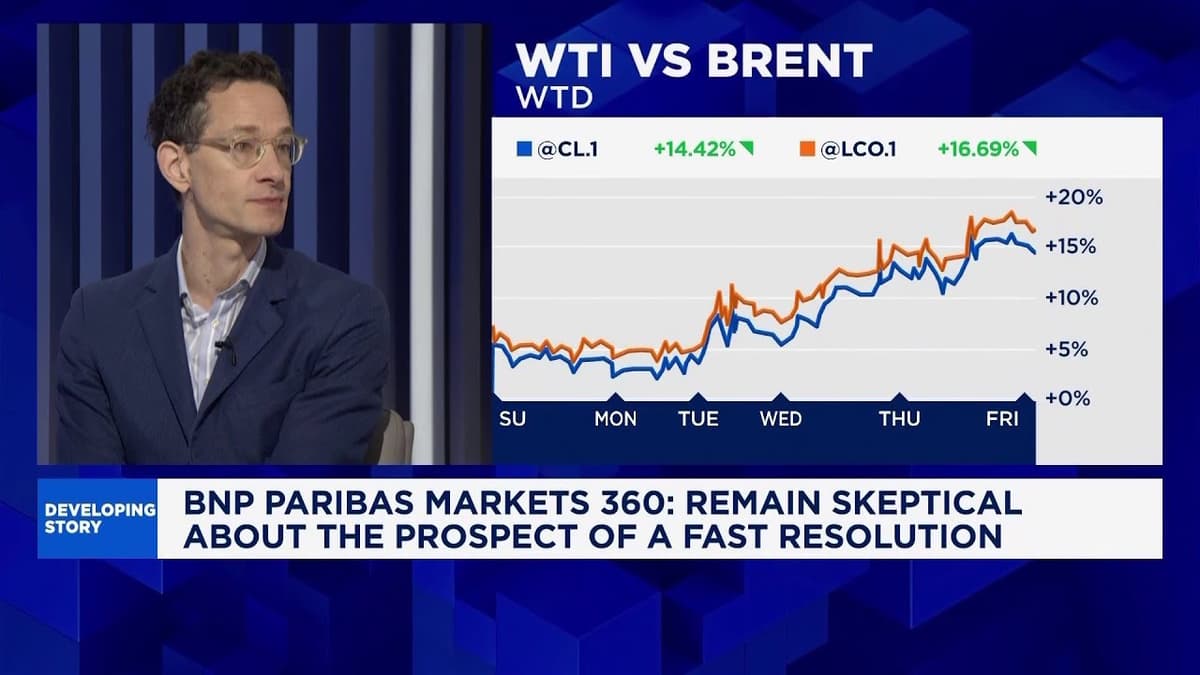
We Have No War, We Have No Peace, and We Have No Flows: Strategist
The interview centers on the stalled cease‑fire between Israel and Hezbollah, its impact on President Trump’s push to end the Iran‑related conflict, and the resulting uncertainty over oil and LNG shipments through the Strait of Hormuz. While the cease‑fire is a...
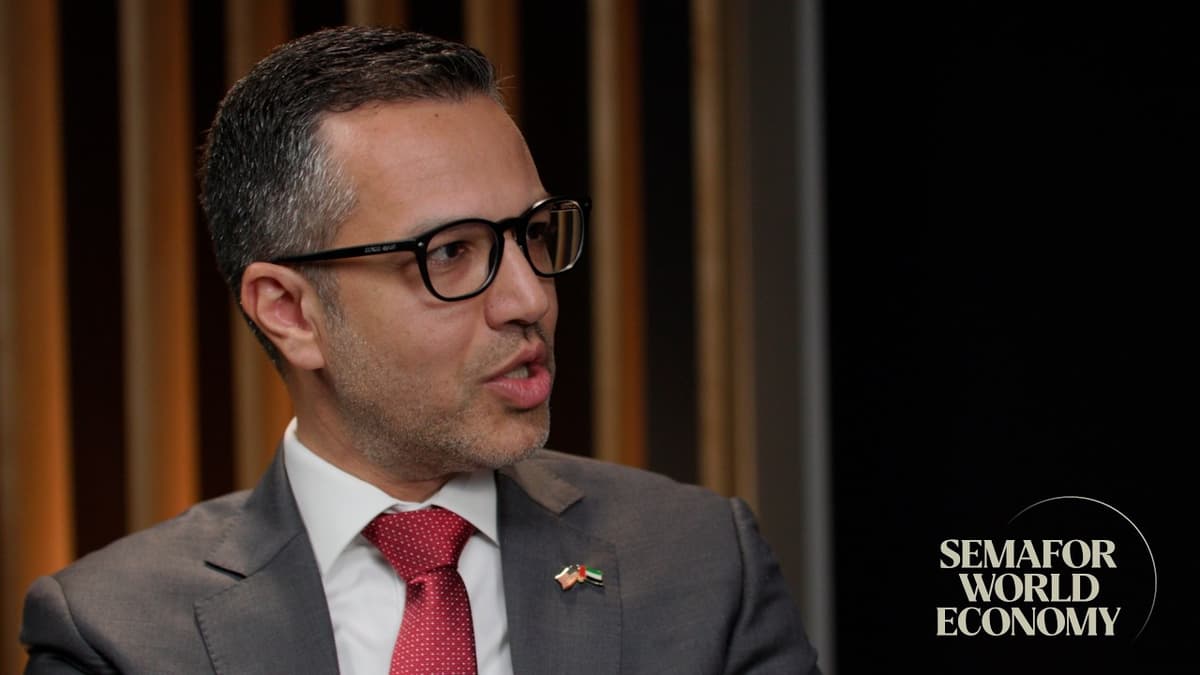
How Dubai’s Hadi Badri Builds Confidence During A Crisis
The video features Hadi Badri, head of Dubai Economic Development Corporation, outlining how Dubai responded to the sudden geopolitical shock on February 28 when the US and Israel struck Iran. He details the immediate activation of the emirate’s air‑defence network, which...
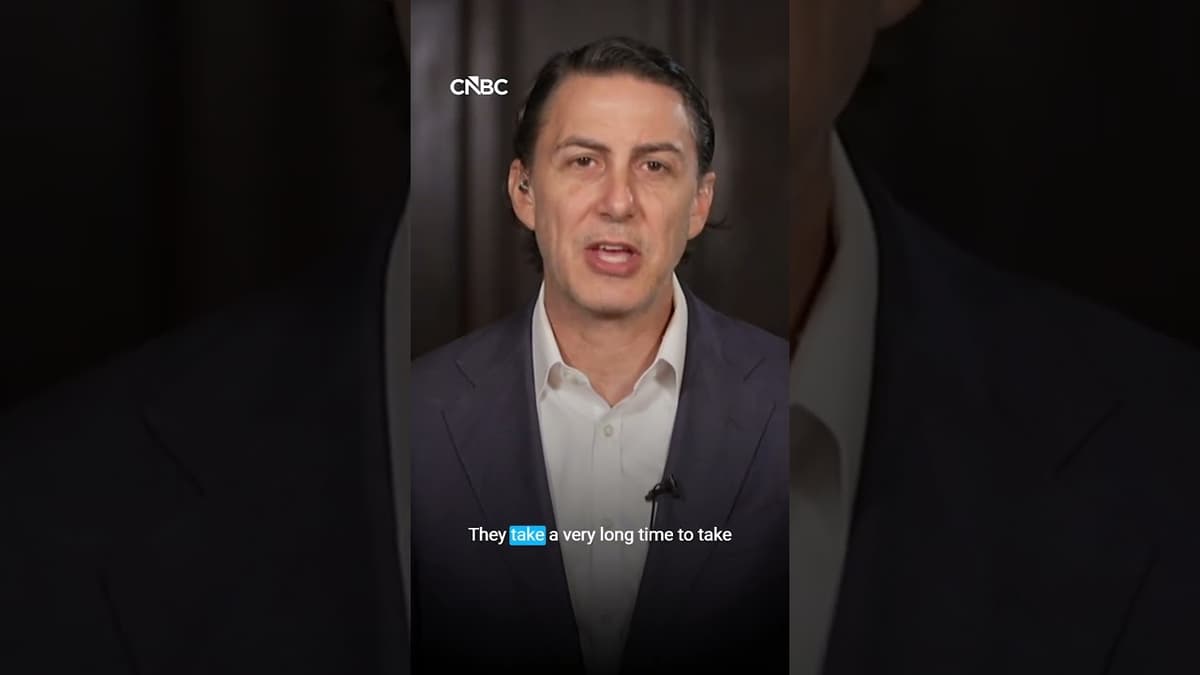
Iranians Are Controlling the Tempo: Former Biden Adviser
Former Biden adviser warns that Iran now dictates Red Sea shipping tempo, creating a dual‑blockade scenario where U.S. sanctions halt Iranian vessels while Tehran’s own blockade restricts all other traffic. The standoff is already generating worldwide economic pain and raises...
What To Expect From The New Fed Chairman
The video tackles the buzz surrounding the appointment of a new Federal Reserve chair and the flood of speculation about whether interest rates – especially mortgage rates – will tumble. The host argues that the incoming chair, referred to as...

The COB: Strait Talk
The COB Friday edition highlighted a market caught between rising oil prices and persistent geopolitical risk in the Strait of Hormuz. President Trump’s order for naval action and a U.S. maritime interdiction on an Iran‑linked tanker have kept oil on...
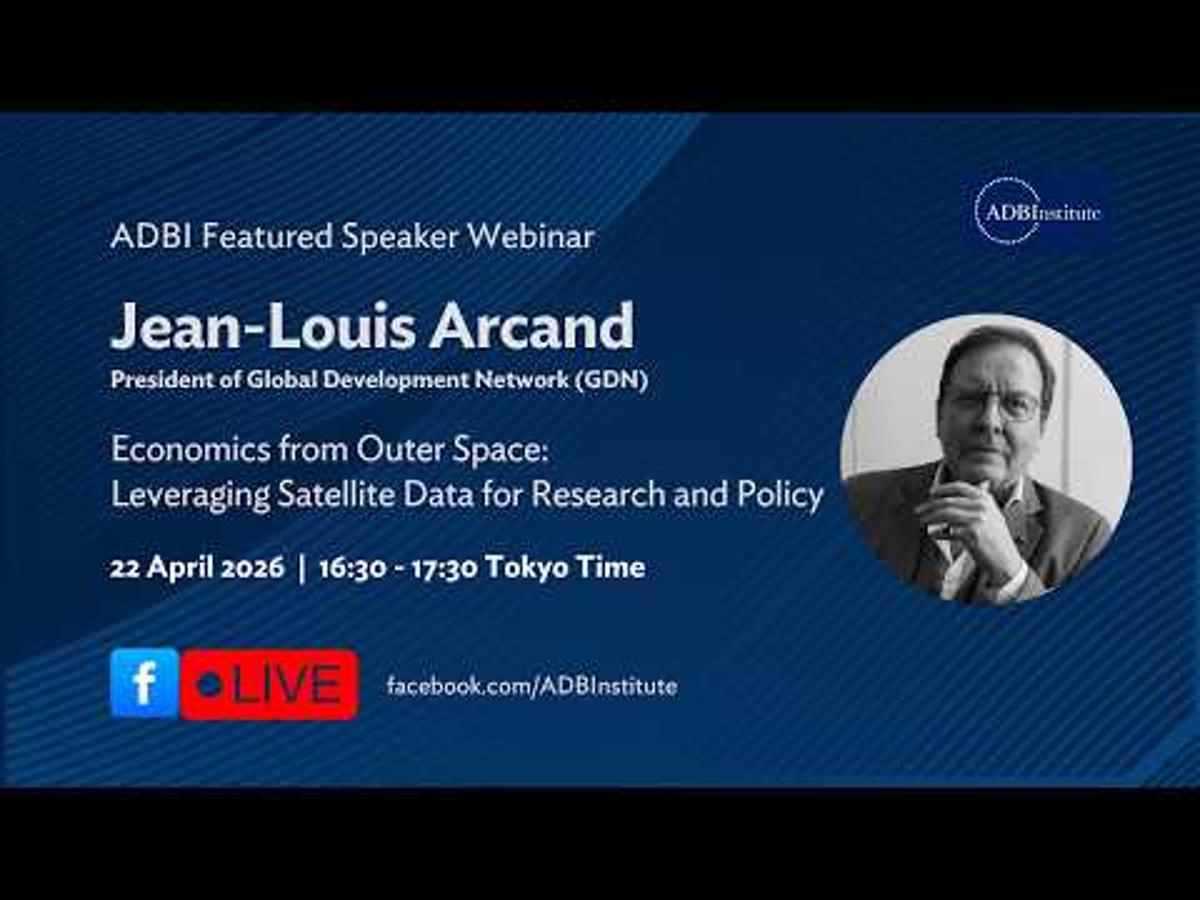
Featured Speaker Webinar with Jean-Louis Arcand: Economics From Outer Space
The webinar highlighted how satellite‑derived nighttime luminosity (NTL) data is reshaping development economics by providing a near‑real‑time, granular proxy for economic activity, urbanization, and energy use. Professor Jean‑Louis Arcand traced the evolution from early, low‑resolution datasets to the current high‑resolution...
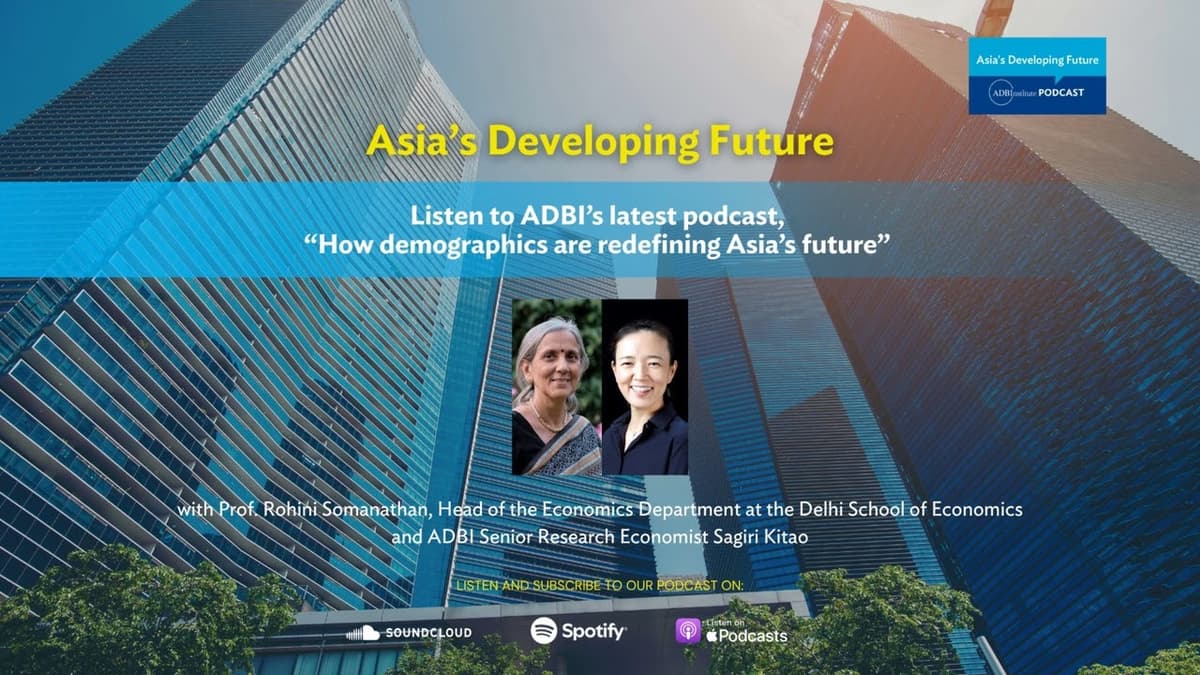
ADBI Asia's Developing Future Podcast: How Demographics Are Redefining Asias Future
The ADBI podcast examines how divergent demographic trends—rapid aging in some Asian economies and youthful populations in others—are reshaping the region’s growth outlook. It highlights the urgency for aging societies, exemplified by Japan, to implement early, coordinated reforms in pensions,...

Psychedelics, Robots, and the Next $1 Trillion Market
The episode opens with a rapid geopolitical update on the Iran Strait closure, emphasizing that despite heightened tensions, Wall Street remains largely unfazed, with the S&P 500 and Nasdaq holding all‑time highs. The hosts argue that the conflict will likely...
March 30th Was the Market Bottom and We Will Not Retest Those Lows, Says Ed Yardeni
Ed Yardeni told viewers that the March 30 pullback marked the market low and that he does not expect equities to retest those levels, citing a surprisingly resilient U.S. economy and a strong corporate earnings backdrop that could drive the...
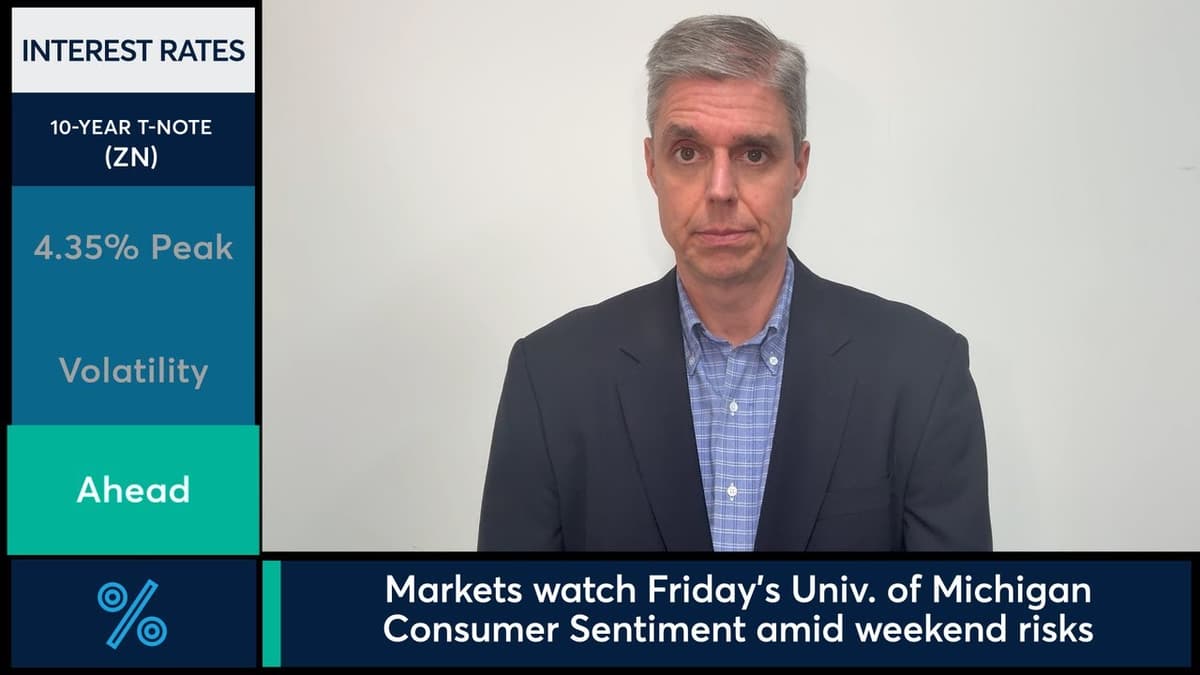
Treasury Futures React as 10-Year Yields Push Past 4.30%. 4/23/26
The video focuses on Treasury futures reacting to a sharp rise in 10‑year note yields, which opened above 4.30%, peaked at 4.35% and settled at 4.32% on April 23, 2026. Yield gains of two basis points for the session and...
Is Cuba at a Breaking Point? | Ask Ian
The video examines the United States’ evolving strategy toward Cuba, emphasizing Senator Marco Rubio’s role as the chief architect of a policy that mixes pressure with incentives. Rubio is steering a “carrots and sticks” approach: maintaining the economic blockade while...
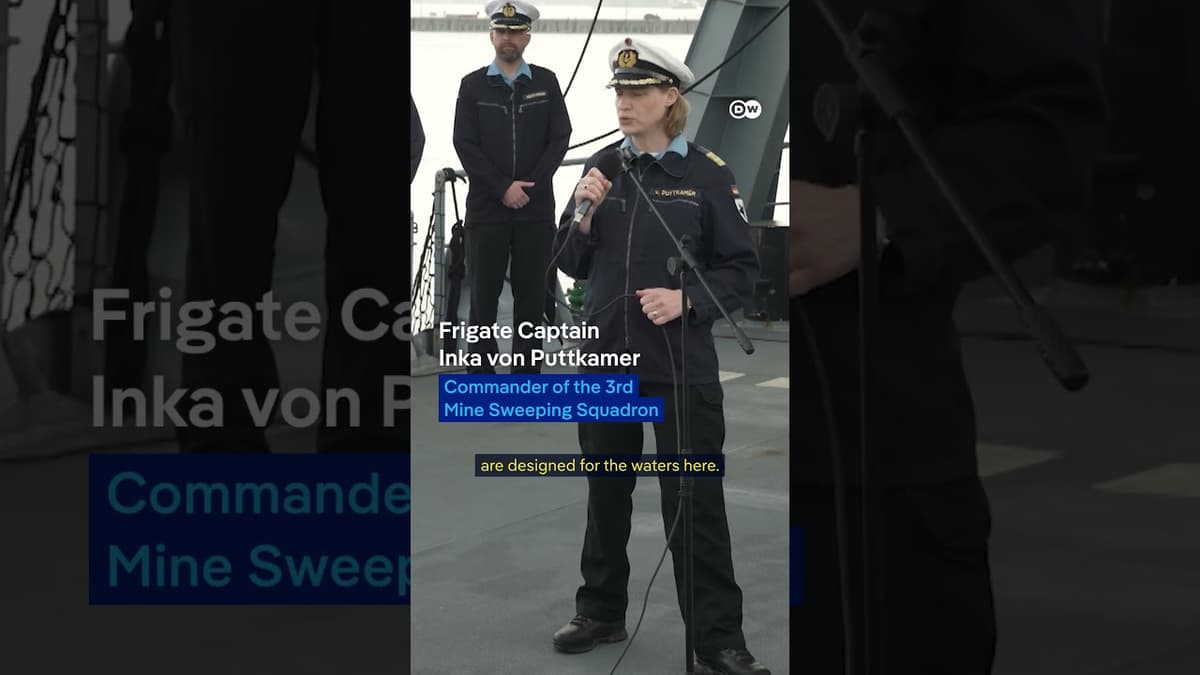
German Navy Prepares for Possible Deployment | DW News
The video outlines Germany’s plan to ready its navy for a potential deployment in the northern Baltic region, echoing Chancellor Olaf Scholz’s assurance that the force will be prepared. It highlights that the German fleet is now the smallest in...
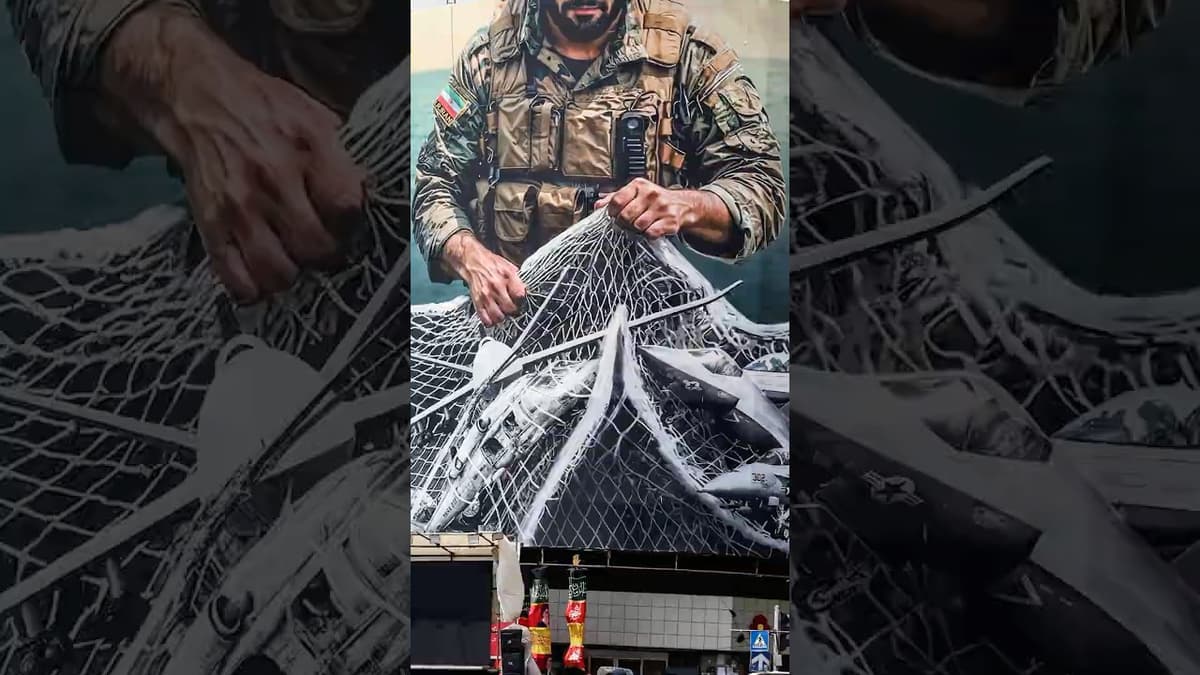
Iran 'Will Always Believe' It Controls Hormuz Strait
The video discusses Iran’s persistent claim that it can close the Strait of Hormuz at will, warning that even if the waterway is reopened, Tehran believes it retains the power to shut it down again, a scenario that threatens global...

SBF Is Back—And People Are Already Forgetting
The Daily Wolf episode frames crypto as emerging critical infrastructure, spotlighting stablecoins’ rapid move into everyday payments and Bitcoin’s evolving role in national security. The host highlights DoorDash’s integration with Stripe‑owned Tempo Network as a concrete example of firms paying...

Blackstone's Jon Gray Says AI Is Single Biggest Driver | Open Interest 4/23/2026
Blackstone’s chief investment officer Jon Gray told Bloomberg Open Interest that artificial‑intelligence infrastructure is the single biggest catalyst for the firm’s outlook, positioning 2026 as its best year ever for IPO activity. The firm’s earnings beat estimates, yet a...
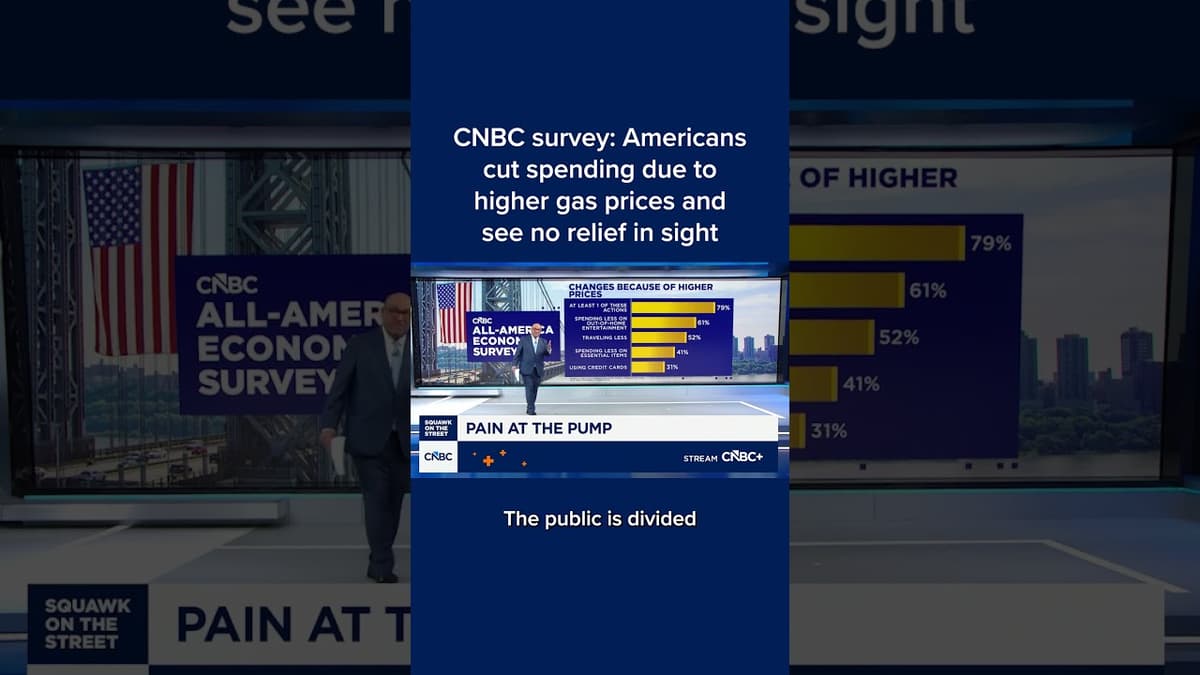
CNBC Survey: Americans Cut Spending Due to Higher Gas Prices and See No Relief in Sight
A recent CNBC‑commissioned All‑America Economic Survey of 10,000 U.S. adults finds that rising gasoline prices are prompting a measurable pullback in household spending. More than six in ten respondents say they are spending less on out‑of‑home entertainment, while over half are...
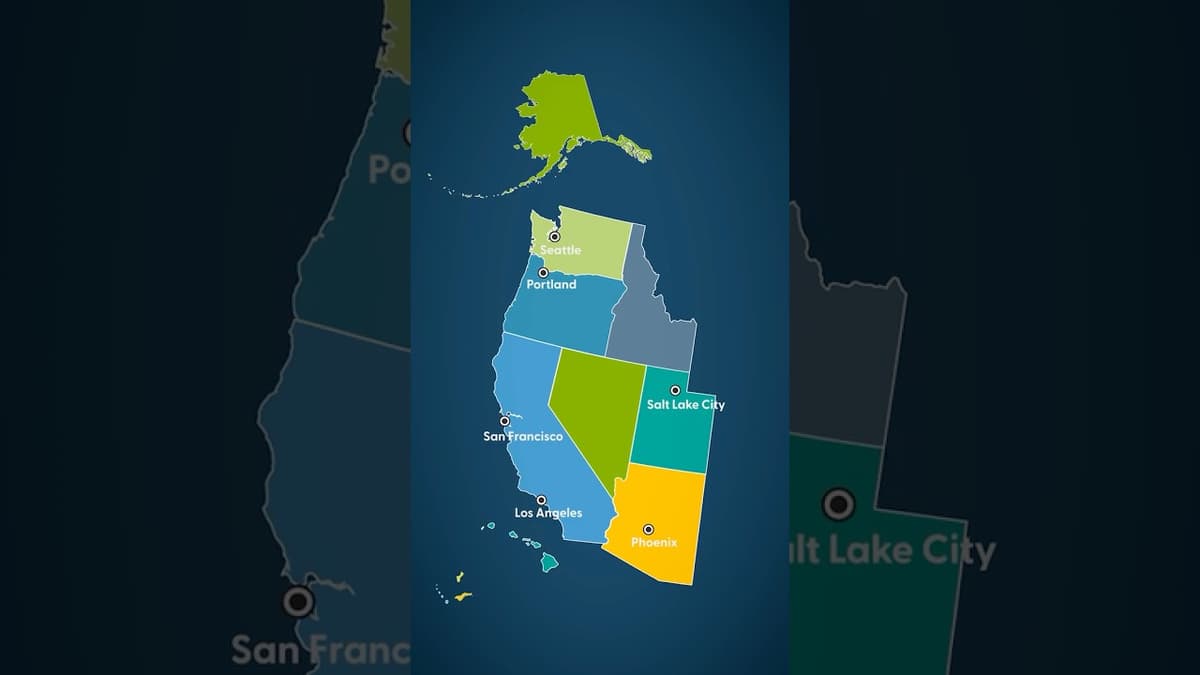
Regional Engagement: Federal Reserve Bank of San Francisco
The Federal Reserve Bank of San Francisco’s regional engagement office introduced its mission to listen, learn, and share research with the communities it serves across the 12th District. By maintaining a physical presence in six cities—San Francisco, Los Angeles, Portland,...
Inside India - 23-Apr-26
Asian markets slid as oil topped $100 a barrel amid renewed tensions in the Strait of Hormuz, eroding earlier gains and prompting risk-off moves across the region. HSBC downgraded Indian equities to underweight, warning that high imported energy costs could...
The China Connection - 23-Apr-26
The China Connection, a daily livestream anchored by Emily Tan from Hong Kong, airs from 10:00 to 11:00 am Singapore/Hong Kong time on 23 April 2026. The program delves into China’s macro‑economy, technology trends, policy shifts, and business developments. It is streamed exclusively to audiences...
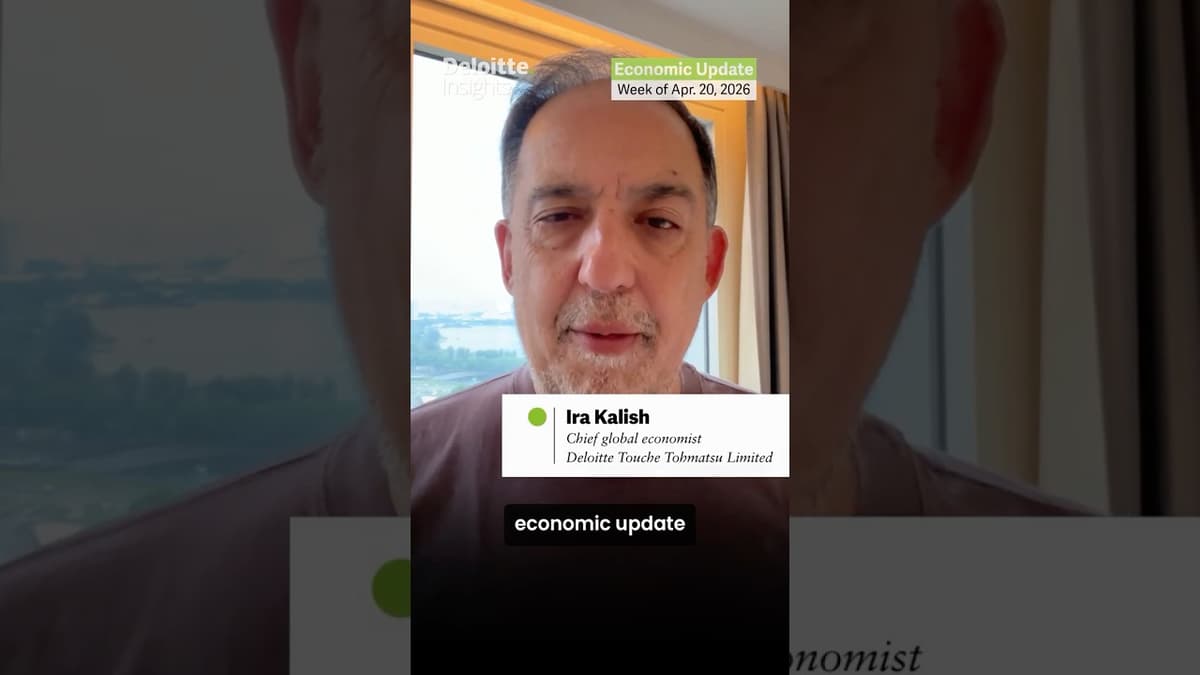
Why Equity Markets Keep Rising Despite Conflict | Economic Update | Deloitte Insights
In this week’s Economic Update, Deloitte chief economist Ira Kalish explains why global equity markets have continued to climb even as the Middle‑East conflict persists. After the initial plunge when hostilities began, markets rebounded sharply following the cease‑fire announcement two weeks...

Steve Hanke: Massive Inflation Ahead & Markets 'Totally Complacent' On Iran War
Professor Steve Hanke warned that the accelerating U.S. money supply and the ongoing Israel‑Iran conflict are setting the stage for a new commodity super‑cycle and a broader inflationary environment. He noted that commercial‑bank credit, which makes up roughly 80 % of broad...

Trump Ends China’s SECRET Oil Deals, EVASION of Sanctions #shorts
The video reports that President Trump announced a crackdown on China’s clandestine purchases of sanctioned Iranian crude, following a recent U.S. seizure of an Iranian tanker bound for Chinese ports. Chinese state‑owned refiners have cut run rates to under 70% of...
Turkey Expands Influence in Africa
Turkey is accelerating its footprint in Africa by forging deeper economic and security partnerships with Somalia and Niger. In Somalia, Ankara has signed agreements that grant Turkish firms access to offshore oil fields while simultaneously expanding its naval and air...
A Narrow Strait, Global Consequences: Hormuz Strait and Fertilizer Markets
Speakers warned that disruptions in the Strait of Hormuz have sharply tightened already-fragile fertilizer markets by severing critical shipping routes and raising insurance and energy costs. The Middle East normally channels large shares of global fertilizer inputs—about 35% of seaborne...