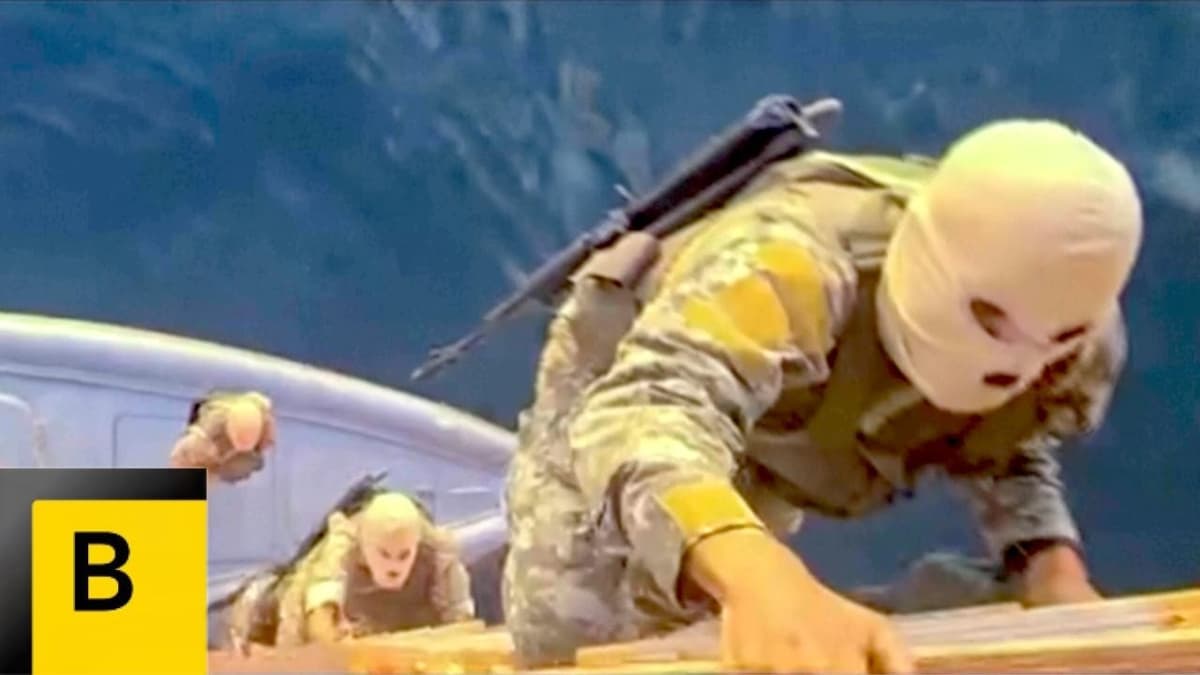
Iran State TV Airs Video of Navy Seizing Ships in Hormuz
Iranian state television aired footage of its navy intercepting commercial ships transiting the Strait of Hormuz, a chokepoint through which roughly a fifth of global oil passes. The visual display was timed to underscore Tehran’s willingness to use maritime force as leverage in ongoing talks over a potential U.S. sanctions waiver for its nuclear program. Analysts note that the seizures serve a dual purpose: they demonstrate operational capability and signal to Washington that any diplomatic concession will be contingent on Tehran’s security demands. The video coincided with statements from U.S. officials that no firm deadline has been set for receiving an Iranian proposal, leaving the negotiation timetable in the hands of the commander‑in‑chief and the president. “The president has not set a firm deadline… Ultimately, the timeline will be dictated by the commander‑in‑chief and the president of the United States,” a senior U.S. official said, highlighting the uncertainty surrounding the next steps. Tehran’s broadcast, meanwhile, featured commanders praising the operation as a defensive measure to protect national interests. The episode raises the risk of shipping disruptions, potential spikes in oil prices, and adds pressure on both sides to reach a settlement before the Strait’s stability is further compromised. Investors and regional actors will be watching closely for any escalation or diplomatic breakthrough.

How China’s Energy Structure Cushions the Blows of Global Oil Crisis
China has largely insulated its economy from the Middle East oil shock by reshaping its energy architecture, shifting away from crude dependence toward coal, electricity and renewables. The country holds roughly 13% of global coal reserves but only 1‑2% of oil,...
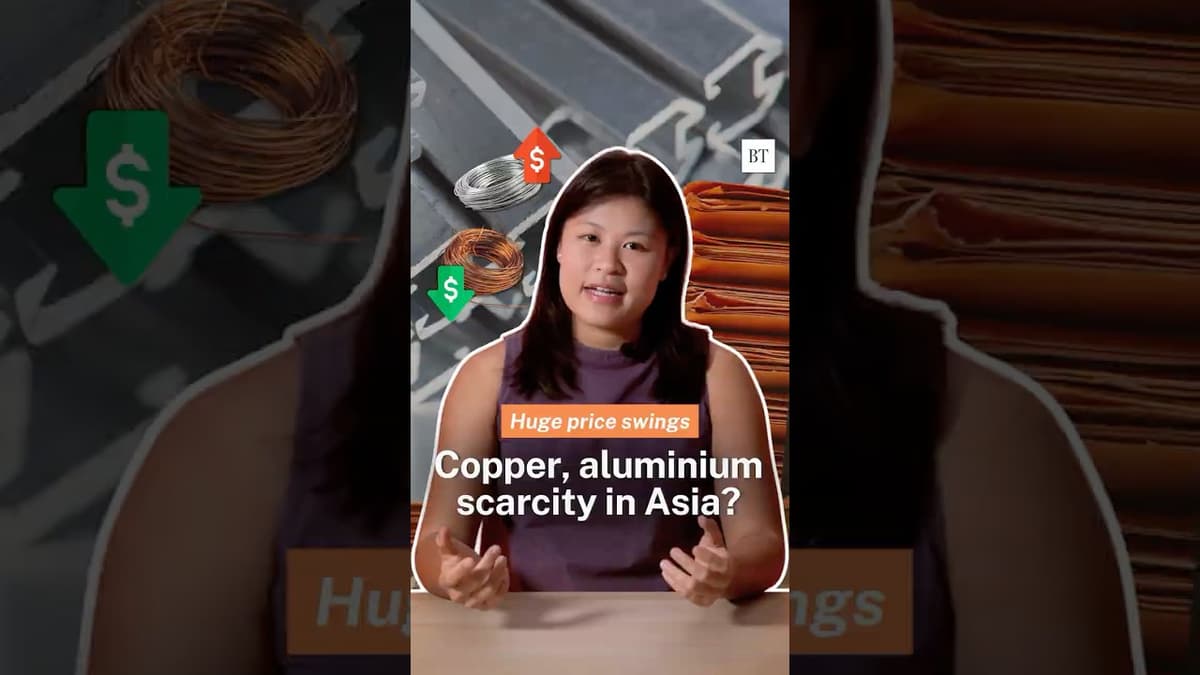
Why Are Copper and Aluminium Prices so Volatile?
The video examines why copper and aluminium prices have become highly volatile, linking the swings to the unfolding US‑Iran conflict and its impact on global supply chains. Copper dropped 10.6% after the war began, then recovered 11.9% to about $13,300 per...

Iran Concerns Give Oil a Short-Lived Boost | The China Show 4/23/2026
The China Show focused on the renewed flare‑up between the United States and Iran in the Strait of Hormuz, which briefly sent Brent crude above the $100 mark before easing back. Analysts highlighted a double blockade—U.S. naval actions and...
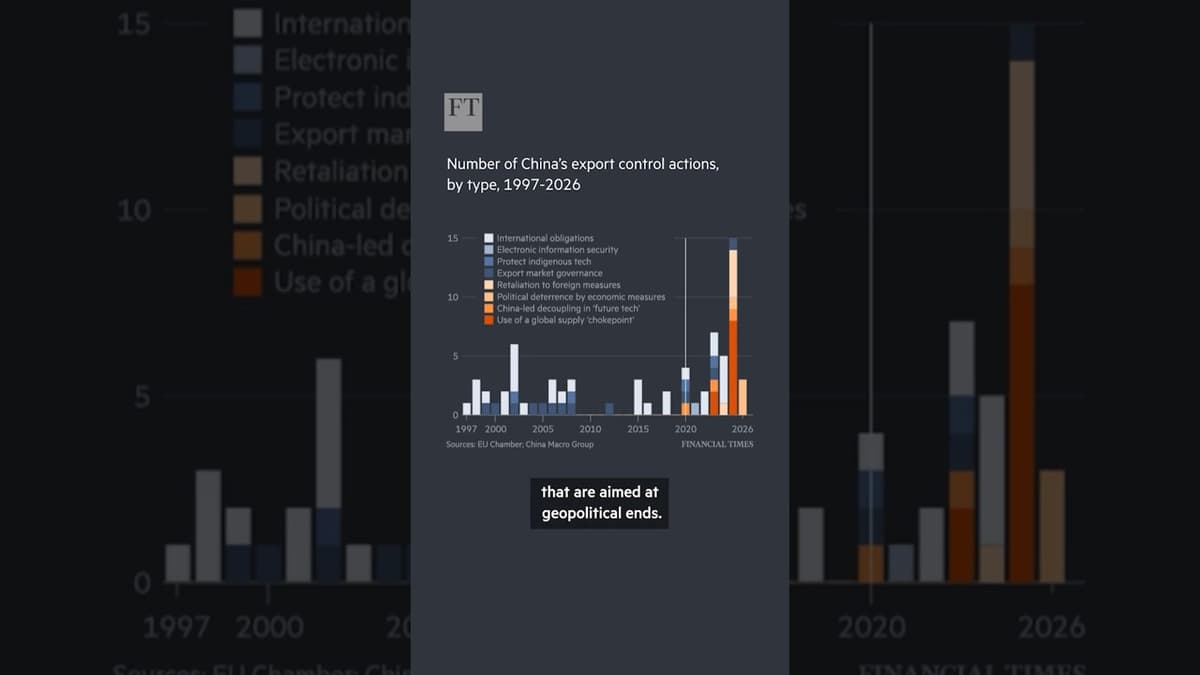
China Flexes Trade Power with Soaring Use of Export Controls | FT #shorts
The Financial Times short outlines how Beijing has dramatically expanded its use of export controls, tripling formal measures over the past five years. This shift marks a move from informal economic coercion to a structured toolbox of geoeconomic levers aimed...

When Will Energy Markets Recover From the War in Iran | FT #shorts
The FT short discusses when energy markets will bounce back after the Iran‑related conflict, suggesting a recovery horizon that stretches well beyond the immediate cease‑fire. Analysts estimate that normal market conditions may not return until roughly 2030, with a four‑year lag...
GC2025 Insights: Catalysing Asia’s Finance for People and Planet
The keynote delivered by Governor Tat Rashid at AVPN Global 2025 outlined a roadmap for mobilising Asia’s finance to power inclusive, resilient, and sustainable growth. He framed the challenge as moving from traditional industrial policy to “industrial co‑creation,” where governments,...
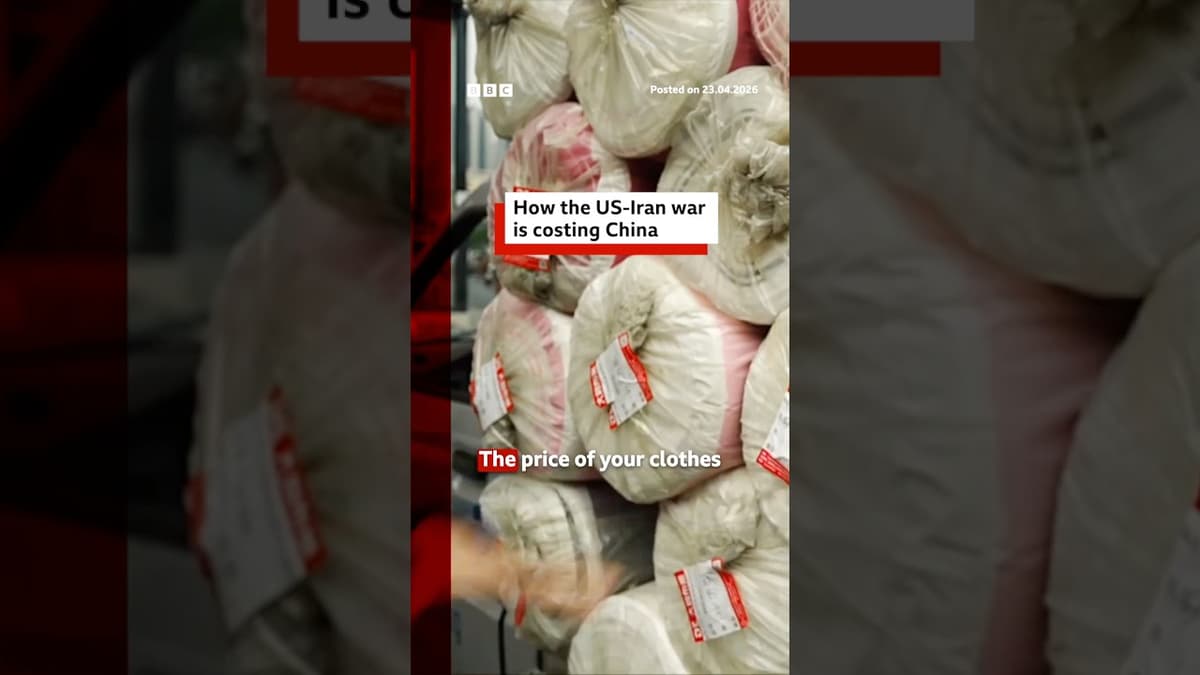
The US-Iran War Is Putting Pressure on China's Economy. #China #BBCNews
The video examines how the ongoing conflict between the United States and Iran is reverberating through China’s economy, particularly by inflating the price of crude that fuels the nation’s massive textile and plastics sectors. Traders and factory workers in...
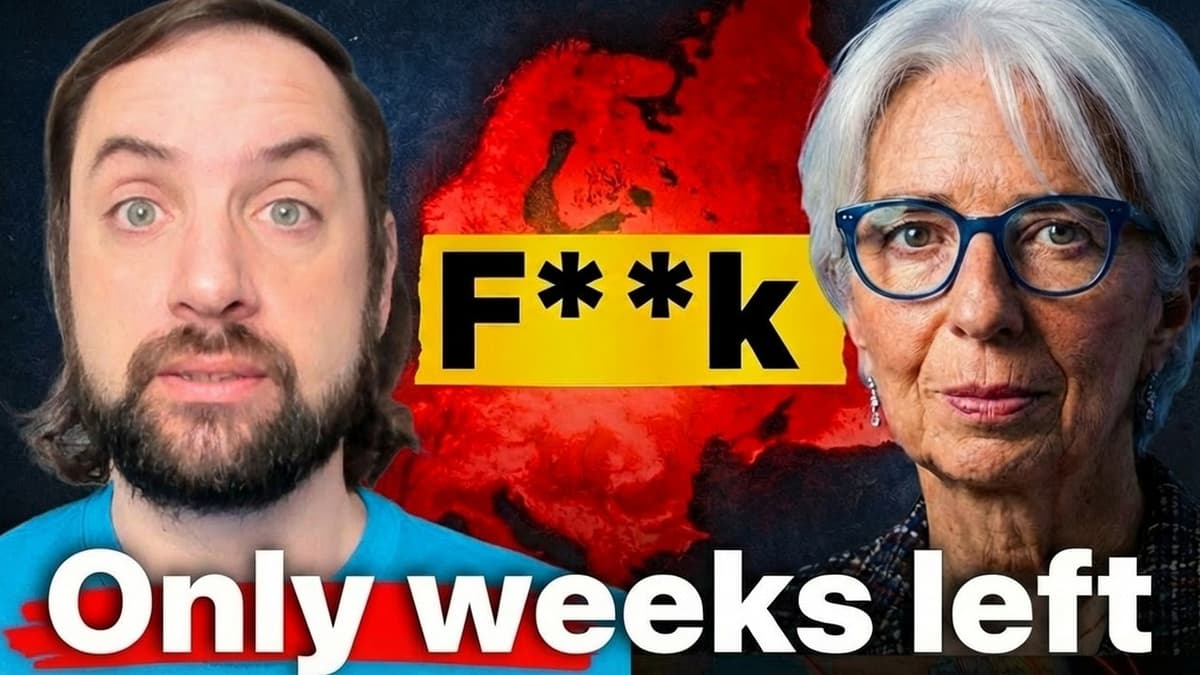
EU Sends Huge Oil Warning That Is Spreading To The Rest of The World
The video highlights a deepening energy shock across Europe, driven by soaring oil, gasoline, diesel and jet‑fuel prices. DHL’s Tobias Meyer warns that the continent is approaching a tipping point where higher energy costs will cripple consumer spending and trigger...
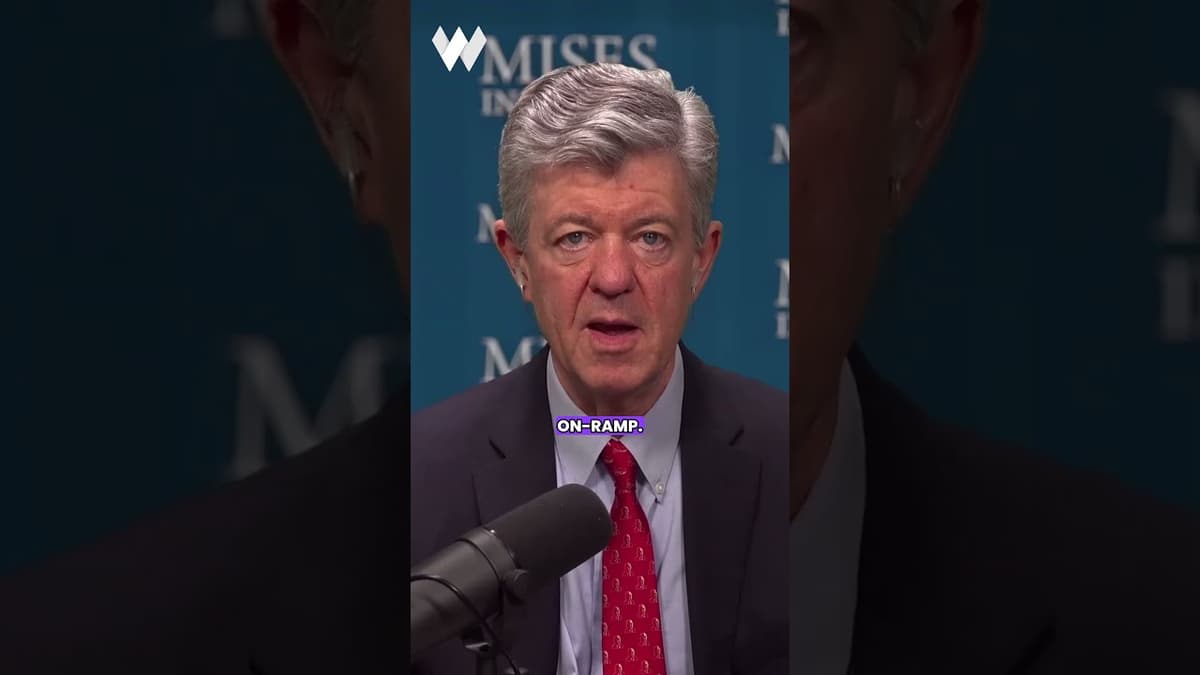
Mark Thornton: We're On the On-Ramp to the Road to Hyperinflation #Gold #Silver #Metals #inflation
Mark Thornton’s recent commentary frames the current metals market as a prelude to hyperinflation, using the gold‑silver ratio as a barometer. He notes the ratio fell from a historic high of 104 to the low‑50s before rebounding past 60, signaling...

Evening Market Recap - Wednesday, 22-Apr
A ceasefire extension acted as a tailwind, nudging equities higher even as WTI crude surged 3.7% on tight energy supplies. Treasury yields edged down 1‑2 basis points after a well‑received 20‑year auction, signaling modest fixed‑income firmness. A renewed AI trade...

Trump And Powell’s Bogus Journey
The video centers on the Senate’s possible decision to drop criminal charges against Federal Reserve Chair Jerome Powell, a move framed as a prerequisite for confirming the nominee Worsh. The speaker argues the charges—alleged false statements about a Fed‑building budget—are...
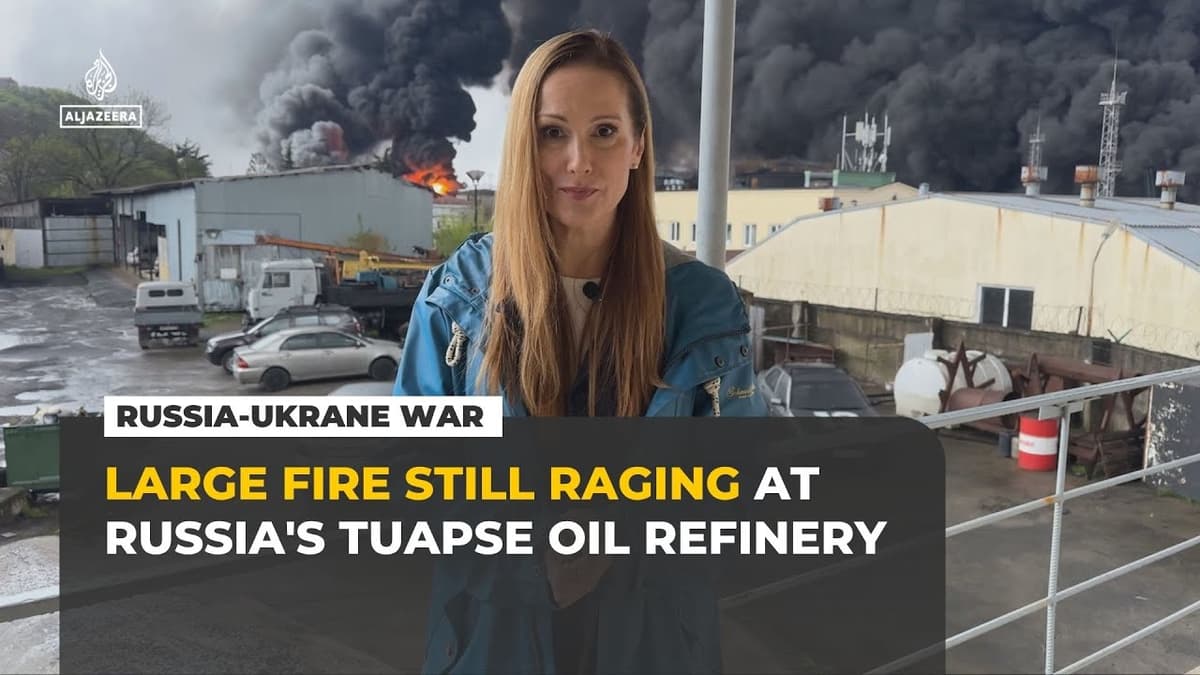
Russia’s Tuapse Oil Refinery Still Ablaze a Week After Ukrainian Drone Attack
A week after Ukrainian drones struck Russia’s Tuapse oil refinery and adjacent port facilities, the blaze continues to rage, sending plumes of black smoke across the Black Sea coast and igniting fears of a prolonged environmental disaster. The attack created a...
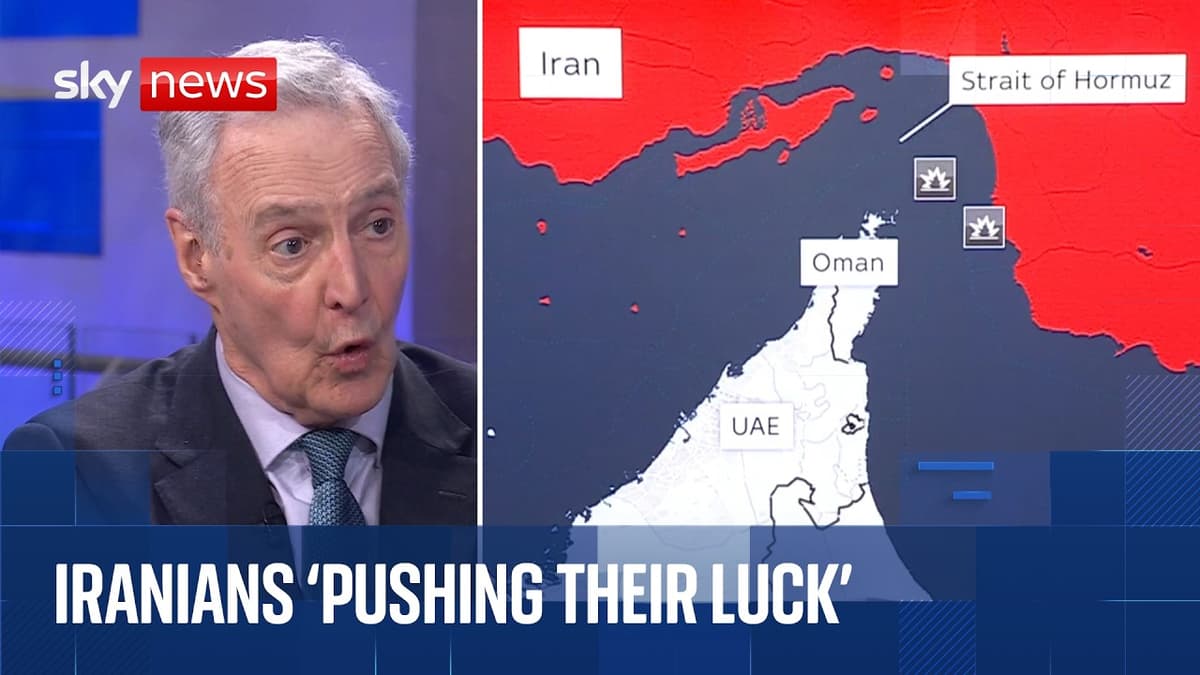
Michael Clarke Unpicks Strait of Hormuz Stalemate | Sky News Analysis
President Donald Trump announced an extension of the ceasefire with Iran while keeping the US naval blockade of the Strait of Hormuz in place. An Iranian official said Tehran has not yet decided whether to join a new round of...
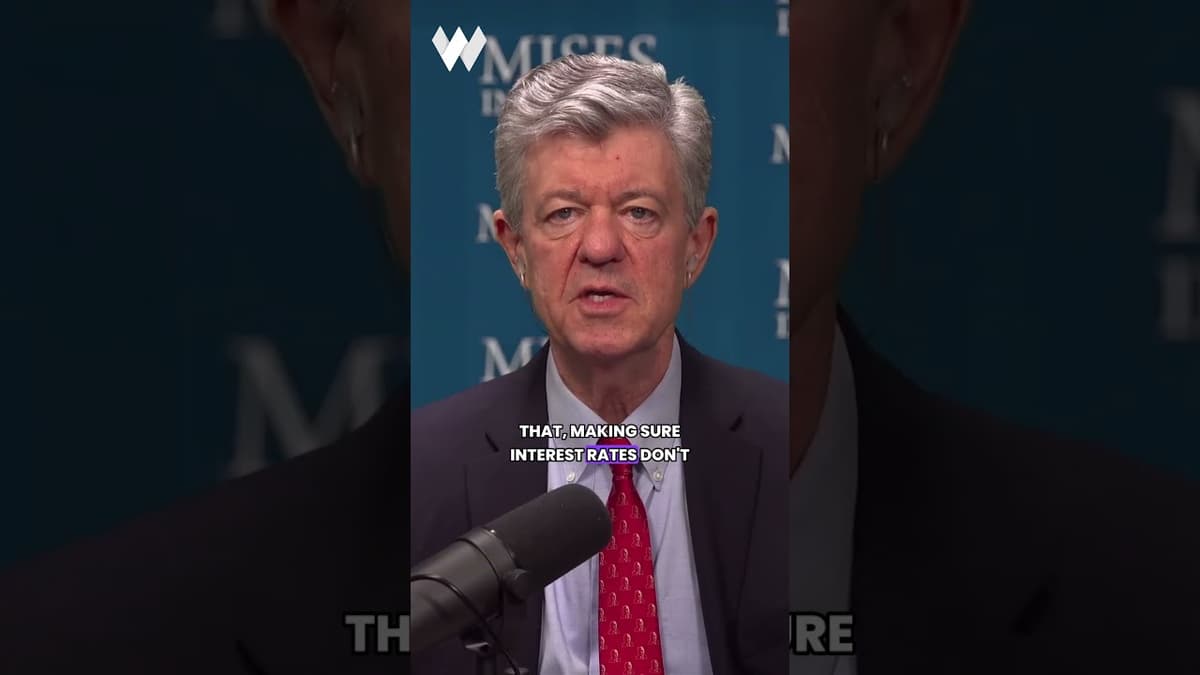
Mark Thornton: The Fed's REAL Dual Mandate EXPOSED #FederalReserve #Debt #banking
In a recent interview, former Fed official Mark Thornton argues the Federal Reserve’s publicly stated “dual mandate” of price stability and maximum employment masks a deeper, fiscal‑driven mission: financing the U.S. government’s massive budget deficit and ensuring the smooth rollover...

David Woo: Why Gold WINS if the Fed Doesn't Cut #Gold #Fed #Stagflation
In a recent commentary, market strategist David Woo explains why gold’s fortunes hinge on the Federal Reserve’s policy path, bond yields, equity performance, and oil prices. Woo argues that gold functions more like a bond proxy than a stock correlate. When...
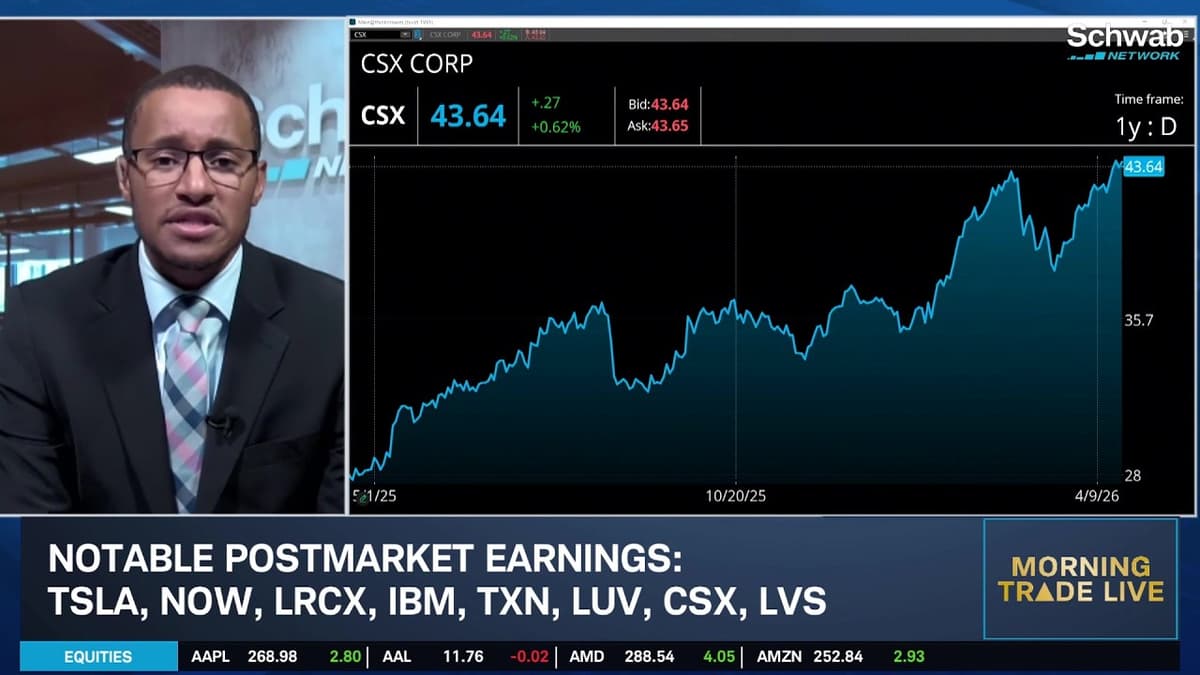
Oil Higher, Stocks Higher: Investors Turn Away From Iran & Toward Earnings
The market opened the day with a rare combination: oil prices climbing above $90 a barrel while equity indices posted gains. Analysts linked the oil surge to recent attacks on three cargo vessels, two reportedly seized by Iranian forces,...

LIVE | Tracking Latest Stock Market Headlines & Top Developments | India Business Hour | Top News
President Donald Trump extended the Iran cease‑fire while a naval blockade persists, prompting a sharp rise in crude oil prices after three ships were attacked near the Strait of Hormuz. Indian markets slipped as the rupee weakened and HCLTech’s earnings...
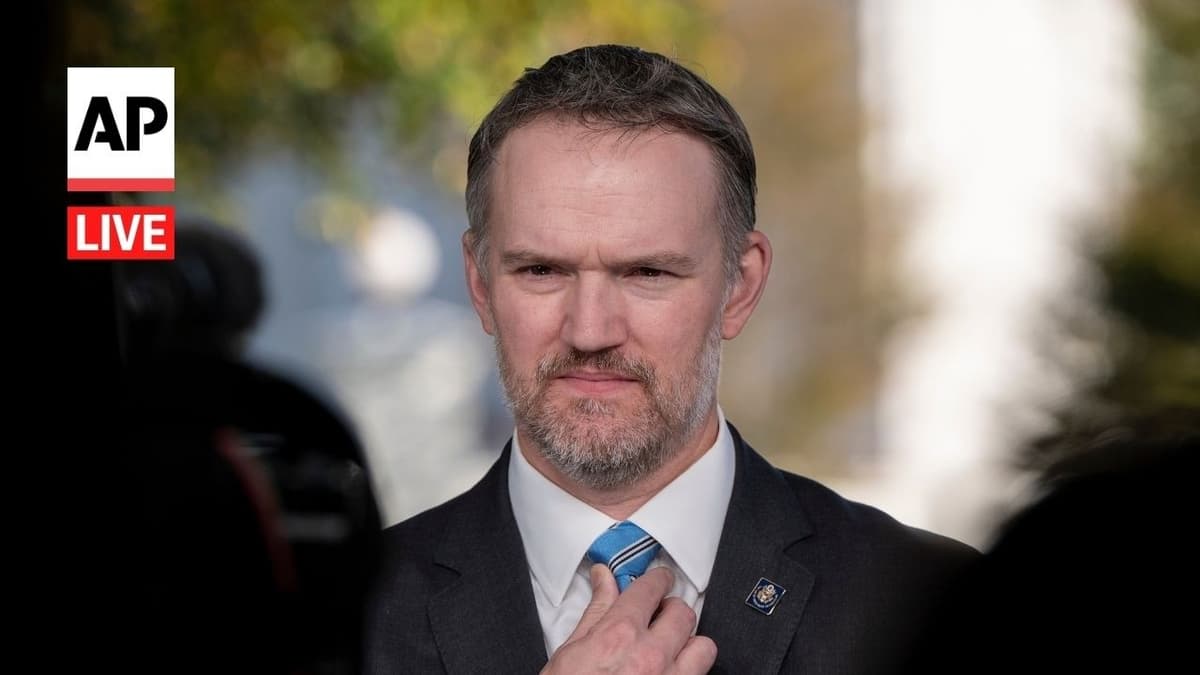
LIVE: Jamieson Greer Testifies on Trump’s Trade Policy at House Hearing
Ambassador Jamieson Greer testified before the House Ways and Means Committee defending the Trump administration’s 'America First' trade agenda as delivering substantial market access and investment wins—citing tariff eliminations or reductions by the EU, Taiwan, Cambodia and others, record exports...
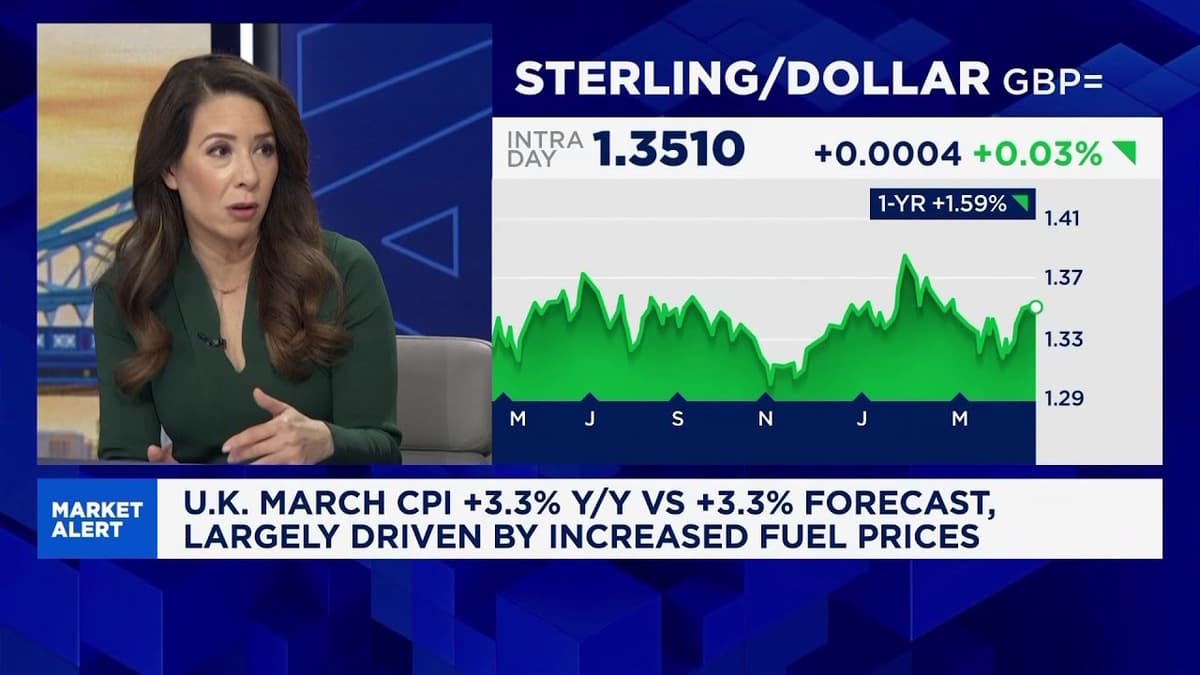
UK Inflation Jumps to 3.3%, in First Print Since Start of Iran War
The UK consumer price index climbed to 3.3% in March, the first reading since the Iran‑Israel conflict began to affect markets. The jump was driven largely by a sharp rebound in energy costs, with heating oil surging 90% month‑over‑month, marking...
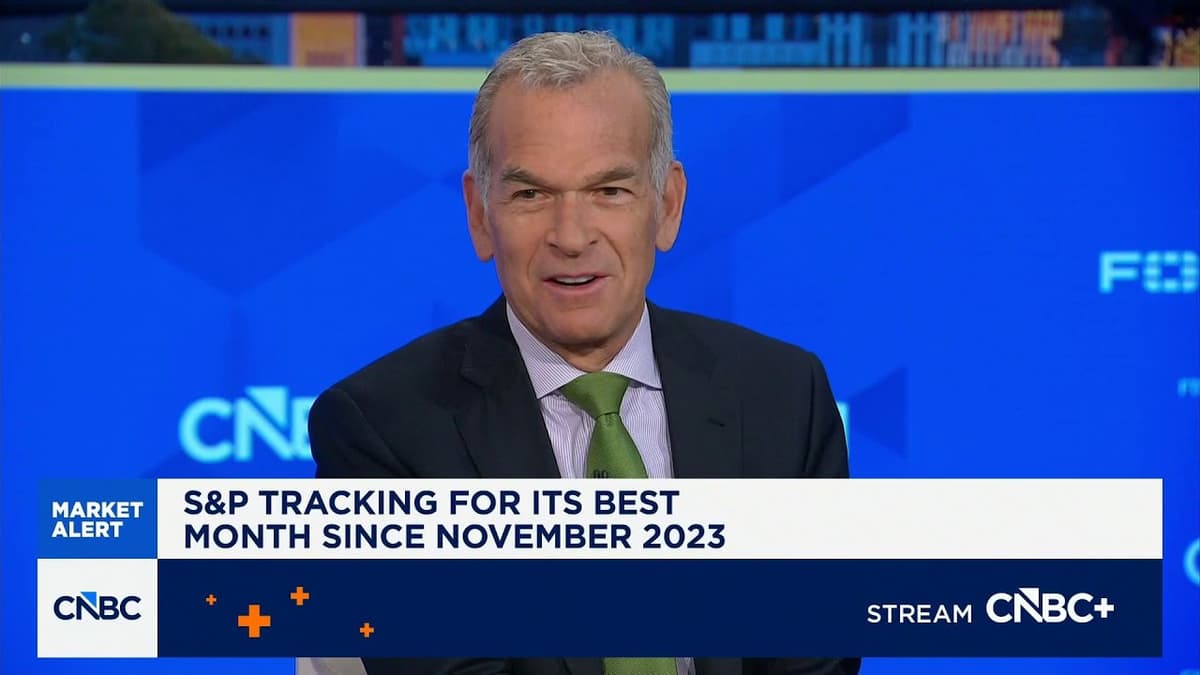
Geopolitics Tends to Create Good Buying Opportunities, Says Morgan Stanley's Andrew Slimmon
Morgan Stanley senior portfolio manager Andrew Slimmon argued that geopolitical events, such as the recent Iran cease‑fire, often create compelling entry points for equity investors. He emphasized that while macro headlines dominate headlines, the underlying micro fundamentals—particularly earnings revisions—remain the...
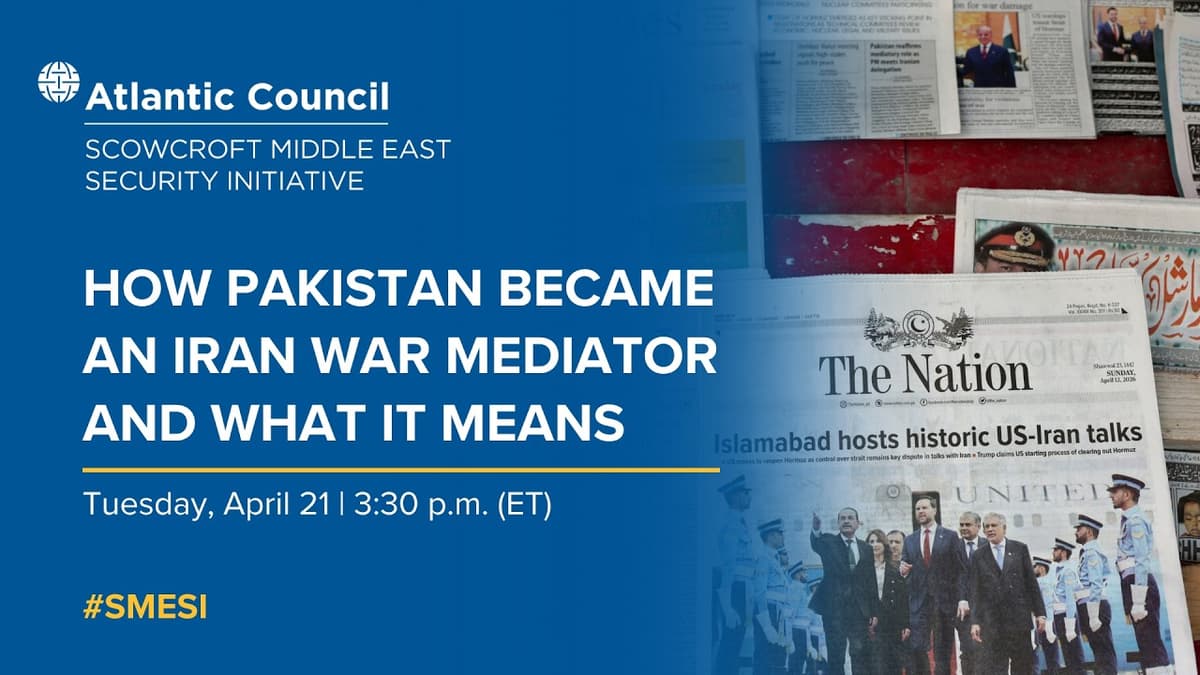
How Pakistan Became an Iran War Mediator and What It Means
Pakistan unexpectedly emerged as a key mediator between the US and Iran, brokering an April 8 ceasefire and hosting high-level face-to-face talks April 11–12, with a second round planned amid some uncertainty. Observers were surprised given Pakistan’s close ties to...
Financial Market Preview - Wednesday 22-Apr
FactSet’s Wednesday market preview highlighted the indefinite extension of the Iran‑Pakistan ceasefire as the primary catalyst for improved risk sentiment, nudging U.S. S&P futures up 0.6% and setting a cautiously optimistic tone for global equities. Asian markets were split: Japan, South...
Johor Delays Roll-Out of JS-SEZ Blueprint to H1 2026
Malaysia’s National Investment Council has placed the Johor‑Singapore Special Economic Zone (JS‑SEZ) master plan under review, pushing the anticipated launch from March 30 to the first half of 2026. The blueprint, originally designed to attract billions in cross‑border investment and...

Daniel Yergin Sees a 'Different World' Emerging After the Hormuz Crisis
The Odd Lots podcast featured Daniel Yergin discussing how the recent Strait of Hormuz closure marks a watershed moment for global energy security. Yergin described the event as the "nightmare scenario" long modeled by strategists, turning a theoretical risk...
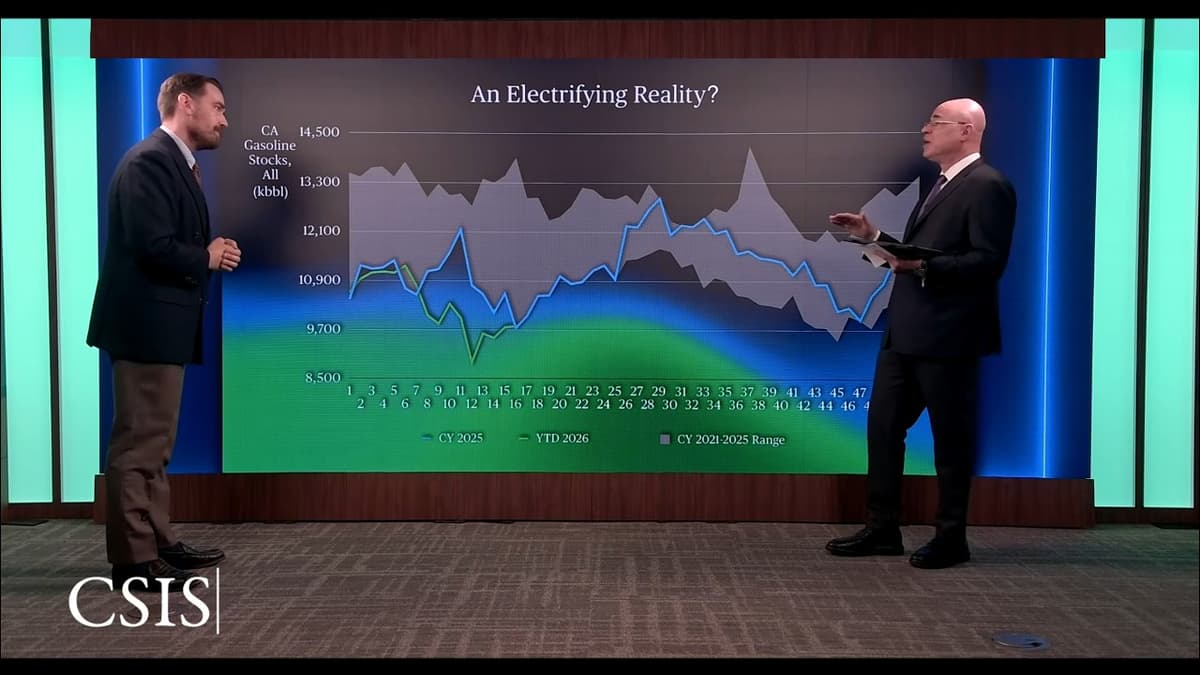
Wartime Energy Economics | Energy Shots
The Energy Shots episode examines how armed conflicts instantly reshape global energy markets by disrupting supply chains, inflating prices, and prompting rapid policy shifts. It highlights the Ukraine war and Middle‑East tensions as case studies that forced producers to cut...

David Woo: The Fed Is Trapped | 1970s Stagflation Is Back #Fed #Stagflation #Inflation
David Woo warns that the Federal Reserve is entering a situation reminiscent of the 1970s, where an oil‑driven energy shock combined with geopolitical conflict sparked stagflation. He argues that the current war‑related supply disruption mirrors the Iranian crisis that forced...
Live: Stocks Fall Into the Red During Contentious Warsh Hearing | Apr. 21, 2026
The live broadcast from Market Domination focused on the contentious Senate hearing of Federal Reserve Chair nominee Kevin Wars, as Wall Street slipped lower amid lingering Iran‑negotiation worries and uncertainty over the nominee’s confirmation. Wars told senators he never agreed to...
What a Warsh Fed Could Mean for 10-Year Yields
The video examines how the Senate confirmation hearing for Fed Chairman‑designate Kevin Worsh could reshape expectations for the 10‑year Treasury yield curve. Market participants are watching the hearing for clues about future monetary policy, especially given the President’s public demand...
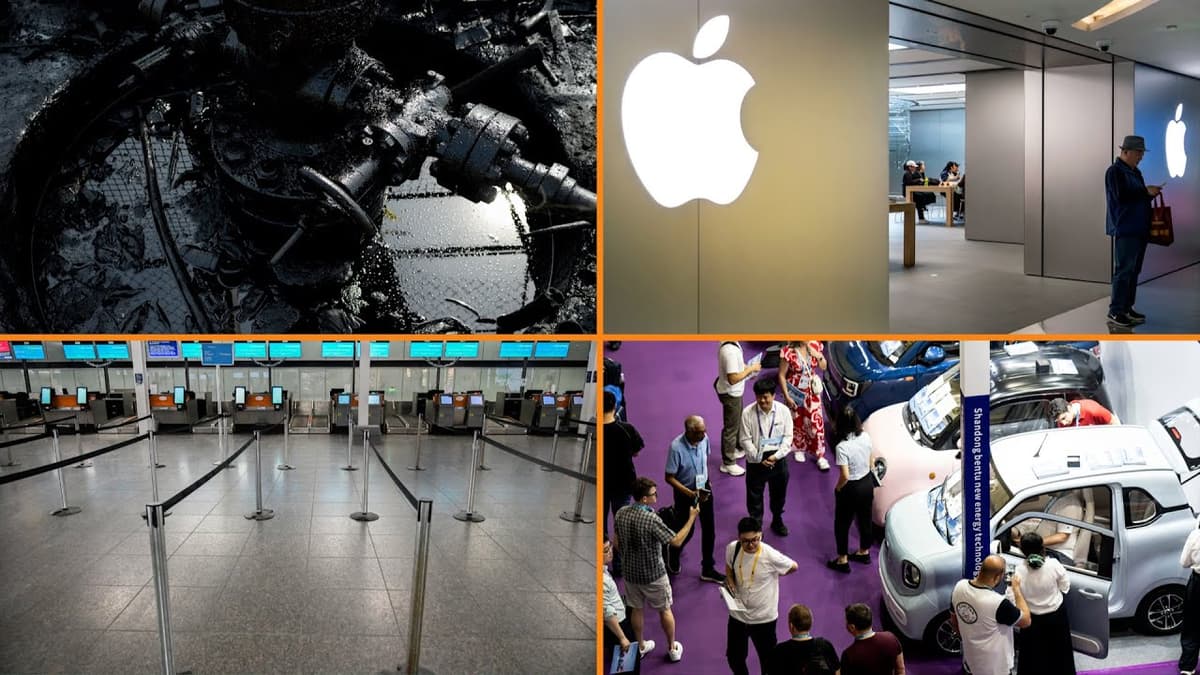
Bloomberg Money Minute: Iran Rejects US Talks; Hyundai Boosts US Production
Bloomberg Money Minute covered a mix of energy, geopolitics, corporate and automotive trends, noting oil price spikes, stalled diplomatic talks, leadership shifts at Apple, and growing curiosity about Chinese electric vehicles. Crude oil surged after a New York Times story raised concerns about...
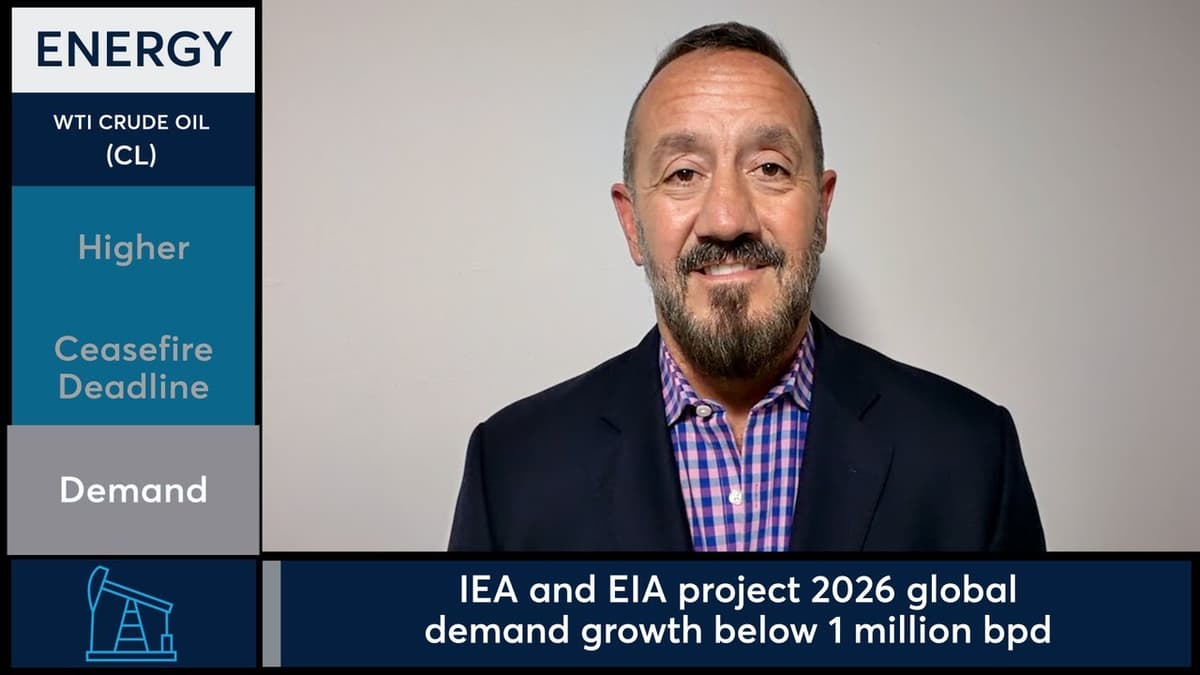
WTI Crude Oil Futures Gap Lower but Rally Amid Iran Talks. 4/21/26
June WTI crude futures extended their rally for a second consecutive session, trading higher despite a muted opening and declining volume. The contract opened lower, surged to a two‑day high of 91.45, then fell back, closing about 2.5% above the previous...

Europe Early Edition - 21-Apr-26
Europe Early Edition, anchored by seasoned market commentator Silvia Amaro from London, launches a daily one‑hour livestream at 07:00‑08:00 CET. The program stitches together market movements from the United States, Asia and the Middle East, delivering real‑time analysis across equities, FX...
Birthrate Decline Isn't Just a Culture War Issue
The video highlights a worldwide decline in birth rates coupled with rapidly aging populations, creating a demographic shift that reduces the proportion of working‑age individuals. This trend is not merely a cultural debate about family choices; it represents a structural...
Two Wars, One Outcome
The video argues that the United States is simultaneously engaged in two intertwined battles – a conventional conflict over the Strait of Hormuz and a financial fight in the sovereign bond market. A prolonged closure of Hormuz would keep crude oil...
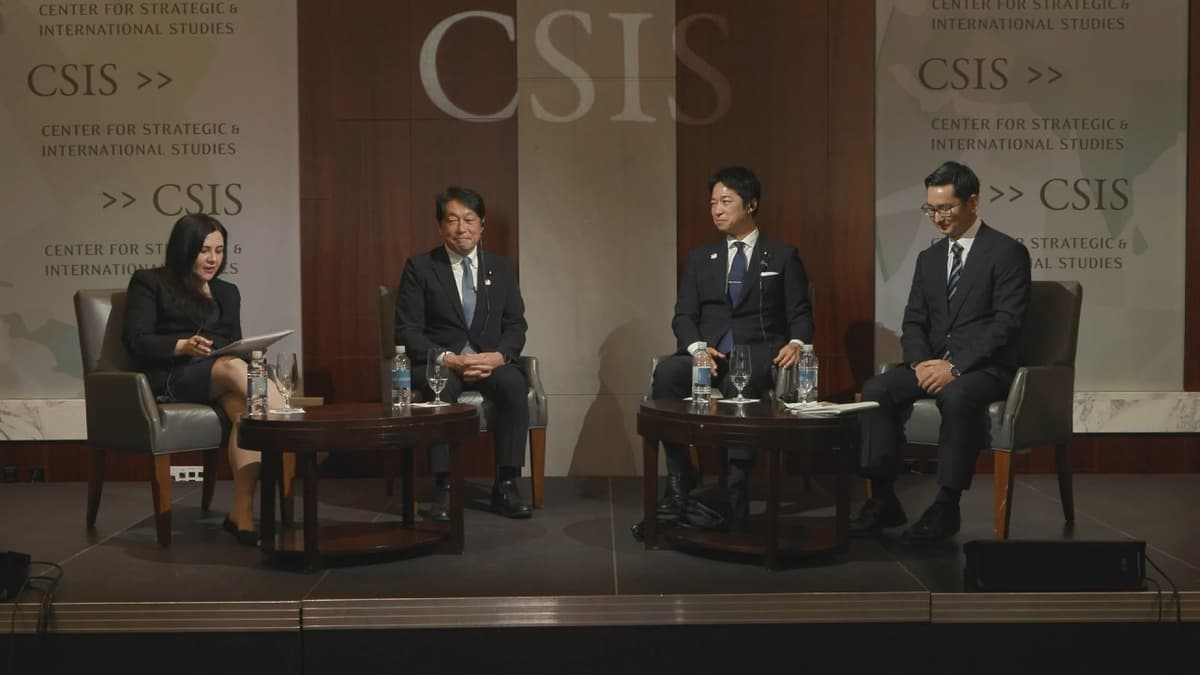
What’s Next for Japanese Security Policy and U.S.-Japan Relations? Perspectives From the Diet
CSIS, together with the Japan Center for Economic Research, is hosting a virtual panel on May 4 to examine Japan’s upcoming security policy revisions and the future of U.S.–Japan relations. The discussion features House members Itsunori Onodera, former defense minister, and...
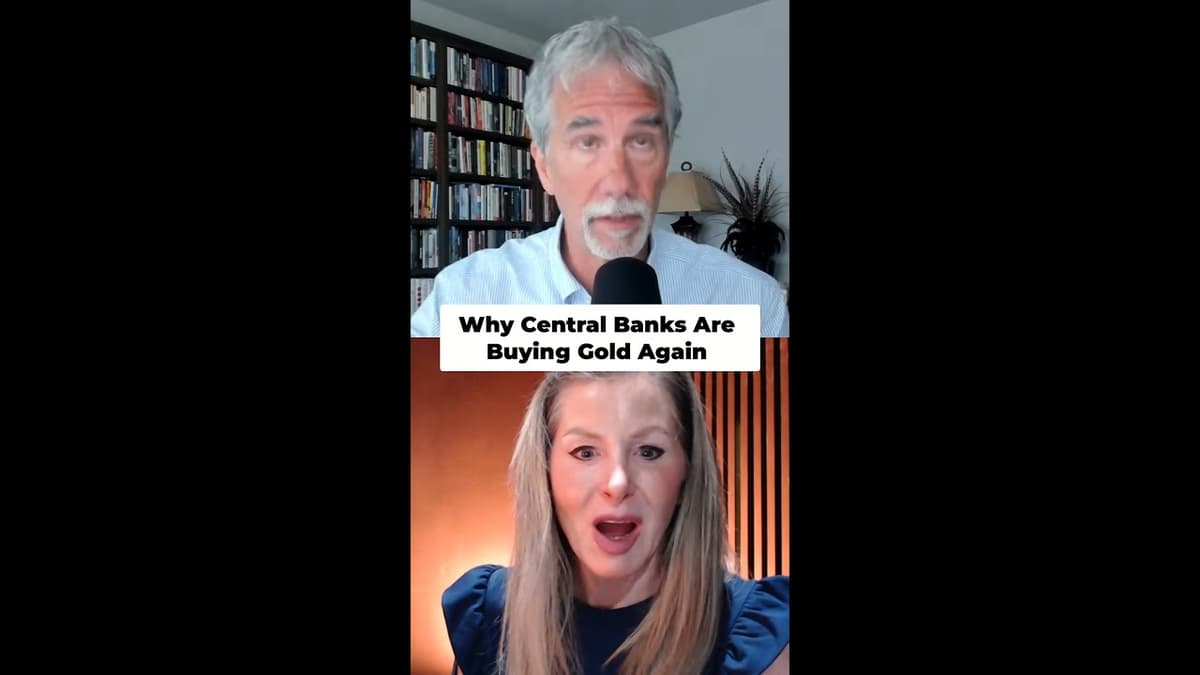
A Bullish Long-Term Sign For Gold?
The video argues that gold’s outlook remains bullish over the long term as central banks increasingly view the metal as a strategic reserve. Since around 2009, central banks transitioned from net sellers to net buyers, a trend that accelerated after Russia’s...
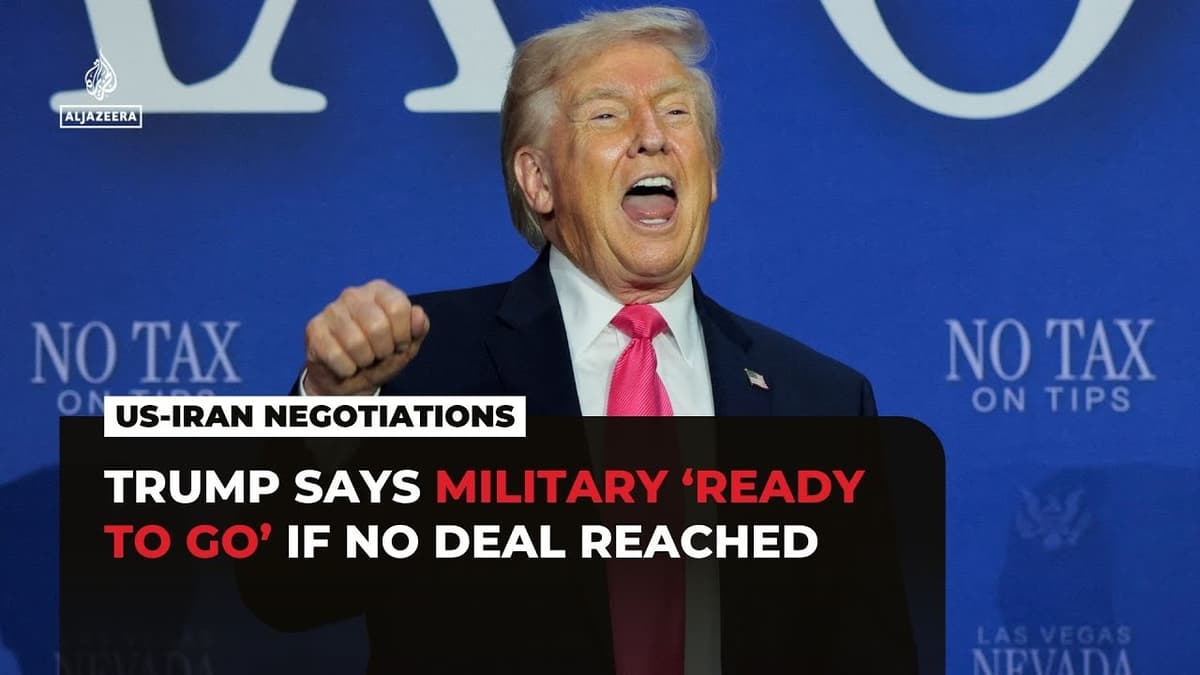
Trump Says ‘Ready to Go’ Back to War with Iran as Ceasefire End Looms
U.S. President Donald Trump warned Iran that the window for a diplomatic deal is closing and said he does not want the current Gaza ceasefire extended. In a televised interview, he asserted that U.S. forces are "ready to go, militarily"...
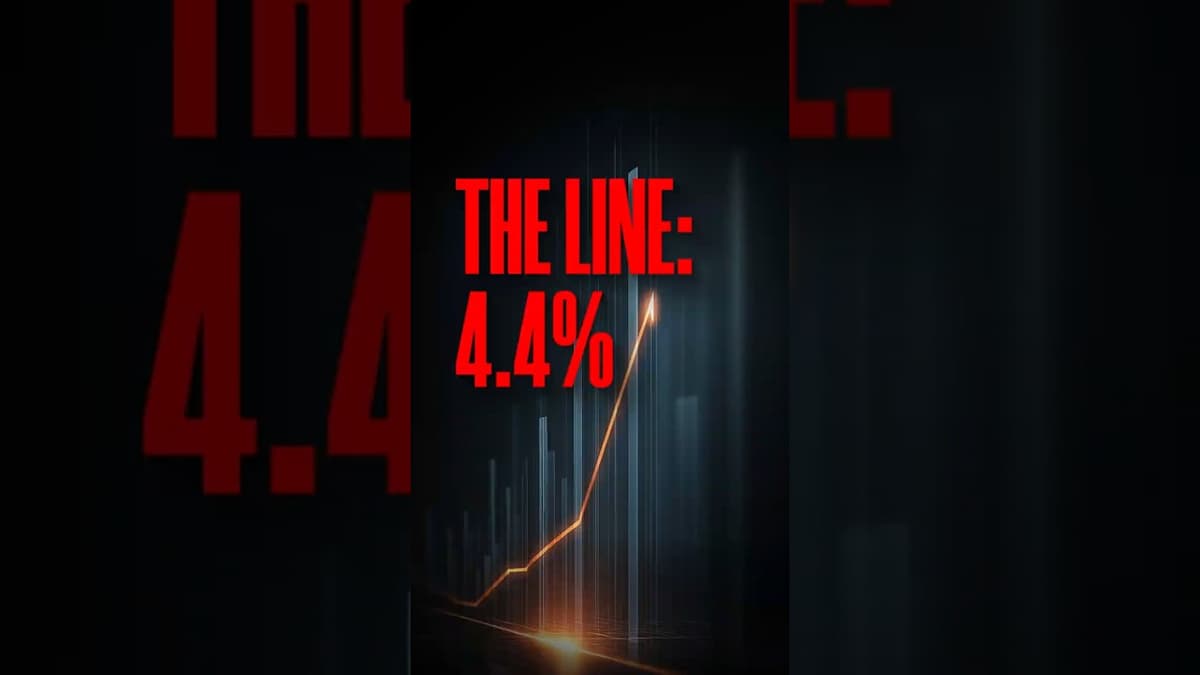
The Breaking Point for Treasuries
The video warns that the United States is approaching a breaking point for Treasury financing as debt has surged and the Federal Reserve has become the primary buyer of government bonds. Over the past twelve years federal debt rose by $22 trillion,...

Strait Of Hormuz Crisis May Drive Up Christmas Shopping Costs
The video reports that the ongoing conflict in the Strait of Hormuz is already reshaping the global supply chain for artificial Christmas trees, a market that peaks eight months before the holiday season. Disruptions to oil shipments have pushed the price...
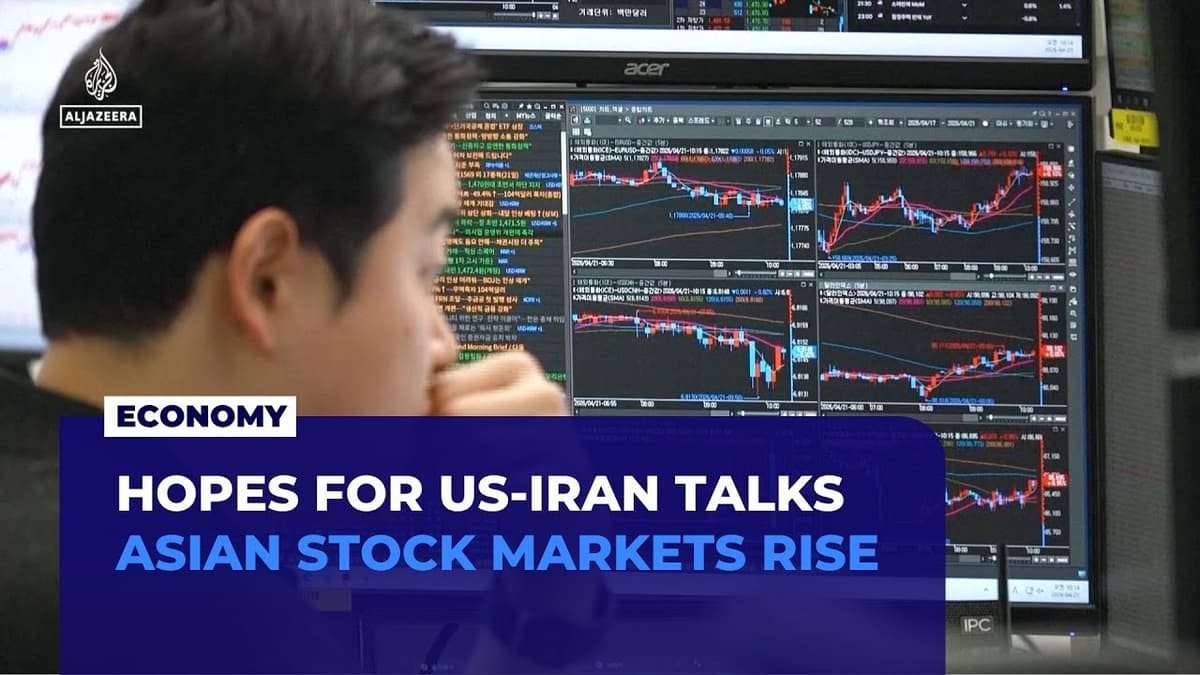
Asian Stock Markets Rise Amid Hopes for US-Iran Talks Despite Ceasefire Uncertainty
Asian equity markets surged on Tuesday, shrugging off lingering geopolitical risk from the fragile US‑Iran ceasefire. South Korea, Taiwan and Japan all posted gains, pushing regional indices to fresh highs even as the broader Middle‑East situation remains unresolved. In Seoul, the...
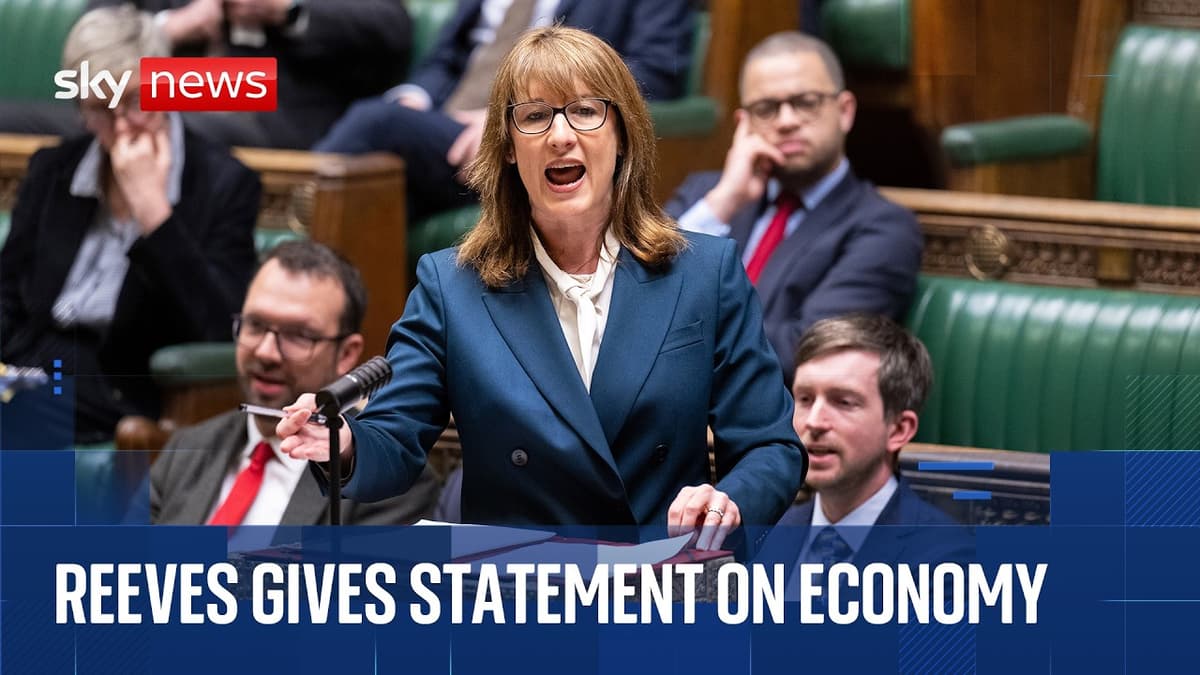
Chancellor Rachel Reeves Gives Statement on Economy
Chancellor Rachel Reeves delivered a ministerial statement on the UK economy from the House of Commons, broadcast live by Sky News. The speech outlined the Labour government’s fiscal priorities, including growth‑focused spending and measures to curb inflation. Reeves highlighted the...
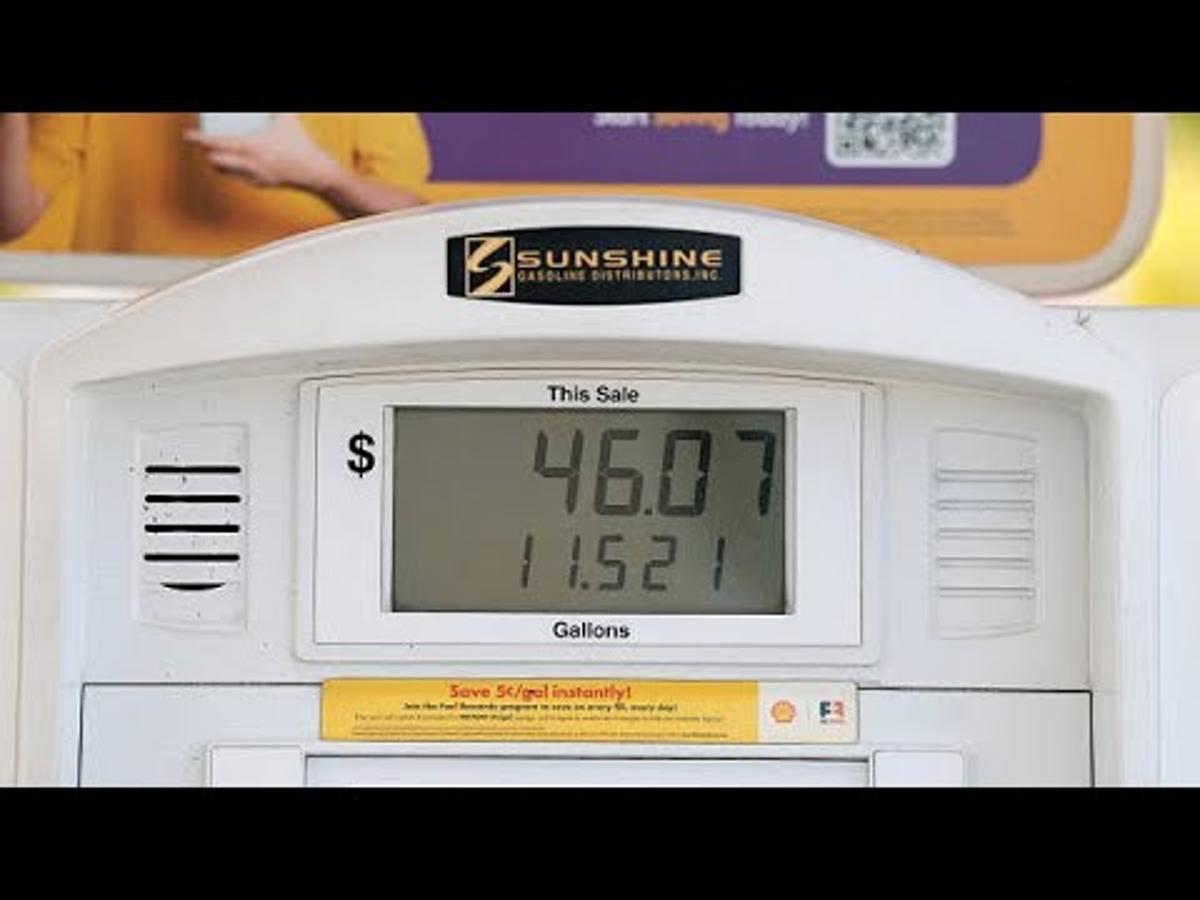
US Retail Sales Soar in March Led by Spending on Gas
The Commerce Department released March retail‑sales data showing a 1.7% month‑over‑month increase, the strongest gain since early 2023, largely powered by higher gasoline prices. When gasoline and autos are stripped out – the “core” or control group – sales still rose...

Can Gen-Z Afford to Pay for All Boomer Pensions?
The video examines whether Generation Z and millennials can shoulder the pension burden of retiring baby‑boomers, highlighting a looming demographic squeeze in wealthy nations. OECD forecasts show the worker‑to‑pensioner ratio falling from three today to under two by 2050, making pay‑as‑you‑go...
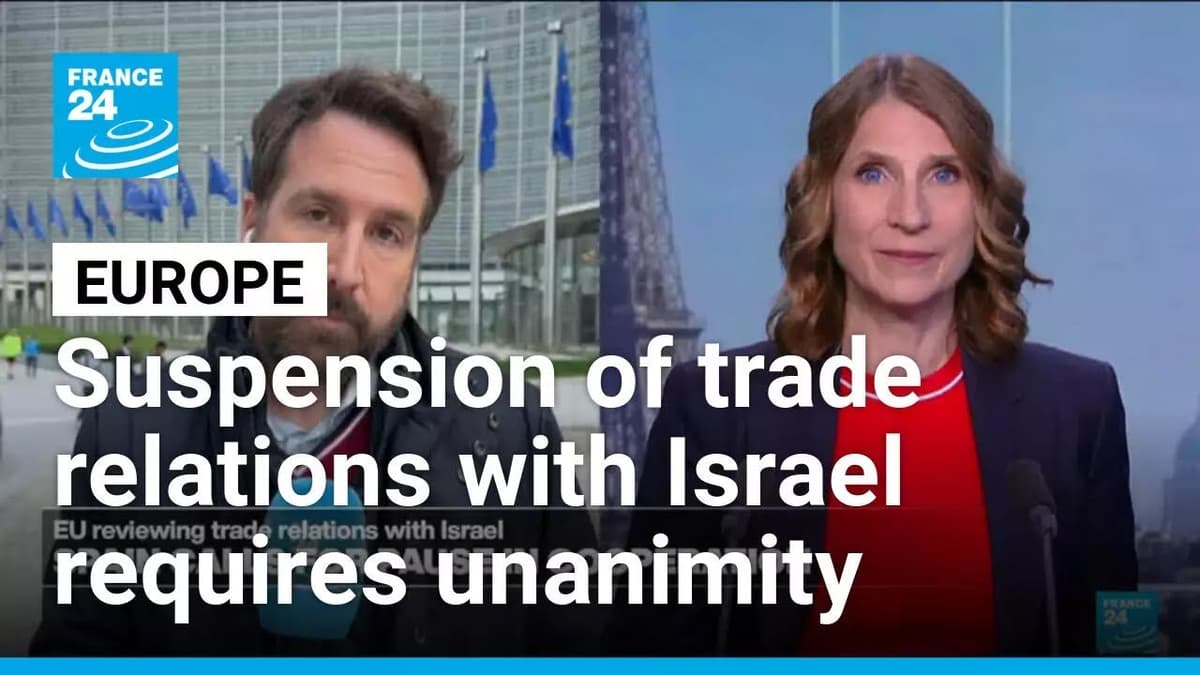
Full Suspension of Trade Relations with Israel Requires EU Unanimity • FRANCE 24 English
The European Union is wrestling with whether to suspend its long‑standing trade association with Israel, a move championed by Spain, Ireland and Slovenia. While the EU‑Israel association agreement, in place since 2000, can be altered by qualified‑majority voting, any sanctions...
![[LIVE] NEWSCENTER (2026-04-21)](/cdn-cgi/image/width=1200,quality=75,format=auto,fit=cover/https://i.ytimg.com/vi/3gxsnZwvE_w/maxresdefault.jpg)
[LIVE] NEWSCENTER (2026-04-21)
The United States and Iran are scrambling to extend a fragile cease‑fire, leaving the region in diplomatic limbo as the deadline passes. Pakistan’s capital, Islamabad, imposed a lockdown in anticipation of the high‑stakes talks, while Seoul reported that U.S. intelligence...
US-Iran Peace Talk Uncertainty; Warsh Hearing; Apple Names New CEO | Bloomberg Brief 4/21/2026
The Bloomberg Brief highlighted three intertwined stories shaping markets on April 21: the fragile US‑Iran cease‑fire negotiations, Apple’s leadership transition, and Kevin Warsh’s pending confirmation as Federal Reserve chair. Oil slipped to around $95 a barrel as investors weighed the...
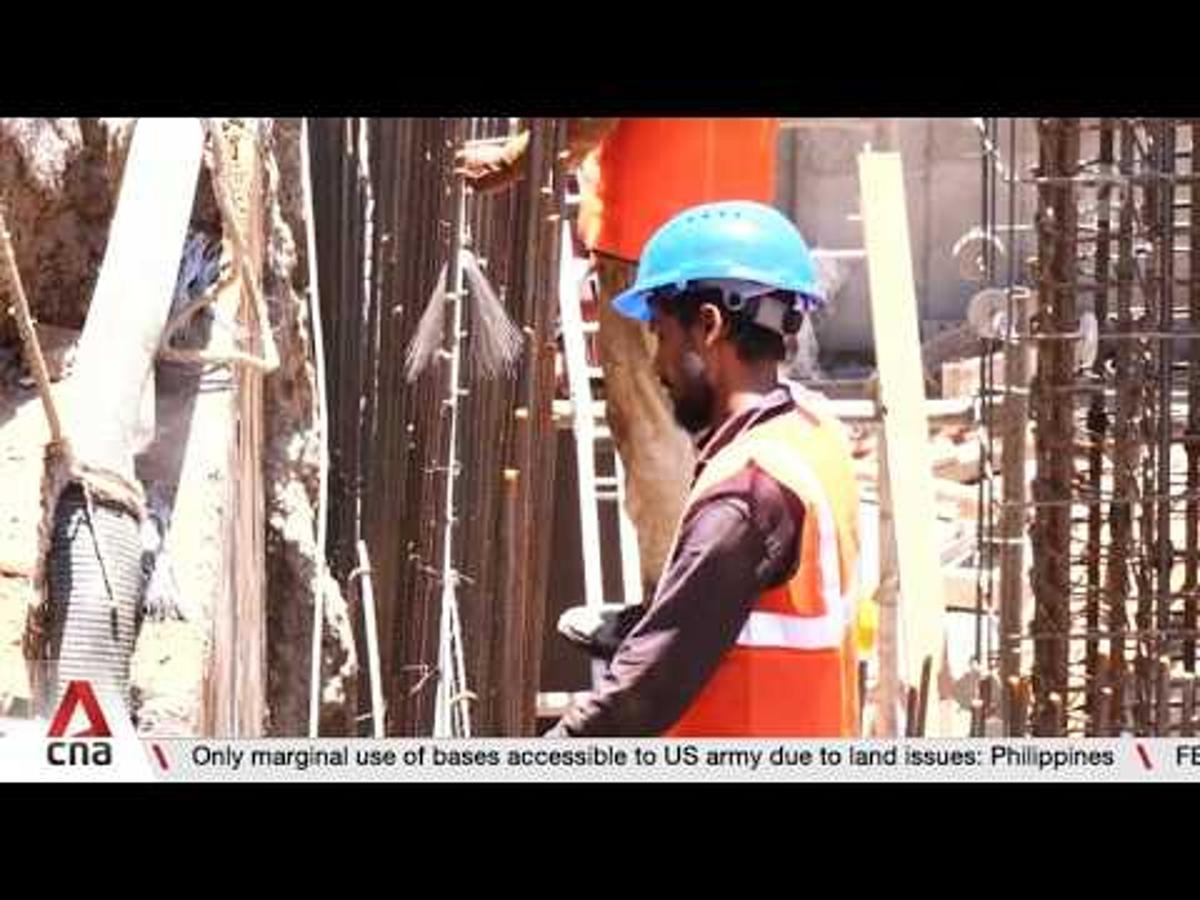
India Housing Market Feels Impact of Middle East Tensions
The video examines how the escalating conflict in the Middle East is reverberating through India’s housing sector. Rising freight, steel, cement and energy prices—driven by supply disruptions linked to the Iran‑related war—are inflating construction budgets, while buyer sentiment sours amid...
Podcast Episode: The Mounting Disruptions in Oil Markets
The IEA’s latest oil market report highlights the seismic shock to global oil flows after the Strait of Hormuz was effectively shut in late February. The narrow 54‑km passage, which normally carries about 20 million barrels a day of crude, condensate,...

The Hidden Engine of China’s AI Boom | China Decode
The episode of China Decode examines how China has become the world’s leading exporter of AI tokens – the computational “fuel” for large‑language and agentic models – and why this is turning into a geopolitical flashpoint. Data from the National Bureau...

AI Optimism Pushing Stocks Higher Despite Iran Risks: 3-Minutes MLIV
The three‑minute MLIV segment highlighted that equity markets remain buoyant despite ongoing Iran‑U.S. tensions, as traders focus on the possibility of an extended cease‑fire rather than immediate conflict escalation. Analysts pointed to a confluence of factors supporting the rally: upbeat Q1...