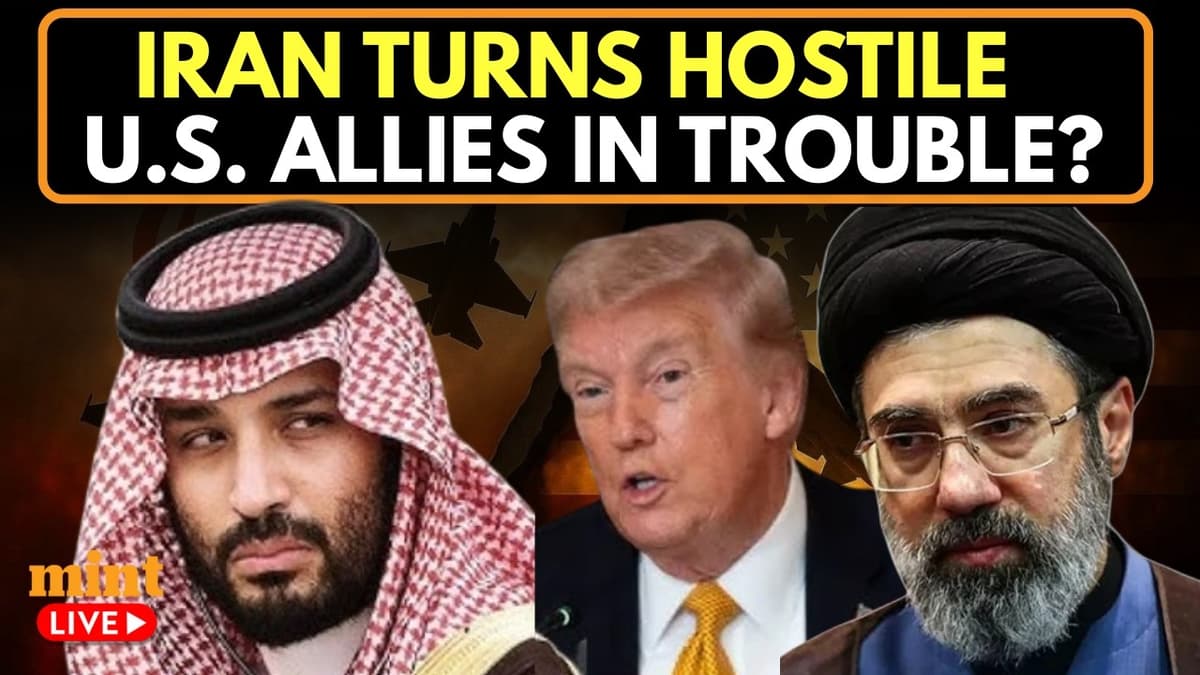
LIVE | Iran Escalates War of Words, Slams Trump’s Arab Allies Amid Rising Tensions | Trump
Iran’s foreign ministry launched a sharp verbal offensive against Gulf Cooperation Council members, accusing them of allowing their territories to be used for U.S. and Israeli strikes and demanding compensation for wartime damage. The rhetoric coincides with Tehran’s call for the Gulf states—Saudi Arabia, the United Arab Emirates, Qatar, Bahrain and Jordan—to pay for losses incurred during the recent conflict. The video detailed extensive damage to regional energy assets: Qatar’s Raz Lafen LNG complex, which supplies roughly 93% of the country’s LNG, has been offline since March and may need three to five years to return to full capacity. Similar attacks hit oil and gas facilities across Saudi Arabia, the UAE, and Bahrain, while civilian casualties rose in multiple countries. The IMF cautioned that recovery timelines will vary, potentially prolonging disruptions to Gulf export flows. Iranian spokesperson Esmail Bagghai quoted UN General Assembly Resolution 3314, labeling GCC states “complicit in heinous U.S.–Israeli atrocities.” He defended Iran’s blockade of the Strait of Hormuz as a lawful defensive measure, while urging GCC members to rebuild trust. The demand for compensation was reiterated by Iran’s UN ambassador, citing the five Gulf nations as responsible for breaching international obligations. If the compensation claims proceed, they could spark legal battles and deepen diplomatic rifts, further destabilizing an already volatile region. Prolonged outages at key LNG and oil facilities risk tightening global energy markets, while Iran’s hardened stance may push Gulf allies to reassess security cooperation with the United States and Israel.
Peter Schiff Still Early Days In a Bull Market
In a recent interview, economist Peter Schiff argued that we are only at the beginning of a gold‑driven bull market, as central banks spearhead a move away from the U.S. dollar as the world’s primary reserve asset. Schiff said the de‑dollarization...

First Public Image in Years of Myanmar’s Aung San Suu Kyi
Myanmar’s state-run broadcaster aired the first public image of Aung San Suu Kyi in years, showing the former Nobel laureate after a prolonged stint behind bars. The footage accompanied an announcement that she would be transferred from a prison facility to a military‑controlled...

Brent Crude Seen as a Ticking Time Bomb | the Trade
The Trade episode focused on Brent crude’s recent surge past $126 per barrel, Iran’s warning of retaliatory strikes against U.S. assets, and the broader implications for global energy markets. Brent settled 3.5% lower at $114 after the intraday high, while technical...

Pawn Shops Just Issued a Very Grim Warning About Consumer Behavior
The video highlights a growing alarm from pawn shops as suburban consumers, especially women, increasingly pawn personal jewelry to cover everyday expenses. This trend follows a cascade of macro‑economic signals—declining real private incomes, a plunging savings rate, and heightened traffic...
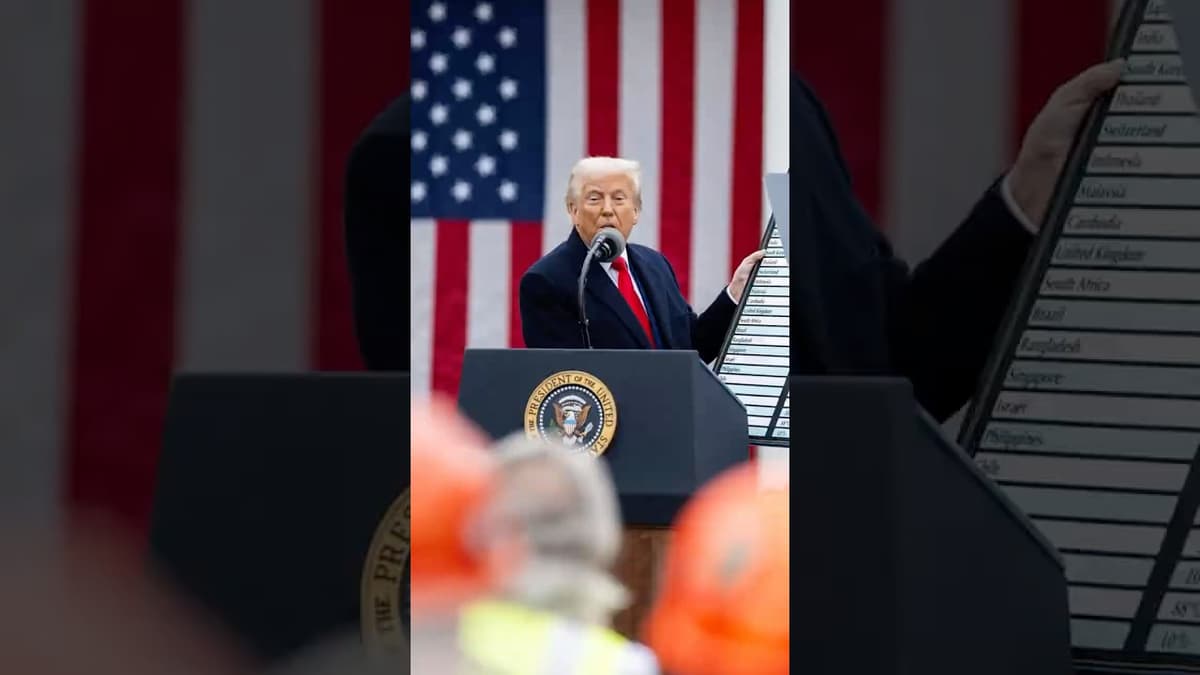
How the US Plans to Refund $166 Billion in Tariff Revenue
The Treasury announced a $166 billion reimbursement program to return tariff collections accrued under Section 122, a 10 percent levy that is set to expire in July. The refund scheme is intended to ease the fiscal burden on import‑dependent firms while signaling the...
How the Iran War Is Reshaping Global Oil Exports and the Balance of Power?
The video examines how the escalating U.S.-Iran conflict is reshaping global oil markets, with Brent crude soaring to its highest level since Russia’s 2022 invasion of Ukraine. Central to the turmoil is the Strait of Hormuz, a chokepoint whose partial...
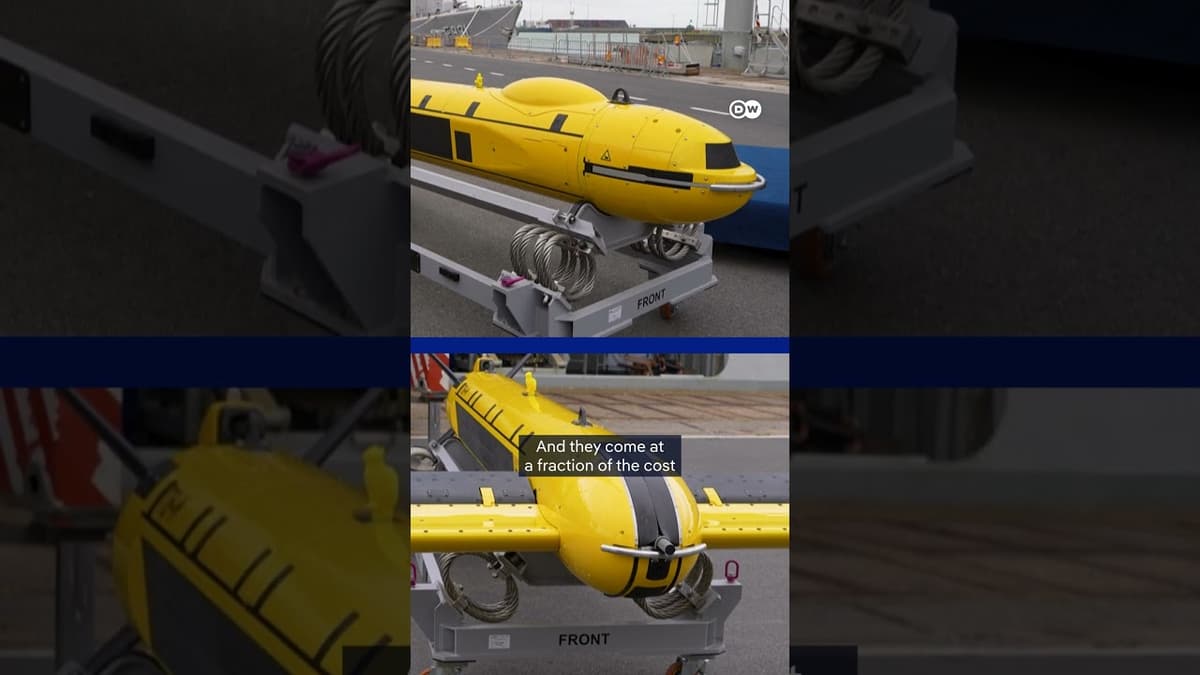
How the Iran War Is Revealing the Future of Naval Warfare | DW News
The DW News segment examines how the Iran‑U.S. clash in the Strait of Hormuz is exposing a paradigm shift in naval warfare. Iran, lacking a conventional blue‑water navy, is using swarms of small boats, land‑based missiles and inexpensive sea‑borne drones...
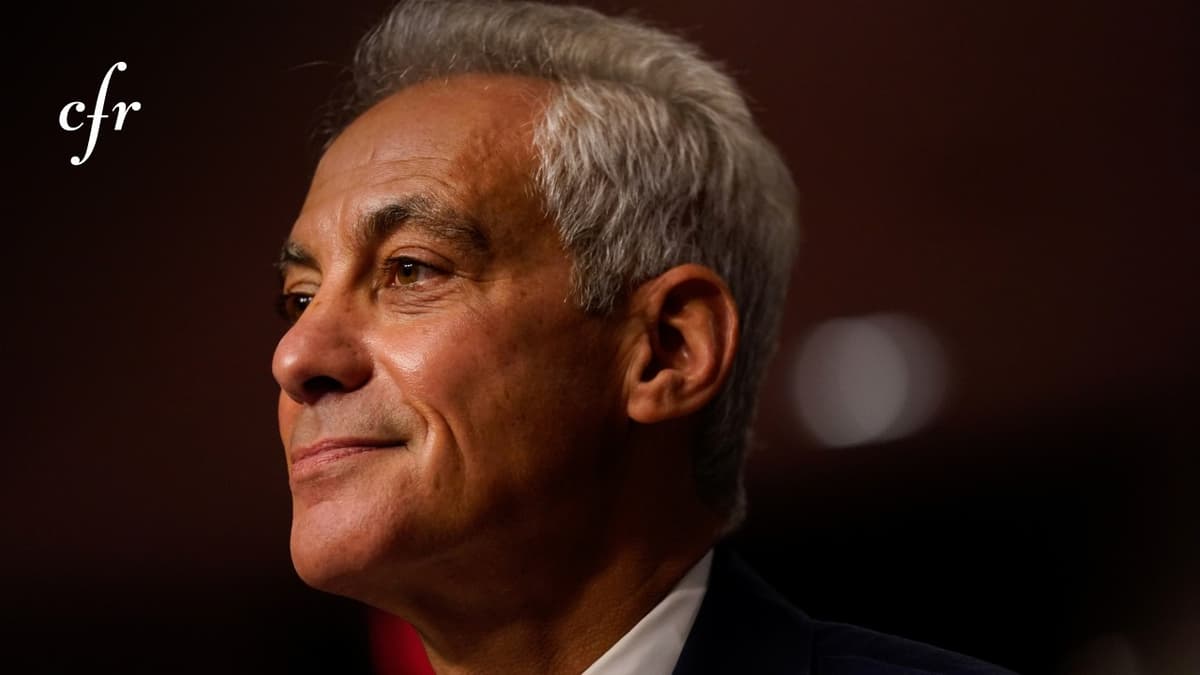
A Conversation With Rahm Emanuel
The Council on Foreign Relations hosted former ambassador and mayor Rahm Emanuel for a candid discussion on America’s deepening political fractures and foreign‑policy challenges. Emanuel traced today’s volatility to four pivotal crises—the Iraq war built on false pretenses, the 2008...
The World Is Repricing Risk — And Markets Aren’t Ready | General "Spider" Marks & Peter Tchir
The conversation between General "Spider" Marks and Peter Tchir centers on AI’s rapid transition from a speculative bubble to a core component of modern warfare and private markets. They argue that AI is no longer a peripheral add‑on but a...
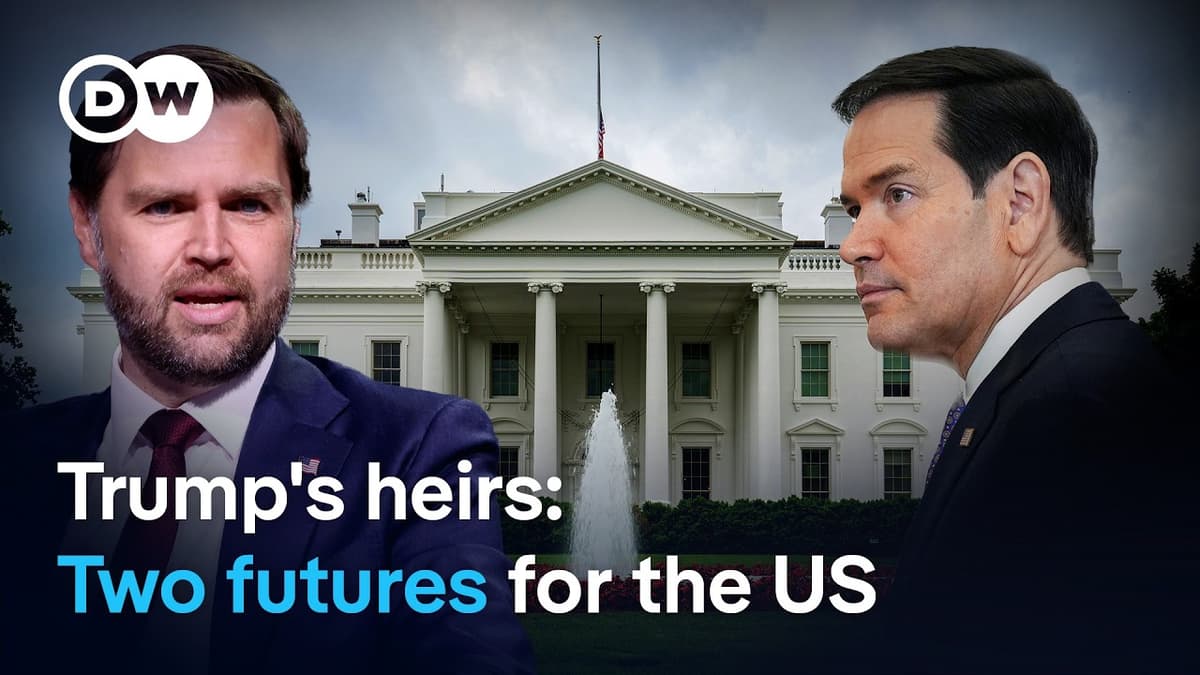
The Next US President Would Shape the World – It Matters How They Think | DW News
The DW News piece examines two Trump‑picked contenders—Vice President J.D. Vance and Secretary of State Marco Rubio—who could inherit the White House and reshape America’s global posture. Their personal histories, from Vance’s rust‑belt decline in Ohio to Rubio’s Cuban‑exile upbringing in...
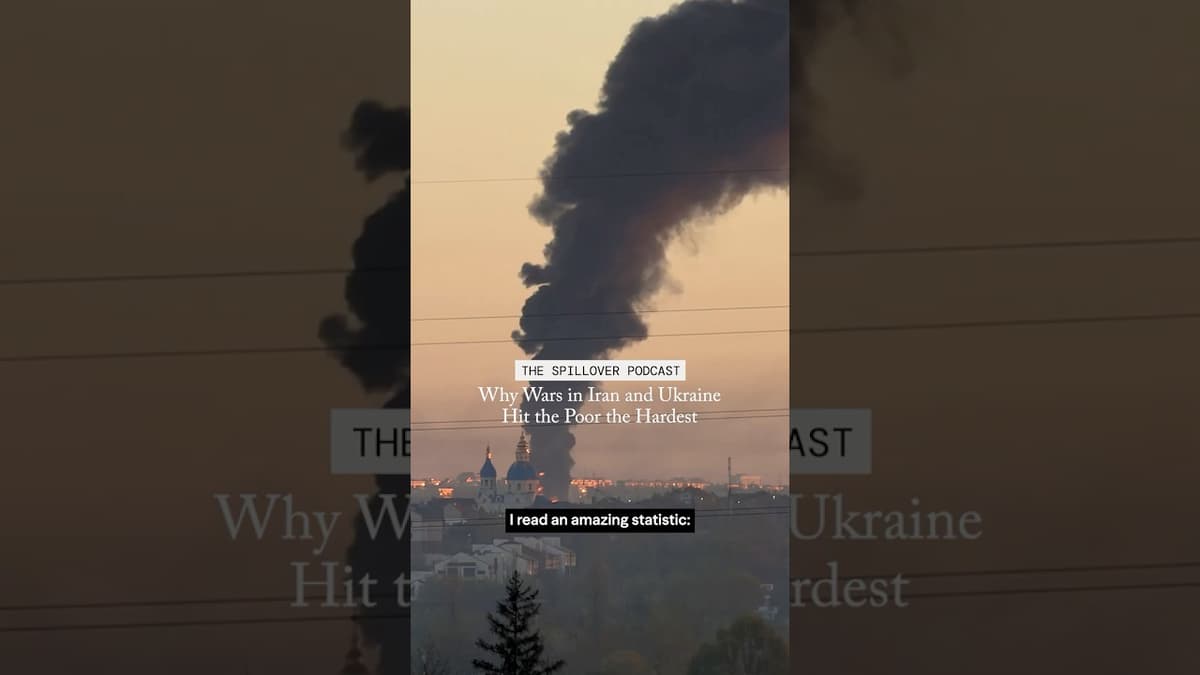
How Wars in Iran and Ukraine Are Driving Up Food and Energy Costs
The video examines how the wars in Ukraine and Iran are pushing global food and energy prices higher, creating a ripple effect that reaches both developing nations and affluent economies. Both conflicts have disrupted grain exports and oil supplies, driving price...
The Extraction Industry Powering the Green Transition (From the Rhodes Center Podcast)
The Rhodes Center podcast episode examines how the surge in lithium extraction is reshaping the global green transition. The conversation with political scientist Thea Rio Franos highlights lithium’s central role in batteries for phones, laptops, and electric vehicles, and how...
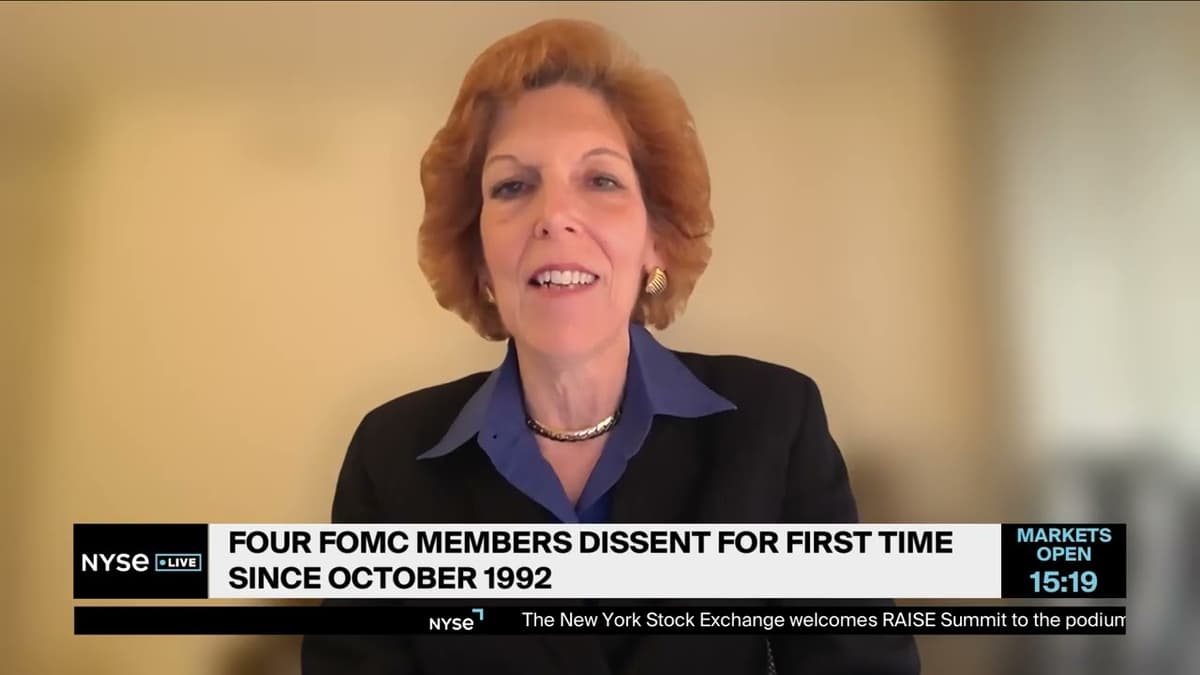
Former Fed Pres Loretta Mester Provides Takeaways as Fed Holds Rates Steady
The Federal Reserve left its policy rate unchanged, a move widely anticipated, but the meeting revealed a subtle shift in the committee’s tone. Former Cleveland Fed President Loretta Mester explained that the Fed is moving toward a “neutral, even‑handed” stance, leaving...
![[FULL] AI HEADLINE NEWS 22:00 (2026-04-30)](/cdn-cgi/image/width=1200,quality=75,format=auto,fit=cover/https://i.ytimg.com/vi/XulrCr5VrOg/maxresdefault.jpg)
[FULL] AI HEADLINE NEWS 22:00 (2026-04-30)
The video covered three headline stories – the U.S. Federal Reserve’s decision to keep its benchmark rate unchanged, a surge in South Korean economic activity, and escalating diplomatic friction between the United States and Iran. The Fed left rates at 3.5‑3.75%...

Arthur Hayes: Why He’s in Cash & Gold (& What Turns Him Bullish) | Power, Printing and Price Action
Arthur Hayes, chief investment officer of Maelstrom, explained on Binance’s Blockchain 100 that he has moved his portfolio into cash and gold while waiting for a decisive monetary stimulus from the Federal Reserve. He argues that the current crypto slump reflects...
Factoryless Goods Production
The episode tackles "factory‑less" goods production—where a firm designs a product but outsources its physical assembly abroad—and asks which country records that activity in its GDP. Jennifer Ribarsky of the IMF explains that GDP is a value‑added measure, so the...
Live: Iran to Respond on Prospects of US Talks After Leadership Consultations
The live broadcast focused on Iran’s newly unveiled three‑phase negotiation plan and the United States’ hard‑line reaction, set against a backdrop of soaring oil prices and escalating regional tensions. Tehran’s proposal separates conflict resolution, Strait of Hormuz management, and nuclear discussions...
AI & Oil Dictate Markets: Tech Earnings Lift Asia While War Shock Spurs Hawkish Central Banks
The Business Times podcast highlighted a volatile Asian trading day driven by a surge in oil prices and strong AI‑related earnings, while central banks signaled a more hawkish stance. Brent crude jumped over 6% to $125 a barrel, the highest in...
Financial Market Preview - Thursday 30-Apr
FactSet’s Thursday market preview highlighted heightened risk after renewed U.S.-Iran tensions, pushing oil above $108 per barrel and dragging U.S. equity futures lower. Higher Treasury yields and a firmer dollar reflected inflation concerns, while gold firmed and Bitcoin slipped. Europe and...
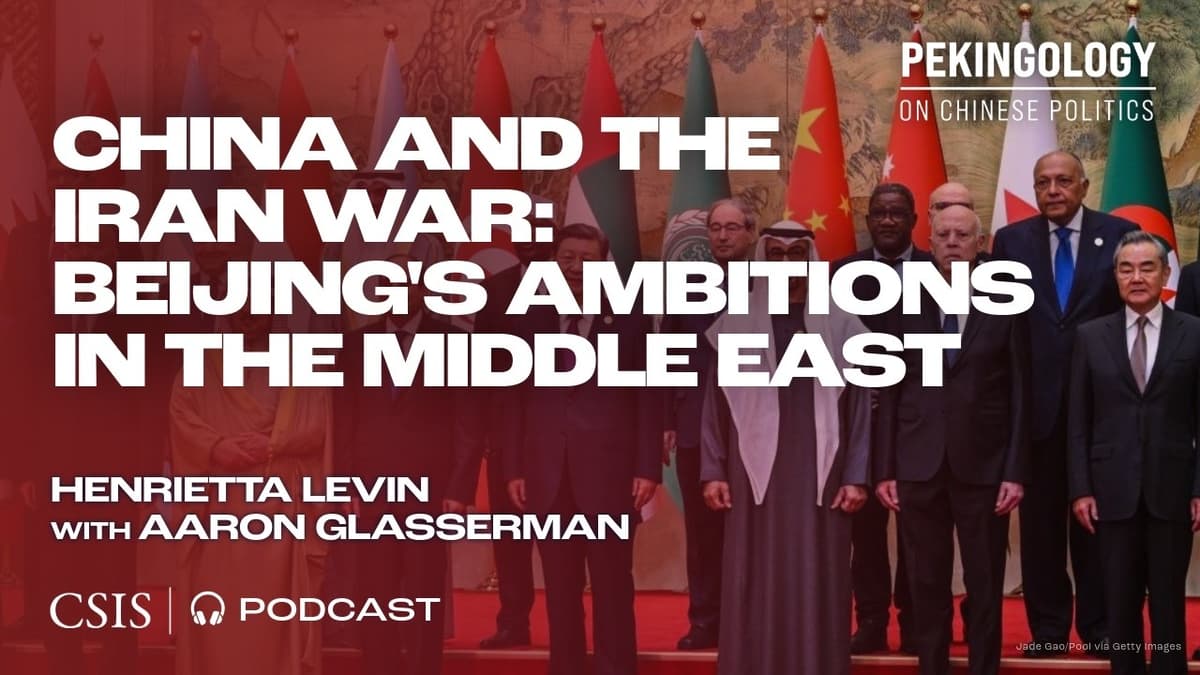
China and the Iran War: Beijing's Ambitions in the Middle East
The podcast examines Beijing’s evolving calculus in the Middle East, especially as the Iran‑Israel war escalates. Host Henrietta Levven and scholar Aaron Glasserman argue that the region is a secondary priority for China; its core red‑line issues remain Taiwan and...
OMG!! Did You See What Just Happened To European Banks?!
European banks have reported to the ECB that they are tightening lending standards at the strongest pace since 2023, while simultaneously anticipating a surge in corporate loan demand driven by mounting liquidity pressures. Despite expectations of an ECB rate hike—likely...
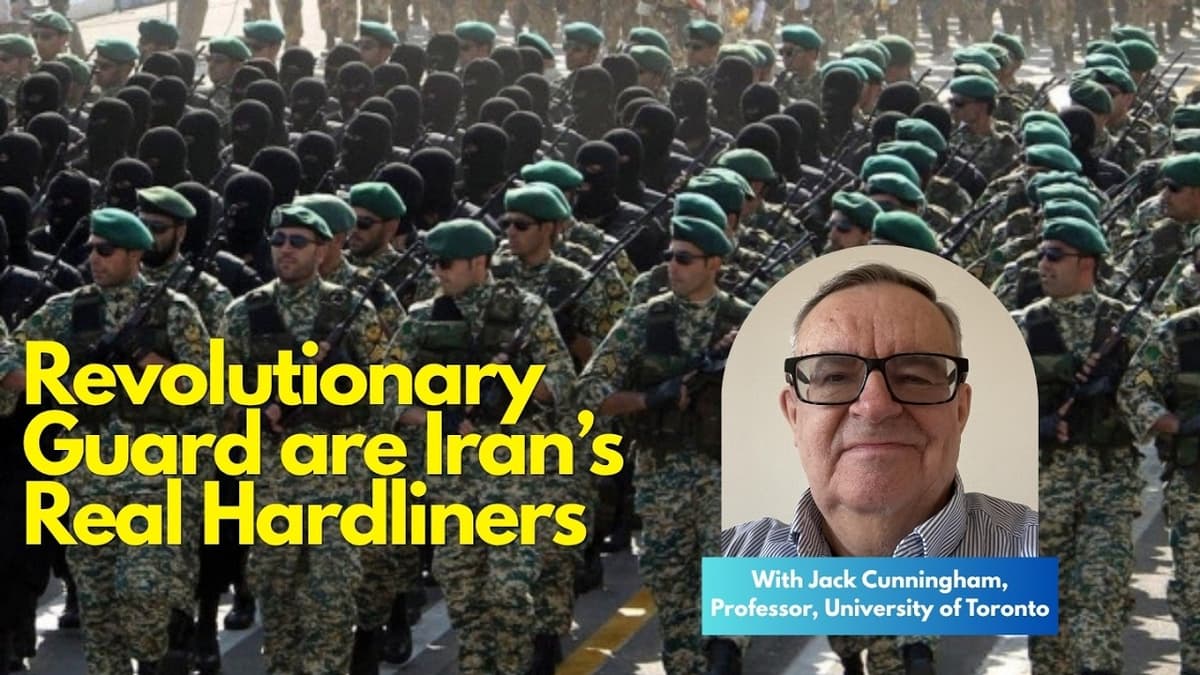
Revolutionary Guard's Rising Power Reshapes Iran War Dynamics
The interview with University of Toronto professor Jack Cunningham focuses on the Iranian Revolutionary Guard Corps’ expanding grip on Tehran’s political, economic and military apparatus, and how that shift is redefining the ongoing Iran‑U.S. confrontation. Cunningham argues the Guard’s hard‑line, anti‑Western...
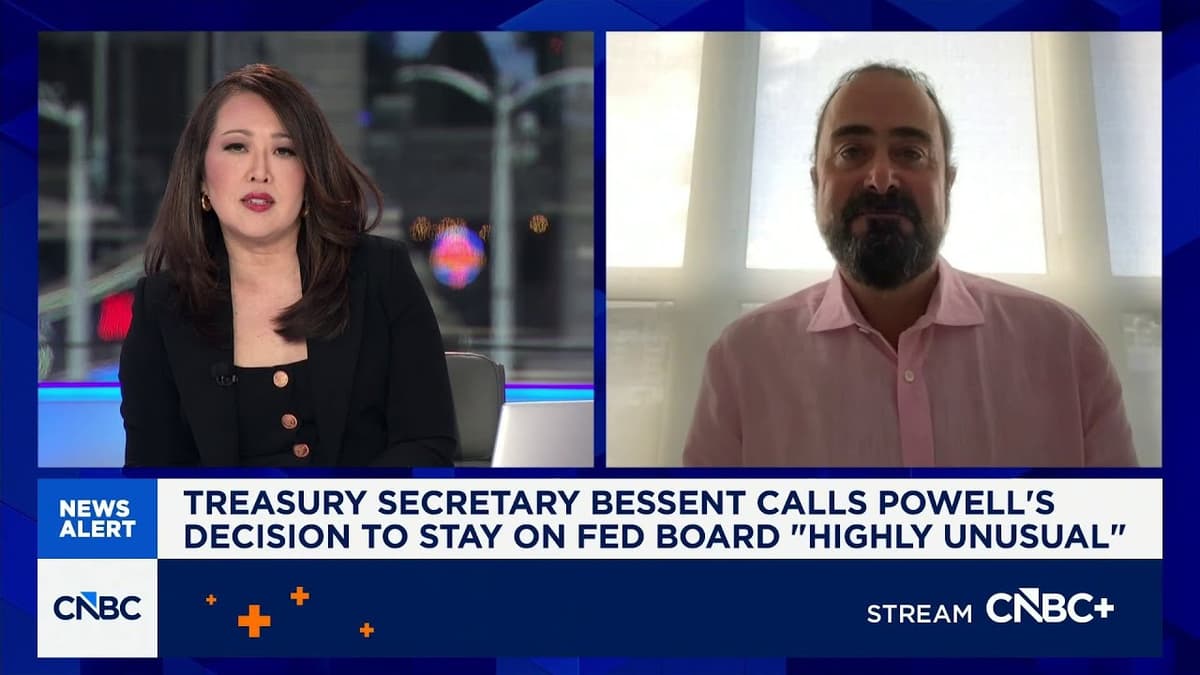
Powell Staying on the Board Is a Political Message, Says Jefferies' David Zervos
The interview centers on Jerome Powell’s decision to remain on the Federal Reserve board, which Jefferies strategist David Zervos frames as a deliberate political signal aimed at former governor Kevin Warsh. Zervos argues the move violates long‑standing Fed norms and...
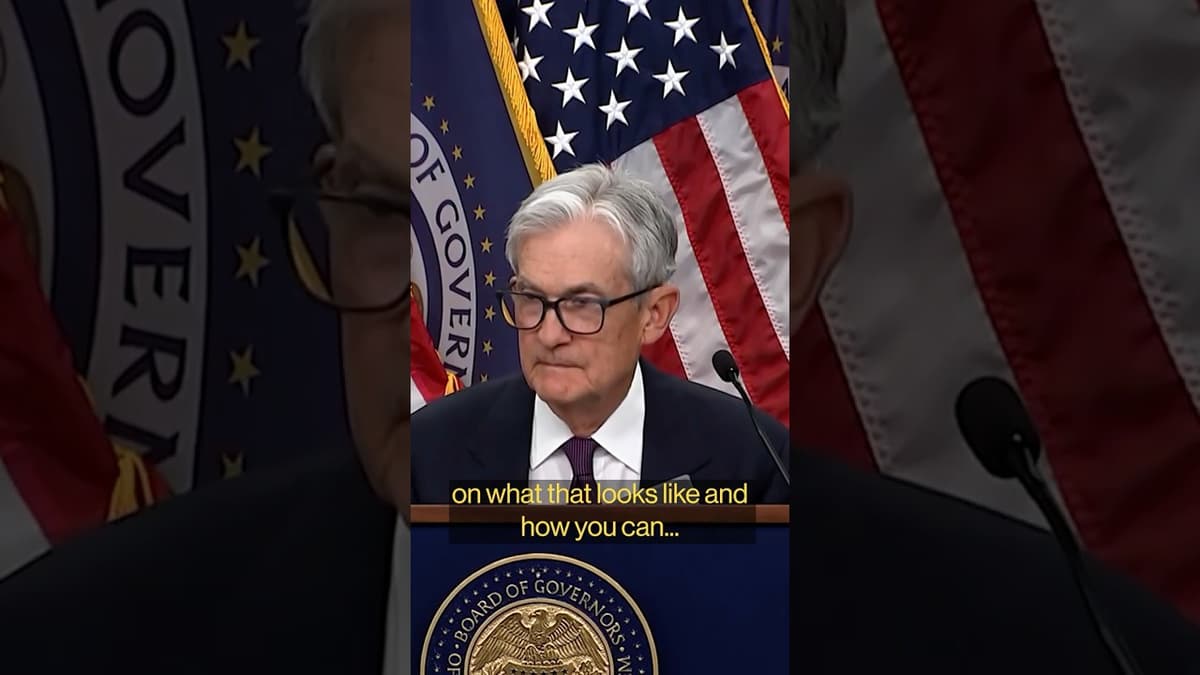
Powell Says He Won't Be a 'Shadow Chair' At Warsh's Fed
Jerome Powell told host Warsh that, as a former Fed governor, he will not act as a “shadow chair” and will return to a purely gubernatorial role, deferring to the current chair’s leadership. Powell emphasized his respect for the chair’s authority...
OPEC Loses Its Most Valuable Member #shorts
The video explains how the United Arab Emirates’ departure from OPEC+ reshapes the cartel’s power structure, leaving Saudi Arabia as the only member that consistently adheres to production quotas. It also highlights the United States’ capacity to flood the market...
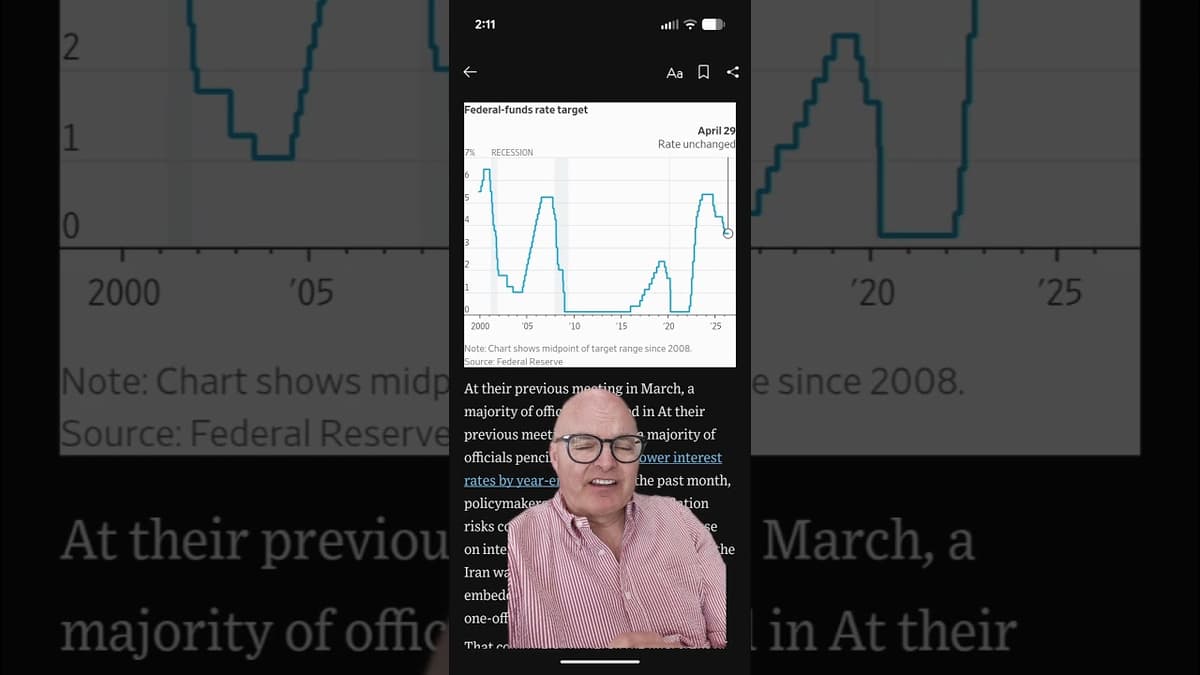
The Fed Held Steady, but What's Next for Inflation and Interest Rates?
The Federal Reserve left policy rates unchanged, as market expectations anticipated, but the post‑meeting vote revealed a split: three governors advocated a rate increase at the next meeting, while one pushed for a cut. The disagreement centers on how the...
BEHIND CLOSED DOORS: Fed Erupts Into Conflict over Policy Path
The Federal Reserve’s latest policy statement revealed a rare and stark split among its governors, with multiple officials openly dissenting over the preferred direction of monetary policy. The dissent comes as the board prepares to welcome a new chair, whose...
U.S. Markets Edition - 29-Apr-26
The video opens with a roundup of the week’s headline earnings and a geopolitical shock. UBS reported an 80% surge in first‑quarter net profit to $3 billion, driven by cost cuts and strong wealth‑management revenue, while Deutsche Bank, Santander and other...
WATCH LIVE: Fed Chair Jerome Powell Speaks After Final FOMC Meeting
Jerome Powell delivered his final press conference as Fed chair after the March FOMC, announcing that the Committee left the target range for the federal funds rate unchanged at 3.50‑3.75 percent. The decision reflects a judgment that monetary policy is...
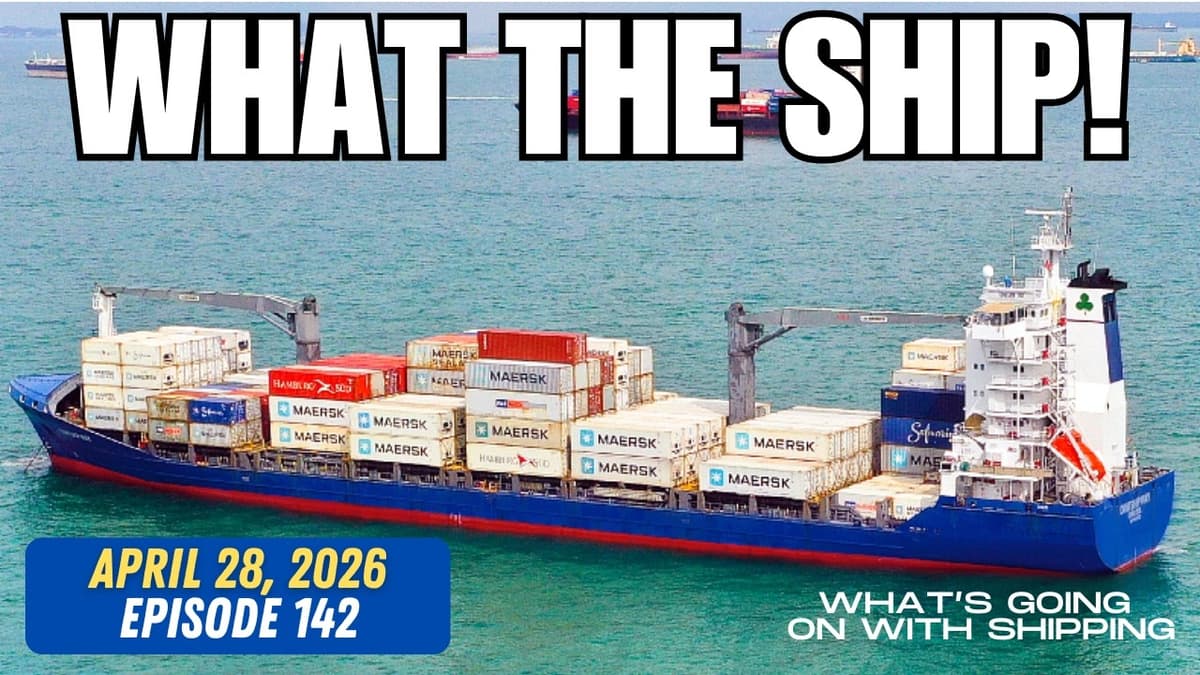
Global Shipping Crisis: From UN Pirate Accusations to the Record $4M Panama Toll
The latest episode of What the Ship breaks down five headline maritime stories, ranging from a heated UN debate over freedom of navigation to a record‑breaking $4 million toll paid at the Panama Canal. Host Sal Maglaniano highlights how the United...
Conversations with Frank Fabozzi, CFA, Featuring Mark Anson, CFA
The conversation between Frank Fabozzi and Mark Anson focuses on how geoeconomic tensions reshape the modern CIO’s asset‑allocation playbook, emphasizing a “regionalized global economy” and its impact on private‑capital and public‑market strategies. Anson explains Commonfund’s shift toward region‑specific, sector‑focused investments—allocating to...
WATCH LIVE: BoC Interest Rate Announcement
The Bank of Canada announced it would keep its policy rate unchanged at 2.25% as it navigates heightened global oil price volatility and lingering geopolitical uncertainty. Governor Tiff Macklem emphasized a “look‑through” approach to the immediate war‑driven inflation spike, while...
The Long View: Claudia Sahm - Thinking Through Scenarios in a Whiplash Economy
The Long View podcast features Claudia Sahm, chief economist at New Century Advisers, discussing today’s “whiplash economy.” She outlines how a succession of supply‑side disruptions—from pandemic‑induced labor shortages and global tariffs to the Ukraine war, Middle‑East tensions, and a looming...
WTO Public Forum 2026: Powering the Future
The World Trade Organization’s 2026 Public Forum put services at the centre of its agenda, framing them as the engine that will power the next wave of global trade. By highlighting that services already account for more than two‑thirds of...
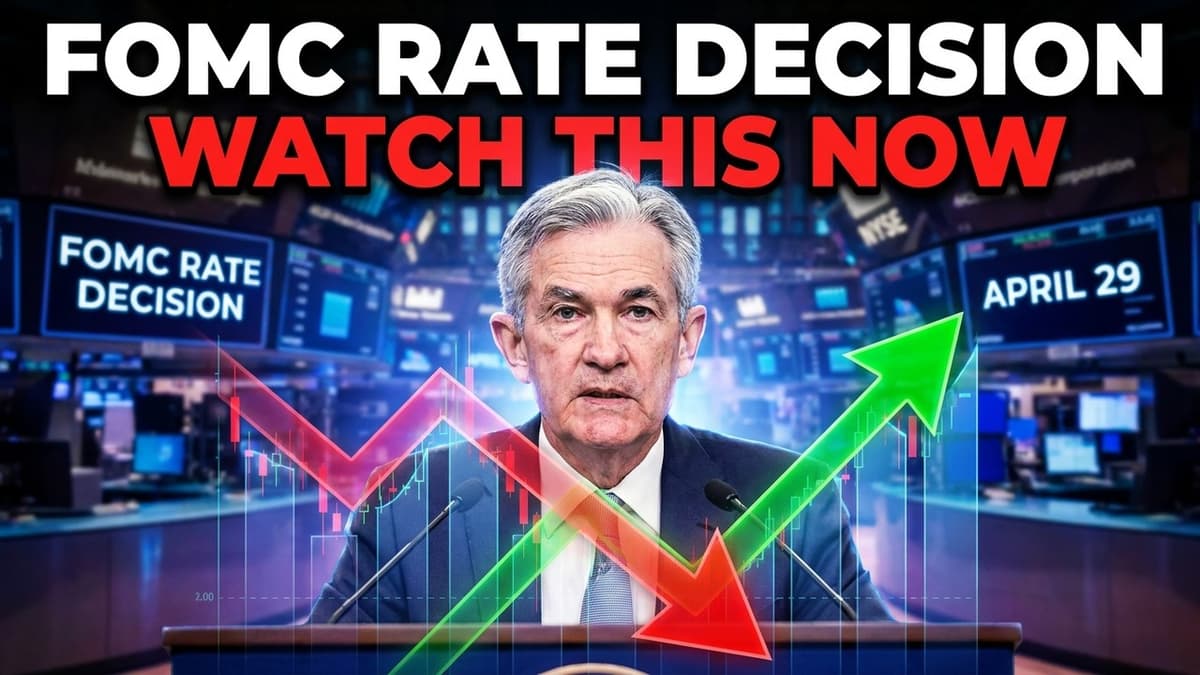
FOMC Decision Week: Oil Prices Surge, Market Volatility Peaks
The video focuses on today’s high‑stakes FOMC rate decision, a sharp oil price rally to $105 a barrel, and the market volatility sparked by President Trump’s extension of the Strait of Hormuz blockade. The host ties the geopolitical shock to...
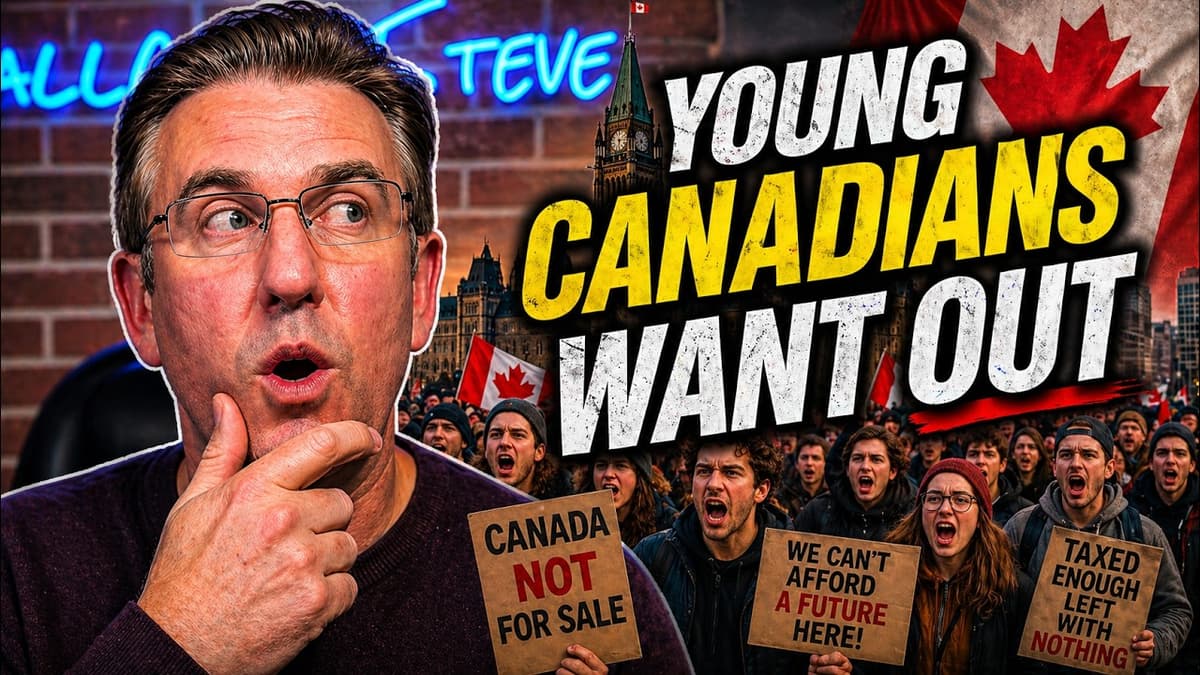
Canada’s Brain Drain Crisis: Why Young Canadians Want Out
The video examines Canada’s escalating “brain drain,” where a sizable share of 18‑34‑year‑olds are actively considering moving to the United States. It cites an Ipsos poll showing 41% would become American tomorrow, 65,000 emigrants last year, 40% of the top‑1% earners...
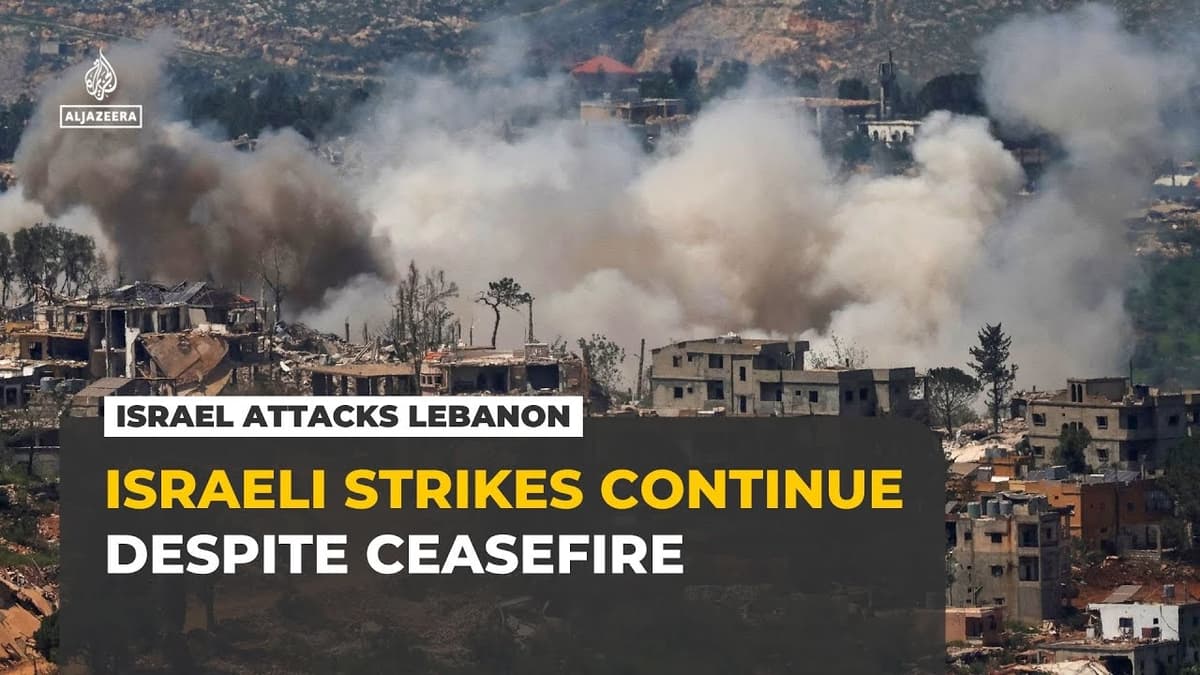
Israel Continues Attacks on Lebanon Despite US-Brokered Ceasefire
The video reports that Israel has continued air strikes and demolition operations across southern Lebanon despite a cease‑fire brokered by the United States. The attacks have targeted towns, homes and civilian infrastructure, prompting fresh casualties and displacement. Lebanese army officials confirmed...
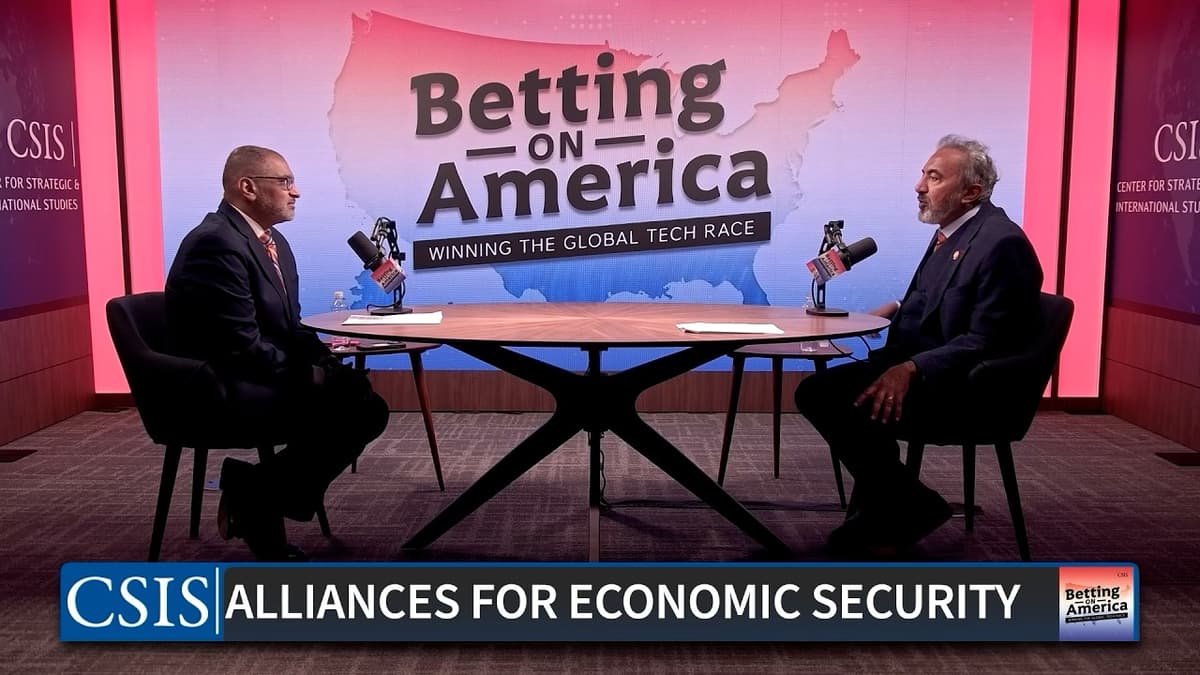
Solidarity in an Era of Economic Competition: Featuring Rep. Ami Bera | Betting on America
The Betting on America interview with Rep. Ami Bera explores how the United States can rebuild economic solidarity amid a fragmented global order. Bera frames the post‑World‑II alliance system as eroding, citing the Great Recession, the pandemic, and Russia’s invasion...
Video | Behind the Deals - Episode 2 - 2026
Behind the Deals Episode 2 examines an unprecedented surge in global merger‑and‑acquisition activity during the first two months of 2026, despite heightened geopolitical risk from the Iran‑Hormuz Strait conflict. Els Seg’s intelligence shows total announced deal value at $749 billion, a 65 % jump...
We Asked Rich Bernstein Why He Won’t Own the S&P 500 — And What He Owns Instead
The video features Rich Bernstein, global head of macro at Janus Henderson, explaining why he avoids a blanket S&P 500 allocation and instead focuses on macro‑driven themes such as import‑driven inflation, defense spending and cash positioning. He argues that today’s economy...

BOJ Didn’t Change Rates… So Why Did Markets Move?!
Japan’s central bank left policy unchanged, yet markets swung sharply after the meeting. The minutes revealed three dissenting members who voted for an April hike, prompting an initial 100‑pip yen rally toward the 216 level before slipping back to around 215.5....
Zelensky Aide Calls on UK to Start Seizing Sanctioned Tankers
In a recent interview, a senior aide to Ukrainian President Volodymyr Zelensky urged the United Kingdom to begin confiscating Russian‑owned tankers that have been placed under sanctions. The official framed the move as a necessary escalation to ensure sanctions achieve...
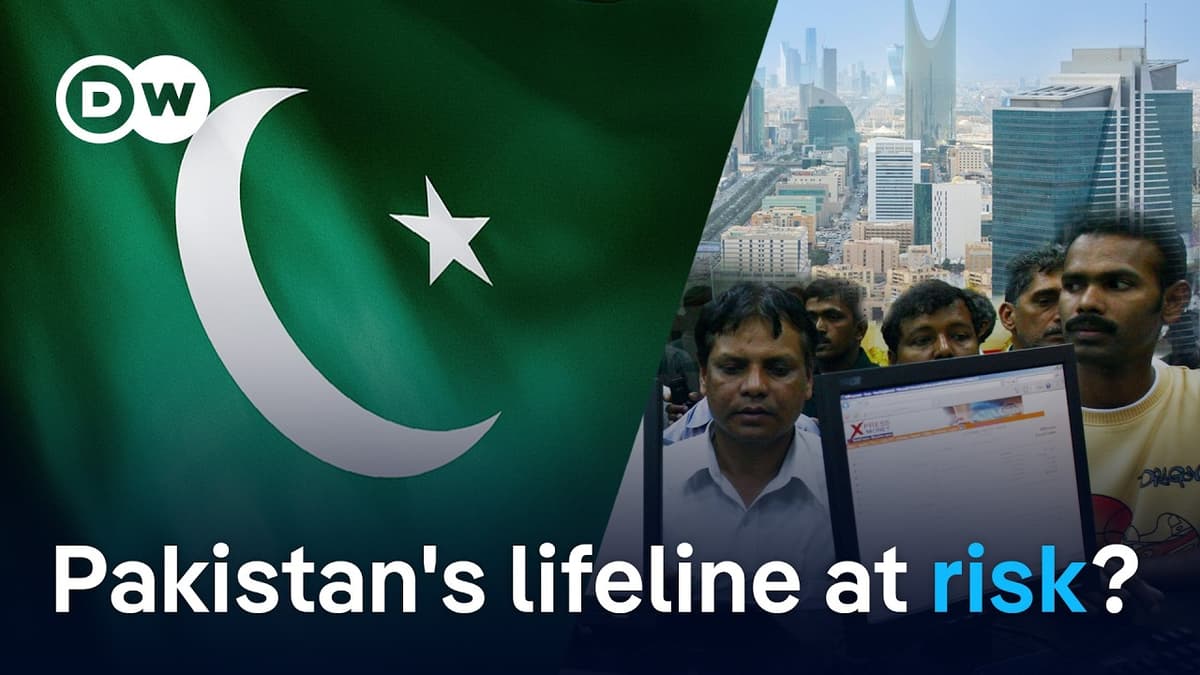
How the Iran War Exposes Pakistan’s Gulf Dependence | DW News
The DW News segment examines how the Iran‑Israel war is exposing Pakistan’s deep reliance on Gulf‑based remittances, a pillar that now matches the country’s export contribution to GDP. With more than 5 million Pakistanis employed in Saudi Arabia and the United...
![[LIVE] NEWSCENTER (2026-04-29)](/cdn-cgi/image/width=1200,quality=75,format=auto,fit=cover/https://i.ytimg.com/vi/6wUDPb0WFyM/maxresdefault_live.jpg)
[LIVE] NEWSCENTER (2026-04-29)
The broadcast was a rapid‑fire roundup of geopolitical and economic shifts shaping the first half of 2026. It highlighted Washington’s decision to intensify pressure on Tehran with a prolonged naval blockade, the United Arab Emirates’ announced exit from OPEC on...
WATCH LIVE: European Central Bank Press Conference with President Christine Lagarde
The European Central Bank’s Governing Council announced today that it will keep its three key interest rates unchanged, citing a mixed outlook where inflation pressures have risen while growth risks have intensified. The decision comes amid a sharp energy‑price shock...
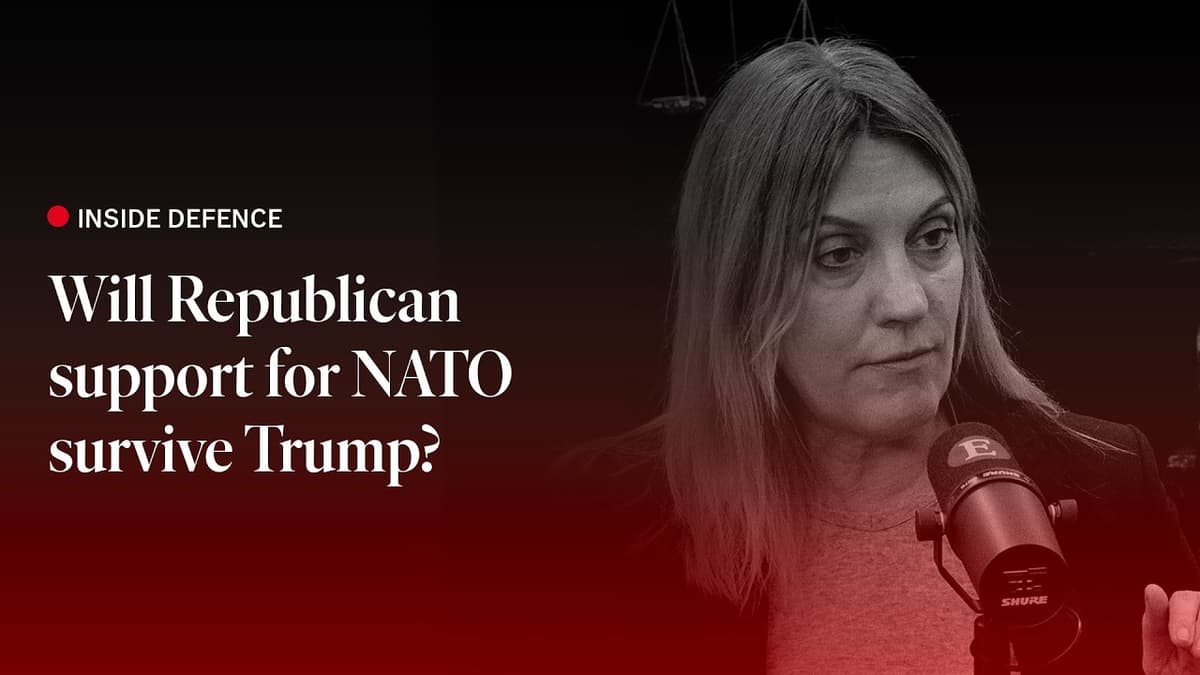
Will Republican Support for NATO Survive Trump? | The Economist
The Economist panel discusses whether Republican backing for NATO can survive the Trump era, noting that overall American support remains a majority but has become sharply partisan. While Democrats still broadly favor the alliance, Republican enthusiasm has slipped since Trump’s...
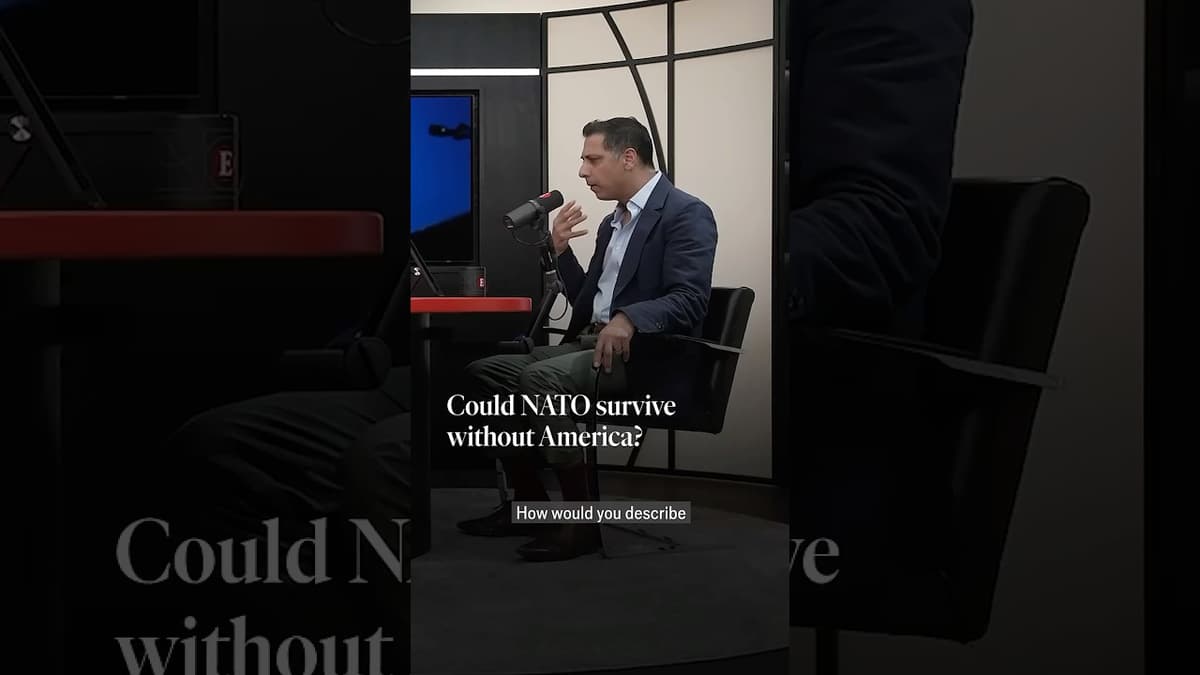
Could NATO Survive without America?
The video examines whether NATO could endure without the United States, focusing on Europe’s deep dependence on American military capabilities. It outlines three critical pillars of that reliance: political leadership, high‑level command and control, and a suite of “key enablers”...
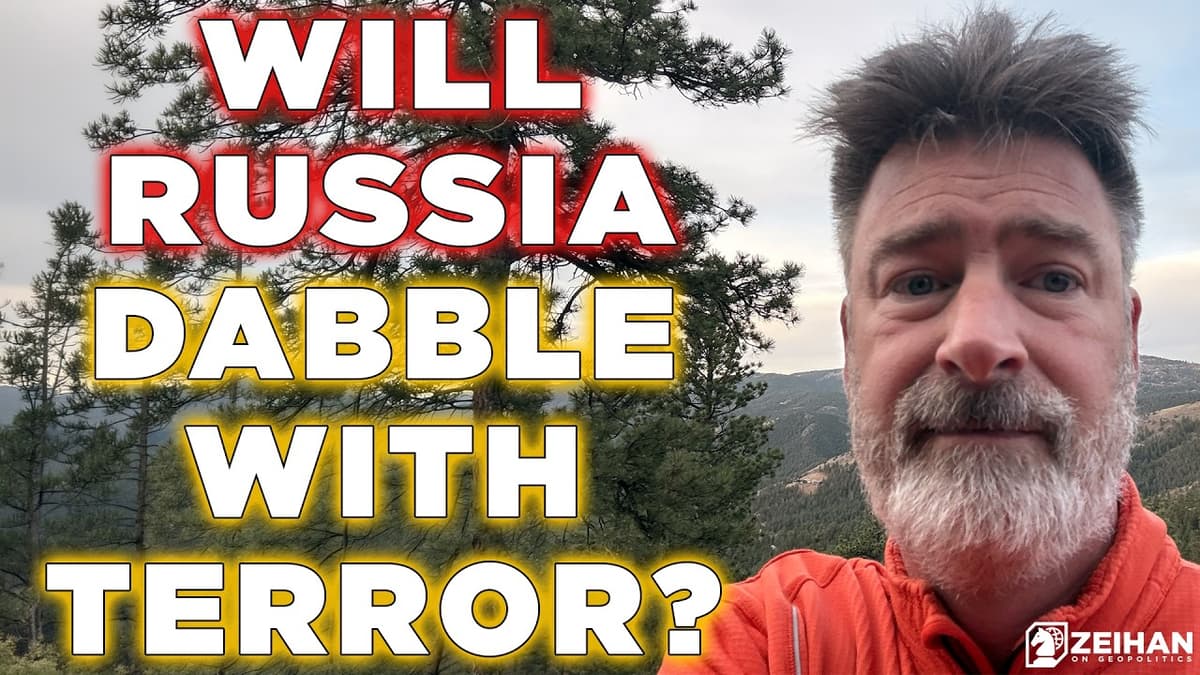
The Return of Kremlin Terrorism || Peter Zeihan
Peter Zeihan warns that Moscow is resurrecting Cold‑War‑style terror‑cell tactics, using recent hostage drama in a Kyiv supermarket as a possible rehearsal for broader covert attacks. He argues that Russian intelligence, though diminished after the Soviet era, is rebuilding capacity...
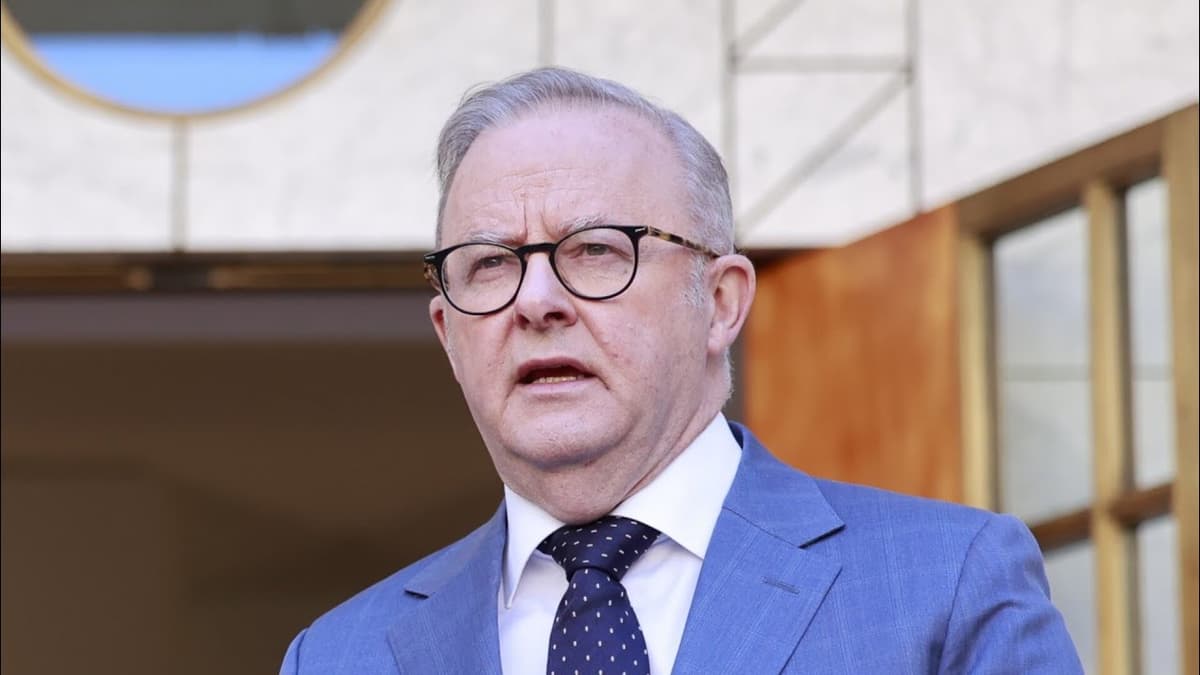
Australia Went Into an ‘Economic Crisis’ without Any Preparation
The interview with Shadow Foreign Minister Ted O'Brien centers on Australia’s unpreparedness for the current economic crisis, blaming excessive government spending and a lack of fiscal discipline for rising inflation and soaring interest rates. O'Brien argues that the nation entered...