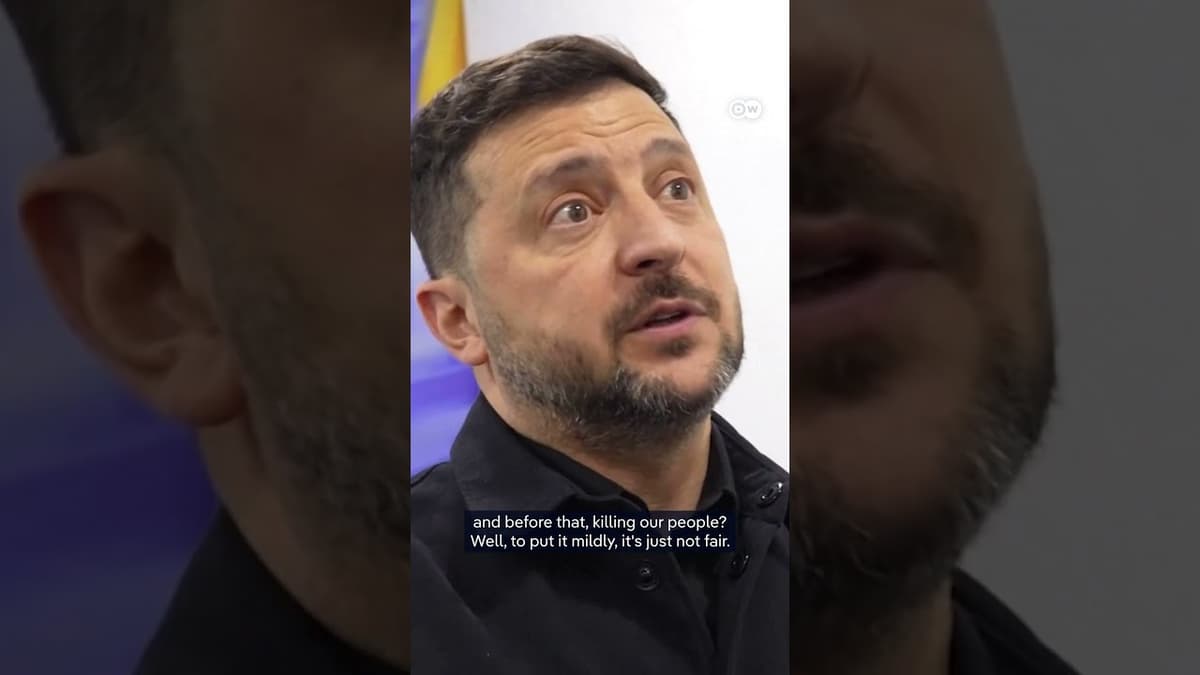
Russia and Ukraine Declare Rival Ceasefires
The video reports that Russia and Ukraine have each put forward their own cease‑fire initiatives, while U.S. diplomats have been quietly negotiating a possible May 9 pause with Moscow. Kyiv, however, says it has not been formally approached, leaving the proposals unofficial and uncoordinated. American officials reportedly raised the idea of a one‑day cessation of hostilities on the eve of Ukraine’s Victory Day celebrations, hoping to limit civilian casualties. Meanwhile, fighting persists, with recent strikes in Dnipro killing and wounding civilians, underscoring the gap between diplomatic rhetoric and battlefield reality. A speaker in the clip lamented the hypocrisy of halting rocket and drone attacks for a single day while broader aggression continues, noting that “it’s unfair to stop strikes just before the parade and then resume immediately after.” The lack of a unified cease‑fire framework fuels skepticism on both sides. The competing cease‑fire narratives highlight a diplomatic stalemate that could impede humanitarian relief and risk being used for propaganda. Without a mutually recognized pause, civilian suffering is likely to continue, and any limited truce may have only symbolic impact.

The China Connection - 05-May-26
The China Connection opened with a rapid market roundup, flagging a sharp 6% rally in U.S. oil that has now pulled back as U.S. and Iranian forces trade strikes in the Gulf. Treasury Secretary Scott Besson used the segment to...

The New Fed Chair Just Told Congress His Plan — He Left Out The Part That Steals Your Savings!
The video examines the agenda of the incoming Federal Reserve chair, Kevin Walsh, and how his policy blueprint could reshape America’s $39 trillion debt burden. Walsh signals a return to ultra‑low interest rates, a reduction of the Fed’s balance sheet, and...

Grant Williams: Why Gold Will Skyrocket | The Changing World Order Playbook
Grant Williams argues that the world’s monetary order is fracturing, creating conditions where gold could re‑emerge as the primary anchor of value. He links this shift to unprecedented commodity‑flow disruptions—potentially 15‑20% of global petroleum, half of uranium, and sizable portions...
Japanese Weapons Are Open for Export || Peter Zeihan
Peter Zeihan reports that Japan has revised its legal framework, allowing the country to export weapons for the first time since World War II. The move follows a gradual rise in defense spending—from roughly 1% of GDP a decade ago to...

Trump Steals the Spotlight, Europe Prepares to Go It Alone | DW News
The DW News segment focuses on the European Political Community summit where nearly 40 heads of state convene, while U.S. President Donald Trump unveils “Project Freedom,” a naval escort mission for commercial vessels in the Strait of Hormuz, and signals...
Iran War: Flareup of Violence Tests Ceasefire | Daybreak Europe 05/05/2026
Bloomberg Daybreak Europe focused on a fragile cease‑fire in the Strait of Hormuz, where recent Iranian drone and missile attacks on UAE assets have reignited hostilities and tested the four‑week truce. The flare‑up pushed oil prices briefly higher before Brent...

Warren Pies: "I’m Scared Out of My Mind… But Very Bullish"
The interview with Warren Pies, founder of 314 Research, centers on why the U.S. equity market remains bullish despite a historic oil supply disruption in the Strait of Hormuz. Pies argues that two opposing forces – a tightening oil market...
![[FULL] AI HEADLINE NEWS 22:00 (2026-05-04)](/cdn-cgi/image/width=1200,quality=75,format=auto,fit=cover/https://i.ytimg.com/vi/62gEZsSTJnU/maxresdefault.jpg)
[FULL] AI HEADLINE NEWS 22:00 (2026-05-04)
The broadcast covered a slate of global and regional headlines, from a U.S. naval operation in the Strait of Hormuz to South Korea’s booming equity market and upcoming local elections, and even a historic sports visit from North Korea. President Donald...

Global Policy Is Splitting Again—And Markets Are Feeling It
The video spotlights a new era of policy divergence, shifting energy dynamics, and evolving AI equity valuations. Central banks are no longer moving in lockstep: the Reserve Bank of Australia is poised for a third consecutive rate hike, while the...
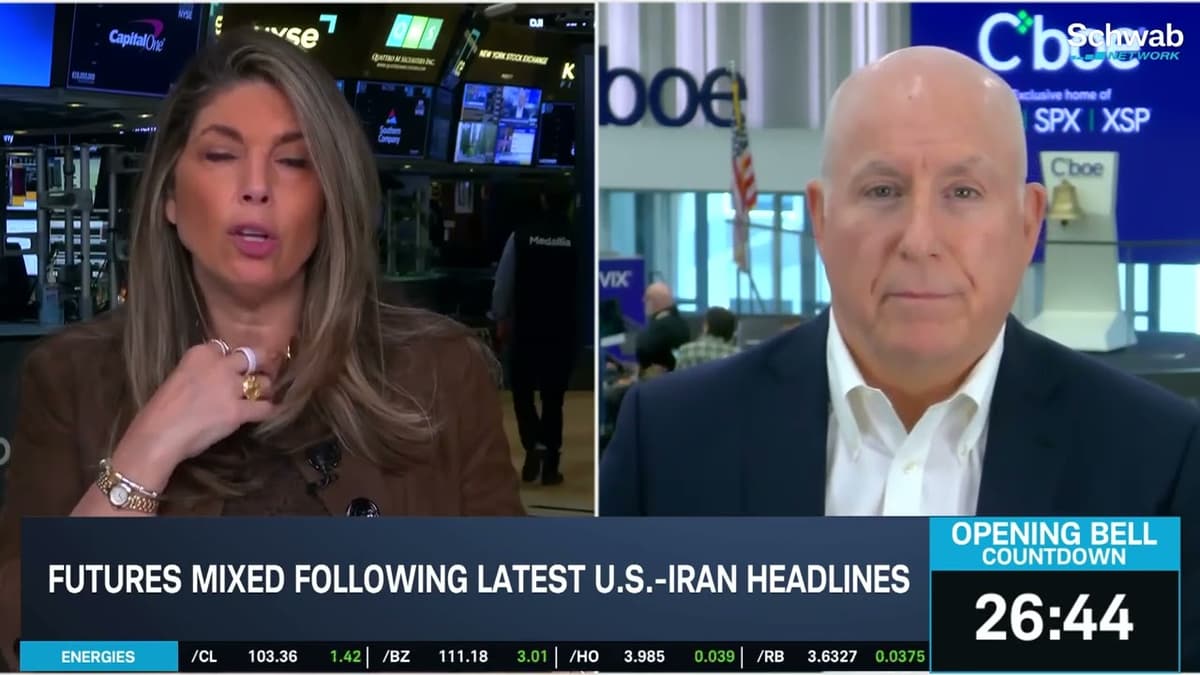
U.S.-Iran Tensions Loom Over Key Data & Earnings Week
The broadcast opened with a rapid‑fire update on escalating U.S.–Iran tensions in the Strait of Hormuz, where Iranian state media claimed two missiles struck a U.S. warship, prompting an immediate spike in crude futures before the Pentagon denied the incident. Traders...
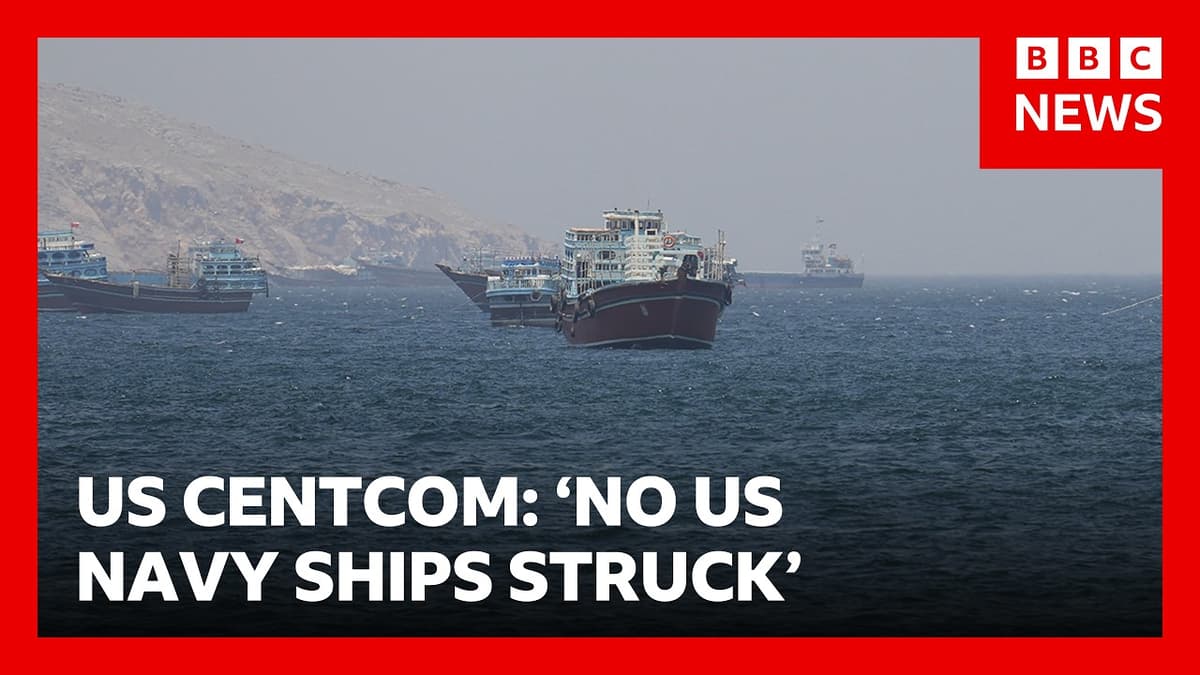
US Denies Iranian Claim that It Hit American Warship Trying to Enter Strait of Hormuz | BBC News
The BBC report focuses on a disputed incident in the Strait of Hormuz, where Iranian state media claimed two missiles struck a U.S. warship attempting to transit the waterway. President Trump, via Truth Social, pledged to guide civilian vessels through...
Economist Predicts ‘Capital Gains’ Shift in Upcoming Labor Budget
The Labor government’s upcoming budget is expected to overhaul the capital gains tax regime, moving away from the long‑standing 50 percent discount toward an inflation‑adjusted approach. While the Prime Minister and Treasurer have hinted at tweaks to negative gearing, the focus...
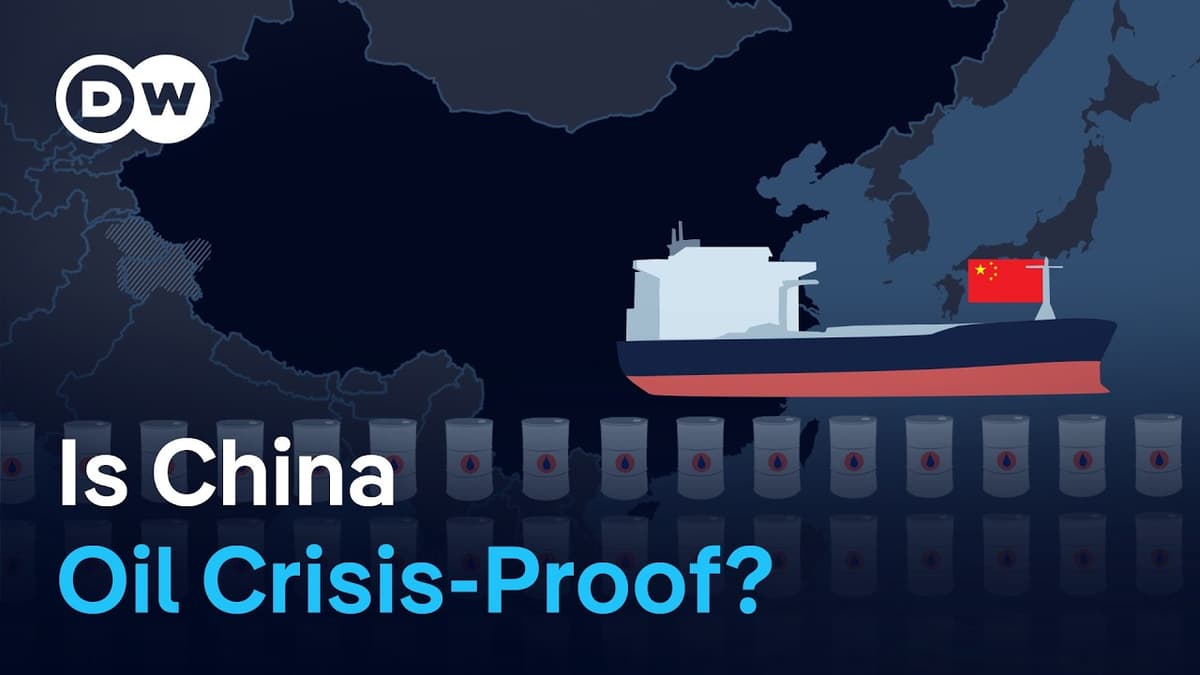
Is China Less Exposed than Its Neighbors to Oil Crises? | DW News
DW News examines whether China is less exposed to oil shocks than its East Asian peers as the Israel‑Iran conflict threatens Gulf supplies. The report notes China’s status as the world’s largest oil importer, taking 11 million barrels per day in...
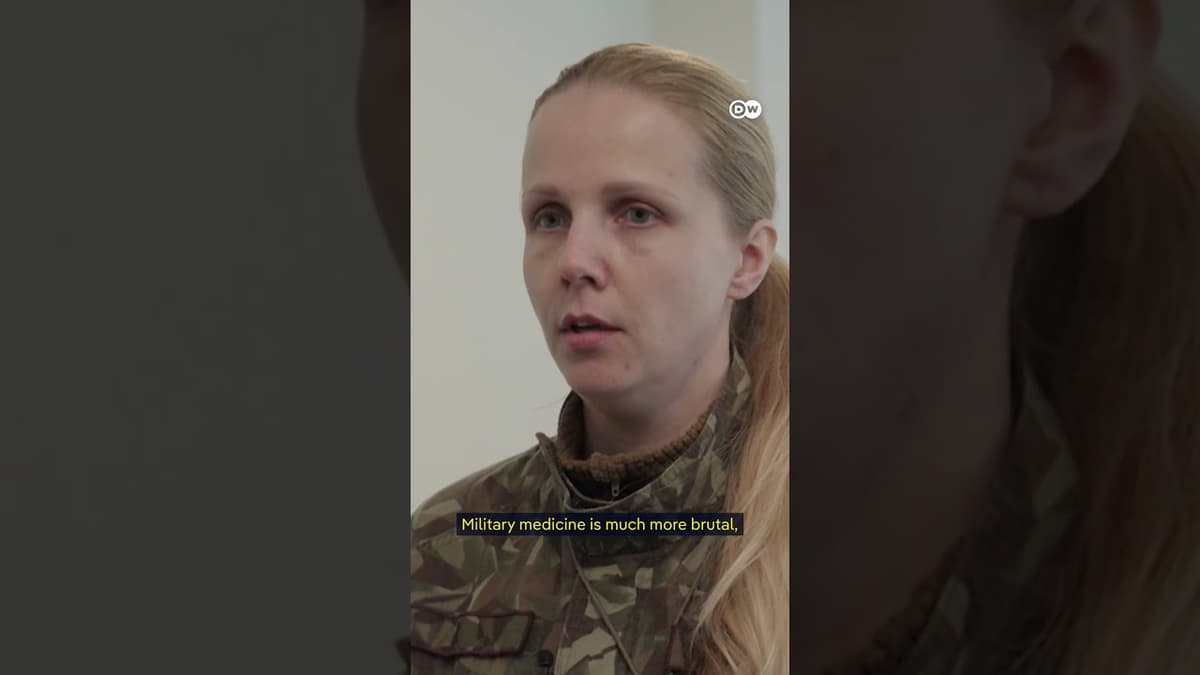
Cold Borders: The Baltic's Volunteer Defenders | DW News
The DW News segment spotlights a growing volunteer militia movement in Estonia, Latvia and Lithuania, where civilians gather each weekend for realistic war‑games aimed at countering a possible Russian invasion. These drills, staged as full‑scale simulations, involve thousands of participants...
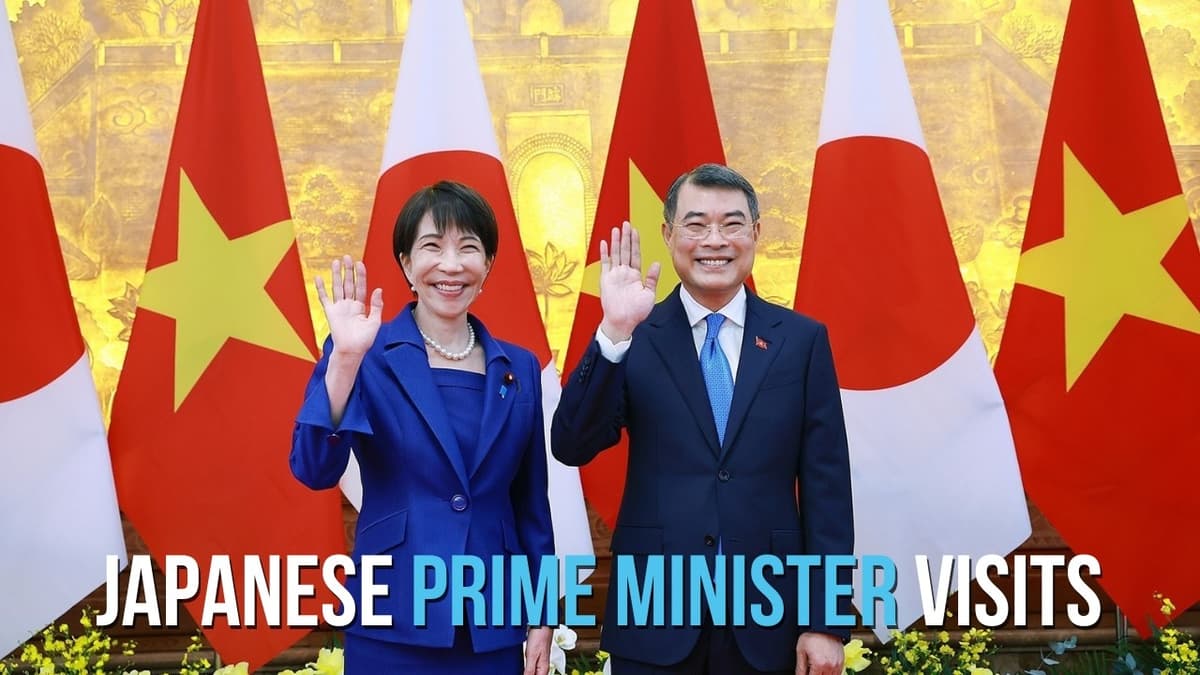
Recap of Japanese Prime Minister's Visit | Toàn Cảnh Chuyến Thăm Của Thủ Tướng Nhật Bản Tại Việt Nam
The video titled “Recap of Japanese Prime Minister's visit” purports to review the leader’s trip to Vietnam, yet the provided transcript consists only of unrelated filler phrases and offers no concrete information about the itinerary, discussions, or outcomes. Key insights...
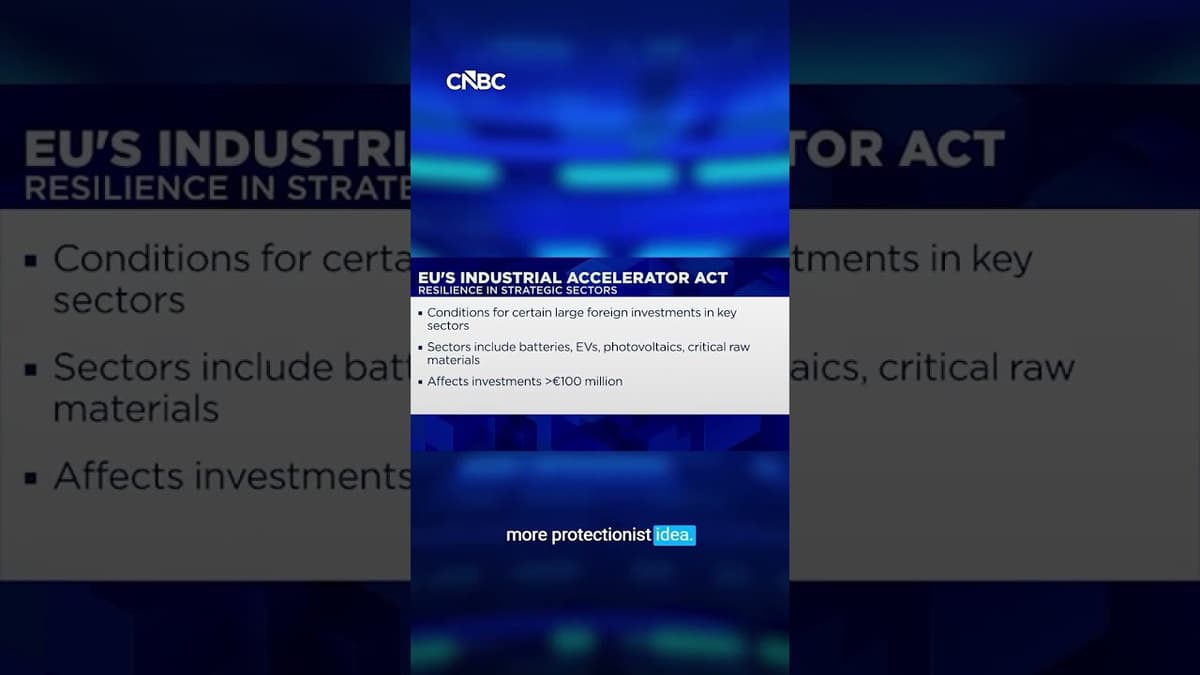
China, U.S., Could Split EU Industry Push
The video discusses the European Union’s new Industrial Acceleration Act and the geopolitical tug‑of‑war it has ignited between China and the United States. German policymakers are urging restraint to avoid antagonising Beijing, whereas France is advocating a more protectionist stance. Beijing,...
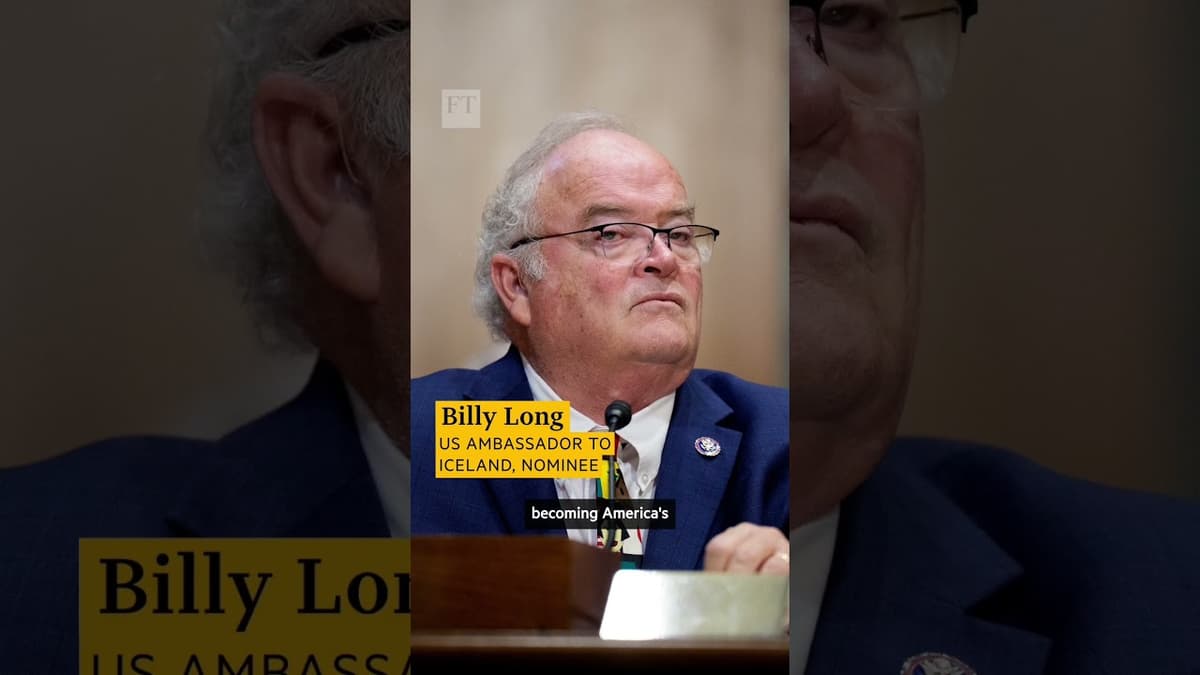
Is Iceland About to Join the EU | FT #shorts
The Financial Times short video asks whether Iceland will reopen its EU accession process, with a national referendum scheduled for August. Iceland, a NATO ally of roughly 400,000 people, is reassessing its stance as Arctic ice melt creates new shipping...

BestWire: US Expands Gulf Shipping Insurance Backstop
The U.S. government announced a major expansion of its Middle East shipping reinsurance program, raising the facility’s capacity to $40 billion. The move adds six new U.S.-based insurers to a pool led by Chubb, while India simultaneously unveiled a $1.5 billion sovereign...
Iran's LOSING CONTROL of Its Core Economic Foundation, Expert Says #shorts
The short video argues that U.S. economic pressure, not kinetic attacks, is crippling Iran’s regime. It cites a collapsing rial, shrinking oil exports, and dozens of barrels stranded on tankers as evidence that Tehran’s cash flow is drying up, undermining its...
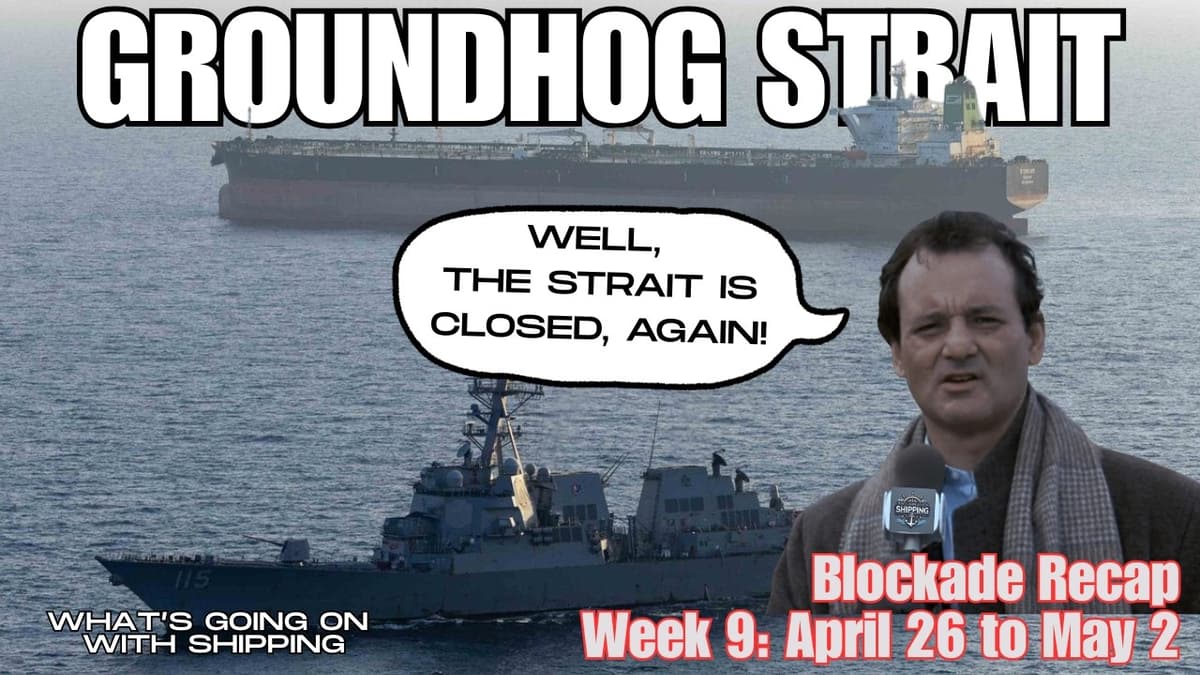
No Way Out? Breaking Down the Week 9 Strait of Hormuz Closure
The video examines the ninth week of the escalating maritime crisis as Iran and the United States maintain rival blockades across the Strait of Hormuz, while piracy off Somalia and a long‑standing Gaza blockade add further complexity. Oil markets have reacted...
🚨 Japan Intervention, Tariffs & War Talk… What’s Next?!
The video reviews a cascade of geopolitical and macroeconomic headlines shaping market sentiment this week, from suspected Japanese yen intervention to President Trump’s provocative statements on Iran and European auto tariffs. It sets the stage for traders by linking these...
Bessent: We Are Going to CONTINUE This Economic Pressure and Hormuz Block #shorts
In a short‑form video, U.S. Treasury official Bessent announced that Washington will intensify economic pressure on Tehran and maintain a naval blockade of the Strait of Hormuz. He said President Trump instructed the administration three weeks ago to “up the pressure”...

Taiwan’s Leader Visits Eswatini Despite Pressure From China to Block Trip | AJ #shorts
Taiwan’s president Tsai Ing‑wen traveled to the Kingdom of Eswatini in early May, marking a high‑profile diplomatic visit that Beijing publicly condemned and tried to block. The trip underscores Eswatini’s unique status as one of the handful of countries that still...
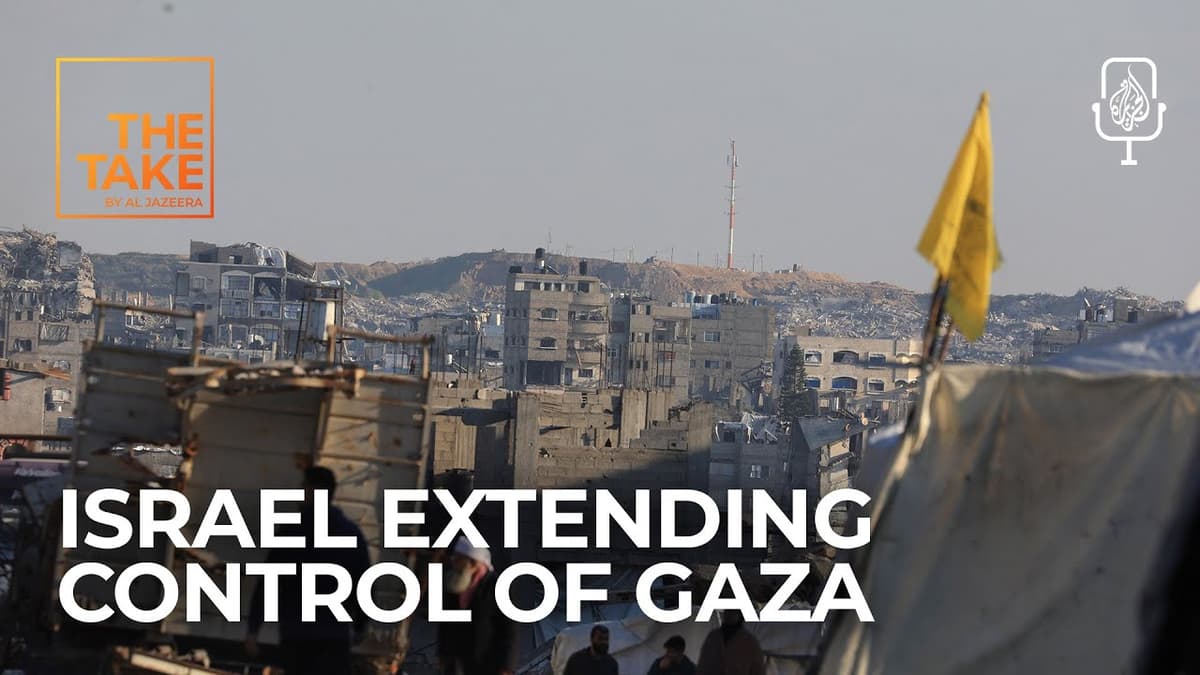
Brief: Israel Extending Control of Land in Gaza. Trump Does Not Rule Out New Hostilities with Iran.
The weekly Al Jazera podcast reports that Israel has pushed its military boundary in Gaza beyond the post‑war “yellow line,” creating an “orange line” that now places roughly 60% of the strip under restricted military zones, while fighting continues in...
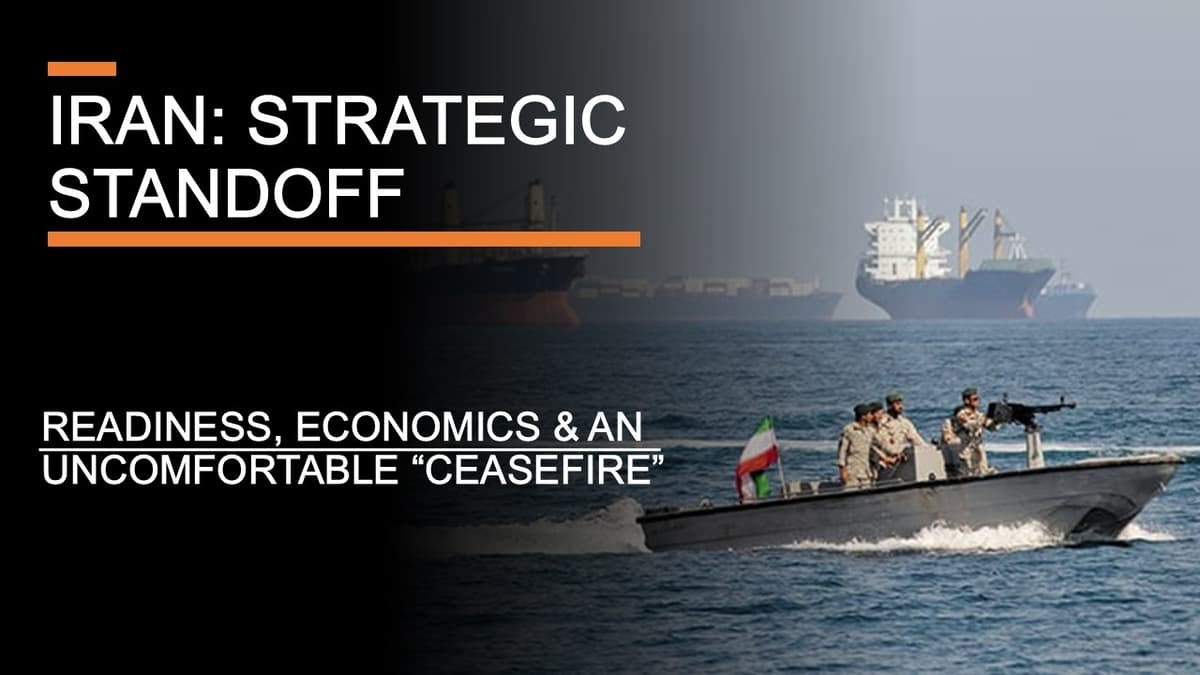
Iran: Strategic Standoff - Readiness, Economics & an Uncomfortable "Ceasefire"
The video examines the uneasy cease‑fire that has left the Middle East in a state of strategic purgatory: air attacks have paused, but naval skirmishes, blockades and soaring oil prices persist. It outlines how the United States is motivated to...
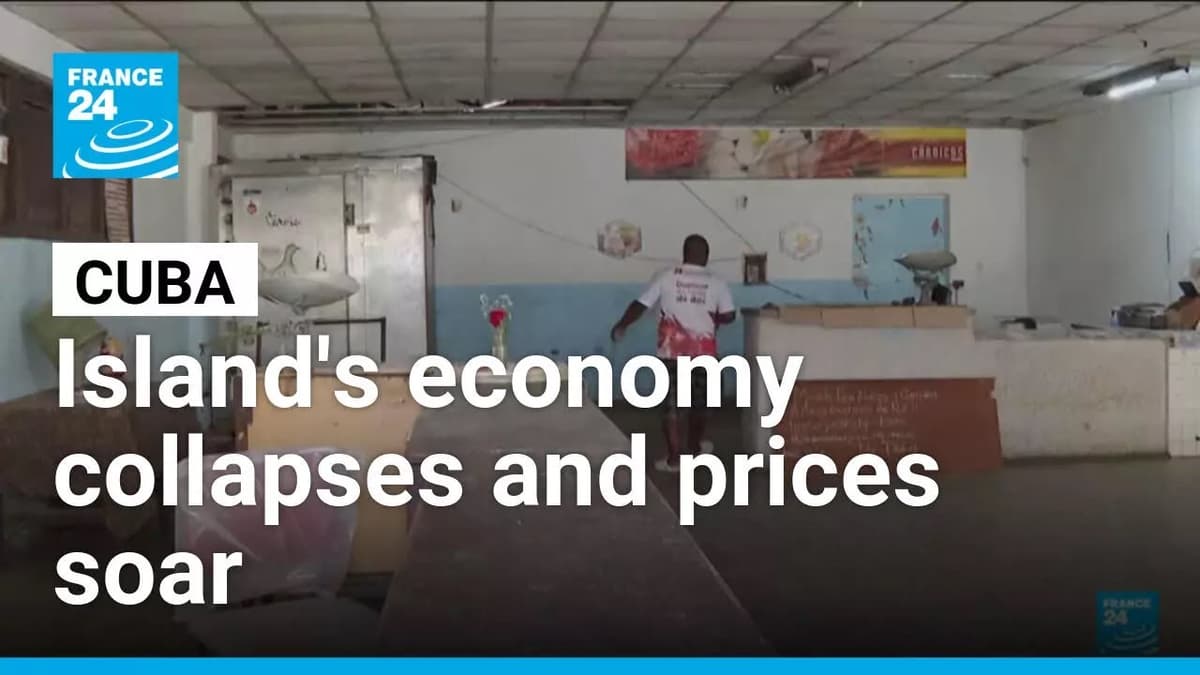
Cuba's Economy Collapses, Prices Soar • FRANCE 24 English
France 24 reports that Cuba’s decades‑old ration system is collapsing as soaring prices and chronic shortages leave citizens with only one meal a day. State‑run stores, once stocked with subsidized staples, now display empty shelves. 60% of the population depend on...
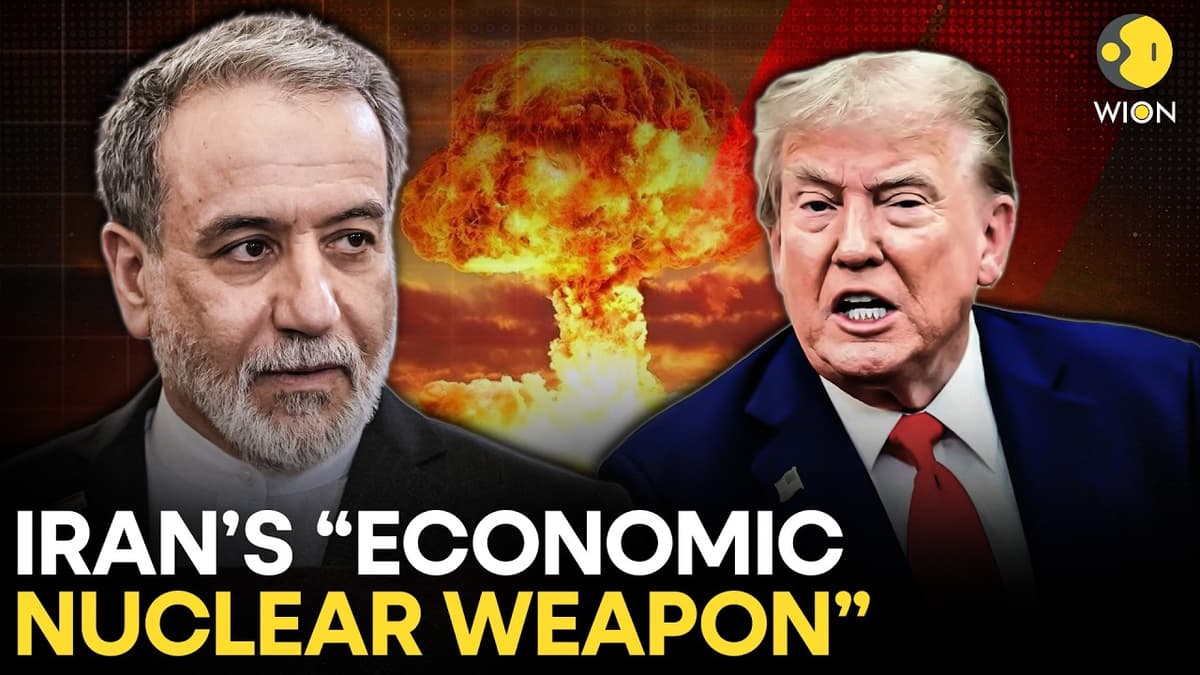
US-Iran War LIVE: Iran Accused of Deploying “Economic Nuclear Weapon” As Hormuz Tensions Rise | WION
The live broadcast focused on a sudden escalation in the U.S.-Iran conflict, highlighting reports that Iranian forces have activated air‑defense systems and seized vessels in the Strait of Hormuz while the United States continues to board ships outside the waterway....
Iran War Impact on Africa
The video examines how the Iran‑Saudi conflict reverberates across Africa, highlighting the volatility that can shift daily and the diplomatic push led by the UN Secretary‑General’s envoy to broker dialogue between Tehran and Riyadh. The speaker stresses that while peace...
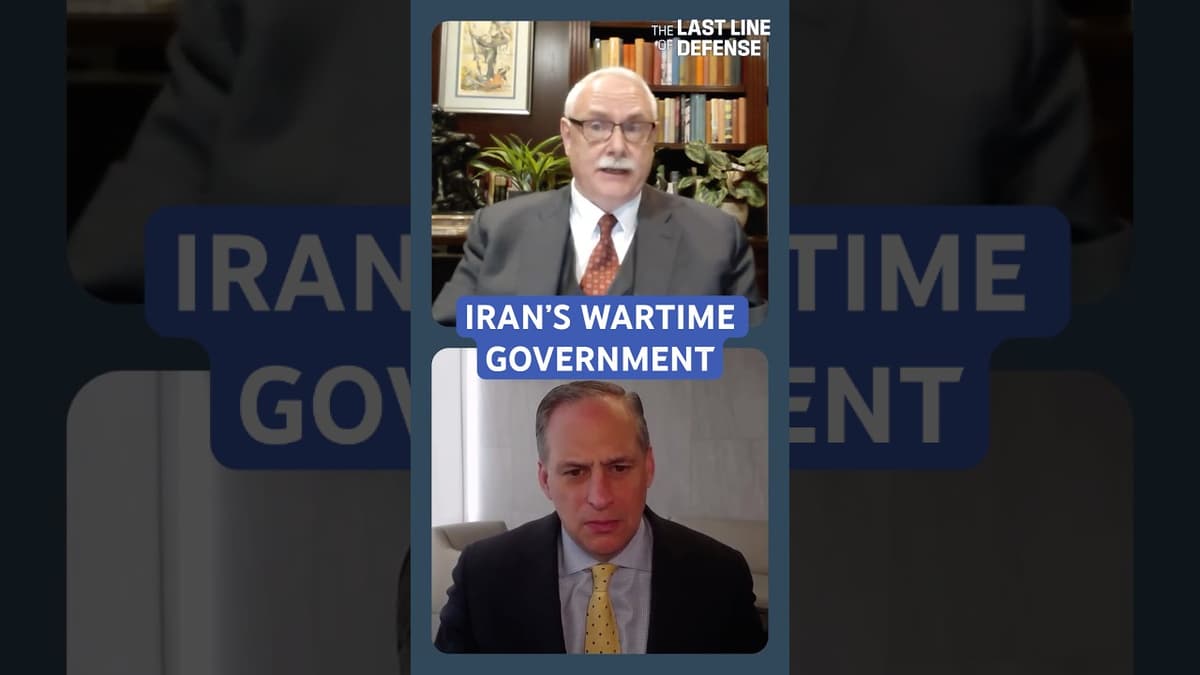
Iran’s Wartime Government
The video explains that Iran is currently operating under a wartime government, a rare constitutional status that prioritizes security and regime survival over normal governance. It notes that the Revolutionary Guard Corps (IRGC) now dominates decision‑making, not the regular army, because...
Is Inflation About to Get Much Worse?
The video warns that inflation could accelerate sharply as a confluence of geopolitical, demographic, and fiscal forces converge. A recent assault on Iran closed the Strait of Hormuz, cutting off roughly 20 million barrels of oil daily and lifting Brent crude...
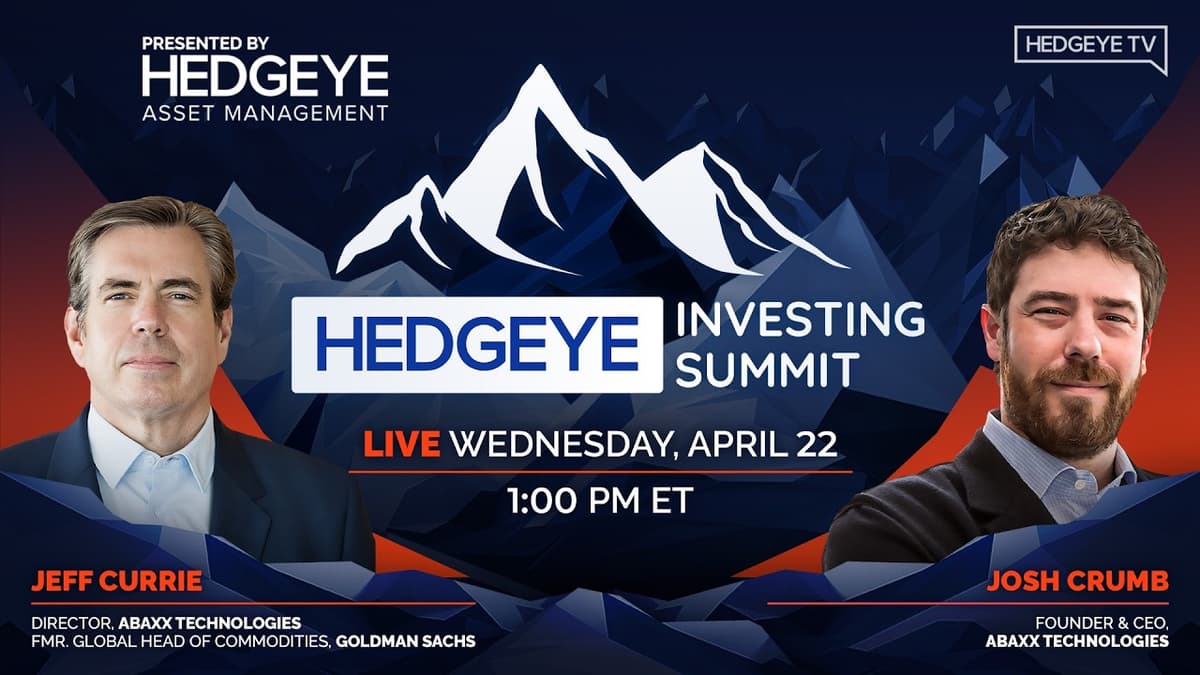
Hedgeye Investing Summit Spring 2026 | Josh Crumb & Jeff Currie, Abaxx Technologies
At the Hedgeye Investing Summit, Jeff Currie and Josh Crumb explained how the Iran‑Strait‑of‑Hormuz crisis is reshaping the commodity landscape and why their firm Abaxx Technologies believes the market is entering a new super‑cycle. They argue the war has turbo‑charged a...
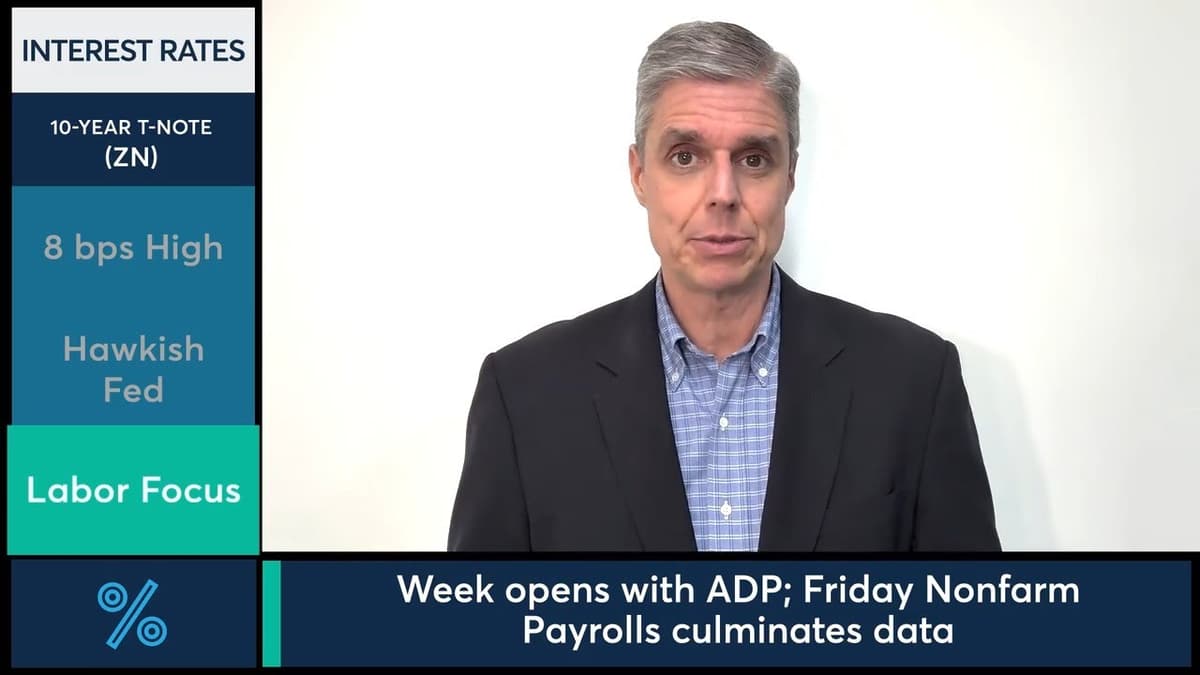
10-Year Yields Finish 8 Bps Higher as Fed Holds Steady. 5/1/26
The 10‑year Treasury yield closed Friday at 4.38%, up eight basis points for the week after a volatile intraday swing, ending the day essentially unchanged. The Federal Reserve kept policy unchanged but adopted a slightly more hawkish tone at Wednesday’s FOMC,...
Rahm Emanuel on the Strait of Hormuz Crisis
Rahm Emanuel used a recent interview to frame the Strait of Hormuz as a strategic flashpoint that could cripple global energy markets if left unchecked. He argued that the United States and its allies must adopt a clear policy—either keep...
8% Interest Rates? Chris Vermeulen Warns the Bond Market Could Break
The interview centers on Chris Vermeulen’s warning that an 8% interest‑rate environment could trigger a sharp bond‑market collapse, even as equities rally. He cautions that when the majority of investors flock to a single asset class, the market becomes vulnerable...
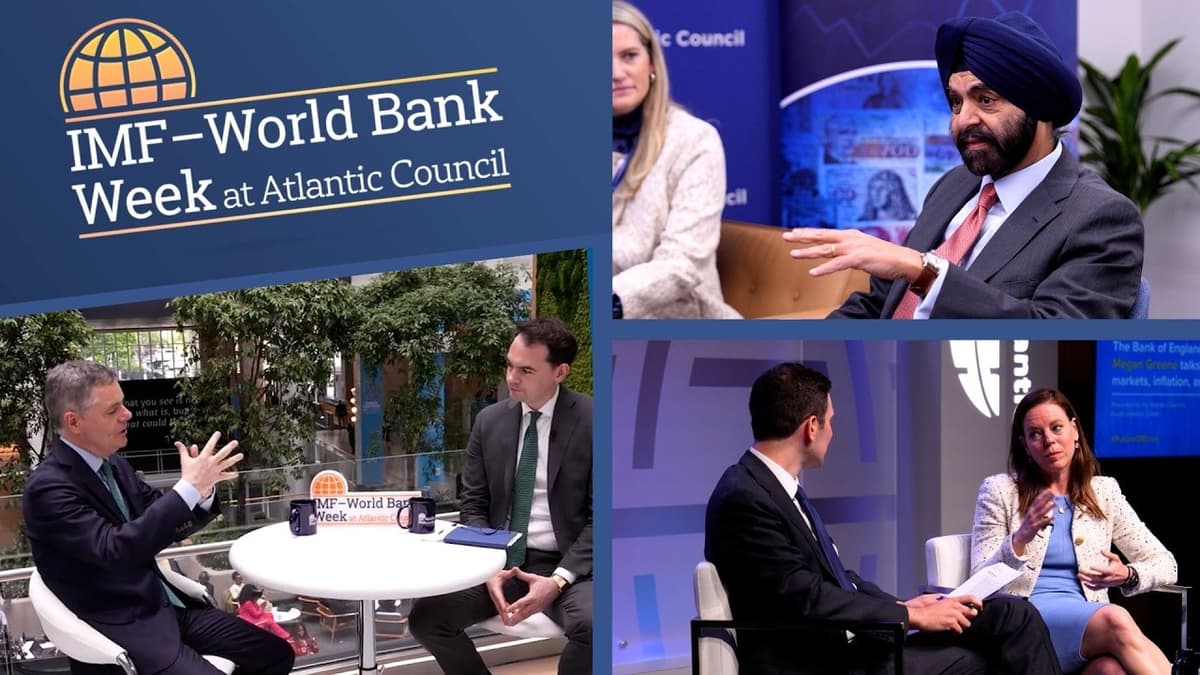
Highlights From 2026 IMF-World Bank Spring Meetings at the Atlantic Council
The Atlantic Council hosted a marathon of more than 75 events during the IMF‑World Bank Spring Meetings, bringing together finance ministers, senior policymakers, and CEOs to discuss the macro‑economic outlook for emerging and developed economies. Panelists warned that the ongoing Middle‑East...
Trump 'Not Satisfied' With Iran's New Peace Proposal
President Donald Trump expressed dissatisfaction with Iran’s newly offered peace proposal, questioning its legitimacy and the lack of congressional involvement. He emphasized that the United States has never sought Senate approval for similar agreements and suggested the proposal may be...
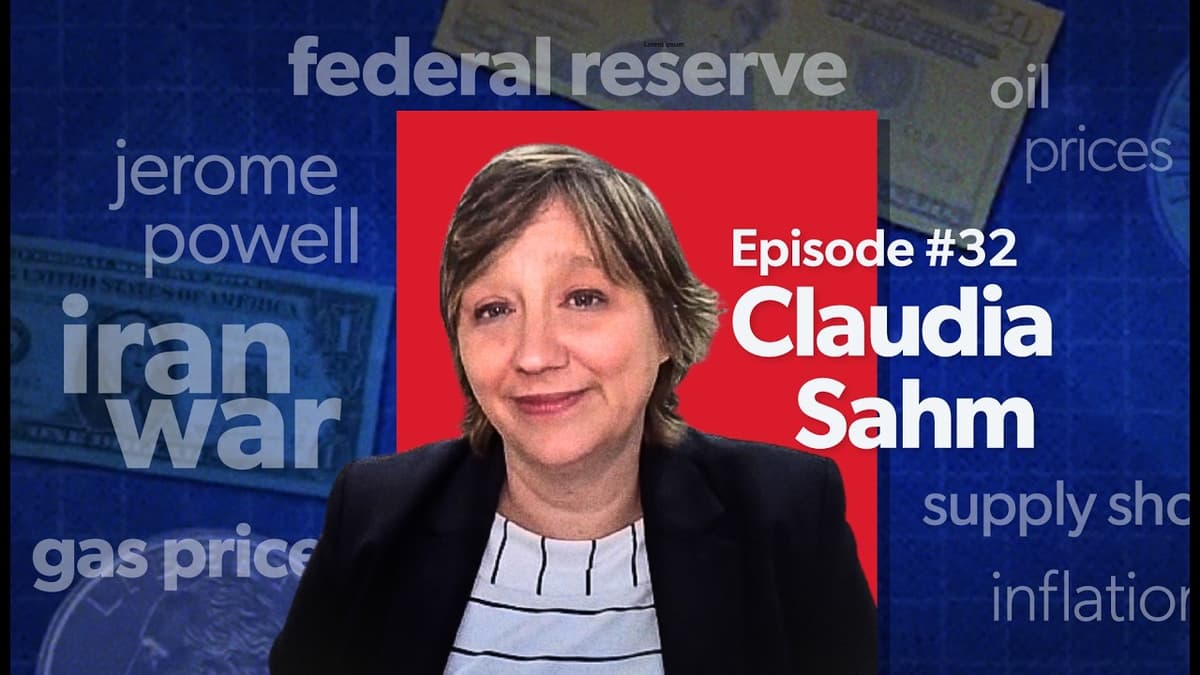
Mostly Economics Podcast: How the War on Iran Is Shaping the US Economy with Claudia Sahm:
The podcast examines how the escalating conflict in the Strait of Hormuz – often called the “war on Iran” – is feeding into the United States’ macroeconomic outlook. Host Dean Baker and chief economist Claudia Sahm explore two scenarios: a...

Hedgeye NexGen | Wealth Inequality (The K-Shaped Economy) | Episode 35
The Hedgeye NextGen episode dissects America’s “K‑shaped” economy, where wealth and income diverge sharply between the top earners and the rest of the population. Host Ryan Richie and guest Matt Cooper walk through recent data to illustrate how the richest...

Europe Early Edition - 01-May-26
The episode opened with Risha Gupta reporting that the European Central Bank and the Bank of England left policy rates unchanged but warned that a June hike remains on the table as the Iran‑related energy shock intensifies. Market data showed a...

De-Industrialization Was Not Inevitable
The video dissects Senator Marco Rubio’s claim that U.S. de‑industrialization was a “conscious policy choice,” arguing instead that the shift was a predictable outcome of centuries‑old economic dynamics. By revisiting the 18th‑century “Canton” essay, the host frames the loss of manufacturing...

Will Trump “TACO” Over the Strait of Hormuz? | The Economist
The Economist video examines whether President Donald Trump will strike a deal with Iran over the Strait of Hormuz – a move the hosts label “TACO” – and why the outcome matters for his administration. Analysts argue Trump is caught between...
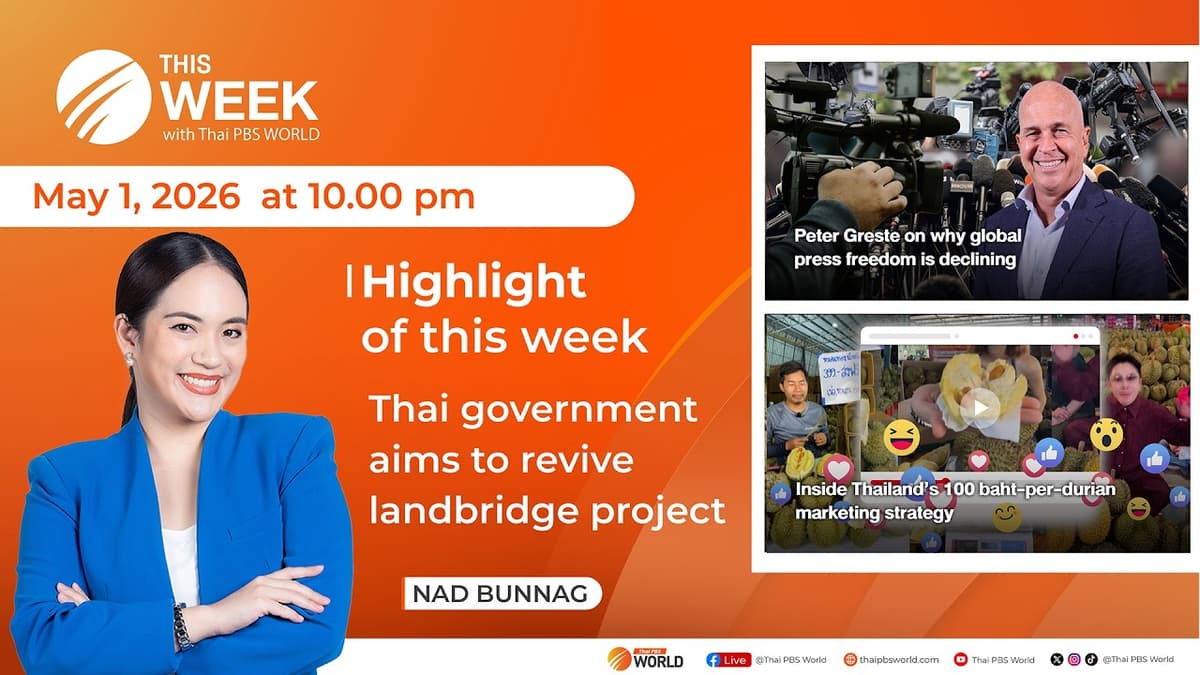
This Week with Thai PBS World 1st May 2026
Thai Prime Minister Anutin Charnvirakul has revived the long‑stalled Land Bridge, a trillion‑baht road‑rail‑pipeline corridor linking the Gulf of Thailand with the Andaman Sea. The government touts a four‑day reduction in cargo transit, 20 million TEU annual capacity and a projected...

The New Buzzword "Forward Guidance"
The video unpacks the rising buzzword “forward guidance,” describing how central banks, especially the Federal Reserve, now steer the economy by shaping inflation expectations rather than merely adjusting nominal rates. The presenter argues that this communication strategy is the core...
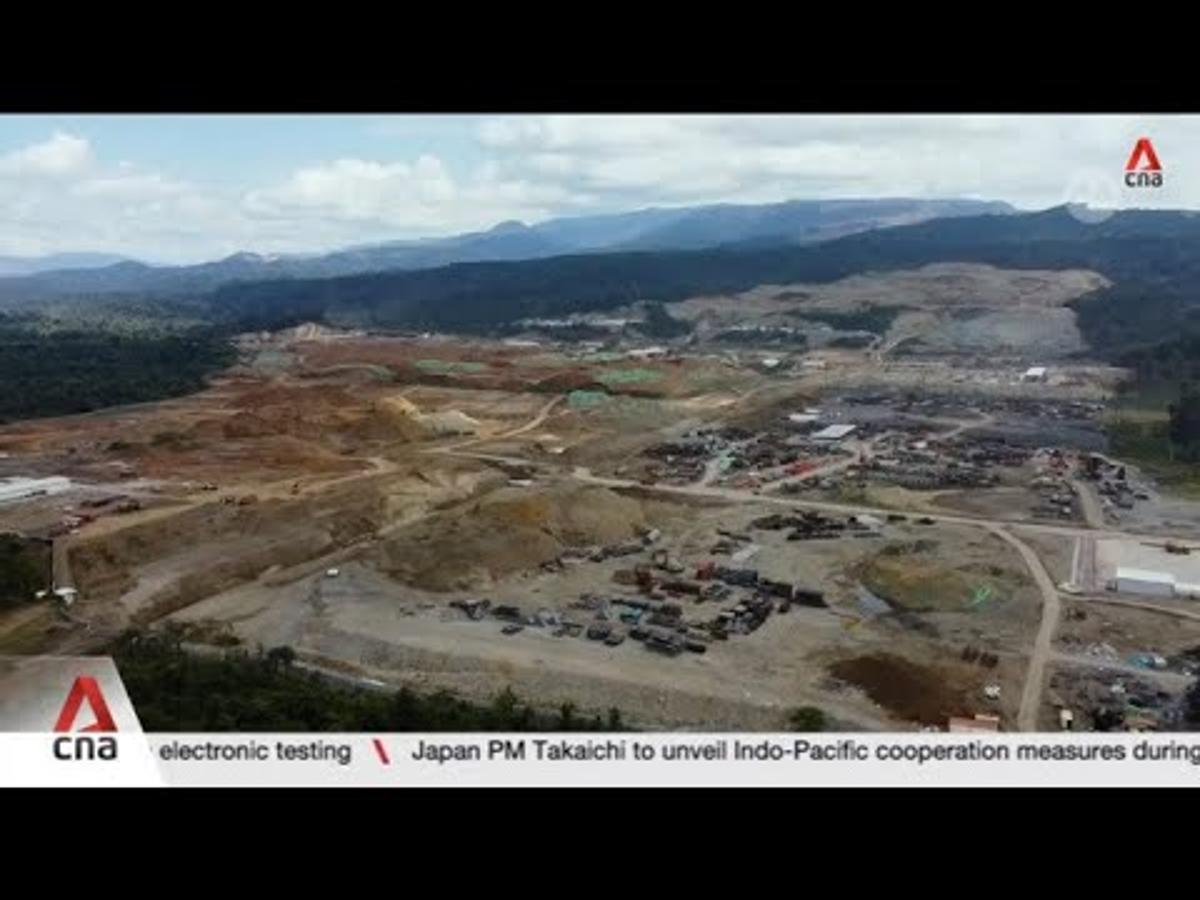
Fuelling the EV Boom: The Cost of Indonesia's Nickel Refineries
Indonesia’s surge in nickel refining is reshaping remote coastal communities into industrial centers as global demand for electric‑vehicle batteries explodes. The archipelago now produces roughly 2.2 million tonnes of nickel annually, most shipped to China and South Korea. To keep costs low,...
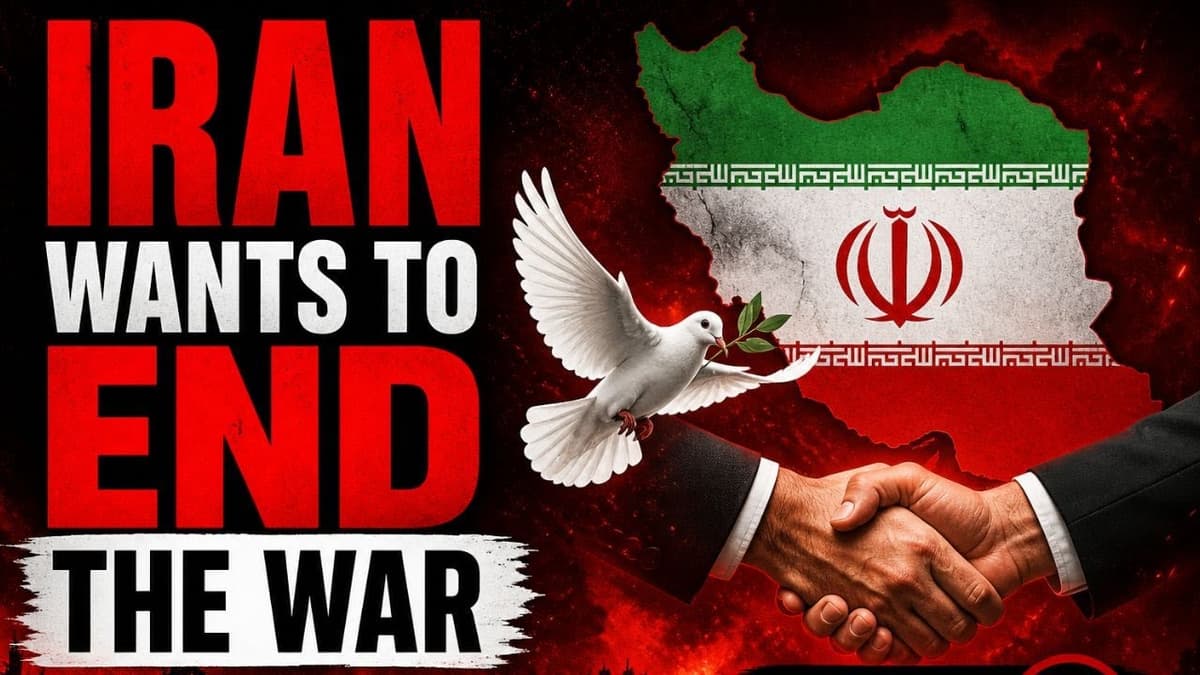
Iran Signals Endgame: Is the War Finally Over?
The video centers on Iran’s latest proposal to end the conflict with the United States, framing the decision as a pivotal moment for President Donald Trump. Market participants are watching the diplomatic development closely, but the host argues that equities...
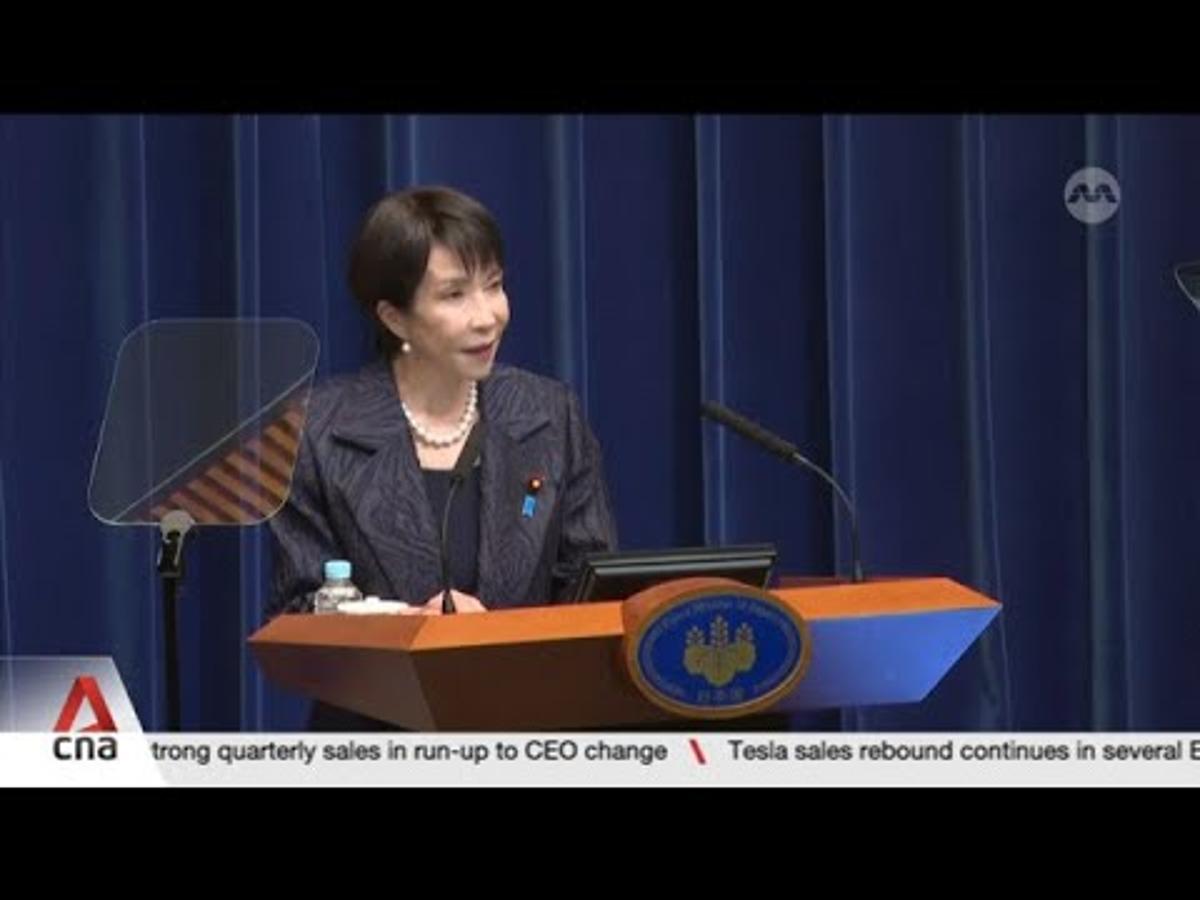
Japan PM Takaichi Kicks Off Five-Day Visit to Vietnam, Australia
Japanese Prime Minister Fumio Takaichi began a five‑day tour of Vietnam and Australia, signaling a concerted push to deepen both economic and security cooperation across the Indo‑Pacific. The agenda emphasizes supply‑chain resilience, critical‑mineral access, and joint development in artificial intelligence, semiconductors...

We Asked Ben Hunt, Jim Paulsen, Kevin Muir and Brent Kochuba Why Bad News Can’t Break This Market
The panel on "Excess Returns" tackled the puzzling question of why equity markets have stayed buoyant despite a cascade of negative headlines – from an oil shock in the Strait of Hormuz to a looming domestic private‑credit crunch. Host Matt...
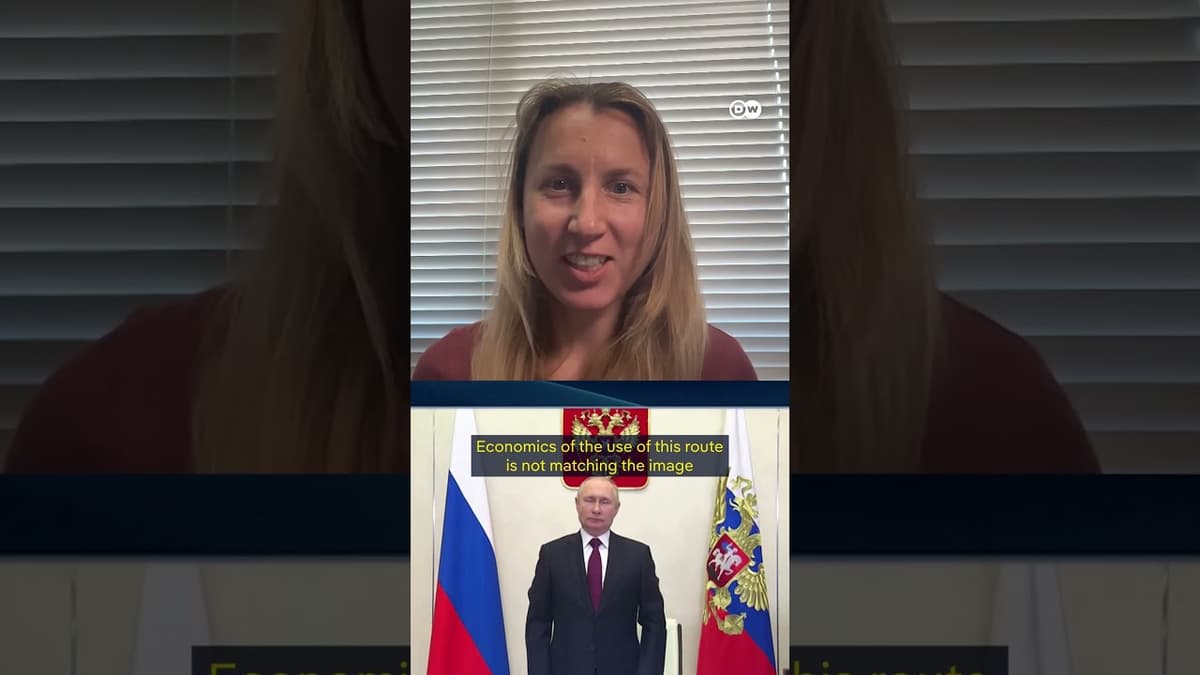
Why Putin’s Arctic Shipping Route Can’t Replace Hormuz | DW News
The DW News segment examines President Vladimir Putin’s claim that the Northern Sea Route could replace the Strait of Hormuz as a major Asia‑Europe shipping lane amid the current US‑Israel‑Iran conflict. The route shortens the journey by roughly two‑thirds, but traffic...

GOLD 'Absolutely' Headed to All-Time Highs This Year - We're in a New Paradigm
The interview with Adam Burke, CEO of One Bullion, frames 2026 as a pivotal year for gold, with the metal already up more than 40% year‑over‑year and poised to breach previous all‑time highs. Central banks are expected to purchase over...