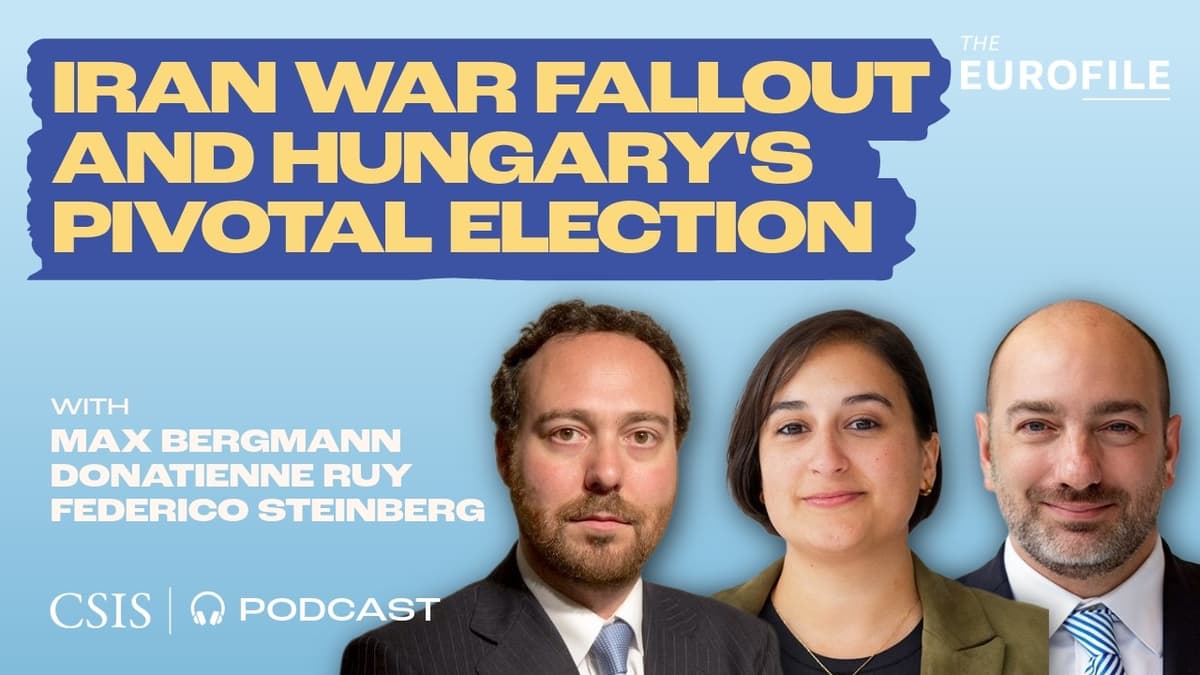
Iran War Fallout and Hungary's Pivotal Election
The CSIS podcast episode examines the economic fallout from the ongoing Iran‑Russia war and its ripple effects across Europe, while also dissecting the upcoming Hungarian parliamentary election. Host Max and Donatienne outline how soaring energy costs and supply‑chain disruptions are pressuring European inflation and growth. Guest Federico Steinberg, a Georgetown professor and CSIS fellow, argues that Europe must adopt bold fiscal and monetary measures to mitigate the Iran shock. The discussion highlights that Hungary’s vote could reshape the EU’s cohesion on rule‑of‑law and foreign‑policy alignment.

Aging Societies: Why Speed Matters
The video examines the global transition toward "super‑age" societies—where 20% or more of citizens are over 65—and why the pace of that transition matters. While most regions are moving toward this demographic milestone, the speed differs dramatically, shaping fiscal pressures,...
China vs USA: The Hidden War In Iran
Chinese cargo ships are simultaneously exporting Iranian crude to China and importing advanced weaponry for Iran. The cargo includes air‑defense systems, kamikaze drones, anti‑ship cruise missiles, and solid‑rocket fuel precursors. At the same time, the U.S. military remains heavily dependent...

Europe’s Growth Agenda: Turning Today’s Challenges Into Lasting Gains
Europe’s growth model is under pressure as productivity gains have slipped below 1% annually and investment remains uneven across member states. Geopolitical tensions, especially wars in the Middle East, are destabilising energy markets and stoking inflation risks. Policymakers must balance...

Inside Burkina Faso: Russian Influence and Jihadist Movement
The video examines Burkina Faso’s fragile security landscape, focusing on President Ibrahim Traoré’s stance toward Russian involvement amid a sprawling jihadist insurgency that now grips more than half the country. Traoré insists Burkina will not host foreign troops, framing Russia’s role...

The Next Market Meltdown May Already Be Starting | Todd Bubba Horwitz
The conversation centers on the sudden cease‑fire between the United States and Iran and its immediate ripple effects across commodities and equities. Host Todd Bubba Horwitz and his guest dissect how the announcement sparked a brief market rally—NASDAQ up roughly...

What Happens When Bond Yields Keep Rising?
The video examines the point at which rising U.S. Treasury yields could destabilize the economy, focusing on a “danger zone” of 4.6‑4.8% and the concept of a debt death spiral. As yields climb, the cost of servicing the near‑$40 trillion federal debt...
Markets Rally on a Ceasefire No One Understands
The video dissects the newly announced US‑Iran ceasefire, emphasizing that the agreement’s exact terms remain undefined, leaving traders and policymakers guessing about its practical impact. Ambiguities surround the Hormuz Strait—whether ships must pay tolls, possibly in cryptocurrency, and how sanctions...
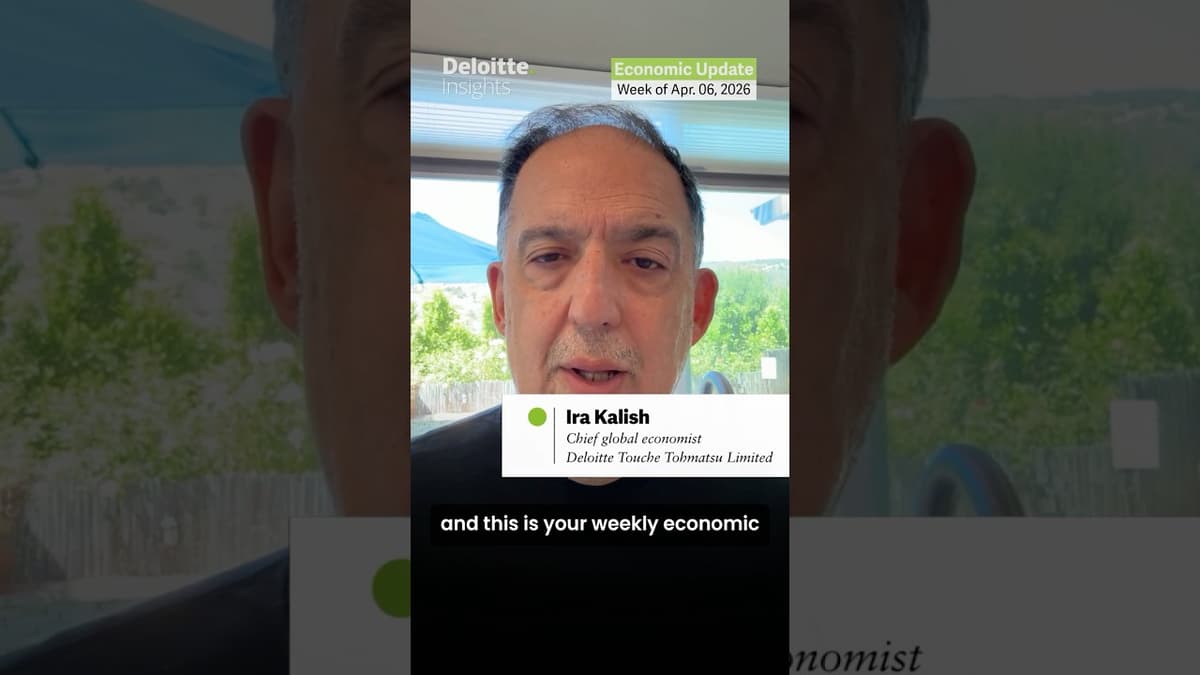
US Economy Outlook: Jobs, PMI, and Global Conflict Signals | Economic Update | Deloitte Insights
Deloitte chief economist Ira Kalish delivered his weekly economic update, examining how the ongoing Middle East conflict intersects with recent U.S. labor market data. March saw a surprising 178,000 jobs added, but that follows a February slump and a cumulative gain...

IMF Announces Real-World Fiat Reset (What Happens Now?)
On April 9, 2026 the International Monetary Fund convened a highly publicized session titled “Policies Amid a Reset of the International Trade and Financial Systems,” openly acknowledging that the post‑war monetary order is undergoing a permanent structural transformation rather than a temporary...
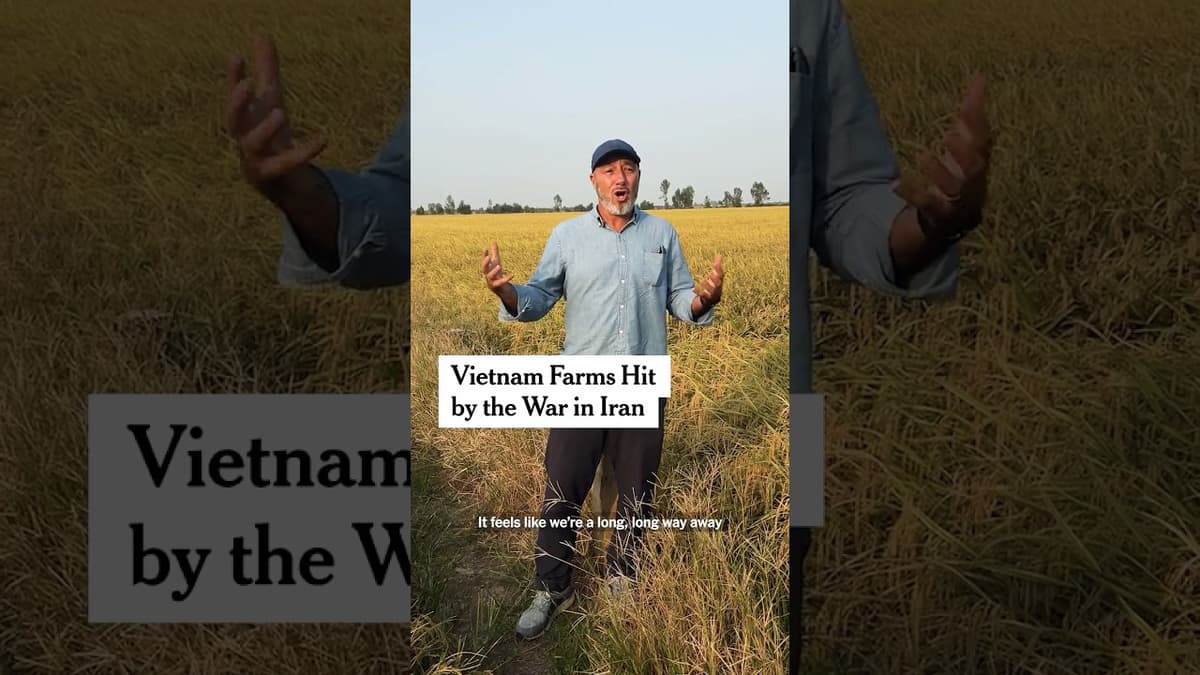
How the Iran War Hit an Asian Food Giant
The video explains how the conflict in Iran is reverberating through Asia’s rice industry, turning a seemingly distant war into a direct cost crisis for farmers and food distributors. Fuel for a typical harvester has jumped from $72 to $160 a...
Who Will Keep the Strait of Hormuz Open?
The discussion centers on identifying which powers can reliably keep the Strait of Hormuz open amid heightened geopolitical tensions. While Russia and China were initially floated as potential peacekeepers, their recent actions—most notably Russia’s delivery of a vessel to Iran...
What Is the Carbon Border Adjustment Mechanism?
The United Kingdom will roll out a Carbon Border Adjustment Mechanism (CBAM) on 1 January 2027, aimed at preventing carbon leakage by pricing the carbon content of certain imported goods. CBAM targets five high‑risk sectors—aluminium, cement, fertiliser, hydrogen and iron‑steel. Importers whose annual...
![[FULL] NEWSCENTER (2026-04-09)](/cdn-cgi/image/width=1200,quality=75,format=auto,fit=cover/https://i.ytimg.com/vi/5iPDmHE9U-8/maxresdefault.jpg)
[FULL] NEWSCENTER (2026-04-09)
South Korean President Lee chaired the inaugural National Economic Advisory Council meeting, setting a growth agenda for 2026. Seoul dispatched a special envoy to Iran to discuss alternative shipping routes around the Hormuz Strait and met Kazakhstan’s president to deepen...

Arvind Subramanian and Devesh Kapur on India's Precocious Development Odyssey
Arvind Subramanian and Devesh Kapur discuss their new book, *A Sixth of Humanity*, which chronicles India’s rapid yet uneven development since independence. The conversation highlights how India’s redistributive democracy has produced starkly different outcomes across states, driven by variations in...

Global Plastic Shortage Causing Anxiety Among Businesses and People|TaiwanPlus News
The video reports that the ongoing conflict between the United States and Iran has choked the Strait of Hormuz, a conduit for roughly 20% of global oil trade, driving up crude and petrochemical prices that feed the plastics industry. With oil...
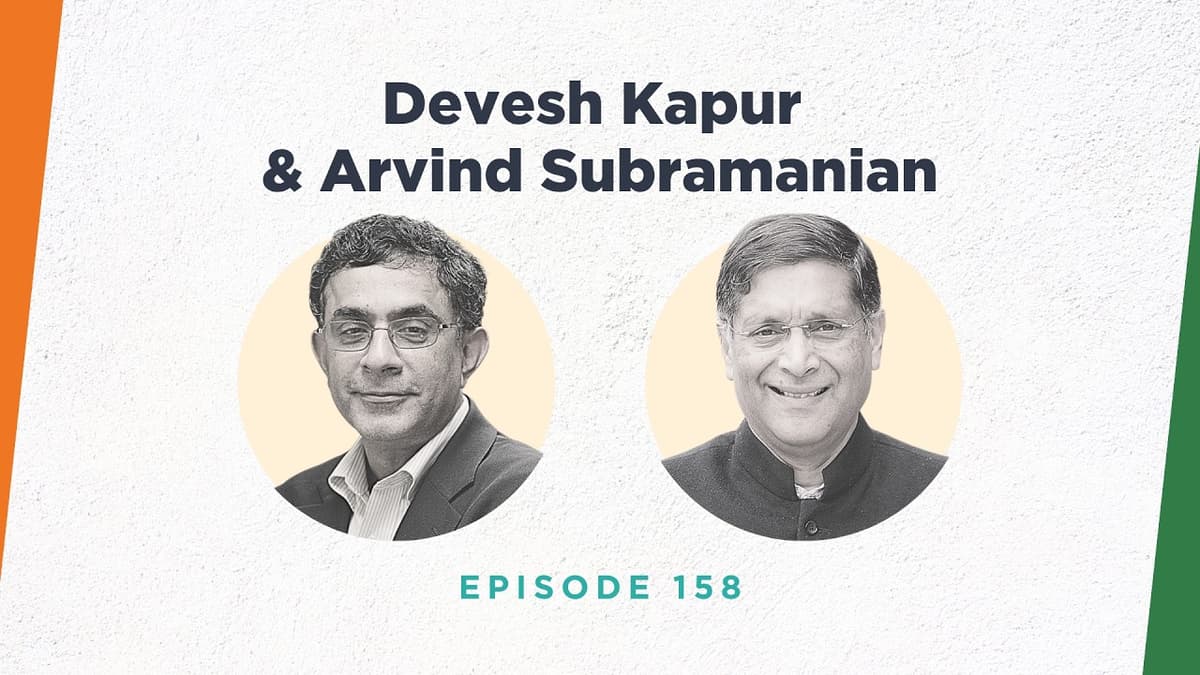
Arvind Subramanian and Devesh Kapur on India’s Precocious Development Odyssey
The conversation centers on Arvind Subramanian and Devesh Kapur’s new book, *Sixth of Humanity: Independent India’s Development Odyssey*. The authors trace India’s 75‑year journey, emphasizing how the nation’s decision to adopt universal adult franchise at independence set a uniquely precocious...
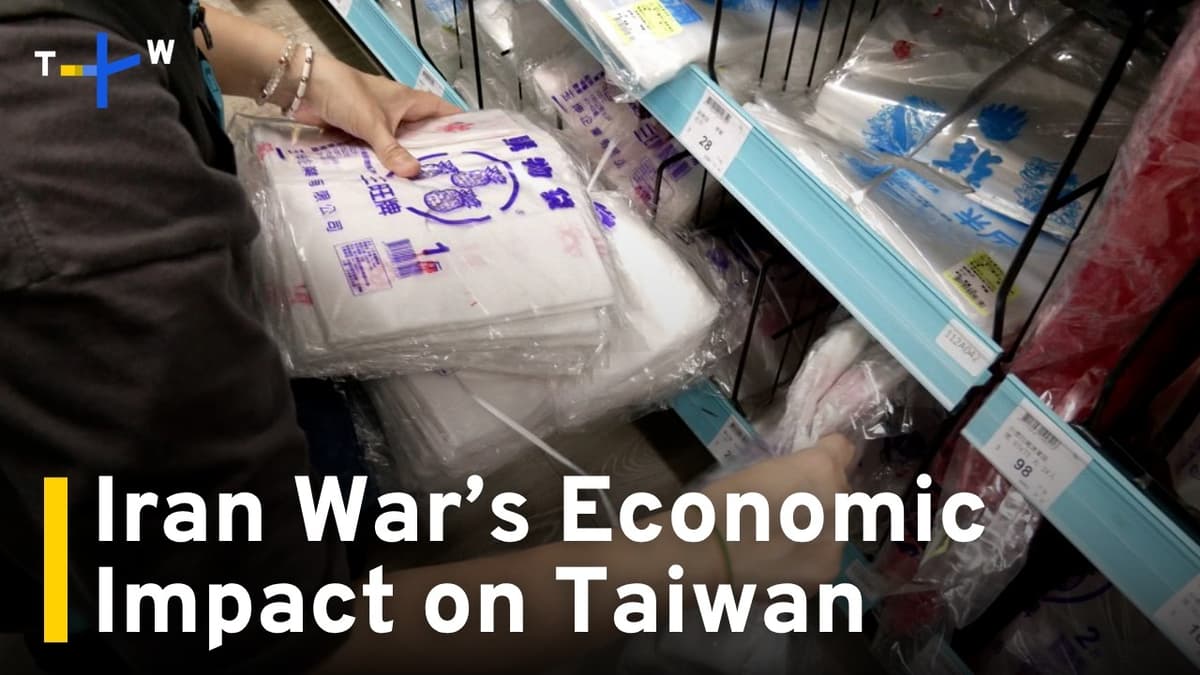
Taiwan Faces Mounting Economic Pressures Amid War in Iran|TaiwanPlus News
Taiwan's economy is feeling strain from the Iran‑US conflict despite a temporary cease‑fire. Disruptions in Middle‑East petrochemical shipments have driven up prices for plastics and related goods. The Taiwanese government is increasing domestic production and tightening market surveillance to curb...
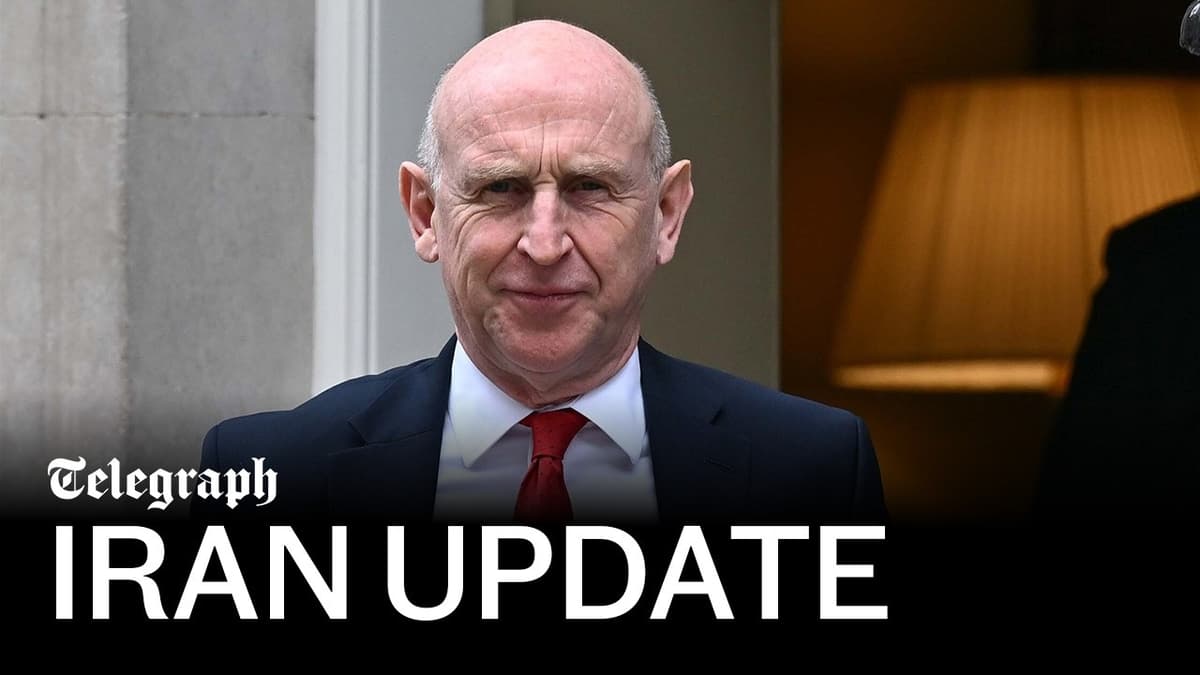
In Full: UK Defence Secretary Gives Update on Iran Conflict
The Defence Secretary briefed Parliament on a month‑long operation that monitored a Russian Akula attack submarine and two GUGI research vessels operating in the North Atlantic. The submarines were tracked by a Royal Navy frigate, RAF P‑8 maritime patrol...

Strait of Hormuz Crisis Reshapes Energy and Commodity Markets
The episode examines how the recent Strait of Hormuz crisis is reshaping global energy and commodity markets. 20% of world crude oil and a comparable share of liquefied natural gas (LNG) pass through the narrow waterway, so any disruption reverberates...

Gulf Truce Crumbles: Oil Jumps Past $96, Asia Slides on Renewed War Risk
The Business Times podcast reported that oil prices jumped above $96 a barrel on Thursday as doubts resurfaced about the two‑week cease‑fire in the Gulf, raising concerns that shipments through the Strait of Hormuz could remain constrained. Brent crude rose nearly...

Fineqia International's Matteo Greco on Q1 Crypto ETP Trends, Q2 Outlook
The interview with Matteo Greco, senior associate at Fineqia International, dissected Q1 2026 crypto exchange‑traded product (ETP) performance and set expectations for Q2. Greco highlighted that Bitcoin now accounts for over 81% of total crypto ETP assets under management, reinforcing...
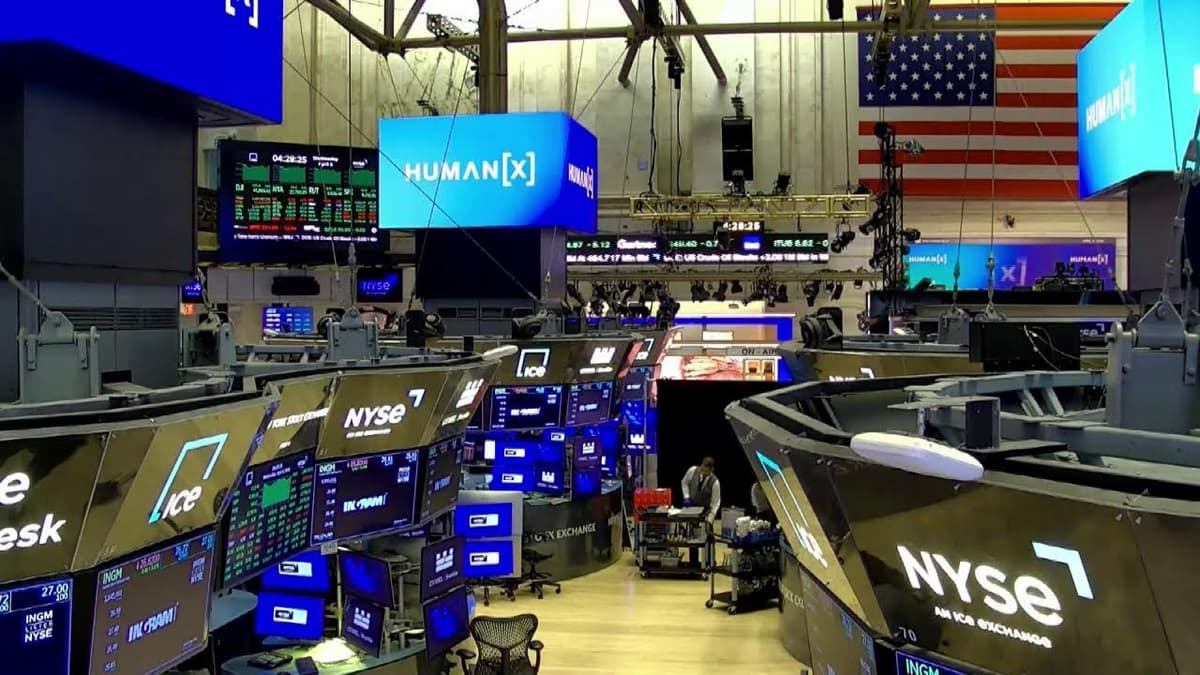
Today on Taking Stock | Markets Surge on News of U.S.-Iran Ceasefire
The market opened on a dramatic upswing after the White House announced a two‑week U.S.–Iran ceasefire, sending the S&P 500 up roughly 2.5% and the Dow near 2.8% as investors cheered reduced geopolitical risk. Small‑cap exposure led the charge, with the...
How the Iran War Will Reshape the Future of Energy | Zero: The Climate Race
The U.S. and Israel’s Feb. 28 attacks on Iran have sent global oil and gas markets into turbulence, with prices swinging sharply despite hopes that the Strait of Hormuz will reopen. Bloomberg’s David Fickling argues the shock is reshaping Asia’s energy...

Keynote Remarks by Mary C. Daly
In a keynote delivered in St. George, Utah, Federal Reserve Bank of San Francisco President Mary C. Daly explained the purpose and design of the Federal Reserve system, emphasizing how regional connections and community engagement underpin the central bank’s legitimacy. Daly outlined three...

The Iran War: What’s Legal?
Former U.S. Ambassador at Large for War Crimes David Scheffer, a key architect of the International Criminal Court, breaks down five legal questions surrounding the ongoing Iran conflict. He stresses that every U.S. and allied decision must adhere to international...

Wells Fargo's Schumacher: Market Backdrop Became 'Too Sanguine, Too Quickly'
Wells Fargo’s macro‑strategy chief Mike Schumacher warned that the market backdrop has become “too sanguine, too quickly,” after a volatile trading day that saw equities claw back two‑thirds of recent losses while bond yields barely budged. He highlighted a striking disconnect:...

Stocks Rally, Oil Falls on Iran Truce | Closing Bell
The closing bell segment highlighted a sharp market rebound as the S&P 500 recovered roughly 7% from its March trough and added 2.5% on the day, while the Nasdaq and mid‑cap indices each rose about 3%. The rally came amid...

Evening Market Recap - Wednesday, 8-Apr
U.S. equities rallied on Wednesday, with the S&P 500, Dow and Nasdaq each climbing between 2.5% and 3%. The surge was sparked by a two‑week U.S.–Iran ceasefire that eased geopolitical risk and pushed oil prices to their weakest day since...
CD Talk | Strengthening Fiscal Capacity in Fragile and Conflict-Affected States: Insights From Syria
The IMF resumed capacity development in Syria after a 14‑year hiatus, helping the Ministry of Finance rebuild fiscal institutions. Staff from the Fiscal Affairs Department, Global Public Finance Partnership, Middle East and Central Asia Department, and METAC delivered support on...

Europe Early Edition - 08-Apr-26
Europe Early Edition, anchored by Silvia Amaro in London, launches a daily one‑hour livestream that bridges U.S., Asian and Middle East market activity with European trading. The program airs from 07:00 to 08:00 CET and is accessible only to viewers...
Iran Ceasefire Deal Spurs Global Relief Rally | Bloomberg Surveillance
A two‑week ceasefire between the United States and Iran sparked a swift global market rally, lifting equities and reducing risk premiums across major indices. Analysts on Bloomberg Surveillance highlighted the deal’s role in easing geopolitical tension, which in turn bolstered...
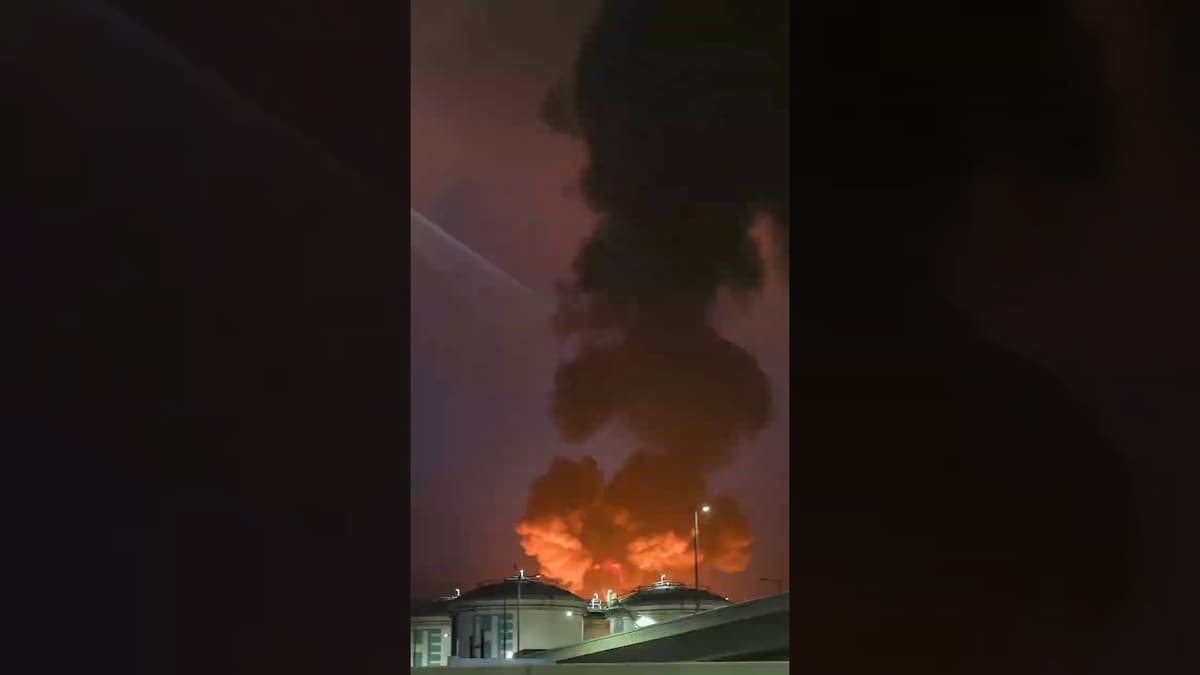
Iran Emerges From War With US as Global Power Player
The video argues that the recent US‑Iran conflict, framed by the White House as a tactical win, actually left Washington without achieving any of its declared military goals. It points to mounting European displeasure, Trump’s criticism of South Korea, Japan...
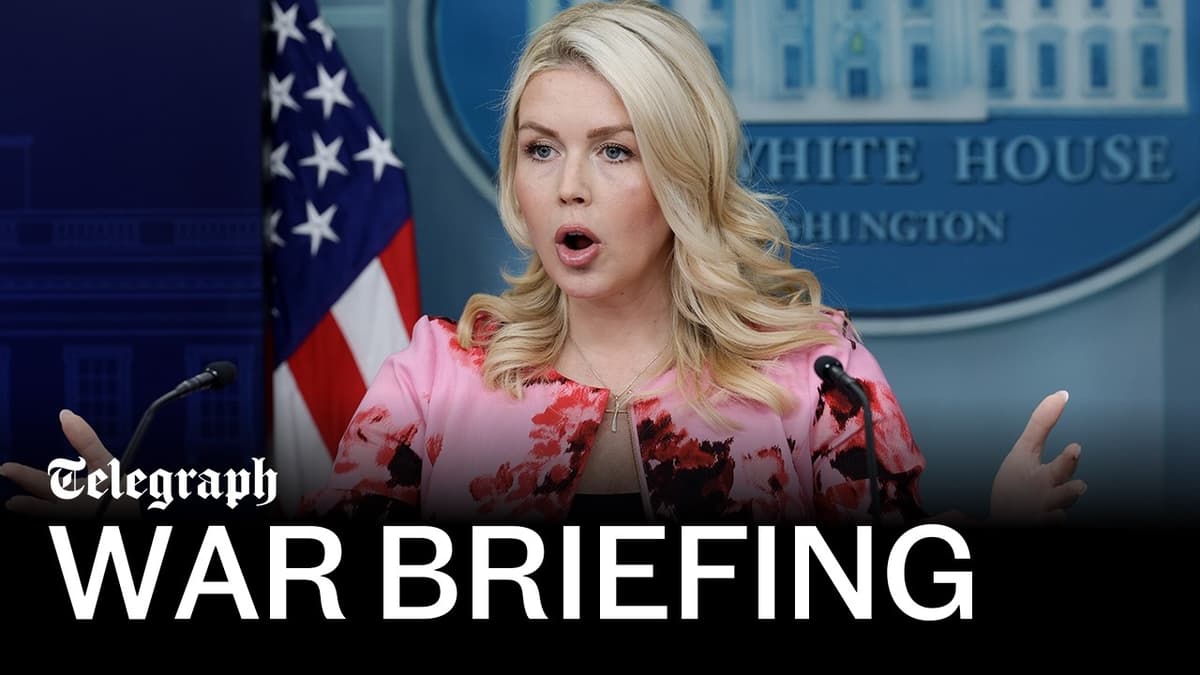
In Full: White House Briefing as Iran Breaches Ceasefire, Closes Strait of Hormuz
The White House held a briefing announcing that Iran has breached a newly‑established ceasefire and temporarily closed the Strait of Hormuz following a series of Israeli strikes on Lebanon. Spokesperson Caroline framed the development as the culmination of Operation Epic...

A Failed Iran Peace Plan Will Be Catastrophic for Trump
The video argues that despite President Trump’s proclamation of a decisive win, Iran’s Islamic Republic remains intact after a massive air campaign, casting doubt on the durability of any peace arrangement. Iran endured more than 13,000 strikes, its missile stockpile weakened...
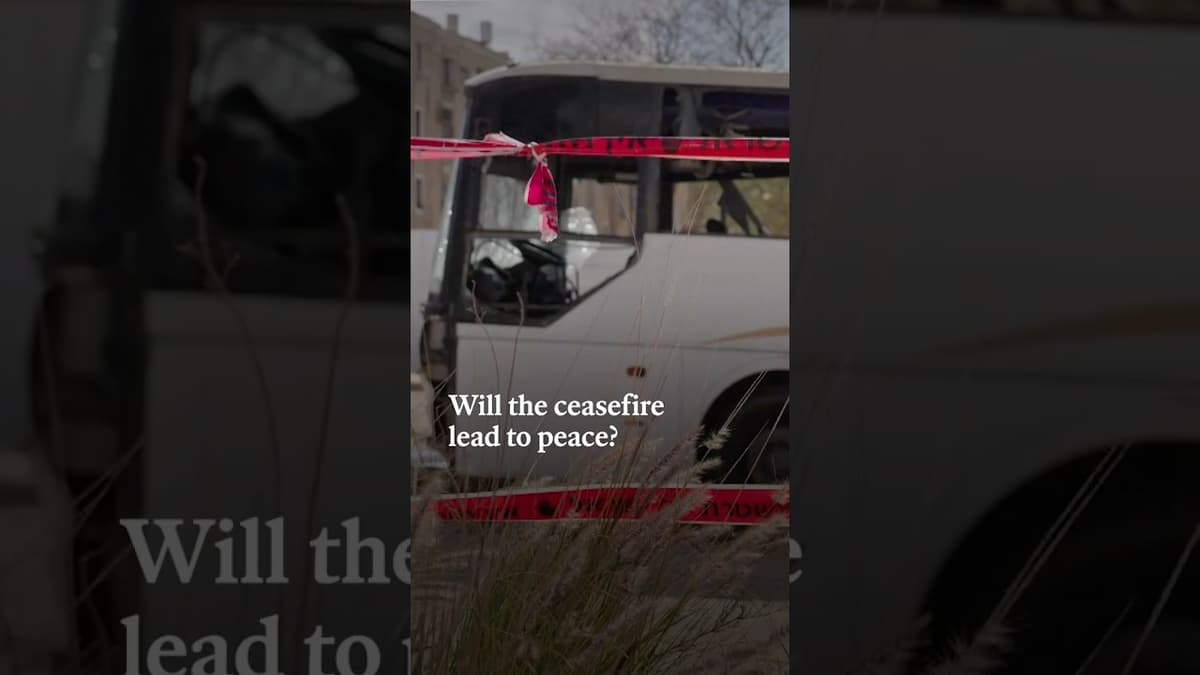
Will the Ceasefire Between America and Iran Lead to Peace? | The Economist
The video examines the upcoming cease‑fire negotiations between the United States and Iran in Islamabad, highlighting how the two sides arrive at the table with diametrically opposed demands. Iran wants recognition of its right to enrich uranium, reparations and a...
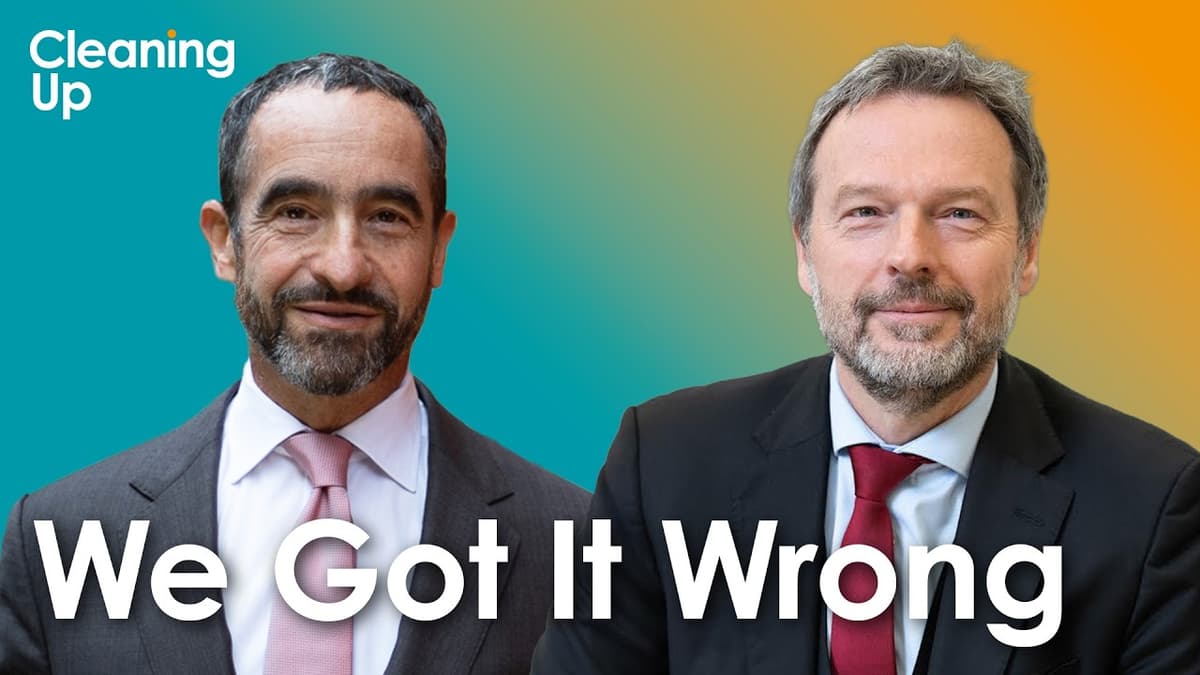
Energy Shocks, Inflation & Risk: How a Central Bank Responds to Crisis | Ep252: Pierre Wunsch
In this episode of Cleaning Up, National Bank of Belgium governor Pierre Wunsch explains how European central banks are reassessing their response to energy‑price shocks, inflationary pressures and the broader climate‑transition debate. Wunsch notes that the conventional wisdom of treating energy...
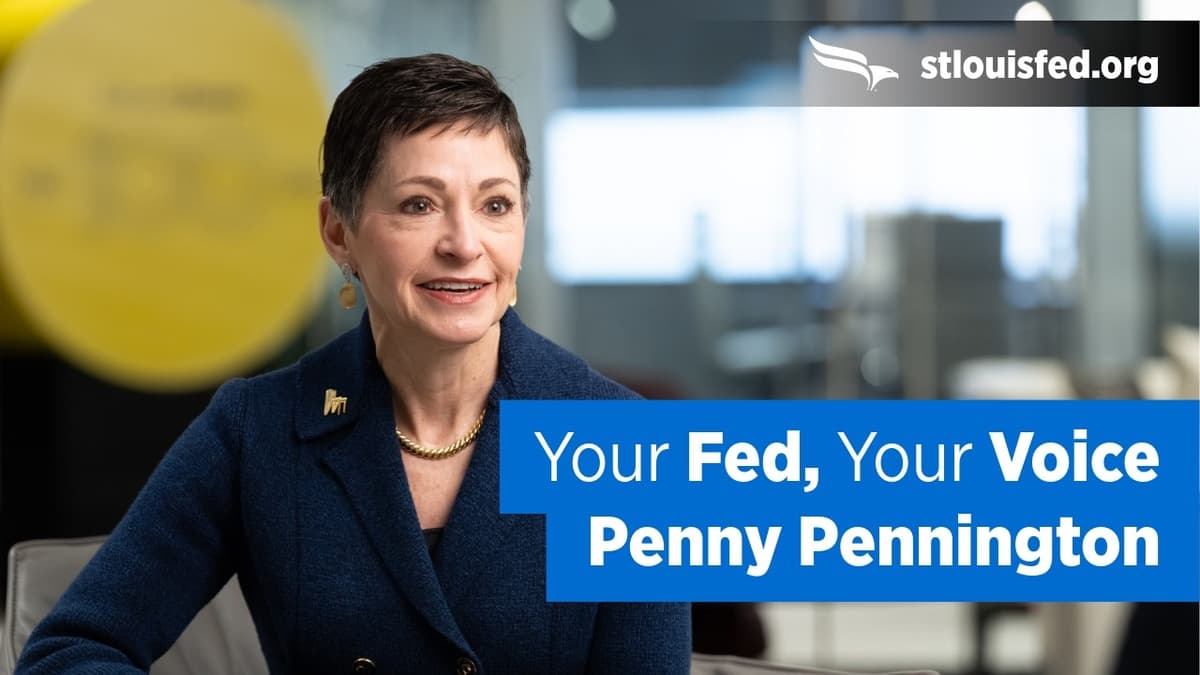
Federal Reserve Bank of St. Louis - Your Fed, Your Voice: Penny Pennington
The video features Penny Pennington, managing partner at Edward Jones and former director of the Eighth District Federal Reserve Board, explaining the Federal Reserve’s purpose as a central bank that listens to citizens across the United States. She emphasizes that...

Oil Price Puts Pressure on Canadian Dollar | Presented by CME Group
Canada’s dollar is feeling the heat from soaring oil prices, a dynamic amplified by the country’s lack of a strategic petroleum reserve. As the world’s fourth‑largest oil producer and top crude exporter to the United States, Canada absorbs the full...
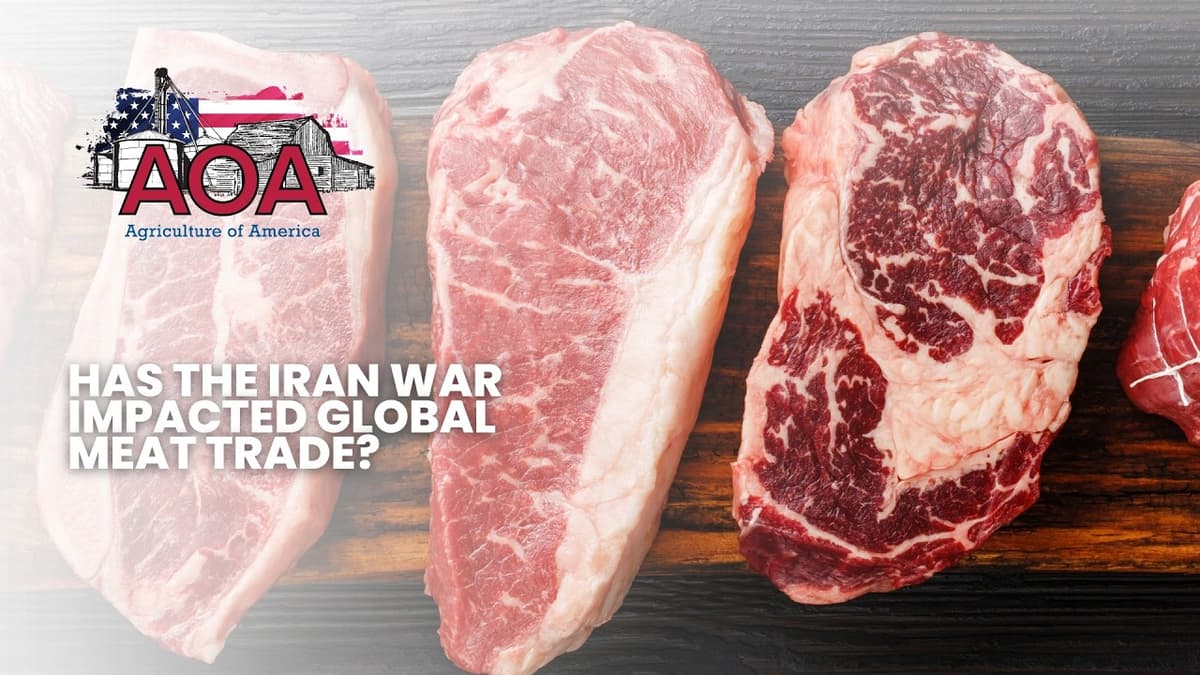
Has the Iran War Impacted Global Meat Trade?
The interview on Agriculture of America examines how the war in Iran is reshaping the global meat trade, focusing on supply‑chain disruptions, price pressures and the strategic role of PMI Foods, a $3 billion distributor that once ranked among the largest...
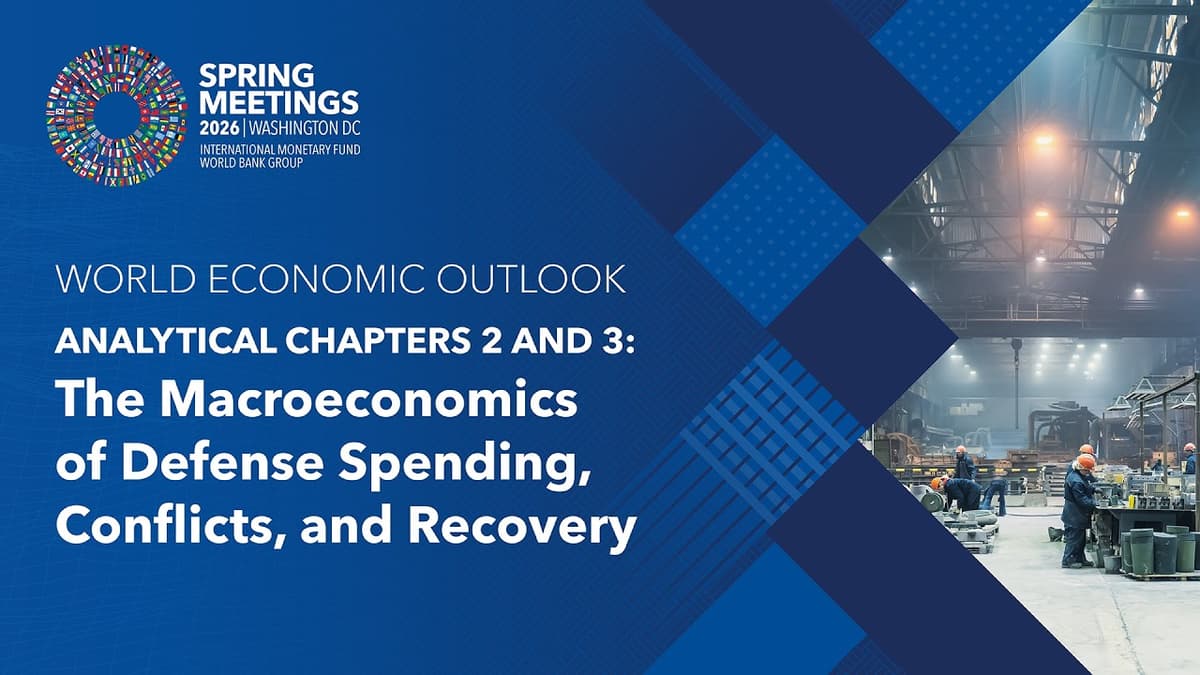
The Macroeconomics of Defense Spending, Conflicts, and Recovery
The International Monetary Fund’s new research, slated for the World Economic Outlook next week, examines how wars and surges in defense spending reshape macroeconomic fundamentals. Drawing on data from 164 countries since 1946, the study quantifies the economic toll of...

Registration Is Open for Aspen Ideas: Economy
Aspen Ideas is opening registration for its Economy conference, a three‑day gathering in Tulsa that will examine how emerging technologies, housing dynamics and social media reshape the U.S. economy. Organizers stress that affordability, growth, inclusion and stability are top of agenda,...

How the Middle East War Is Reshaping Asia’s Upstream Strategy, with Prateek Pandey
The podcast examines how the Israel‑Iran‑U.S. conflict is forcing Asian energy planners to rethink upstream strategies. With roughly 55‑60% of the region’s oil and 70% of its LNG imports coming from the Gulf, any disruption to the Strait of Hormuz...

Israel Halts Iran Strikes but Continues Attacking Lebanon
The video reports that Israel has announced a cease‑fire on its campaign against Iran while simultaneously intensifying strikes on Lebanon, signaling a strategic split of its two war fronts. Prime Minister Benjamin Netanyahu told the nation that operations against Tehran’s...

US VP JD Vance Warns Iran Not to ‘Lie or Cheat’ as Fragile Truce Holds
Vice President JD Vance addressed Hungarian university students, warning Iran not to lie or cheat as a fragile cease‑fire holds after a six‑week confrontation involving the United States, Israel and Tehran. He emphasized that the Biden administration’s primary military goal—crippling...

Market Relief After US-Iran Ceasefire Before Trump Deadline | The Opening Trade 4/8/2026
On April 8, 2026, the United States and Iran announced a two‑week cease‑fire, a development that instantly lifted risk assets. Brent crude slid 14% back to March levels, while the Euro Stoxx 50 jumped roughly 5% and the euro‑dollar edged...

US, Iran Ceasefire: What Next for the 800 Vessels Trapped in the Persian Gulf?
The video examines the immediate fallout from the newly announced US‑Iran ceasefire, focusing on roughly 800 vessels stranded in the Persian Gulf. Analysts stress that the industry is hesitant to restart voyages until the ceasefire’s specifics—particularly the ten‑point Iranian plan—are...
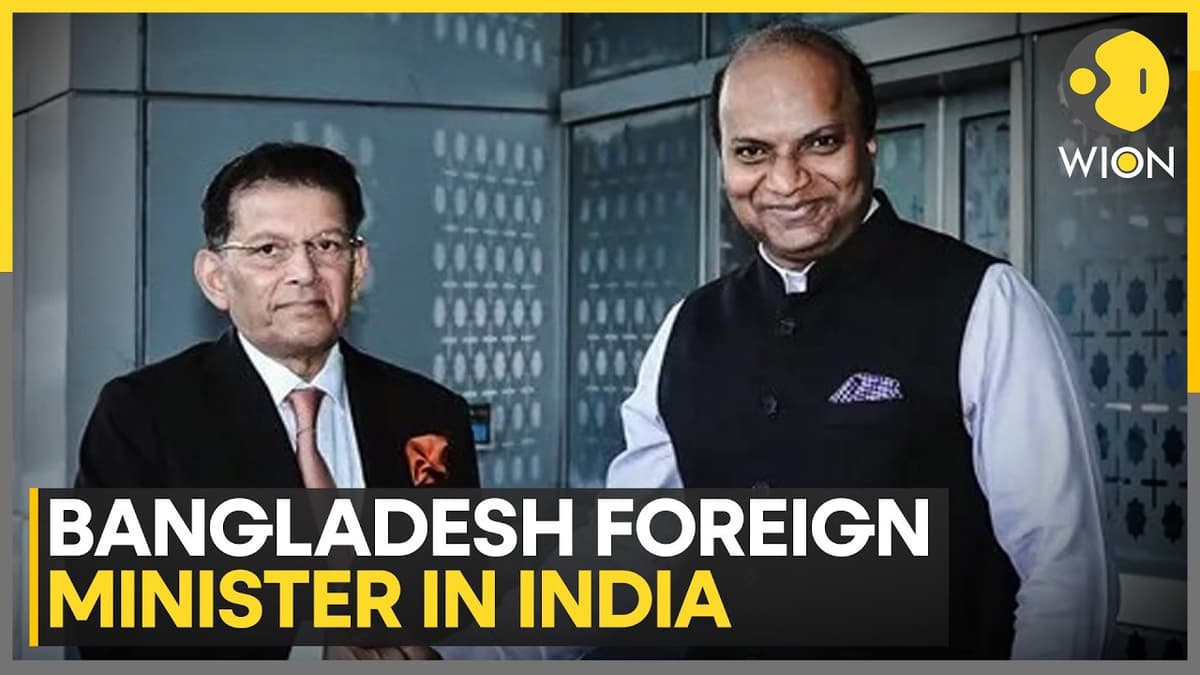
India-Bangladesh Ties: Bangladesh Minister to Meet S Jaishankar & NSA Ajit Doval | WION
The video reports that Bangladesh’s foreign minister, Khalilur Rahman, is on a three‑day official visit to New Delhi, marking the first high‑level engagement since the Bangladesh Nationalist Party took power in February. He will meet Indian counterparts including FM Dr....
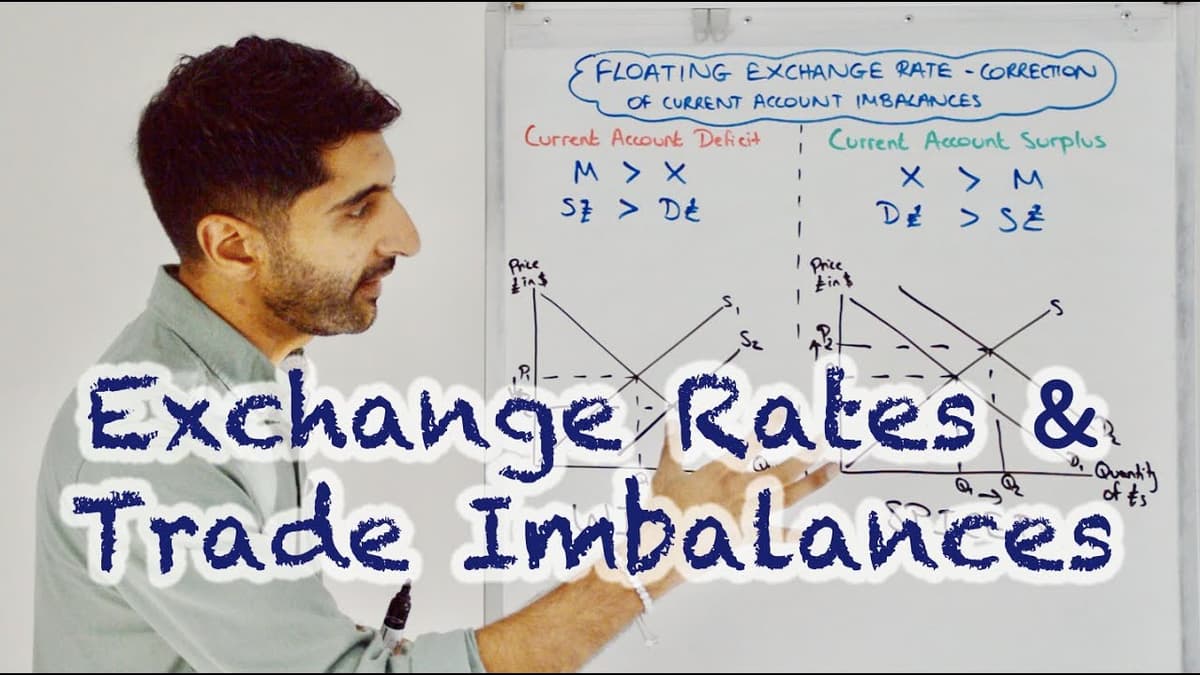
Floating Exchange Rate and Current Account (Trade) Imbalances
The video explains how floating exchange‑rate regimes theoretically eliminate persistent current‑account deficits or surpluses by allowing exchange‑rate adjustments to restore balance. It outlines the mechanics: a deficit creates excess supply of domestic currency, shifting the supply curve right and depreciating the...
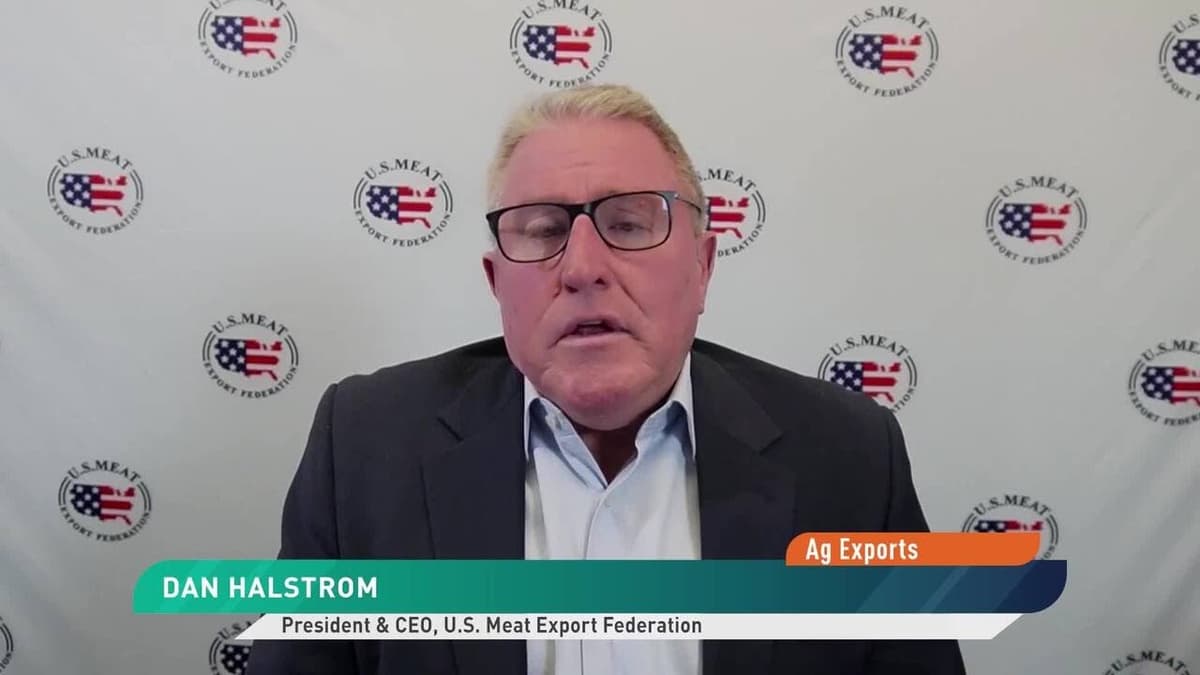
U.S. Beef Gets Access to Saudi Arabia
Saudi Arabia has removed its export verification (EV) program requirement for U.S. beef, a change that has been fully implemented and eliminates a major trade barrier dating back to 2015. The move simplifies export procedures and relaxes certain feed-traceability requirements...