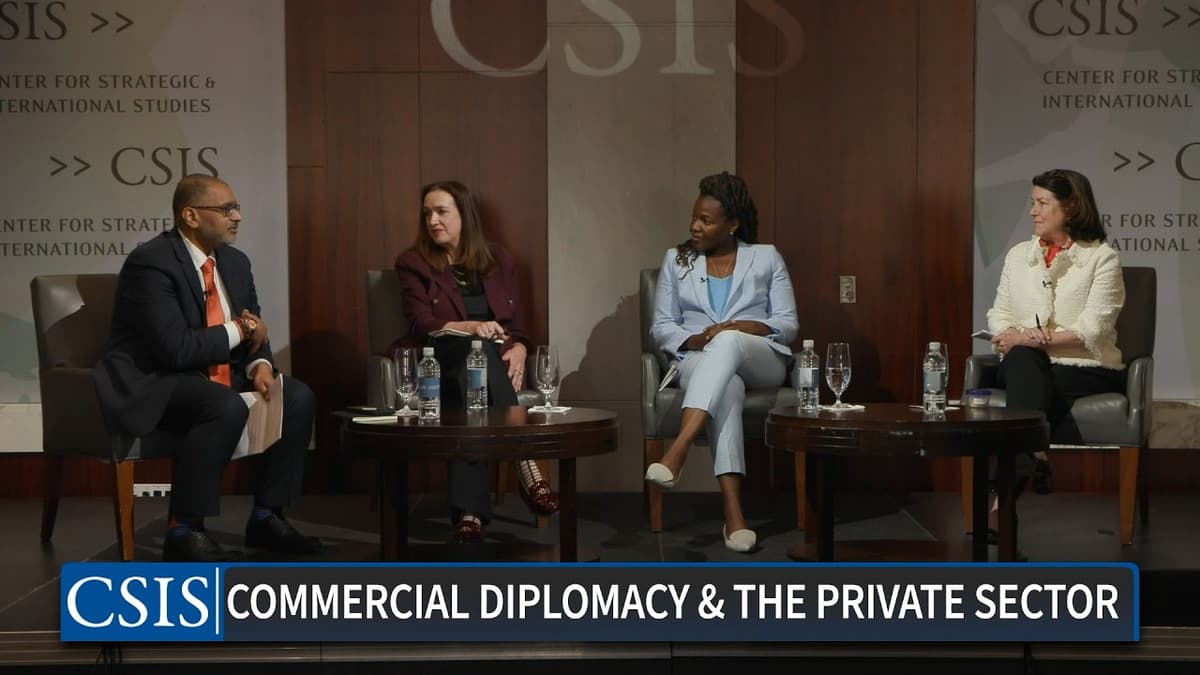
Commercial Diplomacy for U.S. Tech Exports
U.S. commercial diplomacy is being reframed as a strategic engine for export growth to the Global South, but its success depends on addressing on-the-ground business environment constraints—policy, standards, workforce and infrastructure—that determine whether deals reach execution. At a CSIS Future Summit panel, private-sector leaders from Chevron, Cisco and ADM argued that commercial diplomats play a key role connecting U.S. companies with foreign governments and partners, while companies themselves act as day-to-day ambassadors by hiring locally and financing projects. Panelists highlighted sector-specific opportunities—from reliable energy and new-energy projects to digital connectivity and sustainable agriculture—while stressing the need for aligned policy frameworks, development finance and long-term partnerships. They urged U.S. government and industry coordination, including programs such as AI export initiatives, to expand market access and unlock investment pipelines.
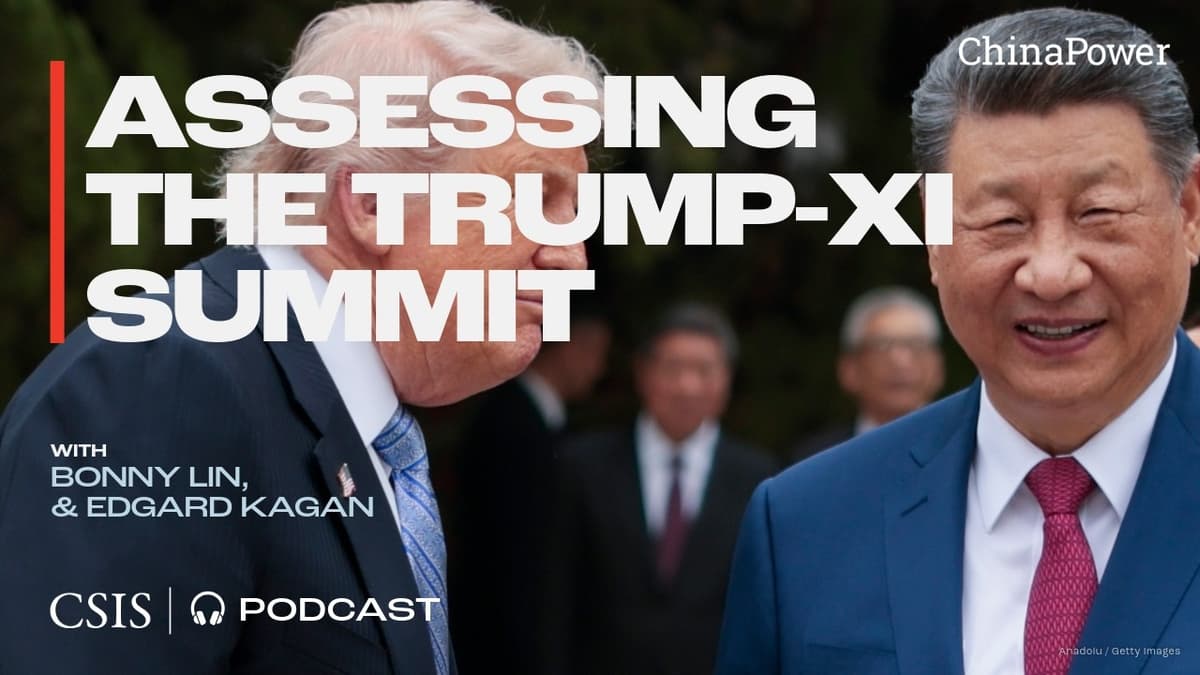
Assessing the Trump–Xi Summit: A Conversation with Edgard Kagan
Ambassador Edgard Kagan said the Trump–Xi summit was hampered by the slow U.S. public readout while China rapidly published detailed accounts, allowing Beijing’s narrative to dominate early coverage. Kagan argued the Chinese deliberately avoided specific numeric commitments—creating ambiguity about purchases...

Business Owners Are Getting Tariff Refunds, but They're Not Celebrating Yet
U.S. Customs and Border Protection has begun issuing refunds for tariffs the Supreme Court found unlawful, approving about $35 billion so far of the roughly $166 billion the government owes. Despite an initially bumpy registration process, many businesses have started...
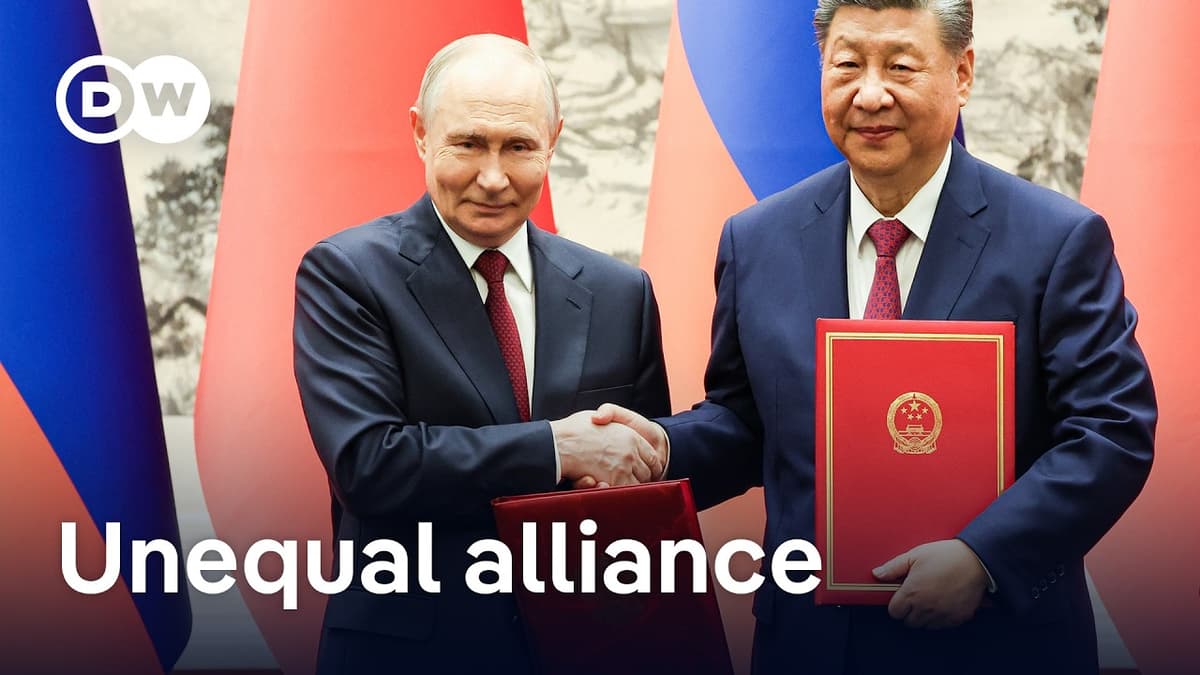
Russia's Growing Reliance on China | DW News
At their recent summit, Russian President Vladimir Putin and Chinese President Xi Jinping reaffirmed a "no‑limits" partnership, signaling deeper economic integration. The two leaders outlined cooperation in energy, high‑tech, and finance, aiming to mitigate the impact of Western sanctions on...
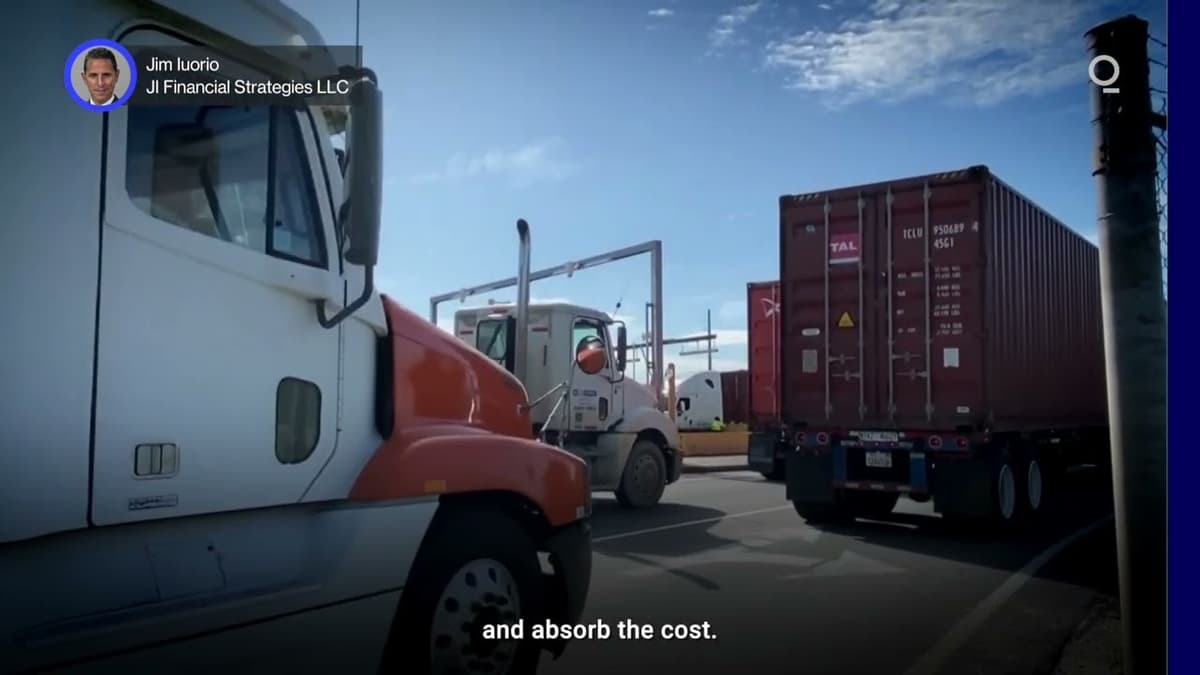
Global Supply Chains Are Under Pressure | Presented by CME Group
The CME Group presentation highlighted a sharp uptick in global supply‑chain stress, with the New York Fed’s index climbing to 1.82 in April – the highest reading since 2022 – and S&P Global’s volatility gauge reaching 164, also a 2022...
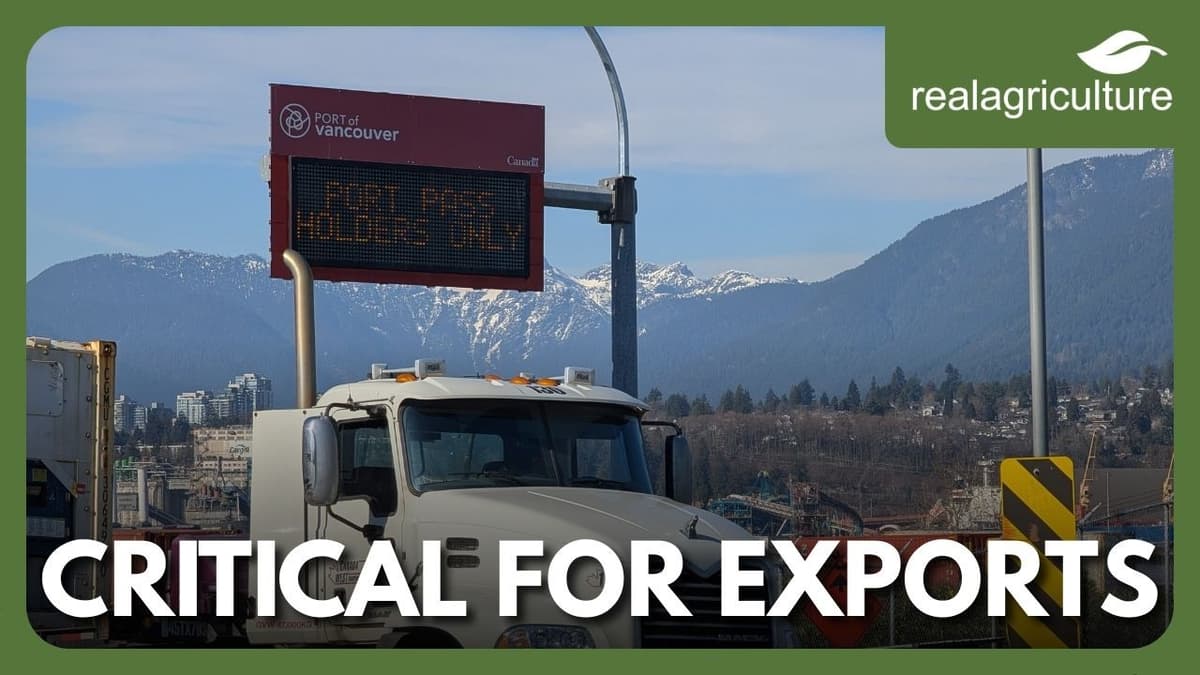
Fertilizer, Grain, and Export Groups Seek Federal Action on Critical Vancouver Export Corridor
A coalition of 28 agricultural and export groups, led by Fertilizer Canada, has written to the prime minister and transport minister warning that the single‑lane Second Narrows rail bridge in Vancouver is a fragile choke point for Canada’s export economy....
Why China Actually Won the Trump Xi Summit
At the Trump-Xi summit, both sides signaled a shift toward forging a “constructive” U.S.-China relationship centered on strategic stability, marking an unusual détente in bilateral ties. Analysts argue the balance of leverage now favors China because it retains dominant control...
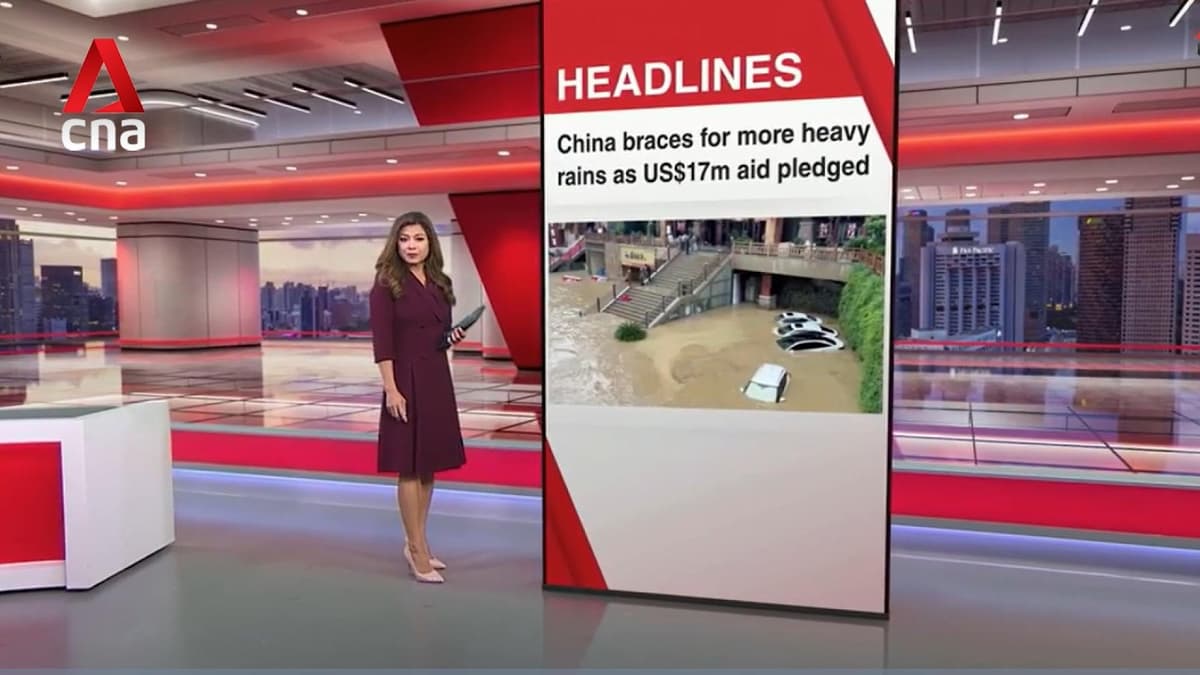
China Turns to Repair and Recovery for Flood-Hit Provinces | East Asia Tonight (May 21)
China moved into recovery mode after a week of intense rains that caused record flooding, landslides and at least 22 deaths across central and southern provinces, with more than 100,000 residents affected and authorities pledging roughly $17.5 million in emergency...
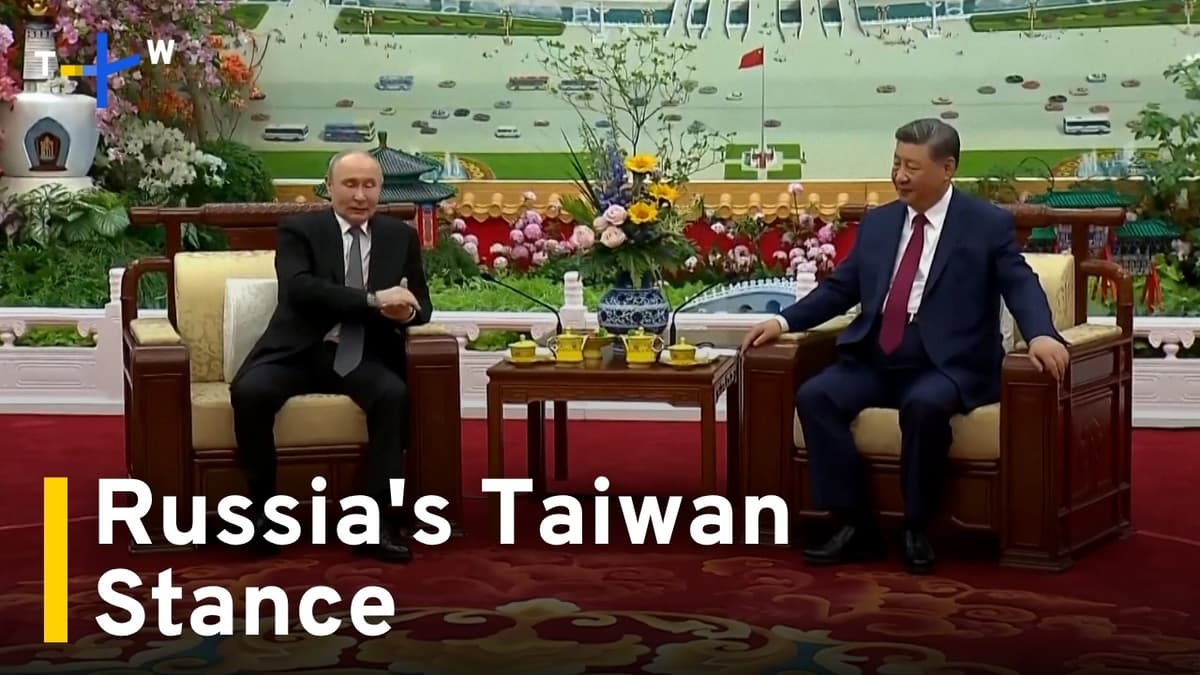
Why Russia Backs Beijing on Taiwan | TaiwanPlus News
At a Beijing summit, Presidents Vladimir Putin and Xi Jinping issued a joint statement affirming that Russia views Taiwan as an inseparable part of China and opposes any form of Taiwanese independence or external interference. Analysts say Moscow’s backing is...
Nvidia Shares Muted After Fluctuation; Iran Assesses Trump's Proposal | Bloomberg Brief 5/21/2026
The Bloomberg Brief opened with a dual focus: Nvidia’s latest earnings report and Iran’s reassessment of a U.S. diplomatic proposal. Nvidia posted a solid beat and raised its dividend, yet the stock opened muted as analysts questioned the sustainability of...
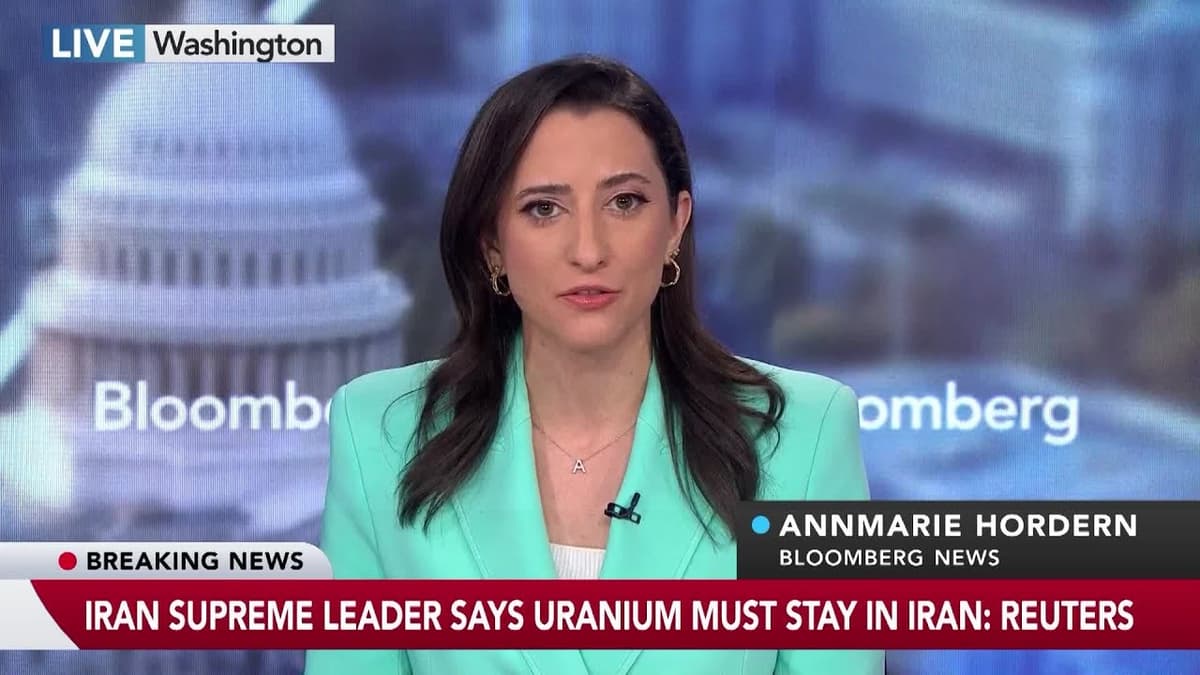
Iran Says Uranium Should Not Be Sent Abroad, Reuters Reports
The video reports that Iran’s supreme leader has declared uranium must stay inside the country, a stance echoed in a Reuters dispatch. The comment comes amid ongoing U.S. negotiations, with President Trump asserting a peace deal with Tehran is in...
Is Now a Good Time for China to Invade Taiwan? || Peter Zeihan
Geopolitical analyst Peter Zeihan argues that while U.S. involvement in a war with Iran and depleted long‑range munitions make a Chinese invasion of Taiwan appear tactically attractive, strategic realities still strongly favor U.S. deterrence. The U.S. currently has a large...
A Conversation With Congressman Michael McCaul
Rep. Michael McCaul said the current Middle East conflict underscores a long-standing U.S. focus on containing Iran’s regional malign activity and nuclear ambitions, arguing recent strikes degraded Tehran’s enrichment capabilities even if the regime remains intact. He warned that Iran’s...
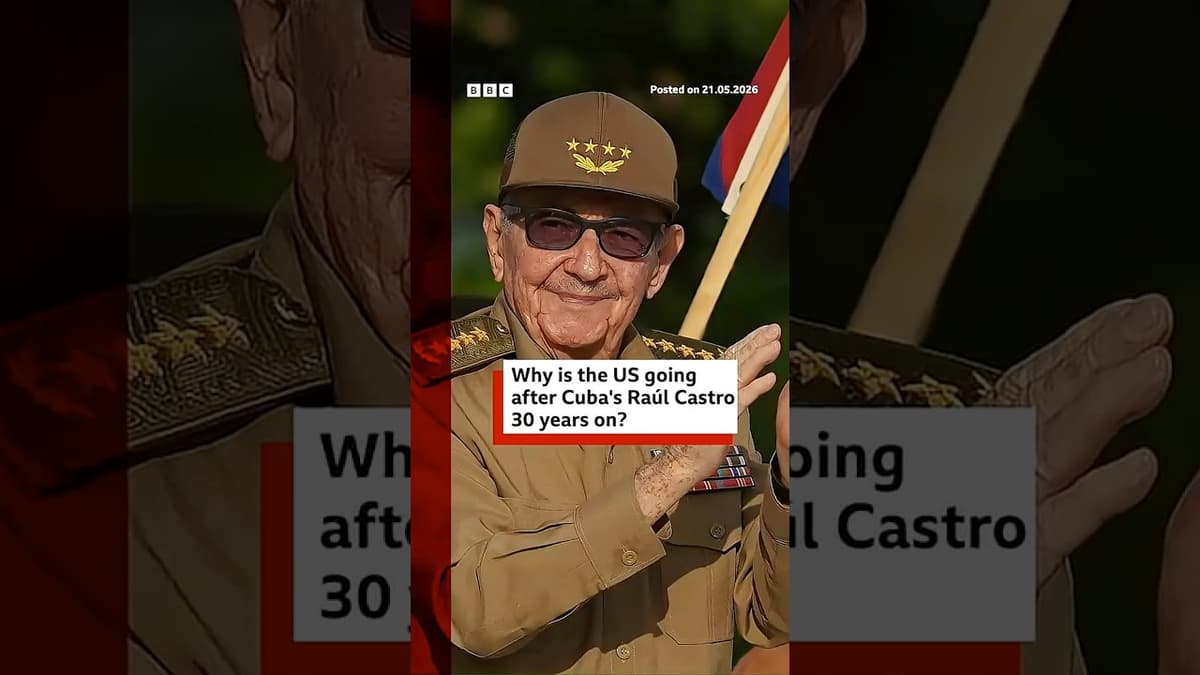
Why Is the US Going After Cuba's Raúl Castro 30 Years On? #Cuba #US #Havana #BBCNews
The US has filed a murder charge against former Cuban leader Raúl Castro over a 1996 episode in which Cuban MiG fighters shot down two civilian planes flown by the US-based group Brothers to the Rescue. Washington alleges Castro, then...

Will Europe Finally Unlock Russia’s Frozen Assets for Ukraine?
The Atlantic Council panel examined whether Europe can finally mobilize the roughly €210 billion in frozen Russian state assets to support Ukraine. Speakers highlighted a new “Russian transfer” proposal that would shift the account – assets and liabilities – from...

How the Aussie Can Gather Momentum and Push Higher
The segment opened with a macro‑level roundup: President Trump warned of a possible U.S. strike on Iran unless a peace deal is reached, while the newly formed Persian Gulf Straight Authority announced a controlled maritime zone. In the United States,...
Solving A Market Mystery (Risk-On Vs. Risk-Off Explained)
Trader Kill Stokes investigates an unexpected surge across Australian-dollar crosses and traces the move to President Trump’s comments suggesting Iran peace talks were in final stages. The remarks eased geopolitical risk, prompting a shift from risk-off to risk-on sentiment that...
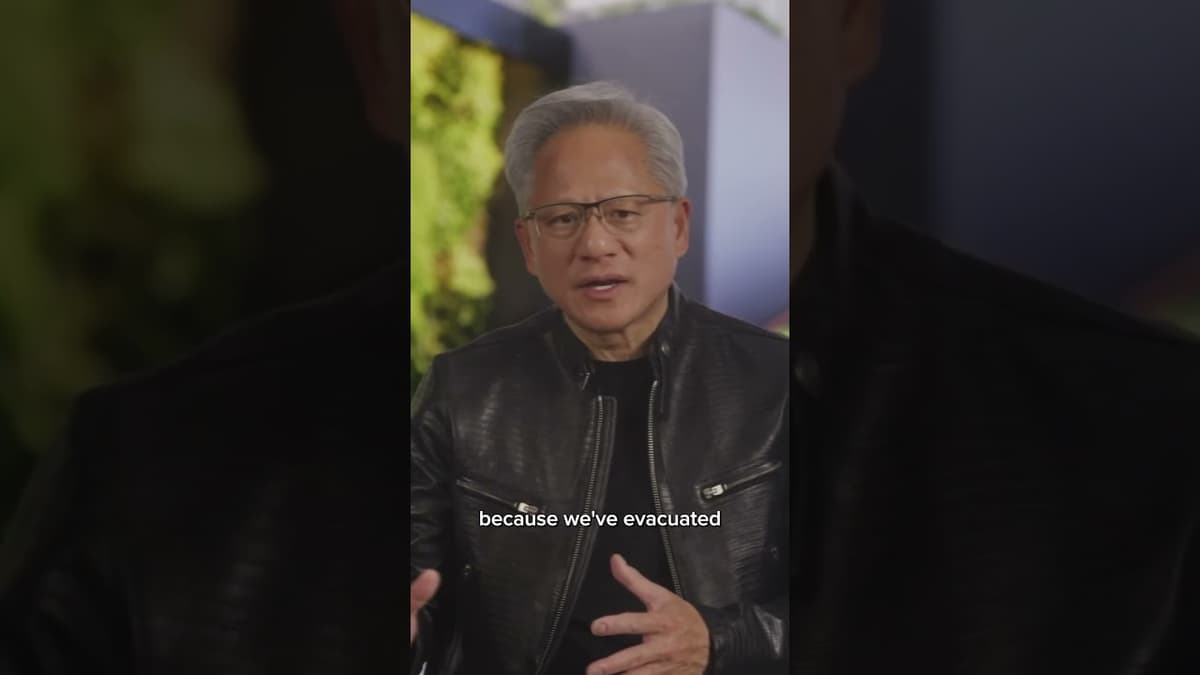
Jensen Huang on U.S.-China Relations Following His Trip with Trump
Jensen Huang, NVIDIA’s CEO, addressed U.S.-China relations after returning from a trip with President Trump, focusing on the stalled approval of the H200 AI accelerator for Chinese customers. He emphasized that neither he nor the company can predict when Chinese...
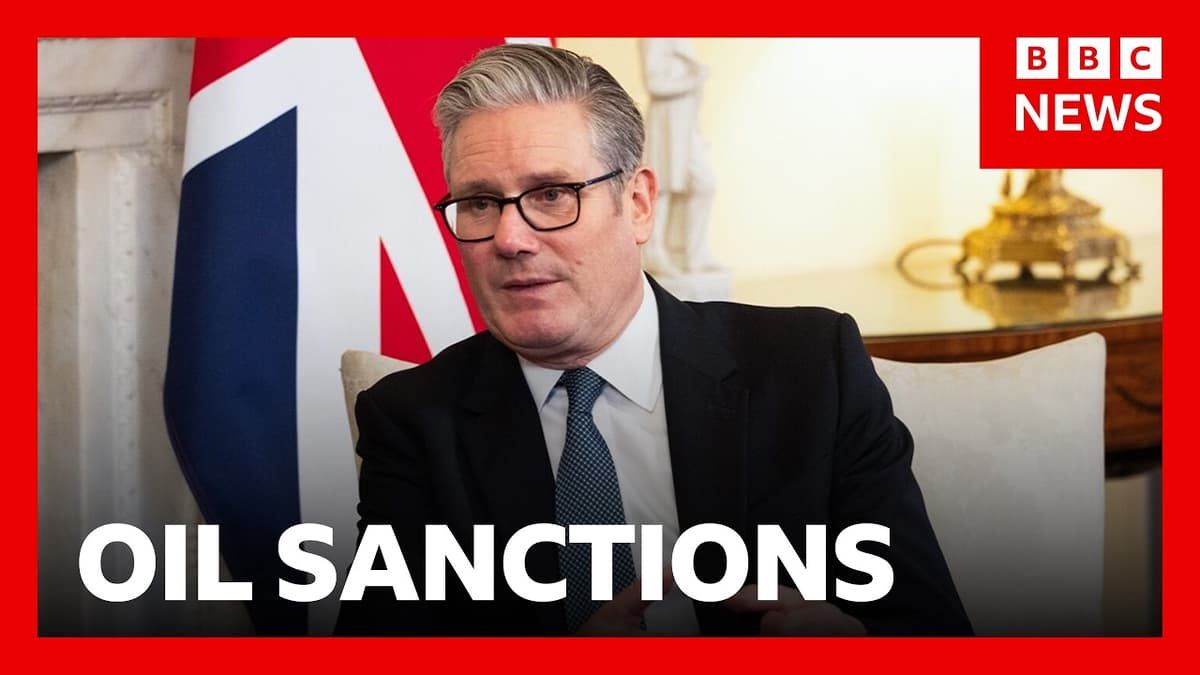
UK Waters Down New Russian Oil Sanctions as Fuel Prices Rise | BBC News
The BBC report focuses on two intertwined developments: the United Kingdom’s decision to relax strict sanctions on Russian‑origin diesel and jet fuel refined abroad, and the ongoing, yet tentative, talks between Moscow and Beijing on the long‑delayed Power of Siberia II...
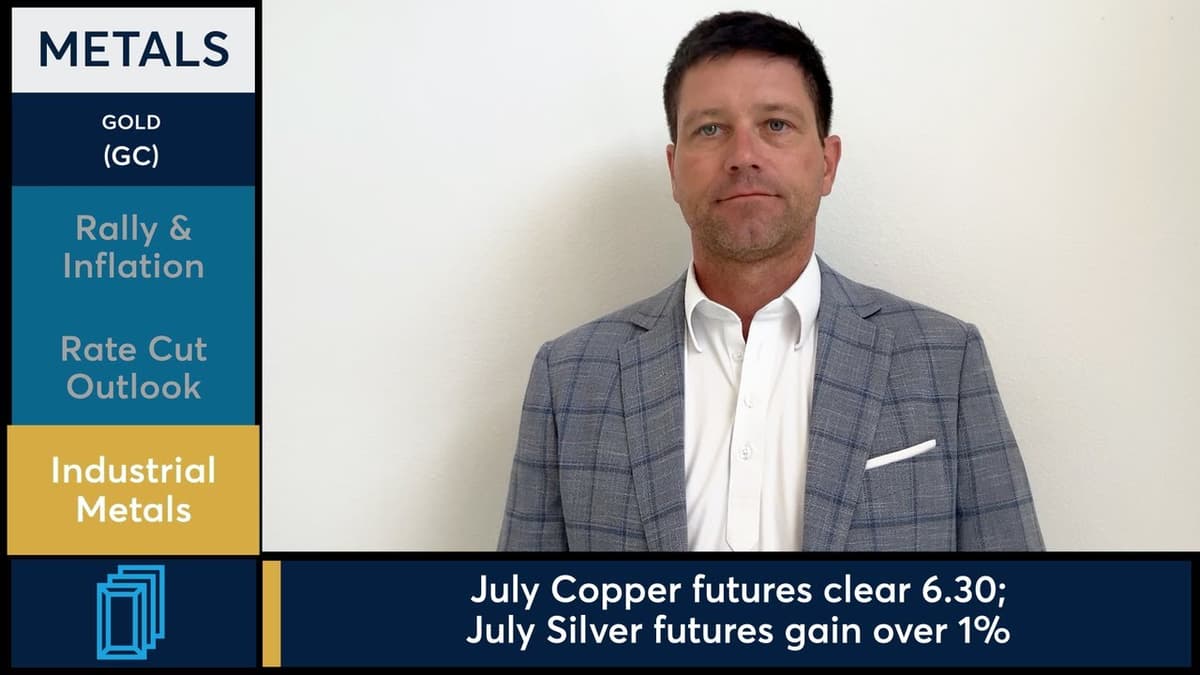
Gold Futures Climbed Toward 4,550 on Shifting Macro Data. 5/20/26
Gold futures rallied toward $4,550 as easing Iran tensions, a drop in yields and weaker crude oil lifted bullion toward the top of last week’s range. A softer dollar on reports of U.S.-Iran talks added to the bid, even as...
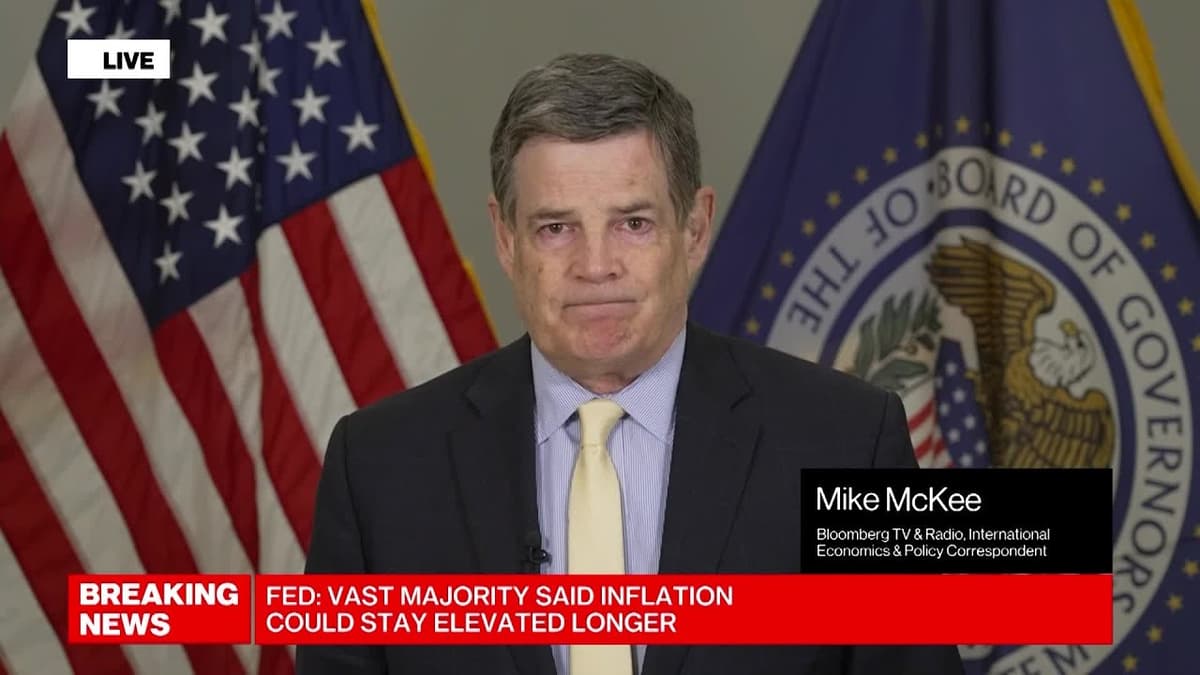
Fed Minutes Show More Officials Warned of Rate-Hike Scenario
The Federal Reserve’s minutes from Chairman Jerome Powell’s final meeting highlighted that officials are more concerned about a prolonged Middle‑East war and its inflationary fallout than markets had anticipated. The staff noted that high energy prices, lingering tariff pressures, and the...
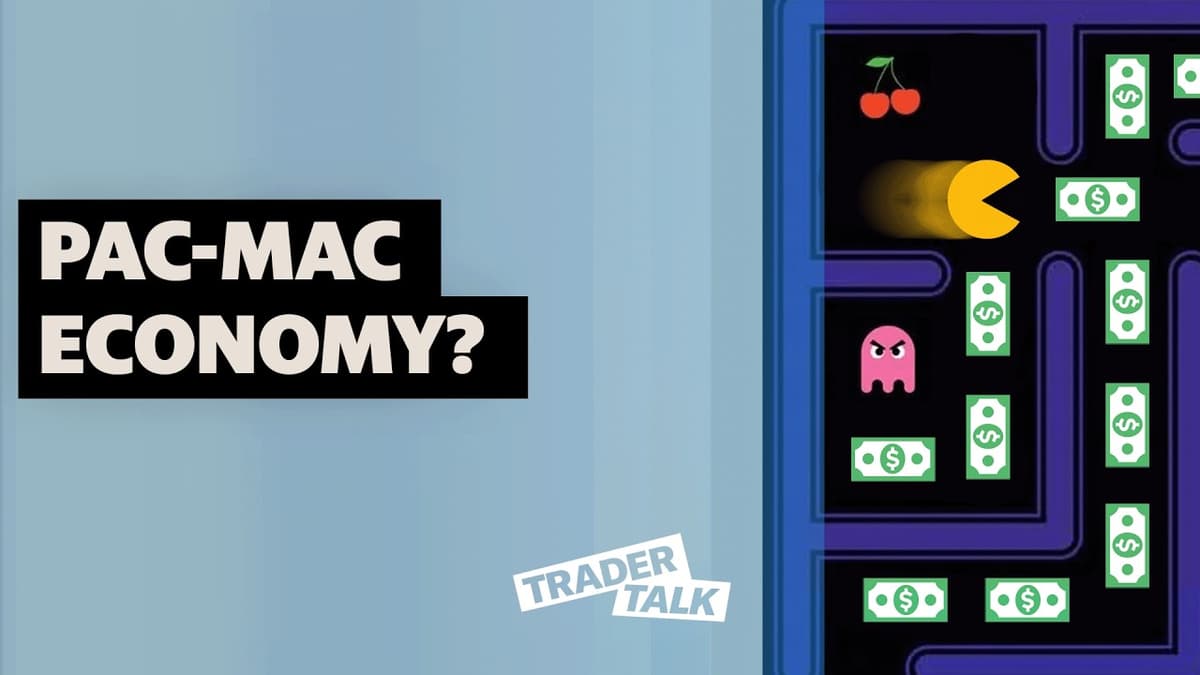
Forget K-Shaped, This Is a Pac-Man Economy.
Speakers on Trader Talk said Q1 showed a rebound in consumer volumes—not just pricing—driven by brand loyalty and premiumization, with CPGs like Pepsi and P&G reporting stronger transactions. PwC’s chief economist described the recovery as a “Pac-Man” economy—low- and mid-income...
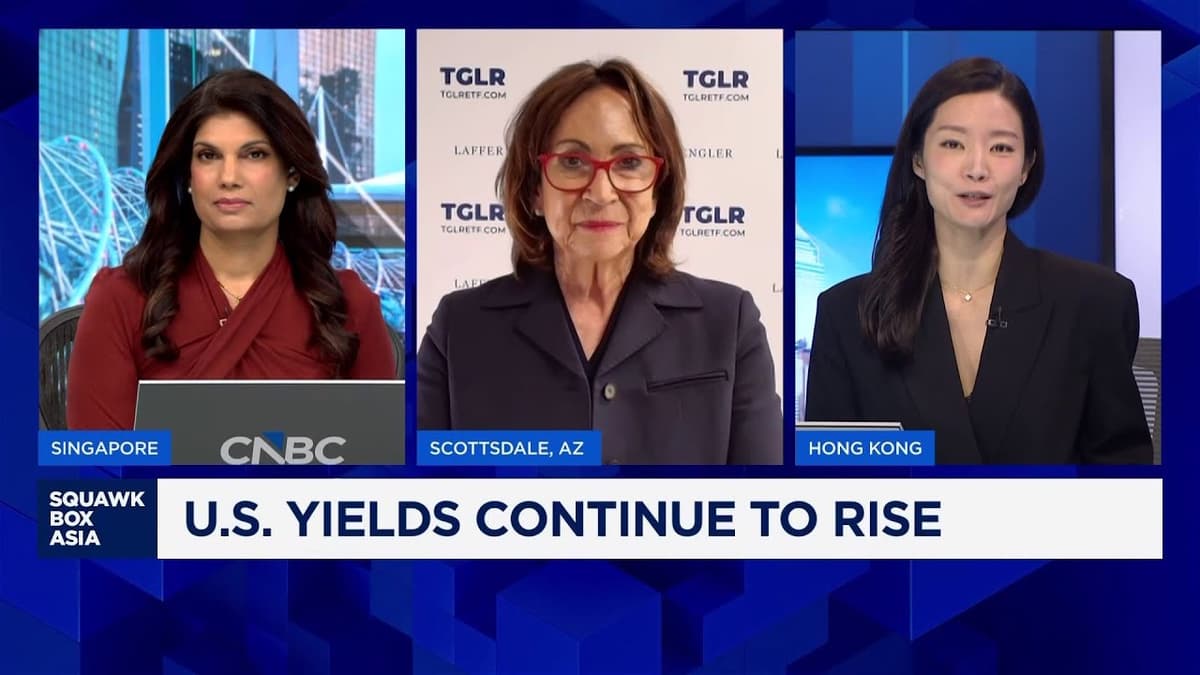
A 10-15% Market Correction Is Likely Given the Oil Shock and New Fed Governor: CIO
CIO Nancy cautioned that a 10–15% equity market correction is likely as rising bond yields, an oil supply shock and a more hawkish tone from new Fed governors increase downside risk. She warned yields above the mid‑5% range would justify...
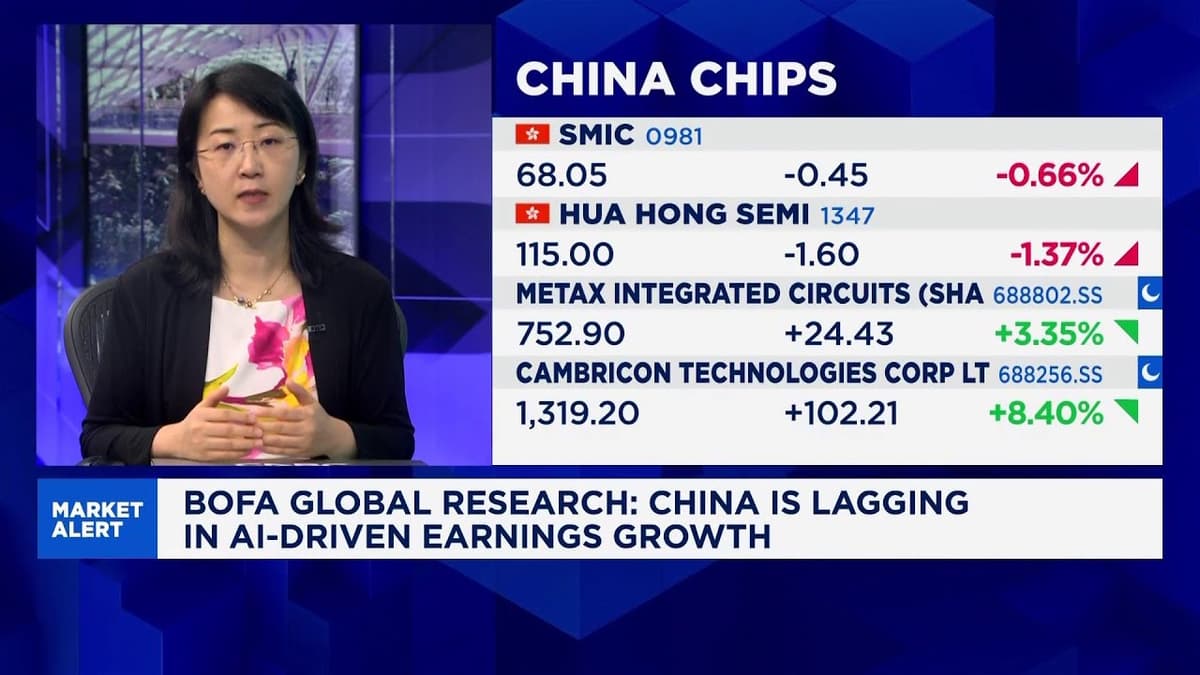
The China Market Is Under-Owned, but Increasingly Divided: BofA Securities
Bank of America Securities warned that China’s equity market remains under‑owned and increasingly fragmented. International capital is fleeing to Korea and Taiwan, while the Hong Kong‑listed MSCI China index lags behind peers, its weight dropping from over 30% to...
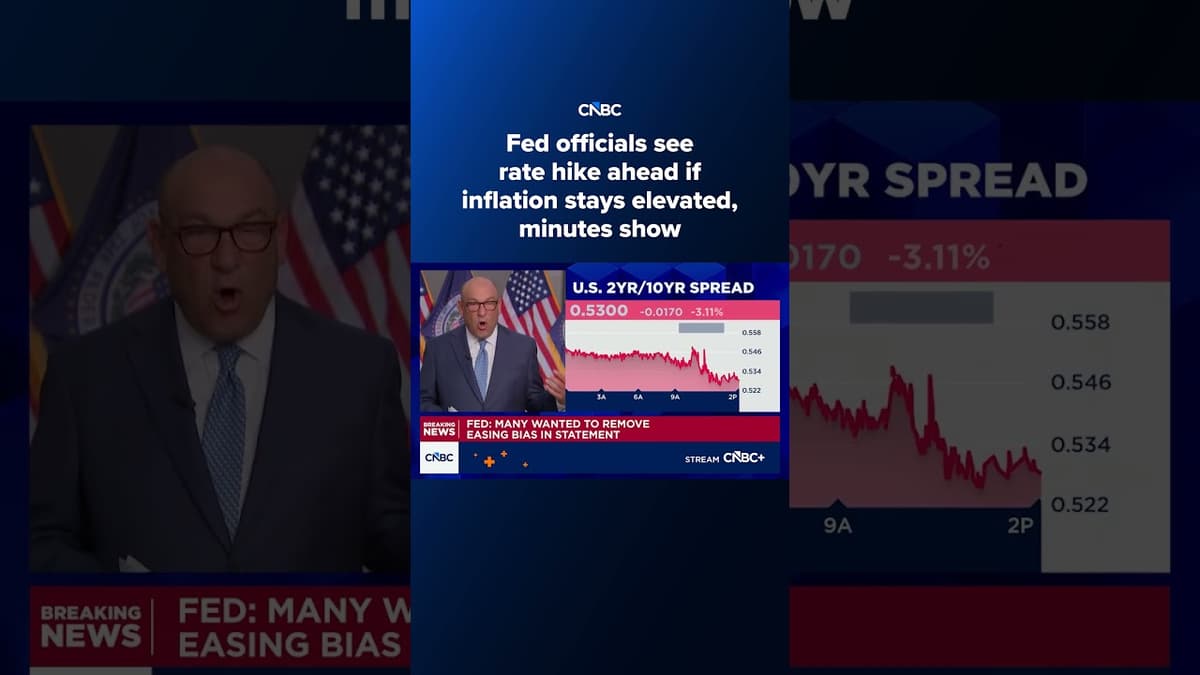
Fed Officials See Rate Hike Ahead if Inflation Stays Elevated, Minutes Show
The April Federal Reserve minutes revealed a decidedly hawkish tilt, with the majority of voting members signaling readiness to raise rates if inflation remains persistently above the 2% target. Chair Powell’s last meeting before the summer session showed a push...

Wage Earners Have No Chance
The speaker argues that rising inflation and an anticipated Federal Reserve rate hike will squeeze wage earners, even as consumers pull back from spending. Retail indicators like Home Depot signal weaker consumer confidence and widespread project delays as households postpone...
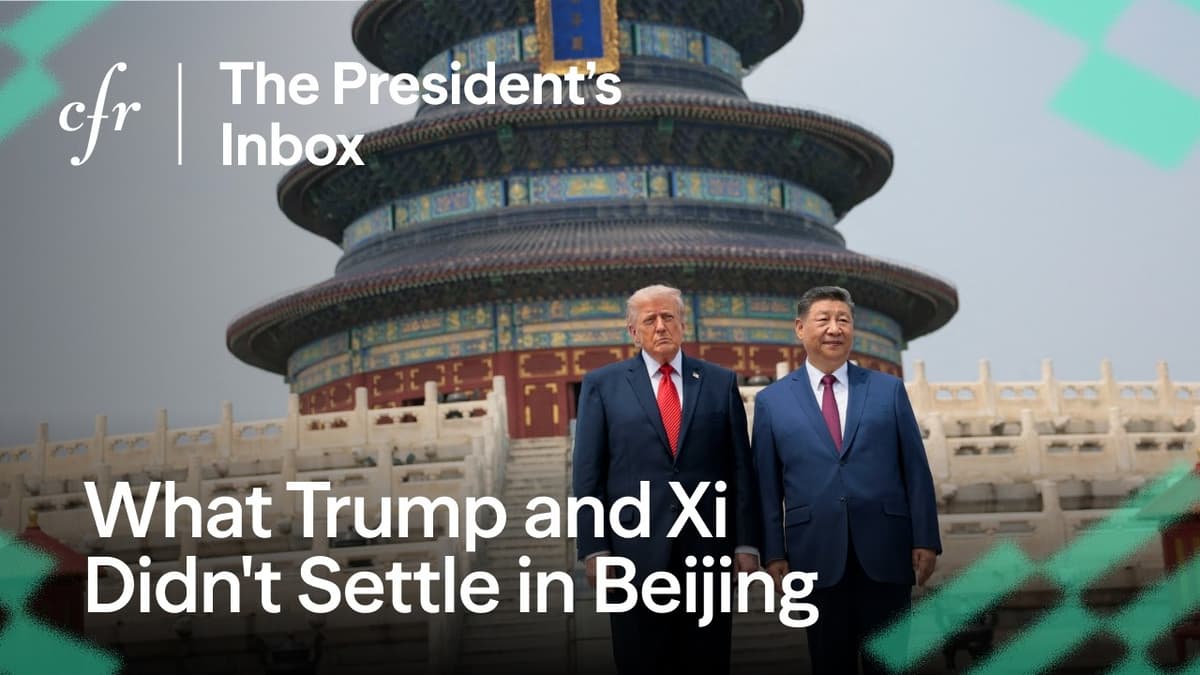
What Trump and Xi Didn't Settle in Beijing, With Nicholas Burns | The President’s Inbox
President Trump’s two-day summit with Xi Jinping produced a visible cooling of tensions and a cautious resumption of economic engagement, including Chinese commitments to boost U.S. agricultural purchases (about $17 billion for the rest of the year and $25 billion...
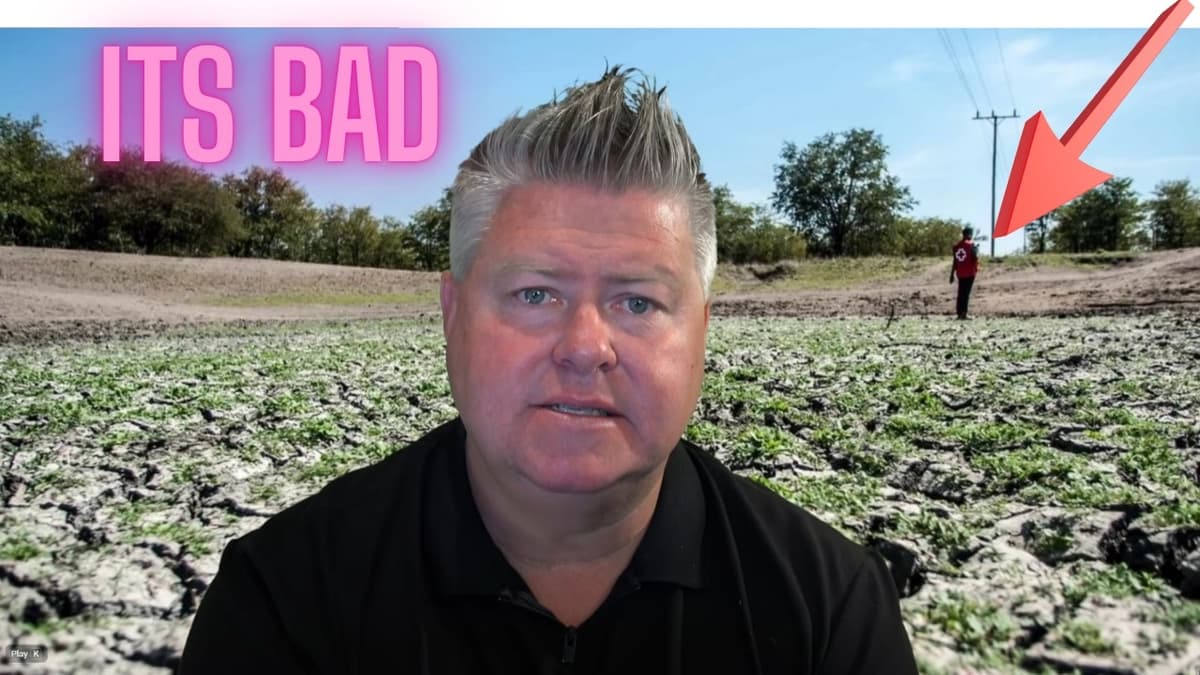
South Africa's Food Crisis May Become A Worldwide Event
A commentary warns South Africa is facing a severe food shortage driven by contested land reforms and violent pressure on commercial farmers, which the narrator says has reduced agricultural production after white-owned farms were seized or forced into sale. The...

Everything Traders Believed Last Month Is Changing
Markets are recalibrating as sticky inflation, higher Treasury yields and rising geopolitical risks push investors to accept that interest rates may remain elevated longer than expected — and could even climb further if inflation accelerates. The Fed’s cautious stance has...
Can Anyone Catch China's Clean Tech Lead? Ep258: Bryony Worthington & Michael Liebreich
The episode examines China’s dominant position in clean‑technology manufacturing and the broader geopolitical forces reshaping global energy markets. Bryony Worthington and Michael Liebreich debate whether countries should protect domestic supply chains or rely on low‑cost Chinese imports, especially as oil...

Venezuela, Iran and the US-China Resource War
The video examines the emerging resource war between the United States and China, using Venezuela’s oil crisis and Iran’s isolation as case studies to illustrate how control of energy and mineral supplies is reshaping geopolitical calculations. It notes that the U.S....
Japanese Bond Yields Are Rising and It Might Take Down the Stock Market with It
Investors have long sustained US stocks, Treasuries and emerging markets through a roughly $500 billion yen carry trade—borrowing near-zero yen, converting to dollars and investing abroad. That dynamic is unraveling as the Bank of Japan has rapidly tightened policy, lifting...

Canada Diversifies Its Strategic Partnerships. Here’s Why: | DW News
Canada is actively reshaping its foreign policy through a strategy known as “hedging,” seeking to diversify diplomatic, defense, and trade relationships beyond its traditional reliance on the United States. Prime Minister Justin Carney’s recent invitation to the European Political Community summit...
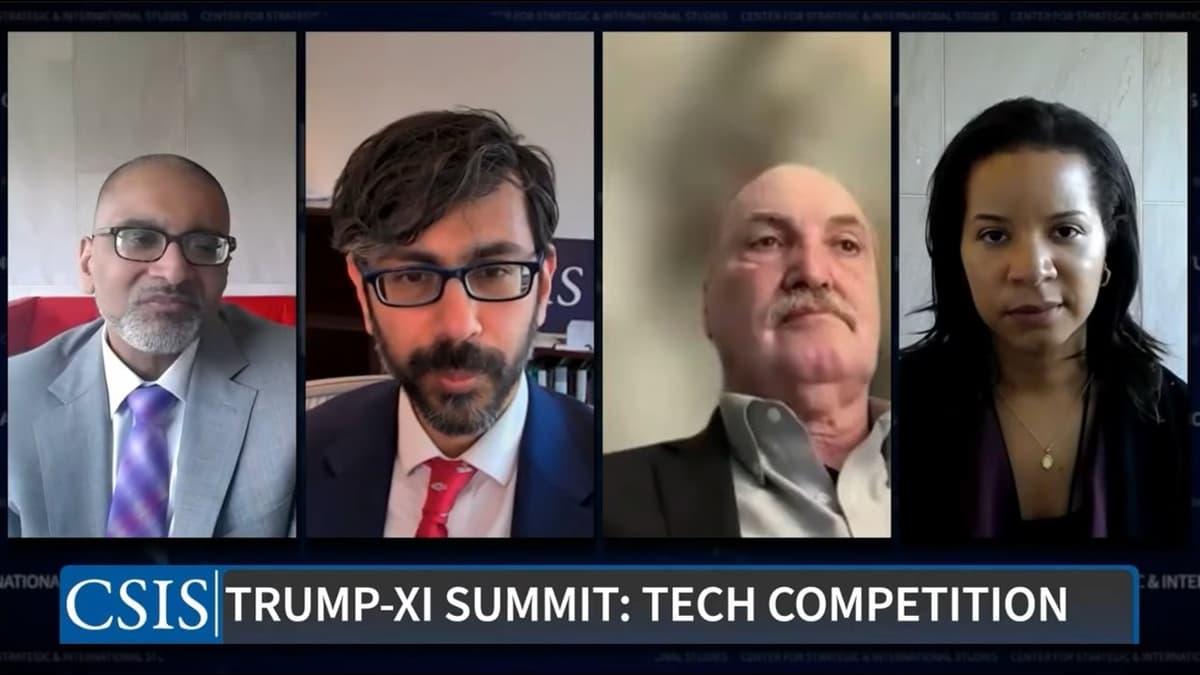
EST Rapid Roundup: Unpacking the Trump-Xi Summit Pt.2 - Tech Competition
At the Trump-Xi summit in Beijing, high-profile U.S. CEOs accompanied President Trump but produced few concrete technology agreements; the official readouts were sparse while underlying U.S.-China competition on AI, semiconductors, and cyber persisted. CSIS experts said expectations were low—China did...
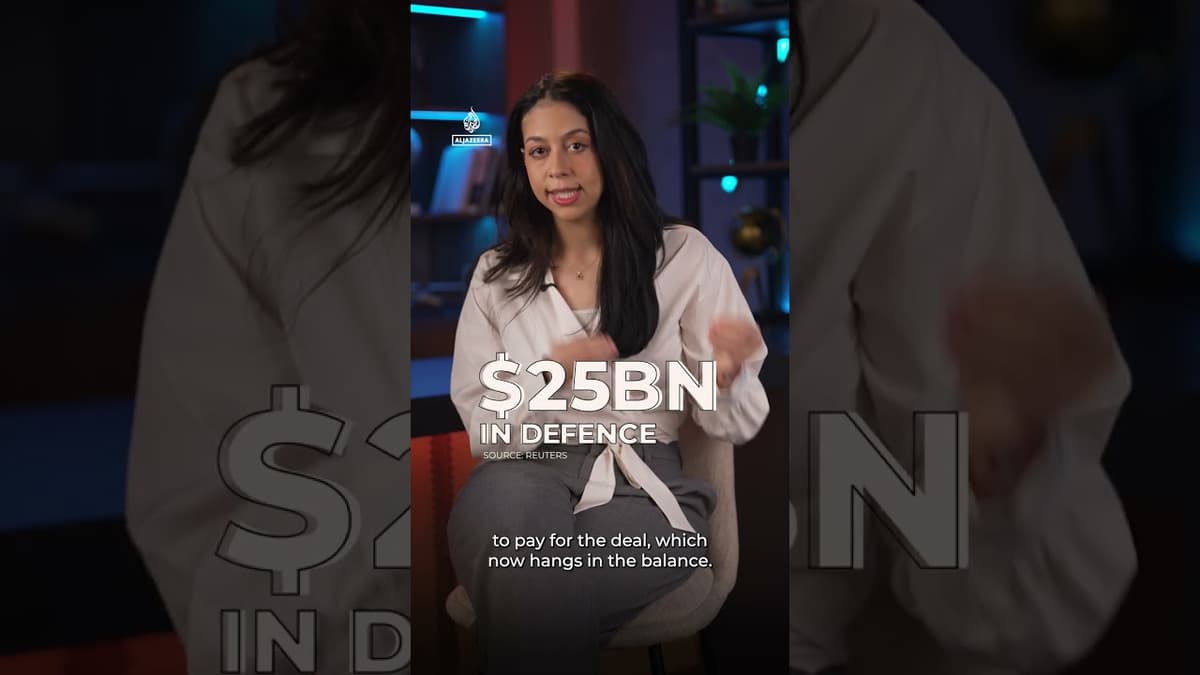
Will Trump Kill the $14bn Taiwan Arms Deal?
President Donald Trump has yet to endorse a $14 billion weapons package for Taiwan that Congress cleared earlier this year, leaving the deal in limbo after his recent China visit. The uncertainty comes despite Taiwan’s strategic value as the world’s leading...
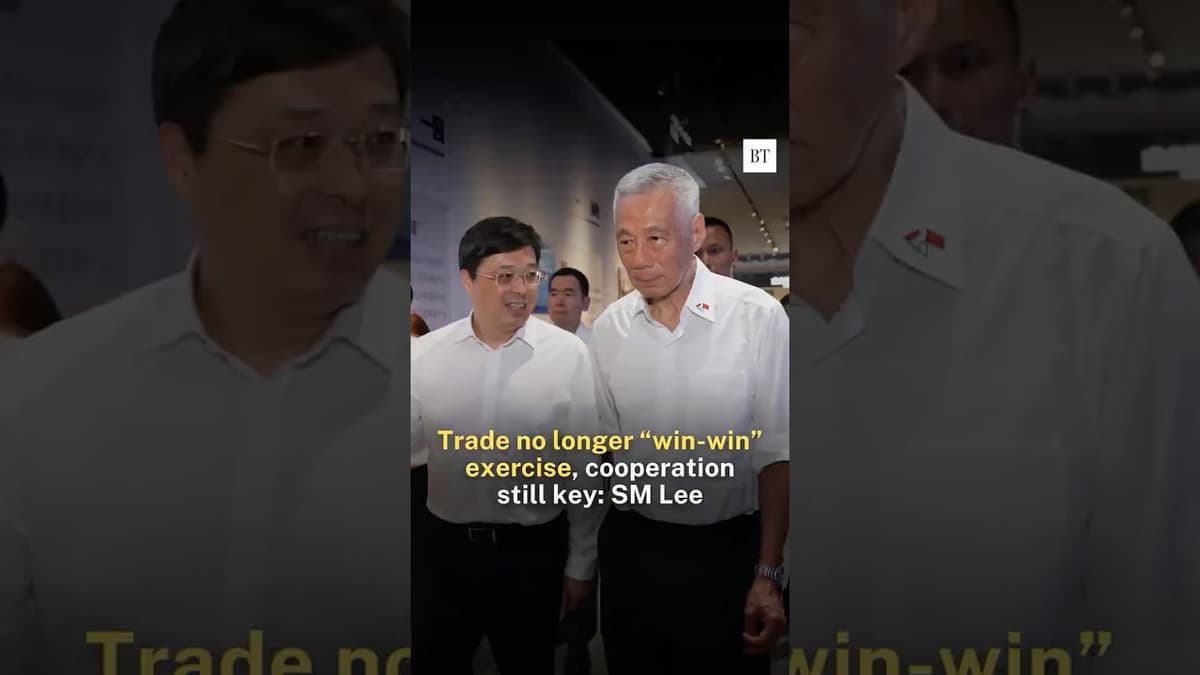
Trade No Longer “Win-Win” Exercise, Cooperation Still Key: SM Lee
Senior Minister Lee warned that global trade has shifted from a straightforward "win-win" proposition to a fraught arena entangled with security, resilience and rivalry concerns, as well as worries about vulnerability. He acknowledged that trade is not always mutually beneficial...

Karen Puskovitz: How Virtual Accounts Are Unlocking the Asia-to-LATAM Payment Corridor
Karen Puskovitz opened the discussion by highlighting a surge in cross‑border transactions from Asia to Latin America, describing the corridor as one of the fastest‑growing payment pathways in the global fintech landscape. She emphasized that virtual accounts are the single biggest...
The Future of American Strategy Starts Now
A period of historic geopolitical change is forcing a rethink of U.S. strategy as old assumptions about trade, alliances and influence erode. Risks include technological and economic dependence on China, a shifting balance in the Middle East, and growing competition...
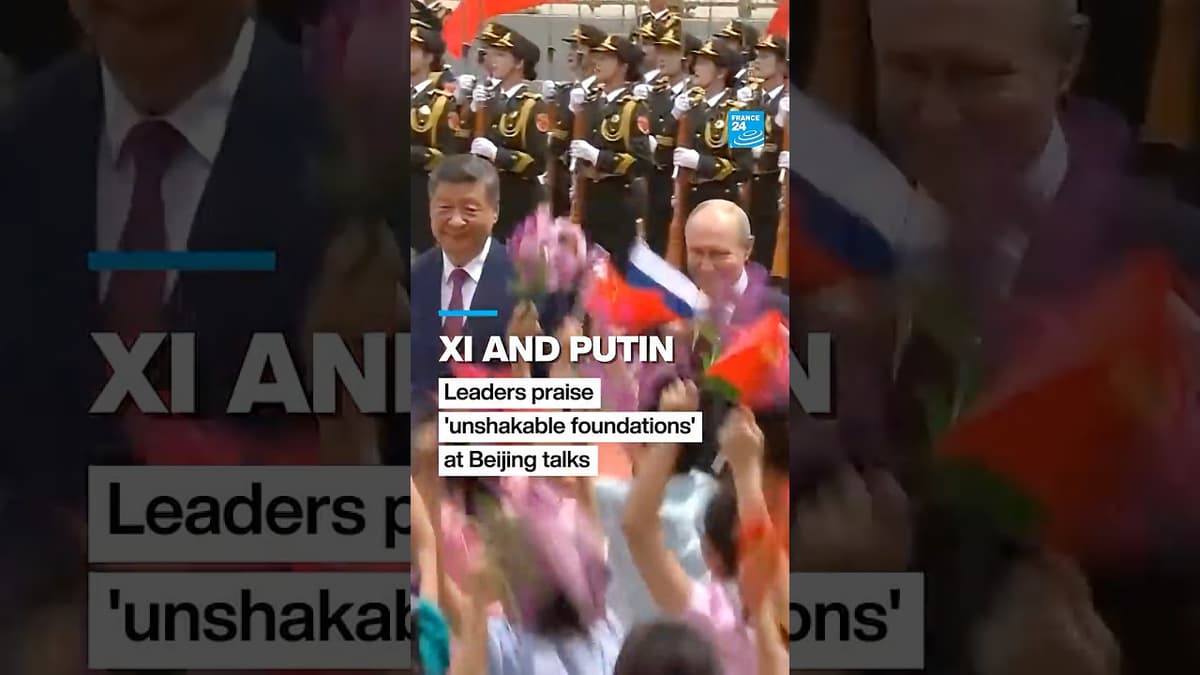
Xi and Putin - Leaders Praise 'Unshakable Foundations' At Beijing Talks • FRANCE 24 English
Chinese President Xi Jinping and Russian President Vladimir Putin met in Beijing to laud the "unshakable foundations" of bilateral ties, emphasizing mutual prosperity and deepening strategic cooperation. Both leaders highlighted plans to continue and secure uninterrupted supplies of Russian fuel...
Using U.S. Energy as Leverage || Peter Zeihan
Peter Zeihan warns that the United States could weaponize its growing liquefied natural gas (LNG) capacity against Europe if trade talks falter. The U.S. now ships roughly 12 billion cubic feet of LNG daily, supplying about 30% of the EU’s gas...
Financial Market Preview - Wednesday 20-May
S&P futures point to a modestly higher U.S. open while Asian and European equities trade lower amid profit-taking in semiconductors and renewed macro pressure. South Korea’s Kospi is under particular stress after Samsung Electronics workers approved a strike over bonus...
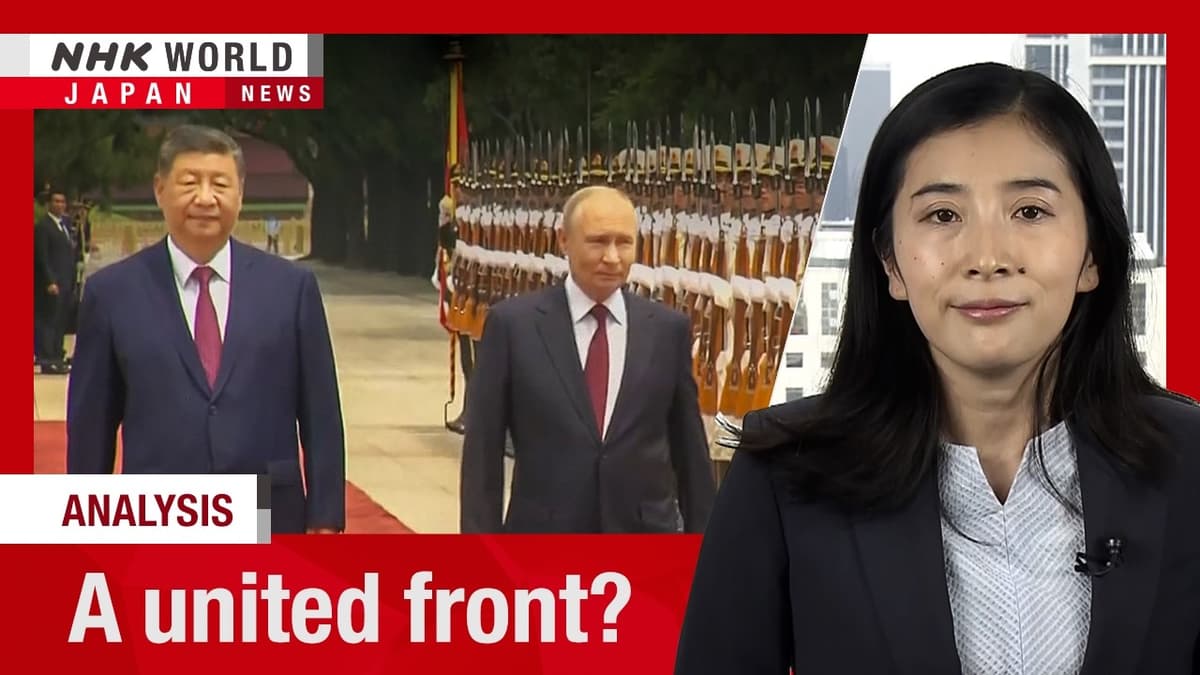
Analysis: What China, Russia Stand to Gain From Their SummitーNHK WORLD-JAPAN NEWS
Chinese President Xi Jinping hosted Russian President Vladimir Putin in Beijing for their first in-person talks since September, coming days after a US-China summit. Both leaders framed the meeting as a joint pushback against a Western-led international order, while also...
European Bond Sell-Off Gathers Pace
European bond markets are in the midst of a broad sell-off as investors reassess inflation risks and central bank policy paths. UK April CPI unexpectedly eased to 2.8% year‑over‑year—below consensus—driven largely by a lower energy price cap and weaker services...
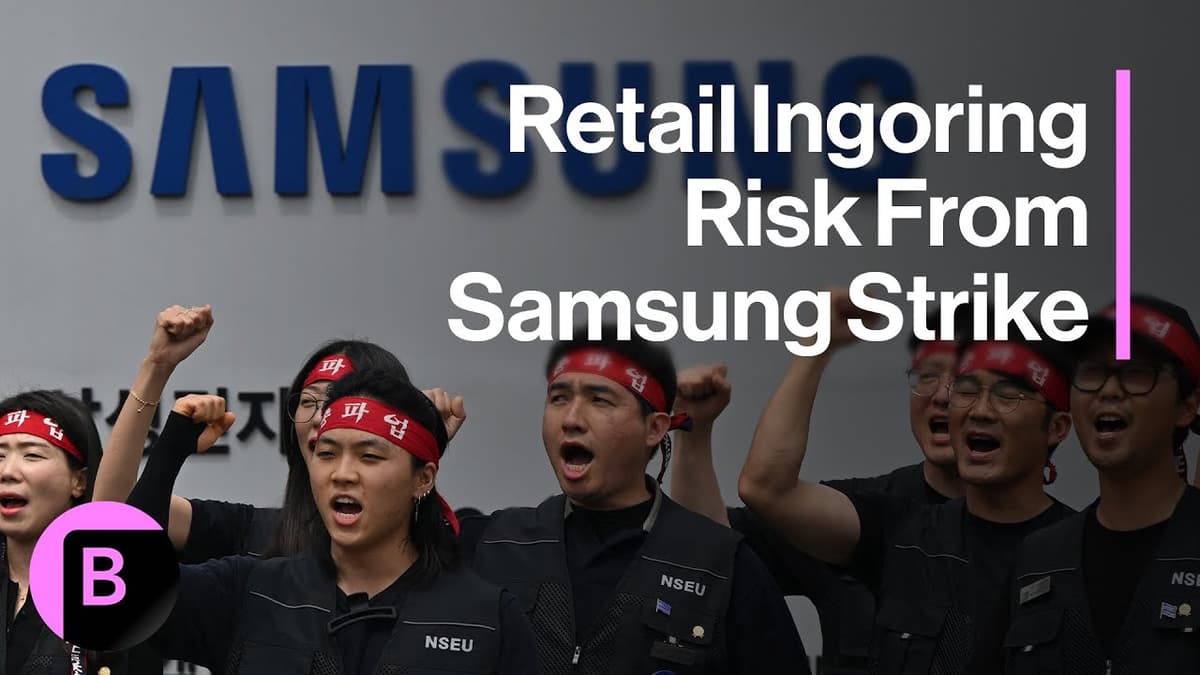
Retail Ignoring Risk From Samsung Strike: 3-Minutes MLIV
Markets are wrestling with rising yields and a steepening bond curve as investors price in less central-bank intervention, raising concerns about tightening financial conditions and a prolonged equity downturn. Separately, a potential strike at Samsung — along with SK Hynix...
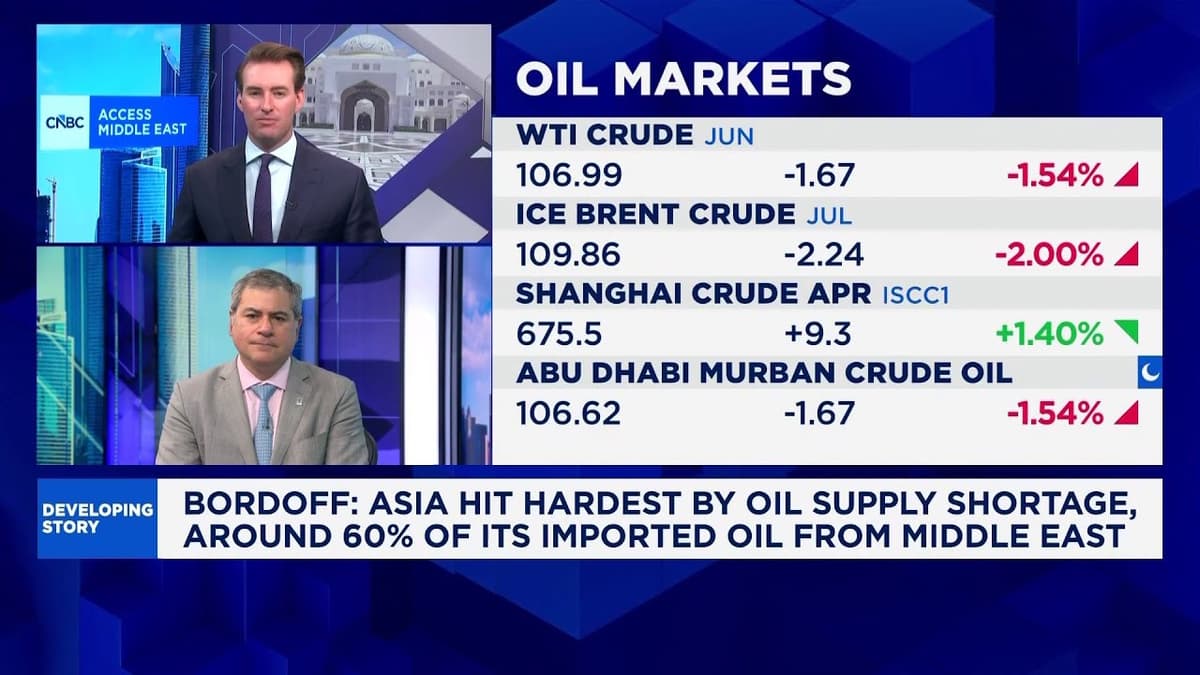
Iran Has a 'Powerful Weapon' In Strait of Hormuz: Expert
The video focuses on Iran’s ongoing blockade of the Strait of Hormuz, described by the expert as a “powerful weapon” that could choke a critical artery for world oil supplies. With roughly 14‑15 million barrels per day at risk, inventories are projected...
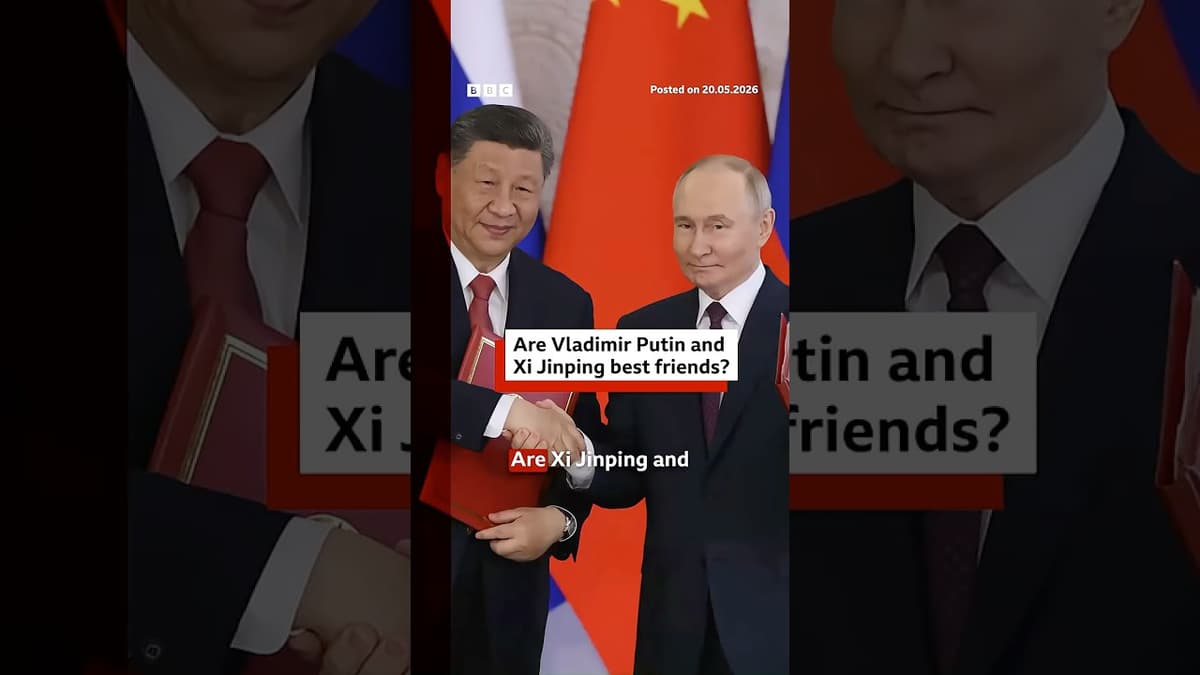
Are Xi and Putin Best Friends, or Is It Just Geopolitics? #BBCNews
Chinese leader Xi Jinping and Russian president Vladimir Putin project a close partnership—meeting over 40 times and publicly declaring a ‘no limits’ relationship—but the alliance is asymmetric and driven by geopolitics. Russia depends heavily on China for trade and energy...
Rethinking India’s Growth Story
The podcast "Rethinking India’s Growth Story" spotlights a new working paper that argues India’s official GDP numbers have been systematically mis‑measured. Using the 2011 base‑year revision as a dividing line, the authors find that growth from 2005‑2011 was under‑stated,...
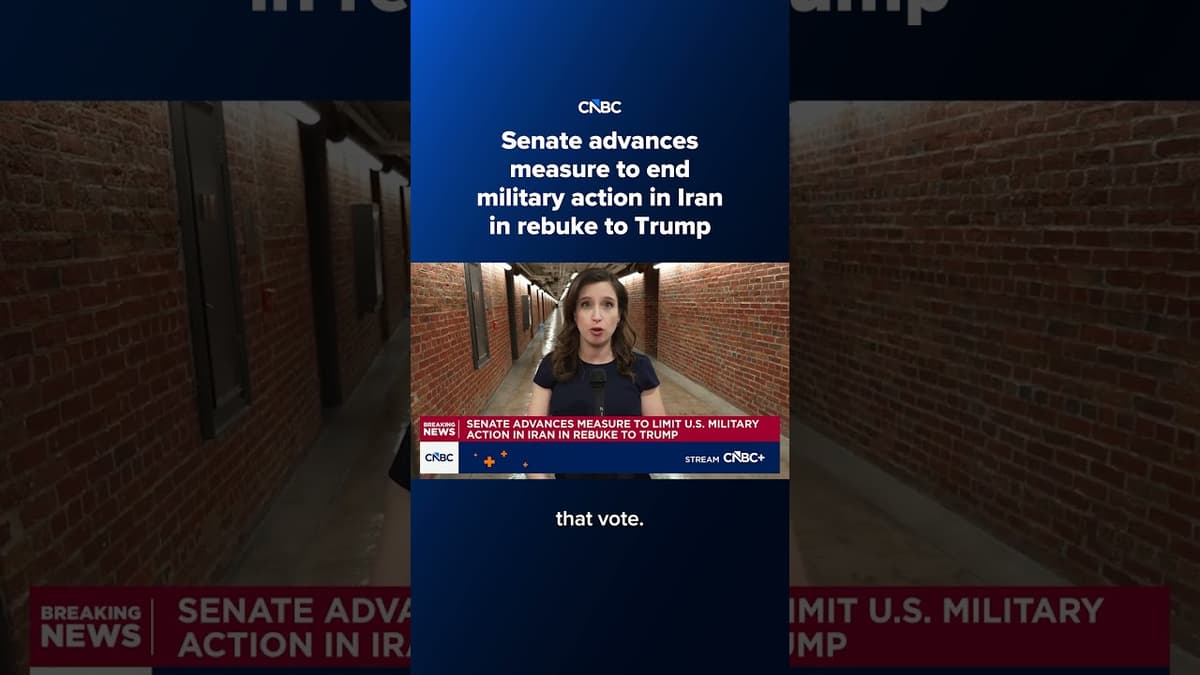
Senate Advances Measure to End Military Action in Iran in Rebuke to Trump
The Senate advanced a War Powers resolution aimed at restricting President Trump’s ability to launch strikes on Iran without further congressional approval, marking the first time in eight attempts the measure has mustered enough votes to move forward. The procedural...
China Sends HUGE WARNING To Financial System & Its SPREADING To The Rest of The World
China’s economy is spiraling deeper into recession, with retail sales hitting the weakest month since the COVID‑19 lockdowns and fixed‑asset investment sharply contracting. Industrial production, once a bright spot, has stalled, while home prices have declined for a 12th consecutive...
Even if This War Were to End Today, What Sort of System-Wide Effects Are Already Locked In?
Energy experts warn that the impacts of the current conflict on global oil and energy systems are effectively locked in, even if hostilities ceased immediately. Analysts differ mainly on the timing and severity of those effects, but agree the disruption...