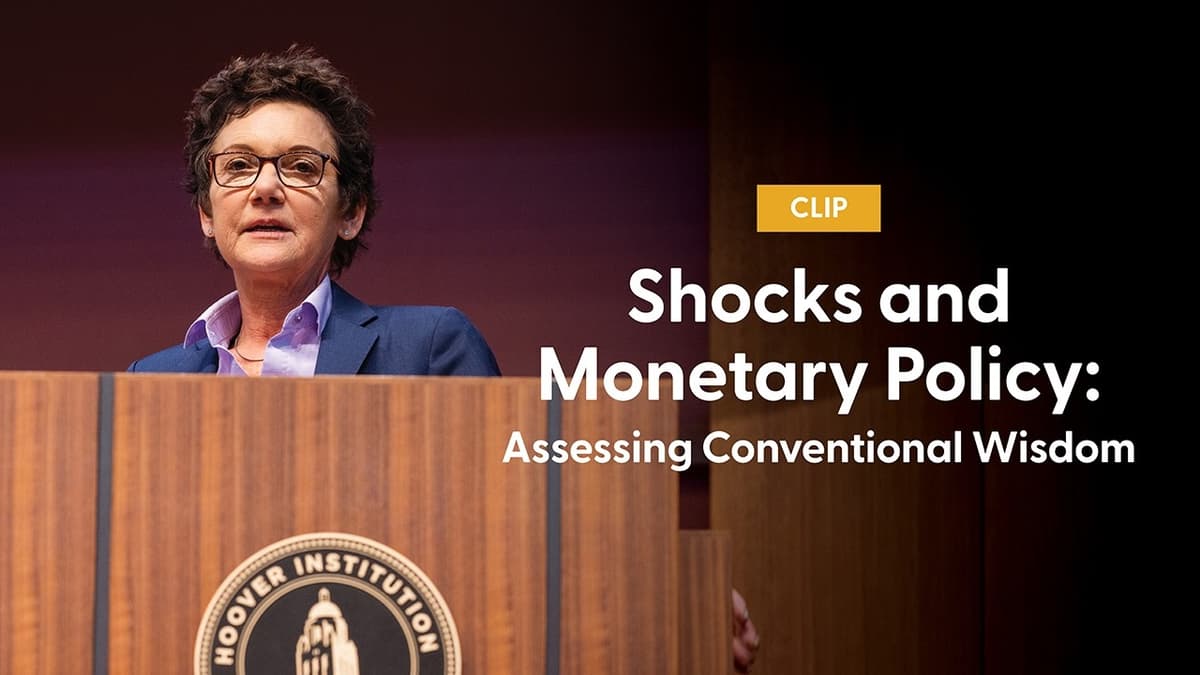
SF Fed’s Mary C. Daly on Economic Shocks, Inflation, and Monetary Policy
In a recent Hoover policy panel, San Francisco Fed President Mary C. Daly examined how policymakers assess economic shocks and decide whether to look through or react. She argued that the traditional split—identifying a shock as supply‑ or demand‑driven and judging its persistence—often fails, as illustrated by the pandemic’s “transitory” inflation that proved persistent. Daly recounted the Fed’s response to the Global Financial Crisis, when analysts built labor‑market heat maps and dashboards to distinguish cyclical from structural factors. By aggregating dozens of indicators, they revised the natural rate of unemployment down to roughly 5.6%, showing that workers could shift industries more readily than models suggested. Applying that lesson to inflation, Daly described a new inflation dashboard that breaks price growth into demand‑driven, supply‑driven, and momentum components, and tracks sector‑specific pressures such as tariffs and oil price spikes. Early red flags on the dashboard helped the Fed gain confidence that tariff‑driven price rises were likely temporary, while oil‑related pressures warranted closer monitoring. The overarching message is that models provide a baseline, but disciplined, data‑rich analysis—combined with real‑world business insights—offers a clearer view of shock persistence. This approach improves the Fed’s ability to anticipate inflation dynamics and adjust monetary policy before pressures become entrenched.

The IMF’s Kristalina Georgieva on Energy Prices, Inflation, and AI
The International Monetary Fund’s managing director Kristalina Georgieva addressed a Europe‑Gulf forum in Greece, highlighting how soaring energy prices, persistent inflation and the rise of artificial intelligence are reshaping the global economy. She underscored a new multipolar reality where Europe...

Cutting Rates Won't Work
The video argues that while the Fed can technically cut rates, it can no longer stimulate the economy by doing so because the neutral interest rate (R*) has risen and the policy rate is constrained by the zero lower bound....
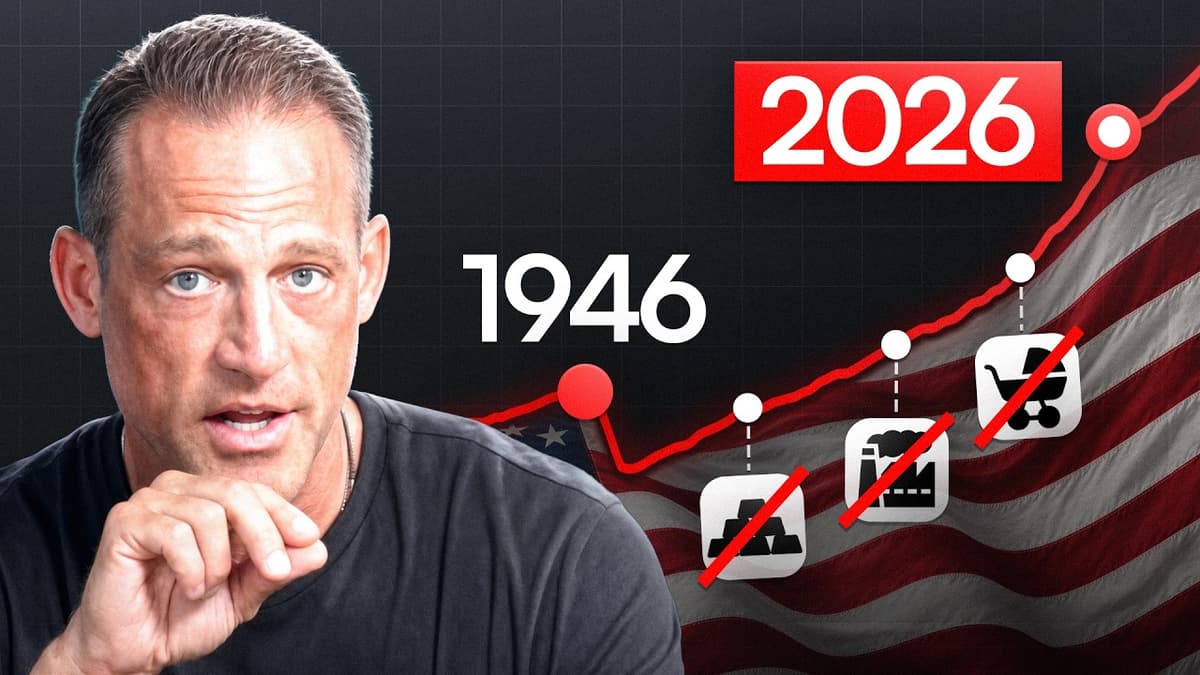
3 Things Saved America From Debt in 1946... All 3 Just Reversed.
Publicly held U.S. debt has topped 100% of GDP for the first time since 1946, rekindling comparisons to the post‑World War II era but with a crucial difference: the three structural tailwinds that enabled rapid debt reduction then have reversed....
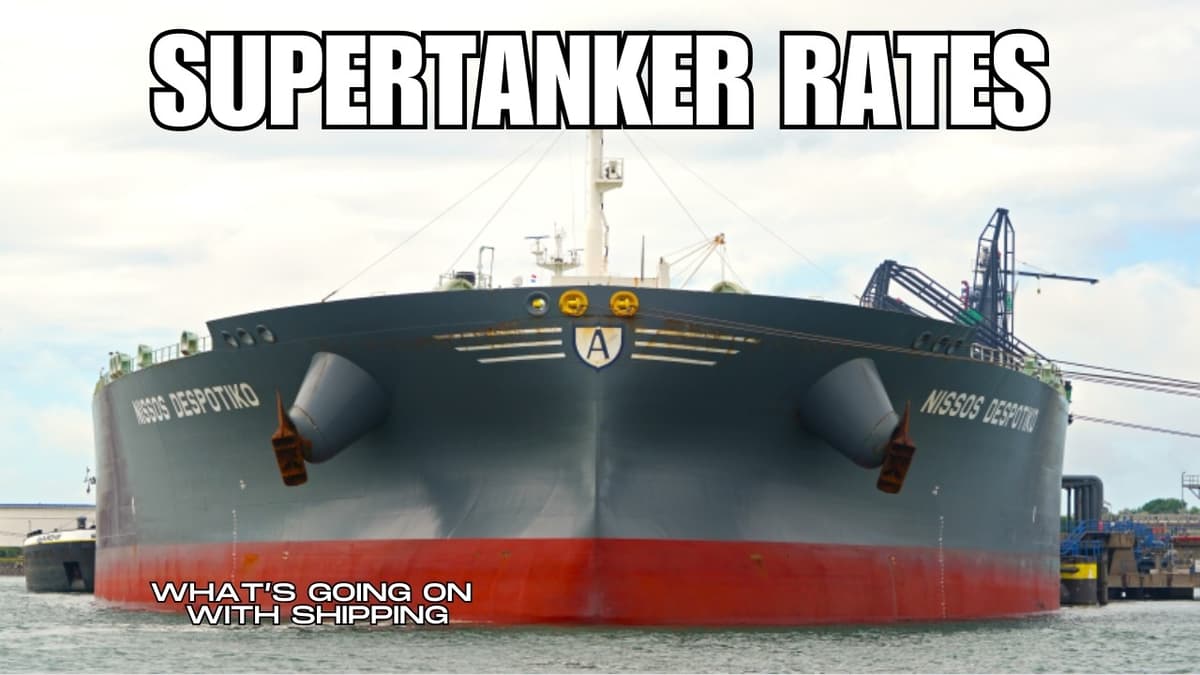
The Hormuz Effect: Why Supertanker Volumes Dropped 36% & Stocks Are Sliding
The episode examines how the effective closure of the Strait of Hormuz has reshaped the global supertanker market, focusing on a 36% drop in very large crude carrier (VLCC) volumes and the subsequent softening of freight rates. It breaks down...
Why Is the Stockmarket Ignoring Reality? | The Economist
Global equity markets have rallied strongly in recent weeks, with investor optimism reaching levels last seen during the late-1990s dotcom boom, despite an ongoing Iran-related energy shock that has tightened supplies and disrupted supply chains. Corporate earnings have been robust...
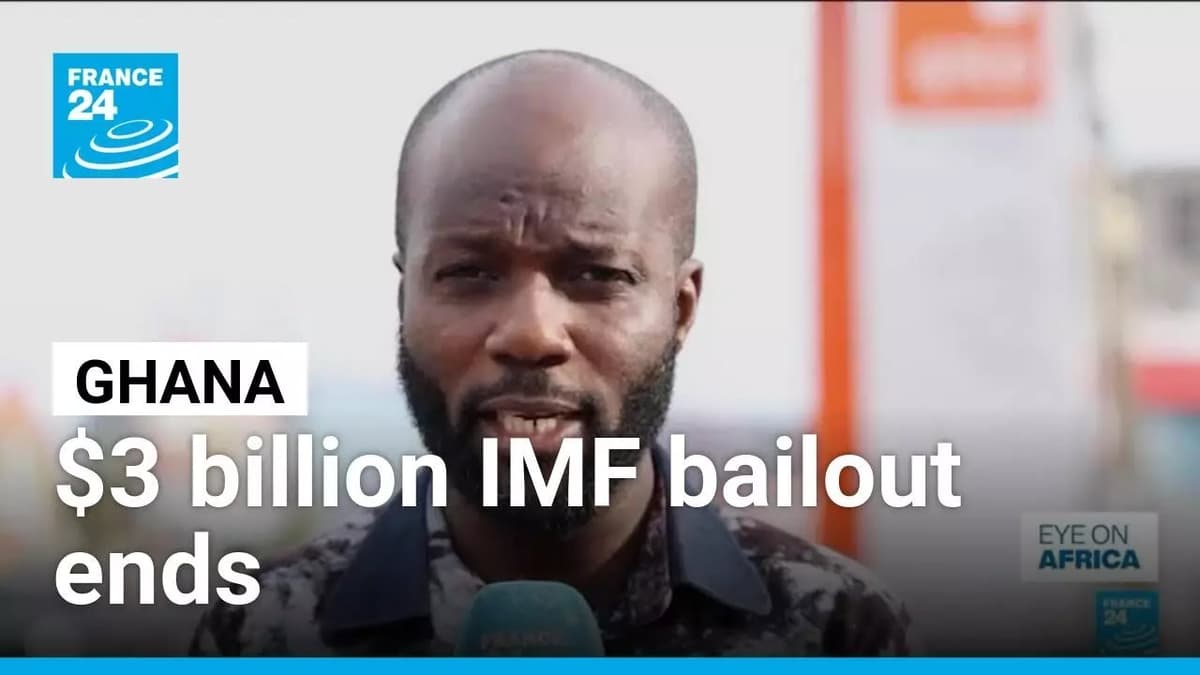
Ghana Hopes to Attract Investors After €3 Billion IMF Bailout Ends • FRANCE 24 English
Ghana’s three‑year, €3 billion IMF programme has officially concluded, and the government is now pitching the country as a more stable investment destination after navigating its deepest economic downturn in decades. During the programme, inflation fell to below 4 %, the cedi regained...
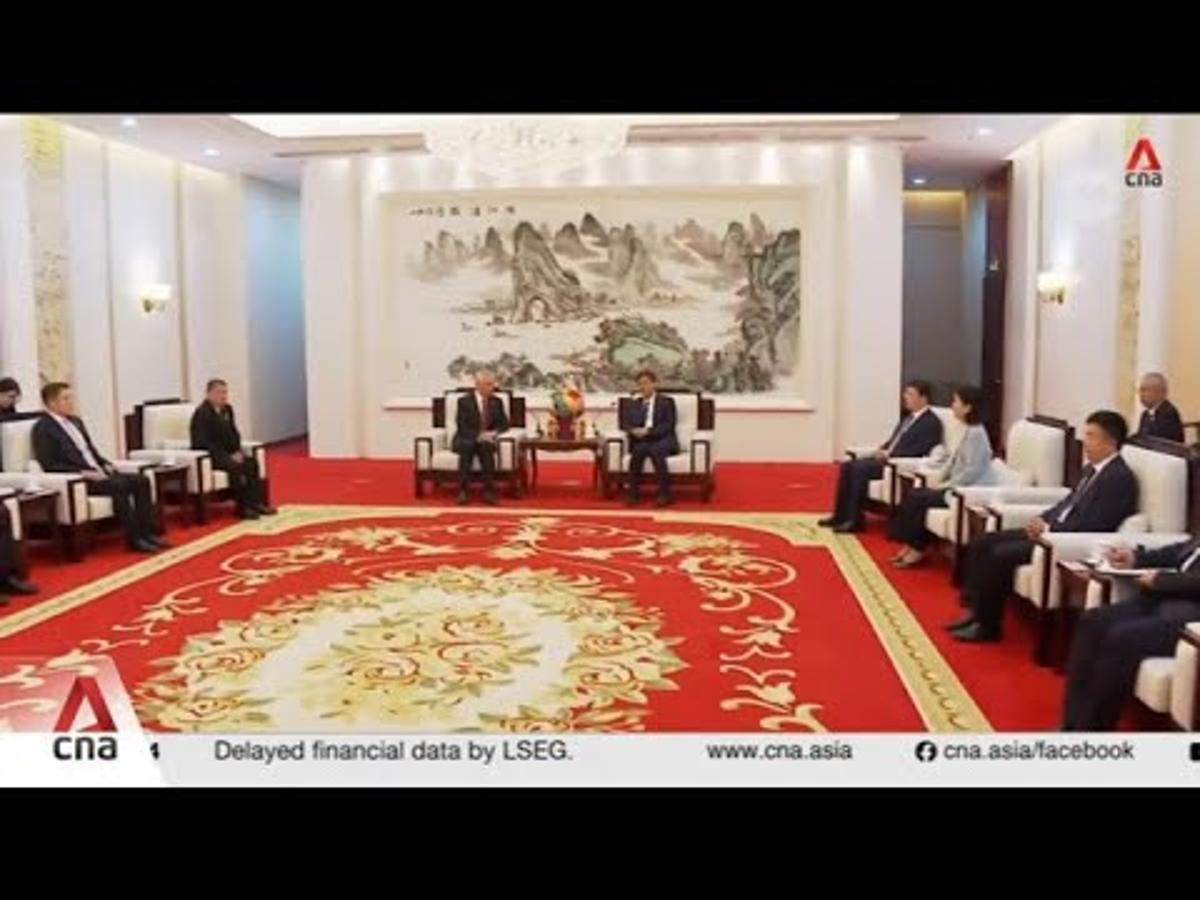
ASEAN and China Must Make Trade Work, Says SM Lee in Guangxi
Senior Minister Lee Hsien Loong urged China and ASEAN to sustain and deepen trade ties despite rising security-driven trade restrictions, saying partnerships must be shaped to deliver mutual economic and human benefits. Speaking in Guangxi, a key gateway to Southeast...
![[FULL] AI HEADLINE NEWS 22:00 (2026-05-19)](/cdn-cgi/image/width=1200,quality=75,format=auto,fit=cover/https://i.ytimg.com/vi/ti1_BdvHbP0/maxresdefault.jpg)
[FULL] AI HEADLINE NEWS 22:00 (2026-05-19)
South Korea's President hosted Japanese Prime Minister Sai Takaii in Andong, where the leaders pledged to hasten efforts to restore Middle East stability, deepen Japan–South Korea cooperation on supply chains and energy, and reaffirm trilateral ties with the U.S. Washington...

30 Yr Bond Rate Just Hit 2007 Levels
U.S. Treasury yields surged last week, with the 30-year bond climbing to 5.189% — the highest since July 2007 — while the 10-year rose to about 4.6% and the 2-year to roughly 4.1%. The jump reflects investors dumping bonds amid...

“People Are Afraid to Spend”: War Pushes Lebanon’s Economy to the Brink | DW News
DW News reports that the ongoing war in Lebanon is pushing the country’s already fragile economy to the brink, as fear of violence is making households and businesses alike reluctant to spend. The conflict has sharply reduced consumer confidence, with many...
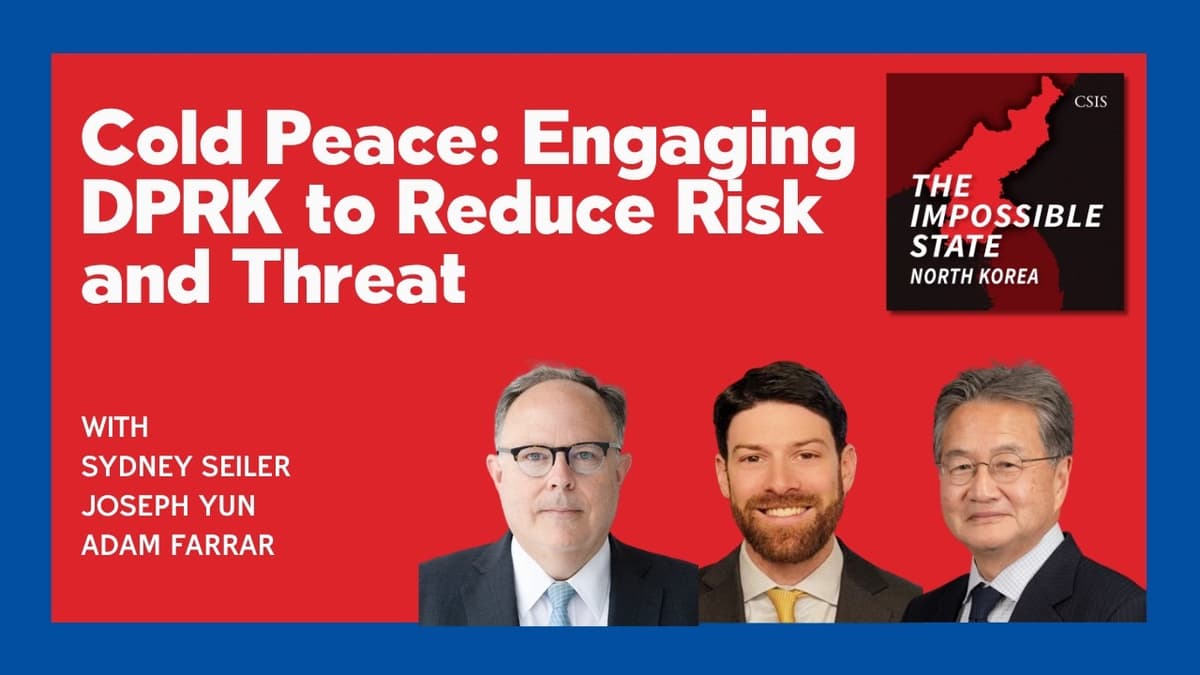
Cold Peace: Engaging DPRK to Reduce Risk and Threat | The Impossible State
The episode focuses on Victor Cha’s “Cold Peace” concept, which urges Washington to abandon the unrealistic demand for immediate North Korean denuclearization and instead pursue risk‑reduction engagement that mirrors arms‑control frameworks. The hosts—former diplomats and policy experts—argue that U.S....
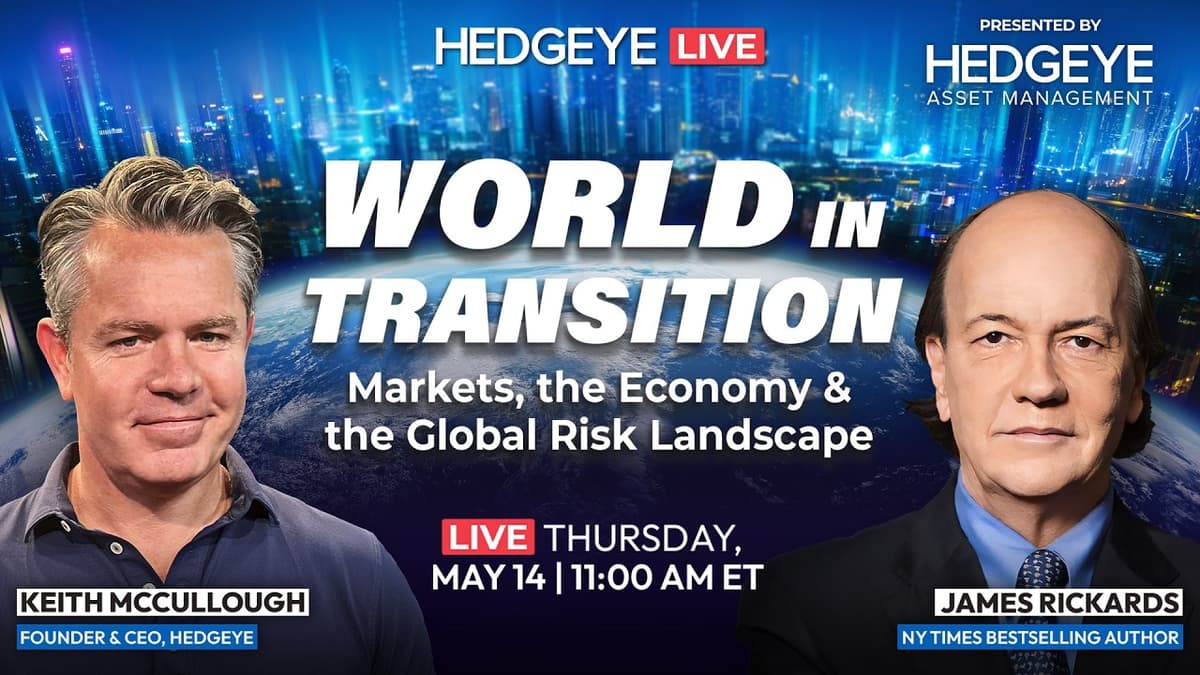
Real Conversations | Markets, the Economy & the Global Risk Landscape W/ Jim Rickards
Jim Rickards opened the conversation by warning that the world faces a genuine global dollar shortage, not the sensationalist "debasement trade" narrative of an imminent dollar collapse. He emphasized that discussions about reserve currencies often miss the fact that foreign...
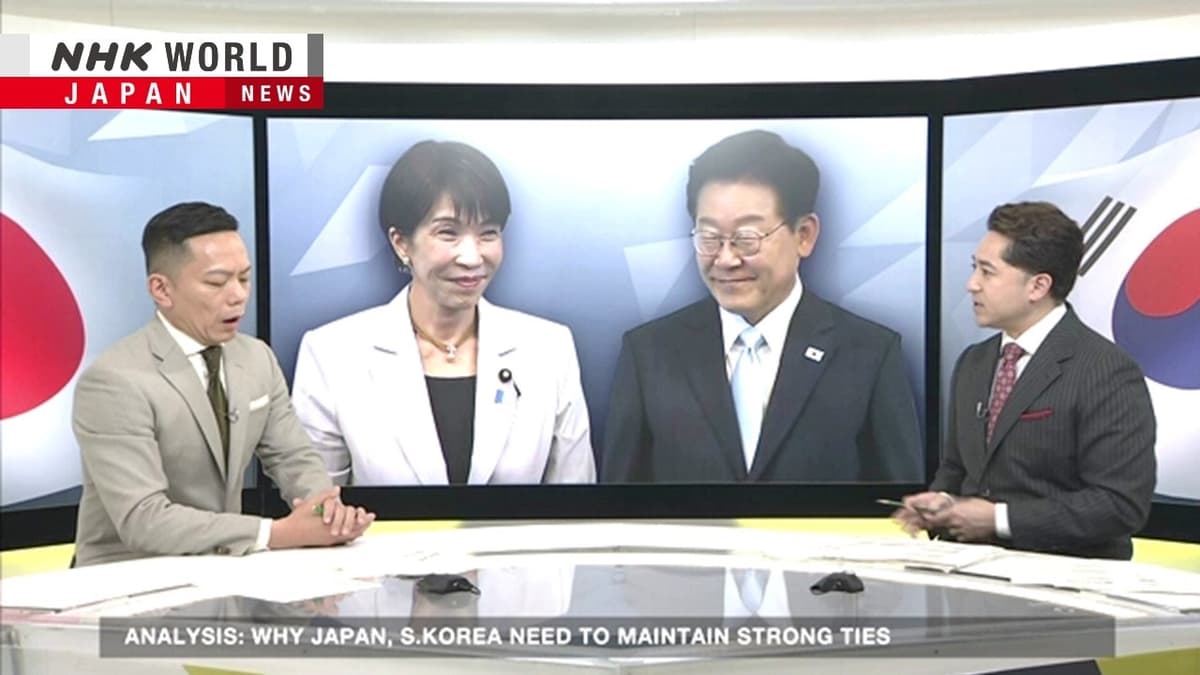
Analysis: Why Japan and S. Korea Continue to Maintain Strong TiesーNHK WORLD-JAPAN NEWS
Japanese Prime Minister Fumio Kishida and South Korean President Yoon Suk-yeol used their fourth face-to-face summit in under a year to underscore a rapidly strengthening bilateral partnership, signaling frequent high-level coordination. The leaders highlighted cooperation on energy security in the...
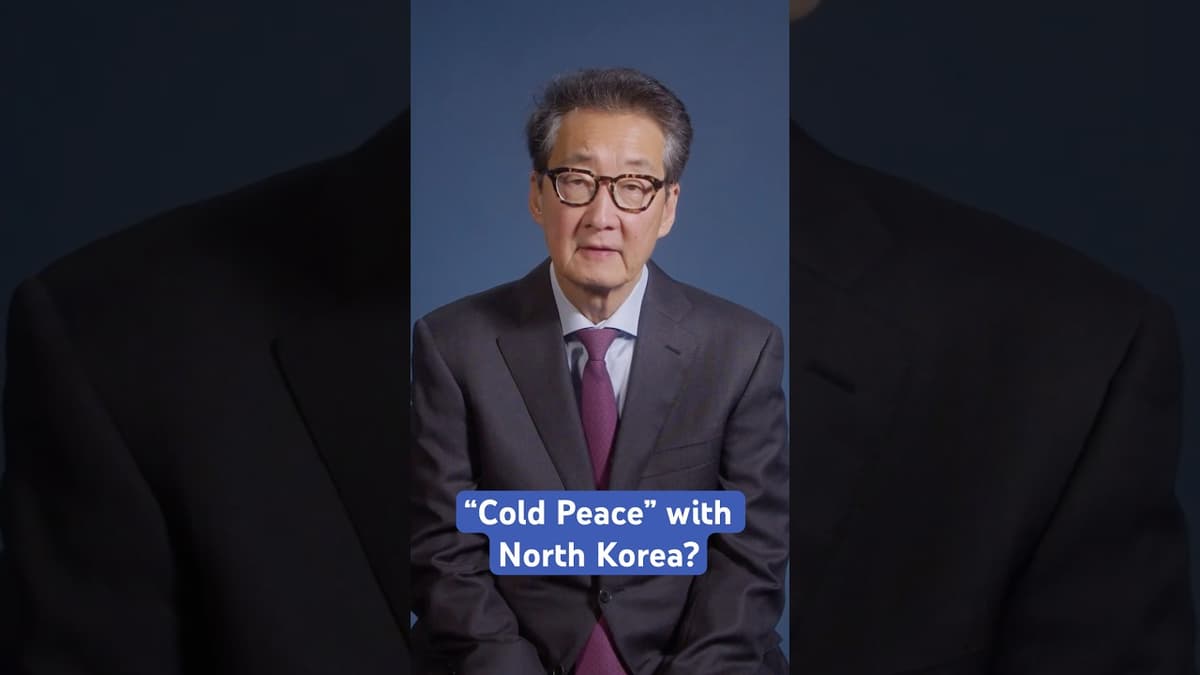
A "Cold Peace" With North Korea?
The video argues that the United States’ three‑decade‑long pursuit of complete, verifiable, irreversible denuclearization (CVID) of North Korea has unequivocally failed. Successive administrations have demanded total nuclear dismantlement, yet Pyongyang continues to expand its arsenal. Current estimates place North Korea’s stockpile...

Sweden's Finance Minister Said Socialism Was Impossible — Then The Economy Collapsed
The video traces Sweden’s shift from a prosperous welfare state to a fiscal crisis in the late 1980s–early 1990s after progressive tax rates and expansive redistribution allegedly drove away entrepreneurs, precipitating a banking collapse, a GDP drop, surging unemployment and...
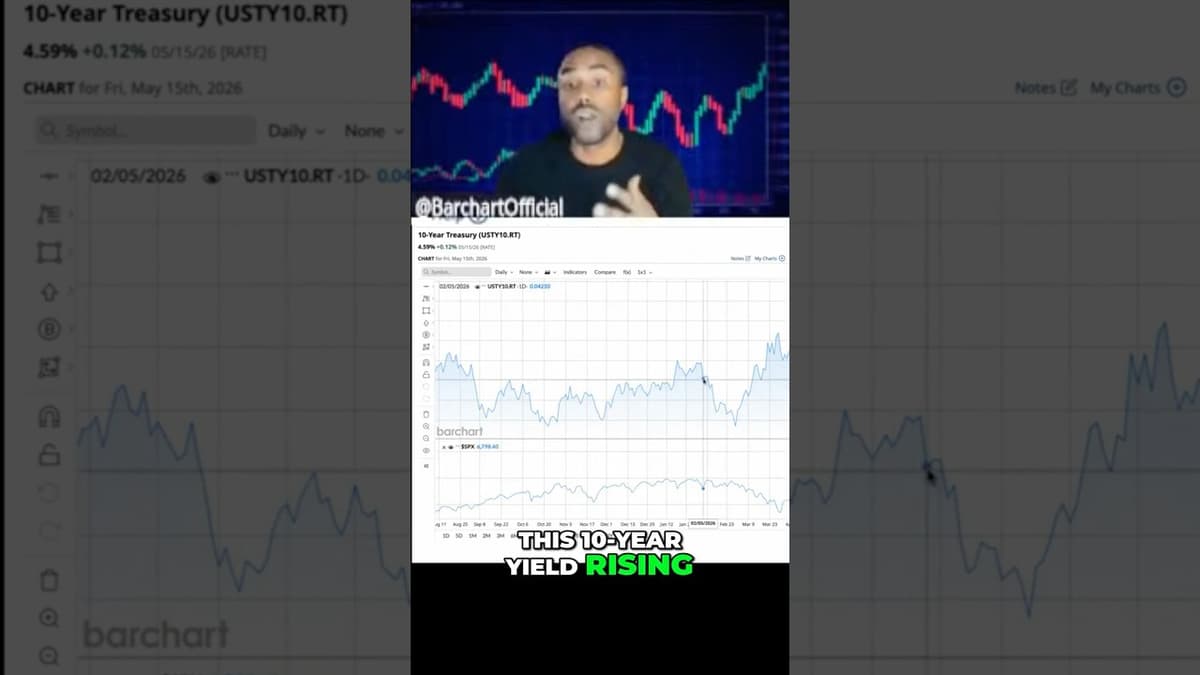
Stocks vs Bonds: Which Wins at 4.5% Yields? 🥊🆚🏛️ #Treasury #Yields
A market commentator highlights the recent rise in the 10-year Treasury yield to about 4.5% and examines its historical inverse relationship with the S&P 500, noting periods when higher yields drew capital away from stocks. Using price charts, the speaker...

Gas at $4.50 Hormuz Still Closed Your Summer Trip Just Got Way More Expensive
US consumer inflation held at 3.8% as gasoline and other fuel costs drove a sharp jump in travel-related prices, with gas up about 28% year-over-year and averaging over $4.50 a gallon. The spike has pushed travel costs higher for drive-to...

Trump Peace Bid Cools Oil Prices, but Nvidia Earnings and Inflation Fears Loom Large
President Donald Trump announced a pause to the planned U.S. strike on Iran, citing a new diplomatic overture that could lead to a nuclear deal. The news sent Brent crude futures down almost 2% to just under $110 a barrel...

USMCA Review and Autos with Jennifer Safavian
Jennifer Seabian, president and CEO of Autos Drive America, told the Trade Guys that international automakers are major players in the U.S. market—accounting for over 48% of U.S. vehicle production, roughly 100,000 manufacturing jobs, 31 facilities and about $124 billion...

Deutsche Bank's Ozan Tarman and Aditya Singhal on Understanding the Macro Risks | Odd Lots
The Odd Lots episode features Deutsche Bank’s Ozan Tarman and Aditya Singhal dissecting macro‑risk frameworks. They argue that in today’s flood of headlines, traders must strip away noise and adopt a structural view across the five major asset classes, taking a clear side on...
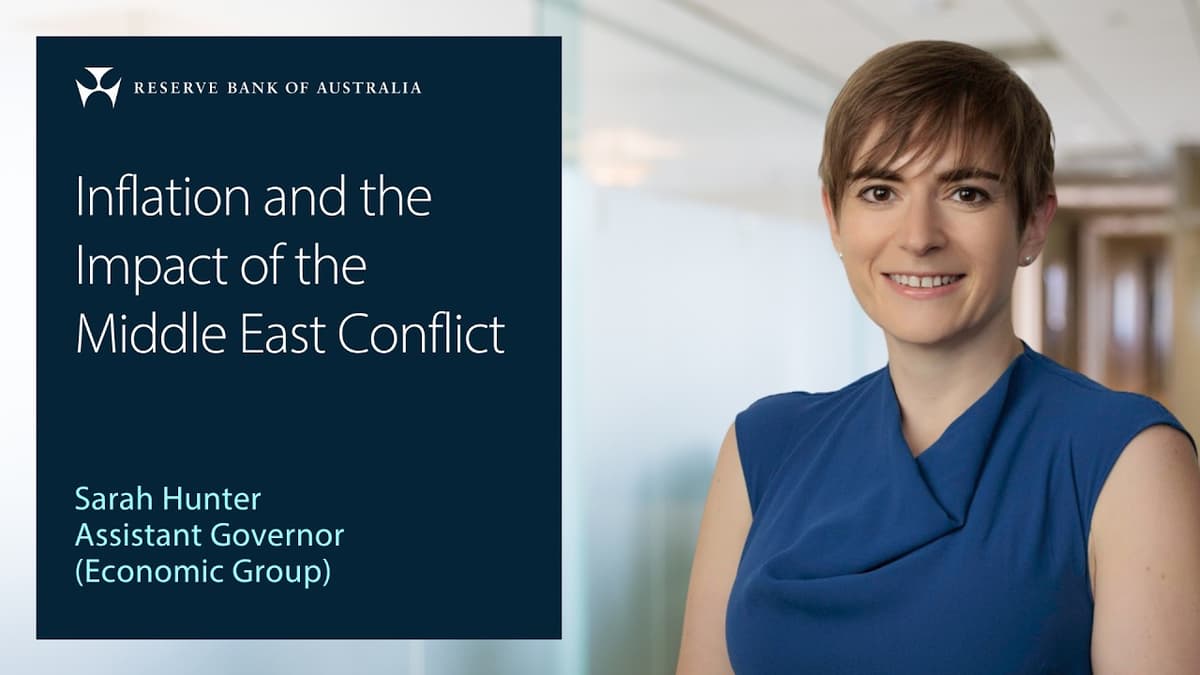
Sarah Hunter, Assistant Governor (Economic) Bloomberg 19 May 2026
Sarah Hunter, the RBA’s Assistant Governor for Economic, used the Bloomberg forum to outline the central bank’s inflation framework and to assess how the ongoing Iran‑related conflict could reshape Australia’s price outlook. She reiterated the RBA’s 2‑3% CPI target, emphasizing...
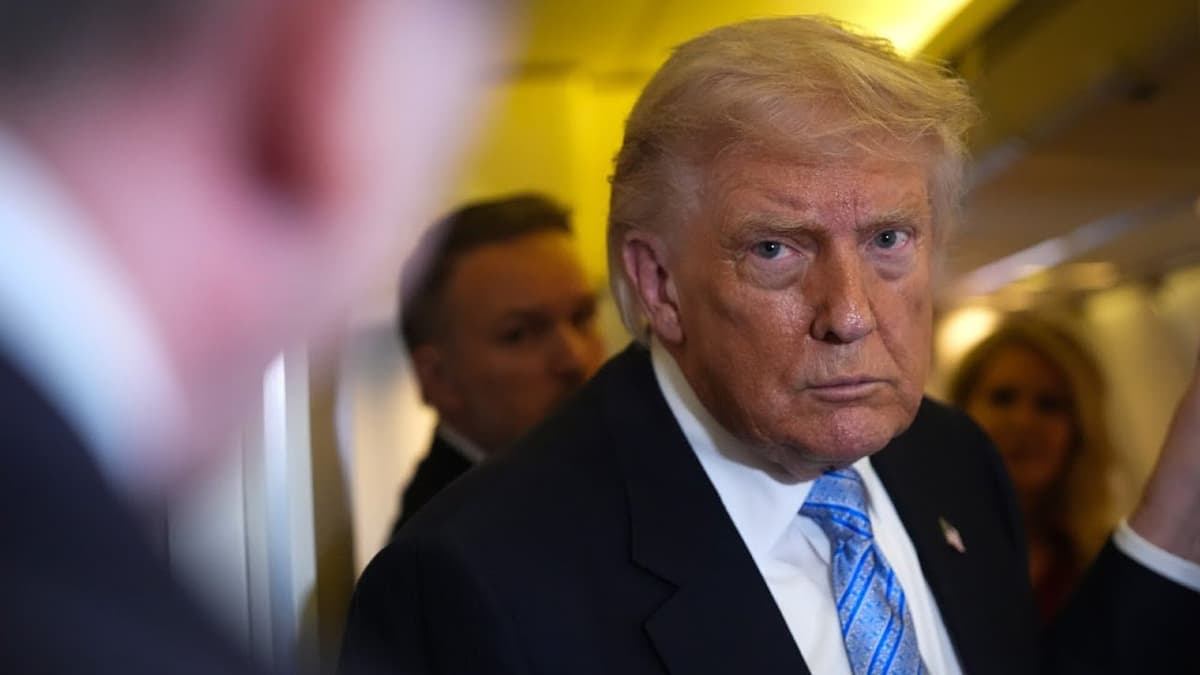
‘Topsy Turvy’: Trump’s Pause on Renewed Attacks on Iran Sends US Markets Higher
President Donald Trump’s announcement that the United States would pause any renewed attacks on Iran sparked a swift reversal in global market sentiment, lifting Australian equity futures as investors reassessed geopolitical risk. The ASX 200 futures jumped 1.1% after closing...
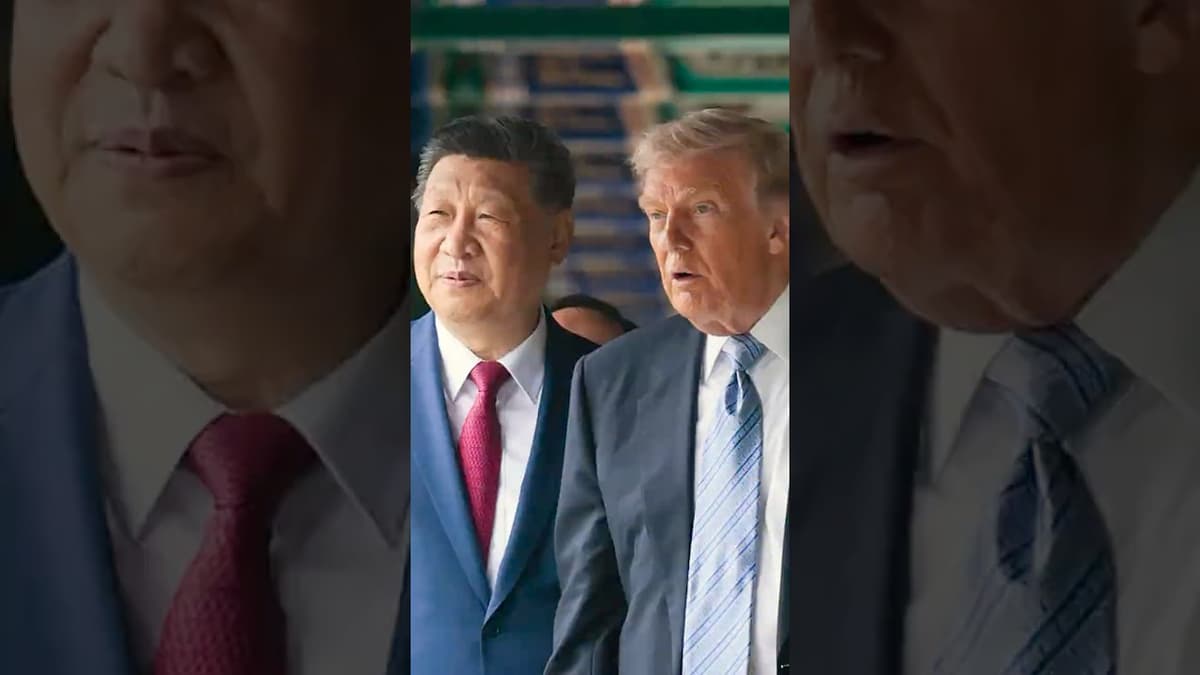
Where Does US-China Trade Stand Now?
China renewed import licenses for hundreds of U.S. beef plants that had lapsed during the Trump-era trade war, signaling a partial market reopening. But U.S. beef is currently in short supply domestically, with retail ground beef prices near $7 a...

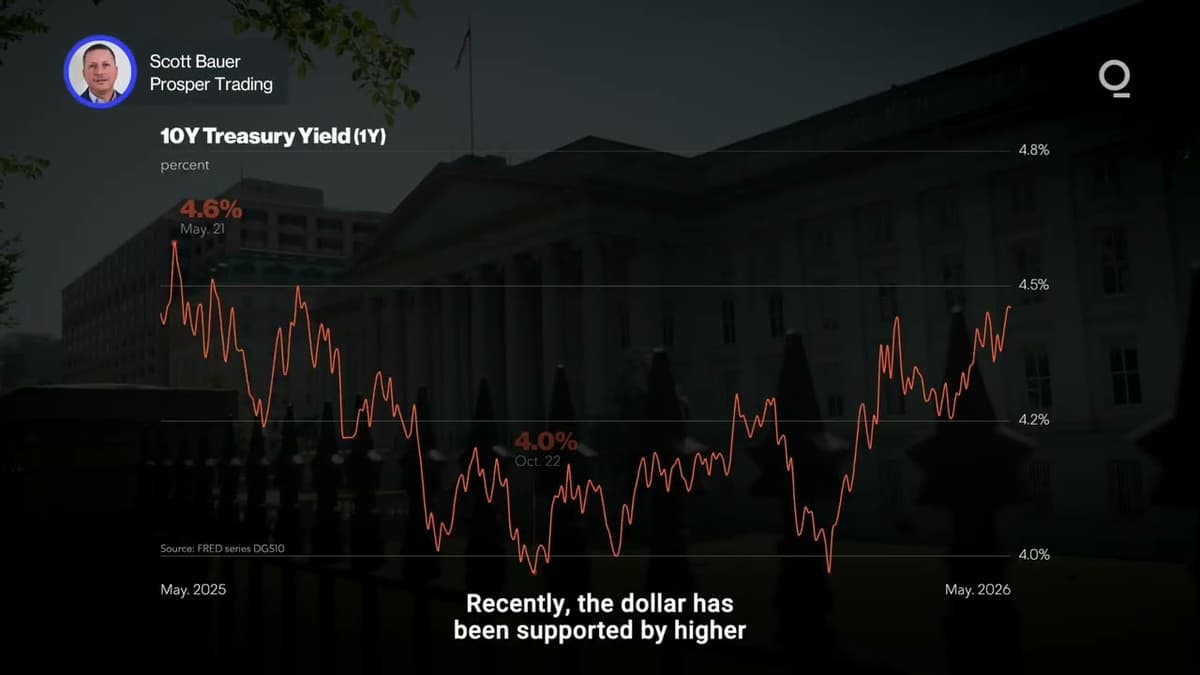
Japanese and US Bond Rates Are Flashing Red
The video highlights a simultaneous surge in sovereign yields: the U.S. 10‑year Treasury climbed to its highest level in a year, while Japan’s 30‑year government bond posted a historic peak. Both moves reflect tightening financing conditions for the world’s two...
Can the Dollar Maintain Momentum? | Presented by CME Group
The CME Group presentation examines whether the U.S. dollar can sustain its recent rally, noting the index’s rise from roughly 95.5 to near 98.5 in 2024 after a 9% decline in 2023. Analysts point to hotter‑than‑expected CPI and PPI numbers, rising...
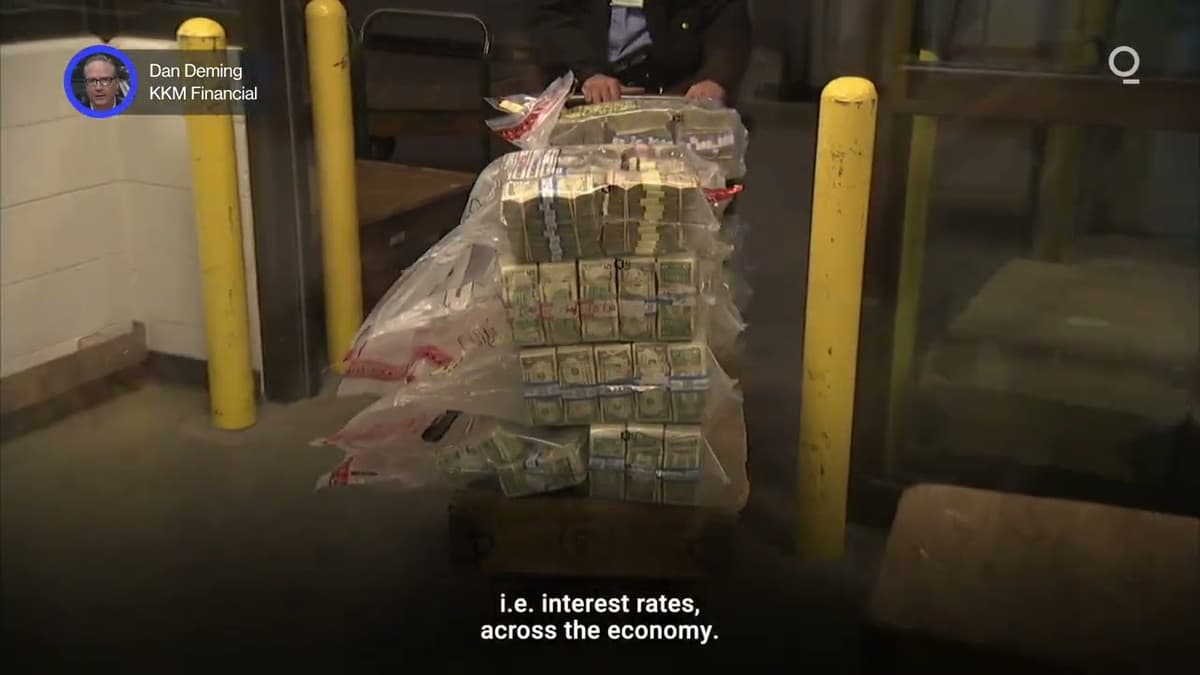
Ballooning National Debt Poses Interest Rate Risks | Presented by CME Group
The CME Group presentation highlighted that U.S. national debt held by the public reached about $31.27 trillion at the end of April, edging past the prior 12‑month GDP estimate of $31.22 trillion. This marks the first sustained peacetime crossing of the debt‑to‑GDP...

May 18 | Closing Market Report
Chicago commodity markets jumped Monday as corn, soybeans and wheat rallied sharply on renewed optimism about potential Chinese purchases and aggressive fund buying; July corn surged about $2.14 to settle near $4.77 while soybeans and wheat also posted sizeable gains....

What Is Sticky Inflation? (Simple Explanation)
The video explains “sticky inflation,” where price pressures persist, especially in services, despite overall cooling. Recent data show inflation is not confined to a single sector; service inflation jumped 2.5%, while goods prices fluctuate more rapidly. Key points include the contrast...
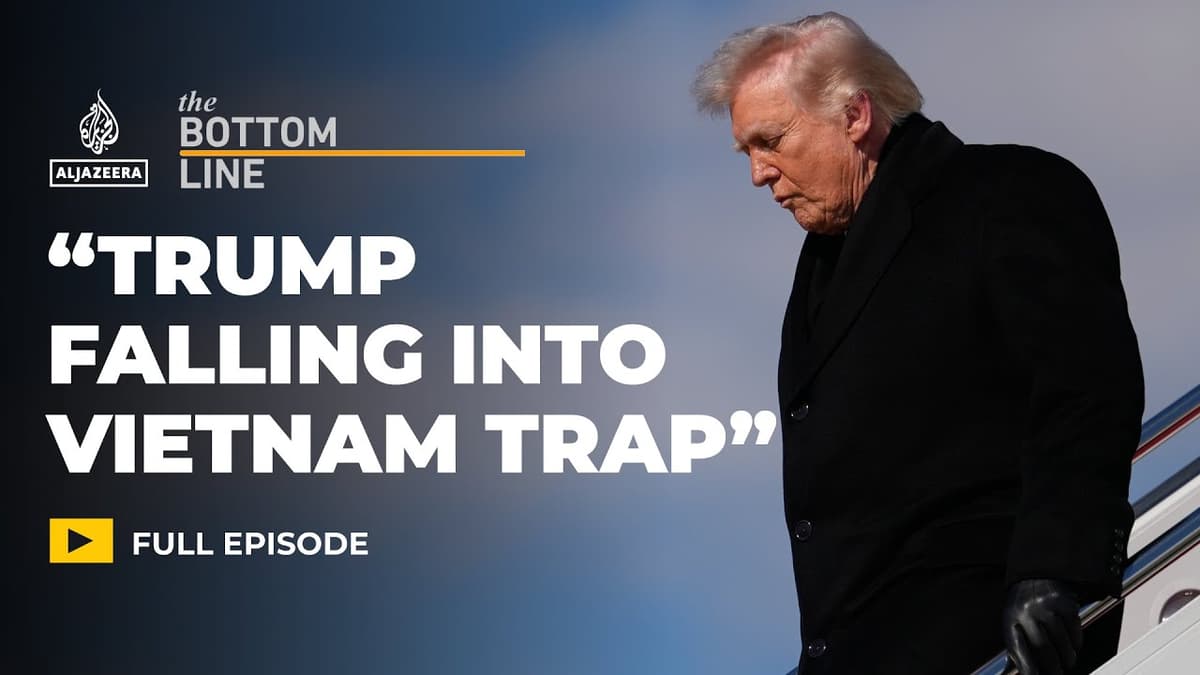
Former US Negotiator with Iran: Trump Falling Into Vietnam Trap | The Bottom Line
Former US Iran negotiator Rob Mali says current US engagement is markedly worse than during the JCPOA era, blaming the 2018 withdrawal and erratic Trump behavior for undermining prospects. Mali argues Iran will not accept humiliation or full capitulation, pressing...
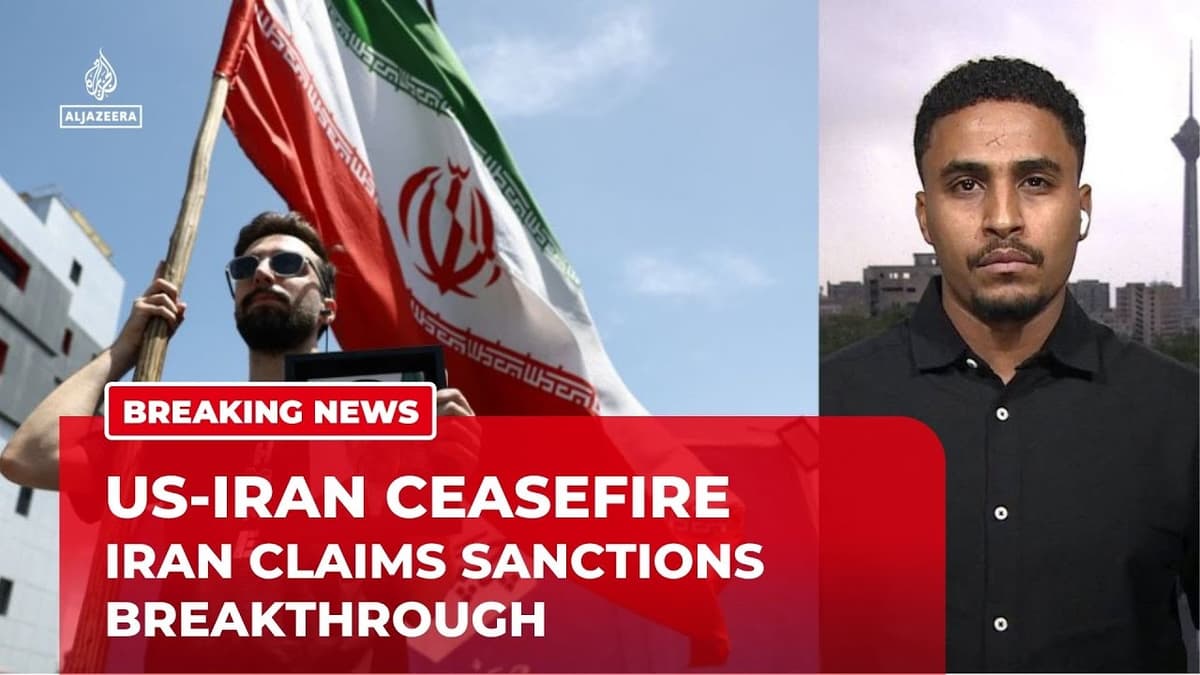
US Agrees to Waive Iran Oil Sanctions During Talks, State Media Says
The United States is reported to have agreed, in the latest round of diplomatic talks, to suspend oil sanctions on Iran while negotiations continue. The claim comes from Iranian state media and is echoed by Reuters, which cites senior Iranian...
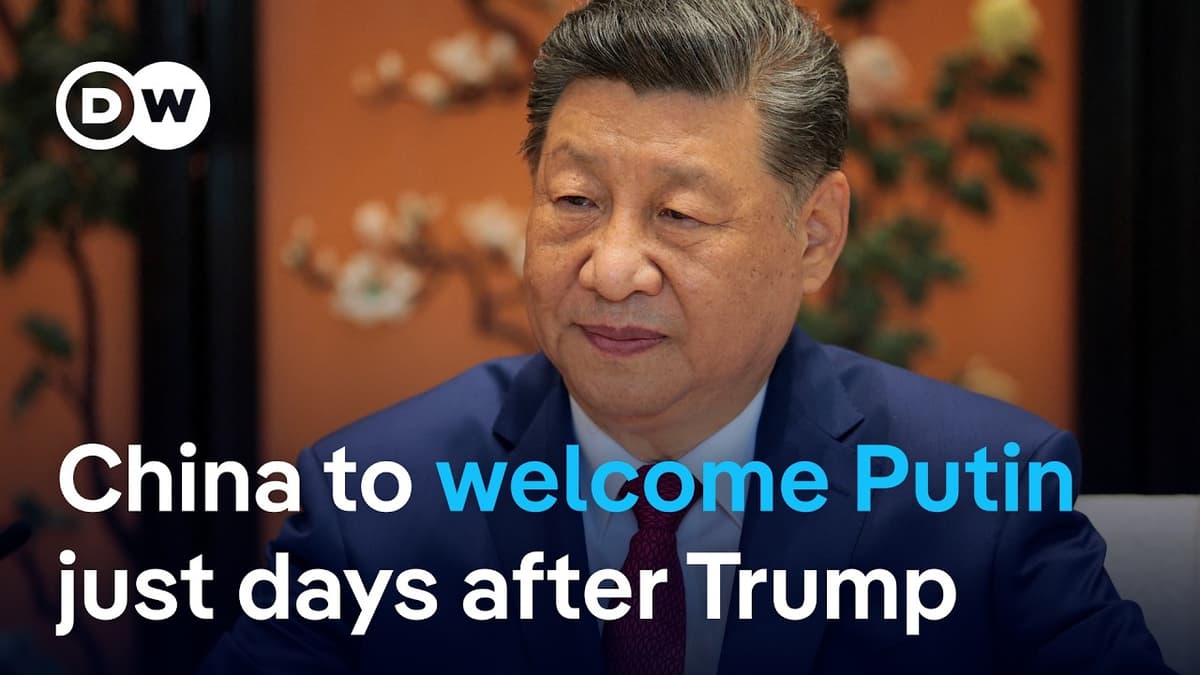
Why Is Putin Visiting China Right After Trump? | DW News
Russian President Vladimir Putin is visiting Beijing days after President Trump met Xi Jinping, underscoring Beijing’s central role in Moscow’s post-2022 strategy. Experts say the “no limits” partnership has deepened into a pragmatic, interest-driven strategic coordination—what one analyst calls the...

Iran Diplomacy Has Yet to Begin || Peter Zeihan
In the video, Peter Zeihan argues that U.S. diplomacy on the Iran war has effectively stalled because President Donald Trump has dismantled the institutional apparatus that normally conducts negotiations. He notes that the State Department, CIA, Defense and National Security Council...
Financial Market Preview - Monday 18-May
The market preview for Monday, May 18, 2026, highlighted a sharply negative tone across U.S. equities and fixed‑income markets. Futures on the S&P were down, while the 30‑year Treasury yield breached the 5% mark, reaching a 20‑year high, as hawkish developments in...

AM Best’s Modica: Warsh’s Fed Leadership Could Be Shift Toward Leaner Central Bank Intervention
The interview with AM Best economist Anne Modica focuses on the possible appointment of former Fed governor Kevin Worsh as chair, a transition that would end a decade of Jerome Powell’s steady‑hand leadership. Modica outlines Worsh’s core belief that quantitative easing belongs...
Taiwan Vows It Won't Be Sacrificed, Ukraine Strikes Moscow, Singapore Surges
Taiwan's president publicly rebuked the U.S. Beijing summit readout, warning the island ‘will not be sacrificed’ after Taiwan was omitted from the White House statement. Ukraine launched one of its largest drone strikes on Moscow in years, killing at least...
The Open: ASX to Start the Week Lower as Bond Yields Surge 🎢
The video opens with Andrew and Greg Smith noting the ASX’s soft start, with the NZX 50 slipping 0.4% as bond yields climb sharply, reflecting a broader risk‑off mood across global markets. The discussion pivots to the bond market’s anxiety...
Europe Just Sent a MASSIVE Warning to the World
Europe’s weakening labor market and sharply downgraded global energy-demand forecasts have prompted officials to warn of a looming energy-shock recession rather than a simple inflation spike. The U.S. EIA and IEA have cut their demand-growth estimates to near zero or...
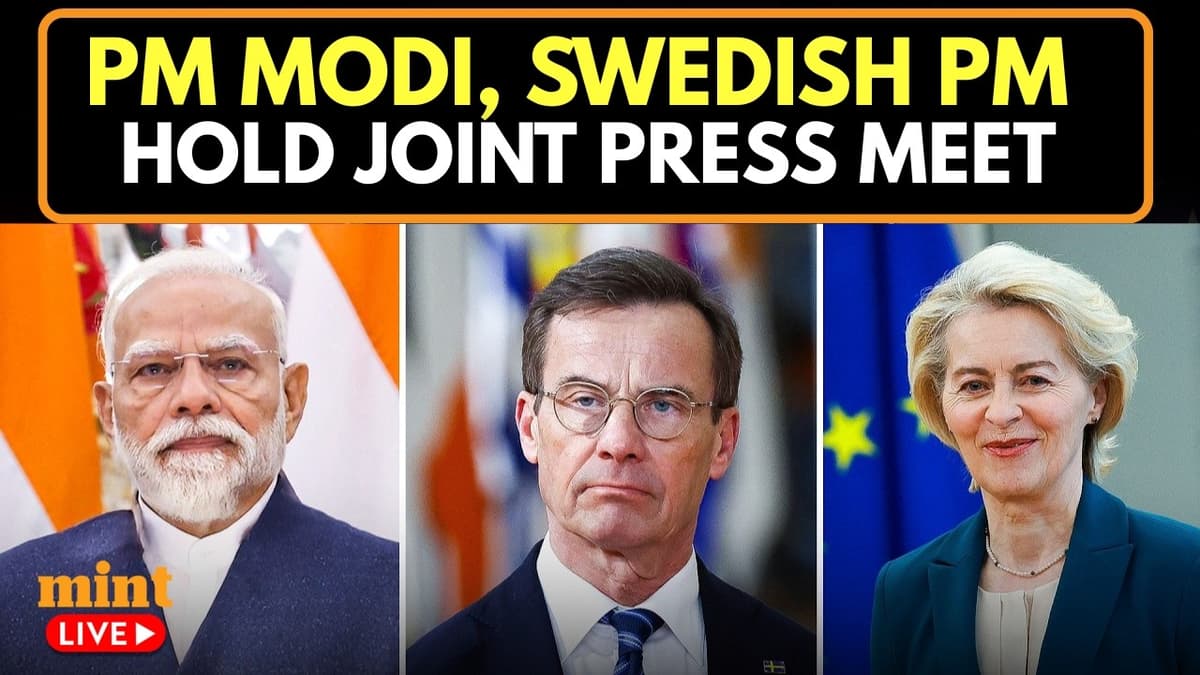
WATCH LIVE: PM Modi, Swedish PM Kristersson and EU's Ursula Hold Joint Press Conference | India
Prime Minister Narendra Modi, Swedish Prime Minister Ulf Kristersson and EU Commission President Ursula von der Leyen convened in Gothenburg to unveil a sweeping India‑Sweden‑EU strategic partnership. The centerpiece is the India‑EU free‑trade agreement, slated for signature by year‑end, delivering...
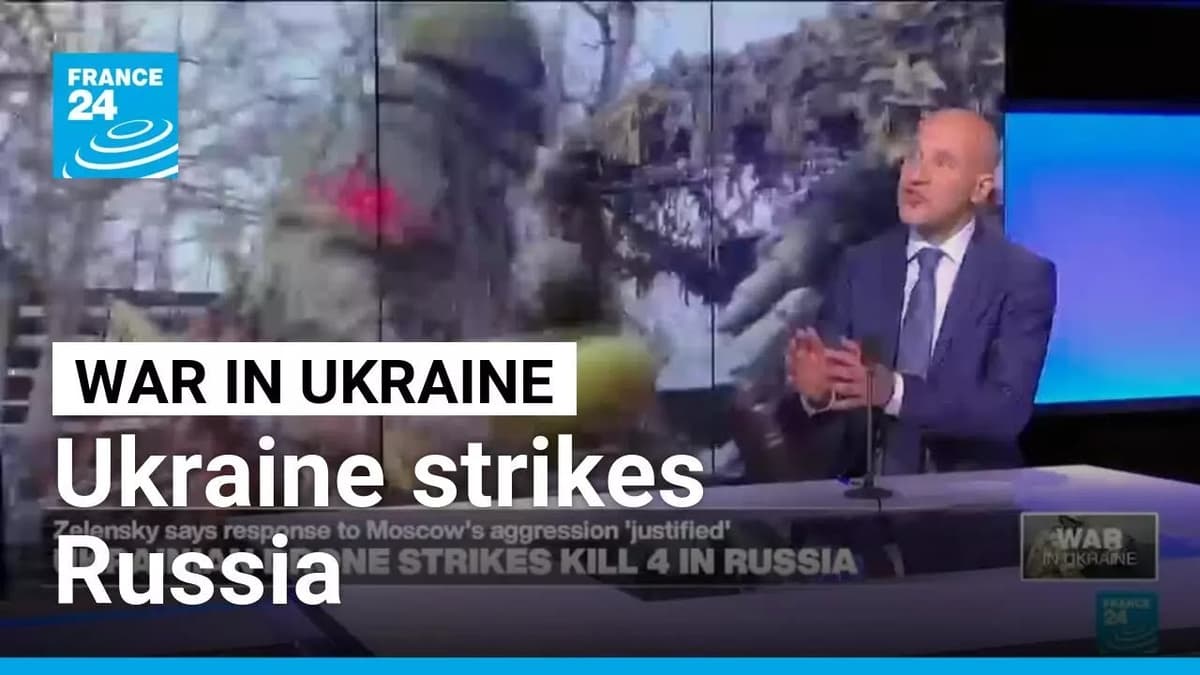
Ukraine Strikes Russia: Zelensky Says Response to Moscow's Agression 'Justified' • FRANCE 24
The video analyzes Ukraine’s massive retaliatory strike, deploying more than 500 drones and missiles across fourteen Russian regions, including annexed Crimea, in response to a recent Russian barrage that killed 24 people in Kyiv. President Volodymyr Zelensky framed the operation as...
He Worked Directly for the Elite And It’s Worse Than You Think
John Perkins, a former self-described "economic hit man," says he spent decades working for private consulting firms paid by the U.S. government to persuade developing countries to take massive loans for infrastructure that primarily benefited multinational contractors and local elites....

Bonds Making US Pensions Unreliable - Canada Operates Differently & This Is Why
Many U.S. state and municipal pension plans are severely underfunded—examples cited include a state fund at 40–50% funded, New Jersey around 50%, and the Chicago police pension near 20–30%—as target returns have not materialized. Funds are heavily allocated to bonds...
The U.S. Wants to END Its Dependence on CHINA and Has a PLAN: The PAX SILICA @Visualpolitiken
The video outlines Washington’s Pax Silica initiative, a strategic effort to untangle the United States from China’s overwhelming grip on critical minerals, components and manufacturing that power modern technology. By assembling a coalition of like‑minded nations, the U.S. hopes to...
Is Europe Heading for a Trade War with China? | The Economist
The Economist interview examines whether Europe is drifting toward a trade war with China, featuring EU Trade Commissioner Mario Shevchuk. He outlines a stark imbalance: Chinese exports to the EU have risen about 50% in five years while EU exports...
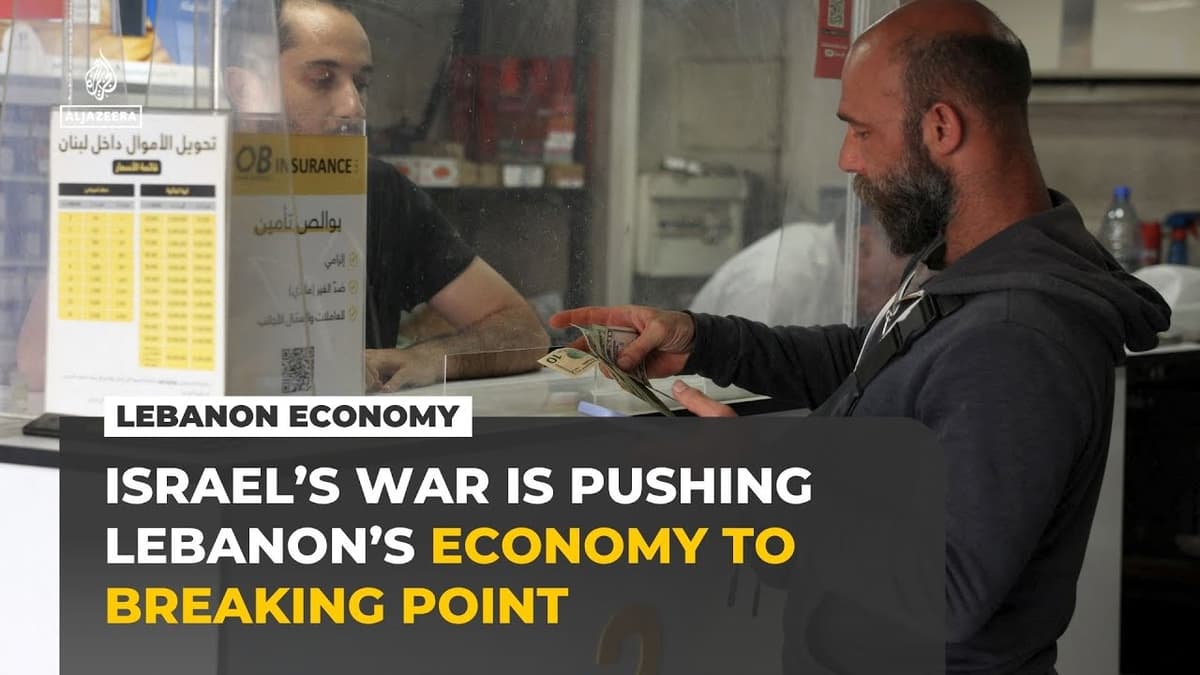
How Israel’s War on Lebanon Is Pushing Its Fragile Economy to Breaking Point
The video outlines how the renewed hostilities between Israel and Hezbollah are pushing Lebanon’s already fragile economy toward collapse, with massive displacement and a government scrambling to provide basic shelter. Within five weeks, 1.2 million people—about one in five citizens—have been uprooted,...
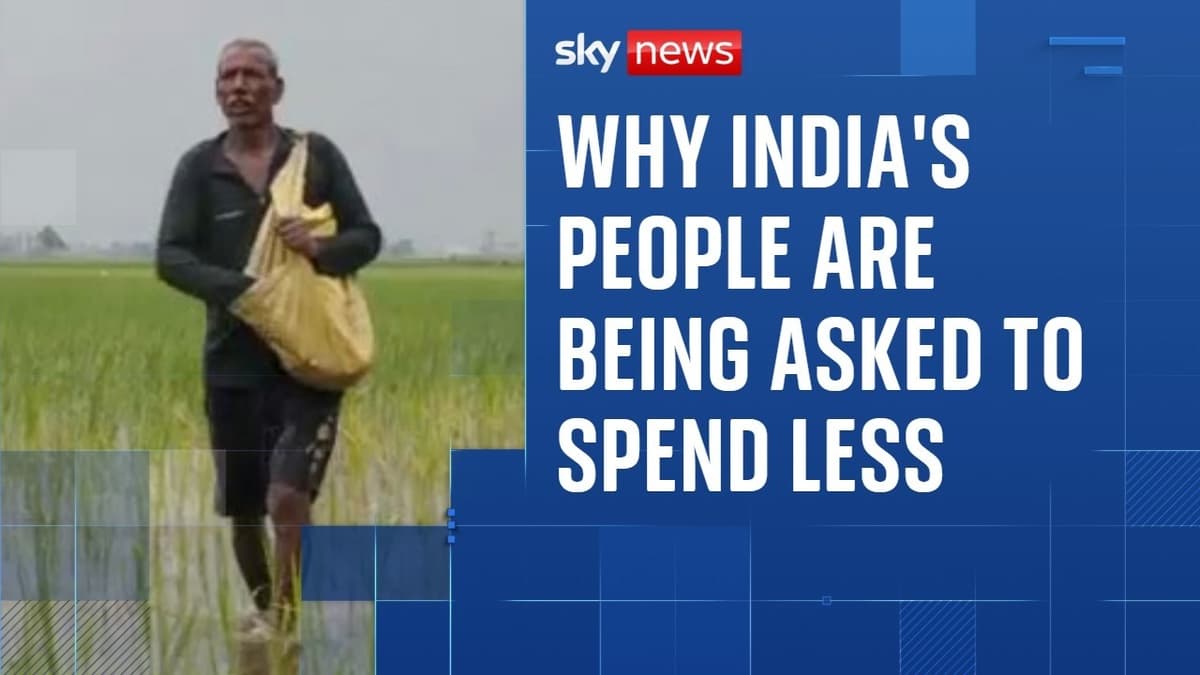
India's Economy Feels the Pinch of the Iran War
Prime Minister Narendra Modi appealed to Indians to tighten belts amid the Iran‑Israel conflict, urging cuts in fuel consumption, gold purchases and foreign travel. The call to stop buying gold for a year sparked a sharp market reaction, with jewelry...
ALERT: Their Secret Plan For Gold Was Just Leaked
The video explains that India is contemplating an outright ban or severe restrictions on gold and silver imports. Officials view these precious‑metal purchases as a drain on foreign‑exchange reserves, especially as the rupee weakens and the trade deficit widens. India’s...
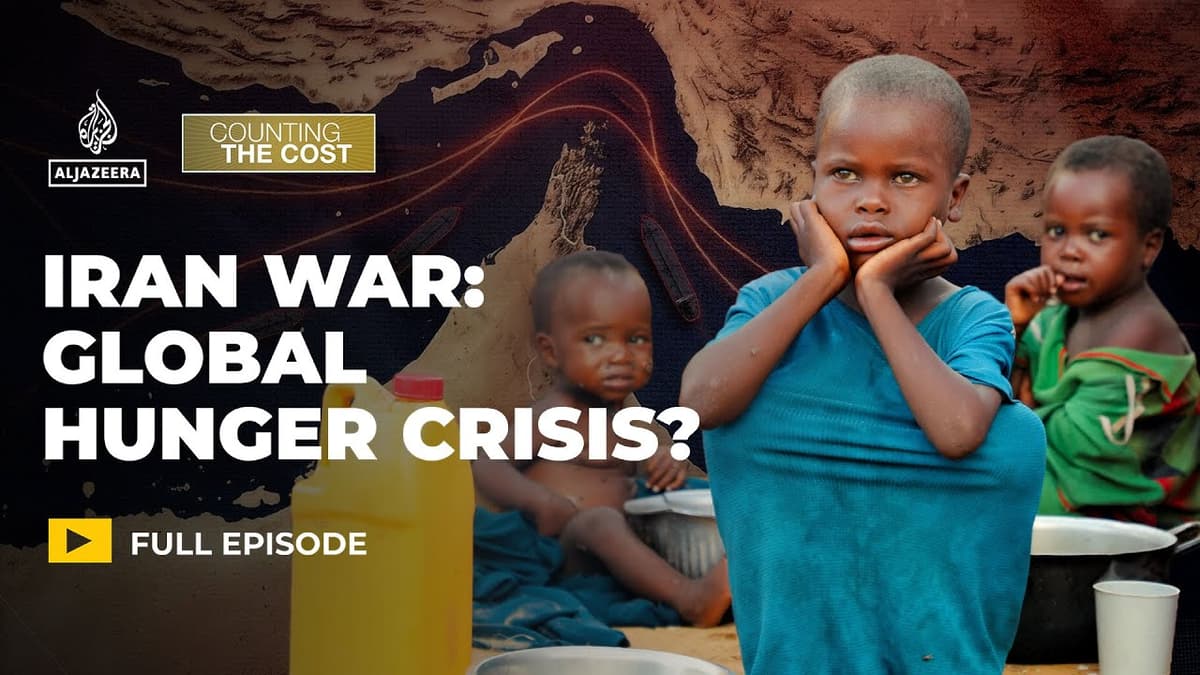
Could Iran War Trigger a Hunger Crisis? | Counting the Cost
The video examines how the Iran‑Israel war is disrupting the Strait of Hormuz, a critical chokepoint for global fertilizer shipments. With roughly one‑third of the world’s nitrogen‑based fertilizers sourced from the Gulf, any prolonged closure threatens to push food...
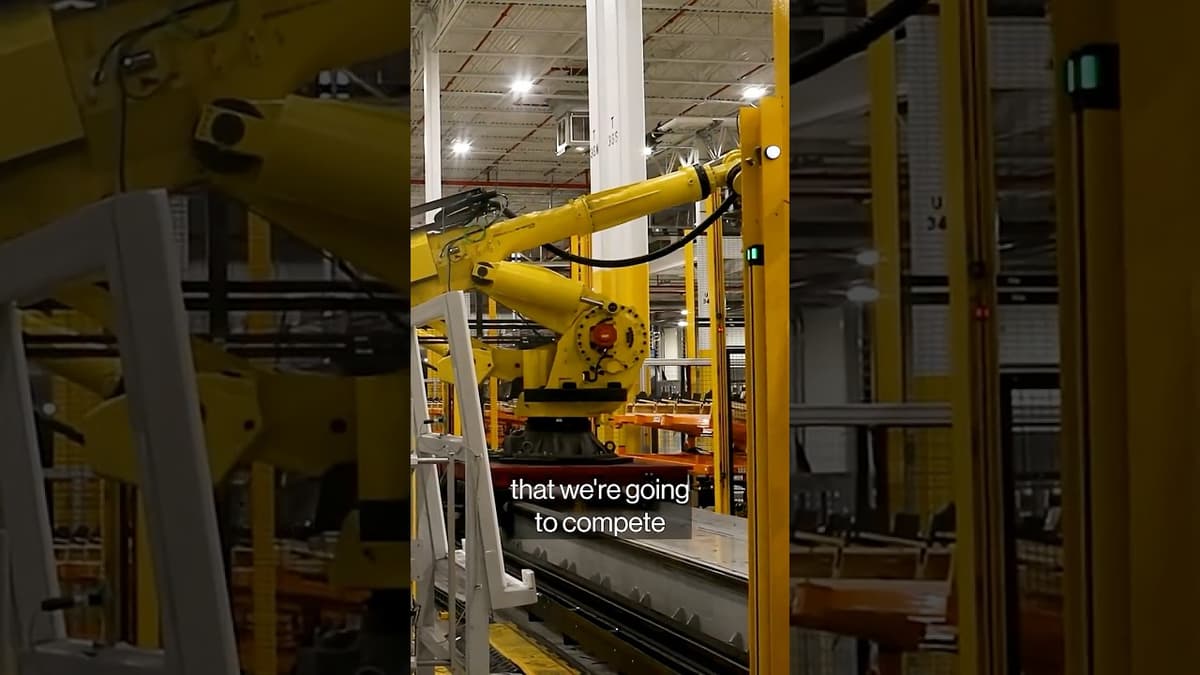
Will the US Ever Catch up to China on Renewables? #shorts #energy #renewableenergy #china #us
China has poured more than a trillion dollars into clean energy, rapidly scaling solar, wind, nuclear and EV manufacturing and exports; its clean-energy exports last year were about $76 billion versus roughly $3–4 billion for the U.S. Combined with a...
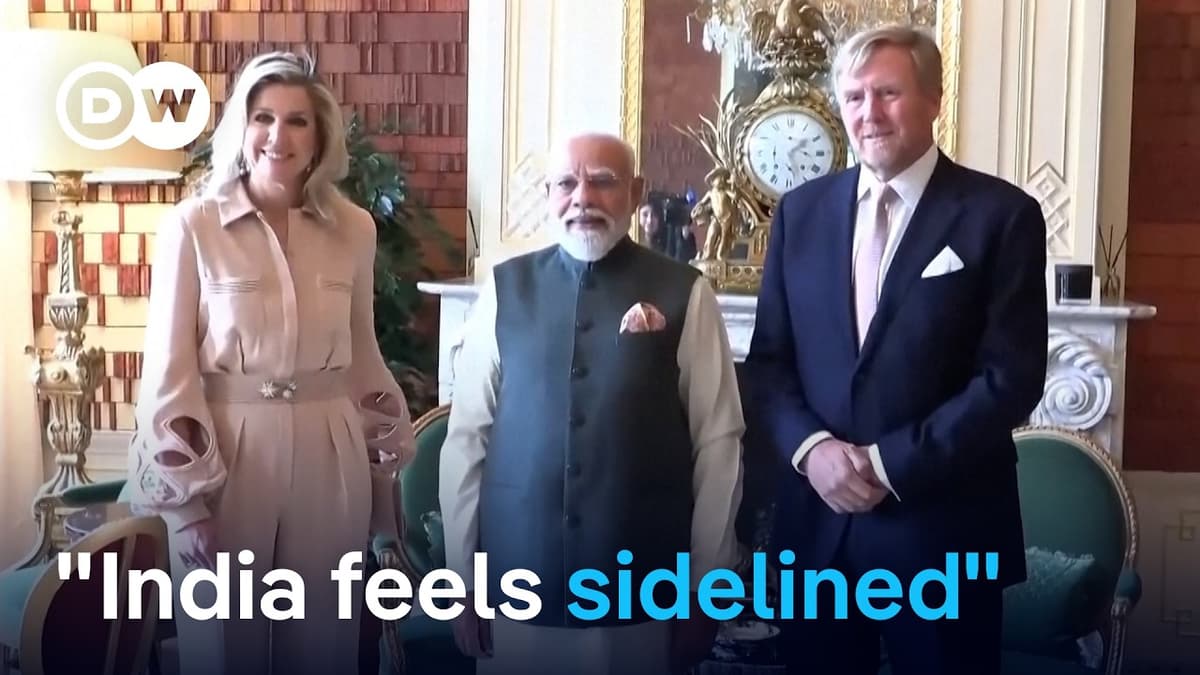
What India Hopes to Gain From Modi’s High-Stakes Europe Trip | DW News
Indian Prime Minister Narendra Modi arrived in the Netherlands as the first stop of a high‑stakes European tour aimed at deepening trade, technology and energy ties while the Middle‑East war threatens supply chains. The visit secured a pledge from the United...