Inflation Just Shocked The Markets Again… Here’s What Traders Need To Know
The video breaks down Tuesday’s CPI and Wednesday’s PPI releases, explaining why the hotter‑than‑expected numbers rattled equities, bonds and currencies. CPI for April showed a 6% monthly rise, pushing annual inflation to 3.8%, while core CPI climbed 0.4% month‑over‑month to 2.8% year‑over‑year. Producer‑price data surprised on the upside, with PPI up 1.4% MoM and core PPI up 1% – the strongest monthly gain since March 2022. Real hourly earnings slipped 0.5%, creating a “financial squeeze” for consumers. Fed officials Susan Collins and another member warned that inflation risks remain elevated and that restrictive rates may be needed through 2027. The data sent the 2‑year Treasury yield above 4% and lifted the 10‑year to roughly 4.5%, while equities briefly sold off before the S&P 500 and Nasdaq closed at record highs. Traders are urged to monitor inflation trends, Treasury yields and Fed commentary, as expectations for rate cuts have evaporated and the market now prices in possible further hikes. Technical traders must adjust positions accordingly, especially in the dollar‑euro pair where short‑dollar bias may face volatility.
'Bombshell' Leaked US Intelligence Says 'China Outmanoeuvring America'
A classified Department of Defense intelligence assessment, dubbed the DIA “DIME” analysis, was leaked to the Washington Post as President Trump was airborne. The report bluntly states that China is outmaneuvering the United States on defense, intelligence, military and economic...
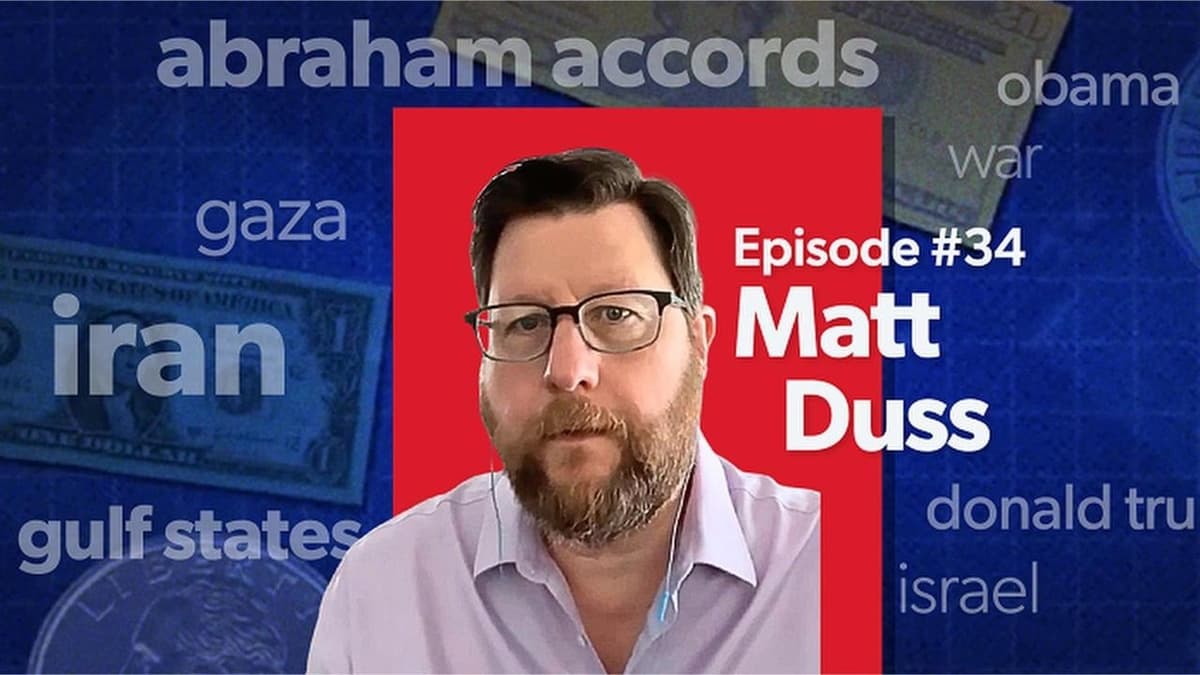
Mostly Economics Podcast #34: Another Lie, Another War with Matt Duss
Former Bernie Sanders adviser Matt Duss tells the Mostly Economics podcast that claims Iran was on the verge of acquiring a nuclear weapon were false, citing the 2007 National Intelligence Estimate and subsequent U.S. assessments that Tehran had not decided...
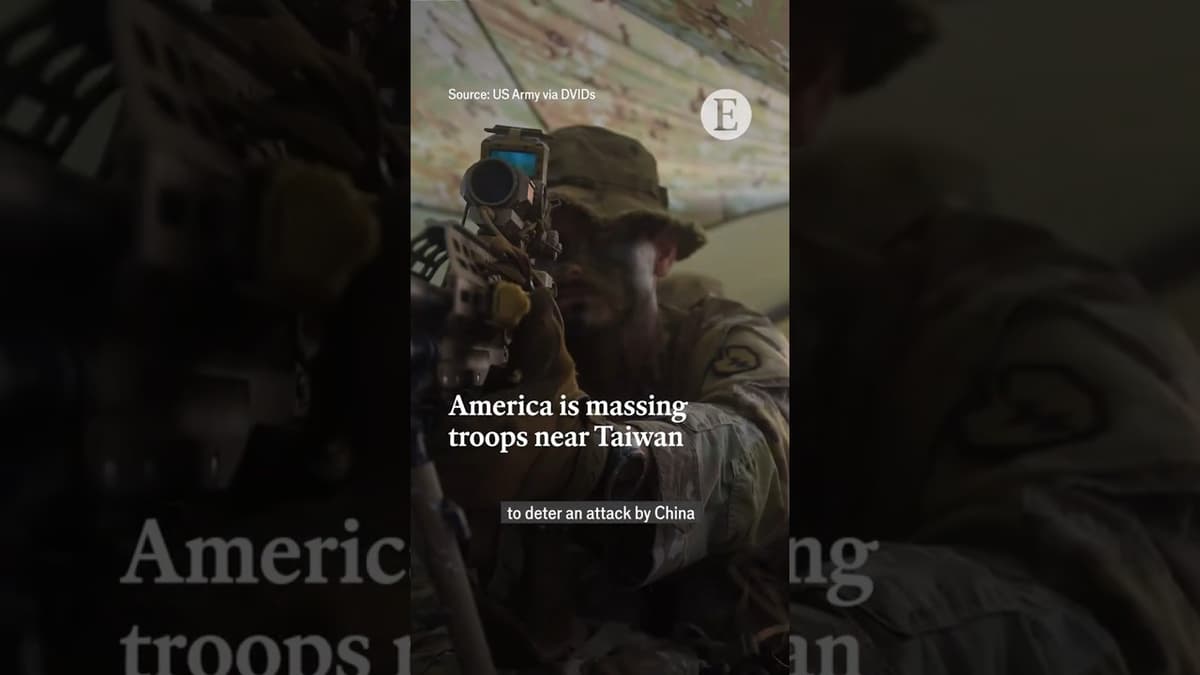
America Is Massing Troops Near Taiwan
The video reports that the United States has moved roughly 10,000 troops into the Philippines for a series of annual exercises, positioning forces close to Taiwan as a deterrent against a possible Chinese invasion. The drills are timed for April‑May, when...
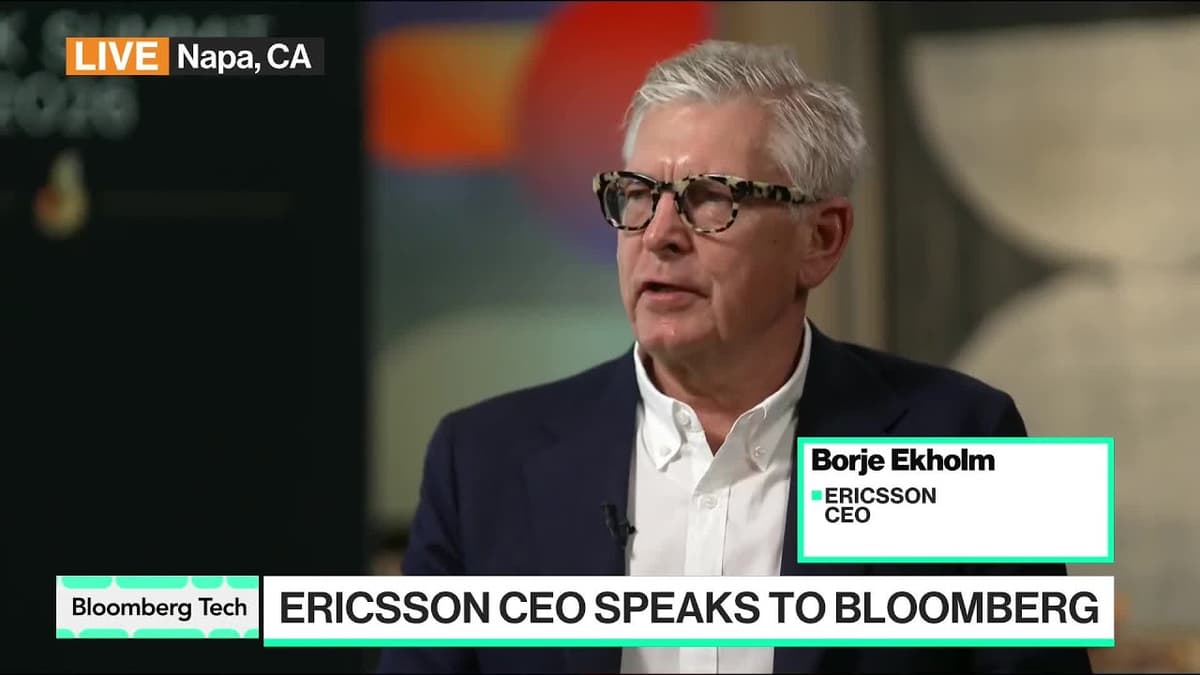
Ericsson CEO: To Compete With China, You Need to Lead on Technology
Ericsson’s chief executive framed the company’s strategic priority: beating China at the technology front. He argued that merely competing on price is insufficient; leadership in advanced telecom solutions, such as massive MIMO and AI‑driven edge computing, is essential to retain...

Inside India - 14-May-26
Inside India’s Thursday edition focused on a confluence of diplomatic and market dynamics. New Delhi is hosting the BRICS foreign‑minister meeting, with Iran’s foreign minister in attendance, while the rupee edges toward the 96‑per‑dollar threshold. In Beijing, President...
The Fate of the Dollar: Digital Currencies and Geopolitical Challengers
The Council on Foreign Relations hosted a panel titled “The Fate of the Dollar, Digital Currencies and Geopolitical Challengers,” featuring experts from academia, China studies, and the Algorand Foundation. The discussion examined whether the U.S. dollar’s half‑century‑long reserve‑currency supremacy...
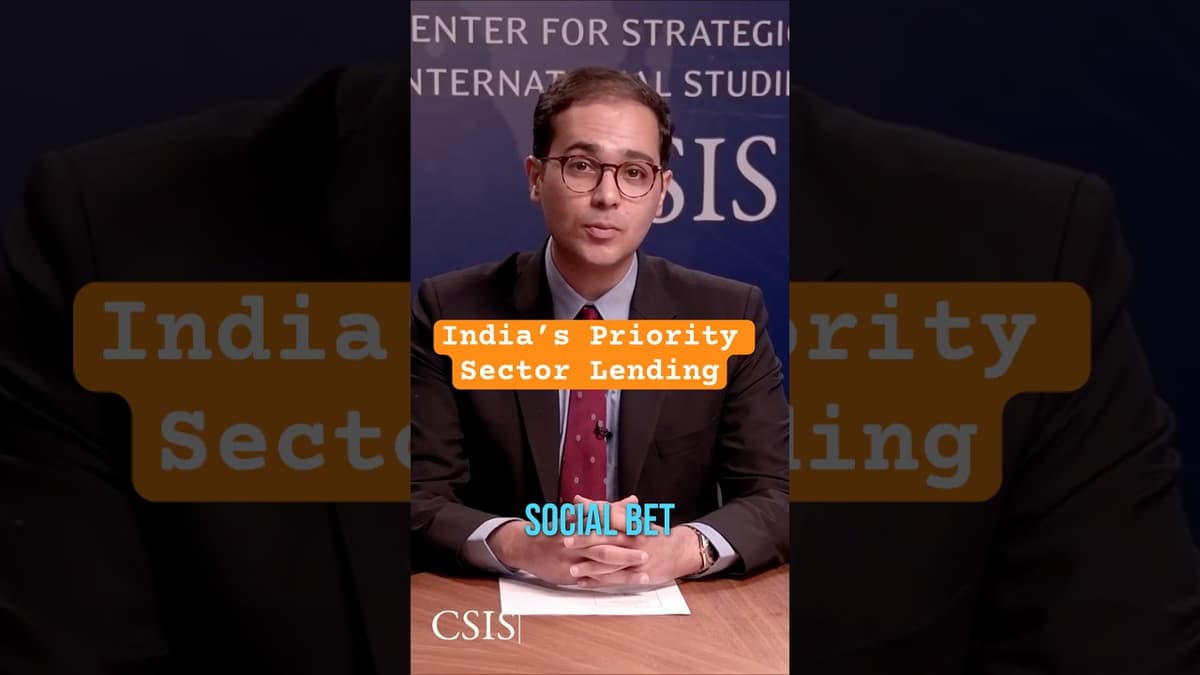
India’s Priority Sector Lending
The video examines India’s long‑standing priority sector lending (PSL) mandate, which legally requires banks to allocate roughly 40 % of their credit to farmers, micro‑enterprises and other marginalized groups. The policy was introduced to correct a credit market that systematically excludes...
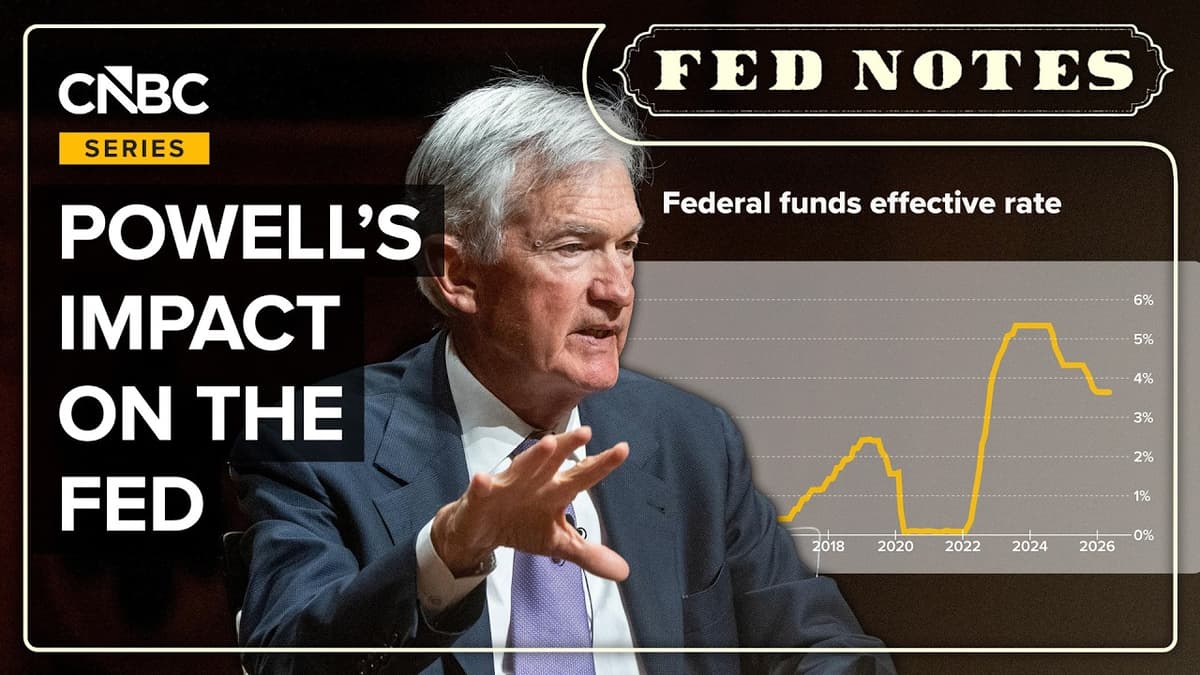
How Jerome Powell Reshaped The Federal Reserve
The video examines Jerome Powell’s tenure as Federal Reserve chair, arguing that his imprint on the central bank will be judged by two contrasting narratives – soaring inflation and a swift, decisive pandemic response – and by his willingness to...
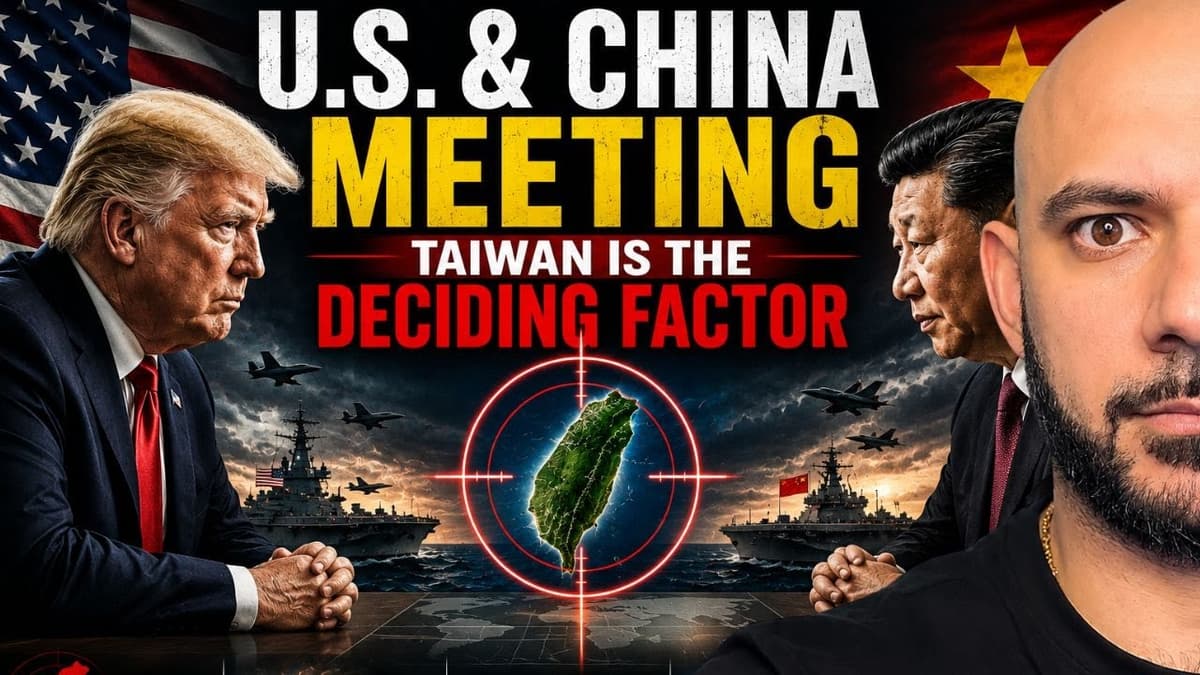
Beijing Sends Chilling Warning To America
The livestream opens with a market snapshot—Nasdaq approaching 30,000, dip‑buying routines, and a looming Trump‑Xi summit—before pivoting to Beijing’s stark warning to the United States over Taiwan. Xi Jinping cautions President Trump to temper any aggressive moves, emphasizing Taiwan’s outsized...
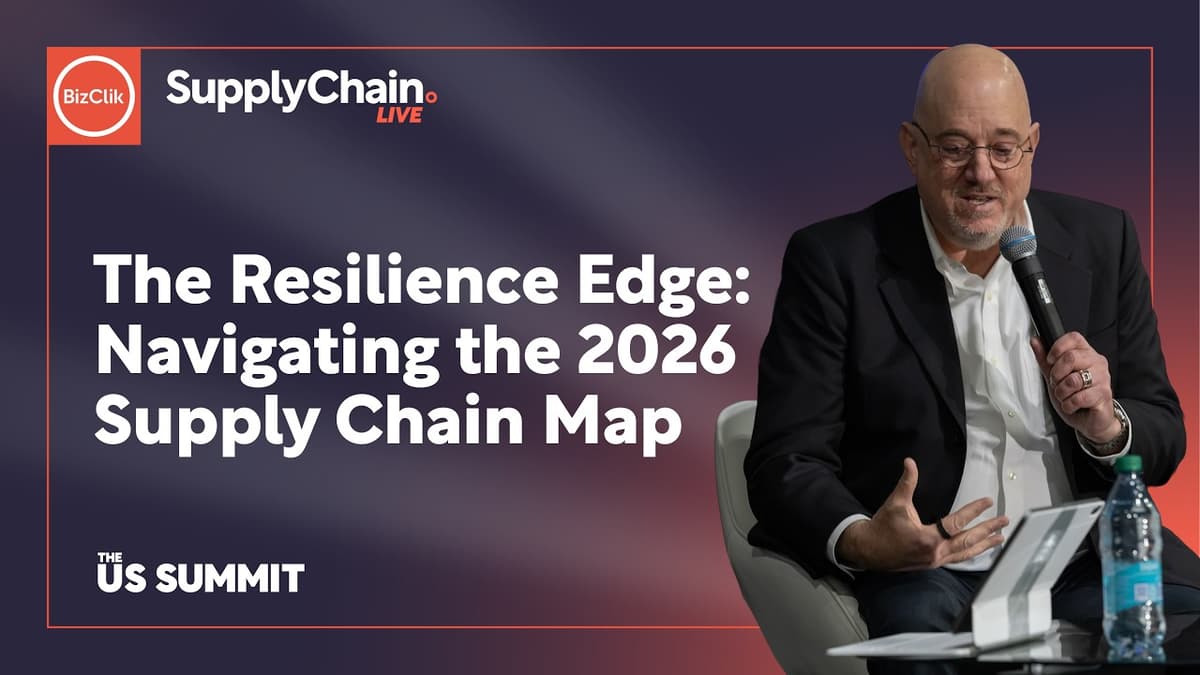
Jeffrey Luft, Navigating the 2026 Supply Chain Map, Keynote | The US Summit: Supply Chain Stage 2026
Jeffrey Luft opened the keynote by framing 2026 as a "never‑normal" era where supply‑chain volatility has become permanent. He traced the evolution from pre‑COVID lean, just‑in‑time models to the current hybrid approach that blends just‑in‑time efficiency with just‑in‑case buffers, nearshoring,...
As Keir Starmer Crisis Deepens, Where Next for UK Bond Markets?
The video examines how Prime Minister Keir Starmer’s faltering political standing is destabilising UK sovereign‑bond markets. Bond yields have climbed again as investors worry a future Labour administration could scrap the fiscal rules introduced by Starmer and Chancellor Rachel Reeves in...
AI Subscriptions
The podcast explores how consumer‑price statistics treat AI subscription services that retain a flat $20 monthly fee while their capabilities expand dramatically. Host Jim Tebrake and price‑statistics expert Barra Casey explain that the Consumer Price Index (CPI) aims to track...
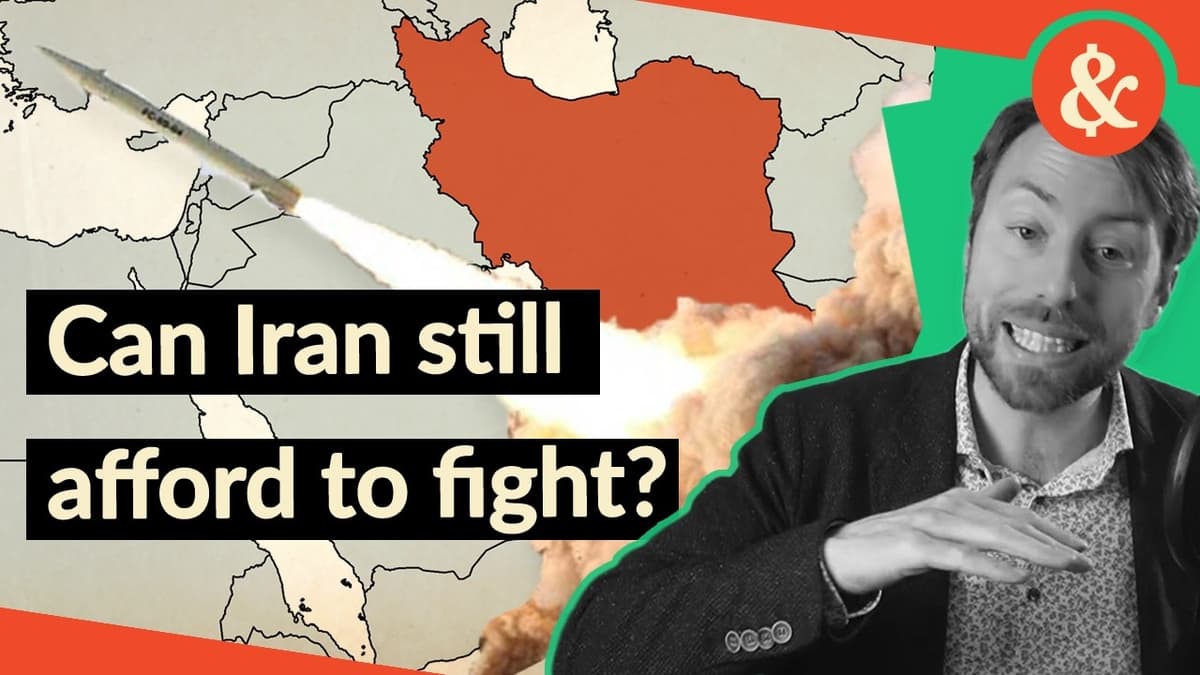
Iran's Crumbling Economy
Iran spent heavily on missile and drone attacks before a cease-fire, at an estimated $45 million per day, straining a state with roughly $11 billion in foreign reserves. U.S. countermeasures—including a naval blockade and an “Operation Economic Fury” targeting Iranian...
Iran Conflict Dominates BRICS Foreign Ministers MeetingーNHK WORLD-JAPAN NEWS
Iran’s foreign minister Abbas Aroshi led the agenda at the BRICS foreign ministers’ meeting in New Delhi, where India holds the chair for 2024. The talks were dominated by the escalating conflict in Iran, drawing sharp attention from the emerging‑economies...

GMA First Look Full Broadcast - May 14, 2026
Good Morning America’s First Look opened with President Trump’s high‑stakes summit in Beijing, where he and President Xi Jinping exchanged pleasantries while Chinese officials issued a stark warning that mishandling the Taiwan issue could spark a direct US‑China clash. The...
Trump-Xi Summit: China Says Will Open Up & Starmer Fights for Survival | The Pulse 05/14/2026
The Pulse covered the high‑profile Trump‑Xi summit in Beijing, where former U.S. President Donald Trump and President Xi Jinping presented a public display of camaraderie while privately delivering stern warnings about Taiwan. The event featured a red‑carpet reception, a 21‑gun...
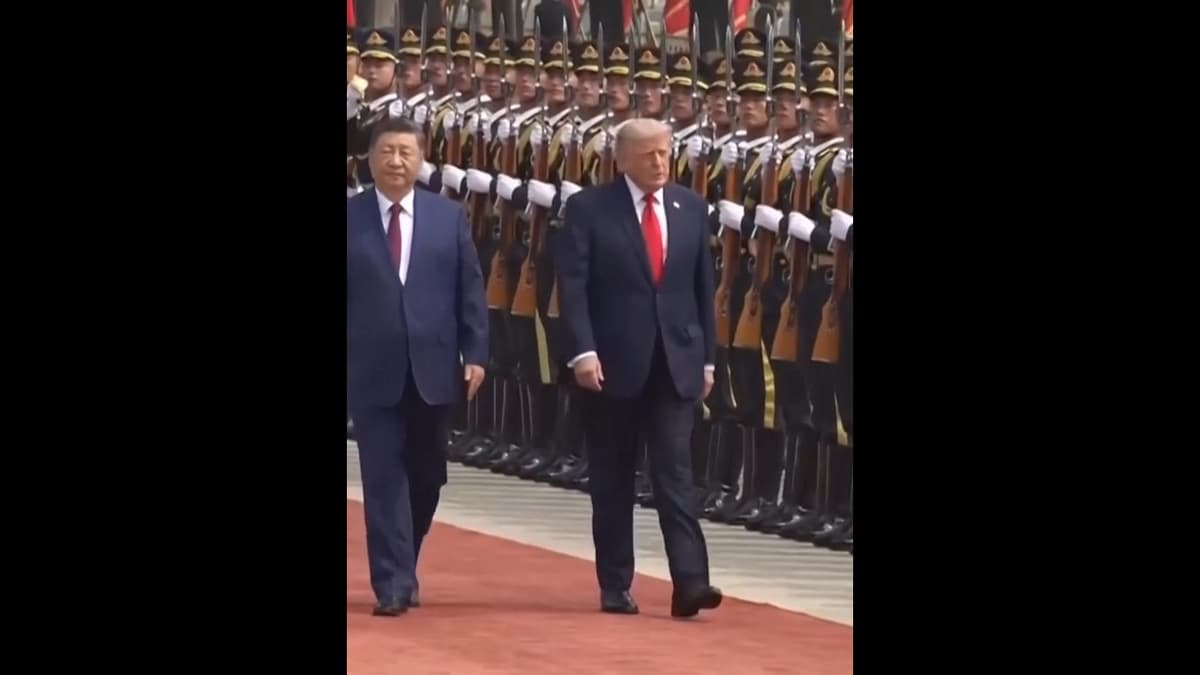
US-China Summit: The 5 Things Donald Trump Needs From Xi Jinping
The video outlines five priorities Trump hopes to extract from Xi at the Beijing summit, ranging from agricultural and aerospace sales to geopolitical concessions. Trump leverages China’s demand for U.S. soybeans, poultry and Boeing 737s to secure wins for farmers and...
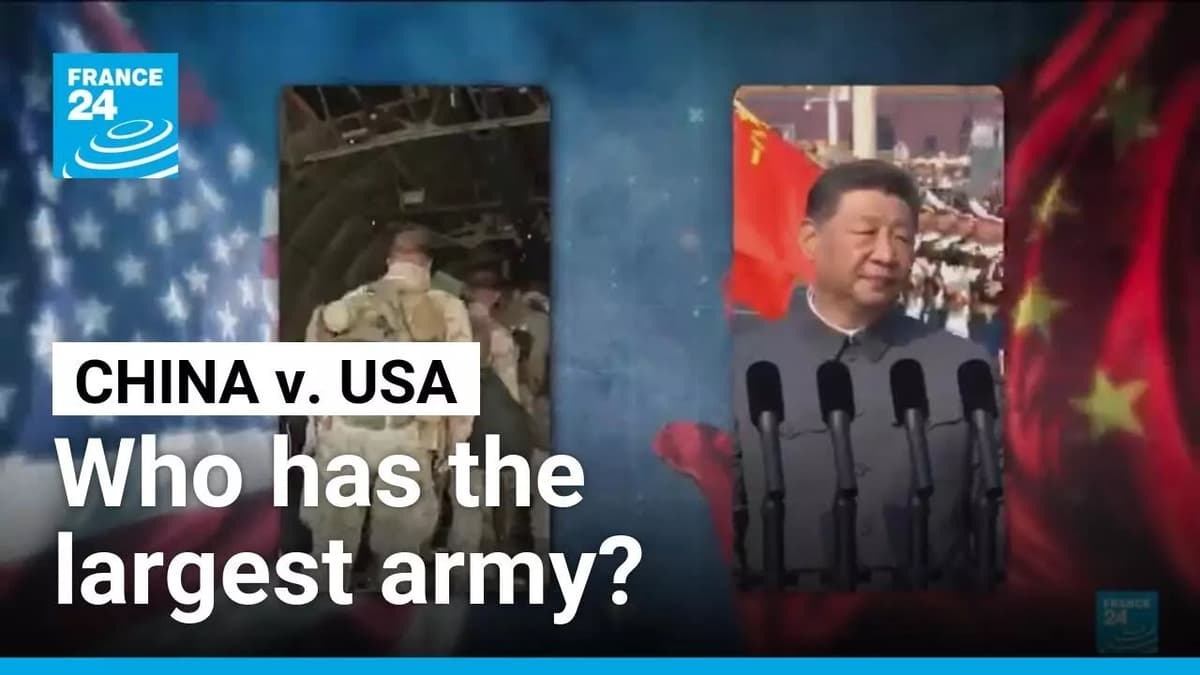
China or the US: Who Has the Largest Army? • FRANCE 24 English
The video contrasts the two world’s largest armed forces – the United States Army and China’s People’s Liberation Army – highlighting how each nation measures military strength across personnel, equipment, and fiscal resources. China fields roughly 2.5 million active personnel, nearly twice...
Financial Market Preview - Thursday 14-May
The FactSet market preview for Thursday, May 14, 2026, opened with a snapshot of global markets: US equity futures nudged higher after Wednesday’s technology‑driven rally that lifted the S&P 500 and Nasdaq to fresh record levels. Asian equities were mixed, European...
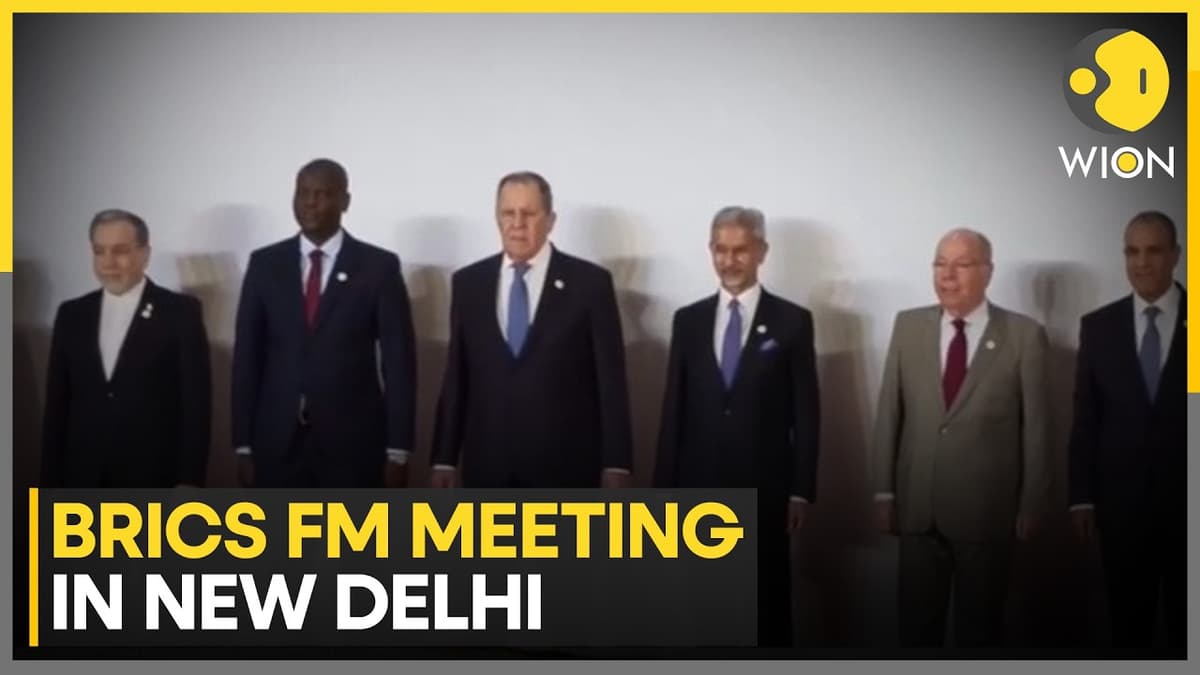
BRICS Summit 2026: Two-Day Meeting Kickstarts at New Delhi's Bharat Mandapam | WION
The BRICS foreign ministers gathered at New Delhi’s Bharat Mandapam for a two‑day summit, focusing on the escalating conflict in West Asia and its repercussions for global energy security. Hosted by External Affairs Minister S. Jaishankar, the meeting underscored India’s role...
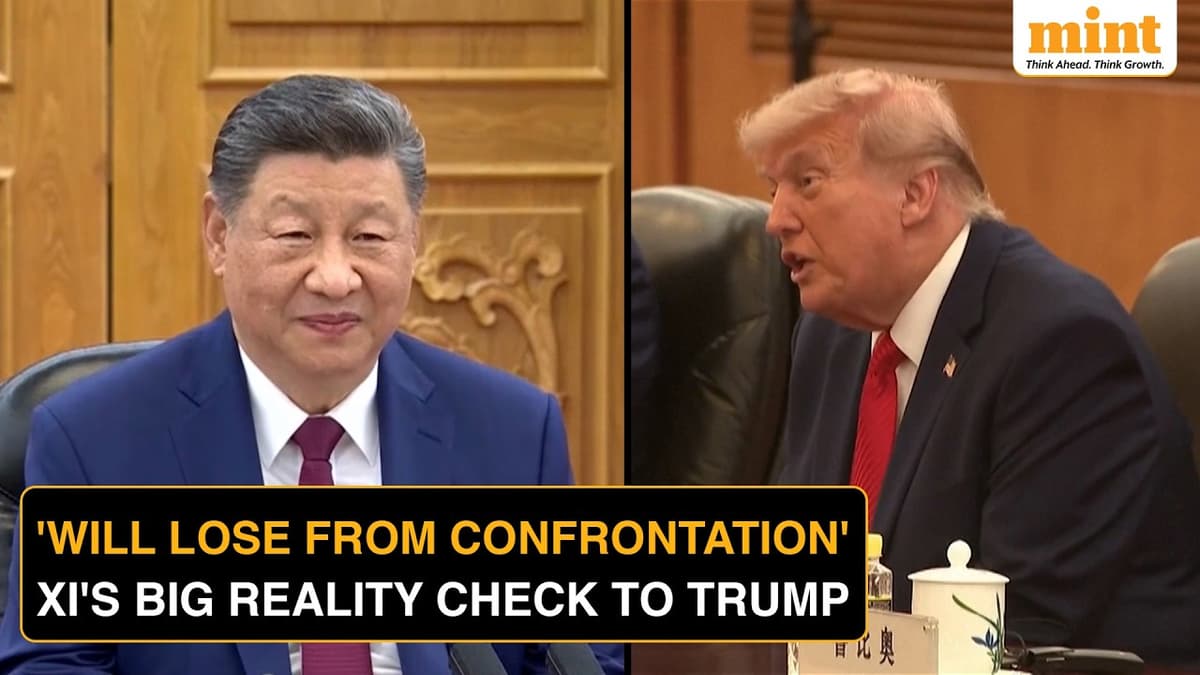
On Cam: Xi Jinping Schools Trump Over Iran War During Bilateral Meeting, Says 'Will Lose...'
The video covers the historic bilateral summit between Chinese President Xi Jinping and U.S. President Donald Trump in Beijing, the first such meeting since 2017. The agenda centered on resetting a strained relationship and addressing the ongoing Iran‑U.S. conflict that...
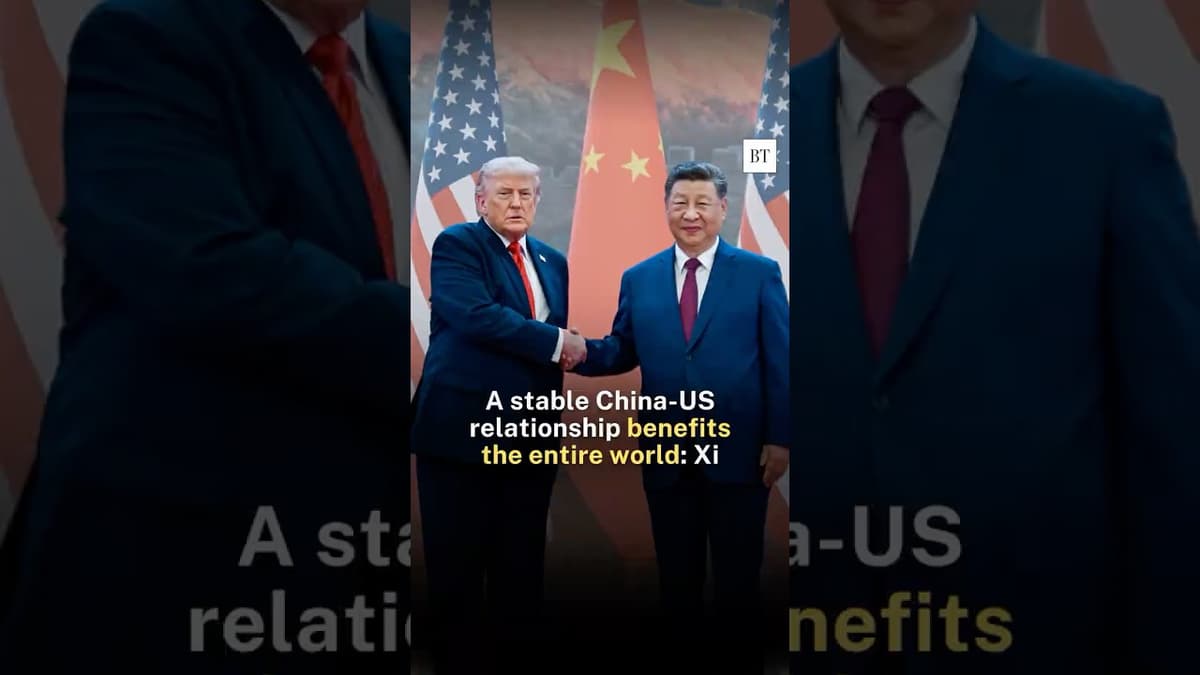
It’s an Honour to Be Your Friend: Trump to Xi
In a televised address to President Xi Jinping, former U.S. President Donald Trump framed the bilateral relationship as a friendship rather than a rivalry, urging both nations to prioritize partnership. He emphasized that shared interests between the United States and...
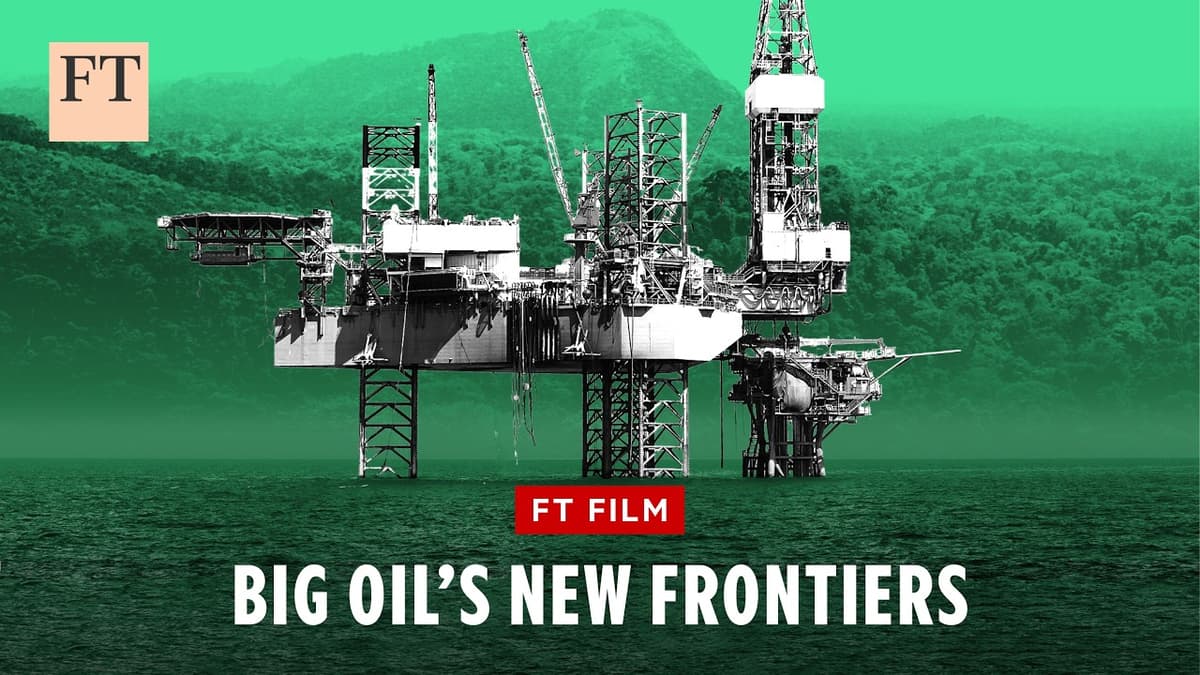
Why Big Oil Is Opening New Frontiers | FT Film
Suriname, South America’s smallest and greenest nation, is betting on a $10.5 billion offshore oil development – dubbed Grand Morgu – to lift the country out of a prolonged recession and IMF‑backed recovery. The project, led by TotalEnergies, targets 220,000 barrels per...

Ira Backs AI and Copper Trade
The video recaps Thursday’s market round‑up, highlighting Kevin Walsh’s confirmation as Federal Reserve chair, a rally in AI‑related equities, and the upcoming Trump‑Xi summit in Beijing. Despite a 6% year‑over‑year jump in the producer‑price index, equities rose; Nvidia, Tesla, and Cisco...
What Is Stress Testing? - Explained by the Reserve Bank of New Zealand
The Reserve Bank of New Zealand (RBNZ) uses stress testing to evaluate how the country’s banks and insurers would fare under extreme “what‑if” scenarios. The bank runs models that simulate economic downturns, geopolitical conflicts, severe weather events and sudden spikes in...
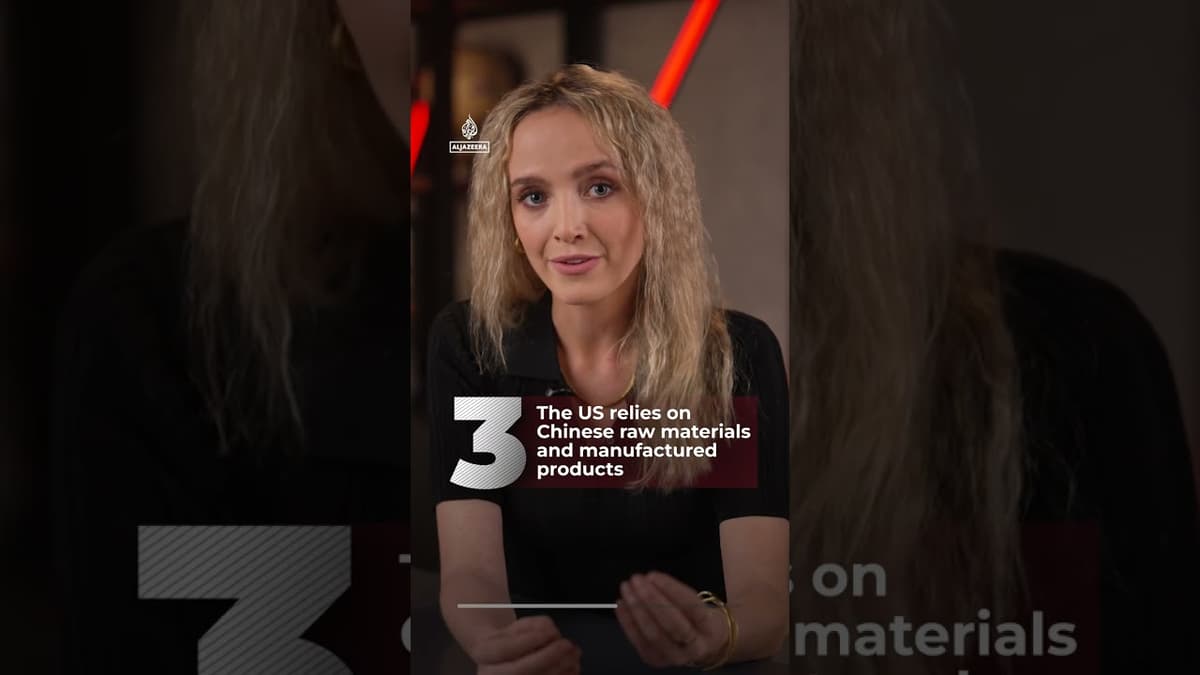
Five Things You May Not Know About US-China Ties
Amid a high‑stakes US‑China summit, the video highlights five often‑overlooked dimensions of the bilateral relationship. It underscores that despite tariffs, the United States remains China’s largest trading partner, with more than $500 billion in goods exchanged each year, and that China is...

The WSJ's Lingling Wei: Four Things to Look for in US-Chinese Trade Relations
Lingling Wei of the Wall Street Journal outlines four focal points to gauge the evolving US‑China trade relationship. She emphasizes that changes in Chinese rare‑earth export licensing could signal a softening of Beijing’s kinetic leverage, while adjustments to US semiconductor...
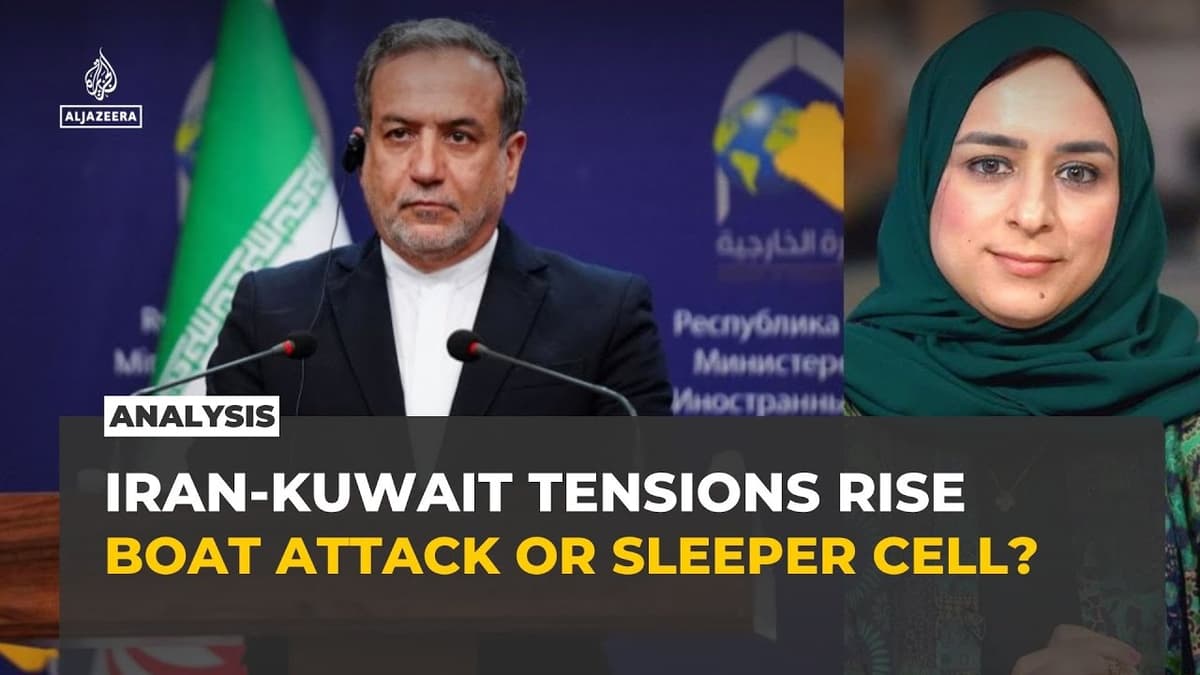
Araghchi Accuses Kuwait of Boat Attack, Demands Release of 4 Citizens as Analyst Sees Regional Risk
Iran’s foreign minister has publicly accused Kuwait of illegally boarding an Iranian‑registered fishing vessel and detaining four Iranian nationals, whom Tehran says belong to the Revolutionary Guard Corps. The incident, which Kuwait’s interior ministry says occurred on May 1, was framed...
Global Economic Outlook: Navigating Growth, Risk, and Opportunity | Global Conference 2026
The panel opened by framing the global economy’s two dominant shocks: an unprecedented energy disruption from the Strait of Hormuz closure and the rapid diffusion of artificial intelligence. Speakers agreed that the Hormuz shutdown, which removed roughly 14 million barrels per...
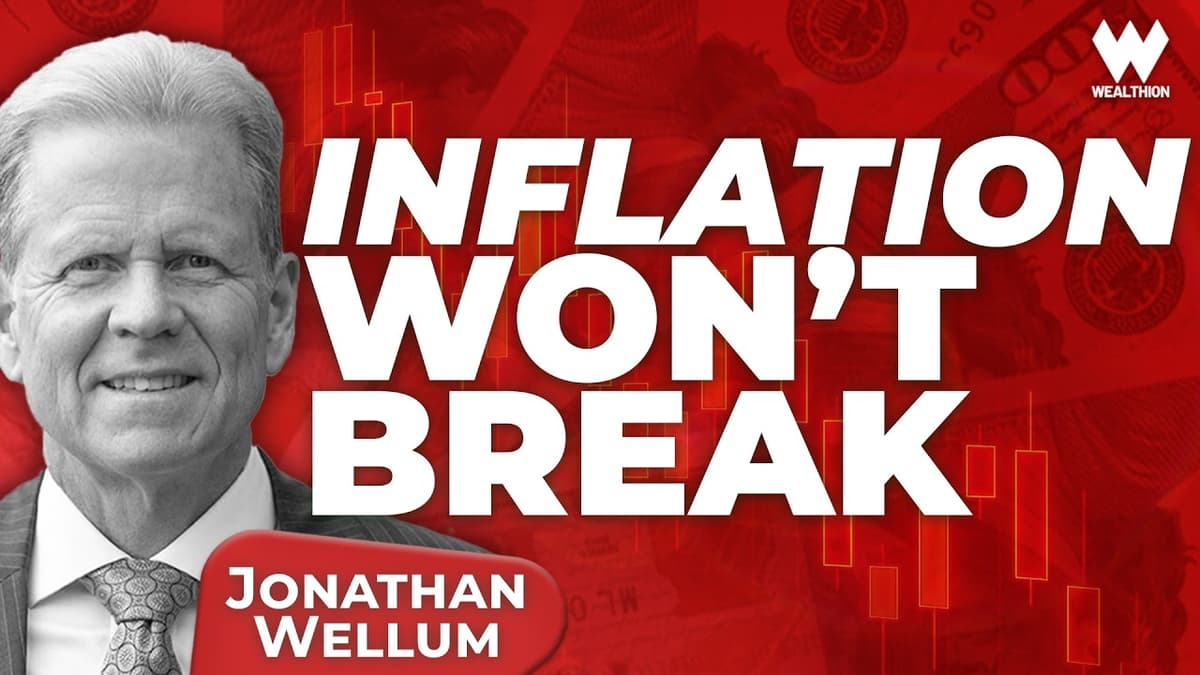
The AI Bubble Is Real — And Commodities Are the Escape Hatch
The interview centers on the persistence of inflation, soaring global debt, and the emerging AI investment boom, arguing that commodities may serve as the primary hedge against these macro pressures. Jonathan Wellm notes inflation will likely hover around 2‑3% as oil...
U.S.-UAE Swap Line to Test Fed Independence
The video examines the United Arab Emirates’ request for a permanent U.S. dollar swap line, a proposal surfacing as the Iran‑Israel conflict rattles markets. Swap lines are a unique Federal Reserve tool that can supply virtually unlimited dollars to foreign...
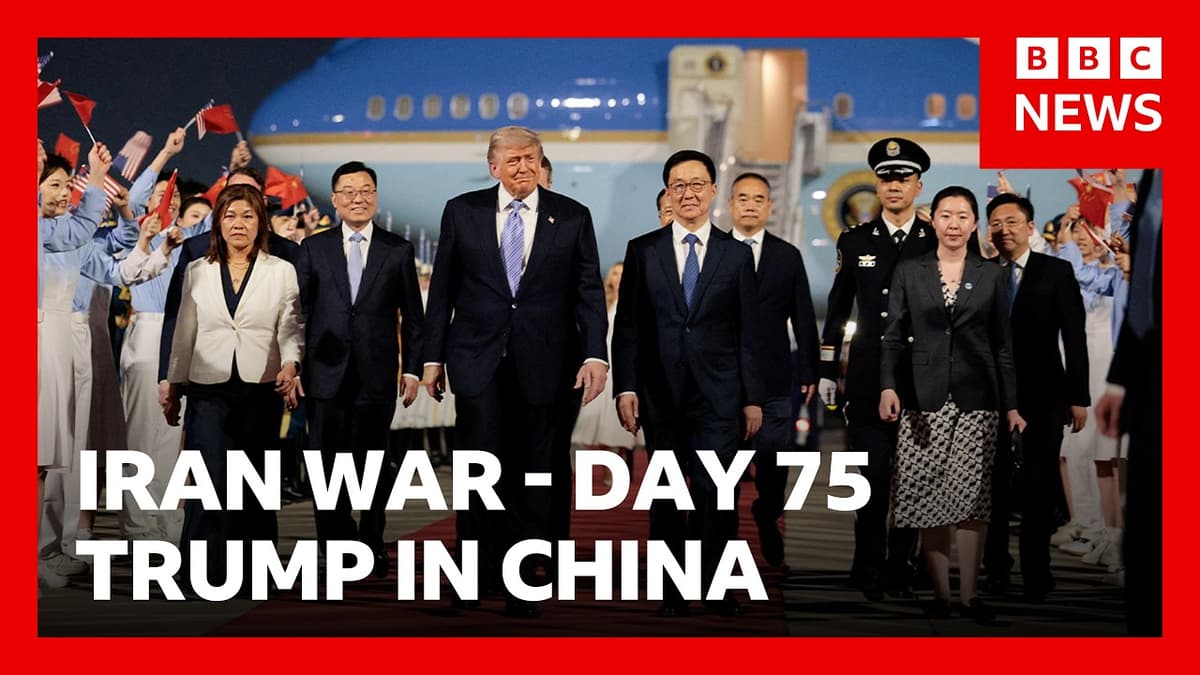
War in Iran Expected to Be High on Agenda for Trump in China | BBC News
President Donald Trump arrived in Beijing for a two‑day summit with Xi Jinping, with the Iran war expected to dominate discussions. While Trump publicly claimed the United States does not need China’s assistance to resolve the conflict, officials in both...
Lyn Alden on Serious Macroeconomic Consequences of AI & Semiconductor Boom
Lyn Alden discussed the macroeconomic fallout of the AI and semiconductor boom, emphasizing that the surge in demand for GPUs, memory, and electricity is reshaping both the technology sector and the broader economy. She likened the current wave to the...

China: Trump Term 1 Vs. Trump Term 2
A senior Chinese official told the speaker that Beijing’s perception of Donald Trump has shifted sharply since his first term. In 2016–20 they saw a transactional president constrained by China hawks; now they view him as unrestrained, surrounded by loyalists...
Do U.S.-German Relations Have a Future?
US-German relations are under heavy strain after public clashes during the Trump era, but experts argue the rupture reflects deeper, longer-running shifts rather than solely presidential personalities. Germany has emerged as Europe’s central economic and military power as the UK...
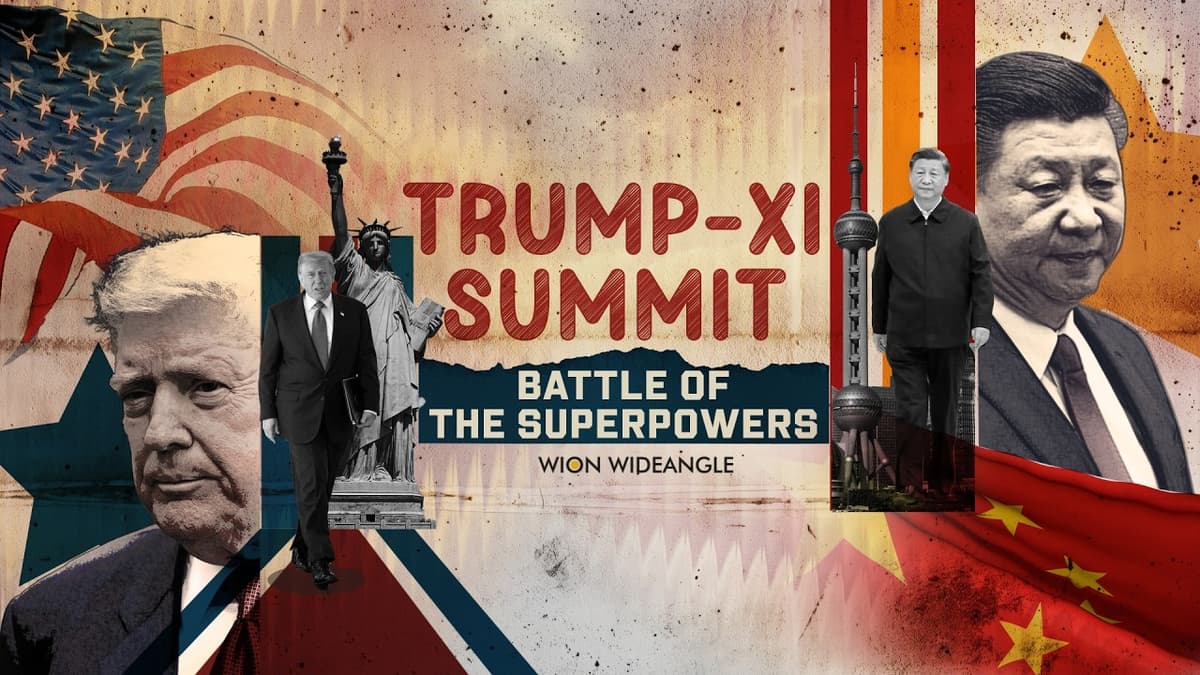
Trump-Xi Summit: The Battle of Superpowers | WION Wideangle
The WION Wideangle episode centers on the Trump‑Xi summit in Beijing, the first U.S. presidential visit to China in nearly a decade. It frames the meeting as a litmus test for the evolving U.S.–China relationship, which has moved from Cold‑War...

Why China and Iran’s History Matters to the US
The video examines the upcoming U.S.–China summit against the backdrop of the Iran‑Strait of Hormuz crisis, suggesting Washington hopes Beijing will pressure Tehran to reopen the vital shipping lane. It traces the roots of the China‑Iran relationship to the 1979 revolution,...
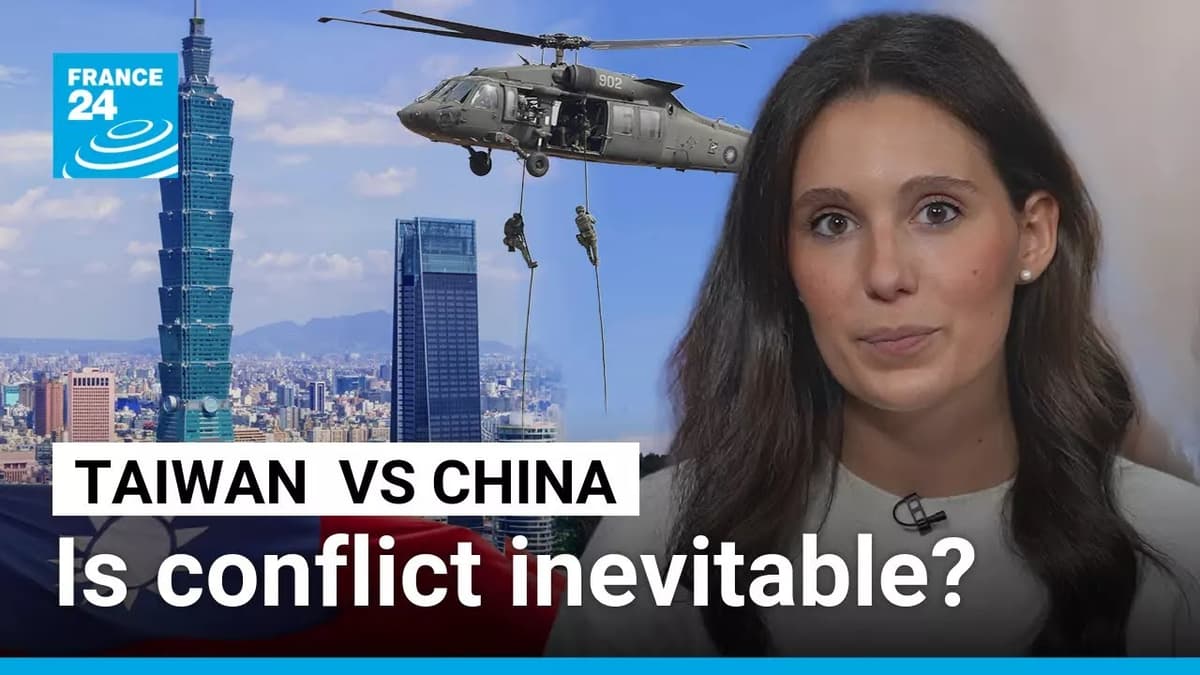
Taiwan vs China: Is Conflict Inevitable? • FRANCE 24 English
The video asks whether a clash between China and Taiwan is inevitable, tracing the island’s evolution from a Qing frontier to a de‑facto independent democracy and a flashpoint in U.S.–China rivalry. It highlights Taiwan’s outsized role in global technology—producing about 60%...
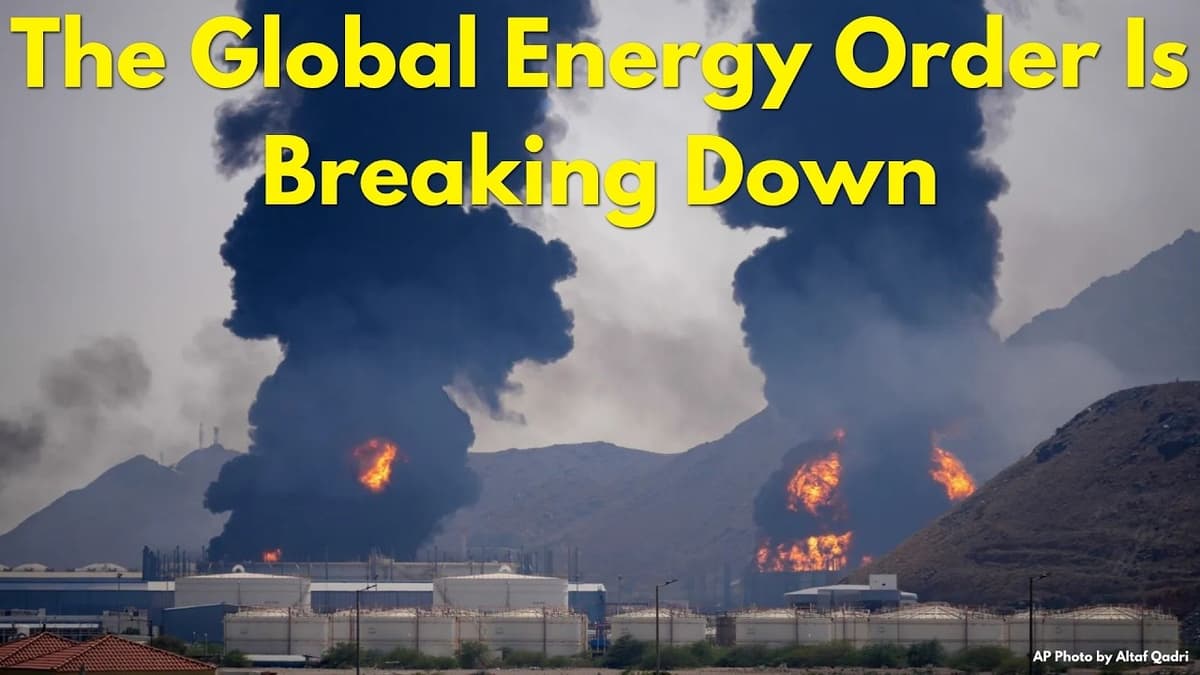
Middle East War Expands as Gulf States Strike Iran
The video discusses the latest escalation in the Middle East conflict as the United Arab Emirates and Saudi Arabia launch strikes against Iran, prompting Tehran to hit the Gulf states’ economic and energy infrastructure. Professor Jack Cunningham notes that while the...
Trump Just Quietly Brought 17 Of America's Most Powerful CEOs To Beijing. You Don't Want To Miss Why
Former President Donald Trump arrived in Beijing accompanied by 17 of America’s most powerful CEOs, turning the diplomatic visit into a high‑stakes business roadshow. The delegation featured Elon Musk, Tim Cook, the heads of Boeing, BlackRock, Goldman Sachs, Cargill, Meta and...
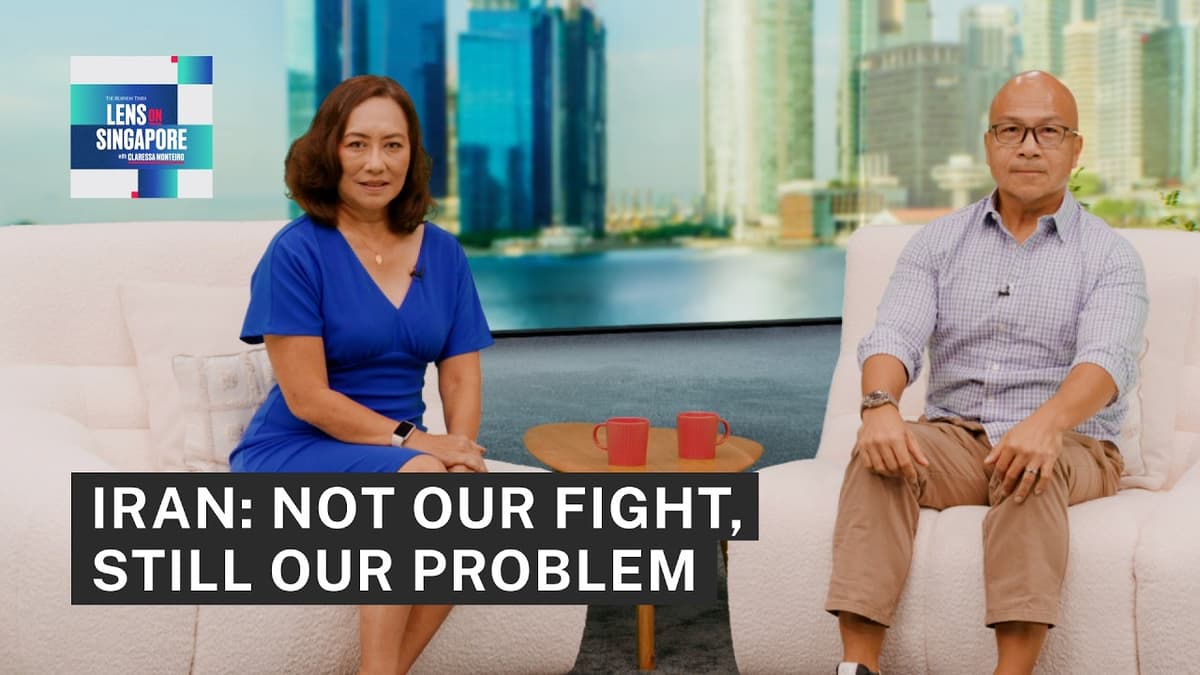
Iran: Not Our Fight, Still Our Problem
Singapore faces a direct fallout from the Iran‑U.S.‑Israel clash and the wider Middle‑East wars, as highlighted in the Lens on Singapore interview with Prof. Joseph Liao. The discussion frames the conflict as a multi‑front struggle—Iran vs. U.S., Israel‑Hezbollah in Lebanon,...
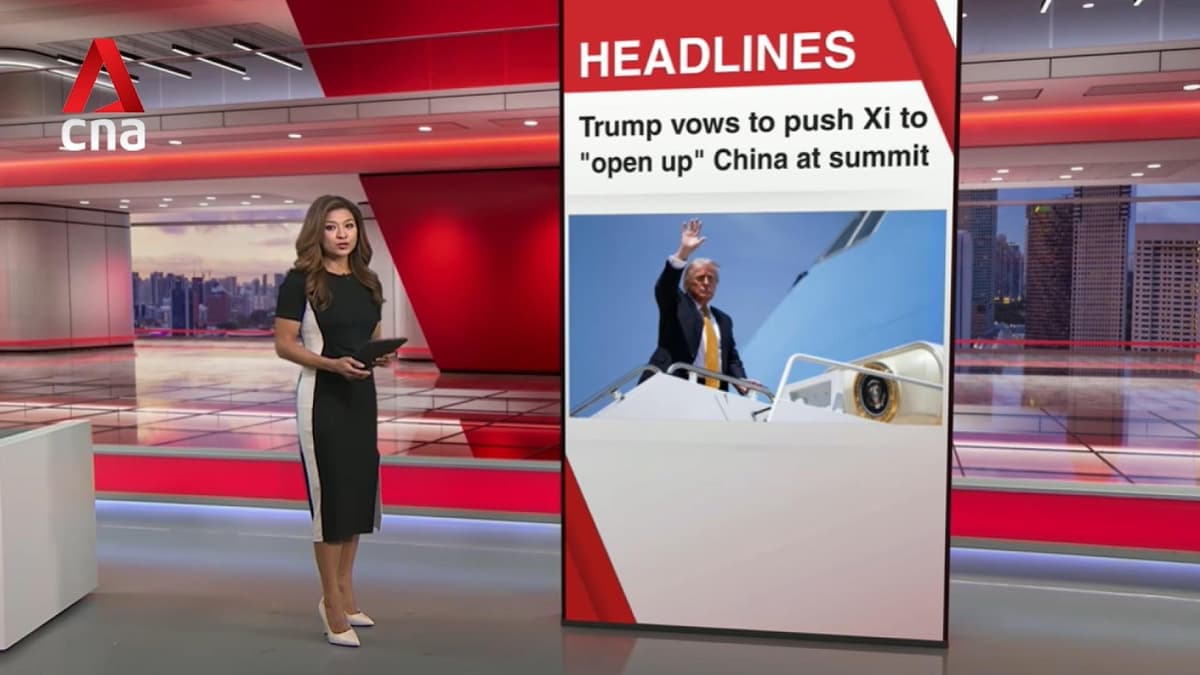
Trump Vows to Push Xi to 'Open Up' China at High-Stakes Summit | East Asia Tonight (May 13)
President Donald Trump arrived in Beijing for a two‑day summit with President Xi, declaring his first order of business to persuade China to "open up" its markets. Accompanying him on Air Force One were tech titans Jensen Huang of Nvidia,...
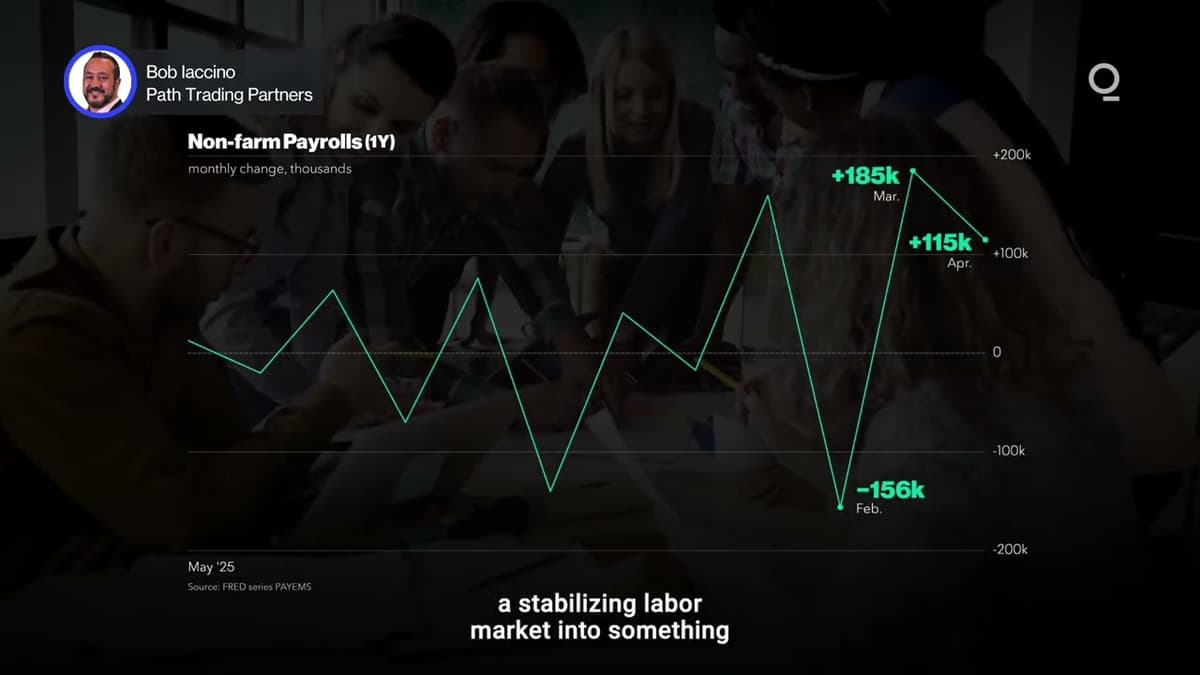
April Job Surge May Disguise Instability | Presented by CME Group
April’s employment report showed a robust gain of 353,000 jobs, beating analysts’ forecasts and marking the first two‑month advance in hiring since early 2024. The unemployment rate slipped modestly, reinforcing the headline narrative of a strengthening labor market. However, beneath...
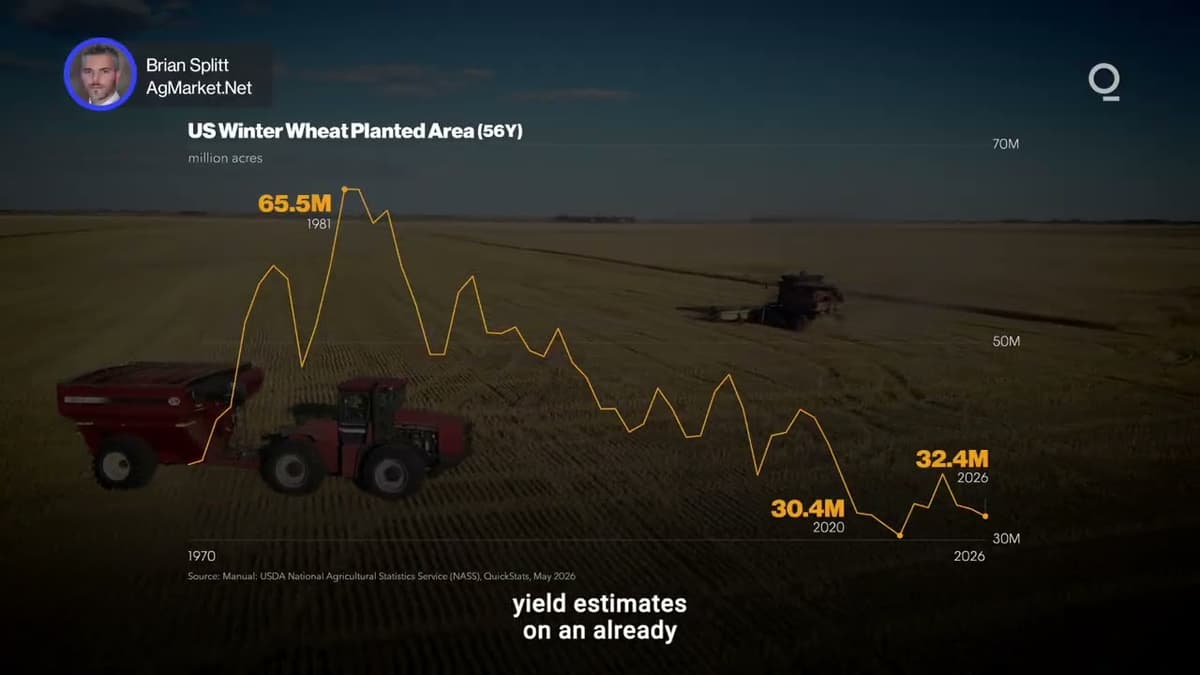
US Grain Markets Brace for Summer Volatility | Presented by CME Group
The CME Group video warns that U.S. grain markets are entering a perfect storm of weather, input‑cost and supply constraints that could drive summer price volatility. A severe drought across the southern Plains, especially Kansas and Oklahoma, is cutting expected yields...
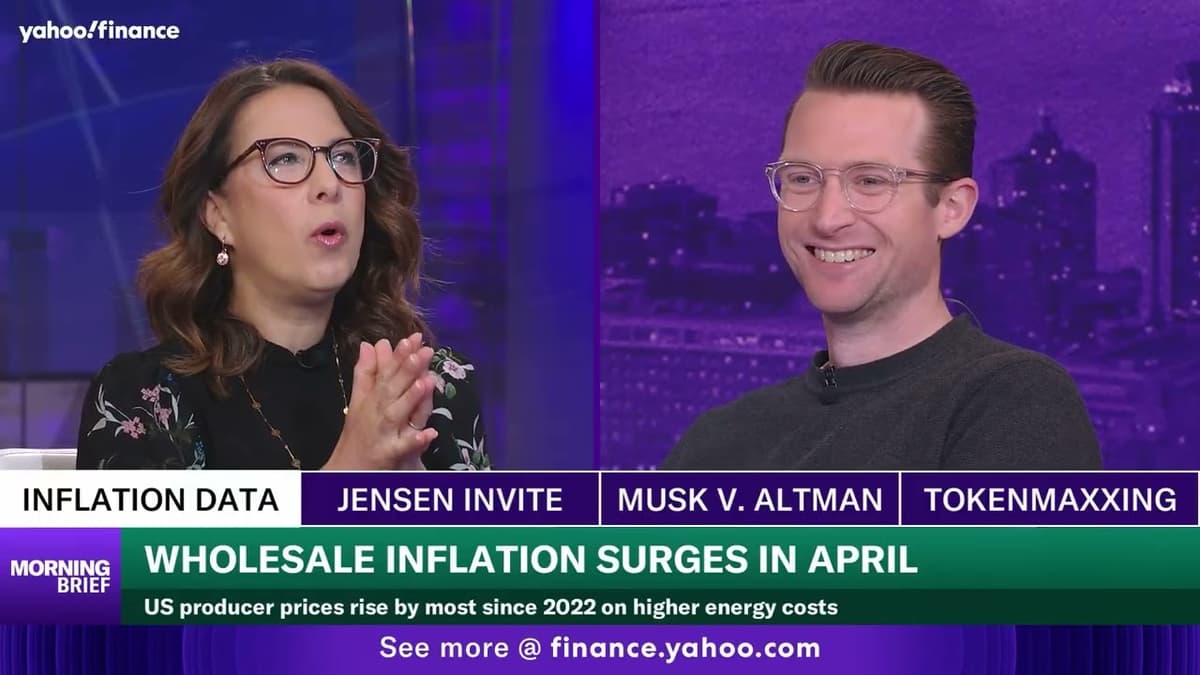
Token Maxxing + Jensen Huang Joins Trump in China + OpenAI vs Elon Musk
The hosts reacted to a hotter-than-expected Producer Price Index print showing large month-over-month gains—driven by food, energy and electronic components such as memory chips—and warned that these inflation pressures have not fully passed through to consumer prices. They argued the...

Squawk Box Asia - 13-May-26
Squawk Box Asia opened with a rundown of U.S. market futures, noting that the S&P 500 and Nasdaq are expected to slip modestly after a stretch of record‑high gains. The segment linked the pullback to a hotter‑than‑expected April CPI print and...
He Invested Through Five Bubbles | Andy Constan on What They Taught Him About AI
Veteran investor Andy Constan says bubbles are identifiable only as regimes with root causes, escalation events and peaking behavior, but their timing and exact tops are essentially unknowable in real time. Drawing on five bubble episodes from his career, he...
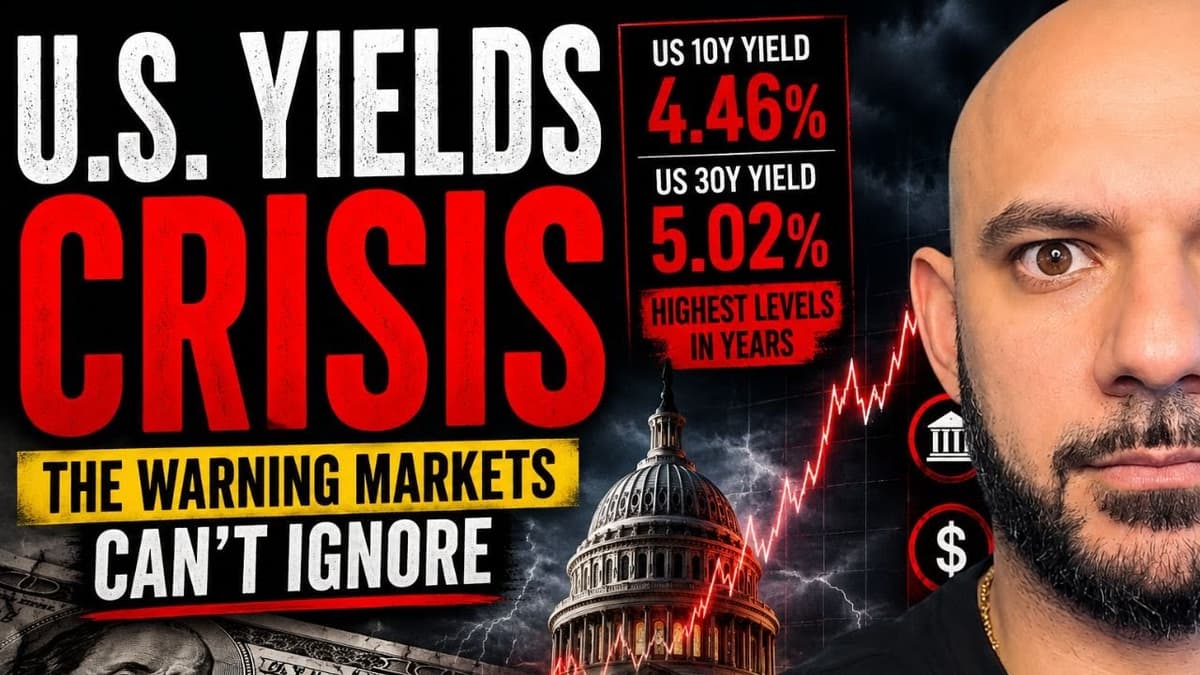
America’s Debt Crisis Has Started
The video warns that America is entering a debt‑driven crisis as inflation and bond yields climb sharply. Recent data showed core PPI jumping to 6% year‑over‑year, well above the 4.8% forecast, while the overnight index swap curve has steepened, with...
What to Expect From Trump-Xi Meeting? | Quick Take
The video analyzes the upcoming U.S.-China summit between former President Donald Trump and President Xi Jinping, questioning how the unique dynamic between the two leaders could shape the talks. Trump reportedly sees Xi as an equal and is impressed by the...