AI, Inflation, and the U.S.-China Power Struggle Are Reshaping Markets
The video spotlights the imminent Trump‑Xi summit in Beijing, framed as a showdown over artificial intelligence, trade policy, and industrial dominance. Market participants view the meeting as a barometer for the next phase of the AI‑driven trade war, with senior executives from Nvidia, Tesla and Apple accompanying the U.S. delegation. Analysts note that AI deployment is tightening global supply chains, especially for semiconductors, memory chips and data‑center hardware. Ongoing shortages are inflating prices for Micron and Samsung, while rising component costs squeeze margins for downstream hardware makers. At the same time, volatility in the semiconductor sector remains elevated, creating premium‑selling opportunities for traders betting on a worst‑case geopolitical outcome. The host cites a 3.8% year‑over‑year CPI increase, stubborn shelter and food prices, and oil hovering near $100 a barrel as evidence that inflation is embedding beyond energy. A weak PPI report failed to confirm any stabilization, keeping yields high and reinforcing investor appetite for productivity‑linked themes such as AI and automation. These dynamics suggest a bifurcated market: chipmakers and AI infrastructure firms are likely to outpace peers, while hardware manufacturers face two‑sided volatility from margin pressure. Nvidia’s upcoming earnings report becomes a critical catalyst, potentially setting the tone for risk appetite across equities, energy and rates until the next wave of corporate results.
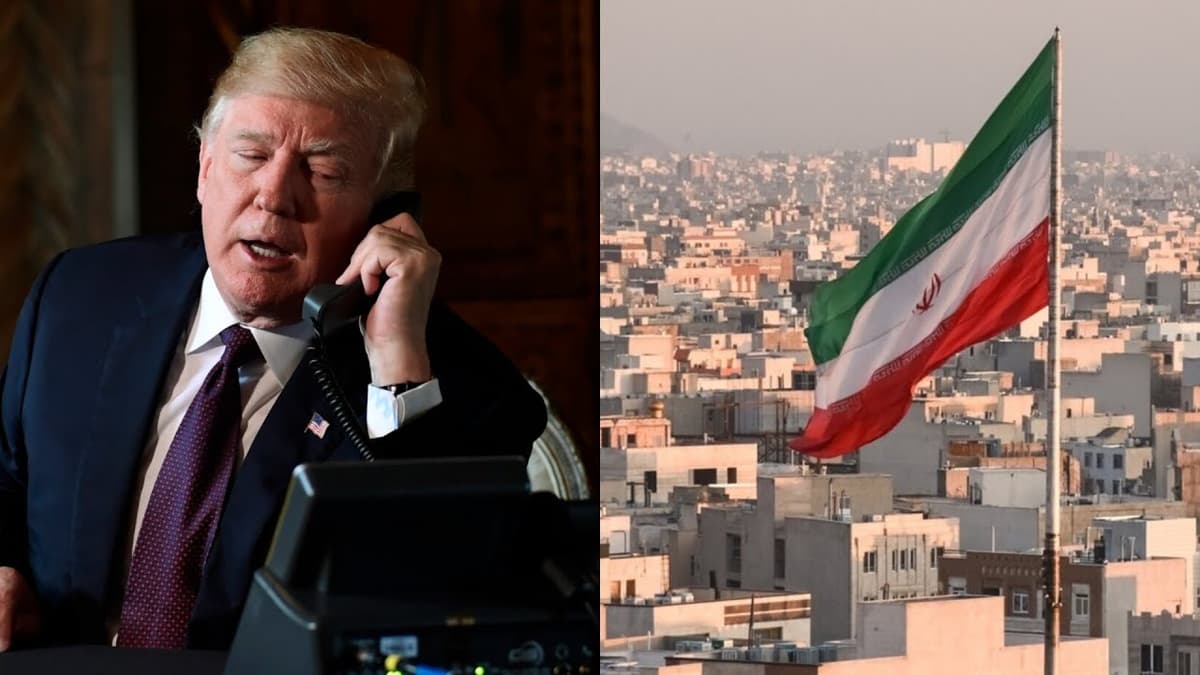
TV Host Questions Trump's Claim He Doesn’t Need China to Pressure Iran
The clip features a TV host pressing former President Donald Trump on his assertion that the United States can pressure Iran without Chinese involvement, highlighting contradictions in his “America First” stance. The discussion reveals that China is actively supporting Iran—supplying satellite...
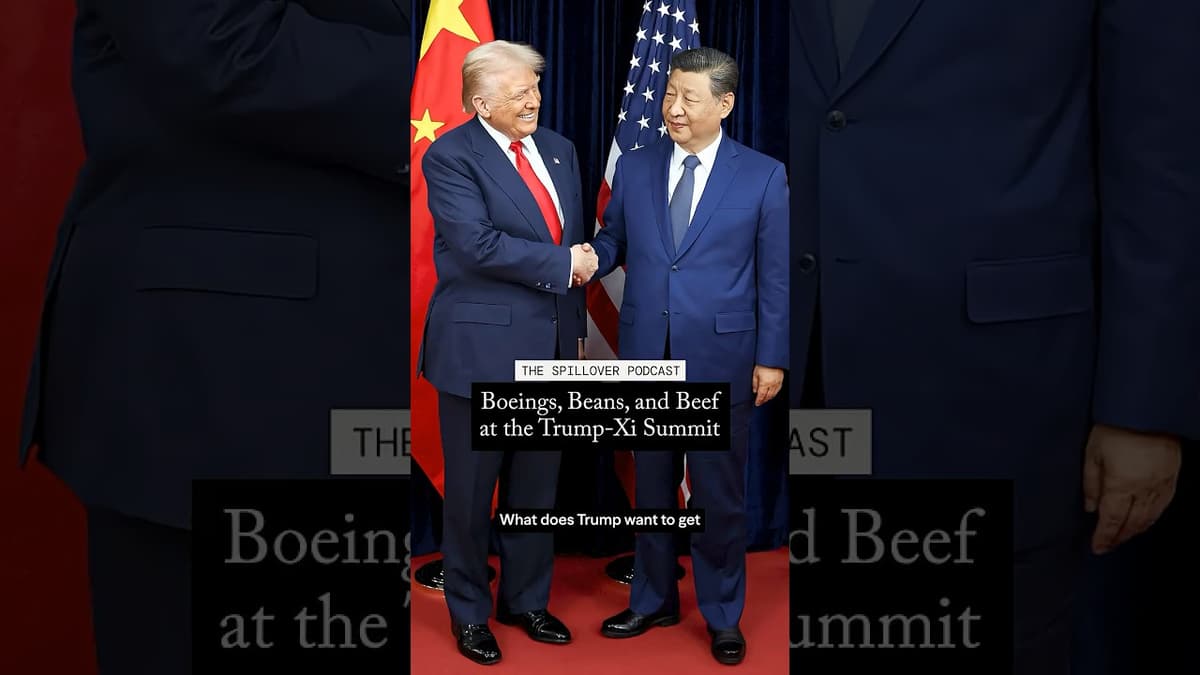
Boeings, Beef, and Beans at the Trump-Xi Summit
The upcoming Trump‑Xi summit is being framed around three headline‑grabbing trade items – Boeing aircraft, soybeans and beef – a narrative the administration hopes will showcase tangible wins for President Trump. Analysts estimate the deal could involve as many as 600...

Donald Trump's China Visit: What's at Stake? | FT #shorts
Former President Donald Trump is set to make his second trip to Beijing, a visit that carries high diplomatic and commercial stakes for both Washington and Beijing. Trump hopes China will leverage its position as Iran’s largest oil buyer to help...

SPS 101 with CropLife UK
The video centers on the pending Sanitary and Phytosanitary (SPS) agreement between the United Kingdom and the European Union, with a particular focus on how pesticide regulation will be handled under the deal. CropLife UK’s policy head, Theodora Raina, explains...
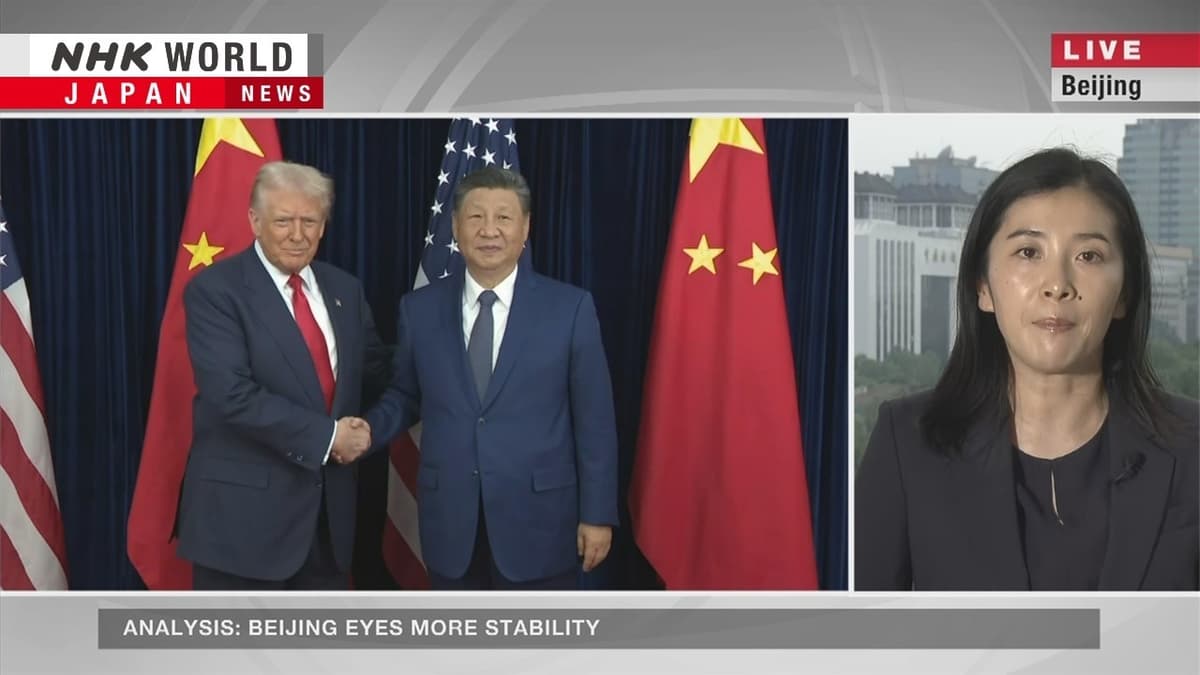
Stage Set for Trump-Xi TalksーNHK WORLD-JAPAN NEWS
President Trump arrived in Beijing for a high-profile summit with Xi Jinping, with meetings including a visit to the Temple of Heaven, a state banquet and talks over lunch. The leaders are expected to focus on easing trade frictions—tariffs, semiconductor...
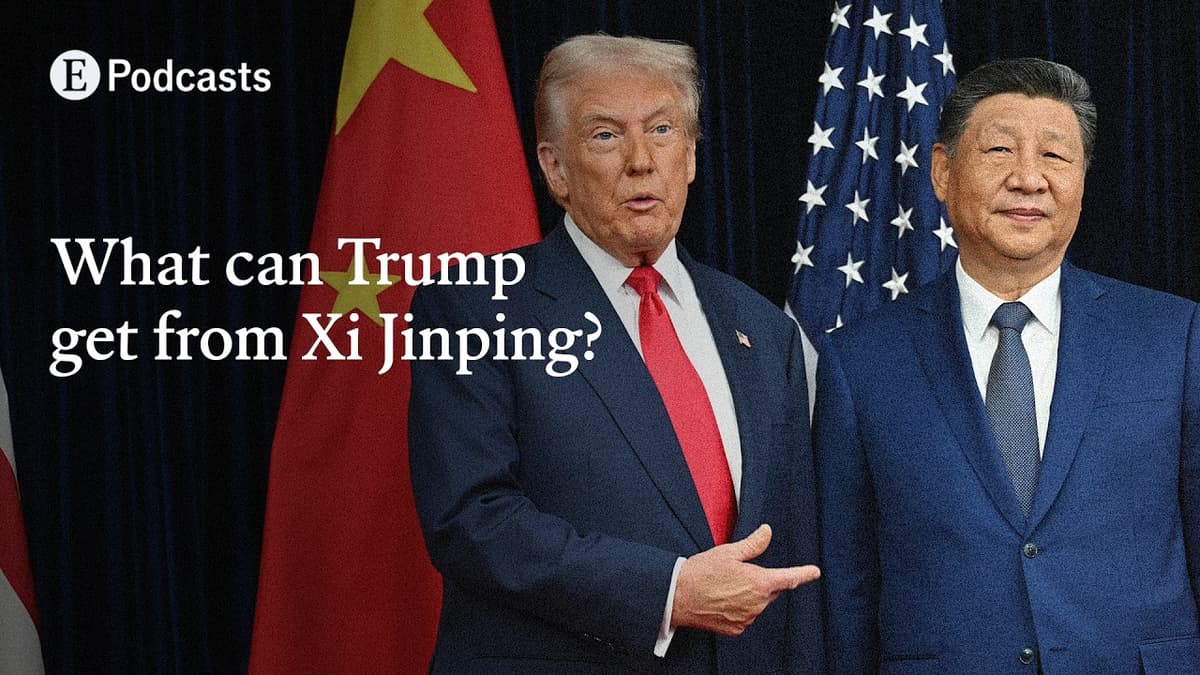
What Can Donald Trump Get From Xi Jinping? | The Economist
The Economist podcast examines the high‑stakes diplomatic dance set for 2026 when Donald Trump meets Xi Jinping. The agenda centers on three flashpoints – Taiwan, trade, and artificial‑intelligence safety – each a potential lever for extracting concessions or deepening mistrust. The...
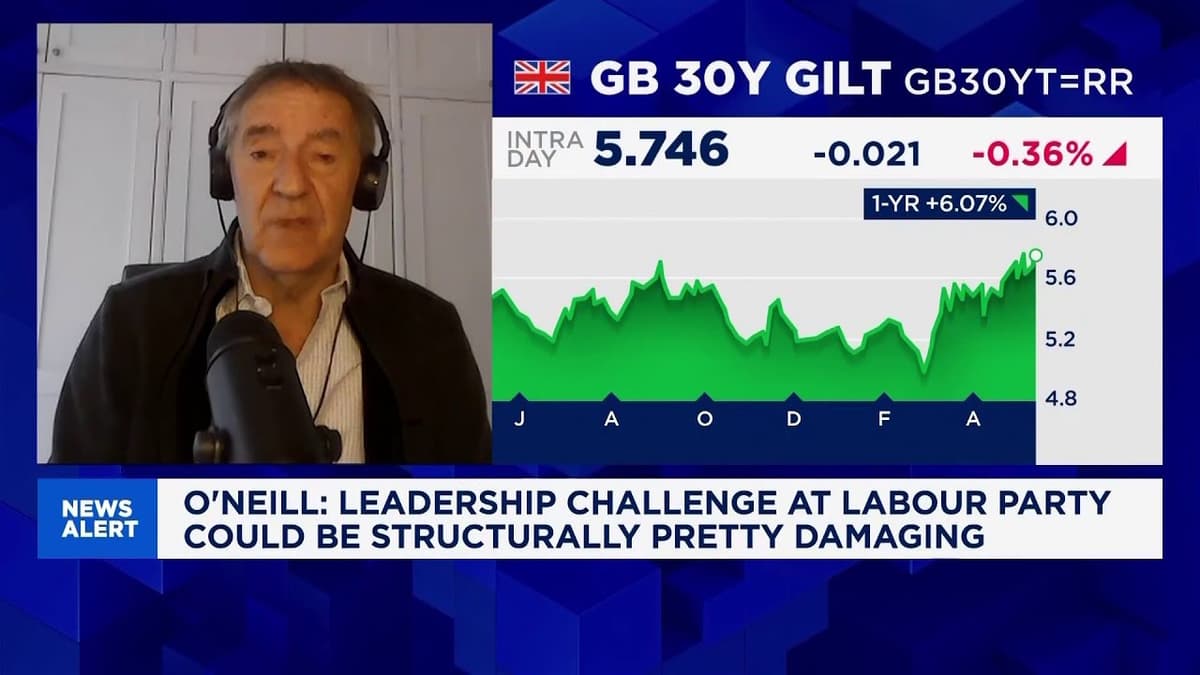
UK Treating Leadership ‘Like some Kind of Game Show’: O'Neill
The video centers on growing speculation that Greater Manchester Mayor Andy Burnham could be thrust into national leadership, sparking debate over the political and economic fallout of such a shift. Participants warn that a sudden vacancy in Parliament would likely...

Mortgage Spreads Keeping Rates Under 7%
Analysts said Wednesday’s hotter inflation print and stabilizing labor market haven’t driven the 10-year yield much higher because mortgage spreads and expected Fed policy remain the dominant forces holding rates down; the 10-year is sitting around 4.45% and mortgage rates...
This Ain't Your Father's Tanker War || Peter Zeihan
Peter Zeihan explains why the United States cannot repeat the 1980s tanker‑escort operations in the Persian Gulf, highlighting the shift from a limited Iran‑Iraq proxy war to a direct US‑Iran confrontation. In the 1980s the US deployed 40‑80 ships, re‑flagged tankers...
Financial Market Preview - Wednesday 13-May
The Faxets market preview for Wednesday, May 13, 2026 set the tone for the day’s trading, noting that S&P 500 futures were up 0.3% and pointing to a stronger U.S. opening. Asian markets showed a split picture – Japan’s industrials and...

Cayman Premier Ebanks: Reinsurance Growth Boosting Economy, Workforce Development
Premier Andre Ebanks highlighted reinsurance’s accelerating contribution to the Cayman Islands’ economy, emphasizing how the sector is creating new employment and educational pathways for local talent. He framed reinsurance as a complementary pillar to the island’s traditional financial services and...

Are the Falkland Islands British or Argentinian?
The video explores the contested sovereignty of the Falkland Islands, focusing on local sentiment amid renewed diplomatic friction. Residents of Stanley and surrounding areas repeatedly assert their desire to remain a British Overseas Territory, rejecting any notion of Argentine administration. Key...

Never Stood A Chance
The video revisits Jean‑Baptiste Cantillon’s 18th‑century essay on the quantity of money, using it to explain why the classic “single‑income American Dream” is no longer viable. Cantillon argues that an influx of hard money raises overall consumption, but the effect is uneven:...
The New Geometry of Trade: How Leaders Can Respond to Structural Shifts
The McKinsey Live session titled “The New Geometry of Trade” examined how shifting geopolitical dynamics, tariff shocks and emerging technologies are reshaping global commerce in 2026. Speakers Shubham Singhal and Jeongmin Seong highlighted that, contrary to de‑globalisation narratives, total...
Oil Shock Could Hit US Equities
The video focuses on how a sharp rise in oil prices, driven by Middle‑East supply concerns, is threatening U.S. equity markets. Recent data showed U.S. consumer inflation climbing to 6% year‑over‑year, with energy accounting for more than 40% of the...
Can India Keep Its Balance in West Asia?
The podcast examines how India is trying to keep a delicate balance in West Asia as geopolitical tensions rise. Over the past decade New Delhi has moved from a historically labor‑focused relationship with the Gulf to a broader economic...
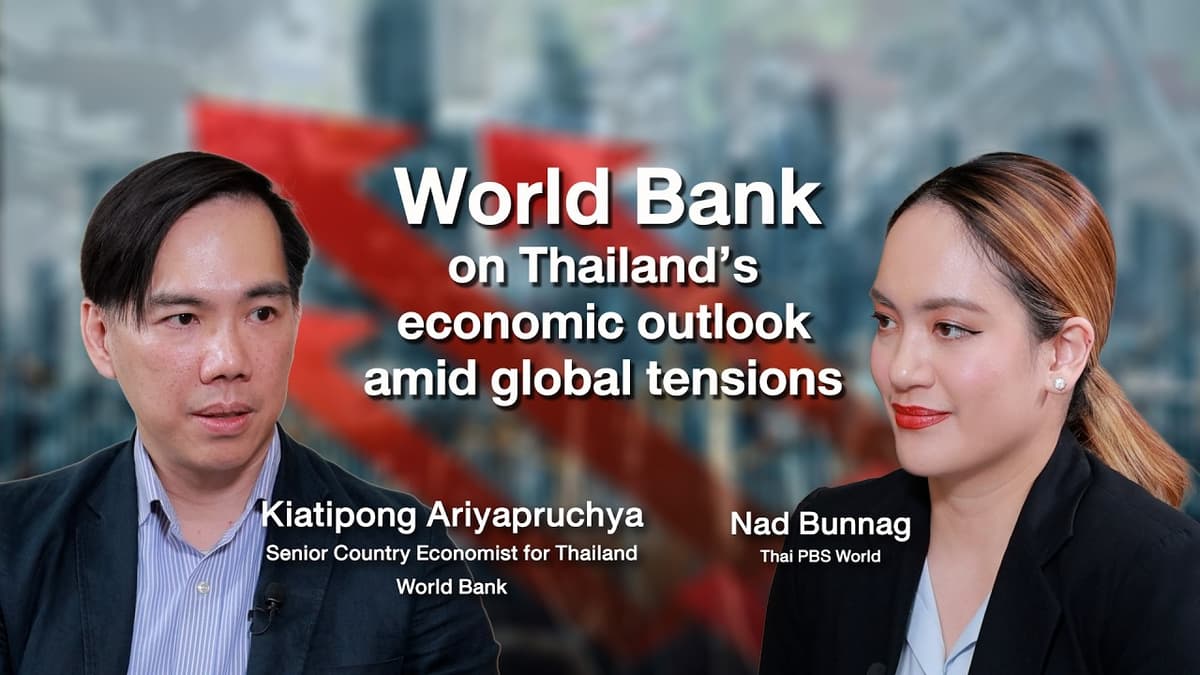
World Bank on Thailand’s Economic Future Amid Global Tensions
The World Bank’s latest assessment warns that Thailand’s economy faces a steep head‑wind in 2024, revising its GDP growth projection to just 1.3 % as the Middle East conflict drags up oil prices and curtails tourism. Thailand’s vulnerability stems from three channels:...
This Oil Crisis Could Be Worse Than 1973
The video warns that the current oil supply shock—driven by the Strait of Hormuz disruption—could eclipse the 1973 crisis, with cash prices approaching $200 per barrel and U.S. gasoline heading toward $5 a gallon. Analysts argue that each additional week of...
Trump to Tackle AI, Taiwan, Iran, and More at China Summit
President Donald Trump is set to travel to Beijing for the first U.S. presidential summit in nine years, a meeting that will address a slate of high‑stakes issues ranging from trade and technology to regional security. The agenda, outlined...
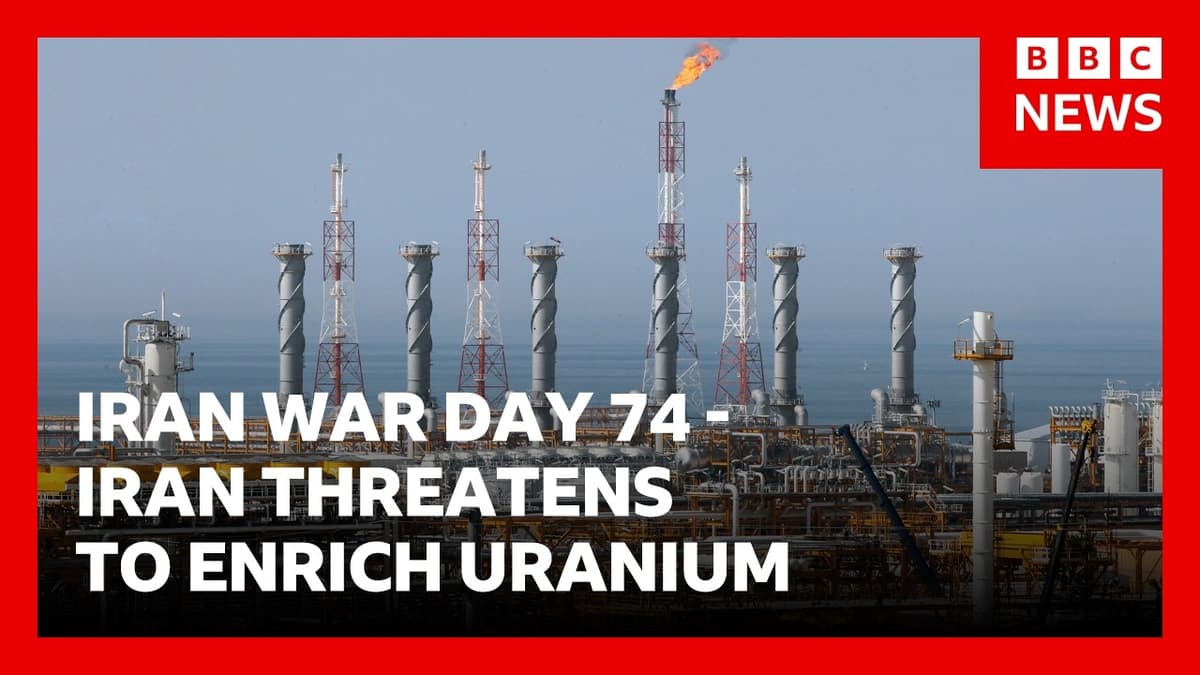
US Defends Cost of War as Iran Threatens to Enrich Uranium or Sming | BBC News
The briefing centered on the soaring cost of the U.S.-Israel conflict with Iran, now estimated at nearly $29 billion—a $4 billion jump from the previous week. Defense Secretary Pete Hexith faced a bipartisan grilling in Congress, defending the expense amid rising American inflation...
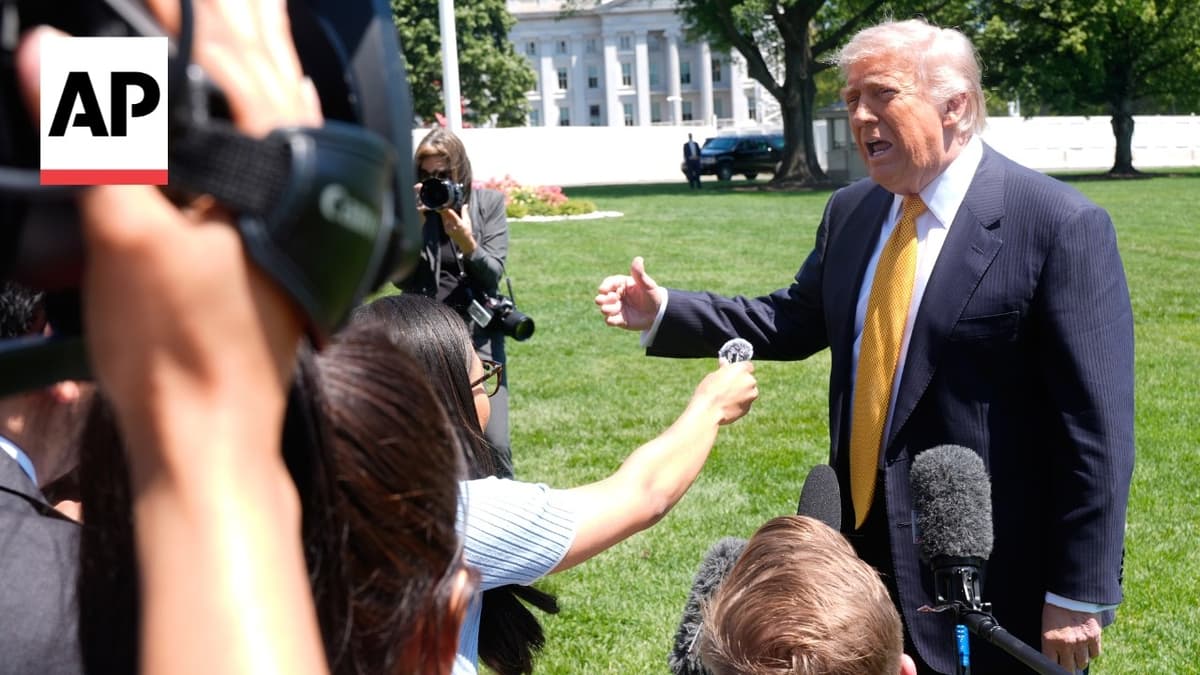
Trump Says He and XI Will Have a 'Long Talk' About Iran During China Visit
President Donald Trump told reporters that his upcoming visit to Beijing will include a “long talk” with President Xi Jinping about the war in Iran. He described Xi as a “friend” and said the Chinese leader has been “relatively good,”...
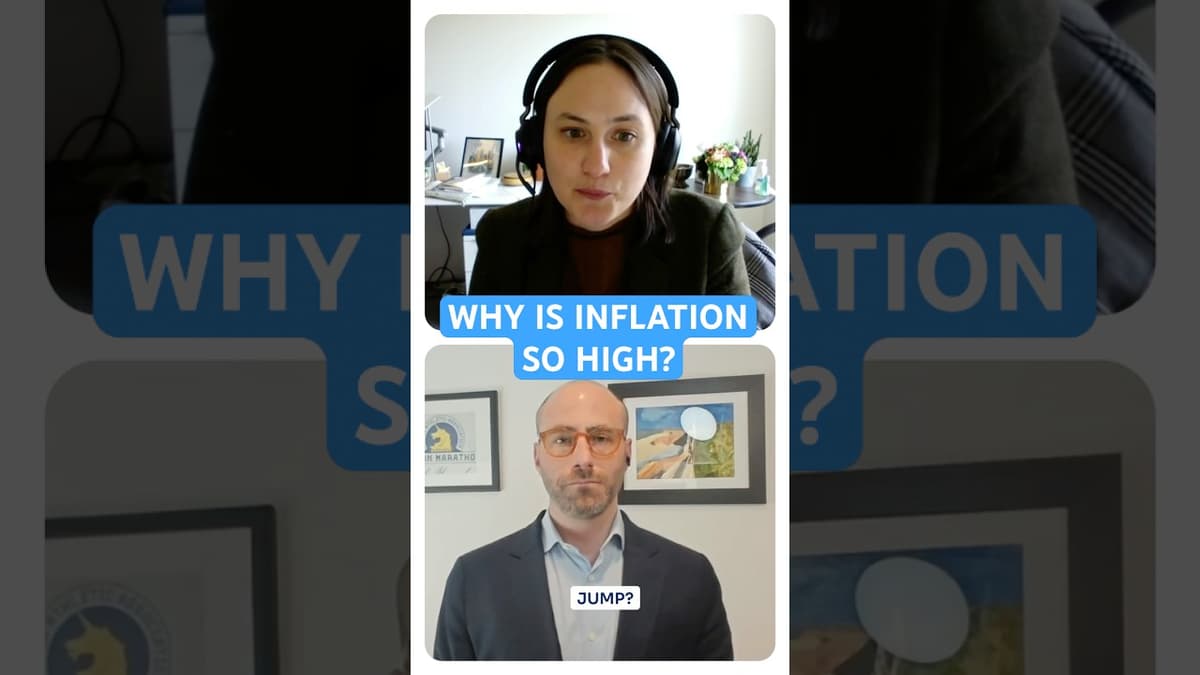
Why Is Inflation So High? | Asked & Answered
The video explains that the latest CPI reading jumped to 3.8%, largely because of a sharp rise in energy prices. The surge stems from the closure of the Strait of Hormuz, which carries roughly 20% of world oil. Energy costs have...
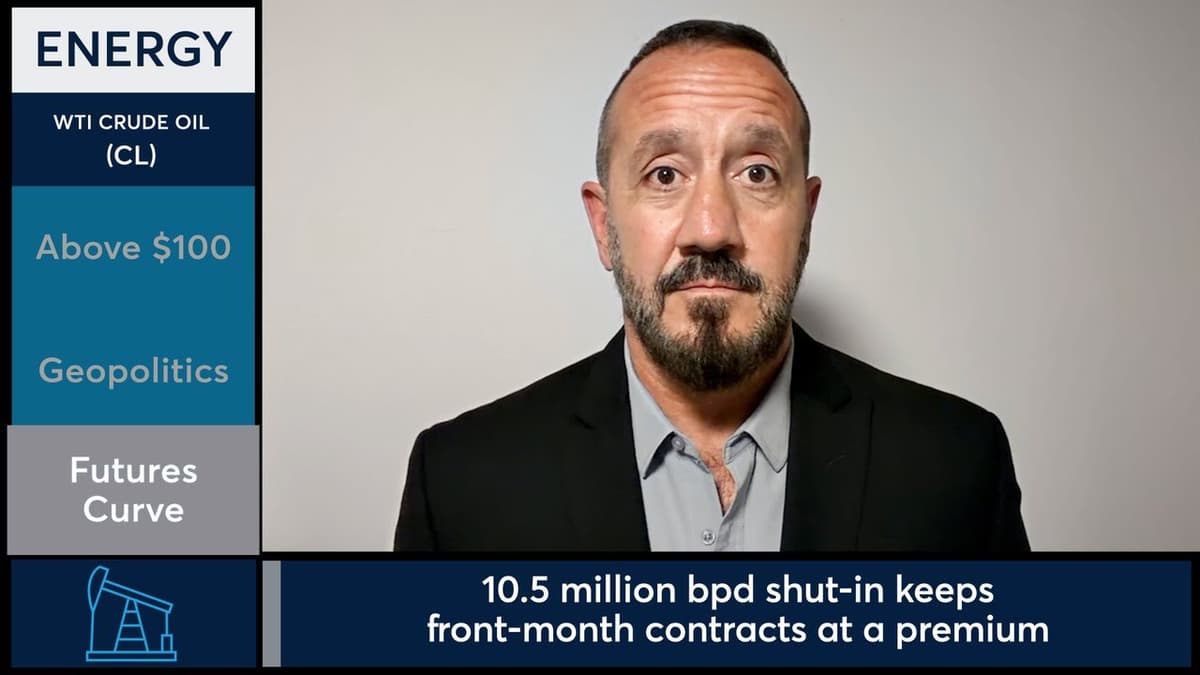
WTI Crude Oil Futures Retook $100 Amid Strait of Hormuz Closure. 5/12/26
June WTI crude futures reclaimed the $100 barrier on May 12, posting the strongest intraday gain since May 4. The contract opened near $98, rose to $102.72, and closed up roughly 4.4% as the market reacted to geopolitical tension in the...

Bloomberg Surveillance TV: May 12th, 2026 | Bloomberg Surveillance
Bloomberg Surveillance focused on President Trump’s imminent summit with Chinese President Xi Jinping, framing it as a high‑stakes diplomatic effort to stabilize trade, address chip export controls, and manage the volatile Taiwan question. The discussion highlighted the strategic composition of...

Trump-Xi + Mutually Assured Disruption + Boeing, Beef, and Beans | The Spillover
President Trump arrived in Beijing with a delegation of over a dozen CEOs, marking the first U.S. presidential visit to China since 2017. The agenda spans technology, trade, Taiwan and broader geopolitical friction, but expectations for concrete breakthroughs remain modest. The...
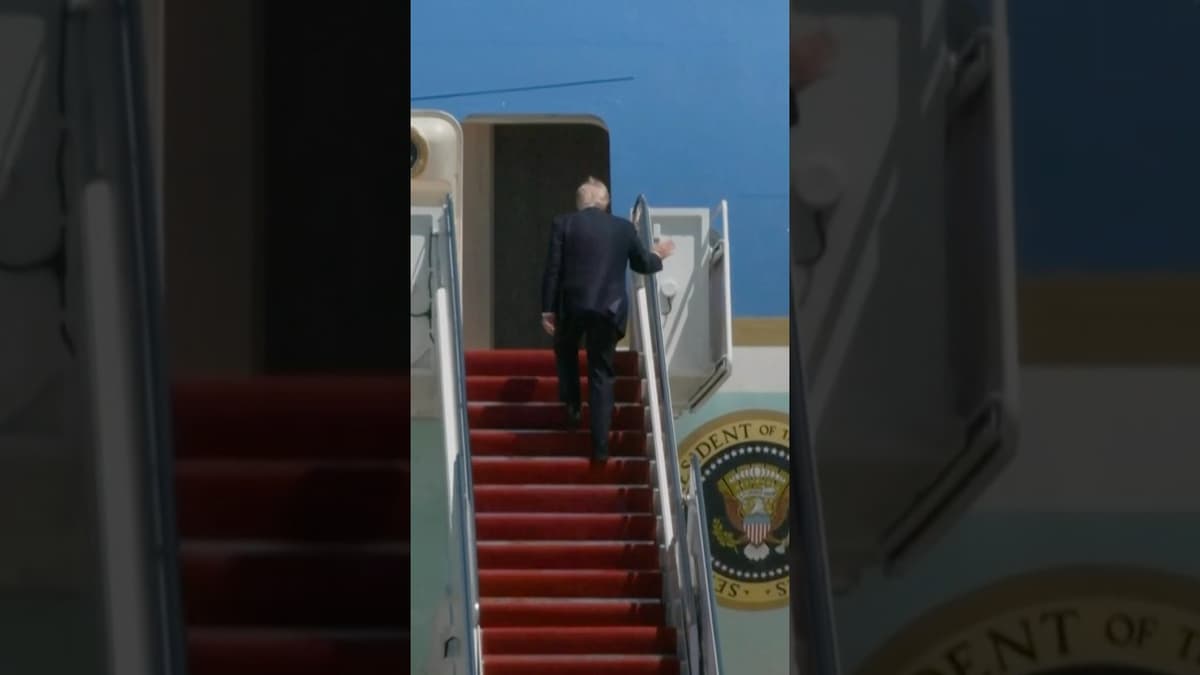
Trump Departs US for High-Stakes China Summit With Xi
Former President Donald Trump boarded Air Force One Monday, departing Washington for Beijing in what officials billed as a high‑stakes summit with Chinese President Xi Jinping. The trip marks the first direct engagement between the two leaders since Trump left...

Trump-Xi 2026 Summit: What to Expect
The upcoming Trump‑Xi 2026 summit is positioned as a high‑stakes diplomatic encounter, bringing together former President Donald Trump and President Xi Jinping to address lingering tensions and chart a new course for bilateral relations. Organizers have outlined four priority tracks:...

The TRADES For A New Cold War | US vs China
The video examines how investors can capitalize on the emerging US‑China "cold war" by placing "decoupling" bets—positions that thrive as the two economies drift further apart. The presenter argues that companies rebuilding domestic supply chains for strategic materials, especially rare‑earth...

Commercial Growth in a Fragmented World
The discussion centers on commercial growth in a fragmented, rapidly changing world, emphasizing accelerating market dynamics and the need for adaptable strategies. Key insights include a shift from volume‑focused growth to sustainable profitability, deglobalization prompting regionalization, and heightened pressure on leaders...
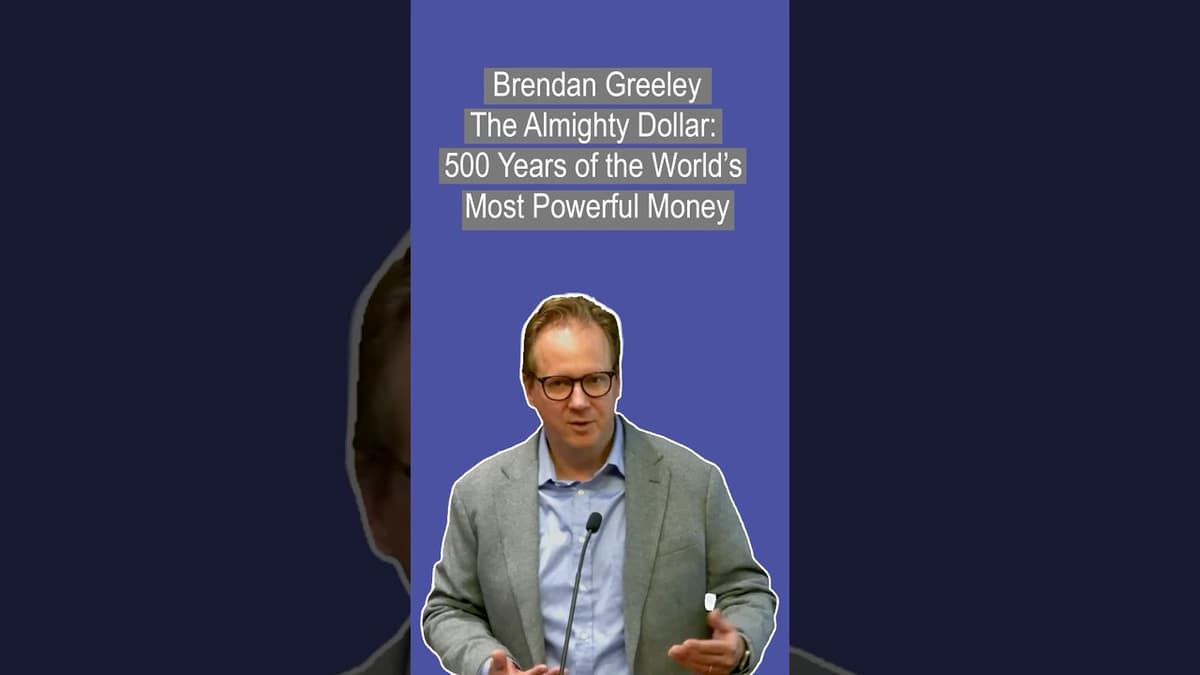
Who Do Banks Work For? - Brendan Greeley
In a recent talk titled “Who Do Banks Work For?” Brendan Greeley argues that if Americans accept banks as the primary source of money, those institutions must serve the entire population, not just affluent customers. He cites a Federal Reserve Bank...
US-Iran Ceasefire Remains Fragile; Starmer Intends to Stay as PM; CPI | Bloomberg Brief 5/12/2026
The Bloomberg Brief opened with a roundup of global market conditions, highlighting President Trump’s assertion that the US‑Iran cease‑fire is “on life support,” UK Prime Minister Keir Starmer’s pledge to remain in office despite mounting intra‑party dissent, and the looming...
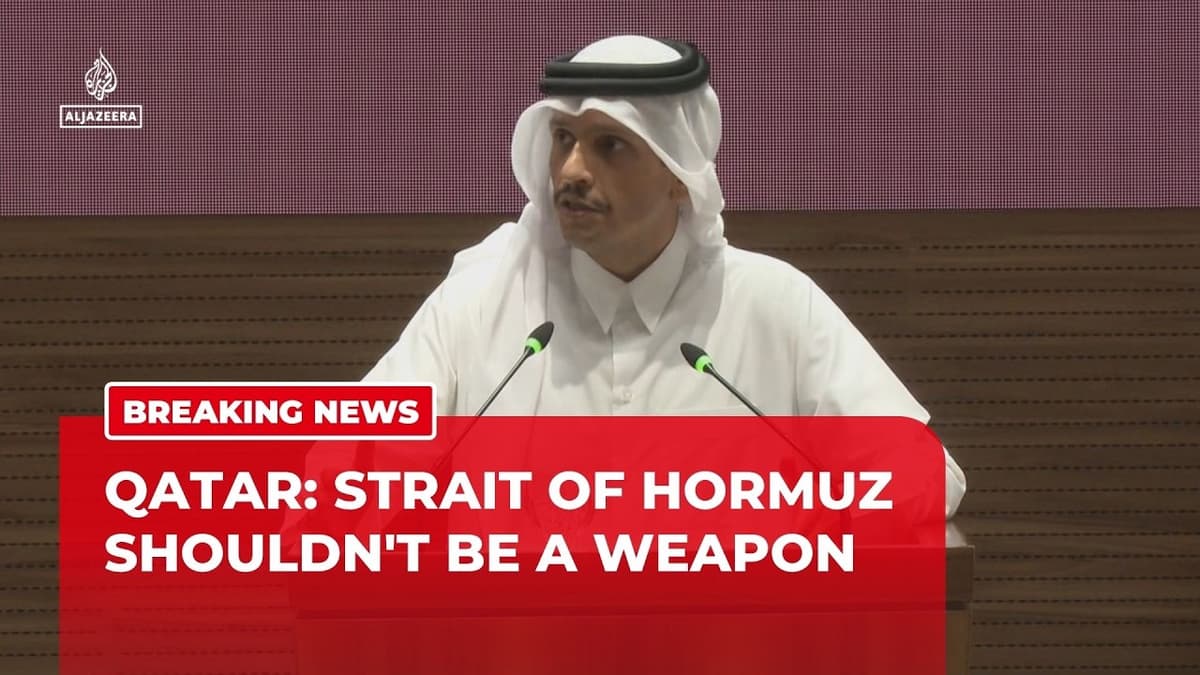
Strait of Hormuz Shouldn’t Be Used as a ‘Weapon in War’, Warns Qatar’s PM
At a joint press conference in Doha, Qatar’s prime minister Mohamed bin Abdurrahman bin Jasim Al Thani and Turkey’s foreign minister warned that the Strait of Hormuz must not be turned into a weapon of war. They called for an immediate reopening of the waterway...

Luke Gromen: The Mother of All Supply Distributions & Why Gold Will Go 'Much Higher'
Luke Gromen argues we are entering the largest commodity‑supply shock in history, driven by the prolonged closure of the Strait of Hormuz, while the global monetary regime is being reshaped. He points to record‑high sovereign debt, an adjusted Warren Buffett metric at...
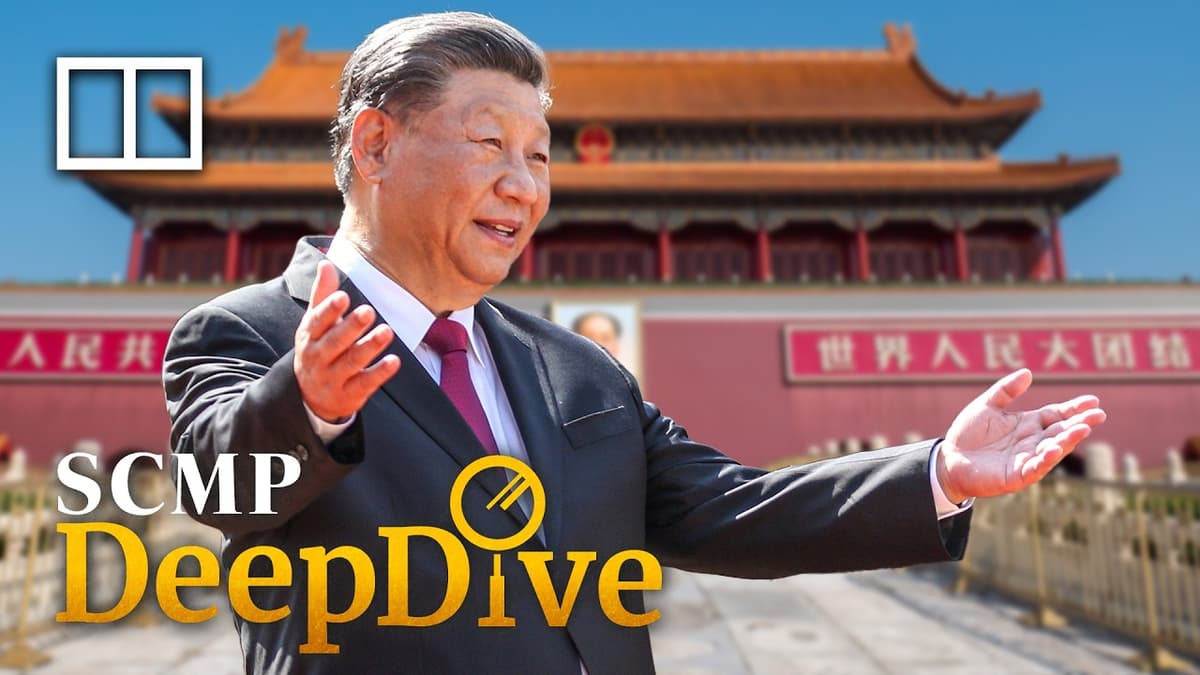
See You in Beijing
The video examines China’s new ‘home‑court diplomacy,’ where President Xi Jinping has dramatically reduced his own overseas travel while inviting a surge of foreign leaders to Beijing. SCMP data shows Beijing hosted a record 56 state visits in 2024 and 44...
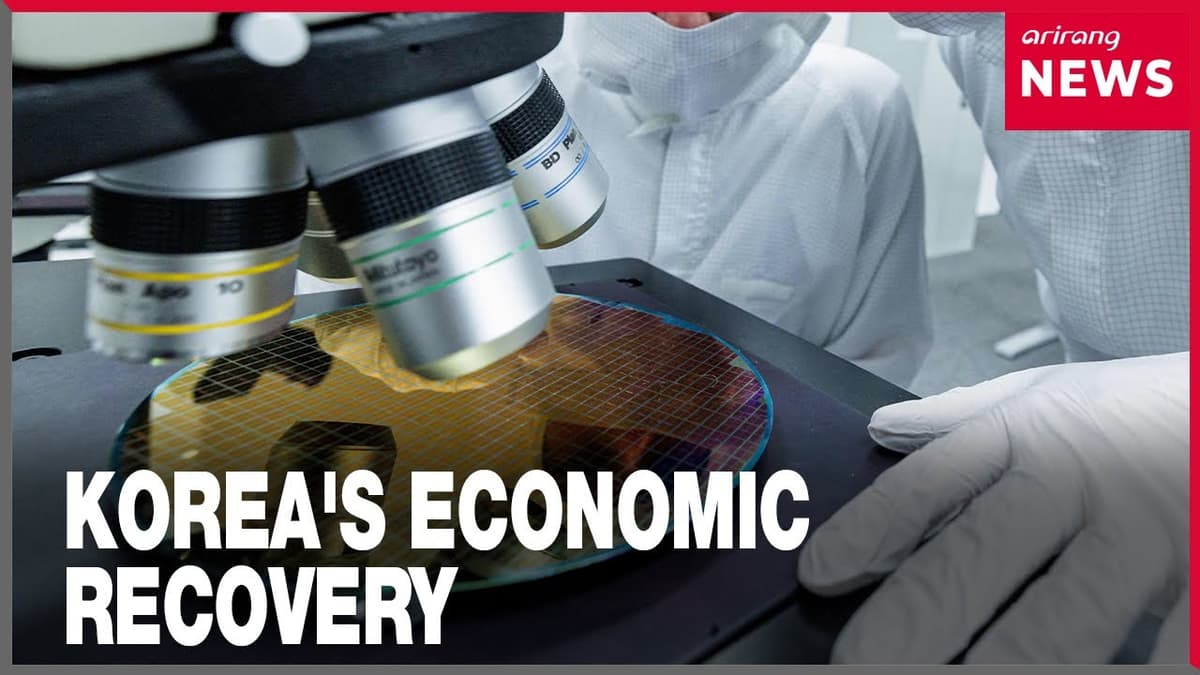
Korean Economy Recovers on Chip Boom, but Concerns Loom Due to Middle East Tensions
South Korea’s latest economic outlook shows a clear turn toward recovery, propelled primarily by an explosive surge in semiconductor exports. The Korea Development Institute upgraded its assessment in May, moving from a cautious “gradual improvement” narrative to a more confident...
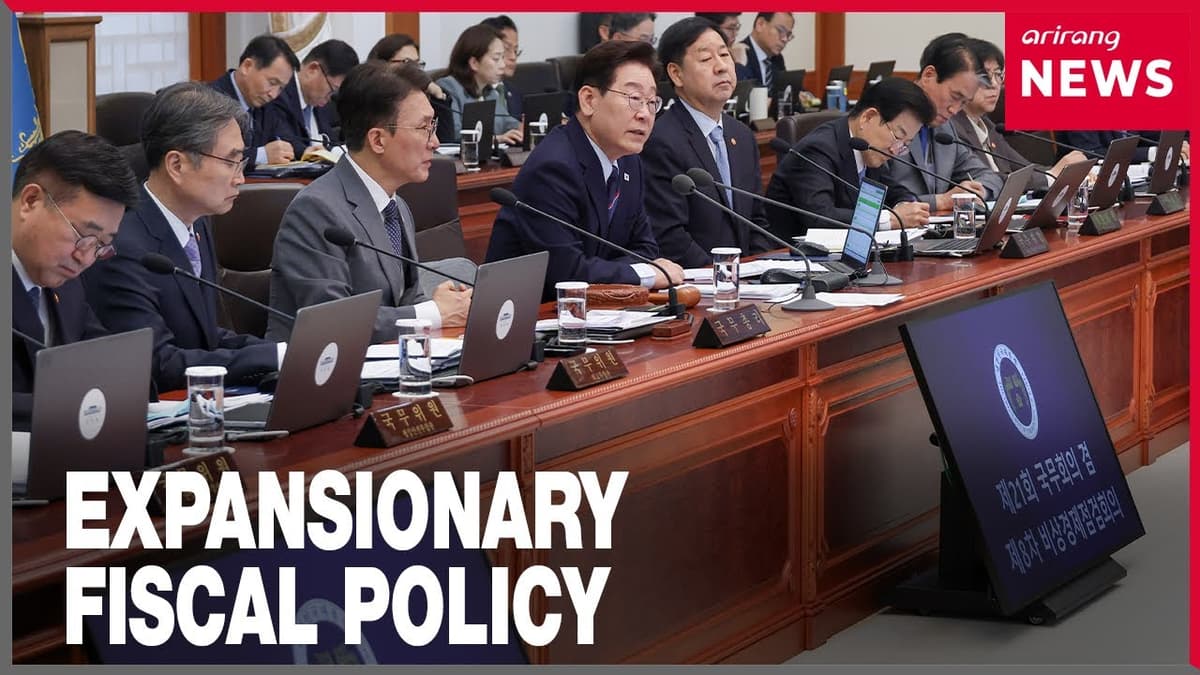
President Lee Calls for Expansionary Fiscal Policy at a Time of Crisis
President Lee called for an expansionary fiscal policy, urging South Korea to move from a culture of thrift to one of consumption as the engine for growth amid the current economic crisis. He argued that active government spending would stimulate domestic...
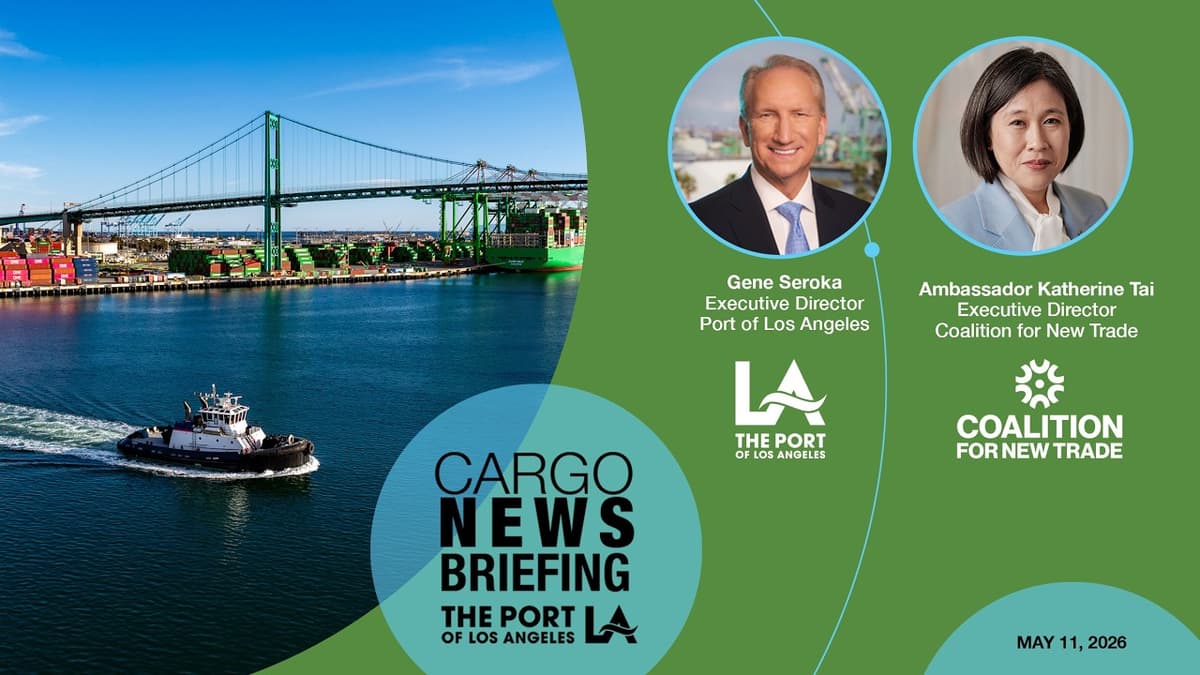
Port of Los Angeles May 2026 Cargo News Briefing on Middle East, Tariffs, Supply Chain
The Port of Los Angeles held its May 2026 cargo briefing, led by communications director Philip Sanfield and executive director Gene Soka, featuring former U.S. Trade Representative Katherine Tai. The session combined a data‑driven snapshot of April container traffic with...
Dollar on the Frontfoot as Inflation Bites | the Trade
The Trade focused on the dollar’s rally as U.S. inflation data looms and geopolitical risk in the Middle East escalates. President Trump’s dismissal of Iran’s cease‑fire proposal has lifted oil prices, adding pressure on currencies. U.S. Treasury yields jumped, with the...
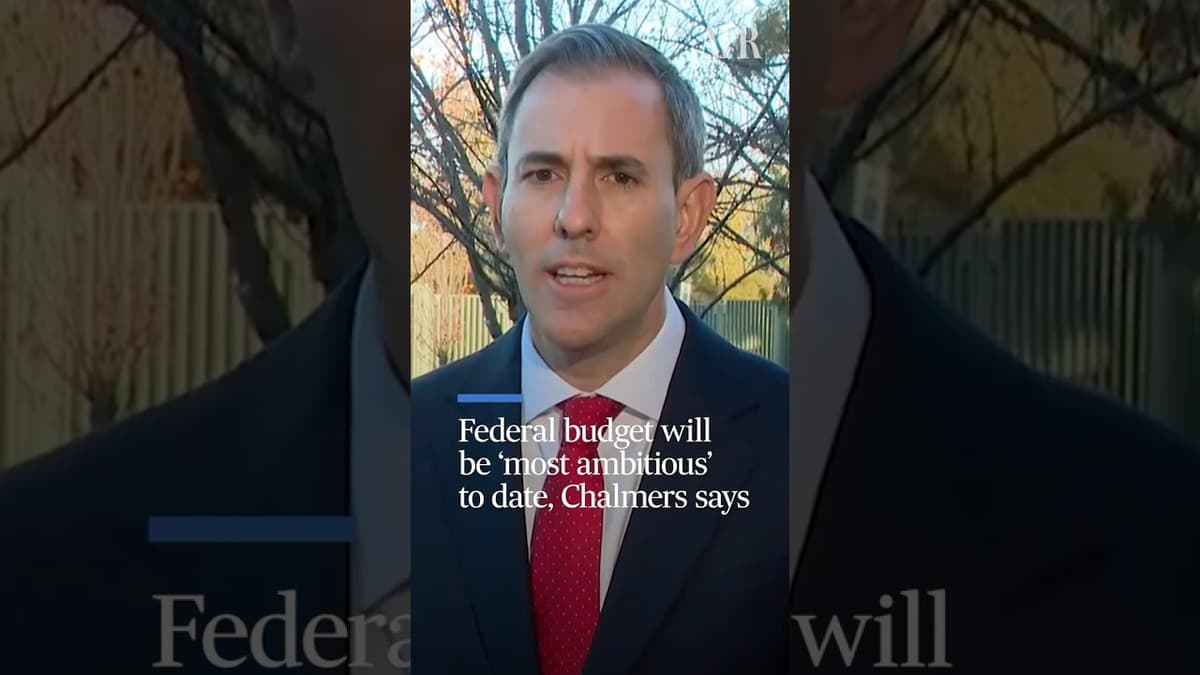
Federal Budget Will Be 'Most Ambitious' To Date, Treasurer Says
Treasurer Jim Chalmers delivered a budget he described as the most responsible and ambitious in Australian history, aimed at tackling a stalled housing market, an outdated tax system and rising living costs. The plan is organized into five packages – fuel...
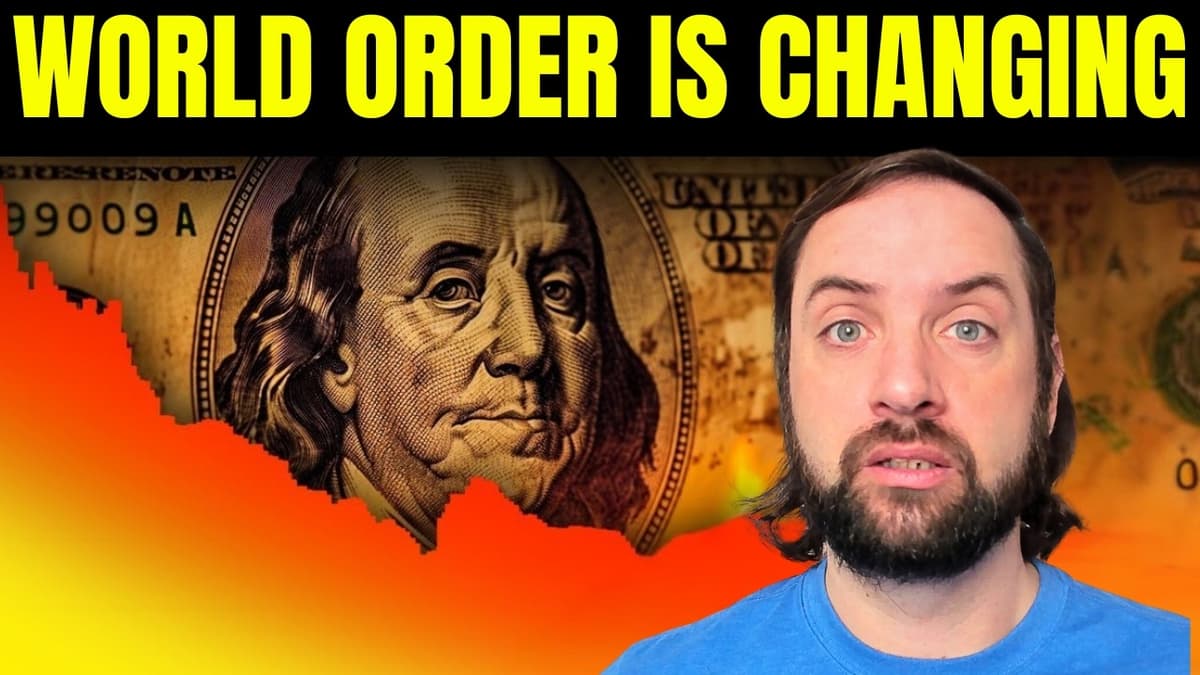
The End Of The Eurodollar System Changes Everything
The video argues that the Eurodollar system, once a pragmatic solution for global liquidity, has become an unsustainable relic after two decades of use. Its origins in the 1950s solved the Triffin dilemma, but today the system is strained by...
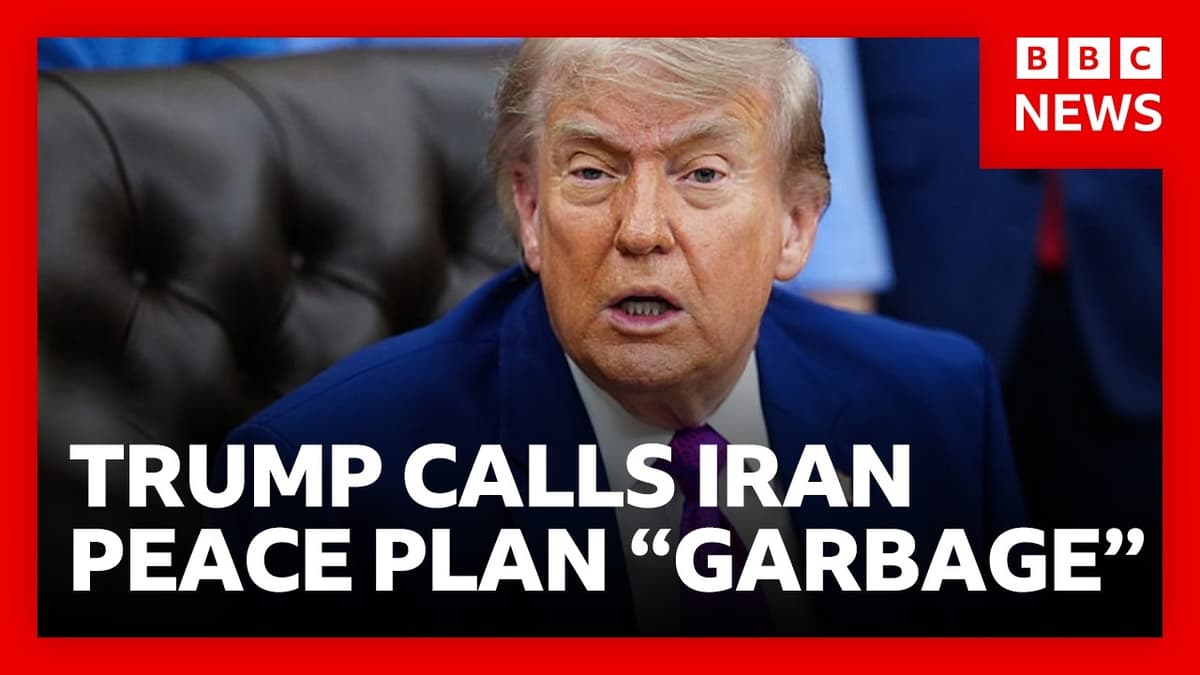
Trump Calls Iran Peace Plan “Garbage” And Says Ceasefire Is “on Life Support” | BBC News
President Donald Trump told reporters the proposed Iranian peace plan was "garbage" and the cease‑fire with Tehran was "on life support," signaling a hard‑line stance as the conflict drags on. He rejected the Iranian document as the "weakest" he had...
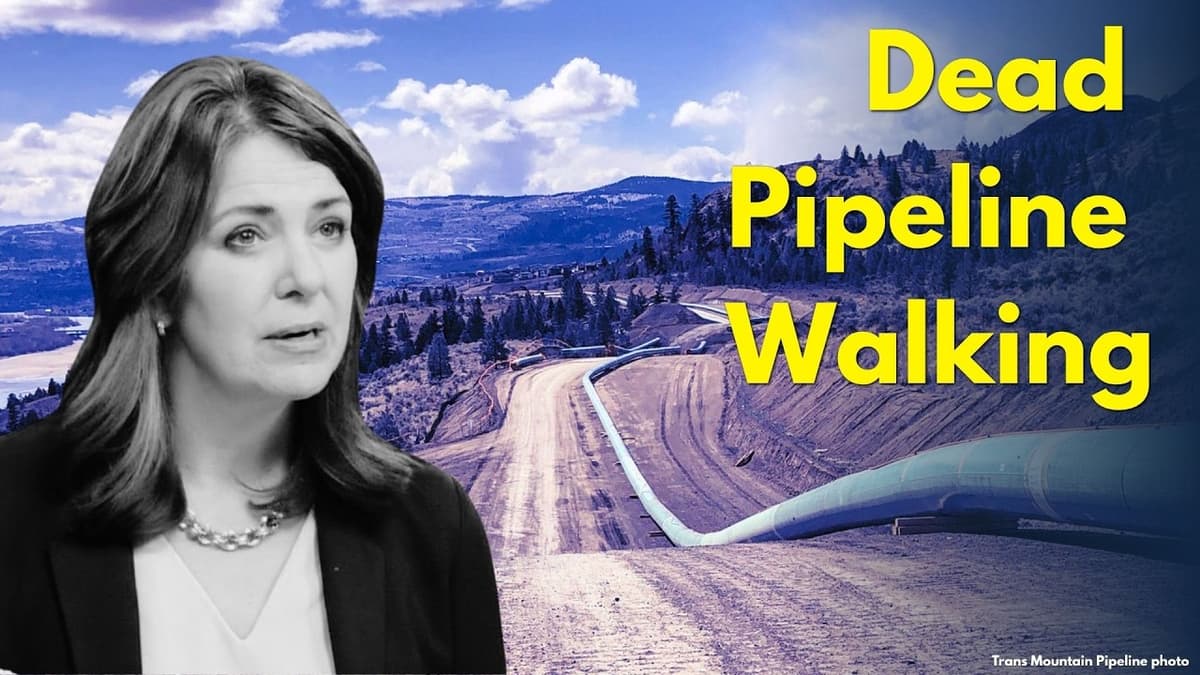
Asia’s Electrification Boom Threatens Canadian Pipeline Dreams
The video argues that the long‑standing premise behind a new Alberta‑to‑Pacific pipeline – ever‑growing Asian demand for imported crude – is eroding. Across the continent, governments are embedding energy sovereignty in policy, prioritizing electricity generation, battery production, and electric mobility...

EU Finally Sanctions West Bank Settlers – and Israel Is Furious | DW News
The European Union’s foreign ministers formally adopted a sanctions package targeting individual Israeli settlers and extremist organisations operating in the occupied West Bank, marking the bloc’s first direct punitive step against private actors in the conflict. The move follows a sharp...
Why the Trump-Xi Summit Is Making Indo-Pacific Countries Anxious
The video examines President Donald Trump’s planned mid‑May trip to Beijing, a rare diplomatic overture occurring while the United States is engaged in the Gaza conflict and China maintains close ties with Iran. Chinese officials have formally accepted the invitation,...
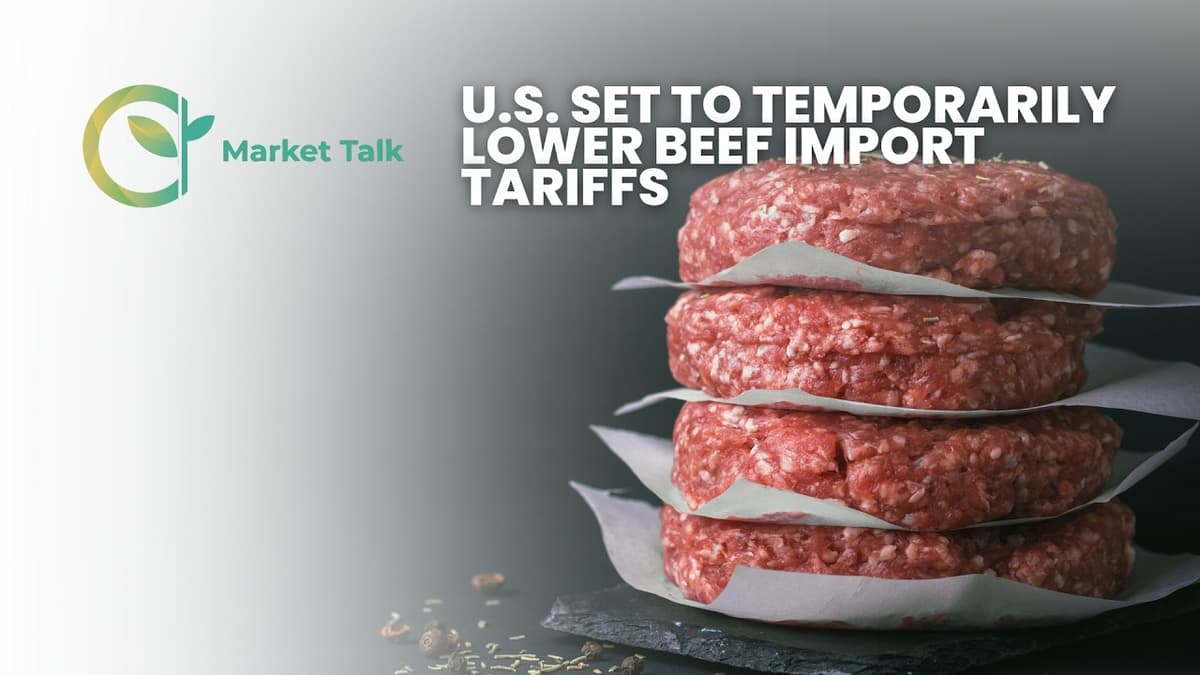
U.S. Set to Temporarily Lower Beef Import Tariffs
The market‑talk program focused on the Trump administration’s plan to temporarily lower tariffs on imported beef. An executive order is expected to reduce the quota system, allowing more Argentine and Brazilian beef to enter the United States at reduced duties,...
OMCs' Q1FY27 Losses Could Wipe Out FY26 Profits | India Business Hour
The video highlights that India’s oil marketing companies (OMCs) are projected to incur massive losses of roughly ₹1‑1.2 lakh crore in the first quarter of FY27, driven largely by soaring crude prices and under‑recoveries that total close to ₹2 lakh crore. Analysts estimate...

Cuba Vs. Venezuela
The video examines the prospect of a U.S. military incursion into Cuba, contrasting it with the earlier Venezuelan scenario. It argues that Cuba has long cultivated a "fortress" mindset, keeping a sizable but largely untested armed force ready for any...

Will Canada Join the EU? | GZERO Europe
The video examines the recurring question of whether Canada could become a member of the European Union, sparked by recent diplomatic overtures between Ottawa and Brussels. Prime Minister Justin Carney’s appearance at the European Political Community summit in Yerevan, Armenia, underscores a...

People Are Leaving Western Countries in Record Numbers | The Economist
The Economist’s latest analysis shows that emigration from thirty‑one wealthy nations jumped to roughly four million people in 2024 – a 20 percent increase over pre‑pandemic levels. The surge reverses the immigration boom that peaked in 2022‑23 and reflects a broader...