
Why Hasn't The Dollar Fallen?
The video explores why the US dollar may be losing its status as the world’s reserve currency, featuring historian Barry Green discussing historical precedents and his new book “Money Beyond Borders.” Green notes central banks are diversifying away from US Treasuries toward gold and other non‑traditional assets, likening the dollar’s decline to a slowly melting iceberg that could suddenly fracture. He traces past dominant currencies, from Spanish pieces of eight that served as a global medium in the 16th‑19th centuries, to the Byzantine solidus, which held value for centuries due to disciplined fiscal policy. Notable quotes include Green’s description of Spanish silver’s worldwide reach via Manila galleons and his observation that the solidus “out‑performed even the 1950s US dollar in stability.” He also highlights modern parallels, such as DeFi platforms tokenizing emerging‑market yields, echoing historic shifts in reserve assets. The discussion suggests that the dollar’s hegemony is not inevitable; investors and policymakers should monitor reserve diversification, the rise of crypto‑linked assets, and the lessons of past currency cycles to anticipate potential realignments in global finance.
Asian Gains, Gold Falls: War Diplomacy Eases Oil Shock
Global equities surged to fresh all‑time highs in Asian trading, driven by optimism surrounding a potential diplomatic breakthrough in the Iran war and a string of robust economic data. MSCI’s All‑Country World Index logged its tenth consecutive gain, rising 0.2%...
Fortifying Resilient Global Systems | Semafor World Economy
At Semafor’s World Economy conference, speakers framed resilience as redesigning global systems—from power grids to financial safety nets—to absorb and emerge stronger from shocks. Runway’s CEO described how generative AI is already reshaping Hollywood workflows across scripting, pre‑production, VFX and...
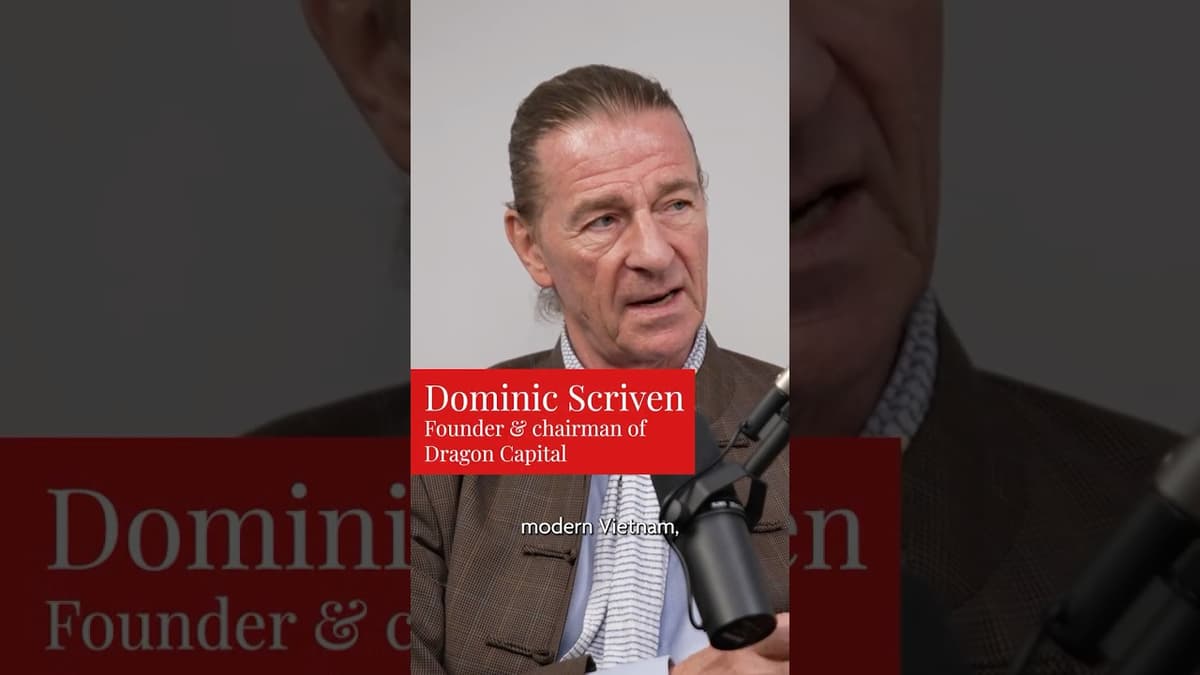
Vietnam Knows What It Needs to Do to Succeed
The video marks Vietnam’s 50th anniversary of modern unification and outlines a new national directive: to be proud, ambitious, and to “get stuck in” as the country seeks to cement its status as a genuine emerging market. Senior officials from the...
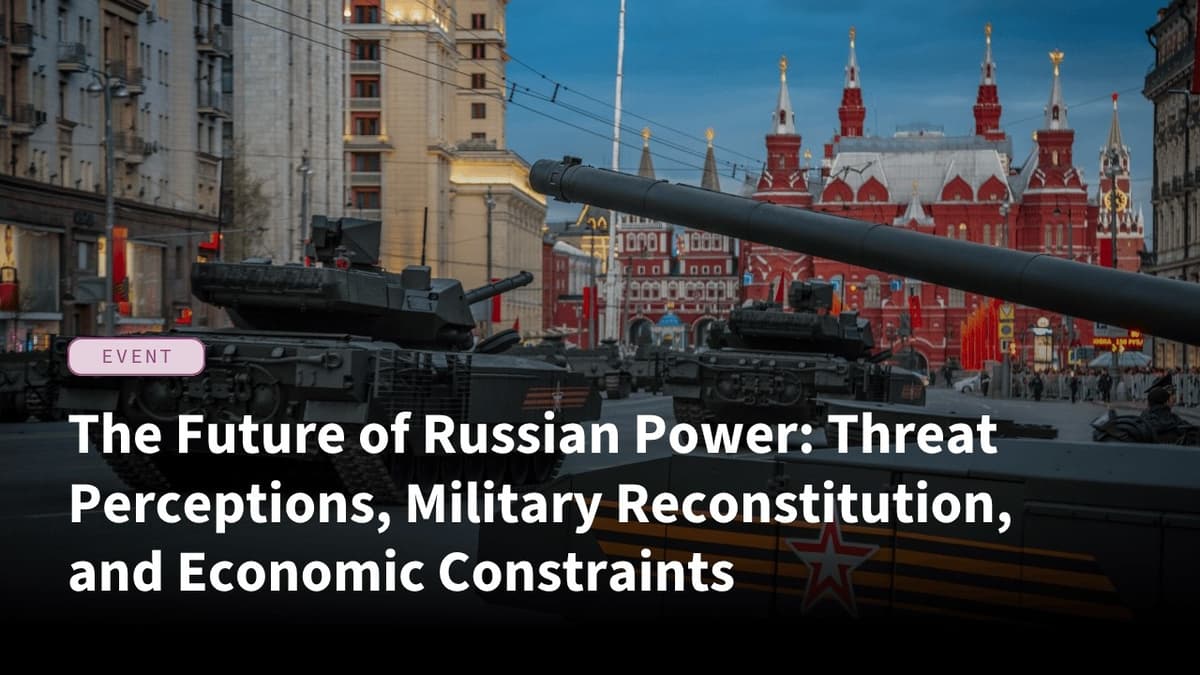
The Future of Russian Power: Threat Perceptions, Military Reconstitution, and Economic Constraints
The Carnegie Endowment launched a comprehensive project examining the future of Russian power, arguing that Moscow will emerge from the Ukraine war more insecure, unrepentant, and determined to reshape Europe’s security environment. The initiative maps out seven analytical pillars: shifting...
IMF Just Warned The Oil Crisis Will Push World Toward An Economic Meltdown
The video centers on the International Monetary Fund’s stark warning that the world is edging toward its adverse oil‑shock scenario, raising the specter of a broader economic meltdown. IMF chief economist Pierre‑Oliver Garinas told reporters the latest outlook may already...

Jensen Huang Fires Back on China Chip Ban
Nvidia CEO Jensen Huang pushed back against recent U.S. proposals to restrict chip shipments to China, framing the debate as a question of American competitiveness rather than security. Huang argued that a blanket ban would undermine the United States’ own AI...
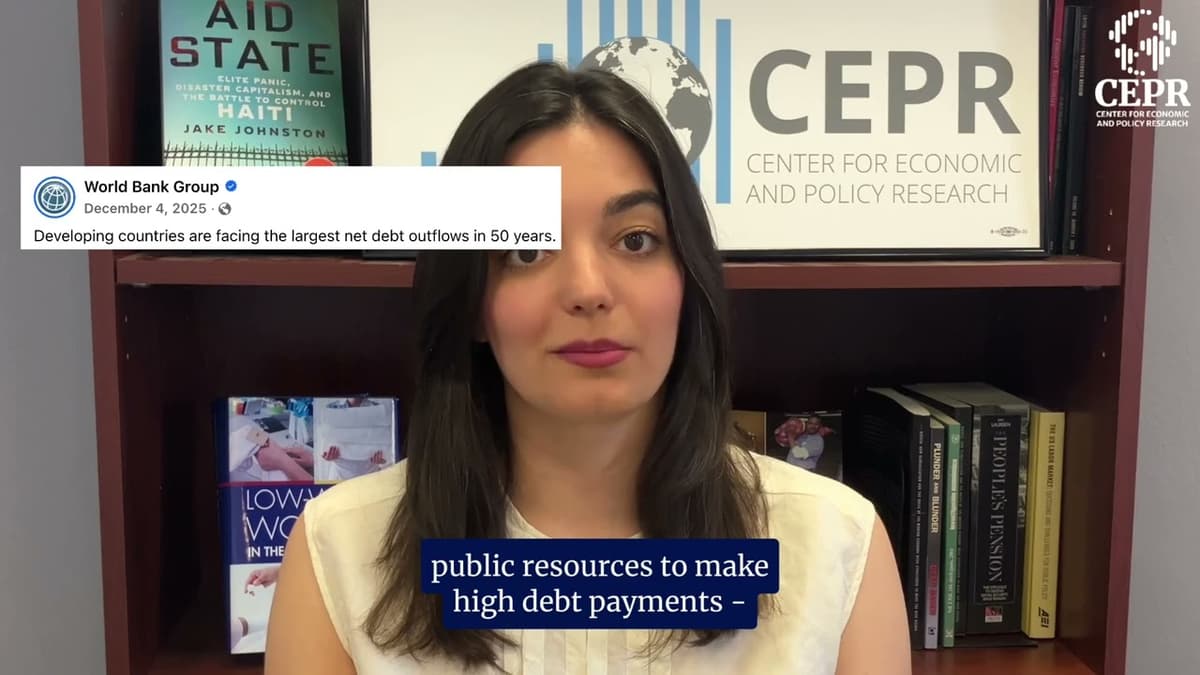
From D.C. Across the Americas: The Debt and Climate Crisis with Ivana Vasic Lalovic
The IMF and World Bank spring meetings highlighted a fresh downgrade in global growth, driven by the U.S.-Israeli war on Iran and the resulting energy shock that disproportionately burdens developing economies. The discussion centered on a dual crisis: soaring...
The 2026 Kearney FDI Confidence Index Launch
The virtual launch of the 2026 Kearney Foreign Direct Investment (FDI) Confidence Index marks the firm’s centennial milestone and presents a forward‑looking snapshot of executive sentiment on global capital allocation for the next three years. The survey, conducted in...
Governor Talks: Qatar - Turning Shock Into Strategy: Fiscal Policy and Long‑Term Growth
The IMF spring meeting featured Qatar’s Finance Minister Al Kawari outlining how the emirate’s fiscal policy framework turned an unexpected regional war into a manageable strategic challenge. He highlighted the pre‑established Shock Stability Fund and sizable sovereign reserves that allow Qatar...

Markets Climb the Wall of Worry
US equities climbed despite a breakdown in US-Iran peace talks, with the S&P 500 up about 1.2% and the Nasdaq outperforming on a 2% gain as tech—and especially semiconductors—led the rally. Investors cited optimism over potential peace progress, strong earnings...

Scott Bessent: No One Has EVER Objected to This...
In a recent interview, Scott Bessent addressed two pressing issues: the upcoming tax‑day relief package and the Senate confirmation hearing for Kevin L’Arche, a nominee whose appointment is being challenged by Senator Tom Tillis. Bessent argued that the “big beautiful bill”...

The Plan To Dump $40 Trillion (Using CBDCs)
The video tackles the United States’ looming $40 trillion debt ceiling, emphasizing that the liability is expanding faster than GDP and that higher yields are inflating the cost of servicing it. The speaker proposes a radical solution: privatize the sovereign debt by...

Why Is Diesel Rising Faster Than Oil? | Presented by CME Group
The CME Group presentation explains why diesel prices are climbing faster than crude oil, highlighting supply constraints and heightened demand as the drivers. Disruptions in the Strait of Hormuz have choked off exports of heavy, high‑density crude that yields a larger...

Aluminum Buffeted by Tariffs and Geopolitics | Presented by CME Group
Early April sees 3‑month aluminum at $3,460 per metric ton, a 47% year‑over‑year rise and the highest levels since the early‑2022 spike. Prices broke $3,000 earlier this year, peaked near $3,500 in late January‑early February, and have remained elevated despite...
Everything You Need to Know About Financial Repression | Hanno Lustig
The episode unpacks "financial repression" – a suite of policies governments employ to keep borrowing costs below market rates, effectively taxing savers without their awareness. Professor Hanno Lustig traces its roots from 19th‑century war financing to modern central‑bank practices, showing...

Oxford Economist Explains How to Spot a Recession Coming 👀 #OxfordUniversity
An Oxford economist breaks down what constitutes a recession and why traditional GDP figures are too slow to guide policy. He defines a recession as a decline in gross domestic product that erodes national income, and notes that official GDP...
McDowell Sounds Alarm on What's 'CRITICALLY IMPORTANT' In Iran War
The video features analyst McDowell warning that the most critical lever in the Iran conflict is cutting off the regime’s financial lifelines. He stresses that the imminent expiration of a Treasury sanctions waiver will choke Iran’s oil revenues while the...
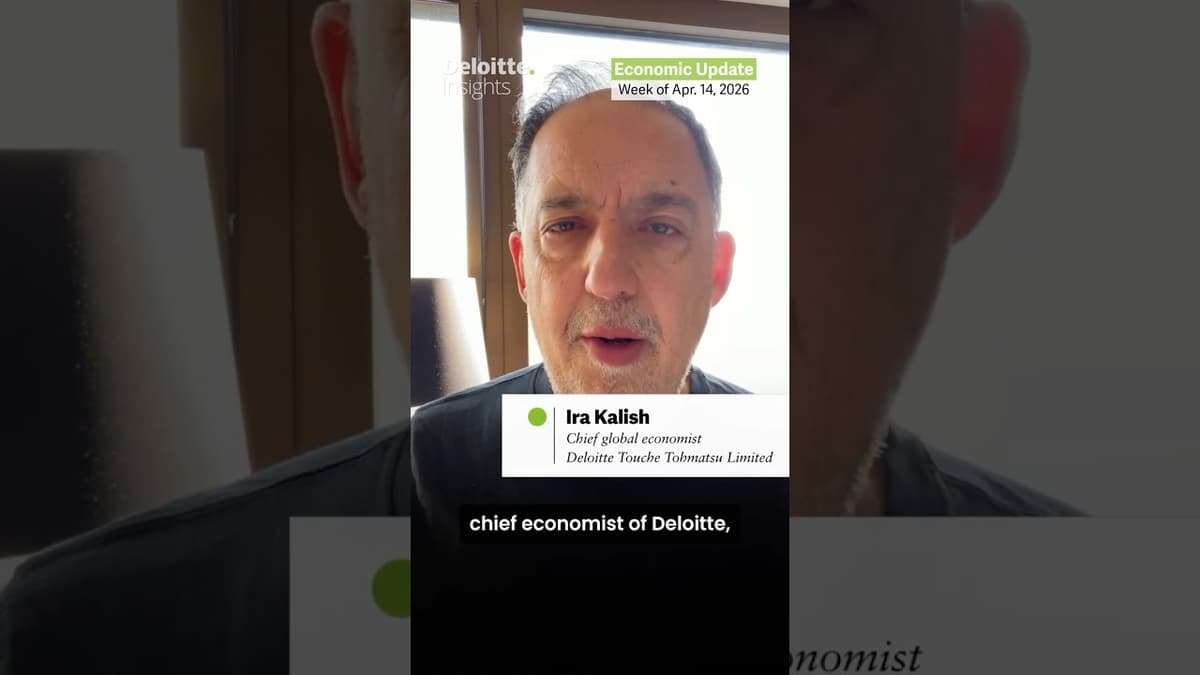
How Oil Prices Could Disrupt the Global Economy | Economic Update | Deloitte Insights
Deloitte’s chief economist Ira Kalish warned that a prolonged Middle East conflict could move from speculative price spikes to actual physical constraints on oil, gas and commodity supplies. He explained that earlier price hikes were driven by investor anxiety, not supply...

Bullish Signals Are Back — But Inflation Is Still Rising…
The video discusses a rapid market swing, noting that bullish signals have re‑emerged for many of the “MAG‑seven” tech giants and for leading cryptocurrencies after a period of broad bearishness. Google, Netflix, Amazon, Nvidia and Meta now show green trends, while...
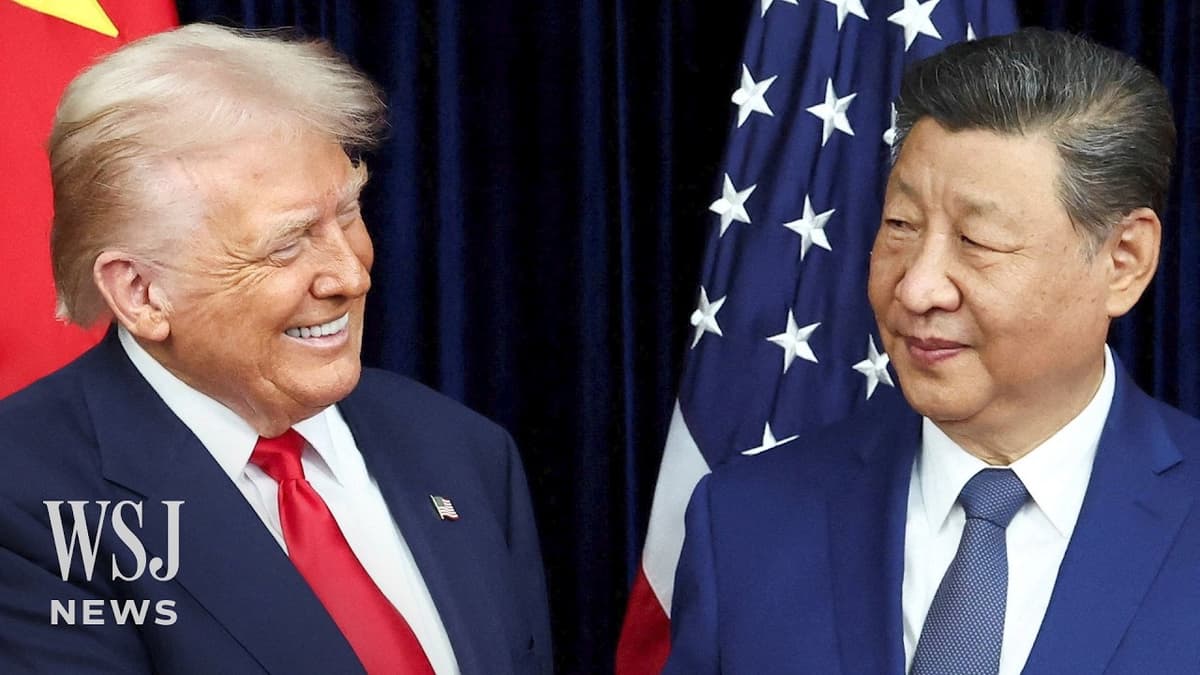
Why China Isn’t Criticizing Trump During the Iran Crisis | WSJ
The Wall Street Journal video explains why Beijing remains silent on President Trump’s handling of the Iran crisis. While China maintains a strategic partnership with Tehran, it lacks a mutual‑defense clause, allowing Beijing to distance itself until the conflict’s outcome...

IMF's Georgieva Says Markets Need to Be More Cautious
The International Monetary Fund’s Managing Director Kristalina Georgieva warned that global markets are overly optimistic and must adopt a more cautious stance. She highlighted the IMF’s latest World Economic Outlook, which has been downgraded and now includes a scenario where...

Morgan Stanley CEO Concerned About “Imported” Inflation
Morgan Stanley chief executive highlighted imported inflation—driven by global energy markets—as the premier risk facing investors, emphasizing that spikes in oil and gas prices could cascade through food and broader living costs, ultimately nudging up the cost of capital. He noted...

Pakistani Delegation Arrives in Iran to Deliver Message From the US
Pakistani military chief Aim Muna led a delegation to Tehran, carrying a message from Washington aimed at reviving direct talks between the United States and Iran. The visit follows a series of back‑channel exchanges that began after the Islamabad round...

What Jamie Dimon DIDN'T Say About AI and Trump Spoke Volumes | The Axios Show Recap
The Axios Show recap centers on a candid conversation with JPMorgan Chase chief executive Jamie Dimon, probing his perspectives on artificial intelligence, geopolitics, and the role of corporate leaders in public discourse. Dimon remains broadly bullish on AI’s long‑term benefits,...

Will the Iranian Regime Now Sprint for a Nuclear Bomb? | The Economist
The video, produced by The Economist, examines whether Iran’s regime will accelerate a push for a nuclear bomb amid heightened regional tensions. It features a dialogue with Iranian diplomats who assert that Tehran has no plans to cross the nuclear...

Watch Who's at U.S.-Iran Negotiating Table, What BAC Earnings Mean for Big Banks
The video discusses two distinct topics: the evolving U.S.-Iran standoff over the Strait of Hormuz and the latest earnings report from Bank of America, highlighting how geopolitics and financial results are shaping market sentiment. Analysts note that the strait is effectively...

Trump-Modi Phone Call LIVE: 'We All Love You' Trump Tells PM Modi; Discuss Strait of Hormuz | WION
U.S. President Donald Trump and Indian Prime Minister Narendra Modi held a phone conversation to deepen strategic ties. They discussed expanding trade, boosting defense cooperation, and addressing security concerns in the Strait of Hormuz, a critical oil‑shipping lane. Both leaders...

How Is Indonesia Staying Calm in This Energy Crisis? | DW News
Indonesia is the sole Southeast Asian nation appearing unruffled by the regional energy shock, keeping gasoline and diesel prices anchored at pre‑war levels. The government achieves this through a massive subsidy regime, allocating roughly $23 billion a year and earmarking additional...
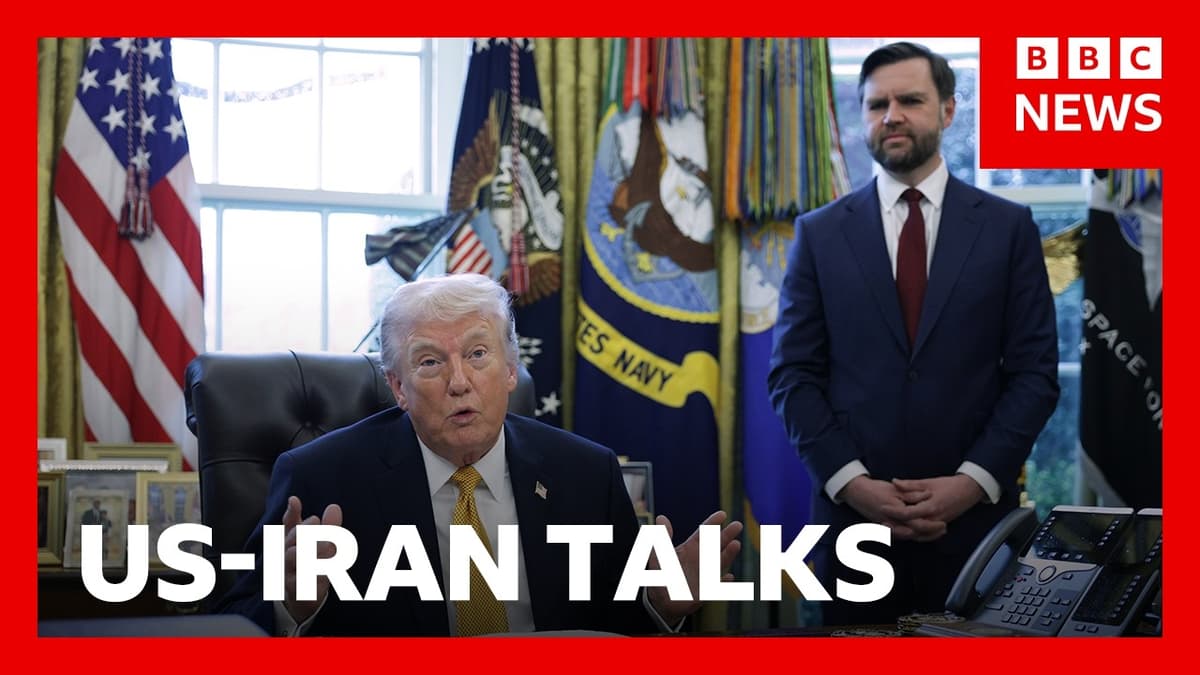
Donald Trump Says Iran Talks Could Resume This Week | BBC News
President Donald Trump signaled that fresh negotiations with Iran could begin this week, after a weekend of stalled talks in Islamabad and the United States’ recent enforcement of a naval blockade on Iranian ports. Vice President JD Vance, who led the...

The State Department's Dane Johnston on Strategic Redundancy for Mideast Trade
Deputy Assistant Secretary of State Dane Johnston outlined a U.S. strategy to champion multimodal trade corridors, notably the India‑Middle East‑Europe Economic Corridor. He emphasized creating strategic redundancy in transport routes to mitigate disruption risks and boost regional interconnectivity. By leveraging...

Dr. Stephen Leeb: The Return of Gold, Death of the Petro-Dollar & Critical Mineral Shortages
Dr. Stephen Leeb, economist and founder of Leap Capital Management, argues that the world is witnessing a fundamental transition: gold is re‑emerging as a monetary anchor, the petro‑dollar regime is eroding, and shortages of critical minerals such as helium are...
The Energy Crisis: Downstream Impacts || Peter Zeihan
Peter Zeihan outlines a widening downstream energy crisis as upstream disruptions from Russia, Iran and the Persian Gulf translate into consumer‑level shortages worldwide. He notes that roughly half a billion barrels of crude remain stranded, with the final pre‑war tankers...

Iran War Will Hit Global Growth Hard: IMF
The IMF told the World Bank meetings that its baseline assumes a swift resolution to the Iran war and forecasts global growth of 3.1% this year, a 0.3 percentage-point downgrade since mid-February. It warned, however, that more severe scenarios with...

Financing Europe’s Priorities with the European Investment Bank’s Nadia Calviño
At IMF‑World Bank Week, European Investment Bank President Nadia Calviño outlined the bank’s shifting focus toward security, climate and technology as Europe confronts geopolitical turbulence and energy volatility. She highlighted a dramatic four‑fold increase in defense‑related financing, surpassing €4 billion in...

US, Iran Seek Second Round of Talks & ASML Raises 2026 Sales Forecast | Daybreak Europe 4/15/2026
The Bloomberg Daybreak Europe broadcast highlighted three intertwined themes: a tentative de‑escalation in the Middle East, robust demand for advanced chip‑making equipment, and a resilient equity market buoyed by earnings strength. U.S. and Iranian officials indicated a second round...

Driving Digital Growth Through Connectivity Investment
The Atlantic Council convened a round‑table during the World Bank‑IMF spring meetings to examine how to close the global digital divide. Speakers highlighted that between one‑third and one‑half of the world still lacks affordable, reliable internet, a gap that hampers...

China's Price Wars Are an 'Advantage' In Light of Iran War Inflationary Shock: EIU
The Economist Intelligence Unit (EIU) argues that China’s ongoing price wars are turning a perceived weakness into a strategic advantage as the world grapples with inflationary pressure from the Iran‑related oil shock. By maintaining ultra‑low domestic prices, Chinese manufacturers can...
Governor Talks: Uruguay: Why Policy Frameworks and Communication Matter for Inflation
In a recent Governor Talks session, Uruguay’s central bank governor emphasized that robust policy frameworks and clear communication are essential tools for anchoring inflation expectations. He highlighted Uruguay’s recent success in reducing headline inflation to around 5% year‑over‑year, attributing the...

The COB: 9,000 Looms
The Osbiz COB broadcast focused on Australia’s equity market, noting the S&P/ASX 200 sitting just shy of the 9,000‑point milestone and up roughly 5.8% for the month. Analysts highlighted a flat‑lined session, with US futures modestly negative but regional indices...

Ukraine’s Economy: Current Realities and Future Prospects | The Futures Summit
The CSIS Futures Summit panel examined Ukraine’s economy after four years of war, highlighting a modest 1.8% GDP growth in 2025 despite massive disruption. Speakers stressed that the war‑driven shock, combined with a 48% spike in energy prices, has strained...
US Blockade of Hormuz Impact on Supply, US-Iran Seek More Talks, More | Bloomberg Daybreak: Asia...
The Bloomberg Daybreak Asia podcast focused on the lingering effects of the U.S. naval blockade in the Strait of Hormuz and the parallel push for a second round of U.S.–Iran peace talks. While crude prices fell sharply, analysts warned...
Pathways to Double-Digit Growth | Việt Nam Cần Làm Gì Để Đạt Mức Tăng Trưởng 2 Con Số
Vietnam has announced an ambitious macroeconomic target: achieving an average annual GDP growth of 10 percent or higher between 2026 and 2030. The plan calls for coordinated action across government, the private sector and the workforce to sustain the rapid expansion...

India’s Middle Class Hits a Breaking Point
The podcast spotlights "Break Point: The Crisis of the Middle Class and the Future of Work," a new book arguing that India’s once‑vibrant middle class – roughly 40 million income‑tax‑paying households – is at its most vulnerable since the 1991 liberalisation....

10-Year Treasury Note Futures Reach Monthly High on Cooling PPI. 4/14/26
U.S. 10‑year Treasury note futures surged to a one‑month closing high on April 14, driven by a combination of softer producer‑price data and easing geopolitical tension in the Middle East. The contract rose to 111.16, pushing the implied 10‑year yield down...

Wall Street Is ALL-IN On Bitcoin
The video argues that Wall Street has gone all‑in on Bitcoin, with major players like Morgan Stanley, BlackRock and Fidelity launching ETFs and buying the digital asset in bulk. The host frames this surge against a backdrop of geopolitical tension,...

Commerzbank CEO: The Growth Outlook for Europe Has Weakened
Commerzbank Chief Executive Christian Sewing warned that the growth outlook for Europe and Germany has deteriorated, marking a sharp shift from the optimism expressed last summer. The bank’s internal forecasts now project just 0.6% GDP growth for the euro‑area this year,...

S&P Nears Fresh Record on Iran Peace Push | Closing Bell
The closing bell showed the S&P 500 edging within striking distance of a fresh all‑time high, finishing roughly 1.2% higher, while the Nasdaq 100 posted a 1.8% gain and logged ten straight days of advances – its longest winning streak...

Gold: No Longer a Safe Haven? | Presented by CME Group
Gold prices have retreated sharply even as geopolitical tensions flare in the Middle East, prompting analysts to question the metal’s traditional safe‑haven status. Over the past week the spot price slipped roughly 2%, marking its steepest decline since early 2022....

They Will Never Figure It Out
The video tackles personal finance in an era of widening inequality and debt‑driven monetary policy, urging listeners to rethink how they survive the growing wealth gap. The speaker’s core advice is extreme frugality—cutting every non‑essential cost, even to the point of...