US Growth Driven by Tech Investment in First Quarter
U.S. first‑quarter GDP grew at a 2% annualised pace, outpacing the 2.3% consensus, largely thanks to a 24% year‑on‑year surge in tech and AI‑related capital spending. Consumer spending eased to 1.6% growth and a widening trade deficit shaved 1.3 percentage points from headline growth. Core PCE inflation held steady at 0.3% month‑on‑month (3.2% YoY) while the employment‑cost index rose 0.9% QoQ, driven by higher benefits. Initial jobless claims plunged to 189,000, well below forecasts, highlighting mixed labor‑market signals amid lingering Middle‑East tensions.
Card Spending Rises 7% as K‑Shape Widens at Top
💳BofA: “Total card spending per HH was up 7.2% y/y in the week ending Apr 25, according to BAC aggregated credit & debit card data. Ex gas spending was up 6.4% y/y, in part due to favorable base effects from...
Low Savings Rate Signals Confidence, Not Financial Discipline
The saving rate is income minus disposable spending. It does NOT include investment performance (such as stock or housing prices rising). So, I view the saving rate as a sentiment indicator. It is low because households don't need to hold...

US Q1 Earnings Surge: Textron Leads with 12% Revenue Jump, Carrier Global Misses Profit
Textron Inc. reported a 12% revenue increase to $3.70 bn and earnings of $1.25 per share, outpacing expectations. Carrier Global Corp., by contrast, saw profit tumble 42% to $0.28 per share despite a modest 2.4% revenue rise, underscoring divergent trends among...
US Savings Rate Hits 3.6%, Leaving Households Vulnerable
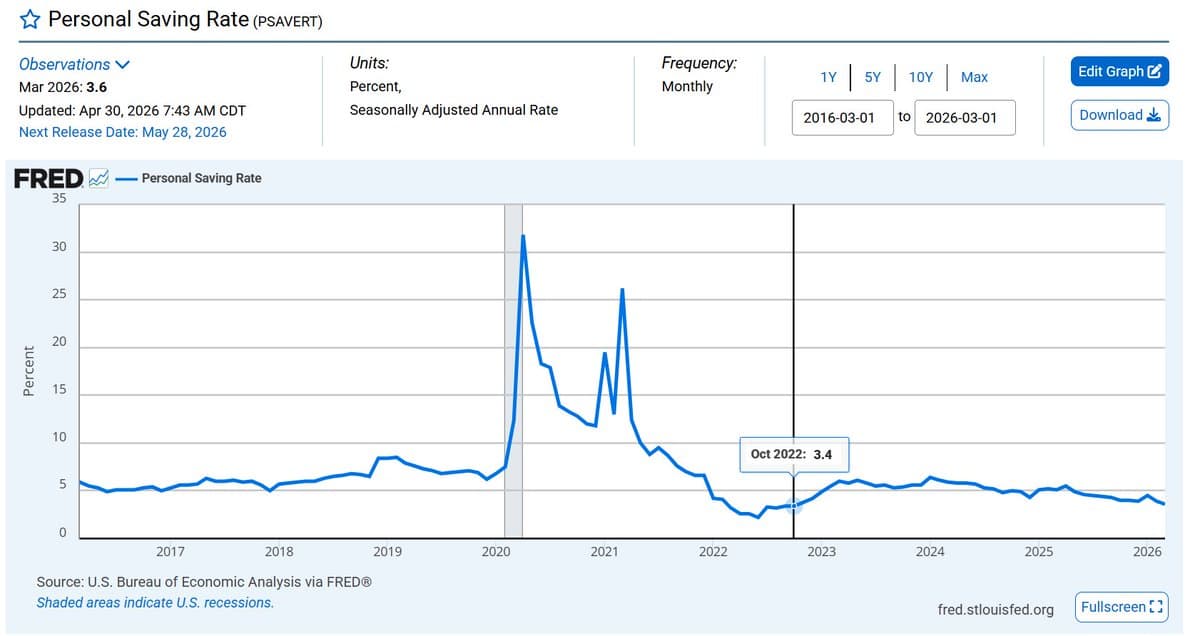
Important: The US savings rate fell to 3.6% in March. That's the lowest since fall 2022 (the "revenge spend" era). And it's frankly one of the lower readings of all time. American households are getting squeezed. Many are not able to save...

Powell Stays on Fed Board, Blocking Trump Nominee, as US and Indian Stocks React
Jerome Powell announced he will remain a Fed governor after his term as chair ends on May 15, effectively denying President Trump a seventh board seat. The decision comes as the Fed held rates steady at 3.5%-3.75% and sparked mixed...

Book Comments: "The Deficit Delusion"
John Tamny’s new book, “The Deficit Delusion,” argues that the United States cannot be bankrupt because global investors continue to buy Treasury bonds in massive volumes. The author, a RealClearMarkets editor, frames the debate as a free‑market rebuttal to traditional...

U.S. Futures Hold Steady Ahead of Fed Decision as $750 B of Options Implied Moves Loom
U.S. equity index futures were flat this morning as investors braced for the Federal Reserve’s rate decision and a wave of earnings from the so‑called Mag 7 tech giants. The seven companies together represent nearly 20% of the S&P 500 and...
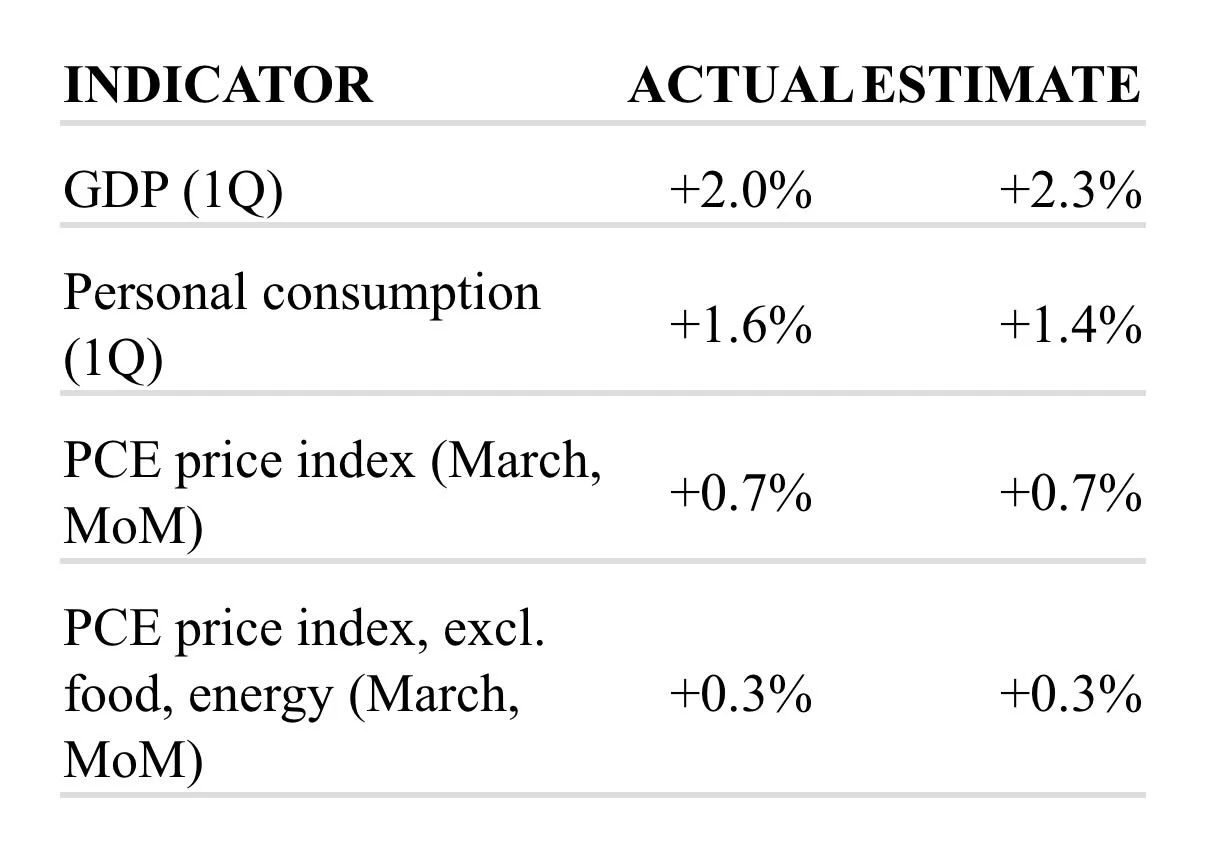
GDP Masks Inflation Surge and Export Drag
Q1 GDP printed +2.0% vs +2.3% expected and the bulls are calling it resilient. Look closer. PCE inflation just ran +0.7% MoM in March, hottest since 2022, while net exports subtracted 1.3pp from growth on a tariff-rebound import surge. The...
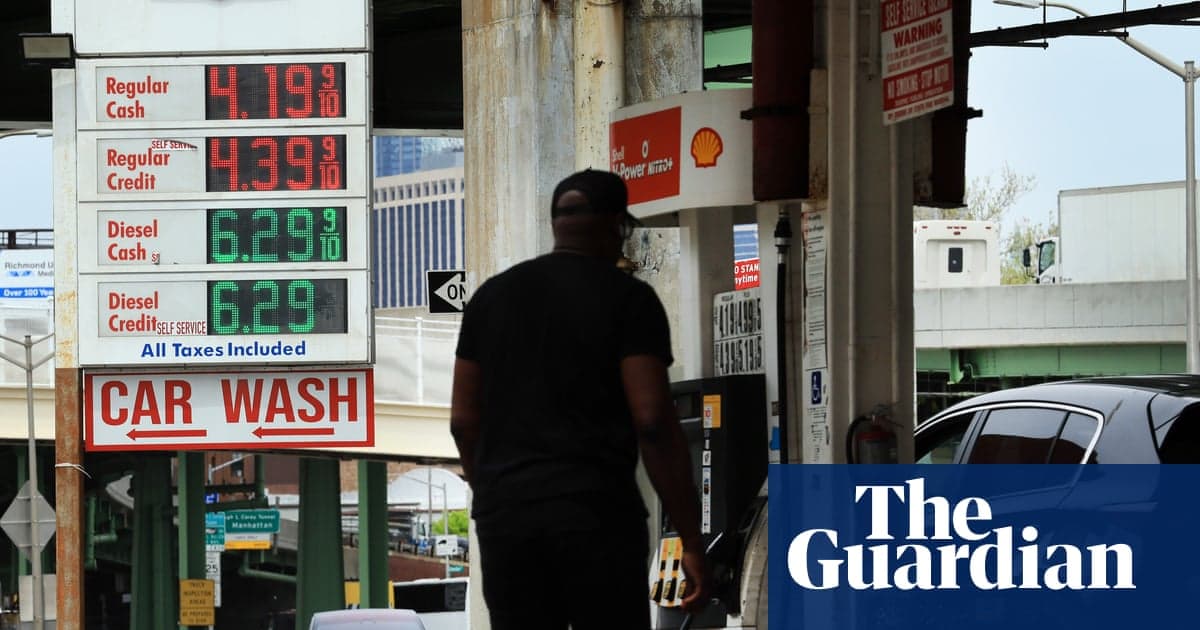
US Economic Growth Rebounds 2% as Consumer Spending Slows Amid Iran War
U.S. gross domestic product accelerated to a 2% annualized pace in Q1 2026, reversing a 0.5% slowdown in Q4 2025. The rebound was driven by a 10% jump in government spending and a 6.4% rise in domestic investment, especially in AI‑related infrastructure....
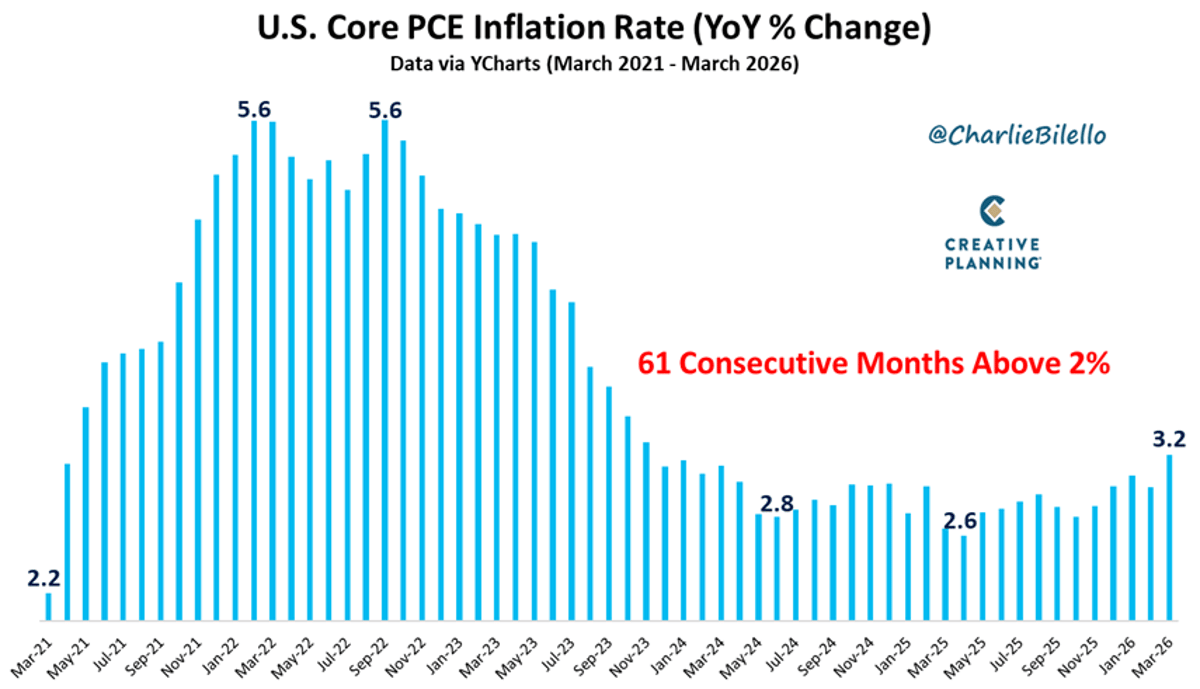
Core PCE Hits 3.2%, Prompting Likely Fed Hike
The Fed's preferred measure of inflation (Core PCE) came in at 3.2% in March, the highest level since November 2023. This was the 61st consecutive reading above the Fed's 2% target level. There will be no Fed rate cut in...
Powell Stays on Fed Board, Blocking Trump Appointee, as Treasury Yields Hit 5%
Jerome Powell announced he will remain a Fed governor after his term as chair ends on May 15, effectively denying President Donald Trump a seventh board seat. The Federal Open Market Committee kept its benchmark rate unchanged at 3.5%‑3.75% and...

Senate Advances Kevin Warsh’s Fed Chair Nomination as Powell Stays on Board
The Senate Banking Committee cleared Kevin Warsh’s nomination to become Federal Reserve chair on a party‑line vote, even as outgoing chair Jerome Powell announced he will remain a governor after May 15, breaking a 78‑year precedent. The move intensifies the...
AI Drives Record Business Investment, Consumer Spending Stalls
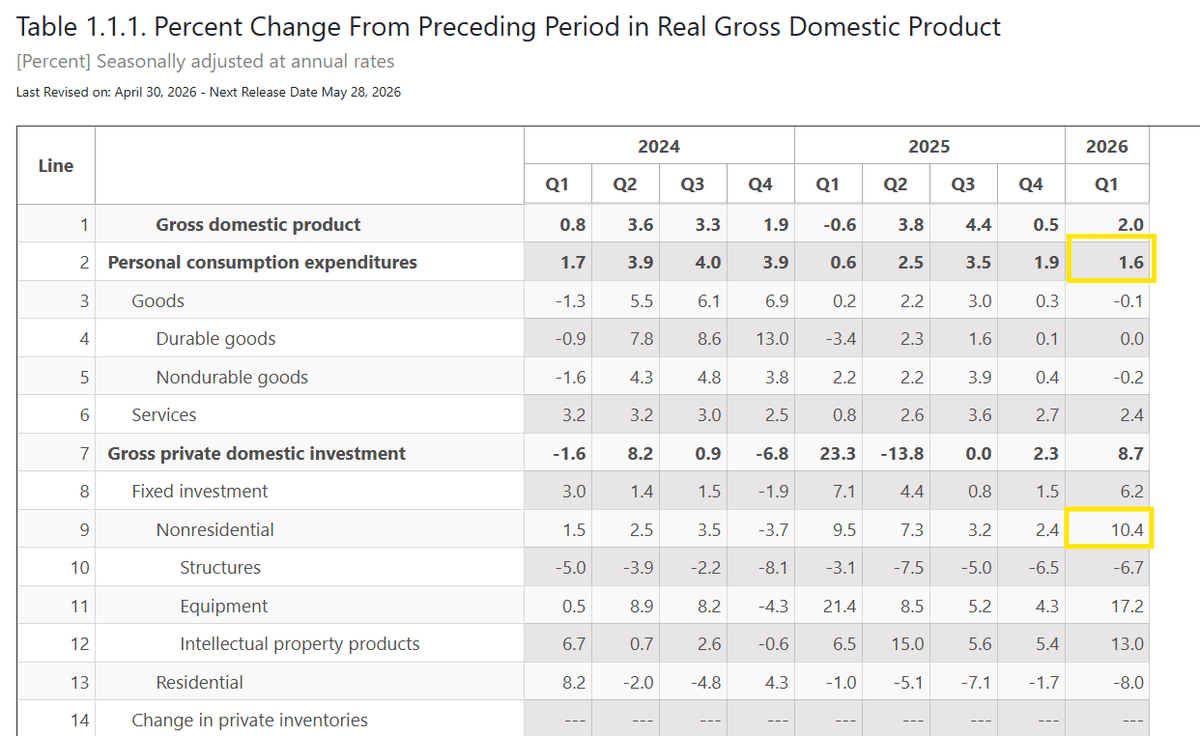
This is the AI economy now. Just incredible to see the +10.4% jump in business investment in Q1. That's the highest since Q2 2023 (when the big semiconductor factory buildout was underway. Now it's all AI) Notice consumption: +1.6%. That's pretty tepid....

What Did BoC, Fed Meetings Tell Us About the Path Ahead for Interest Rates?
The Bank of Canada and the U.S. Federal Reserve both left policy rates unchanged, maintaining a 1.25‑percentage‑point gap. Each central bank faces distinct challenges: the U.S. enjoys solid growth but wrestles with sticky inflation, while Canada grapples with weaker GDP...

Averages Mask Reality: Who Really Benefits From Rising Wages?
The “average worker” is a statistical ghost. Useful on a spreadsheet. Dangerous in real life. Because when people say “wages are rising,” the first question should be: For whom? Averages can describe the economy. They can also erase the people living under it.🧵👇

Core Inflation Rate Hit 3.2% in March
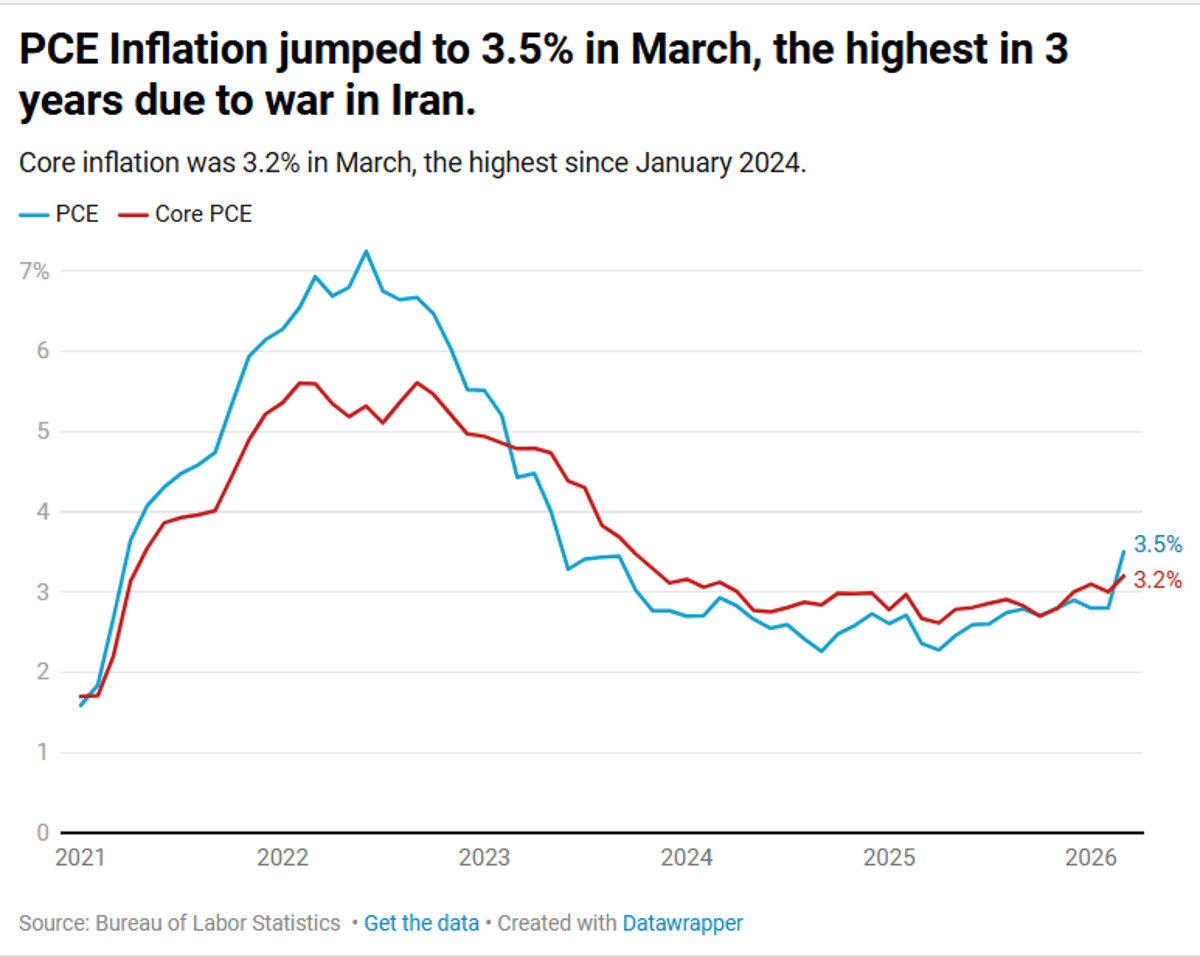
The Commerce Department reported that the core personal consumption expenditures (PCE) price index rose 0.3% in March, pushing the 12‑month core inflation rate to 3.2%. Including food and energy, the overall CPI climbed 0.7% month‑over‑month and 3.5% year‑over‑year. First‑quarter GDP...
PCE Inflation Peaks at 3.5% Amid Iran Conflict
JUST IN: PCE Inflation jumped to 3.5% in March, the highest in three years (since May 2023). This is a direct result of the war in Iran. And the pain will almost certainly be worse in April and (likely) May. Core...
Initial Jobless Claims Drop 26K, Defying Expectations
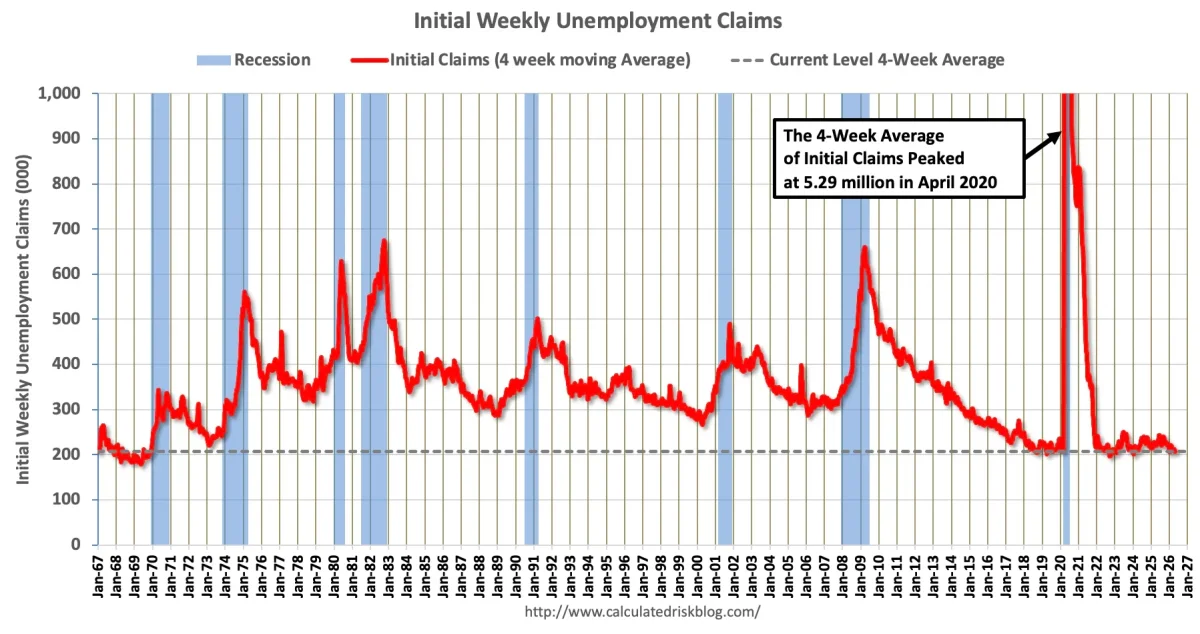
"In the week ending April 25, the advance figure for seasonally adjusted initial claims was 189,000, a decrease of 26,000 from the previous week's revised level. The previous week's level was revised up by 1,000 from 214,000 to 215,000." https://www.dol.gov/ui/data.pdf Much lower than...

How Powell Just Complicated Trump’s Fed Plans
Jay Powell announced he will stay on as Federal Reserve chair beyond his term expiration next month, delaying the transition to President Trump’s preferred successor. Trump and his pick, former Fed governor Kevin Warsh, have been pushing for aggressive rate...

March PCE Inflation Accelerates, Core up 0.3% MoM
the PCE price index for March increased 0.7 percent. Excluding food and energy, the PCE price index increased 0.3 percent. [YoY] the PCE price index for March increased 3.5 percent. Excluding food and energy, the PCE price index increased 3.2 percent...

Q1 2026 GDP Grows 2% Annualized, Misses Forecast
Real gross domestic product (GDP) increased at an annual rate of 2.0 percent in the first quarter of 2026 (January, February, and March) This was below expectations. https://www.bea.gov/news/2026/gdp-advance-estimate-1st-quarter-2026

The Daily Feather — Spiritus Animalis
The article traces the etymology of “animal spirits” from the medieval concept of spiritus animalis—a Latin notion of vital breath—to its modern incarnation in behavioral economics and Keynesian theory. It highlights how early physiologists linked the term to bodily vigor,...
Hawkish Push Gains Party Backers, Warsh Not Isolated
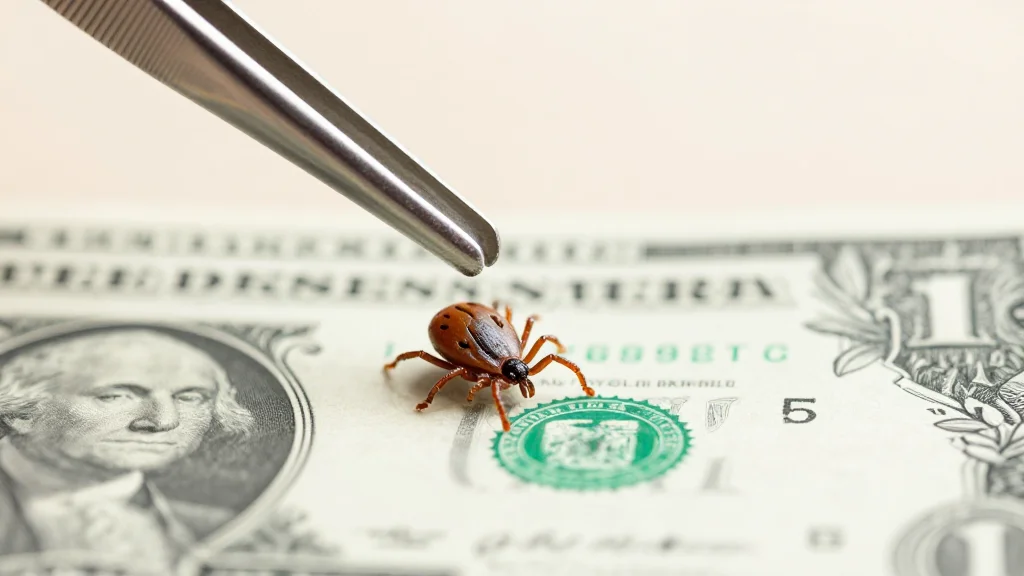
The hawkish case is finding political backers from inside the president’s own party, meaning that declining to cut might not leave Warsh isolated within his own coalition. Sen. John Kennedy said inflation is “kind of like a tick.” “If you get a...

Inflation and Growth Outlook Brightens Ahead of Key Data
Economic Calendar for Thurs. April 30th 8:30am - Core PCE m/m for March: Expected 0.3%; Prior 0.4% - Core PCE y/y for March: Expected 3.2%; Prior 3% - PCE m/m for March: Expected 0.7%; Prior 0.4% - PCE y/y for March: Expected 3.5%; Prior 2.8% - GDP growth rate...

Ray Dalio: The World Order Has Unraveled
In this episode, Ray Dalio explains his "big cycle" framework, outlining five forces—monetary, debt, political/social, geopolitical, and natural/technological—that shape the global economic order. He describes how the debt cycle functions like a circulatory system, where rising debt service relative to...
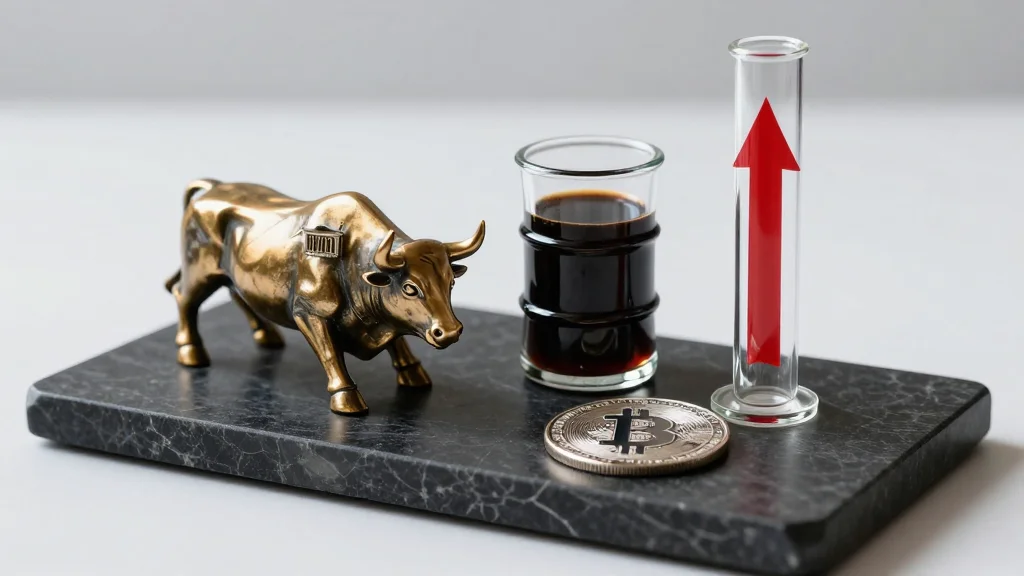
Hawkish Fed and 5% Treasury Yield Halt Bitcoin Dip‑Buy
The trifecta finally hit in 18 hours. The Fed delivered what Cointelegraph called the "most hawkish FOMC in years" with four dissents. Brent tagged $125 overnight. And the US 30-year Treasury yield punched through 5% for the first time this...
Fed Holds Rates Steady in Powell’s Likely Final Meeting, Markets React
The Federal Open Market Committee voted 8-4 to keep the federal‑funds rate unchanged at 3.5%‑3.75% in what is expected to be Jerome Powell’s final meeting as chair. The decision, driven by heightened oil‑price volatility from the Iran war, sparked a...

How Kalshi Can Help the Federal Reserve
Kalshi and Polymarket saw trading volumes surge to $50 bn in 2025, up from $16 bn the year before, as they expand beyond sports betting into macroeconomic wagers. Economic contracts—covering GDP, payrolls and inflation—now make up about 1‑2% of activity, attracting the...
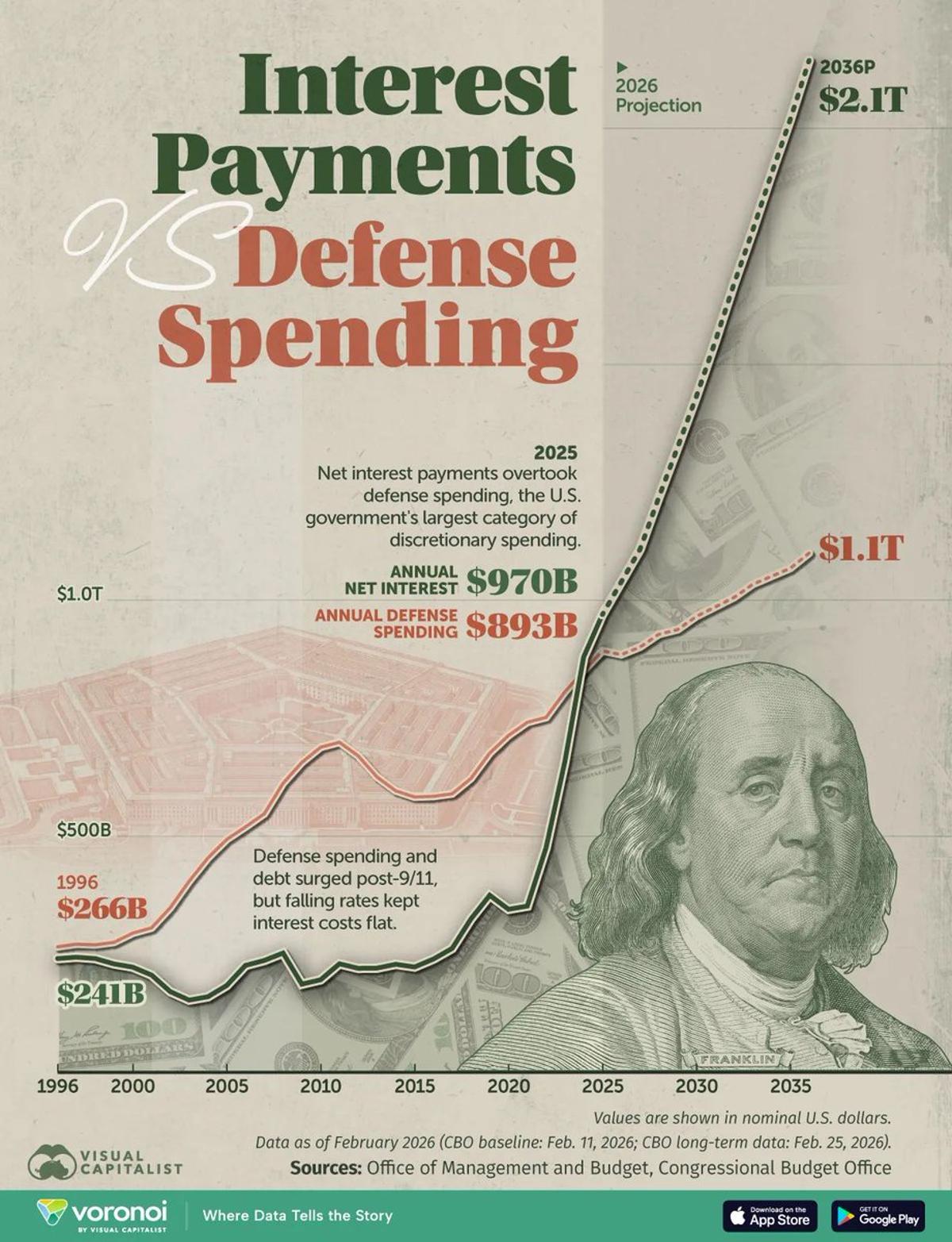
U.S. Interest Costs Overtake Defense Spending for First Time
The Death Spiral: America Now Spends More on Interest Than Defense Key Takeaways -U.S. interest payments surpassed defense spending in 2024 for the first time in nearly a century. -The gap is projected to widen significantly, with interest costs reaching $2.1 trillion...
Can Tax Reform Solve the Debt Problem—Or Just Slow It?
The Congressional Budget Office projects that publicly held U.S. debt will reach a record 175% of GDP by 2056, with deficits climbing to 9.1% of GDP. While revenues will rise modestly, spending—especially on Social Security, Medicare, and interest—will outpace growth,...
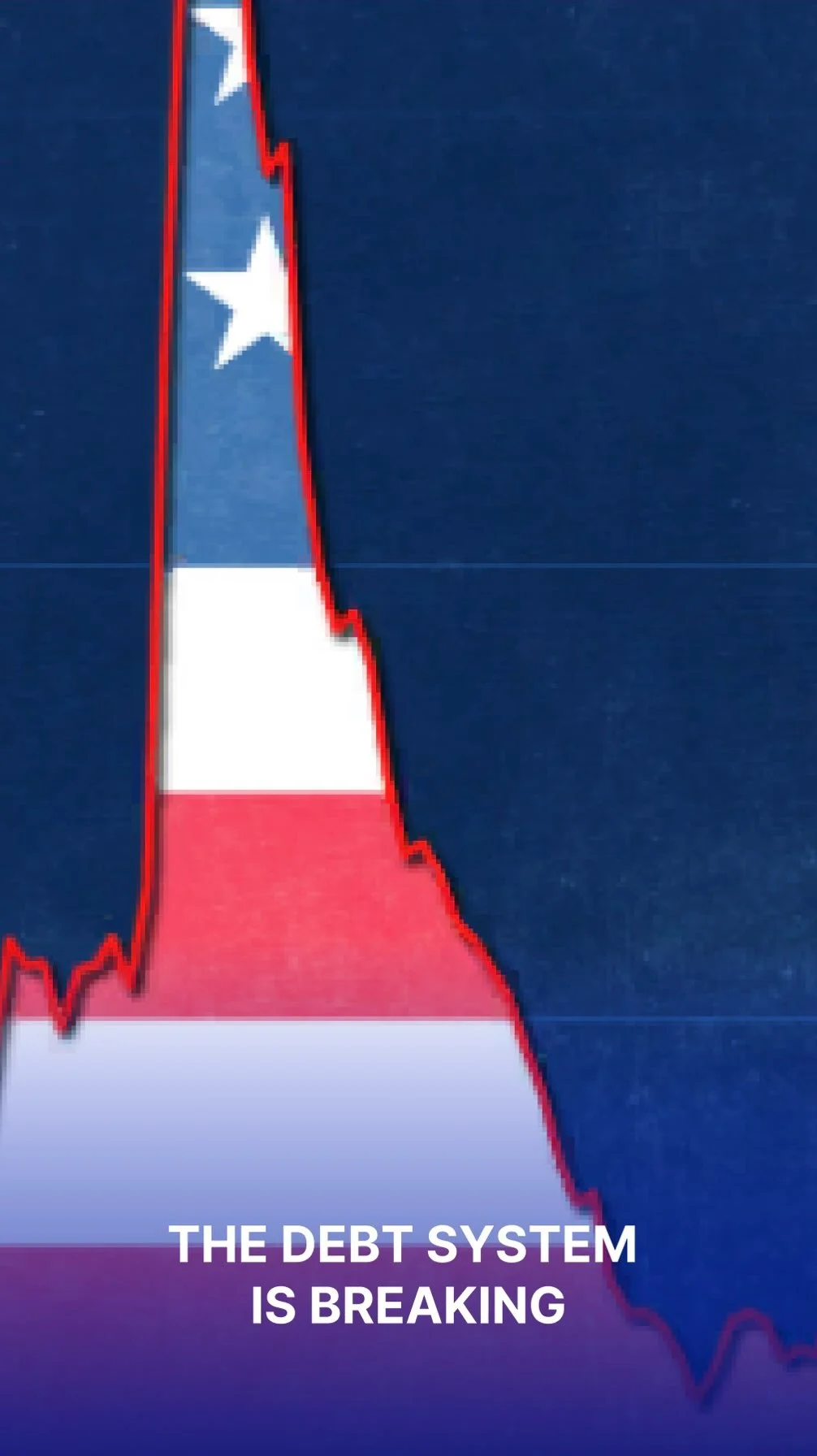
U.S. Debt‑to‑GDP Mirrors Post‑
America’s debt to GDP is already at levels you would expect at the end of a war, not the start. That changes everything about what comes next. #gdp #ww3 #bonds
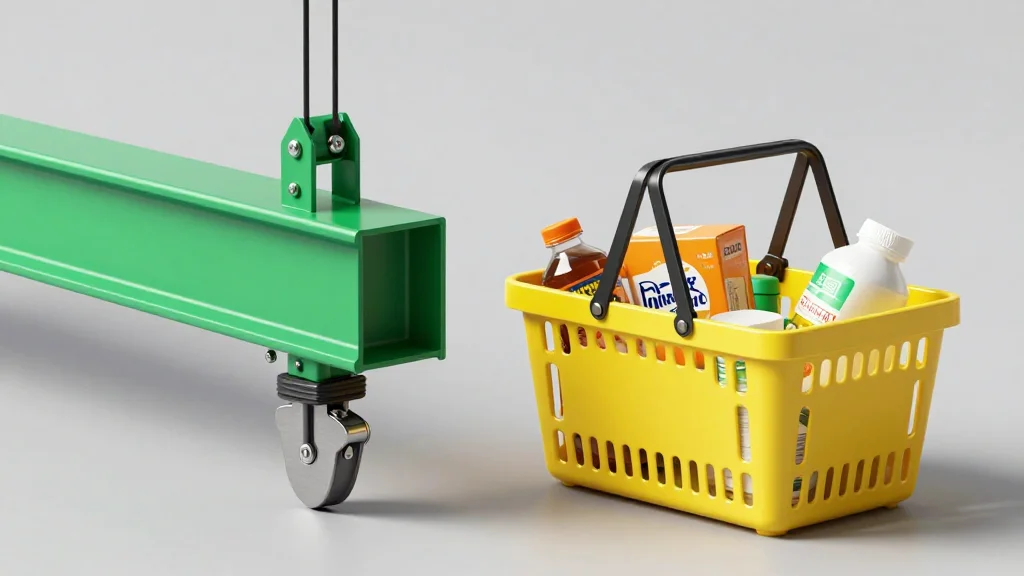
Business Investment Outpaces Consumer Spending in Q1 GDP
Business investment contributed **more** to GDP in Q1 than consumer spending. This is an AI economy now. Business investment contribution to Q1 GDP: 1.48 Personal consumption contribution to Q1 GDP: 1.08 (Joey's great chart shows the biz investment in green vs. consumption in yellow)

Only 25% of Consumers Say Their Cost-Cutting Plans Still Work
A PYMNTS Intelligence survey of 2,747 U.S. adults shows that 51% find daily expenses hard to manage and only 25% consider their cost‑cutting tactics highly effective. While 60%‑75% of consumers across all ages have reduced spending, younger cohorts combine cuts...
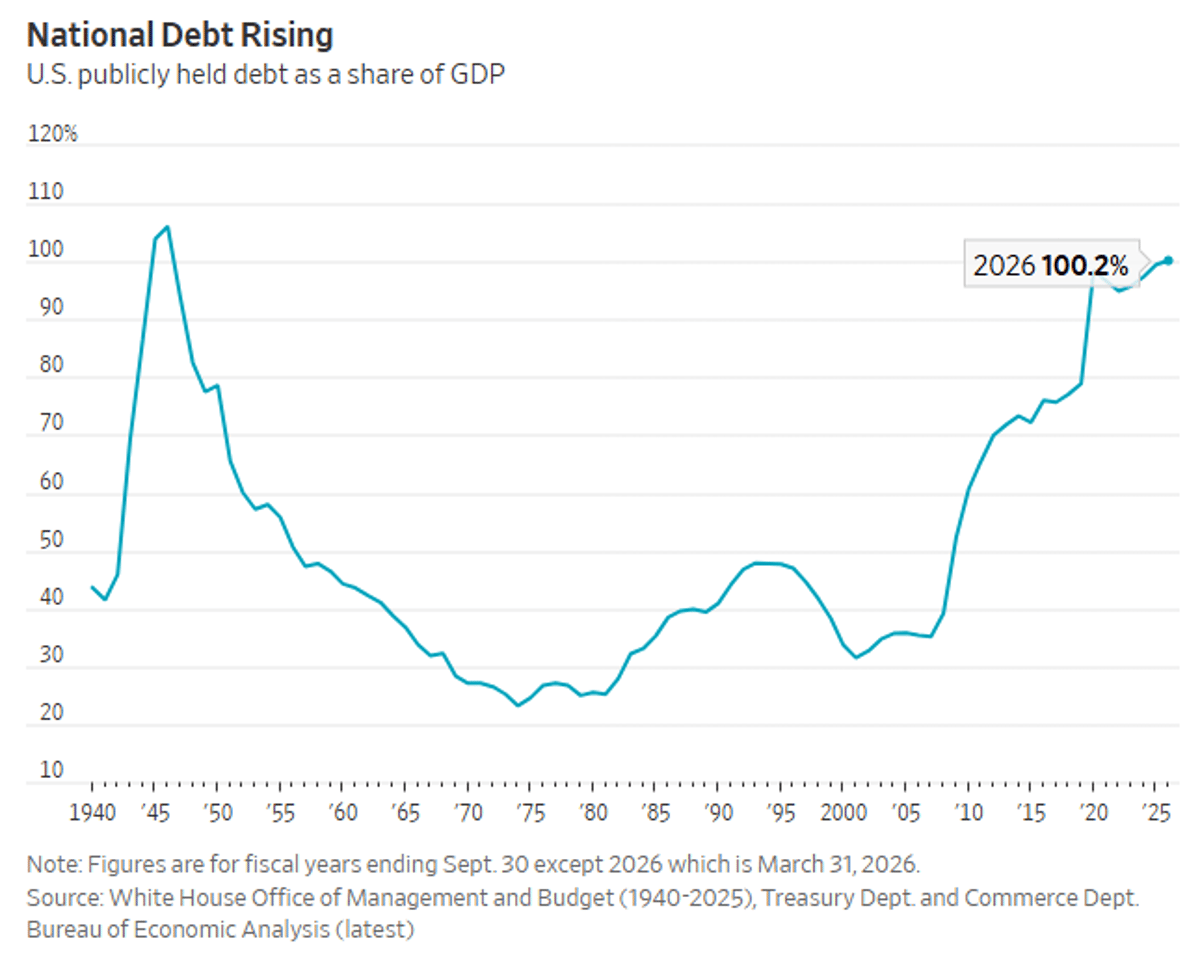
U.S. Debt Surpasses GDP for First Time Since 1946
The national debt just exceeded 100% of GDP for the first time since 1946: https://t.co/VSDBUUTaUH https://t.co/95ff7qRwJG
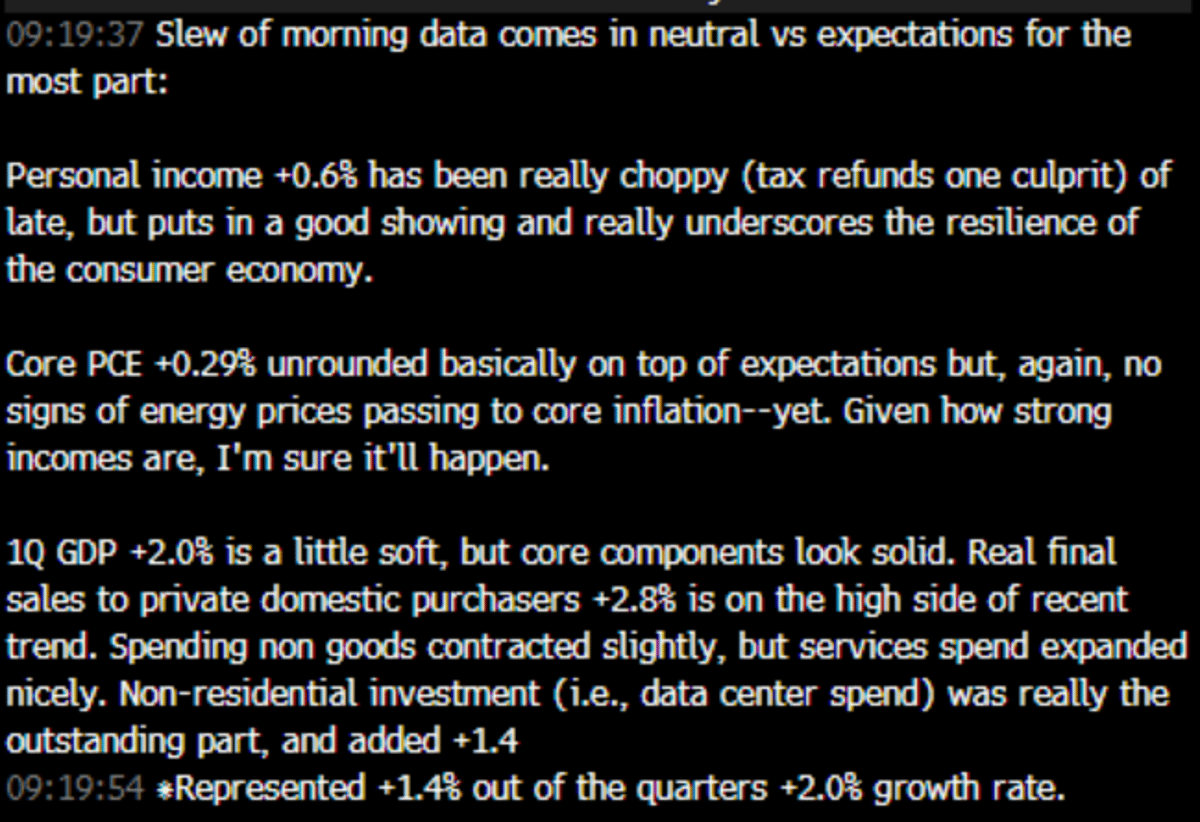
Data Centers Drive 70% of Q1 GDP Growth
Few #eco data takeaways Standout to me is that non-resi investment (basically data centers) were +1.4% of 1Q's +2.0% GDP growth. https://t.co/5NFKB6nOiS

Ouch. The U.S. 30-Year Treasury Yield Just Hit 5% and Bitcoin May Pay the Price
U.S. 30‑year Treasury yields surged to 5%—the highest level since July 2025—after hawkish dissent within the Federal Reserve and a rally in oil prices. The spike makes long‑term bonds a near‑risk‑free alternative, prompting investors to shift capital away from risk assets...
U.S. Debt Surpasses GDP, Tops 100% Threshold
The U.S. national debt now exceeds 100% of gross domestic product, crossing a once-unthinkable threshold, by @RichardRubinDC @WSJ. As of March 31, publicly held federal debt equaled 100.2% of 12-month trailing nominal GDP, up from 99.5% on Sept. 30. ...
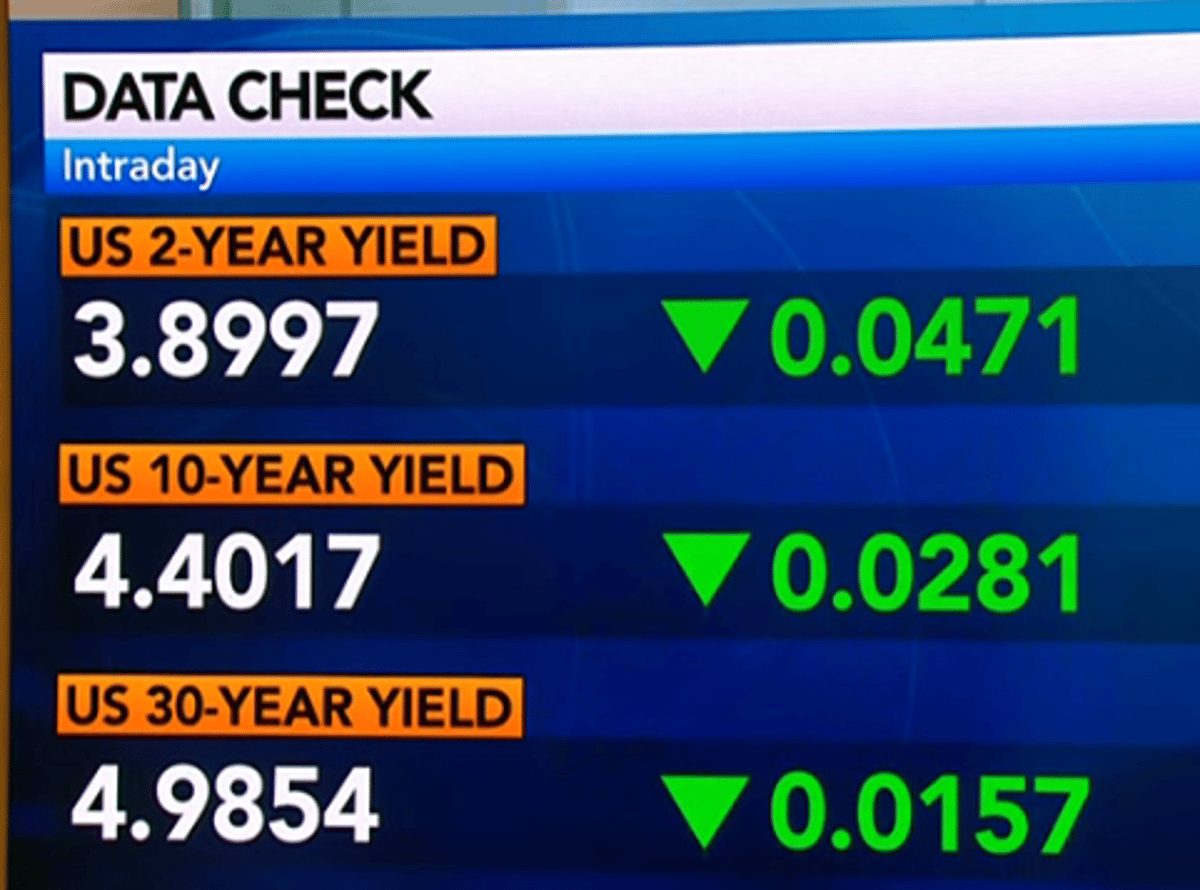
30‑Year Treasury Yield Hovers Near 5%
Lots of data... yields remain lower this morning... but that 30yr is still close to 5% https://t.co/ol2XJ3StCG

The Conference Board Leading Economic Index® (LEI) for the US Declined in March After Increasing in February
The Conference Board’s Leading Economic Index (LEI) slipped 0.6% in March 2026 to 97.3, erasing the modest 0.3% gain recorded in February. The drop was anchored by weaker building permits, declining consumer expectations, and a fall in S&P 500 prices. The...
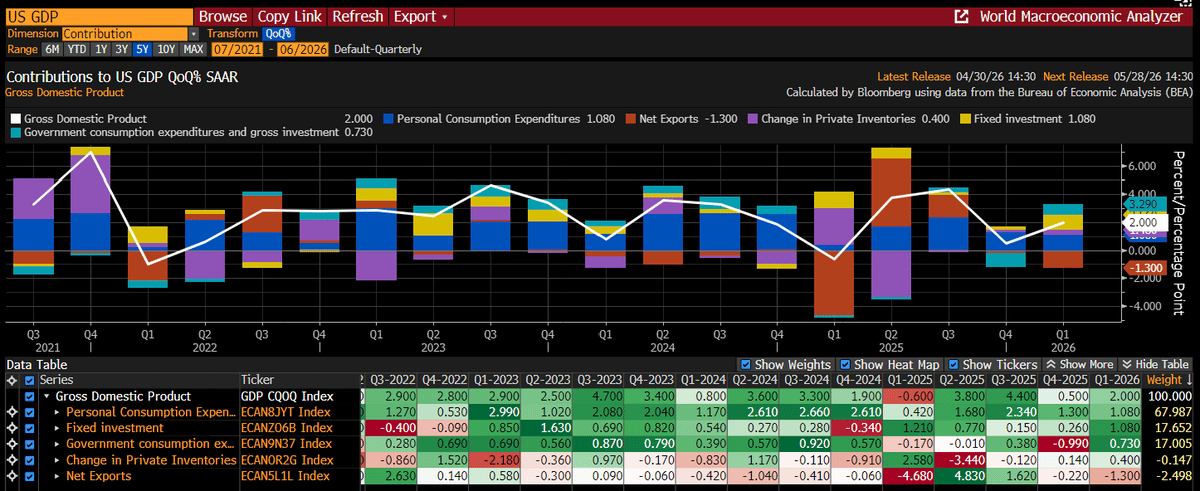
US Q1 GDP Up 2% on Domestic Spending, Export Drag
US GDP grew at an annual rate of 2% in Q1. Growth was mainly driven by consumer spending, business investment, and govt spending, which rebounded from a decline to an increase. Inventory changes also supported growth. However, net exports significantly...
Housing and Economy Stabilize, Reducing 2026 Labor Concerns
Signs of stabilization in the housing market and the economy/consumer weathering the war/energy shock so well have made me significantly less worried about the labor market for the balance of 2026.
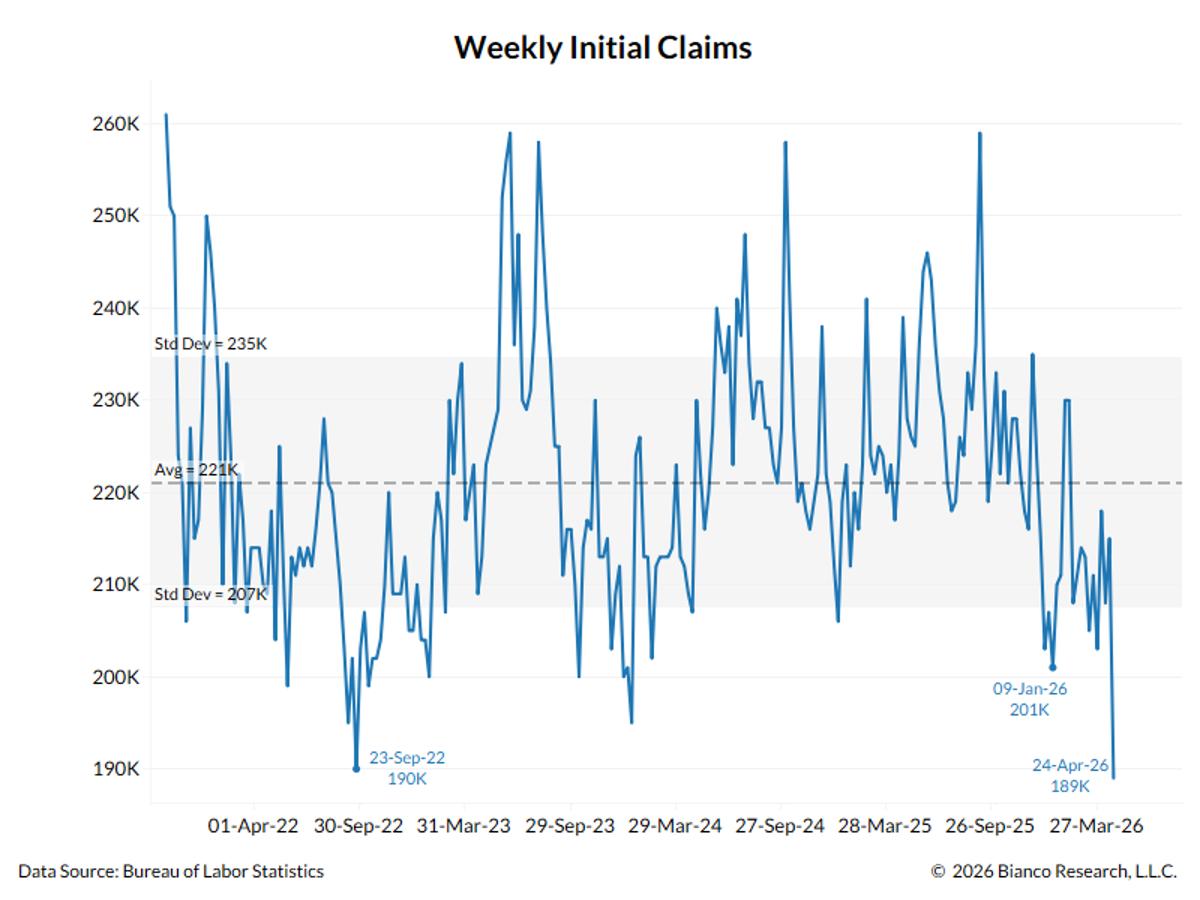
Jobless Claims Hit Lowest Level Since 1969
*US JOBLESS CLAIMS 189,000 IN APRIL 25 WEEK; EST. 212K This is the lowest reading since September 1969! (Note: this week is subject to revisions) https://t.co/E7TDSpivny

Core Inflation Steadies at 3.2% as GDP Hits 2%
Core inflation rate hit 3.2% in March, as expected; GDP grew 2% in first quarter: CNBC
Powell Warns Fed Independence Is Under Threat
In today’s Morning Money, I write about Chair Powell’s striking statement that Fed independence is “at risk.” https://t.co/LT9Rd9oAi5
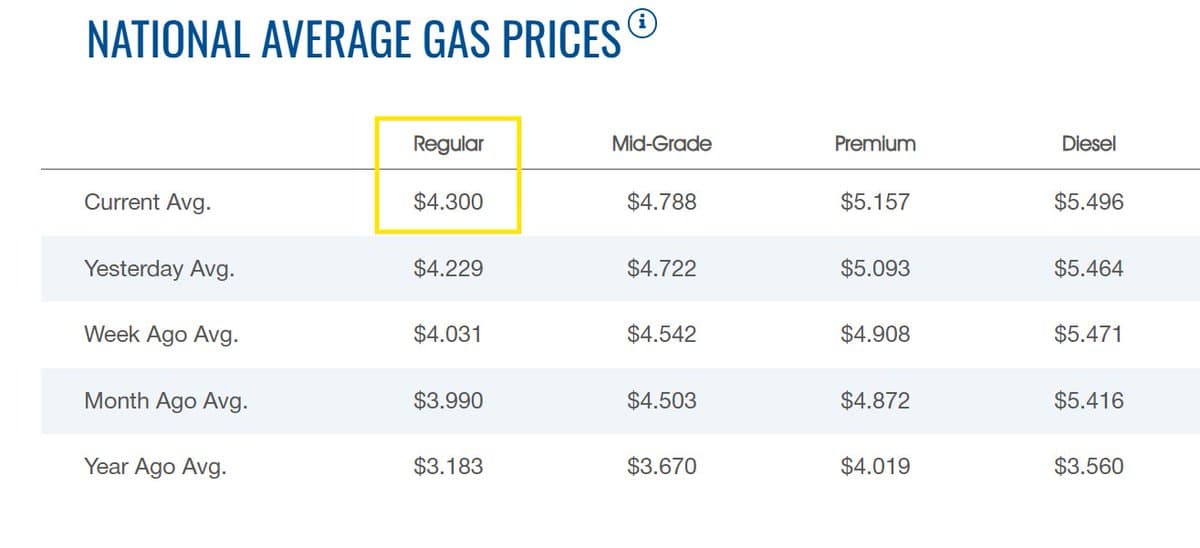
US Gas Prices Surge to $4.30, Adding $70 Monthly
Oof. The US national gas average just hit $4.30, according to AAA. That's the highest since July 2022. Gas prices have shot up $1.40 since the war in Iran began. That's adding ~$70 extra a month to household costs. #gas #inflation...

Central Banks Must Stay Steady Amid War‑driven Turmoil
War shock tests central banks’ resolve Linda Yueh on why policymakers may hold their nerve as inflation rises, growth falters and uncertainty deepens https://t.co/VFosKL0tlX
Consensus on “Transitory” Inflation Proved Disastrously Wrong
Yes he let inflation escape but the whole "transitory" thing was one of the biggest consensus views of all time, largely because of what had happened in the previous decade. Nobody could imagine inflation being a problem anymore...
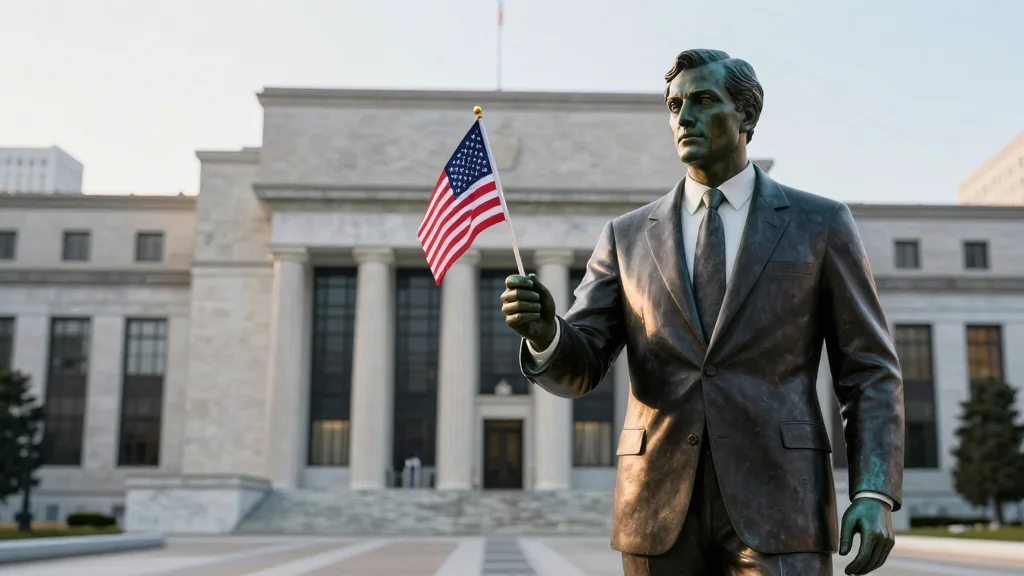
Powell Hailed as Fed Hero for Taming Inflation
This is going to annoy people (sorry...) but Powell is gonna be remembered as a hero at the Fed. Got inflation back down, delivered a soft landing, and stood up to enormous political pressure. Probably leaving at just the right...

Fed Chair's Era May End Amid Messier Meetings
Four dissents. An outgoing chair who isn't leaving. A new chair who wants "messier meetings." Since Greenspan began releasing FOMC statements in '94, reading the Fed meant reading the chair Wednesday raised the possibility that era is ending https://t.co/80GDuqZwql