US Economic Growth Rebounds 2% as Consumer Spending Slows Amid Iran War
Why It Matters
The data signals that fiscal stimulus can offset a post‑layoff slump, but rising energy costs and inflation expectations threaten to erode the recovery, putting pressure on monetary policy and future growth.
Key Takeaways
- •GDP grew 2% YoY Q1 2026 after 0.5% Q4 2025.
- •Government spending rose 10% quarter‑over‑quarter, offsetting prior contraction.
- •Consumer spending growth slowed 0.3%, inflation expectations jumped to 4.7%.
- •Oil hit $126/barrel, up 13% in 24 hours amid Iran conflict.
- •Defense budget request seeks $1.5 trillion additional spending.
Pulse Analysis
The first‑quarter GDP estimate shows the U.S. economy regaining momentum after a sluggish end to 2025. A sharp 10% quarter‑over‑quarter increase in federal outlays—partly to replace the 355,000 workers cut since October 2024—helped lift overall growth. At the same time, private investment surged 6.4%, reflecting heightened spending on artificial‑intelligence platforms and the data centers that support them. This fiscal boost underscores how targeted government spending can quickly translate into measurable macroeconomic gains, especially when private sector confidence remains resilient.
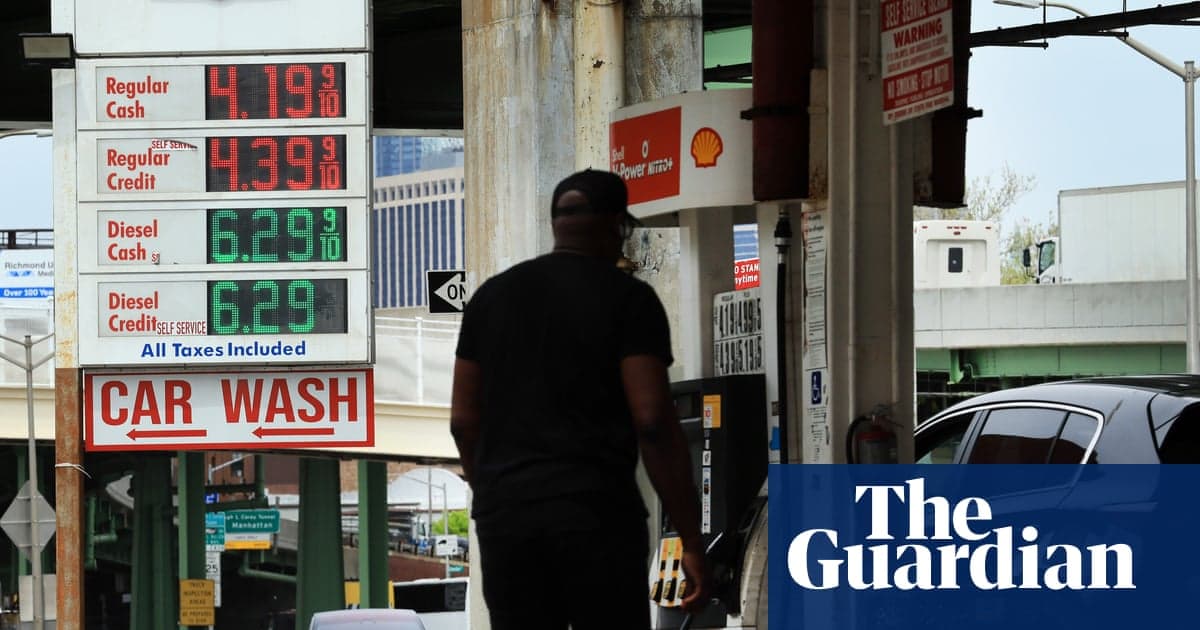
Yet the recovery is uneven. Consumer spending, the engine of U.S. growth, slowed by 0.3% as households grapple with higher energy costs. Oil prices surged to $126 a barrel, a 13% jump in a single day, after Iran‑U.S. talks stalled, pushing inflation expectations up to 4.7%—the steepest monthly rise since April 2025. The near‑1% rise in annualised inflation for March hints that price pressures could intensify, potentially curbing discretionary spending and prompting a reassessment of household budgeting priorities.
Policy makers now face a delicate balancing act. The Federal Reserve, under outgoing Chair Jerome Powell, has opted for a “hold and wait” approach, resisting calls from the Trump administration to cut rates despite the inflationary backdrop. Simultaneously, the Department of Defense is seeking an unprecedented $1.5 trillion in additional funding, on top of the $25 billion already spent on the Iran conflict. The juxtaposition of expansive fiscal demands and a cautious monetary stance will shape the trajectory of growth, inflation, and the broader geopolitical risk premium in the months ahead.
US economic growth rebounds 2% as consumer spending slows amid Iran war
Comments
Want to join the conversation?
Loading comments...