Fed Split Widens as Rates Stay on Hold Amid Inflation Fears
The Federal Reserve kept its policy rate in the 3.50‑3.75% range but issued its most divided statement since 1992, with an 8‑4 vote and three officials dissenting over an easing bias. The Fed highlighted rising inflation, now described as "elevated" and linked to surging global oil prices near $120 a barrel. While the unemployment rate remains steady, the statement left the door open for future adjustments, prompting markets to price little chance of a rate cut this year. The meeting also coincided with the Senate advancing Kevin Warsh’s nomination to succeed Jerome Powell.
Powell Says No Rush to Raise Rates Amid Iran Tensions
.@mckonomy: aren't there some that say we might need to hike even absent of the war in Iran? Powell: the dissents were on the downside. It's a form of forward guidance - you want to make it in a way that...

Savings Rates Drop Even without Fed Cuts. Here’s Where You Can Still Earn 4% on Your Cash
The Federal Reserve kept its benchmark rate unchanged at 3.5‑3.75%, but several major banks—including Capital One, Synchrony and Marcus by Goldman Sachs—still trimmed the APYs on their high‑yield savings accounts. Ally Financial’s earlier cut signaled a broader trend, while Bread...
This Fed Meeting Must Have Been a Hoot. Fed Holds Rates Amid 4 Dissents, Most Since 1992: 1 Dovish, 3...
The Federal Open Market Committee kept the federal funds target range at 3.5 %‑3.75% for a third straight meeting, marking a pause after three cumulative 75‑basis‑point cuts in 2025 and 100‑basis‑point cuts in 2024. Four members dissented – the most since...
Comments on FOMC Statement and Press Conference
The Federal Open Market Committee left the federal‑funds target range unchanged at 3.5 %‑3.75 %, with only Governor Miran dissenting in favor of a 25‑basis‑point cut. Three regional presidents—Cleveland’s Beth Hammack, Dallas’s Lorie Logan and Minneapolis’s Neel Kashkari—opposed adding an easing bias...
New Data Favors Rate Cuts over Further Hikes
The main reason are that the facts have changed. Folks may finally wake up to: 1) Headline & Core PCE >1% above target & rising. 2) Rates are just 0.5%-.75% above neutral 3) Labor market data has at least stabilized (maybe picking up) 4)...
Fed Can Stay on Hold This Year, JPMorgan's Michele Says
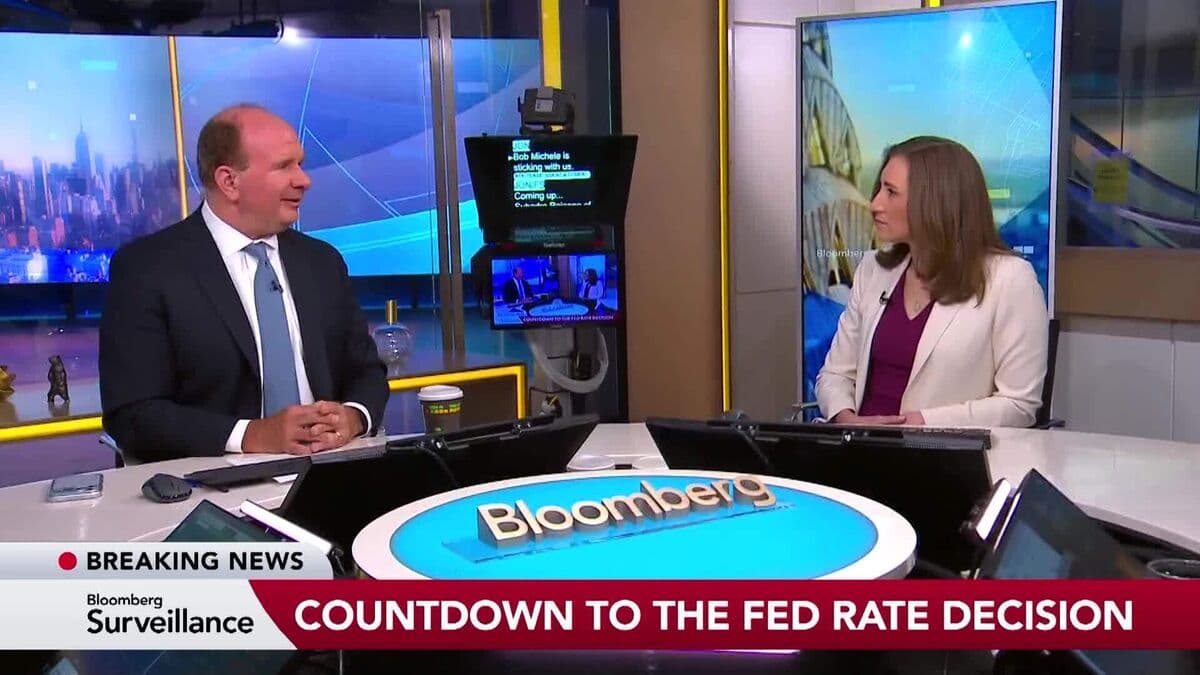
JPMorgan economist Michele says the Federal Reserve can keep its policy rate unchanged through the end of 2026 despite lingering inflation pressures. The commentary highlights that oil prices remain near $150 per barrel and gasoline above $4 per gallon, which...
Hammack, Logan’s Hawkish Dissent Fuels
Hammack and Logan dissenting on "additional" leans hawkish. What amazes me is these two are the architects of tapering, then ending QT, and with Perli flooding the system with RMO reserves. These two literally do not understand monetary...

Hope Beneath the Headlines
RiverFront’s April 2026 Chart Pack highlights that the Iran‑driven oil shock pushed Brent crude above $100 per barrel, prompting a modest pullback in the S&P 500 while the Fed kept rates steady. Despite the geopolitical turbulence, the United States’ deepening energy independence...
Dissenters’ Reserve Flood Fuels Inflation, Not QT
Two of the three dissenters on the word "additional" are the same ones who stopped QT and flooded the banking system with RMO reserves. I really don't get the logic of Logan, Hammack, Musalem, and in the background...
Fed Holds Rates 8-4, Divided Over Easing Bias
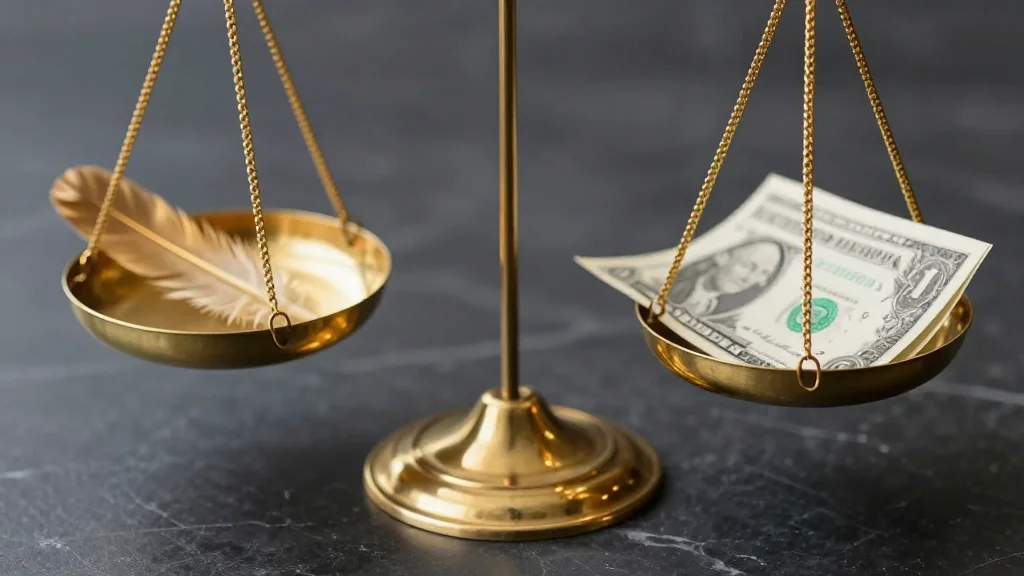
Fed votes 8-4 to hold rates steady, the most divisive decision since 1992. Miran wanted a 25bp cut. Hammack, Kashkari and Logan supported the hold but wanted the Fed to remove the easing bias in the statement. The line in question...

US Federal Reserve Announces Key Interest Rate
The Federal Reserve left its target range for the overnight interest rate unchanged at 3.5 %‑3.75 %, citing a February PCE inflation reading of 2.8 % that remains above its 2 % goal. The decision reflects lingering pressure from higher global energy prices tied...
Federal Reserve Issues FOMC Statement
The Federal Open Market Committee left the federal funds target range unchanged at 3.5 percent to 3.75 percent, citing solid economic expansion but modest job gains and persistent inflation. The statement highlighted elevated price pressures, especially from global energy costs, and noted...
Powell’s Final Fed Meeting May Raise Guidance, but Influence Wanes
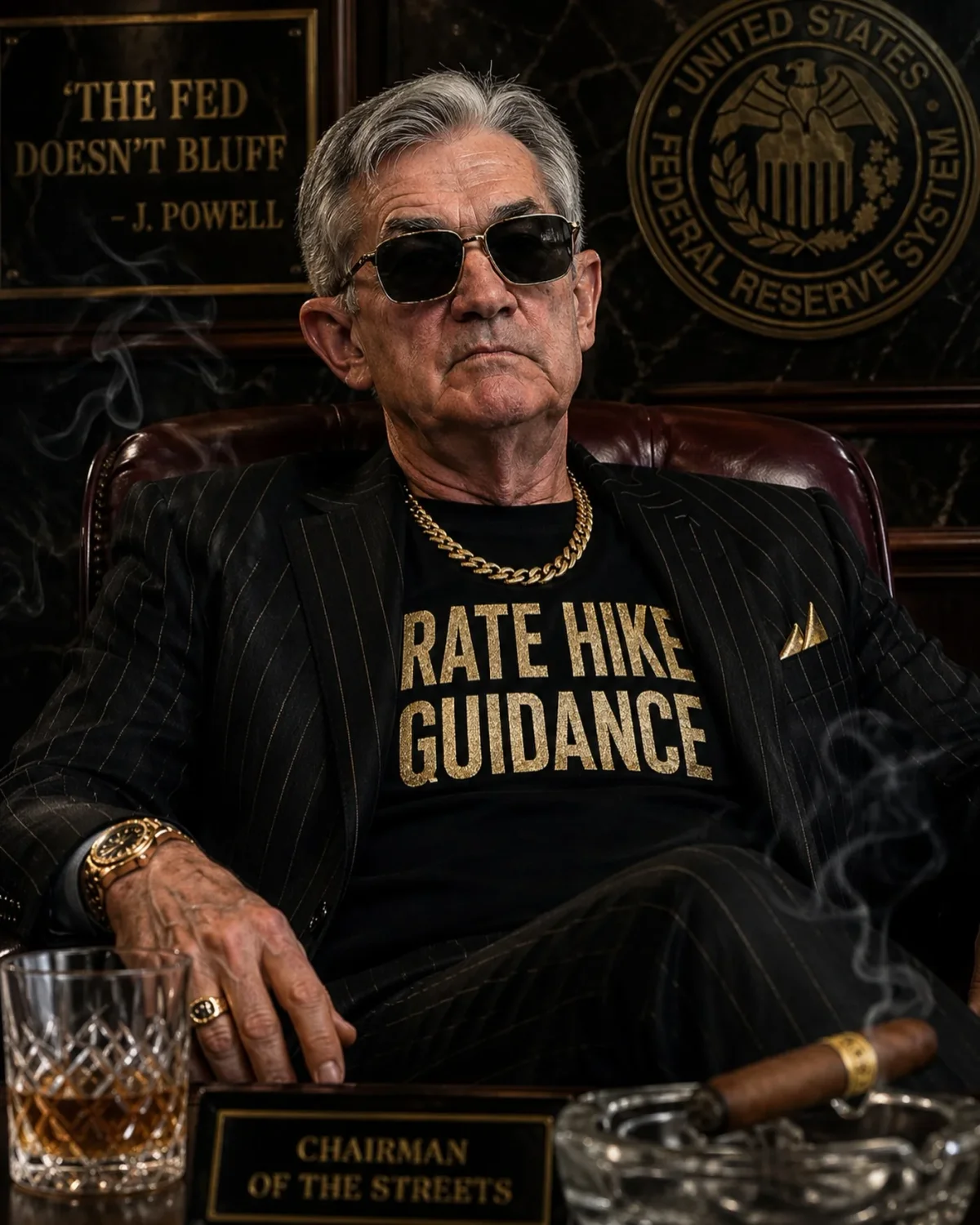
The Fed meeting is approaching, and Powell might raise guidance; we'll see. It's his last Fed meeting, so his stance won't carry as much weight. #mortgagerates #economics #chartdaddy #realestate #housing

There’s Upward Pressure on Interest Rates With a Slight Bias for Fed Hikes
The market’s FedWatch data shows a modest bias toward rate hikes, with the most likely outcome being a 3.50‑3.75% target in April 2027 (67.6% probability). A recent 8‑basis‑point shift from a cut bias to a hike bias coincides with a...

Good Policy Still Depends on Numbers the Public Can Trust and on Systems Built to Sustain Them
The Economic Indicators Initiative, spearheaded by Brookings senior fellow John Sabelhaus and funded by the Alfred P. Sloan Foundation, convenes think tanks across the political spectrum to safeguard the nation’s core economic statistics. It targets four pillars—inflation, labor‑force metrics, GDP...

Inside the Fed's Balance Sheet
A new video and podcast interview with finance professor Darrell Duffie examines the Federal Reserve’s balance sheet. Duffie draws on his recent paper to explain how the Fed’s roughly $8 trillion asset base shapes the U.S. payments system and monetary policy....
Fed Likely Mirrors BoC, Holds Steady Amid Oil Shock
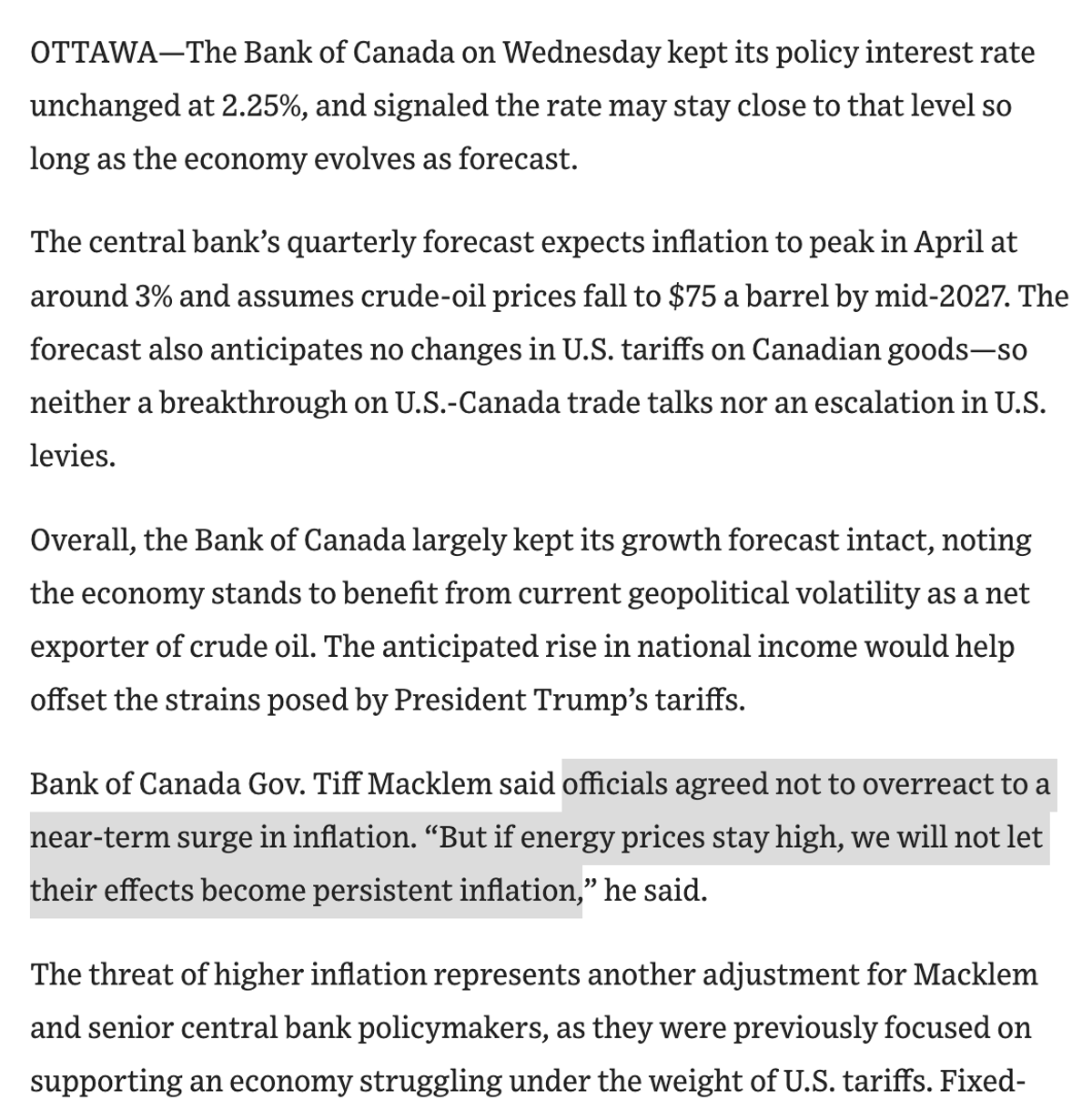
For clues on how Warsh Fed might deal with the oil shock, how looking North? That's because not only is Canada a net exporter of oil, Bank of Canada's Tiff Macklem's core philosophy on monetary policy has some overlap...
FOMC Preview
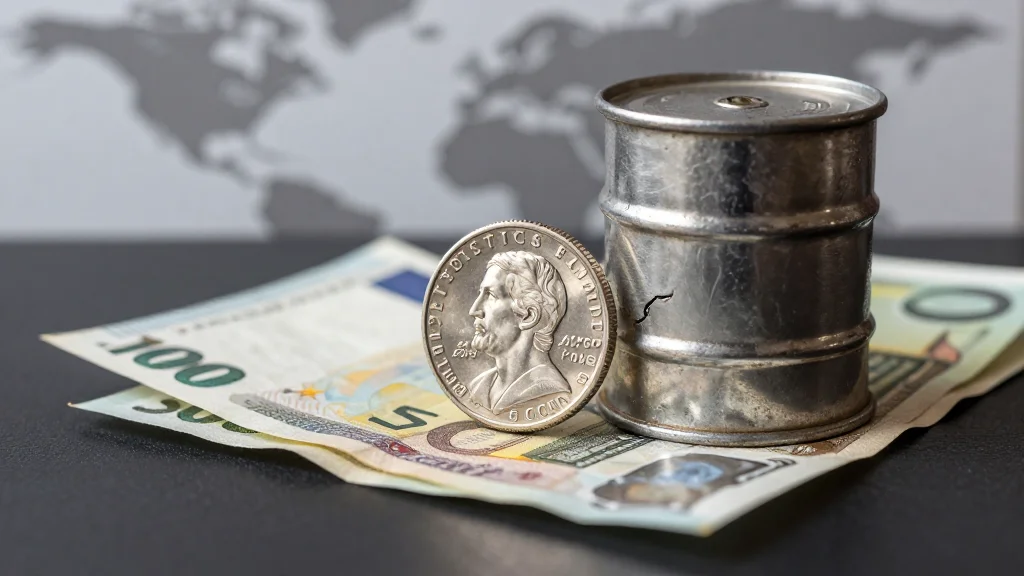
The Federal Reserve is expected to leave its benchmark rate unchanged at the 3.5‑3.75% target range as the Middle‑East conflict drags on, keeping oil prices about 7% higher than in March. Inflation forecasts have been nudged upward while economic activity...
US Housing Market Braces for a Cool Summer as Demand Falters
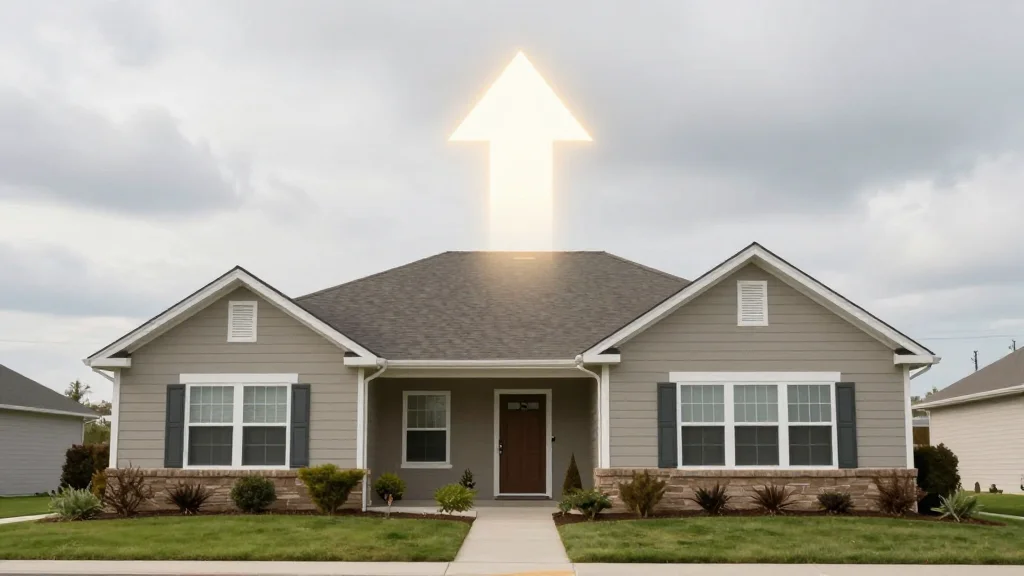
U.S. real‑estate activity is stalling as the war in Iran pushes borrowing costs higher and buyer confidence wanes. Mortgage rates slipped below 6% in February but have since risen, leaving sellers and agents wary of a muted summer selling season.
Gallup Survey Finds Affordability Still Tops Americans' Financial Worries
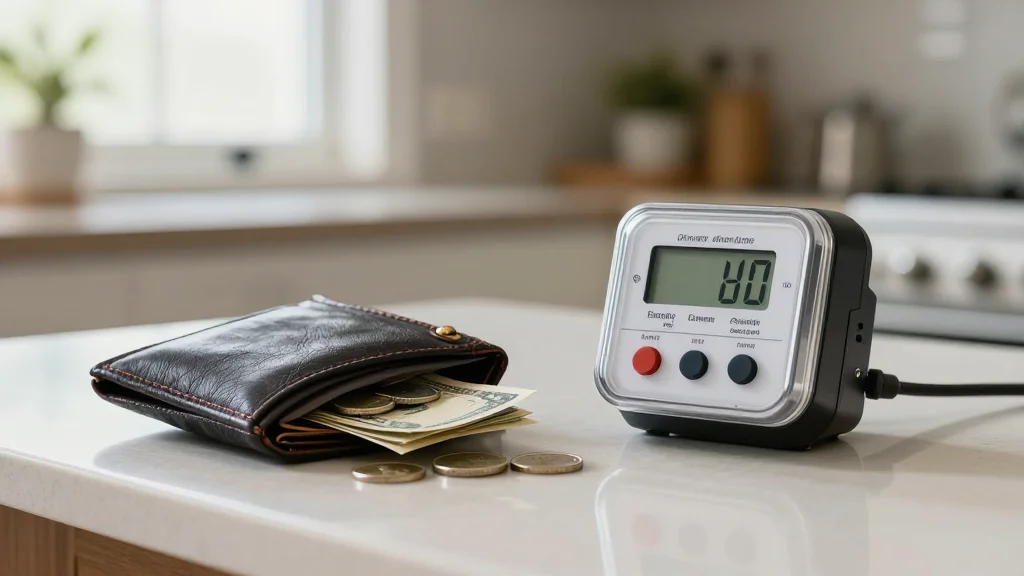
Gallup’s April 1‑15 Economy and Personal Finance survey shows affordability concerns remain the leading financial stressor for U.S. households, with 31% naming cost of living as their top worry. Energy costs jumped to 13% of responses, the highest share since...
Fed Refines Max Employment Metric; Warsh’s Critique Remains Vague
Over the past 20 years, the Fed has been building a more rigorous understanding of what maximum employment means and how to pursue it. As he is about much of what the Fed does, Warsh is a vocal critic...
Powell Acknowledges Easing Bias Question, Calls It Good
Q by @NickTimiraos: why is the easing bias still right? What would need to happen? Powell: good question.
FOMC‑Driven Outflows Drain $313 M From U.S. Bitcoin & Ethereum Spot ETFs
Investors pulled $263 million from U.S. Bitcoin spot ETFs and $50 million from Ethereum spot ETFs on Monday, driving the overall cryptocurrency market capitalization down more than 2.5% in 24 hours. The outflows came amid heightened anxiety ahead of the Federal Open...
Powell Stays on for Lawsuits, Not Politics
Powell says his staying on is not a political statement to deny Trump an appointee - says he is staying on due to the lawsuits. Says he long expected to retire and was looking forward to it
Powell to Remain Fed Governor, Echoing 1948 Precedent
POWELL: WILL CONTINUE TO SERVE AS A GOVERNOR FOR PERIOD OF TIME - Bloomberg **Last time this actually happened? 1948 — Marriner Eccles got the boot as Chair and kept his seat on the Board until 1951. - Grok
U.S. Treasury Yields Hit Highest Levels Since March as Oil Surges
U.S. Treasury yields surged to their highest levels this month as oil prices spiked following the U.S. attack on Iran, eroding market hopes for Federal Reserve rate cuts. The two‑year note rose to about 3.90% and the 30‑year approached 5%,...
Fed Holds Rates Amid Record Dissent, Split Hawk‑Dove
This Fed Meeting Must Have Been a Hoot. Fed Holds Rates amid 4 Dissents, most since 1992: 1 Dovish, 3 Hawkish. “Inflation is elevated, in part reflecting the recent increase in global energy prices.” In part. And in part for other...

Fed Independence Crucial: Expert’s Ready Written Response
He was ready for that question. Written answer - on how important Fed independence is
Jeffrey Gundlach: Beware the Ides of June | CNBC
Jeffrey Gundlach told CNBC the Federal Reserve’s final post‑meeting tone was markedly hawkish, validating the recent bond‑market sell‑off. He expects headline CPI to climb to a 4% annual rate, making any Fed rate cuts this year implausible and suggesting the...
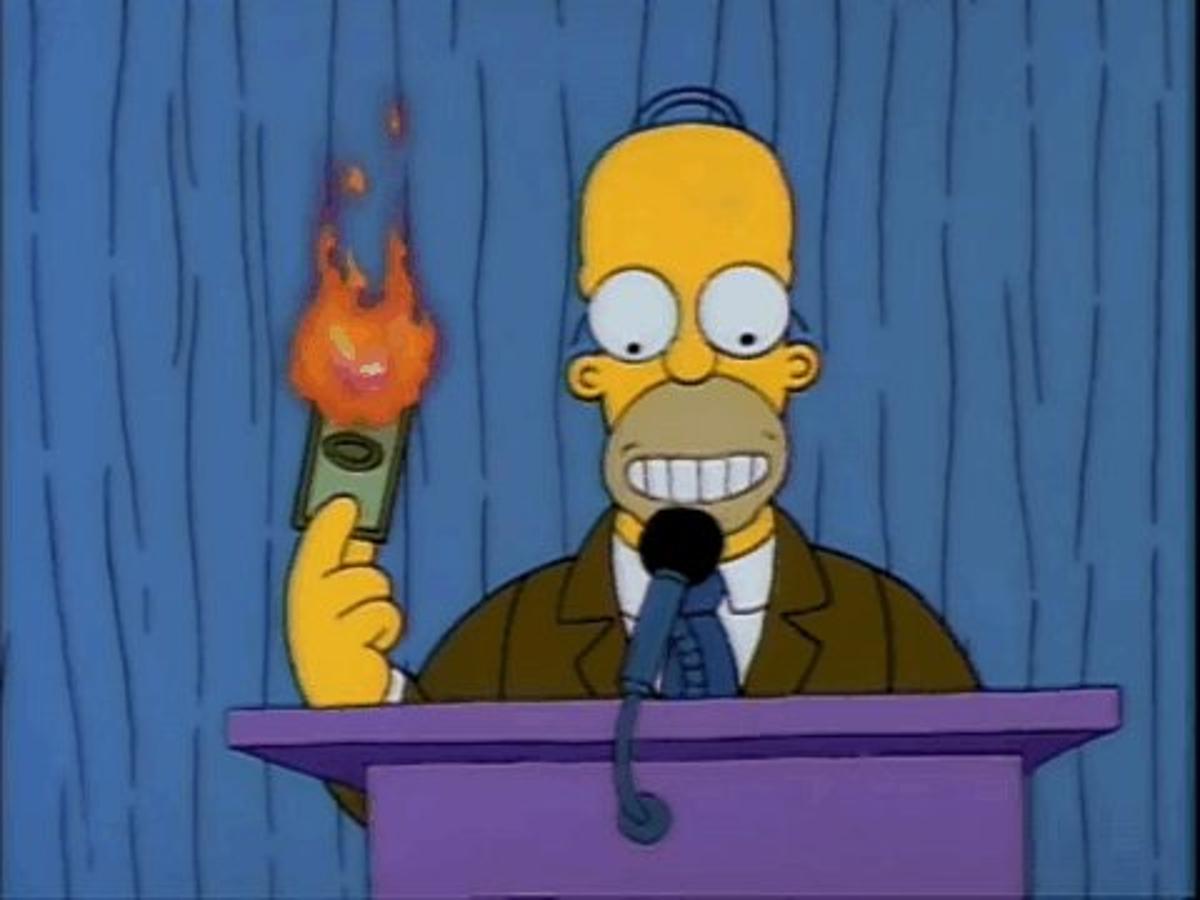
Powell's Final Speech Triggers 4.41% 10‑Year Surge
Fed Chair Jay Powell steps up to the podium one last time. Markets 4.41% 10yr, Spooz 7150, BBDXY 1202.37 1/x https://t.co/Y6jhMca7dd
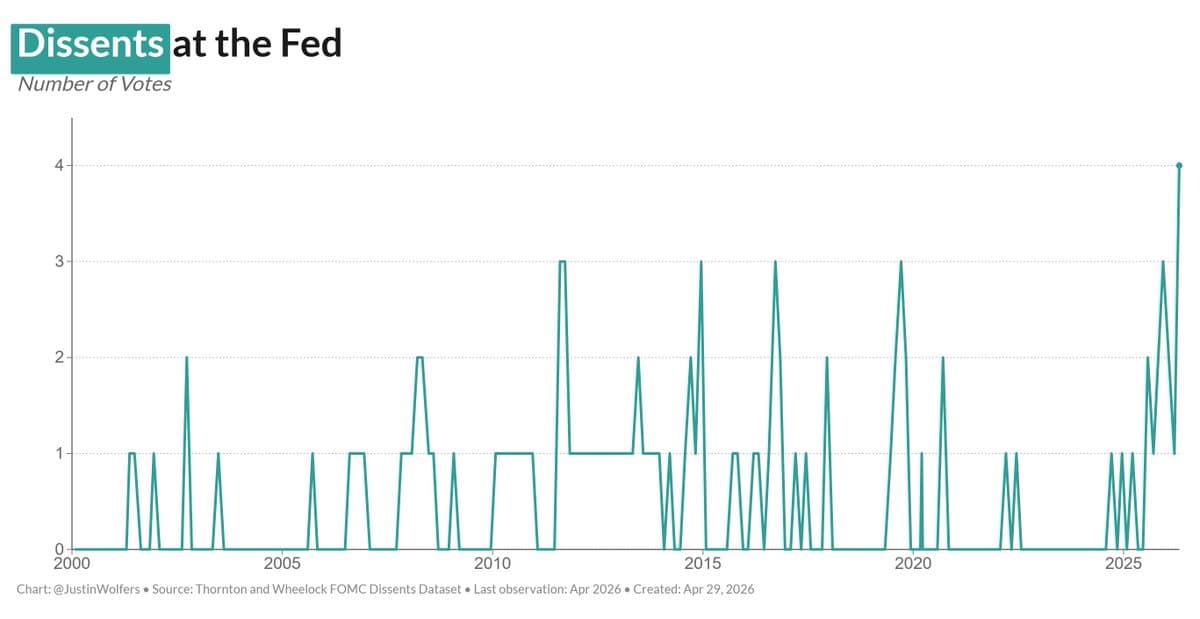
Fed Faces Unprecedented Internal Division in 21st Century
This might be the most fractious and divided the Fed has been in the 21st century... https://t.co/ejBsNbLtXp
Fed Policymakers Warn Warsh: No Consensus on Rate Cuts
A group of Federal Reserve policymakers sent Fed Chair nominee Kevin Warsh a clear warning on Wednesday: They're not sold on cutting interest rates. https://t.co/K8PiTAl1aL
Dissenting Fed Voices Signal Future Policy Direction
Why do we listen to Powell when he'll be out after today? Why do we look at the statement? Because the dissents speak volumes, set the tone for what's ahead. Regional Fed Presidents say: we are independent.
Fed Officials Recognize Easing Bias in Policy Adjustments
"In considering the extent and timing of additional adjustments..." The "additional" is the easing bias. Hammack, Kashkari, and Logan and everyone else at the Fed understands this.
Fed Insiders Signal No Immediate
I don’t read this isn’t a dissent against Powell per se. Hammack, Kashkari, Logan are giving Warsh a heads up that the FOMC isn’t going to fall in line with any sort of immediate push towards easing

FOMC Signals to Warsh, Not Powell Losing Control
The dumb take is that Powell has lost control. The smart take is that this is the FOMC telling Warsh he wont have control...
FOMC Splits Grow Near Neutral Rates and Goal Tension
Division at the FOMC should increase as a function of the proximity to neutral and perceived tension of its goals.
Dissents Signal Neutral Bias, Not Powell Weakening
The 3 dissents over the easing bias is not a blow to Powell, like some are saying, but it is a signal to Warsh. The dissents wanted to adopt a more neutral bias. Miran's dissent for a rate cut...

Warsh's Chairmanship Sparks Growing Internal Opposition to Cuts
Internal opposition against cuts is clearly building as Warsh prepares to take over as chair. At his confirmation hearing, he said he wanted "messier" meetings, which it looks like he will get.
FOMC Holds Rates, Four Dissent Over Easing Bias
Interesting. The FOMC holds at 3.50-3.75% as expected, but there were four dissents - 1 voting (Miran) cut and 3 opposing an inclusion of an "easing bias" in the statement
Americans Face Record Job Insecurity, Turning to Gig Work
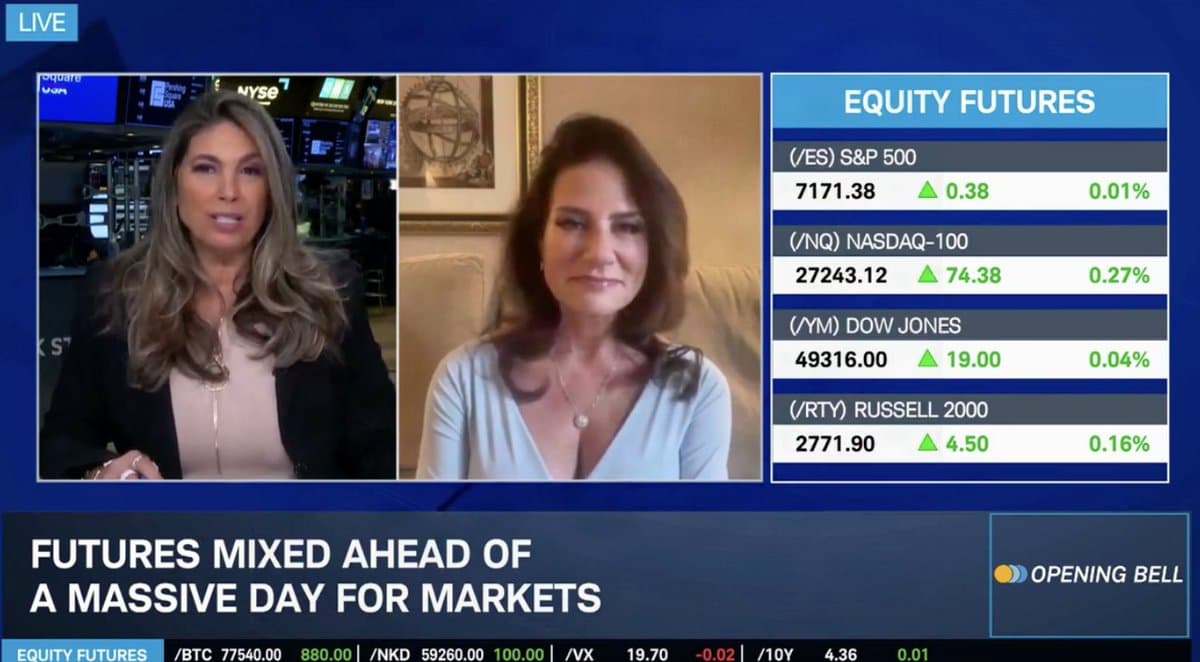
"Job insecurity readings are at deeply recessionary levels. The average American is very, very nervous about losing their job. We continue to see more gig workers and multiple job holders." https://t.co/aQzDvxTnO6 #federalreserve #powell #dimartinobooth #kevinwarsh #economy https://t.co/n2T5fOTs5Y
Fed Holds Rates, Committee Splits on Future Cut Language
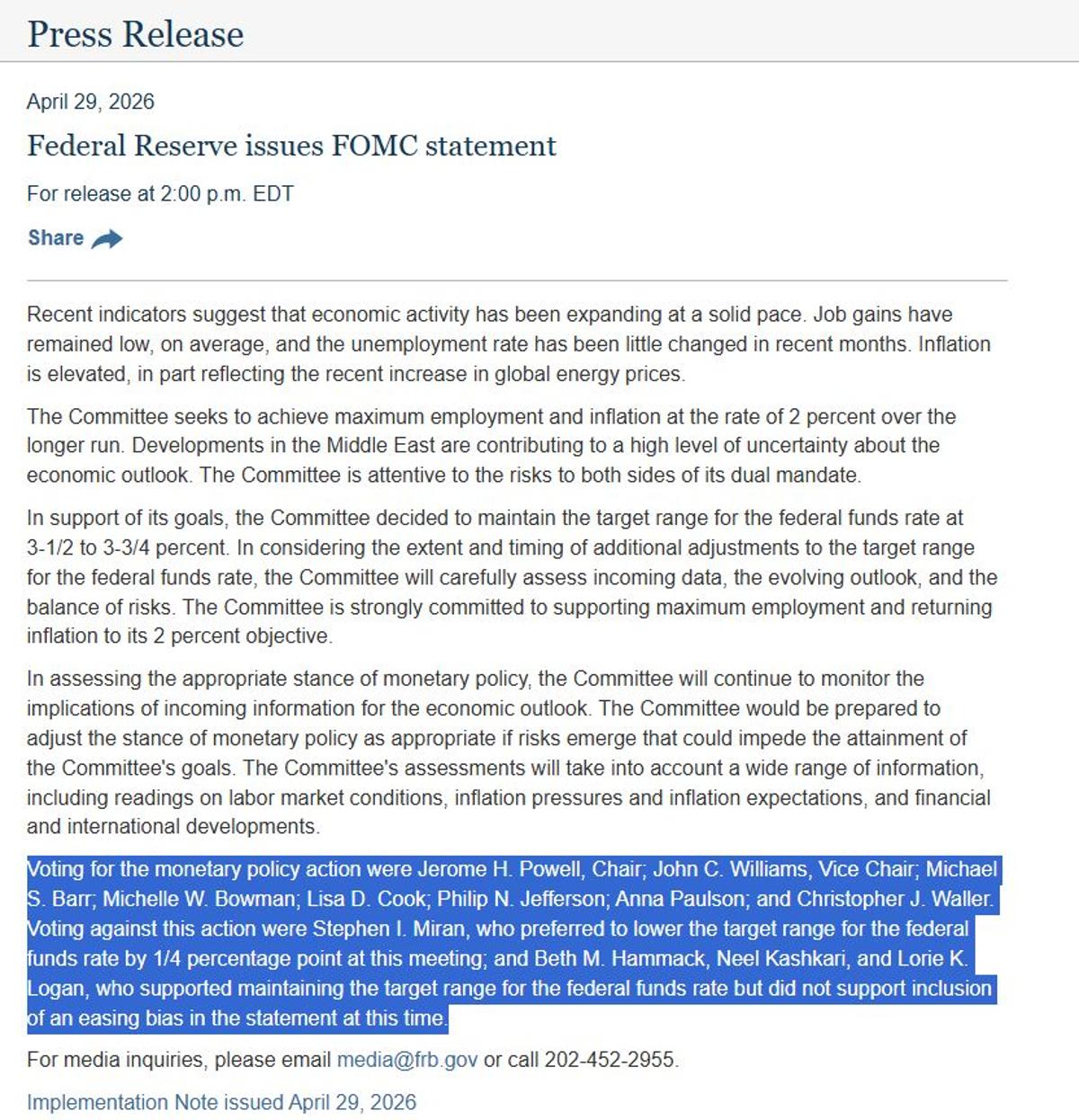
Surprising exactly nobody, the Fed kept rates on hold. More interesting: This is the most divided I've seen a committee vote. They're not divided over the decision (except Miran, but who cares), but over the language, and whether to signal the...
Four Fed Dissenters Signal Rare Break From Easing Bias
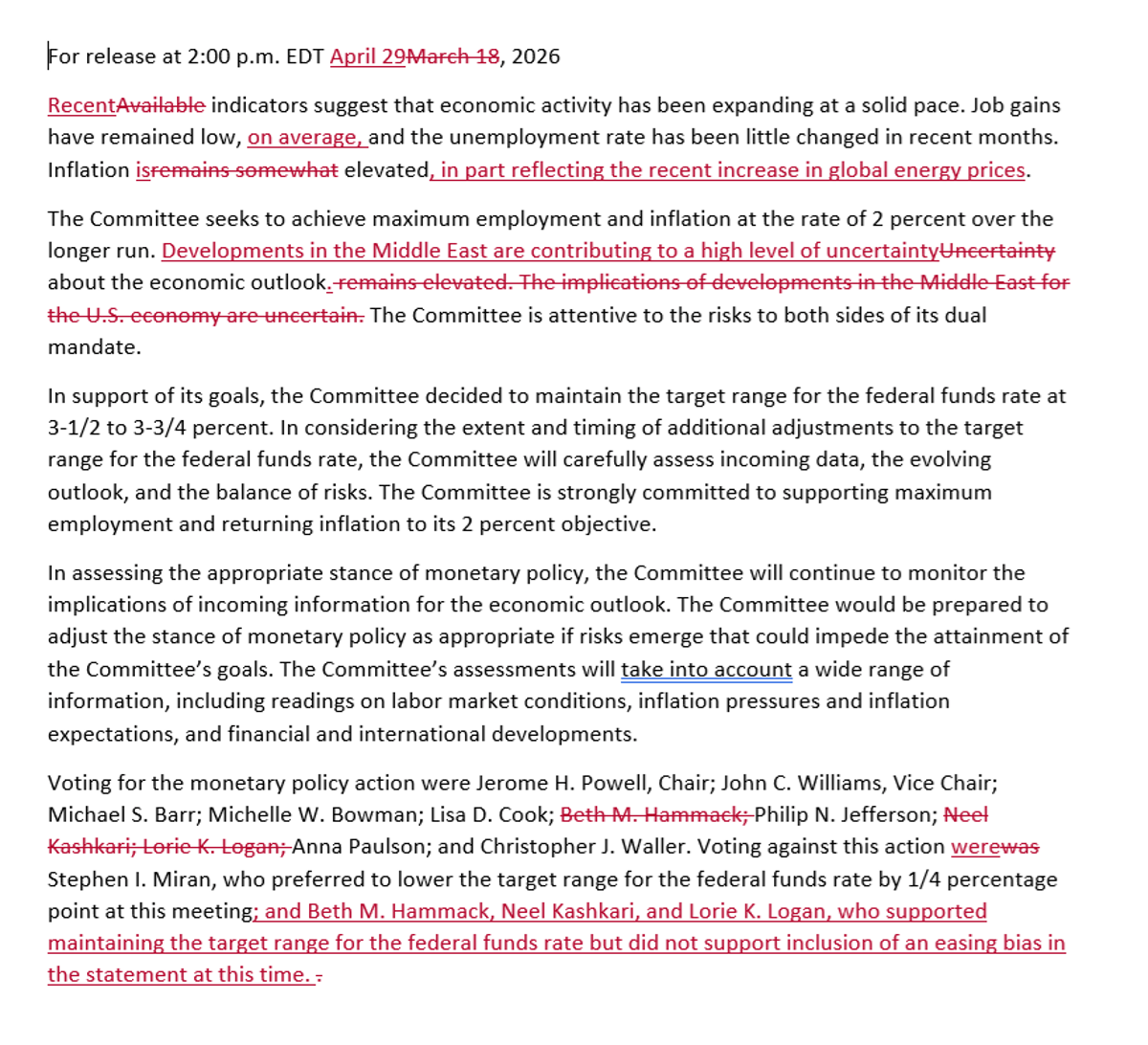
NEW: There were *four* dissents on the Fed’s rate pause. Three bank presidents wanted to ditch the easing bias, and a governor dissented for a rate cut. The last meeting with four dissents was in 1992. https://t.co/JM88jOXIAg

Powell's Final Press Conference Sparks Warsh Representation Debate
Today is Jay Powell's (presumed) last press conference as FOMC Chair. With Warsh coming on board, should I represent him with:
Fed's Next Move: Markets See Zero Uncertainty
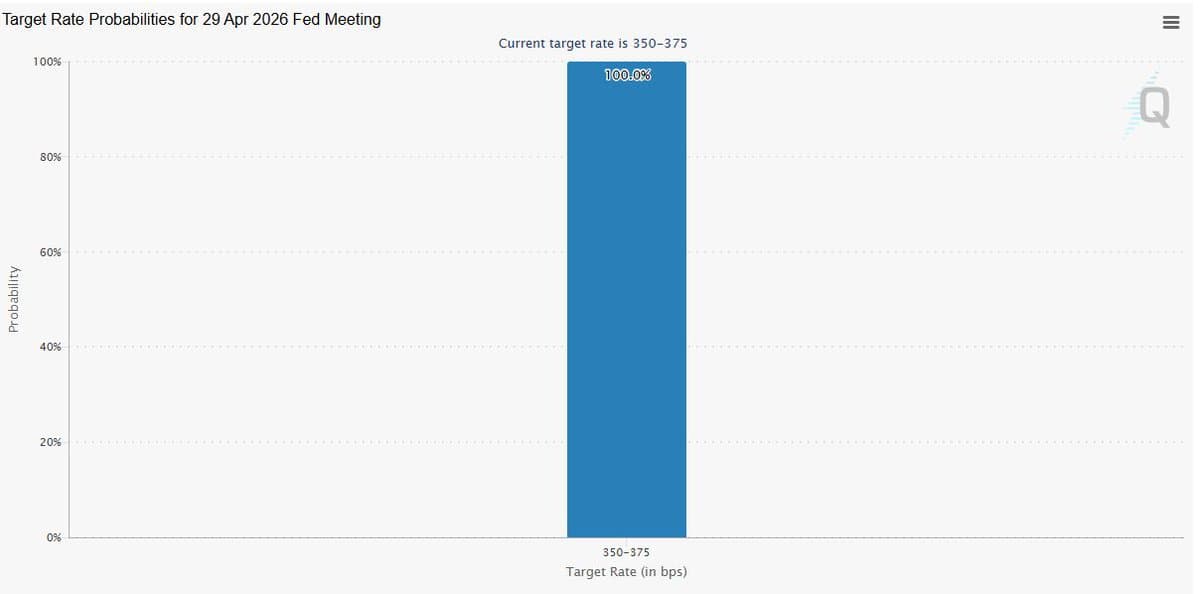
The Fed announces its next rates decision in half an hour, and there is exactly ZERO uncertainty about what it won't do (at least according to Fed Funds futures markets). https://t.co/Ikedm6uh6c
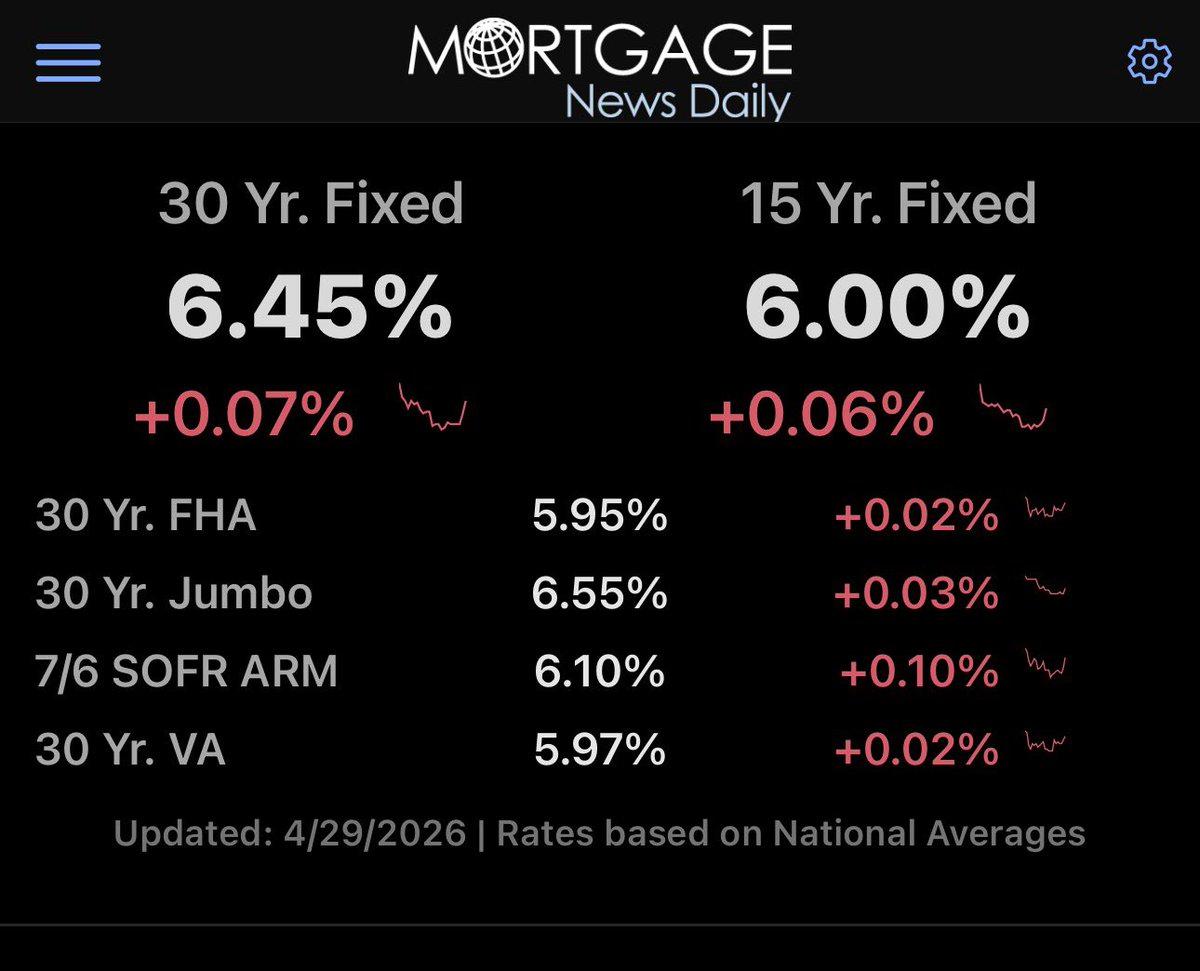
Worst‑Case Spreads Push Rates Above 7% (202
Rates would have been over 7% already from 2023 to 2025 using the worst levels of the spreads back then. https://t.co/aZUC6h4rQu

Rising Gas Prices Deepen K‑Shaped Inequality, Empower Elite
FWIW - The further gas prices rise, the more our K-Shaped Economy becomes a Top-of-the-K-Dependent Economy.
No Fed Dot Plot—FOMC Statement Takes Center Stage
There's no Fed dots today, which means that until Powell's last (and 64th—but who's counting) press conference at 2:30 pm, it's just the FOMC statement to do the heavy lifting. Here's what I'm watching: https://t.co/8sdY0wHDV8
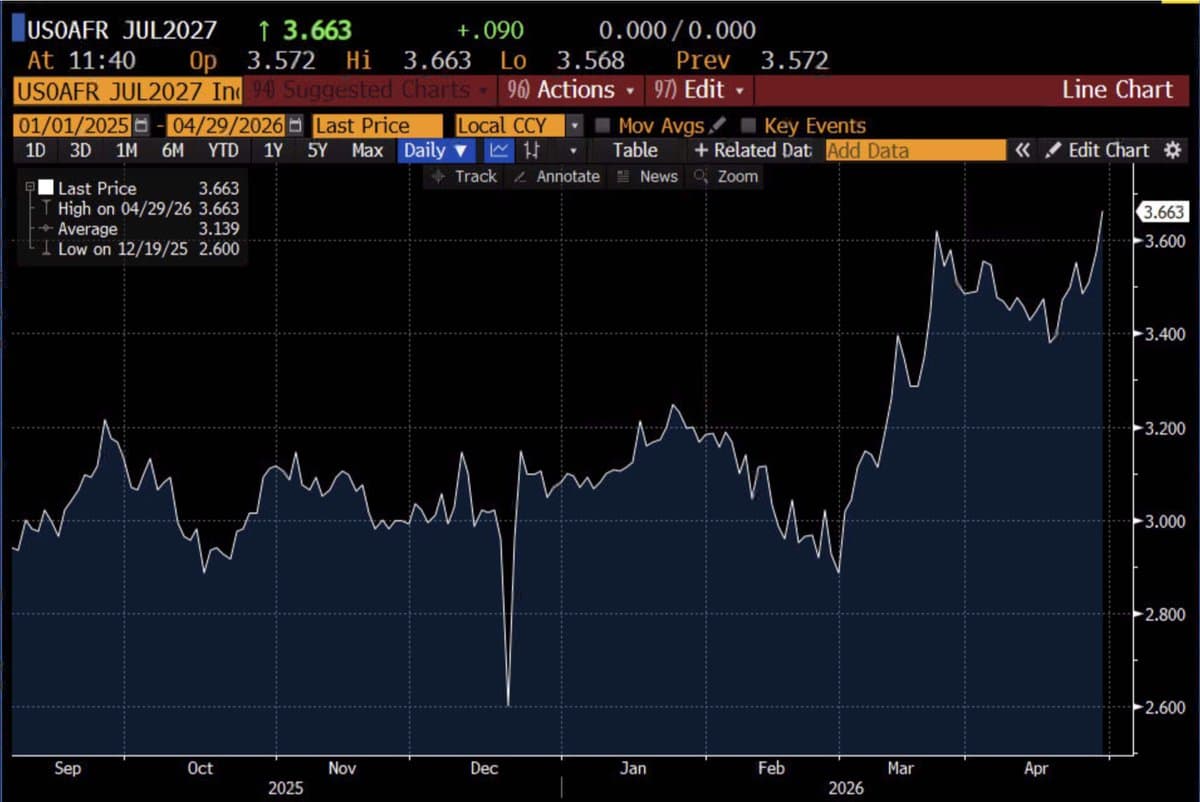
Iran War Pushes Fed Cuts Out Past 2027
Almost three Fed rate cuts have been priced out from July 2027 meeting since beginning of Iran war. The chart below shows the implied rate for July 2027; source: Bloomberg https://t.co/sZt0N3IHO2