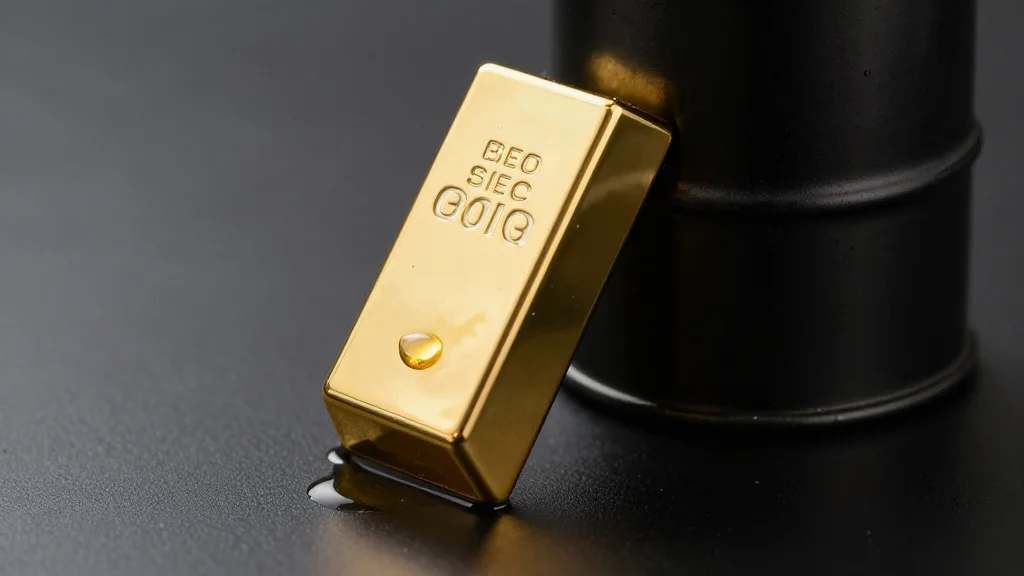
US‑Iran Peace Deal Hopes Push Oil to Two‑Week Lows, Spark Global Market Rally

Why It Matters
The potential US‑Iran peace deal touches several core pillars of the U.S. economy. First, oil price relief could shave a few cents off the average gasoline pump price, directly benefiting American consumers and reducing the inflationary drag that has forced the Federal Reserve to keep rates elevated. Second, a stable Strait of Hormuz would lower the risk premium baked into energy futures, supporting corporate profit margins across energy‑intensive sectors. Third, the diplomatic breakthrough could improve geopolitical stability in the Middle East, encouraging foreign investment and easing supply‑chain disruptions that have plagued U.S. manufacturers. Together, these effects could accelerate the broader economic slowdown that began in early 2026, fostering a more favorable environment for growth and employment. Conversely, the deal’s fragility means markets remain vulnerable. Any reversal—whether from a hardline faction in Tehran or a renewed U.S. military posture—could reignite oil price spikes, reignite inflation, and force the Fed back into a tightening cycle. Investors and policymakers will be watching the next diplomatic statements closely, as they will likely set the tone for U.S. macroeconomic performance through the remainder of the year.
Key Takeaways
- •President Trump says a US‑Iran peace agreement is "largely negotiated" and near finalization.
- •Optimism has pushed oil benchmarks to two‑week lows, easing inflation pressures.
- •Gold prices have risen and equity markets in Europe, Asia and the US have rallied.
- •The Strait of Hormuz, handling ~20% of global crude, could reopen, restoring 10‑12 million barrels per day.
- •Iranian officials stress the Strait will remain under Iranian jurisdiction even if traffic resumes.
Pulse Analysis
Historically, every major de‑escalation in the Middle East has sent ripples through U.S. financial markets, but the current environment is unique. The U.S. economy is already grappling with a post‑pandemic labor market that is tightening while inflation remains stubbornly high. Energy costs have been a primary driver of that inflation, so a credible prospect of restoring oil flow through the Strait of Hormuz offers a rare lever to pull on price pressures without resorting to monetary policy alone.
However, the diplomatic dance is far from over. The Iranian leadership’s insistence on retaining jurisdiction over the waterway suggests that any agreement will be a delicate balancing act, likely involving phased sanctions relief and verification mechanisms. If the United States can lock in a transparent, enforceable framework, the market rally could transition from a speculative bounce to a sustained uptrend, bolstering corporate earnings and consumer confidence.
On the flip side, the same intelligence circles that are monitoring the negotiations are also preparing for a worst‑case scenario. The presence of senior national‑security officials in emergency meetings hints at lingering doubts about Tehran’s commitment. A sudden reversal—whether triggered by a hard‑line political shift in Iran or a misstep in U.S. diplomacy—could reignite the oil supply shock that helped push U.S. inflation to its highest levels in years. In that scenario, the Fed might be forced back into a rapid rate‑hike cycle, negating any short‑term gains from the current rally. Investors should therefore weigh the upside of a potential deal against the downside of renewed geopolitical risk, keeping an eye on both diplomatic signals and real‑time commodity price movements.
US‑Iran Peace Deal Hopes Push Oil to Two‑Week Lows, Spark Global Market Rally
Comments
Want to join the conversation?
Loading comments...