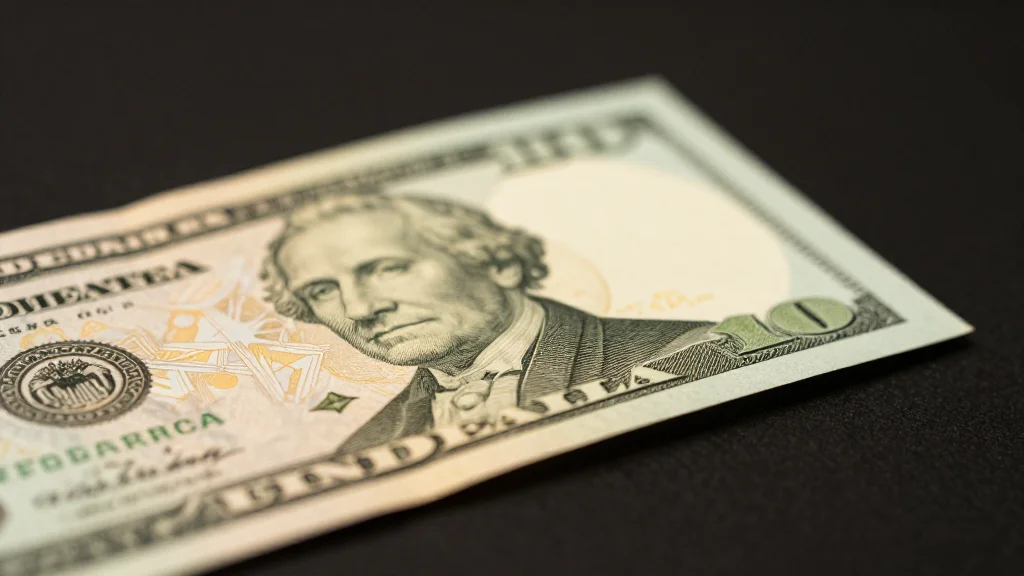
Treasury Secretary Bessent Signals $250 Trump Bill Pending Congressional Vote

Why It Matters
The prospect of a $250 bill featuring a living former president raises fundamental questions about the politicization of U.S. currency, a symbol of national unity and economic stability. If Congress approves the change, it could set a precedent for future leaders to appear on money, altering the historical nonpartisan nature of U.S. notes. Moreover, introducing a high‑denomination note in a largely digital payment environment could affect cash usage patterns, money‑laundering risks, and the Treasury’s operational priorities, influencing everything from retail transactions to monetary policy implementation. Beyond symbolism, the debate highlights the tension between tradition and innovation in the U.S. financial system. As policymakers grapple with the role of physical cash versus digital payments, the $250 bill serves as a litmus test for how the government balances political considerations with practical economic impacts, potentially shaping the trajectory of cash policy for decades.
Key Takeaways
- •Treasury Secretary Scott Bessent says the department is ready to issue a $250 bill featuring Donald Trump if Congress changes the law.
- •Current law (31 U.S.C. § 5112) bans living individuals from appearing on U.S. currency; a legislative amendment is required.
- •Bessent called a Washington Post report on the idea "terribly written" and "terribly edited," asserting the Treasury is following existing law.
- •Republicans view the bill as a tribute to Trump’s economic legacy; Democrats warn it politicizes currency and could set a risky precedent.
- •Introducing a $250 denomination could affect cash volume, illicit cash use, and the Treasury’s resource allocation amid a digital‑first payment ecosystem.
Pulse Analysis
The $250 Trump bill proposal is less about monetary policy than it is about political branding. Historically, U.S. currency has been a neutral canvas, reserved for past presidents and national symbols. By attempting to place a living, polarizing figure on a high‑value note, the administration risks eroding that neutrality, potentially diminishing public confidence in the currency’s apolitical nature. This could have downstream effects on the dollar’s global perception, especially as foreign central banks and investors watch for signs of domestic politicization.
From a practical standpoint, the cost of designing, printing, and distributing a new denomination is non‑trivial. The Federal Reserve and the Treasury would need to invest in updated security features to prevent counterfeiting, a process that could run into tens of millions of dollars. In an era where cash usage is declining—U.S. cash transactions fell 12% year‑over‑year in 2025—allocating resources to a $250 note may appear misaligned with consumer trends. However, proponents argue that a high‑denomination note could reduce the physical bulk of cash needed for large transactions, a modest efficiency gain for certain sectors like high‑value retail and wholesale.
Politically, the bill’s fate will likely hinge on the composition of Congress after the 2026 midterms. If Republicans gain a majority, the legislation could move faster, turning the $250 note into a tangible symbol of a new era of political influence over national symbols. Conversely, a Democratic‑controlled Congress may stall or reject the amendment, preserving the status quo. Either outcome will send a clear message about how deeply political considerations are allowed to shape economic instruments in the United States.
Treasury Secretary Bessent Signals $250 Trump Bill Pending Congressional Vote
Comments
Want to join the conversation?
Loading comments...