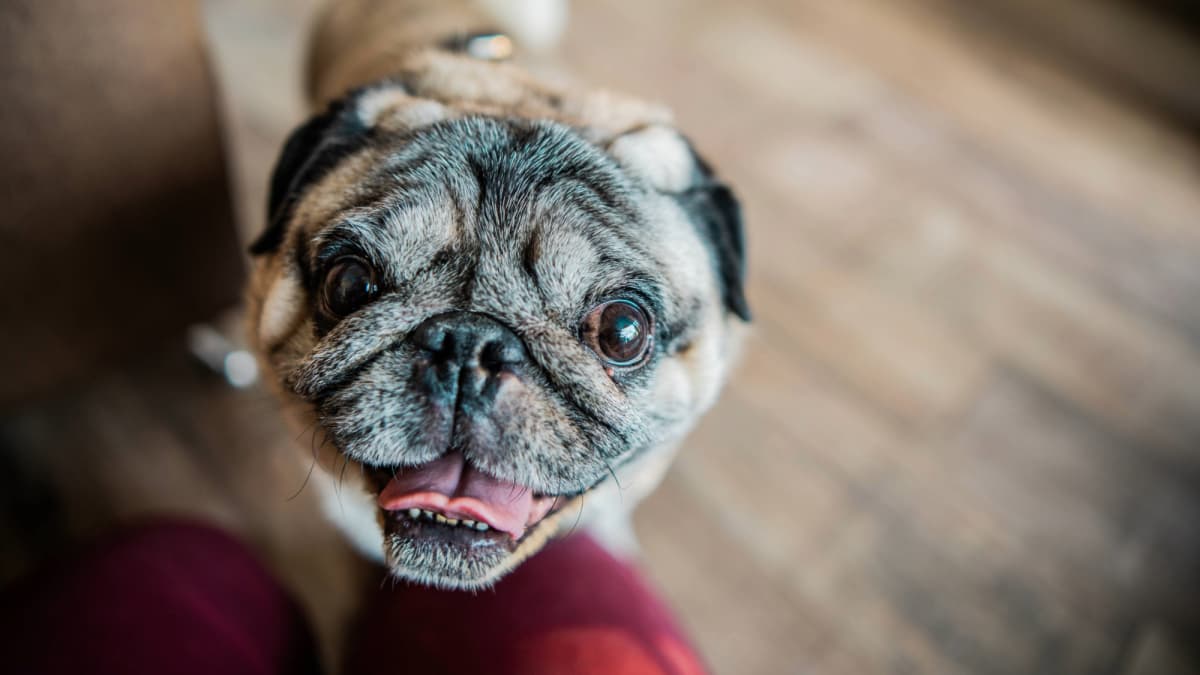
Pugs and Frenchies Could Find Breathing Relief for Squishy Faces with New Treatment
Why It Matters
BOAS is a leading health issue for brachycephalic breeds, driving costly surgeries and shortened lifespans; an effective injectable could dramatically improve animal welfare and reduce veterinary expenses. The breakthrough also signals a new frontier for veterinary biotech commercialization.
Key Takeaways
- •Snoretox-1 uses modified tetanus toxin injected into geniohyoid muscle
- •Clinical trial of six bulldogs showed improved walking endurance
- •Treatment could replace invasive BOAS surgeries for flat‑faced breeds
- •Researchers aim to expand therapy to other animals and muscle‑tone disorders
Pulse Analysis
Brachycephalic obstructive airway syndrome (BOAS) has become a chronic scourge for flat‑faced breeds such as pugs, French bulldogs, and English bulldogs. Studies show up to 90% of these dogs experience some breathing difficulty, prompting bans in countries like Norway and the Netherlands. Traditional management relies on weight control, medication, or invasive surgeries that widen nostrils and remove excess tissue, procedures that carry a mortality risk of nearly three percent and often deliver mixed results. The growing prevalence of BOAS has created a market gap for safer, more effective interventions.
Enter Snoretox-1, a novel injectable developed by RMIT University and Snoretox. The drug combines an active tetanus toxin with an inactivated “decoy” toxin, targeting the geniohyoid muscle inside the mouth to boost tone and keep the airway open. In a pilot study of six bulldogs, owners reported markedly easier walks and reduced respiratory strain within weeks of treatment. By avoiding the trauma of surgery, Snoretox-1 promises quicker recovery, lower complication rates, and a scalable solution for veterinary practices seeking to address BOAS without operating rooms.
If further trials confirm durability and safety, Snoretox-1 could reshape the veterinary biotech landscape. A non‑surgical, injectable therapy would appeal to pet owners wary of costly procedures and to insurers looking to curb claims. Moreover, the platform may be adaptable to other species or conditions involving weakened musculature, opening new revenue streams for biotech firms. As the pet‑care market continues its rapid expansion, innovations like Snoretox-1 highlight how targeted biologics can deliver both animal welfare benefits and commercial upside.
Pugs and Frenchies could find breathing relief for squishy faces with new treatment
Comments
Want to join the conversation?
Loading comments...