
FDA Approves Early Warning System for Sepsis
U.S. Food and Drug Administration has cleared the Targeted Real‑Time Early Warning System, an AI‑driven tool from Johns Hopkins and Bayesian Health that flags sepsis before clinicians suspect it. The system can detect the infection 2 to 48 hours earlier than traditional methods and has cut sepsis mortality by about 18% in participating hospitals. Its approval makes it one of the first AI‑based medical devices to receive FDA clearance and enables Medicare and Medicaid reimbursement under the New Technology Add‑on Payment program.

170K People Were Tracked for 30 Years & This Type of Exerciser Lives Longest
A BMJ Medicine study tracked 170,000 adults for over 30 years and found that exercising a wider range of activities, not just more hours, is linked to longer life. Participants who regularly mixed cardio, strength and flexibility saw up to...
What Brazilian Supercentenarians Can Teach Us About Living To 110
Brazilian researchers examined over 100 centenarians, including 20 supercentenarians, uncovering three biological advantages—robust protein maintenance, resilient immune function, and rare protective gene variants. These elders often live without advanced medical care, highlighting lifestyle and genetic factors that sustain health into...

This Common Breakfast Food May Reduce Your Risk of Alzheimer’s
Researchers at Loma Linda University tracked nearly 40,000 adults for over 15 years and found that regular egg consumption is associated with a lower risk of Alzheimer’s disease. Eating at least one egg five days a week reduced the risk...
RNA Therapy Slows Harmful Heart Remodeling After Heart Attack in Clinical Trial
A Phase II international trial (HF‑REVERT) tested CDR132L, an antisense inhibitor of microRNA‑132, in 294 patients who suffered a heart attack. The drug was administered in three intravenous doses alongside standard heart‑failure therapy and proved safe, with no liver, kidney or...

Reconnecting Body and Brain: Europe's Breakthrough in Reversing Paralysis
European researchers have unveiled a fully implantable brain‑spine interface that bridges damaged neural pathways, allowing paralysis patients to move voluntarily. The EU‑funded ReverseParalysis project demonstrated the technology in four patients, with two regaining the ability to stand and walk and...

Engaging with the Arts Linked to Slower Aging at the Biological Level
University College London researchers found that regular engagement in arts—reading, music, museum visits—correlates with a slower biological aging pace. Analyzing data from 3,556 UK adults using seven epigenetic clocks, participants who engaged in arts at least weekly aged about 4%...
New Research May Lead to Hearing Aids with the Ability to Select One Voice Among Many
Researchers at Columbia University have demonstrated a brain‑controlled hearing‑aid prototype that uses auditory‑cortex signals to isolate a single speaker in a noisy environment. By monitoring neural activity, the system automatically amplifies the desired voice while suppressing others, improving comprehension and...
Testosterone Treatment Found to Improve Sexual and Physical Function for Men After Prostate Cancer Surgery
A randomized SPIRIT trial led by Shalender Bhasin showed that three months of testosterone replacement therapy (TRT) markedly improved sexual activity, desire, physical function, and aerobic performance in men who had undergone radical prostatectomy. The study enrolled 136 men with...

What We Know About Hypoxic Conditioning for High-Altitude Climbing
Uphill Athlete has shifted from skepticism to offering a coached hypoxic conditioning program that tailors altitude exposure, timing, and monitoring to each climber. The new approach combines normobaric sleeping tents and intermittent hypoxic training, with daily SpO2, heart‑rate and recovery...
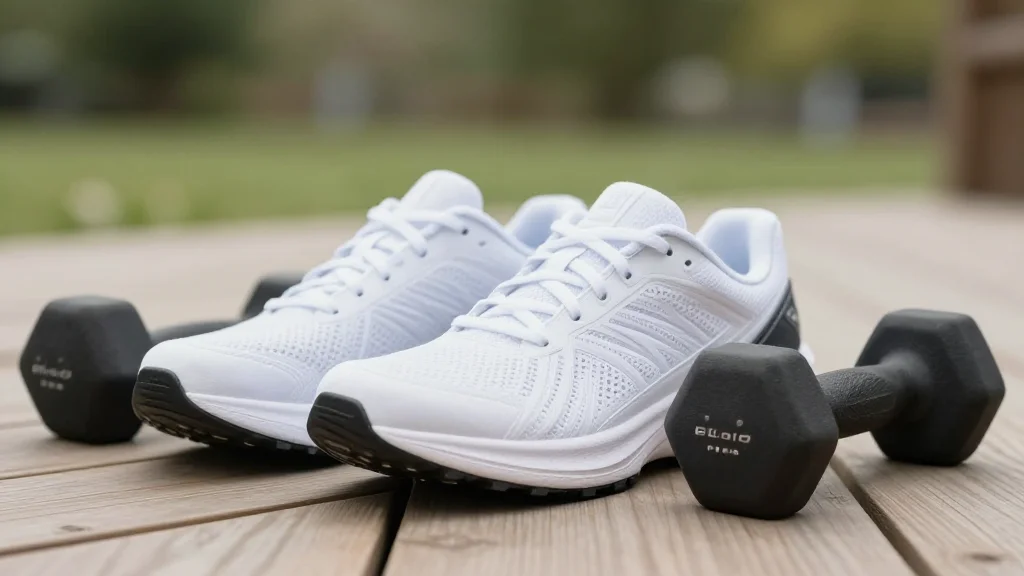
Walking and Strength Training Are Must-Do Workouts for Longevity. Here’s How to Build Your Routine.
The piece underscores that walking and strength training are complementary pillars for longevity. Walking delivers low‑impact cardiovascular, brain and bone benefits, while strength training excels at preserving muscle mass, bone density and metabolic health. Experts from Strong with Sarah, ACSM‑EP...

An Ancient Hibernation Switch Lives in Your DNA—And Scientists Are Tapping Into Its Power
Scientists have identified ancient cis‑regulatory DNA switches that enable hibernating mammals to shut down and restart metabolism safely, and they found the same genetic circuitry embedded in the human genome. The finding comes from two new studies published in Science...
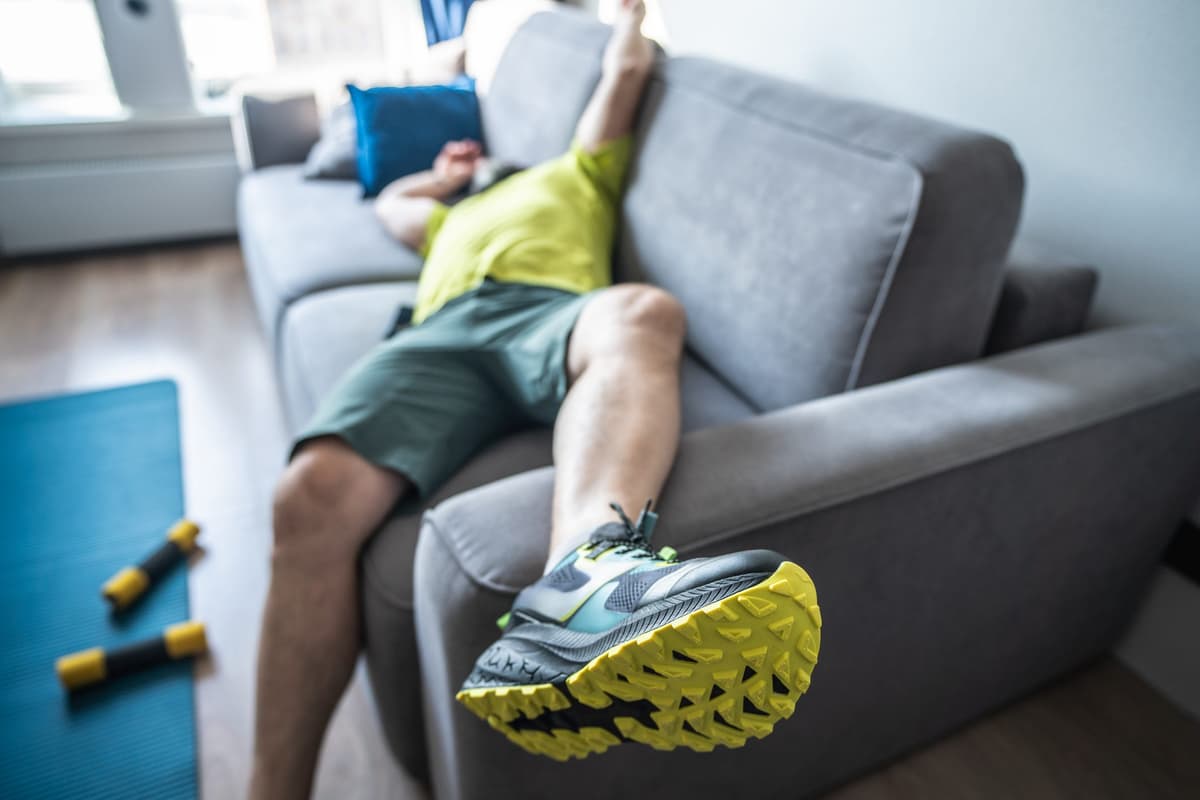
What Sleeping Position Yields Maximum Recovery for Runners?
Runners gain more recovery benefit from quality sleep than from any single sleeping posture, but side sleeping emerges as the most runner‑friendly position. Experts advise keeping the spine and hips in neutral alignment, often by placing a pillow between the...

Inhibrx Says Combo Therapy Shrank More Tumors than Merck's Keytruda Alone
San Diego‑based biotech Inhibrx reported that its experimental antibody INBRX‑106, when paired with Merck’s immunotherapy Keytruda, produced a higher rate of tumor shrinkage than Keytruda alone in patients with metastatic head and neck squamous cell carcinoma. The early‑stage study enrolled...
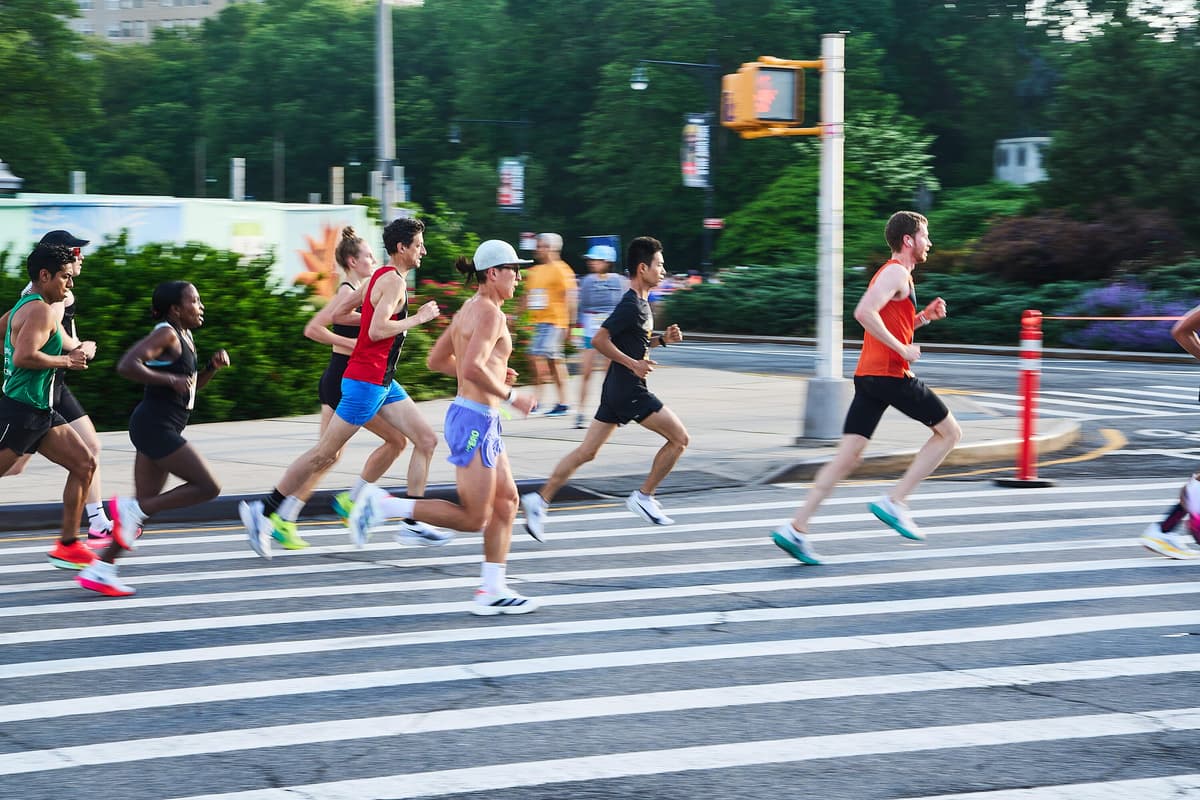
As a Sports PT, I Strongly Recommend 3-Day-a-Week Marathon Training Plans. Here’s How They Get Busy Runners to a PR.
Sports physical therapist Ray Peralta promotes a three‑day‑a‑week marathon plan that blends high‑quality runs with cross‑training, strength work, and dedicated rest. He argues that limiting running to three sessions prevents overuse injuries and mental burnout while still delivering performance gains...
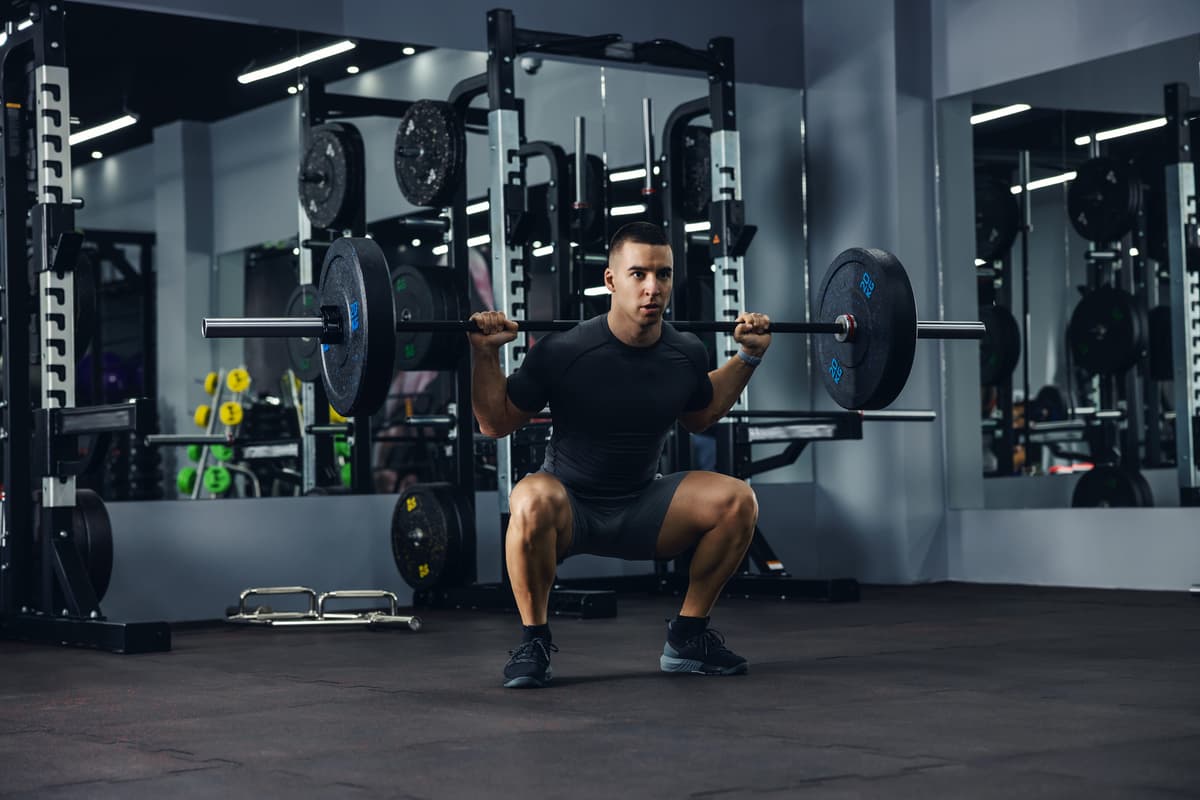
Front Squat Vs. Back Squat: Which Is Better for Your Running Goals?
Front and back squats each offer distinct advantages for runners, with back squats emphasizing the glutes, hamstrings, and posterior chain, while front squats target the quads and promote an upright torso. Experts advise using 80‑85% of a runner’s back‑squat 3‑rep...

The Triathlete’s Guide to Antioxidants: Dosage, Timing, and the Five Supplements Worth Considering
Triathletes are advised to boost antioxidant intake, but excess or mistimed dosing can hinder training adaptations. The International Society of Sports Nutrition’s latest position stand emphasizes a food‑first strategy, reserving supplements for genuine gaps or high‑stress periods. Five supplements—tart cherry,...
:max_bytes(150000):strip_icc():format(jpeg)/blue-zone-live-longer-GettyImages-1682052044-46c9313a2cbb46ab82fb70857ec001e7.jpg)
These Everyday Habits From Blue Zones Could Help You Live Longer, Say Longevity Experts
Longevity experts highlight that residents of the world’s five blue zones—Okinawa, Sardinia, Nicoya, Ikaria and Loma Linda—share a handful of everyday habits that extend both lifespan and healthspan. Core practices include predominantly plant‑based meals, daily low‑intensity movement, strong social ties,...

European Regulators Greenlight Fractyl Health's Clinical Test of GLP-1 Gene Therapy
European regulators have granted Fractyl Health permission to begin the first human trial of a GLP‑1 gene‑therapy candidate. The Phase 1 study will test a single‑dose AAV‑based vector designed to produce continuous GLP‑1, aiming to replace daily injections for type 2 diabetes...
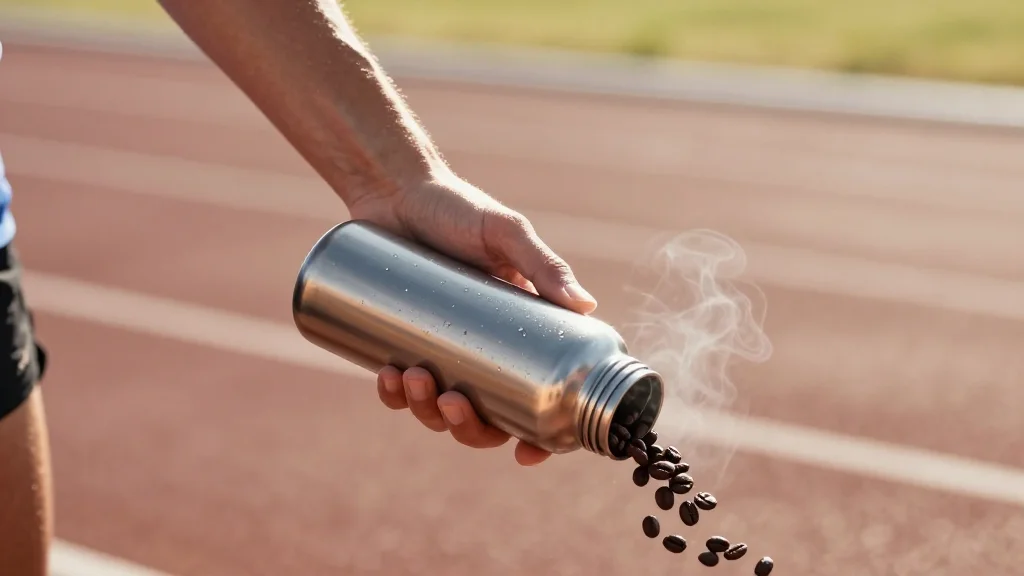
Feeling Drained During Hot Workouts? Drinking This Beforehand Can Help
A recent double‑blind study with 17 trained athletes shows that caffeine taken before exercise can counteract the performance drop caused by heat. Participants ingested either a placebo, 3 mg/kg, or 6 mg/kg of caffeine 60 minutes before workouts at 92 °F, with the...

126 Minutes of Jumping Later — What It Did For My Lymphatic, Muscle & Bone Health
Assistant health editor Ava Durgin spent three weeks doing a six‑minute daily jumping routine to test its promised lymphatic‑drainage benefits. The sequence, inspired by Qigong, combines body jumps, hip turns, trunk twists, arm movements and waves to stimulate fascia and...
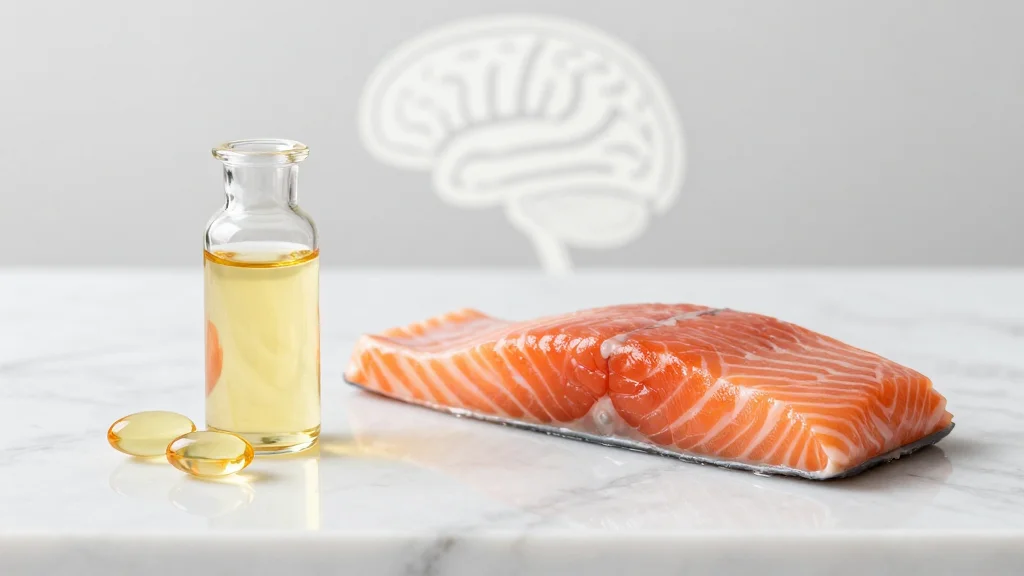
This Brain-Focused Nutrient Supports Cognitive Function & Longevity*
Docosahexaenoic acid (DHA), a key omega‑3 fatty acid, comprises the majority of the brain’s fat and is essential for neuronal membrane integrity, memory, and neuroprotection. Clinical studies link DHA intake to better problem‑solving in infants, improved cognition in school‑age children,...
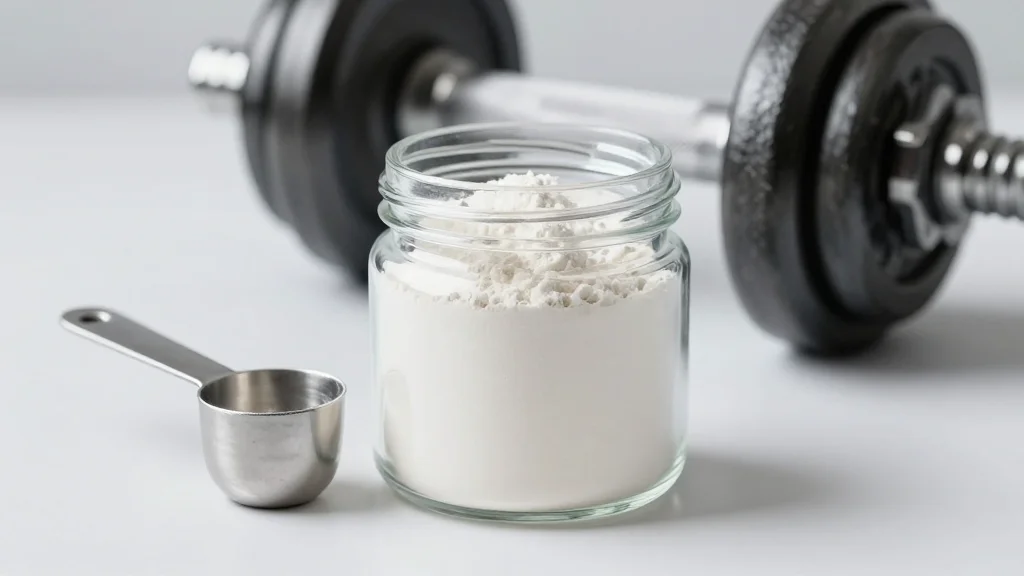
I Found A Solution To Cut Through My Fatigue & Brain Fog (That's Not Caffeine)
Assistant health editor Sela Breen reports that daily use of mindbodygreen’s Creatine Brain+, a blend of 5 g creatine monohydrate and 500 mg citicoline, helped her cut through afternoon fatigue and brain fog without caffeine. She notes improved focus, mood stability, and...
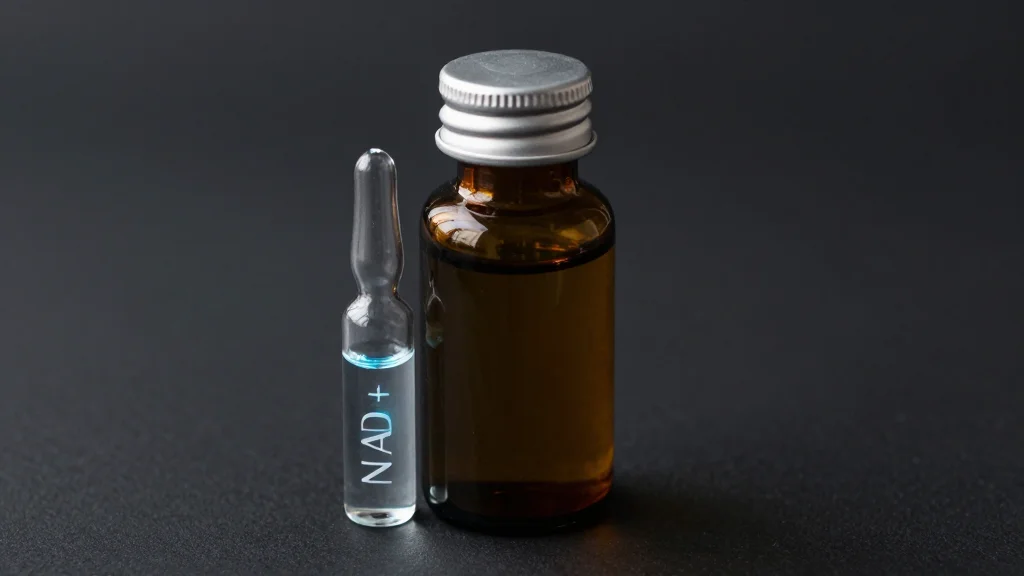
Marketers Say NAD+ Pills and Infusions Can Boost Longevity. What's the Evidence?
NAD+ supplements and IV infusions have become a booming segment of the wellness market, promising everything from anti‑aging effects to improved energy. While animal studies consistently show metabolic and mitochondrial benefits, human trials remain small and inconclusive, with modest improvements...

STAT+: Five Years After Disaster, a Rare Disease Community Gets New Chance at Treatment
Astellas Pharma has re‑initiated its gene‑therapy trial for X‑linked myotubular myopathy (XLMTM) five years after a previous study was halted by safety concerns. Early observations from the first participant, Joshua "JJ" Gonzalez, indicate a dramatic reduction in airway suctioning, suggesting...

The Sleep Paradox: Why Do Humans Sleep so Little when We Need It so Much?
David Samson’s book *The Sleepless Ape* argues that humans are evolutionarily programmed for about 9.5 hours of sleep, yet most people average just under seven hours per night. He calls this the ‘human sleep paradox’ and proposes the sleep‑intensity hypothesis,...
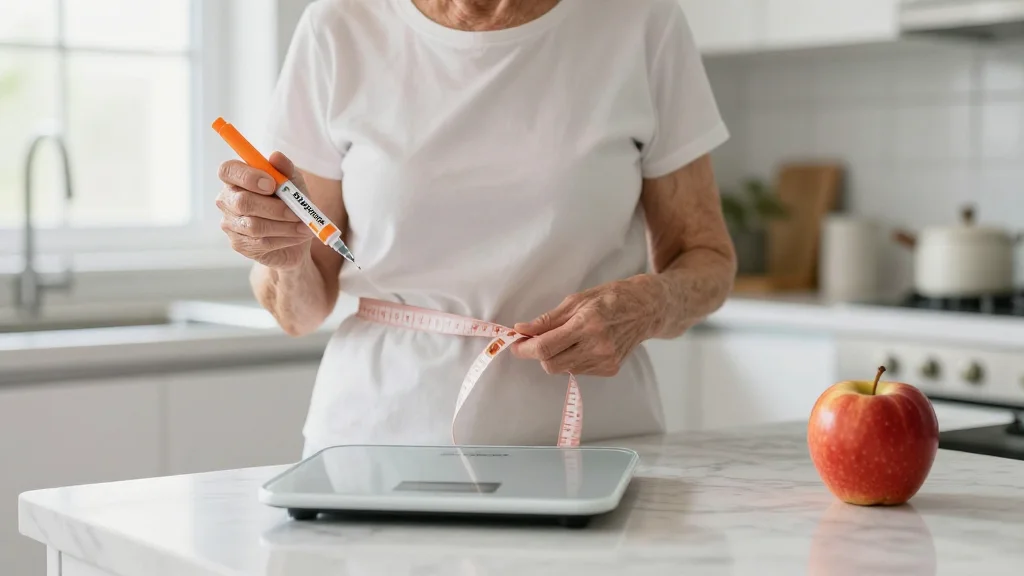
Pooled Analysis Reveals Semaglutide Shows Good Efficacy in Older Adults Aged over 65 Years
A pooled analysis of Novo Nordisk's STEP trials examined semaglutide 2.4 mg in adults over 65 with obesity. The senior subgroup (n=358) lost an average of 15.4% of body weight over 68 weeks, compared with 5.1% on placebo, and showed marked...
:max_bytes(150000):strip_icc():format(jpeg)/what-is-serotonin-5189485_color_v1-0cf1021dcefb4410865f4cea18254b5e.jpg)
Serotonin: What It Is, How to Increase It, and Can You Have Too Much?
Serotonin, a neurotransmitter and hormone, influences mood, digestion, sleep, blood clotting, and bone health. Natural strategies such as aerobic exercise, sunlight exposure, and a tryptophan‑rich diet can raise serotonin levels without medication. Prescription antidepressants—primarily SSRIs—boost brain serotonin but carry side‑effects...
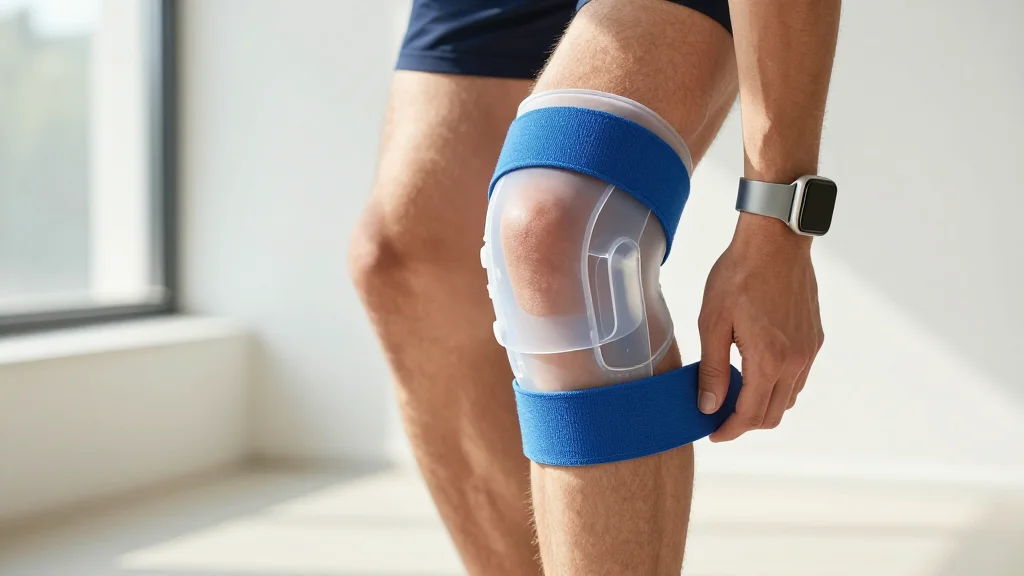
Australia Has the World's Highest Rate of ACL Reconstruction Surgery—Rehab May Be Just as Good
Australia records the world’s highest rate of anterior cruciate ligament (ACL) reconstruction, with roughly 90% of active adults choosing surgery. Recent international evidence shows that structured, exercise‑based rehabilitation can achieve comparable strength, functional, and sport‑return outcomes to immediate surgery. About...

Reading Genetic Activity From Living Cells without Destroying Them
A team from Technical University of Munich and Helmholtz Munich unveiled Non‑destructive Transcriptomics via Vesicular Export (NTVE), a virus‑like particle system that extracts messenger RNA from living cells without lysing them. The extracted RNA can be sequenced, delivering transcriptome data...

Is Testosterone Therapy Safe and Effective? What We Know
A December FDA expert panel advocated expanding testosterone therapy beyond classic hypogonadism, branding it a multibillion‑dollar preventive‑care opportunity. Recent evidence, notably the 5,200‑patient TRAVERSE trial, found no rise in cardiovascular events among high‑risk men receiving therapeutic doses. However, high‑dose use—often...

How a Pill Approved 25 Years Ago Transformed Cancer Treatment
Gleevec, the brand name for imatinib, emerged from Dr. Brian Druker's vision of a targeted cancer therapy that switches off the BCR‑ABL enzyme driving chronic myeloid leukemia. After early‑stage trials showed 100% response with mild side effects, Novartis accelerated the...
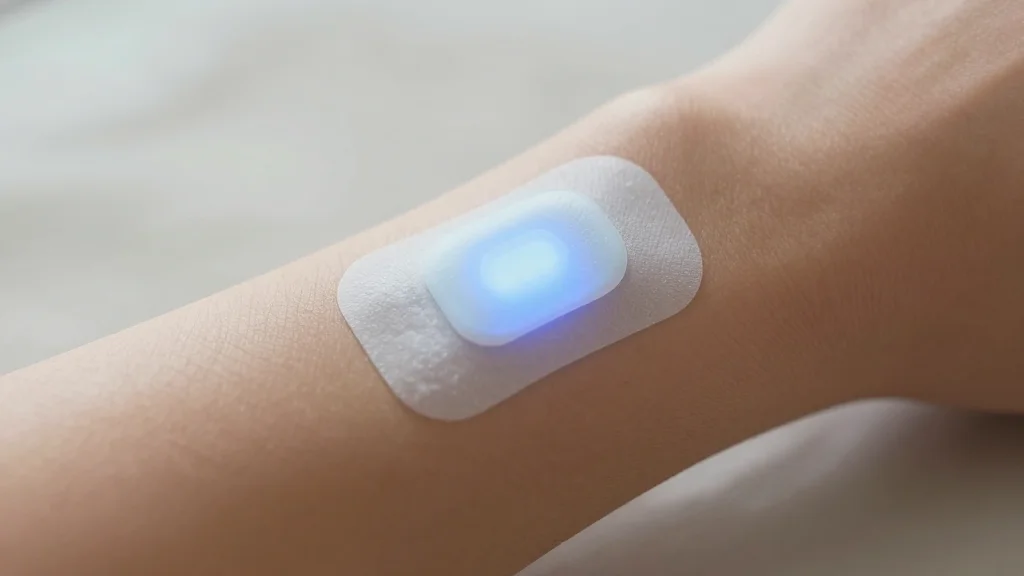
The 5 Biomarkers Every Adult Over 30 Should Be Tracking, Per A Longevity Expert
Florence Comité, MD, argues that conventional lab reference ranges mask early metabolic decline, so she recommends five optimal biomarkers for adults over 30. The targets include fasting glucose 70‑80 mg/dL, fasting insulin ≤5 μIU/mL, HbA1c under 5 %, a low cholesterol risk ratio, and...

How to Stay Calm on a Hectic Day
The article explains how the Yerkes‑Dodson law describes an optimal arousal zone for peak performance and warns that exceeding it hampers focus. It offers practical tactics—breathing exercises, nutrition tweaks, brief movement, visual reminders, sunlight exposure, and micro‑tasks—to bring overstimulation back...

AI-Powered Electrocardiogram Detects Early Signs of Heart Failure
A University of Texas‑Southwestern team demonstrated that an artificial‑intelligence‑enhanced electrocardiogram (AI‑ECG) can reliably detect left ventricular systolic dysfunction, a precursor to heart failure, among Kenyan patients. In a cohort of nearly 6,000 individuals, 1,444 received confirmatory echocardiograms, revealing a 14.1%...

How Much Creatine Should You Take for Brain Health?
Recent studies suggest that taking creatine at doses far above the traditional 3–5 grams—often 10 to 30 grams daily—can increase brain phosphocreatine, potentially enhancing cognition, mood, and resilience to sleep loss. The brain’s blood‑brain barrier limits creatine uptake, so higher circulating levels...
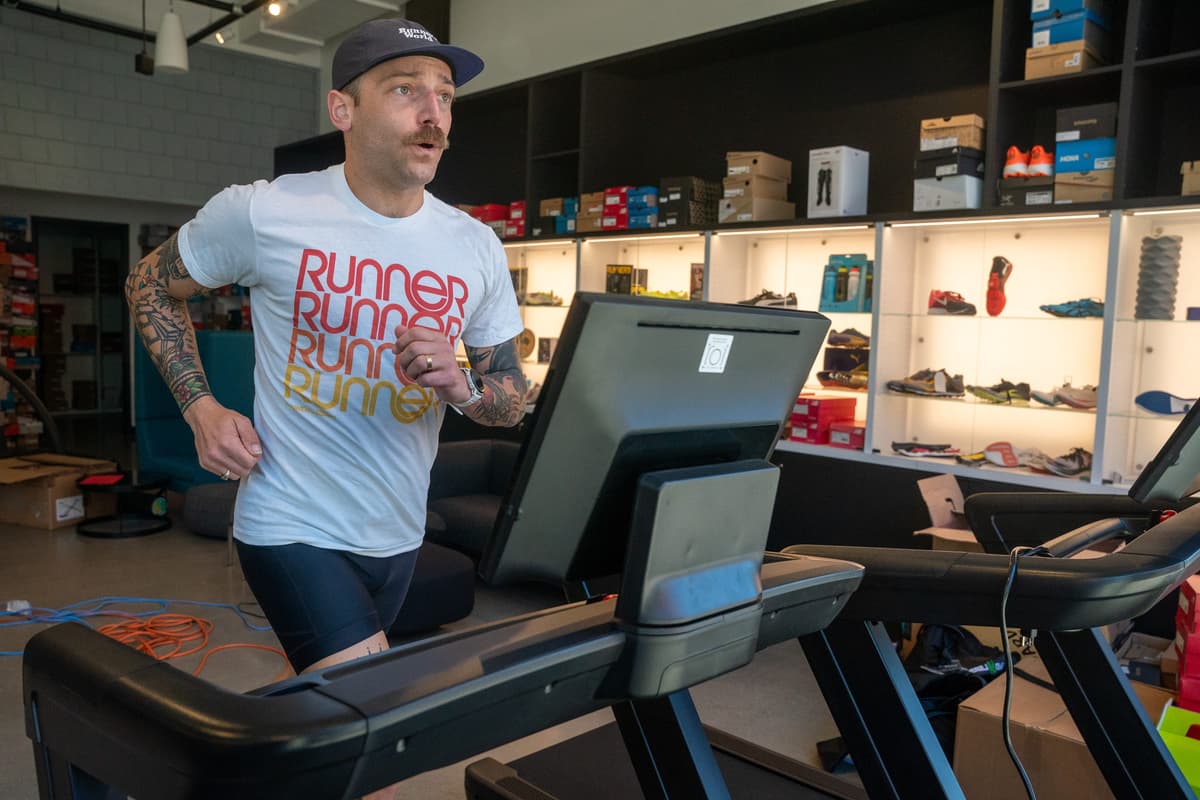
Should You Change Your Form When Running on the Treadmill Vs. Outdoors?
Running form on a treadmill should mirror outdoor form, according to USATF‑certified coach Kai Ng and Olympian coach John Henwood. The only notable difference is a slightly more upright posture on the moving belt, which occurs naturally. Both coaches warn that runners...

How to Avoid Shin Pain When You Run
Shin pain affects roughly one in five runners and accounts for over half of lower‑leg injuries, disrupting training cycles and overall wellbeing. The article outlines three primary sources—medial tibial stress syndrome (shin splints), tibial stress fractures, and chronic exertional compartment...
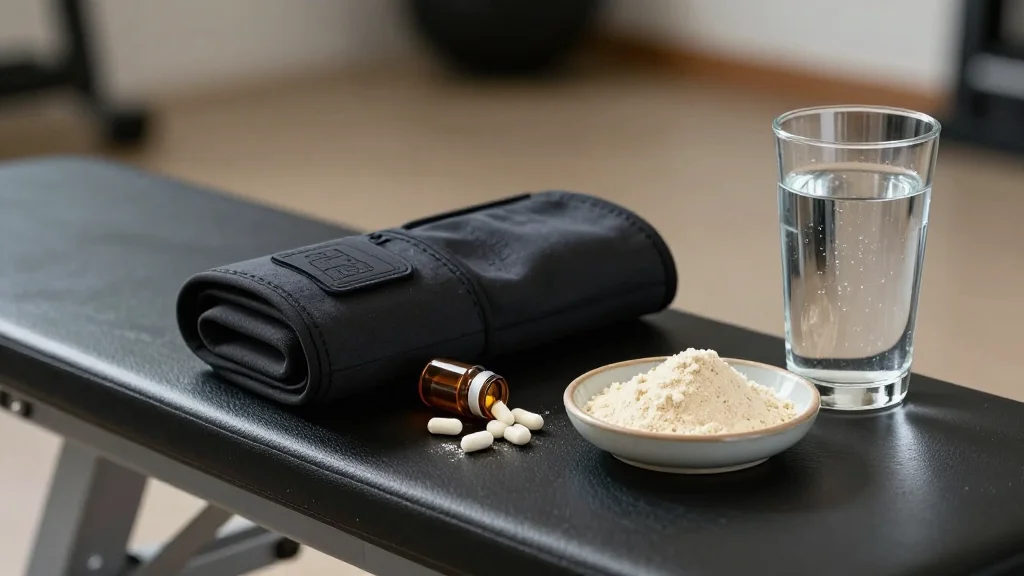
Combined Effects of Blood Flow Restriction Training and Nutritional Intervention on Muscle Adaptations: A Systematic Review and Meta-Analysis
A systematic review and meta‑analysis of nine randomized trials (181 healthy adults) examined whether adding nutritional supplements to blood‑flow restriction (BFR) training improves strength, hypertrophy, or endurance. The pooled data showed no significant additional gains in maximal strength (SMD = ‑0.09) or...

LSD Microdosing Linked to Acute Mood Improvements in Adults with Depression
A small open‑label pilot gave 19 adults with major depressive disorder sublingual LSD microdoses (4‑20 µg) over eight weeks. Participants reported acute spikes in creativity, energy and social connectedness on dosing days, with a 60% average reduction in overall depression severity...
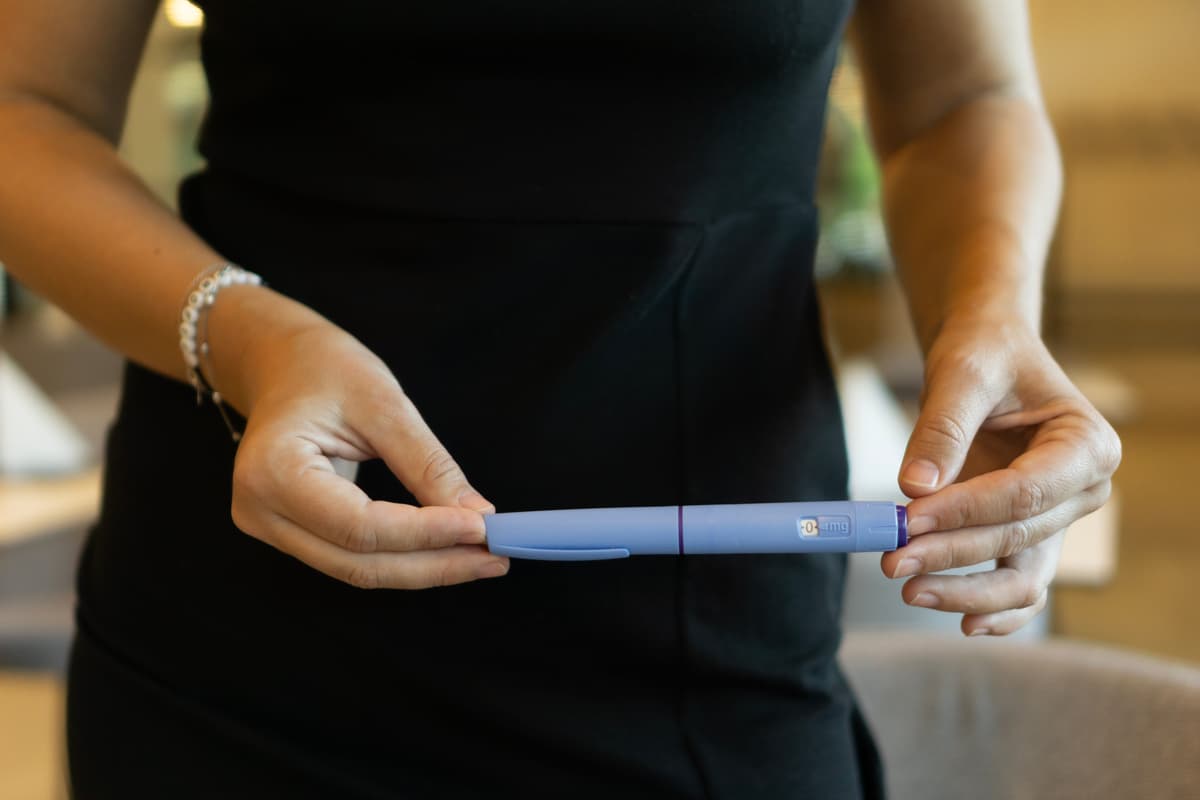
Want to Ride Strong While Using GLP-1s? Experts Explain How to Strike the Right Balance.
The article outlines how cyclists using GLP‑1 weight‑loss drugs like Ozempic or Wegovy can maintain performance by prioritizing intentional fueling, hydration, and strength training. It stresses that appetite suppression from these medications requires pre‑ride carbohydrate snacks and post‑ride protein‑carb meals...

10 Cancer-Prevention Habits Oncologists Do Every Day
Oncologists are modeling cancer‑prevention habits they recommend to patients, from cutting alcohol entirely to eating a plant‑forward diet rich in fiber. They aim for about 30 grams of fiber daily, cook at home, get 7‑9 hours of sleep, and incorporate strength...

This Engineer Spent 100 Days Underwater—And It Added 10 Years to His Life, He Claims
Biomedical engineer Joseph Dituri spent 100 days in a 22‑foot‑deep underwater chamber at 1.6 ATA, claiming dramatic health improvements. He reported weight loss, lower cholesterol, a seven‑fold testosterone boost, and doubled REM sleep. While Dituri sees the results as proof that...
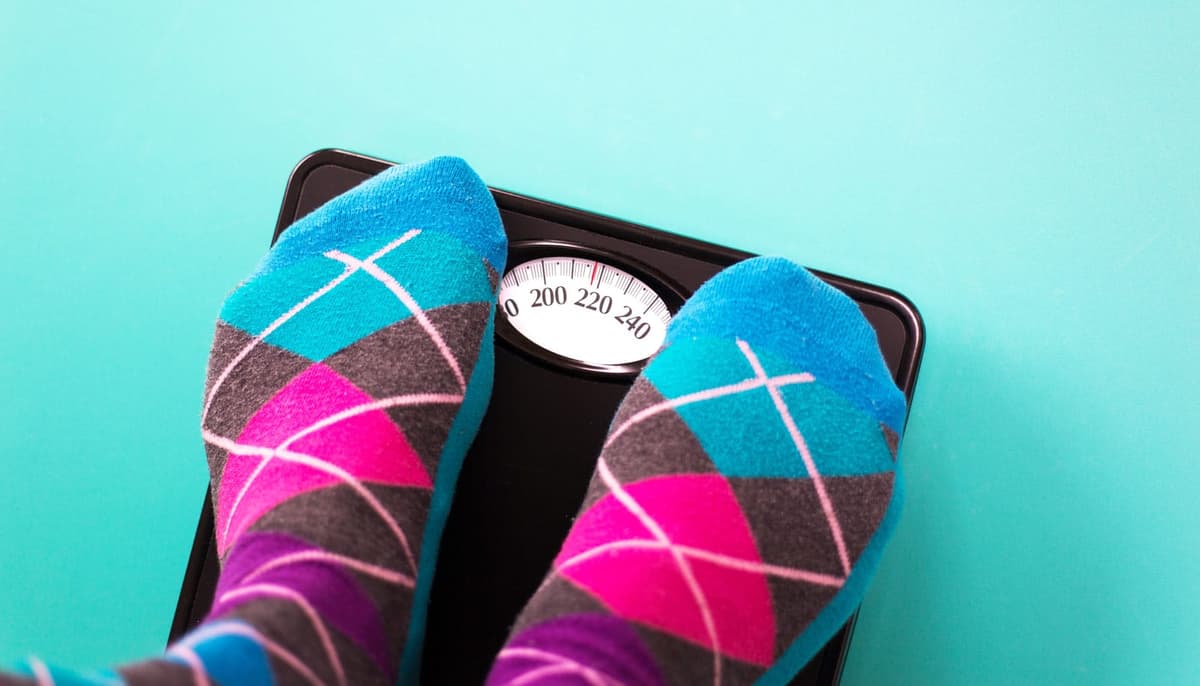
Being Overweight May Lead to Faster Cognitive Decline
A 24‑year longitudinal study of more than 8,200 U.S. adults over 50 found that higher body‑mass index (BMI) accelerates cognitive decline, affecting memory, executive function and emotional regulation. Each unit increase in BMI was associated with a faster deterioration of...

Junyue Cao on How the Body Ages, Cell by Cell
Dr. Junyue Cao’s lab at Rockefeller University released the most extensive single‑cell epigenomic atlas of mammalian aging, profiling chromatin accessibility in roughly seven million cells from 21 mouse tissues at three life stages. The study identified about 1,800 distinct cell...
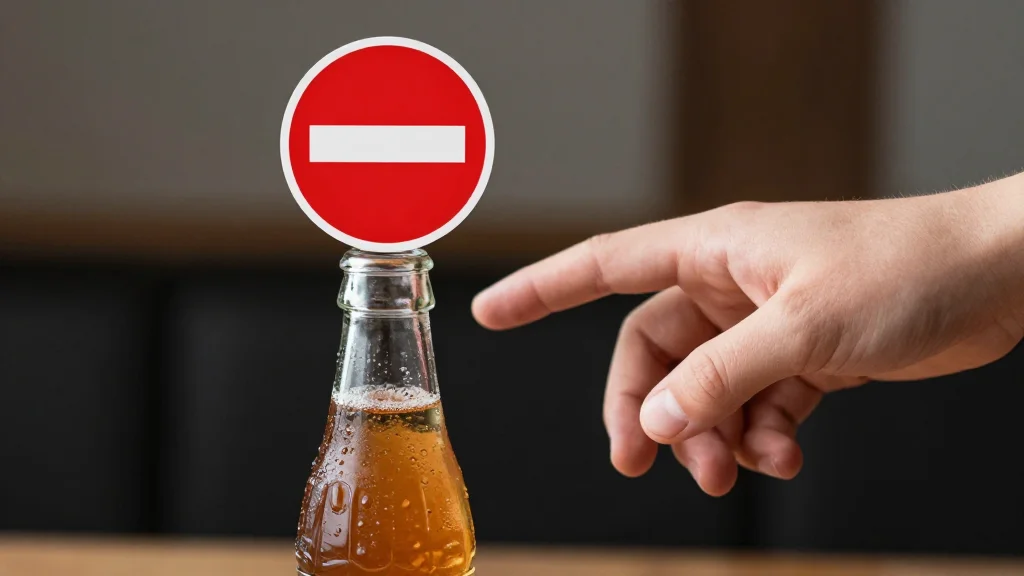
Added Sugar Labels Would Prompt Teens to Dump Sugary Drinks, Research Shows
A new SAHMRI study published in BMC Nutrition shows that front‑of‑pack warning labels displaying the number of teaspoons of added sugar on sugary drinks can dramatically shift teenage behavior, with many opting to stop buying or drinking them. Australian adolescents...

The Science Behind Social Media’s Peptide Obsession
Social media and Silicon‑Valley influencers are driving a surge in gray‑market peptide sales, from weight‑loss candidates like Eli Lilly’s experimental retatrutide to DIY stacks such as BPC‑157 and TB‑500. These compounds, often sold as “research‑only” powders for $130 a vial, bypass...
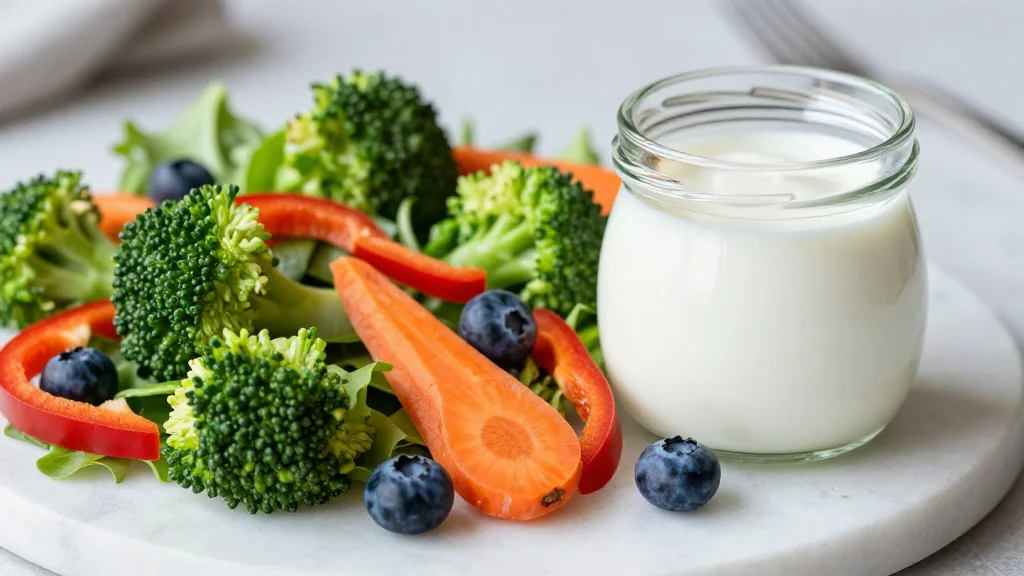
The Ultimate Gut-Health Grocery List To Boost GLP-1 Naturally
Microbiologist Colleen Cutcliffe explains that a healthy gut microbiome can naturally stimulate GLP‑1, the hormone that curbs appetite and stabilizes blood sugar. She highlights two key strains—Akkermansia muciniphila and Clostridium butyricum—as central to GLP‑1 production. By prioritizing fiber‑rich vegetables, polyphenol‑dense fruits,...

This Vitamin May Help “Retrain” The Immune System In Gut Inflammation
Researchers conducted a 12‑week trial in inflammatory bowel disease patients with low vitamin D, supplementing them daily. Multi‑omics analysis showed vitamin D boosted IgA activity while suppressing IgG, shifting the immune system toward tolerance of gut microbes. The supplement also redirected immune...

Eating Eggs Could Cut Alzheimer’s Risk by 27%
Researchers at Loma Linda University analyzed data from about 40,000 older adults over a 15‑year span and found that eating at least one egg per day was linked to a 27% lower risk of Alzheimer’s disease. Even modest consumption—1‑3 eggs...