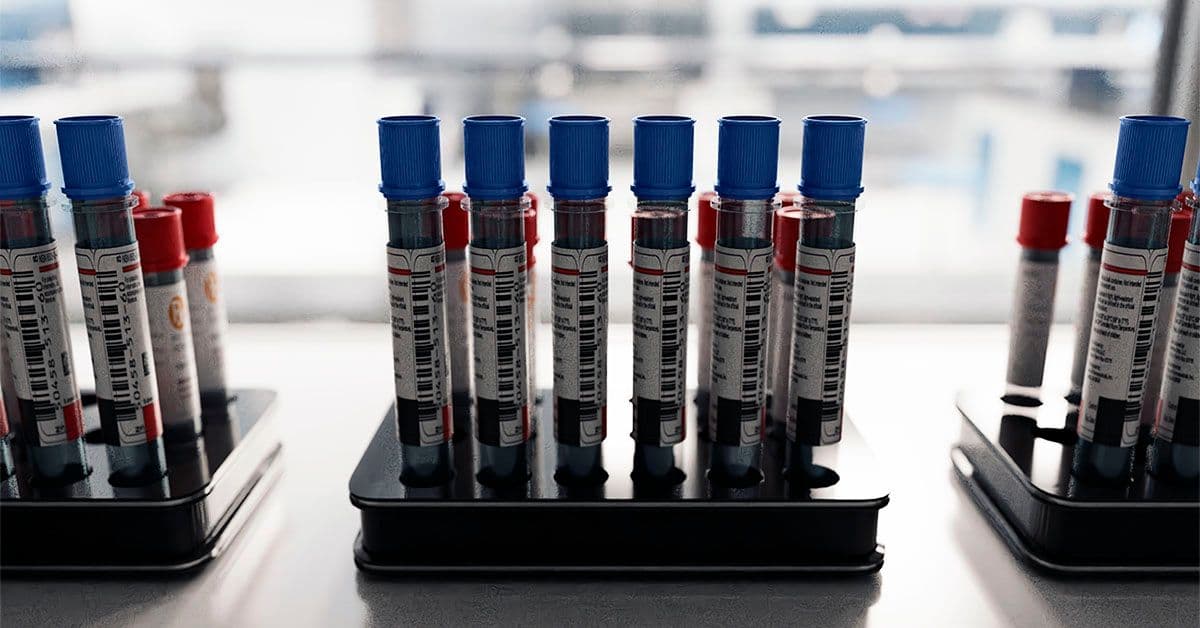
Blood Test May Be More Effective and Cost-Efficient than Standard Cholesterol Tests
Why It Matters
ApoB‑guided care could improve patient outcomes while containing healthcare spending, prompting payers and clinicians to reconsider standard lipid‑panel protocols. Wider adoption may shift the industry toward more precise, cost‑effective cardiovascular risk management.
Key Takeaways
- •ApoB testing predicts heart attacks better than LDL cholesterol
- •Simulation of 250,000 adults shows apoB reduces events
- •ApoB‑guided treatment is cost‑effective for health systems
- •2026 guidelines support apoB testing without making it primary target
Pulse Analysis
Cardiovascular disease remains the leading cause of death worldwide, and accurate risk stratification is essential for effective prevention. Traditional lipid panels focus on LDL and non‑HDL cholesterol, which estimate the concentration of “bad” cholesterol but do not count the actual number of atherogenic particles. Apolipoprotein B, the primary protein component of these particles, provides a direct count, offering clinicians a clearer picture of a patient’s true risk. The new JAMA study leverages this biological insight, positioning apoB as a potentially superior biomarker for guiding statin intensification.
The researchers built a large‑scale simulation model encompassing 250,000 adults without prior cardiovascular events but eligible for cholesterol‑lowering therapy. By comparing LDL, non‑HDL, and apoB targets, they demonstrated that an apoB‑guided approach averted a greater number of heart attacks and strokes over a lifetime. Importantly, the cost‑effectiveness analysis showed that the additional expense of apoB testing translates into net savings for health systems, as fewer adverse events reduce downstream treatment costs. Payers seeking value‑based care models may view these results as evidence to expand coverage for apoB assays.
Adoption barriers remain, chiefly clinician familiarity with LDL metrics and insurance reimbursement gaps. However, the 2026 multi‑society dyslipidemia guidelines have begun to acknowledge apoB’s predictive strength, signaling a shift in professional consensus. As guideline committees refine recommendations and insurers adjust coverage policies, apoB testing could become a standard component of precision lipid management, aligning clinical outcomes with economic efficiency.
Blood test may be more effective and cost-efficient than standard cholesterol tests
Comments
Want to join the conversation?
Loading comments...