
How a Pill Approved 25 Years Ago Transformed Cancer Treatment
Gleevec, the brand name for imatinib, emerged from Dr. Brian Druker's vision of a targeted cancer therapy that switches off the BCR‑ABL enzyme driving chronic myeloid leukemia. After early‑stage trials showed 100% response with mild side effects, Novartis accelerated the FDA filing, achieving approval in just 72 days on May 10, 2001. The drug’s success launched the era of precision oncology, eventually leading to over 100 targeted cancer medicines. Though its launch price was $26,000 a year, the drug is now generic and affordable, extending lives like Mel Mann’s for decades beyond the original prognosis.

The 5 Biomarkers Every Adult Over 30 Should Be Tracking, Per A Longevity Expert
Florence Comité, MD, argues that conventional lab reference ranges mask early metabolic decline, so she recommends five optimal biomarkers for adults over 30. The targets include fasting glucose 70‑80 mg/dL, fasting insulin ≤5 μIU/mL, HbA1c under 5 %, a low cholesterol risk ratio, and...

How to Stay Calm on a Hectic Day
The article explains how the Yerkes‑Dodson law describes an optimal arousal zone for peak performance and warns that exceeding it hampers focus. It offers practical tactics—breathing exercises, nutrition tweaks, brief movement, visual reminders, sunlight exposure, and micro‑tasks—to bring overstimulation back...

AI-Powered Electrocardiogram Detects Early Signs of Heart Failure
A University of Texas‑Southwestern team demonstrated that an artificial‑intelligence‑enhanced electrocardiogram (AI‑ECG) can reliably detect left ventricular systolic dysfunction, a precursor to heart failure, among Kenyan patients. In a cohort of nearly 6,000 individuals, 1,444 received confirmatory echocardiograms, revealing a 14.1%...

How Much Creatine Should You Take for Brain Health?
Recent studies suggest that taking creatine at doses far above the traditional 3–5 grams—often 10 to 30 grams daily—can increase brain phosphocreatine, potentially enhancing cognition, mood, and resilience to sleep loss. The brain’s blood‑brain barrier limits creatine uptake, so higher circulating levels...
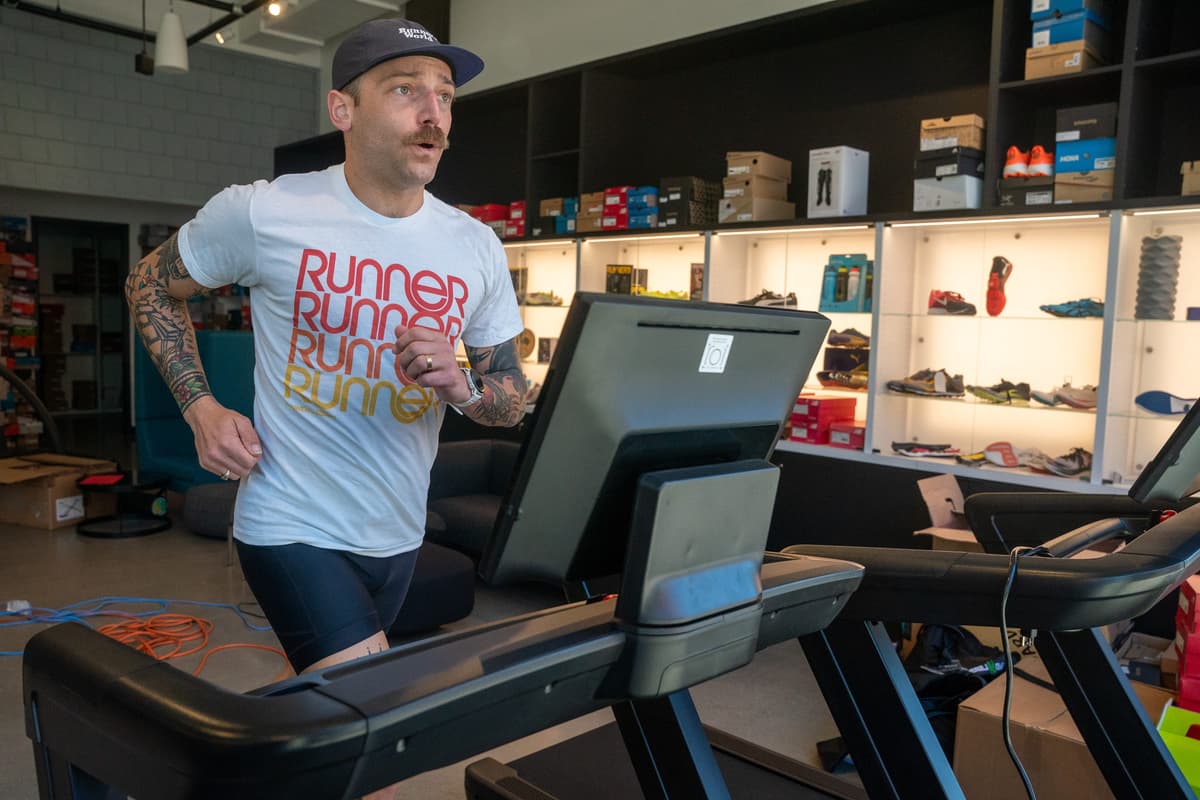
Should You Change Your Form When Running on the Treadmill Vs. Outdoors?
Running form on a treadmill should mirror outdoor form, according to USATF‑certified coach Kai Ng and Olympian coach John Henwood. The only notable difference is a slightly more upright posture on the moving belt, which occurs naturally. Both coaches warn that runners...

How to Avoid Shin Pain When You Run
Shin pain affects roughly one in five runners and accounts for over half of lower‑leg injuries, disrupting training cycles and overall wellbeing. The article outlines three primary sources—medial tibial stress syndrome (shin splints), tibial stress fractures, and chronic exertional compartment...
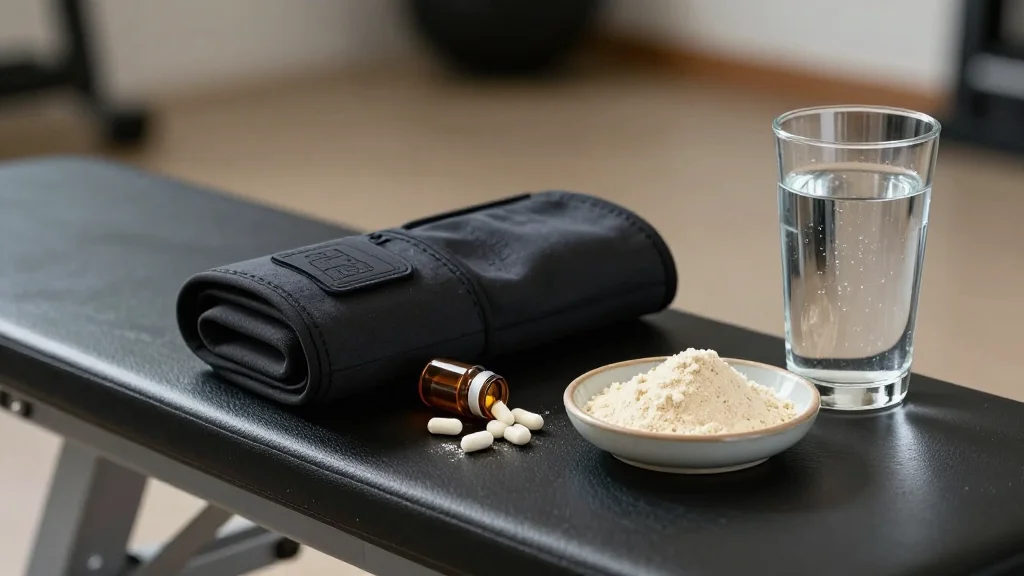
Combined Effects of Blood Flow Restriction Training and Nutritional Intervention on Muscle Adaptations: A Systematic Review and Meta-Analysis
A systematic review and meta‑analysis of nine randomized trials (181 healthy adults) examined whether adding nutritional supplements to blood‑flow restriction (BFR) training improves strength, hypertrophy, or endurance. The pooled data showed no significant additional gains in maximal strength (SMD = ‑0.09) or...

LSD Microdosing Linked to Acute Mood Improvements in Adults with Depression
A small open‑label pilot gave 19 adults with major depressive disorder sublingual LSD microdoses (4‑20 µg) over eight weeks. Participants reported acute spikes in creativity, energy and social connectedness on dosing days, with a 60% average reduction in overall depression severity...
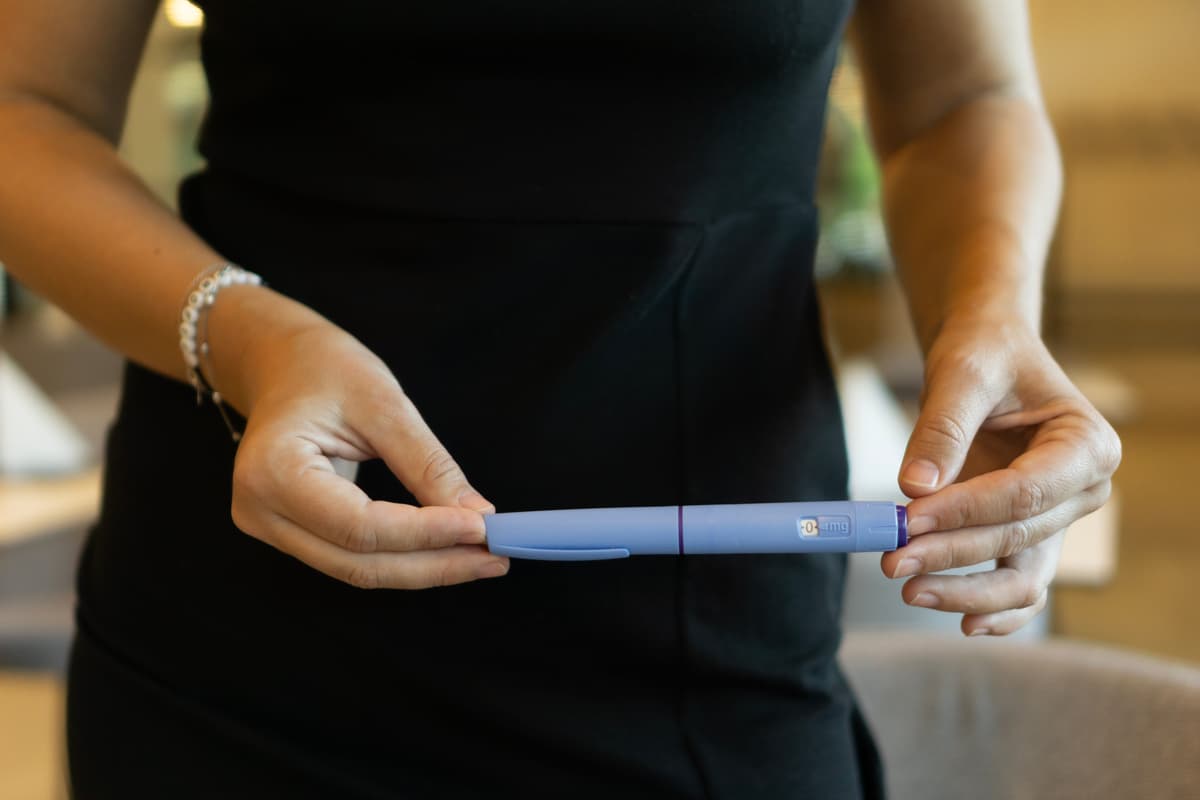
Want to Ride Strong While Using GLP-1s? Experts Explain How to Strike the Right Balance.
The article outlines how cyclists using GLP‑1 weight‑loss drugs like Ozempic or Wegovy can maintain performance by prioritizing intentional fueling, hydration, and strength training. It stresses that appetite suppression from these medications requires pre‑ride carbohydrate snacks and post‑ride protein‑carb meals...

10 Cancer-Prevention Habits Oncologists Do Every Day
Oncologists are modeling cancer‑prevention habits they recommend to patients, from cutting alcohol entirely to eating a plant‑forward diet rich in fiber. They aim for about 30 grams of fiber daily, cook at home, get 7‑9 hours of sleep, and incorporate strength...

This Engineer Spent 100 Days Underwater—And It Added 10 Years to His Life, He Claims
Biomedical engineer Joseph Dituri spent 100 days in a 22‑foot‑deep underwater chamber at 1.6 ATA, claiming dramatic health improvements. He reported weight loss, lower cholesterol, a seven‑fold testosterone boost, and doubled REM sleep. While Dituri sees the results as proof that...
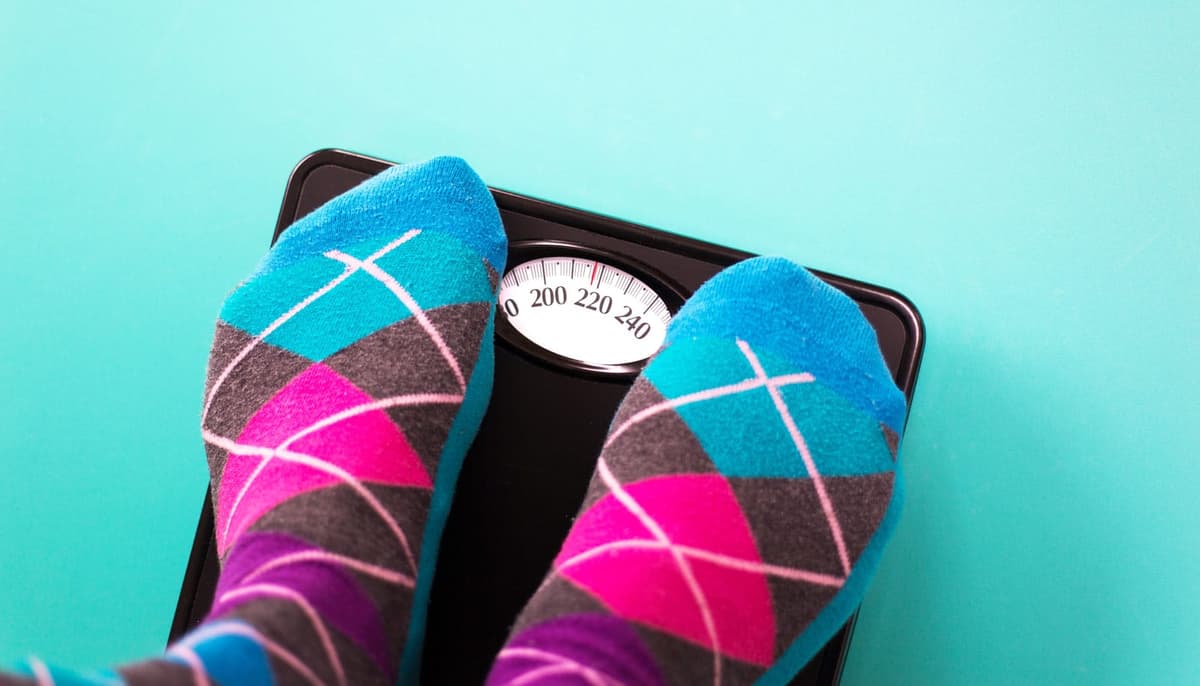
Being Overweight May Lead to Faster Cognitive Decline
A 24‑year longitudinal study of more than 8,200 U.S. adults over 50 found that higher body‑mass index (BMI) accelerates cognitive decline, affecting memory, executive function and emotional regulation. Each unit increase in BMI was associated with a faster deterioration of...

Junyue Cao on How the Body Ages, Cell by Cell
Dr. Junyue Cao’s lab at Rockefeller University released the most extensive single‑cell epigenomic atlas of mammalian aging, profiling chromatin accessibility in roughly seven million cells from 21 mouse tissues at three life stages. The study identified about 1,800 distinct cell...
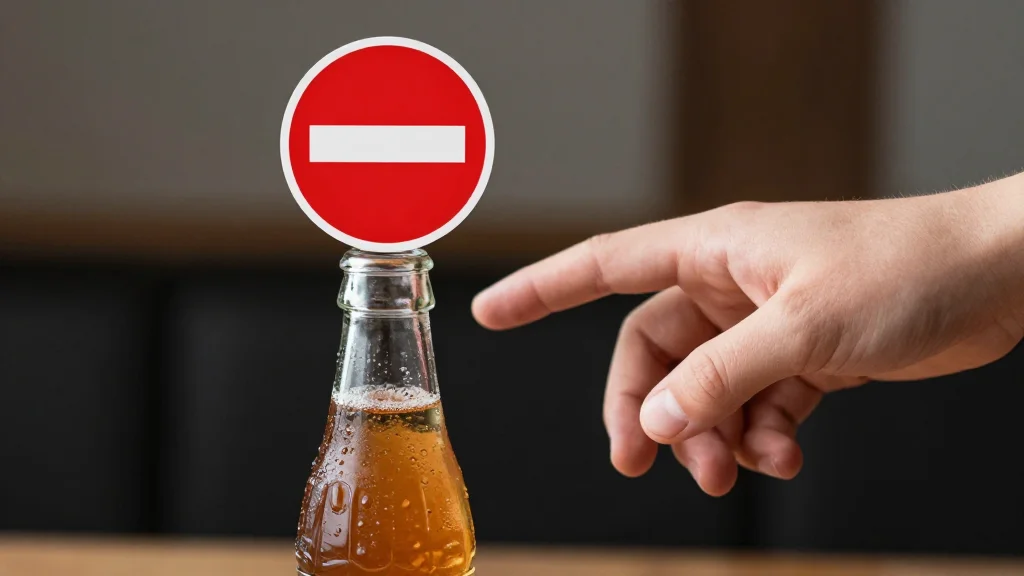
Added Sugar Labels Would Prompt Teens to Dump Sugary Drinks, Research Shows
A new SAHMRI study published in BMC Nutrition shows that front‑of‑pack warning labels displaying the number of teaspoons of added sugar on sugary drinks can dramatically shift teenage behavior, with many opting to stop buying or drinking them. Australian adolescents...

The Science Behind Social Media’s Peptide Obsession
Social media and Silicon‑Valley influencers are driving a surge in gray‑market peptide sales, from weight‑loss candidates like Eli Lilly’s experimental retatrutide to DIY stacks such as BPC‑157 and TB‑500. These compounds, often sold as “research‑only” powders for $130 a vial, bypass...
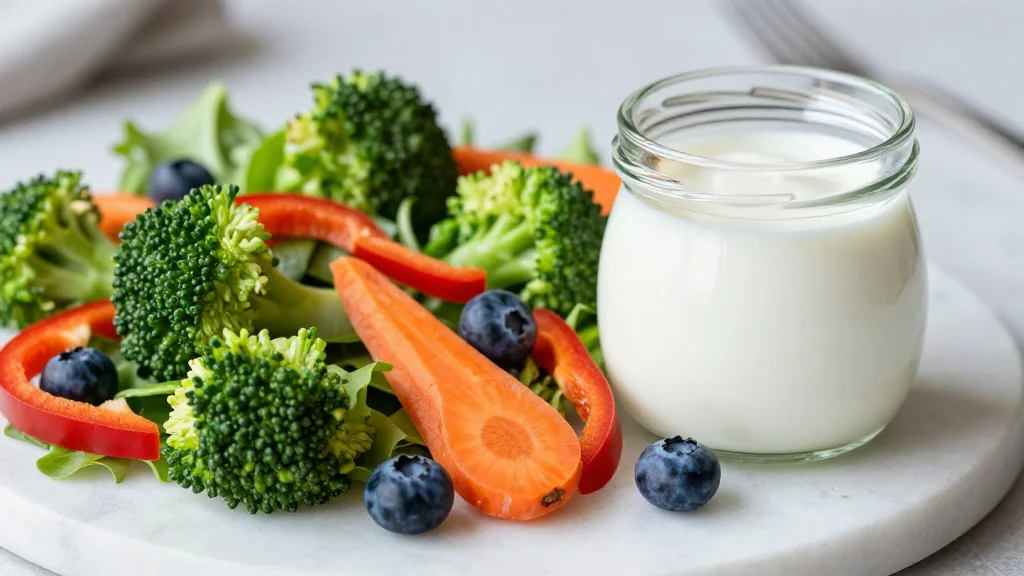
The Ultimate Gut-Health Grocery List To Boost GLP-1 Naturally
Microbiologist Colleen Cutcliffe explains that a healthy gut microbiome can naturally stimulate GLP‑1, the hormone that curbs appetite and stabilizes blood sugar. She highlights two key strains—Akkermansia muciniphila and Clostridium butyricum—as central to GLP‑1 production. By prioritizing fiber‑rich vegetables, polyphenol‑dense fruits,...

This Vitamin May Help “Retrain” The Immune System In Gut Inflammation
Researchers conducted a 12‑week trial in inflammatory bowel disease patients with low vitamin D, supplementing them daily. Multi‑omics analysis showed vitamin D boosted IgA activity while suppressing IgG, shifting the immune system toward tolerance of gut microbes. The supplement also redirected immune...

Eating Eggs Could Cut Alzheimer’s Risk by 27%
Researchers at Loma Linda University analyzed data from about 40,000 older adults over a 15‑year span and found that eating at least one egg per day was linked to a 27% lower risk of Alzheimer’s disease. Even modest consumption—1‑3 eggs...
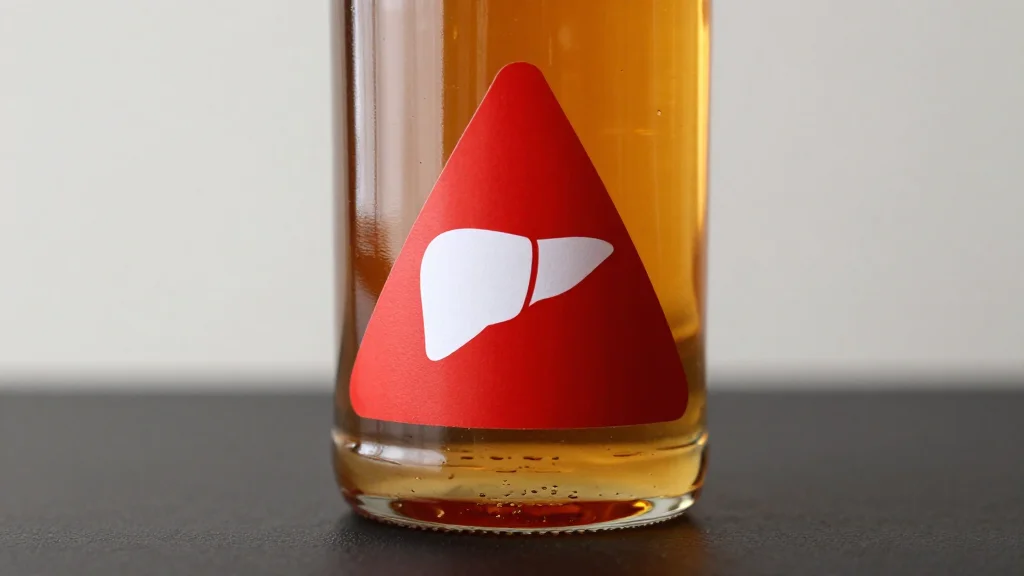
Cancer Warning Labels on Alcohol May Motivate People to Drink Less, Study Says
A Stanford-led study tested eight new alcohol warning labels that explicitly cite cancer, liver disease, dementia and hypertension. Over 1,000 weekly drinkers viewed the labels, and all outperformed the generic 1989 warning in teaching new health risks and boosting motivation...

Your Smartwatch Metrics, Explained
Smartwatches now display advanced fitness metrics such as VO2 max, heart‑rate variability (HRV) and lactate threshold, giving runners data‑driven insight into aerobic capacity, recovery and fatigue points. VO2 max estimates the maximum oxygen a runner can use and correlates with...
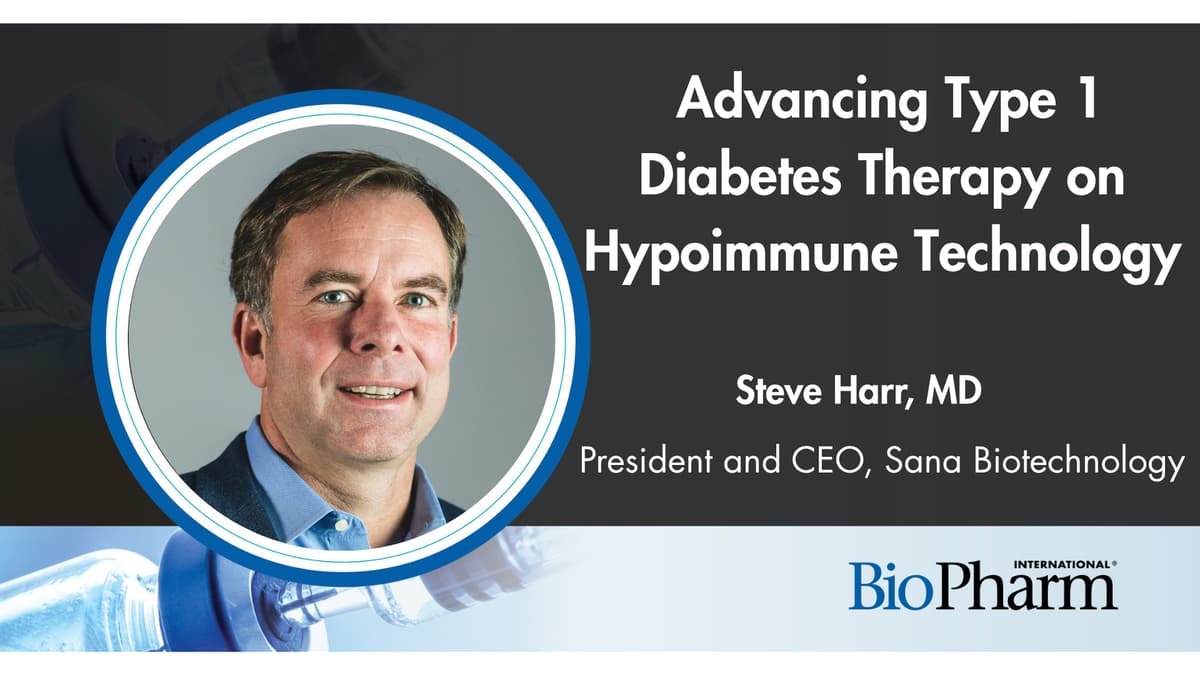
Stem Cell-Derived Islet Therapies Target Type 1 Diabetes Challenges
Sana Biotechnology is leveraging hypoimmune cell engineering to create allogeneic, stem‑cell‑derived pancreatic islet‑like cells that can evade both adaptive and innate immune attacks. The company aims to deliver a single intramuscular injection that restores normal blood‑sugar control for type 1 diabetes...
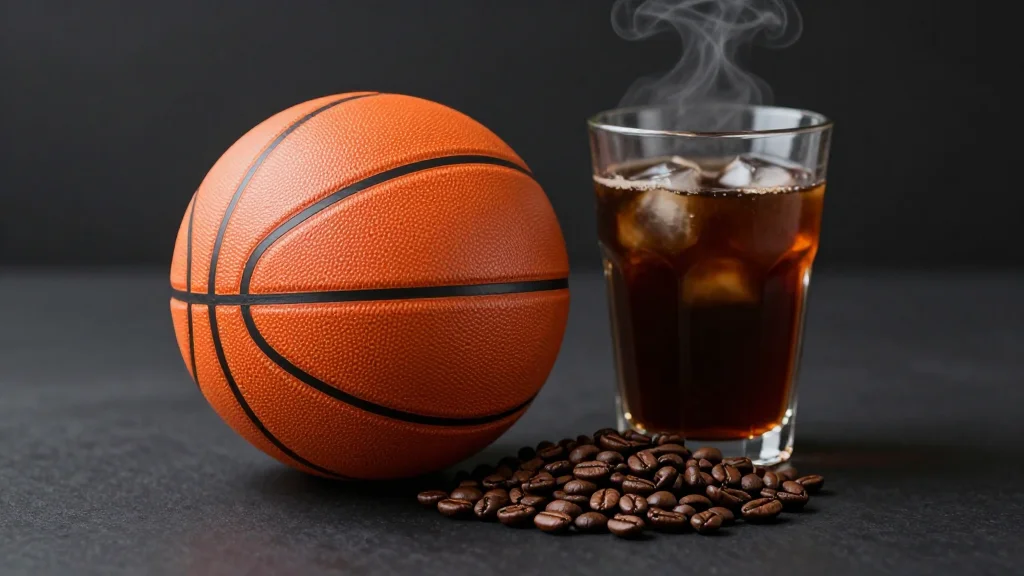
Effects of Caffeine Intake on Exercise Performance in Basketball Players: A Systematic Review and Meta-Analysis
A new systematic review and meta‑analysis of 18 blinded crossover studies examined how acute caffeine affects basketball performance. Low‑to‑moderate doses (≈2.3‑3 mg·kg⁻¹) modestly improved general physical metrics such as sprint speed, jump height and agility, and raised perceived muscle endurance and...
Nutritional Timing and Stress Biology: Intermittent Fasting as a Hormetic Signal for Adaptation
Intermittent fasting (IF) and time‑restricted eating (TRE) are examined as controlled metabolic stressors that invoke hormetic adaptations. The review outlines how nutrient‑sensing pathways—including AMPK, SIRT1, mTOR and Nrf2—are modulated, driving autophagy, mitochondrial renewal and redox balance. Pre‑clinical and clinical evidence...
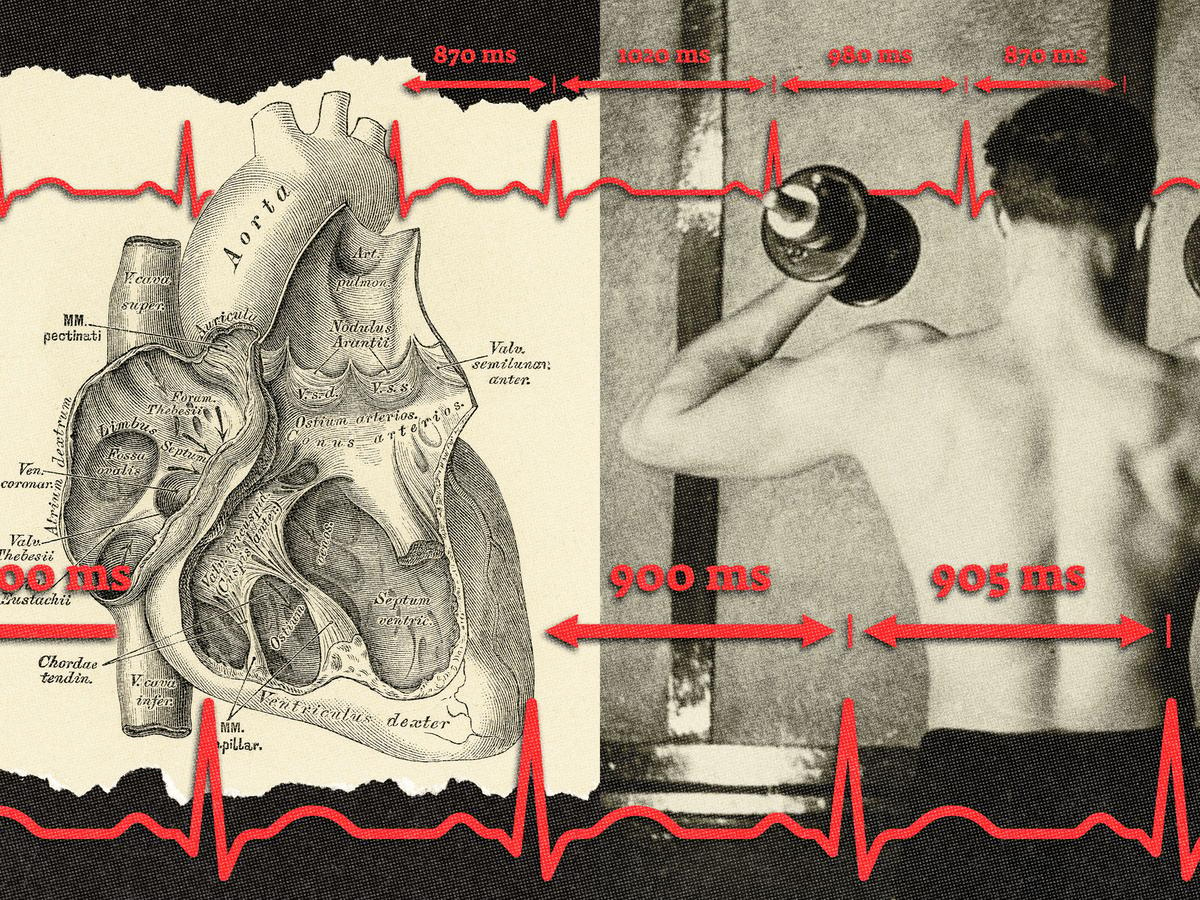
Why HRV Is the New Longevity Obsession
Heart rate variability (HRV) has moved from elite‑sports labs to mainstream wellness apps, with devices like Oura, WHOOP, Garmin and Eight Sleep reporting daily scores to millions of users. The metric, once a clinical predictor of post‑heart‑attack mortality, is now...

How Aerodynamics and Drafting Can Benefit All Runners
Professor Bert Blocken applied aerodynamics and wind‑tunnel testing to Eliud Kipchoge’s INEOS 1:59 marathon, confirming that a pacer formation reduced the elite runner’s drag from 100 % to 15 %, shaving roughly 35 seconds off his time. Blocken’s research shows that even recreational runners...

Longevity Fanatics Are Seeking Out Stem Cells—But Is It Safe?
Stem‑cell clinics are expanding from medical treatment into high‑priced wellness and anti‑aging services, offering injections of mesenchymal cells, Wharton’s jelly, and MUSE pluripotent cells. Celebrities such as Cristiano Ronaldo and the Kardashians have popularized these unapproved therapies, prompting a surge in...
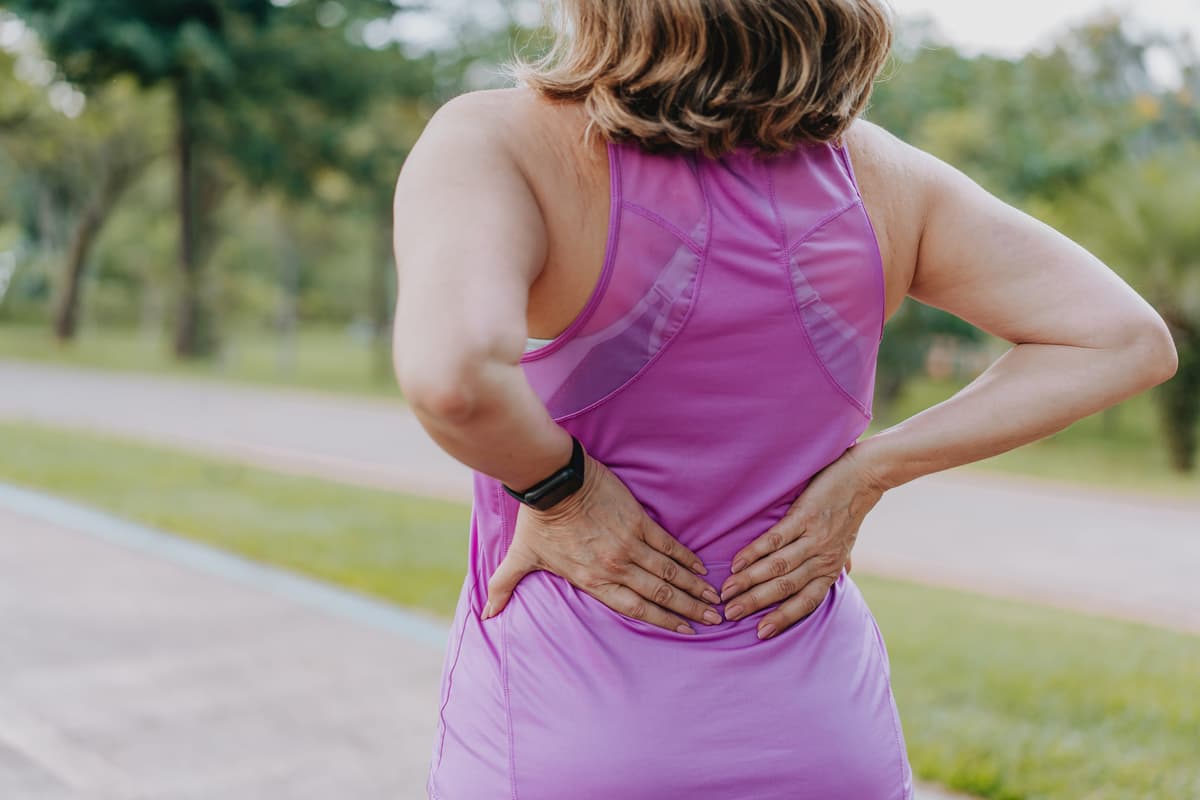
A Tight Back Can Throw Off Your Form. These 5 Moves Decompress Your Spine So You Run Better.
Physical therapists Carla Foster and Leada Malek outline five simple moves that decompress the spine and improve running form. The routine targets common tightness from prolonged sitting, using tools like a lacrosse ball, foam roller, and dynamic stretches. They also...

Increasing Daily Steps May Boost Recovery After Surgery
Researchers analyzing data from the All of Us Research Program found that postoperative patients who added 1,000 daily steps experienced 18% fewer complications, 16% lower readmission risk, and a 6% reduction in hospital length of stay. The association held across...

Treatment-Resistant IBD May Benefit From New Combo Antibody Therapy
Phase 2b DUET‑Crohn’s and DUET‑UC trials, funded by Johnson & Johnson, tested the fixed‑dose co‑antibody JNJ‑4804 (guselkumab + golimumab) in patients whose IBD had failed prior advanced therapies. In ulcerative colitis, JNJ‑4804 matched guselkumab’s efficacy and outperformed golimumab, while in Crohn’s disease the highest dose...

Could Melatonin and Caffeine Work Together for Performance?
A double‑blind, placebo‑controlled crossover trial examined 14 trained men who received caffeine (3 mg·kg⁻¹), melatonin (6 mg), or both, with performance measured in a 5‑m shuttle run. Caffeine alone improved distance, while the melatonin‑caffeine combination matched or exceeded that boost and lowered...

Magic Mushroom Compound Shows Promise Against Cocaine Addiction
A randomized, double‑blind trial of psilocybin in 40 cocaine‑dependent adults, published in JAMA Network Open, found that 30% of participants receiving a single dose were completely abstinent after 180 days, compared with none in the placebo arm, and remaining users...
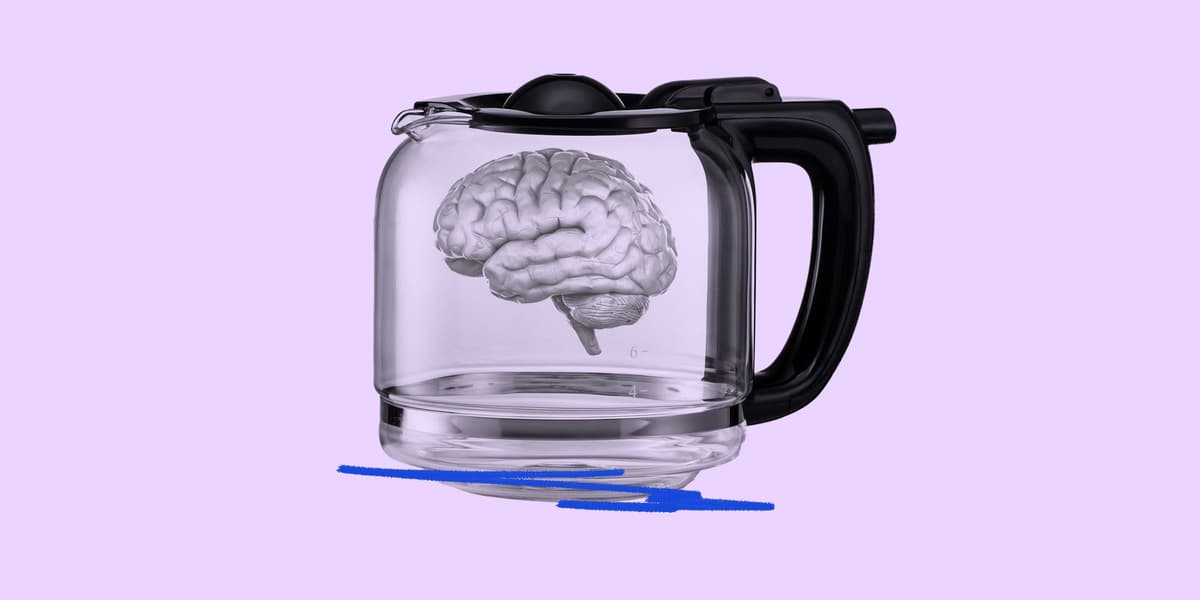
Coffee (Even Decaf) Might Be Helping Your Brain More Than You Think
A small Nature Communications study compared 31 regular coffee drinkers with 31 non‑drinkers and found distinct gut‑microbiome profiles linked to mood, stress and cognition. After a two‑week coffee break, participants resumed either caffeinated or decaf coffee for three weeks, and...
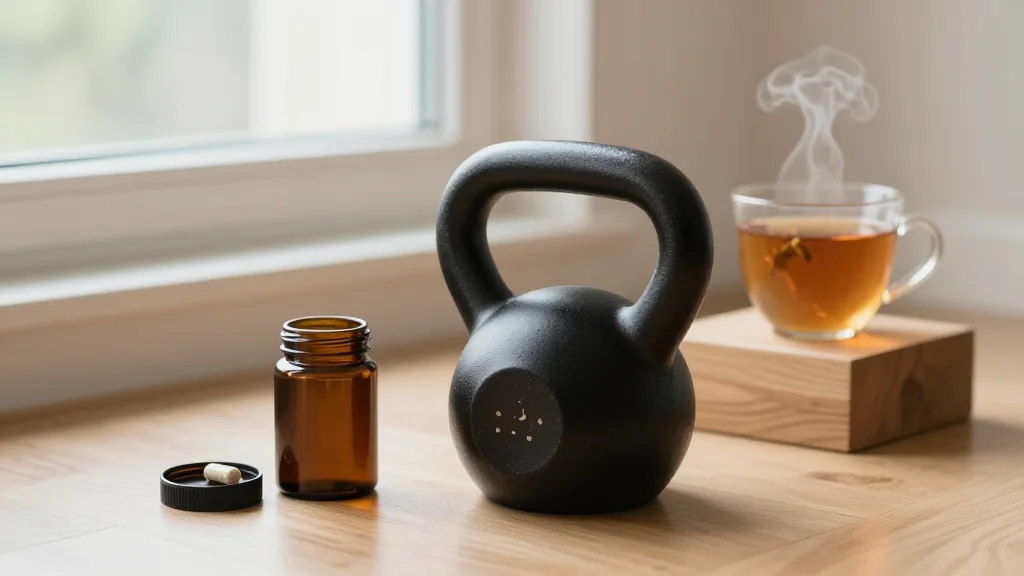
Want To Build Muscle? Most Women Are Missing This Nutrient (It’s Not Protein)
Women who lift weights often focus on protein, but many overlook carbohydrates, a critical fuel for muscle growth. Dr. Ana Kausel notes that over 80% of her female patients have tried low‑carb diets, leading to fatigue, cortisol spikes, and stalled...

These 2 Lifestyle Habits May Help Night Shift Workers Live Longer
A UK Biobank study of 12,044 night‑shift workers tracked over 13 years found that regular moderate‑to‑vigorous exercise and adherence to a Mediterranean‑style diet dramatically cut mortality risk. Exercise alone lowered death risk by 32.3%, while the diet reduced it by...

Why Melatonin Shouldn't Be a Bedtime Go-To for Kids
Melatonin is a popular over‑the‑counter sleep aid for children, but pediatric experts warn it should not be the first solution for most bedtime problems. The supplement mainly shortens sleep onset and is regulated as a dietary product, so purity and...
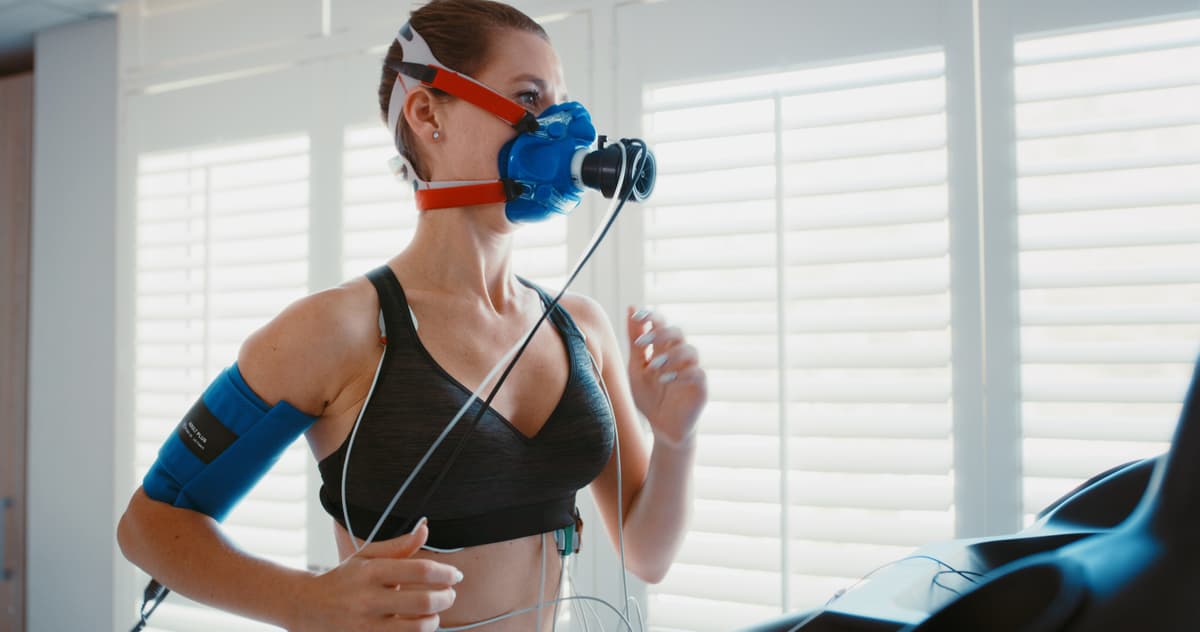
A VO2 Max Test Can Reveal Your Untapped Potential. But When You Take It Is the Secret to Training Smarter.
A VO₂ max test provides a precise snapshot of an athlete’s cardiorespiratory capacity, informing personalized heart‑rate zones and training intensity. Experts recommend conducting the test at the very start of a training block to set a baseline, then retesting about...

Could Your Birth Weight Affect How You Handle Ultrarunning?
A Frontiers in Ecology and Evolution study of 44 ultrarunners found birth weight correlates with post‑race kidney stress. Runners born around 3.8 kg (≈8 lb) showed the smallest renal changes, while those at low or high extremes exhibited greater strain. Blood samples...
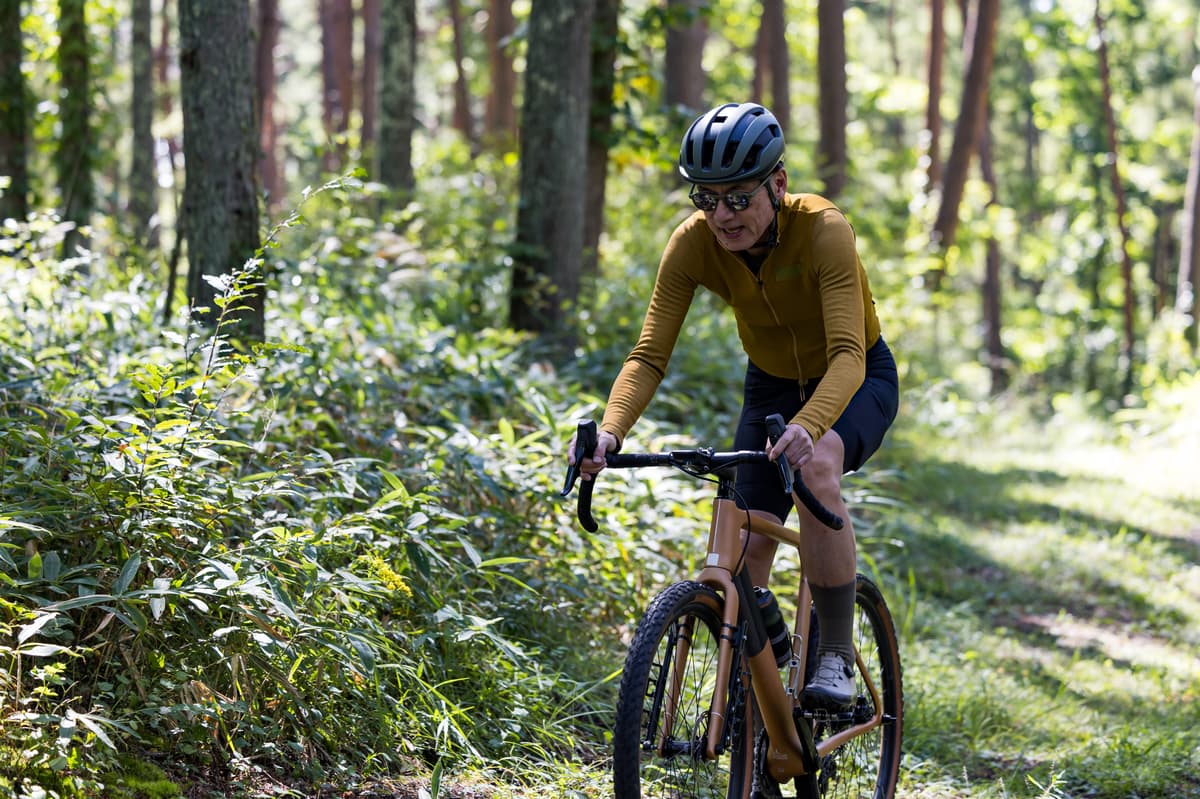
The Overlooked Cycling Problem That Drains Power and Causes Pain—And How to Fix It
Cyclists often overlook posture fatigue, where weakened upper‑back and core stabilizers force the shoulders upward, shallow breathing, and an inefficient pedal stroke. As these muscles tire, the trapezius overcompensates, creating neck strain and reduced leg power. The problem is compounded...
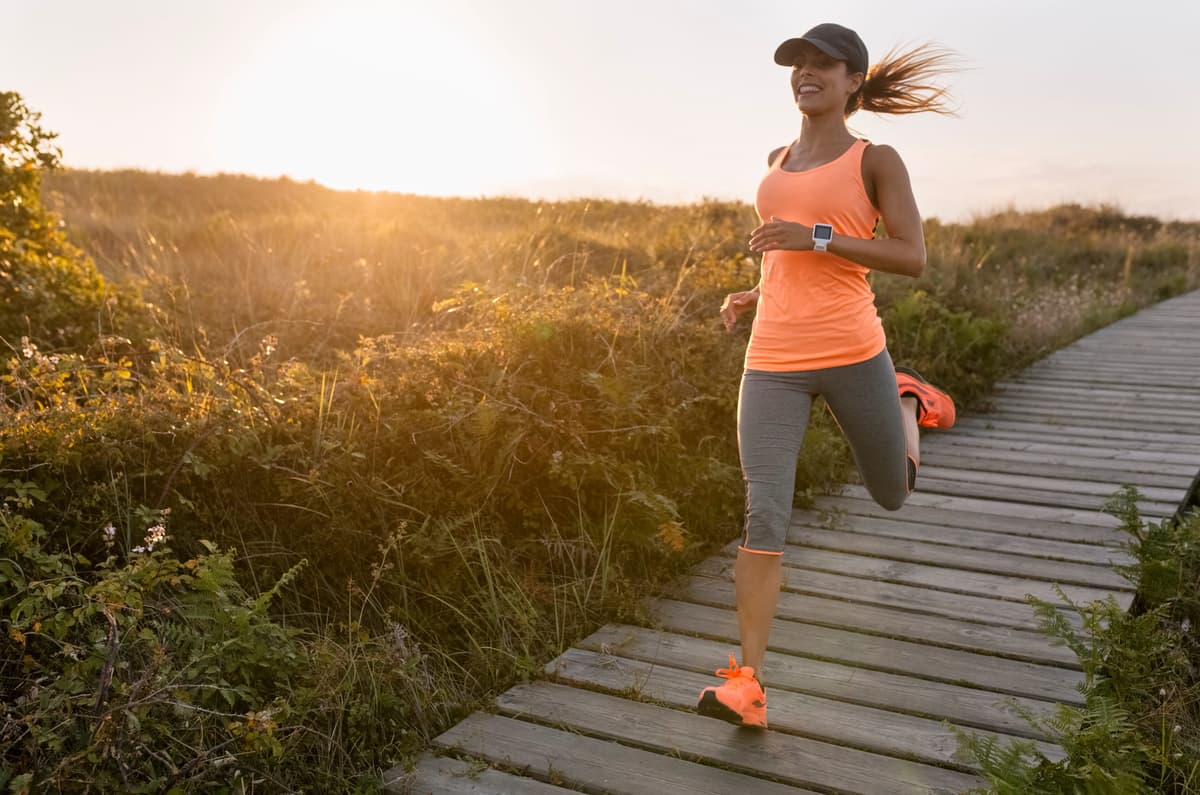
These Glute Exercises for Knee Pain Keep You Running Strong
Nearly half of U.S. runners report injury each year, and knee problems account for 27% of those cases. Experts say weak glutes shift load to the quads, heightening knee stress. A five‑exercise glute circuit—standing kickback, hip abduction, donkey kick, lateral...

A New Kind of CRISPR Could Treat Viral Infection and Cancer by Shredding Sick Cells' DNA
Researchers have engineered a novel CRISPR protein, Cas12a2, that acts as a molecular shredder, destroying DNA in cells that express a specific RNA trigger. In vitro, Cas12a2 cut the growth of KRAS‑mutant lung‑cancer cells by 50% and eliminated over 90%...
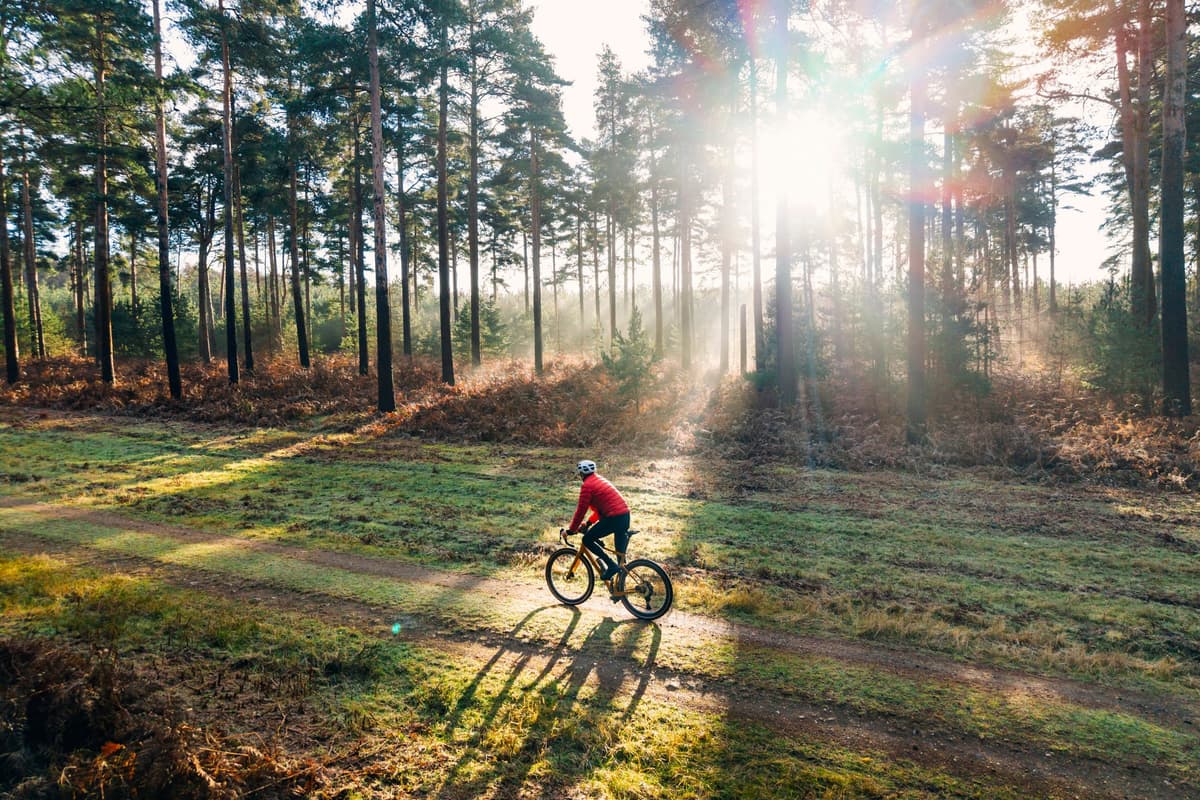
A Short, Daily Bike Ride Is Good for Your Health and Your Weight
A short daily bike ride—30 to 45 minutes—triggers metabolic changes that keep fat‑burning enzymes active for up to 30 hours, raising basal metabolic rate and supporting steady weight loss. Regular cycling also cuts heart disease risk, with as little as...

How Self-Awareness Makes Every Habit Easier
Self‑awareness is a rare skill—only about 12% of people truly possess it despite 95% believing they do. The article explains how genuine self‑awareness, not rumination or narcissism, lets individuals observe thoughts, feelings, and actions non‑judgmentally, which in turn fuels habit...

Intermittent Fasting Can Help You Lose Weight, But Science Says Not For the Reason You Might Think
Intermittent fasting (IF) does produce weight loss, but not because it flips a metabolic switch. A meta‑analysis by the College of Family Physicians of Canada shows the effect stems from an inadvertent calorie reduction when eating windows are narrowed. A...
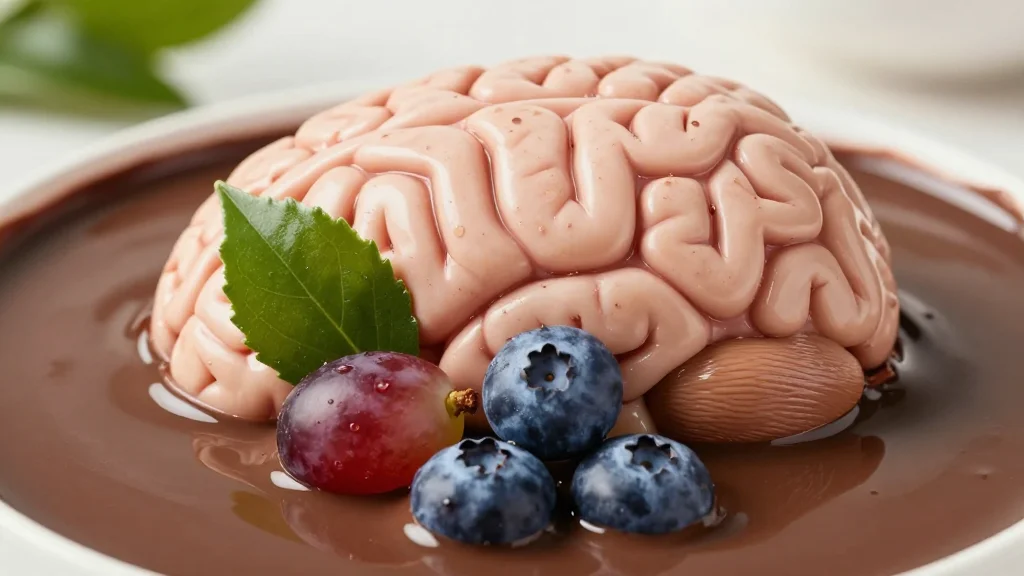
This Antioxidant “Wakes Up The Brain” Similar To Exercise
A preclinical study published in Current Research in Food Science found that the astringent taste of flavanols—found in dark chocolate, tea, red wine and berries—activates brain alertness pathways in mice, producing effects similar to a mild workout. Mice given 25 mg/kg...
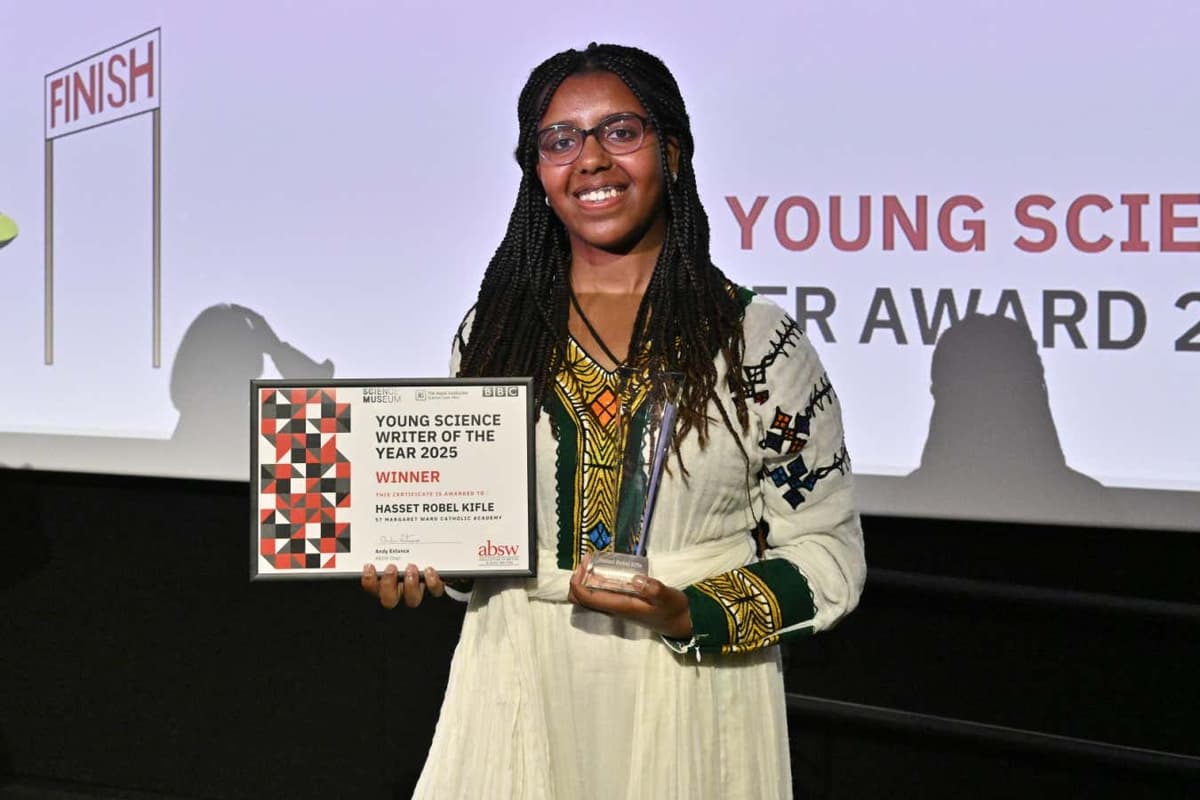
Read the Winner of This Year’s Young Science Writer Award
Seventeen‑year‑old Hasset Kifle won this year’s Young Science Writer Award for her investigative piece on “super shoes” reshaping elite running. She explains how carbon‑plate, foam‑filled footwear has slashed marathon times, with the top ten men’s and women’s performances all recorded...
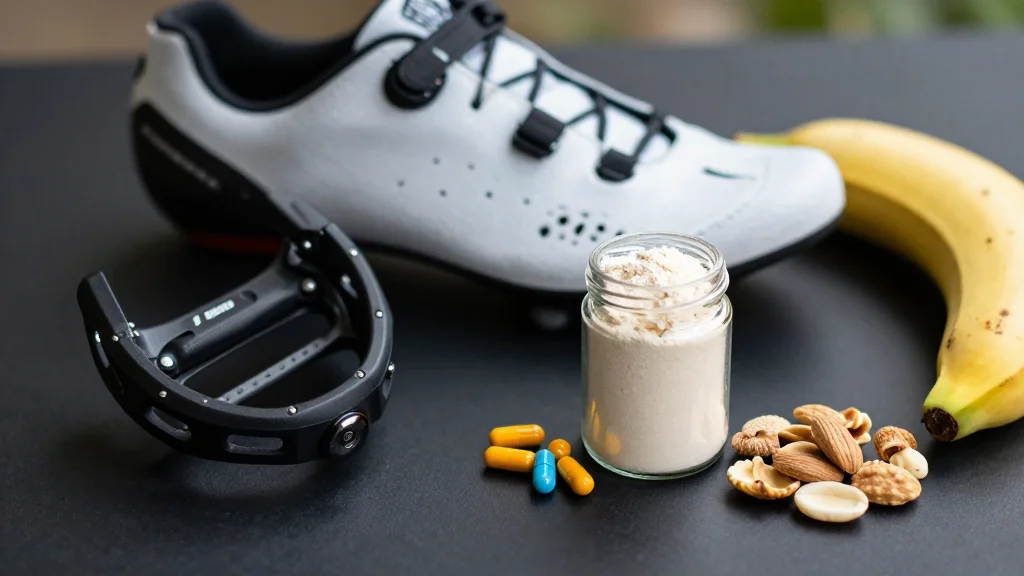
Getting Into Spinning Or Cycling? Research Says These Supplements Are Best
A recent systematic review led by Australian Olympian Sophie Edwards identified the top supplements that enhance cycling performance and accelerate recovery. The researchers highlighted beta‑alanine, caffeine, carbohydrates, creatine, electrolytes and several others for on‑bike fuel and fatigue resistance. For post‑ride...
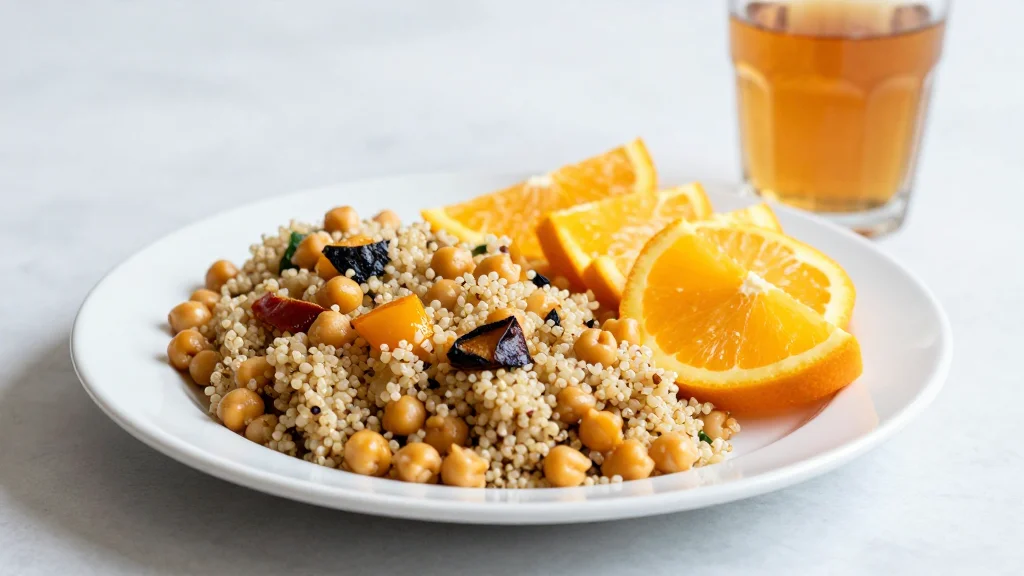
One Month Of These Simple Diet Shifts Can Reduce Your Biological Age
A recent study of 104 adults aged 65 to 75 found that four weeks of high‑carbohydrate or semi‑vegetarian diets can noticeably lower KDM‑derived biological‑age scores. Participants on an omnivorous high‑carb plan outperformed those on a high‑fat regimen, while semi‑vegetarian groups...
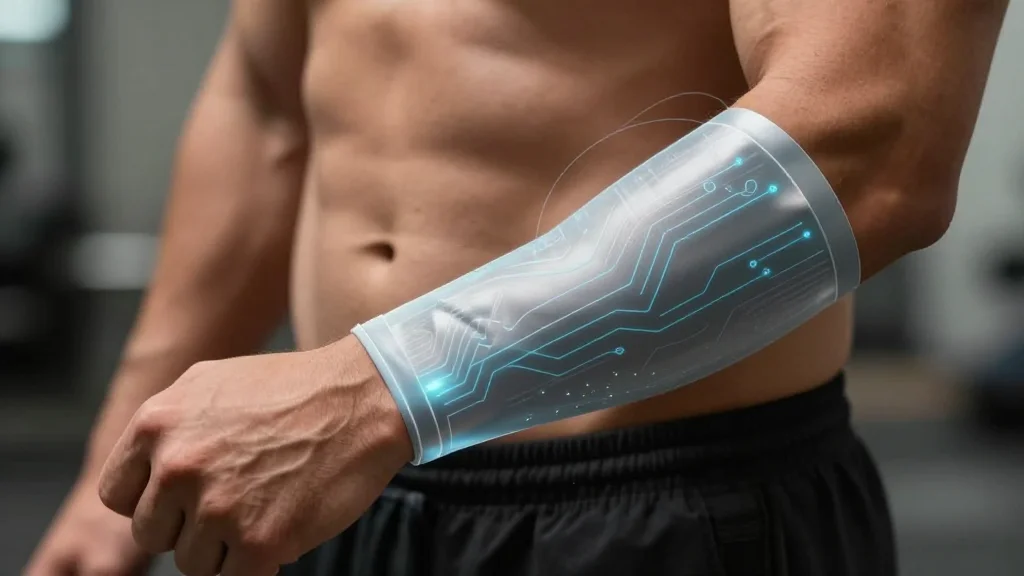
The Longevity Secrets Helping Athletes Blow Past the Limits of Age
Athletes are redefining age limits by embracing advanced recovery tools such as red‑light therapy, compression sleeves, and personalized nutrition. High‑profile examples include 38‑year‑old WNBA star Alysha Clark, 44‑year‑old NFL quarterback Aaron Rodgers, and 43‑year‑old pitcher Justin Verlander, who recently signed...

Scientists Map Genetic Switches on Mosquito Reproductive Genes, Advancing Tools to Fight Disease
Scientists at Keele University have produced the first detailed map of cis‑regulatory elements that govern reproduction in Anopheles gambiae, the primary malaria vector. The atlas identifies hundreds of genetic switches and the exact nucleotides that drive germline expression in both...