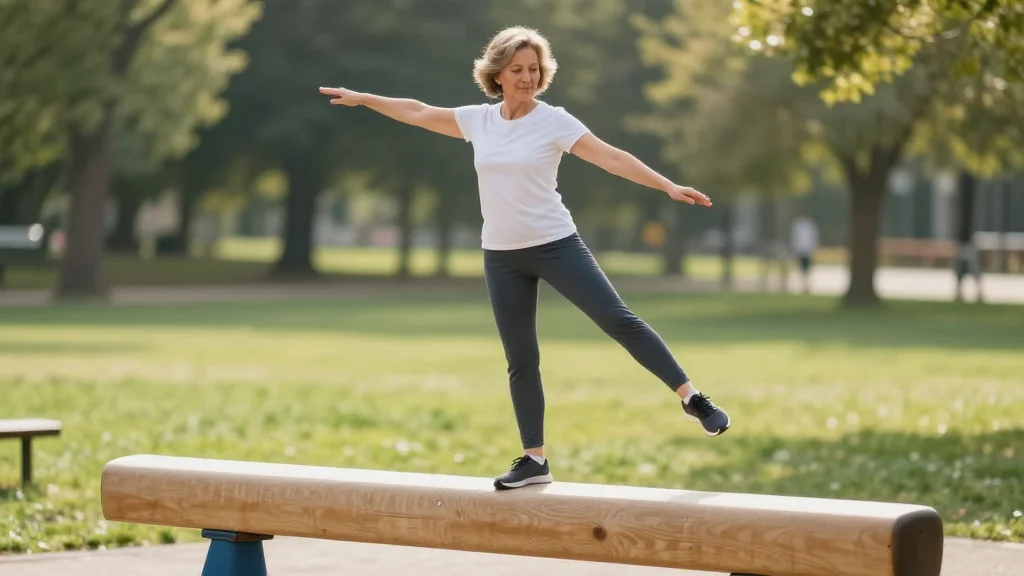
You Can Work Out Daily & Still Be Undermining This Aspect of Longevity
Why It Matters
Employers and health insurers face rising costs from fall‑related injuries and reduced productivity; addressing proprioceptive decline with simple movement interventions can mitigate these risks and extend workforce longevity.
Key Takeaways
- •Prolonged sitting degrades proprioception, increasing fall risk
- •One 45‑minute workout cannot offset eight hours of sitting
- •Micro‑movement breaks add up to 75 minutes of proprioceptive input daily
- •Desk‑friendly balance exercises improve coordination and cognitive health
- •Frequent varied movement supports long‑term mobility and independence
Pulse Analysis
Sedentary behavior has become a silent epidemic in modern offices, with workers averaging eight or more hours seated each day. While leisure‑time exercise improves cardiovascular health, recent studies reveal it does little to reverse the proprioceptive decay caused by continuous sitting. Proprioception—our internal sense of body position—relies on constant sensory feedback from muscles, joints, and tendons. When that feedback is starved, balance and coordination suffer, raising the likelihood of falls and diminishing overall functional capacity, even among otherwise fit individuals.
Corporate wellness programs are beginning to incorporate micro‑movement strategies that directly target this hidden risk. Sit‑to‑stand desks, timed stand‑up reminders, and short bouts of body‑weight exercises can collectively add up to 75 minutes of active proprioceptive stimulation per day. These interventions are low‑cost, require minimal equipment, and have been shown to improve postural control, reduce musculoskeletal complaints, and boost employee focus. By embedding balance drills—such as single‑leg stands or ankle circles—into routine tasks, companies can lower injury‑related absenteeism and lower long‑term health‑care expenditures.
The implications extend beyond immediate injury prevention. Enhanced proprioceptive function is linked to better executive function, memory, and decision‑making, creating a cognitive edge that supports productivity and innovation. As the workforce ages, maintaining spatial awareness becomes a cornerstone of longevity, preserving independence and reducing the societal burden of fall‑related care. Organizations that prioritize frequent, varied movement not only safeguard employee health but also cultivate a resilient, high‑performing talent pool capable of thriving in a dynamic, physically demanding economy.
You Can Work Out Daily & Still Be Undermining This Aspect of Longevity
Comments
Want to join the conversation?
Loading comments...