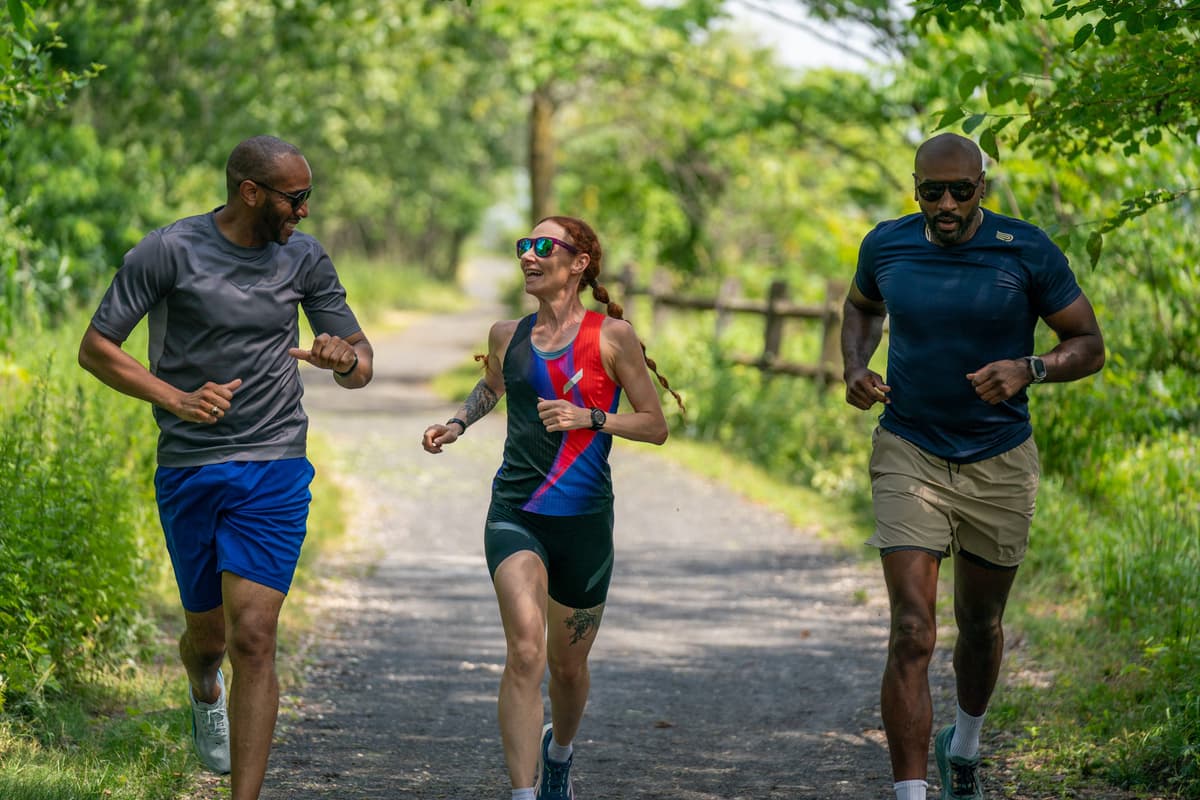
This Return-to-Running Plan Looks Almost Too Easy. That’s What Makes It So Effective.
The Omega Project’s 9‑step return‑to‑running plan uses a progressive run‑walk format to help athletes rebuild mileage after four‑plus weeks off. Physical therapists Brianne Scott and Jacob Travis stress starting with short intervals, conversational pace, and regular strength work to avoid the common pitfall of over‑loading too soon. The program outlines specific weekly step increases, soreness‑based rules, and a clear transition to base training once a 30‑minute continuous run is achieved. Clearance from a physician and a gait assessment are recommended before beginning.

Can You Support Bone Density Through Diet?
Dietitians Skylar Weir and Christina Manian stress that bone density hinges on consistent, adequate nutrition as much as strength training. They warn that chronic under‑fueling can divert essential minerals from bone, increasing fracture risk, especially in conditions like anorexia. Key...

A Cycling Coach Says You’re Probably Not Eating Enough. Here’s the Fueling Strategy That Works.
Cycling coach Marissa Axell warns that many riders over 40 underfuel, compromising performance and health. She cites a 50‑plus athlete who won her age group at the 2025 TransRockies Gravel Royale by prioritizing a structured fueling plan. The article outlines...
.png?branch=production&format=jpg&width=1024)
10 Walking Mistakes You Don't Even Realize You're Making
Walking is a simple yet powerful exercise, but subtle mistakes can blunt its health benefits. Research shows that averaging 8,700 steps a day can slash all‑cause mortality by 60% and that walking at 120‑130 steps per minute maximizes cardiovascular gains....
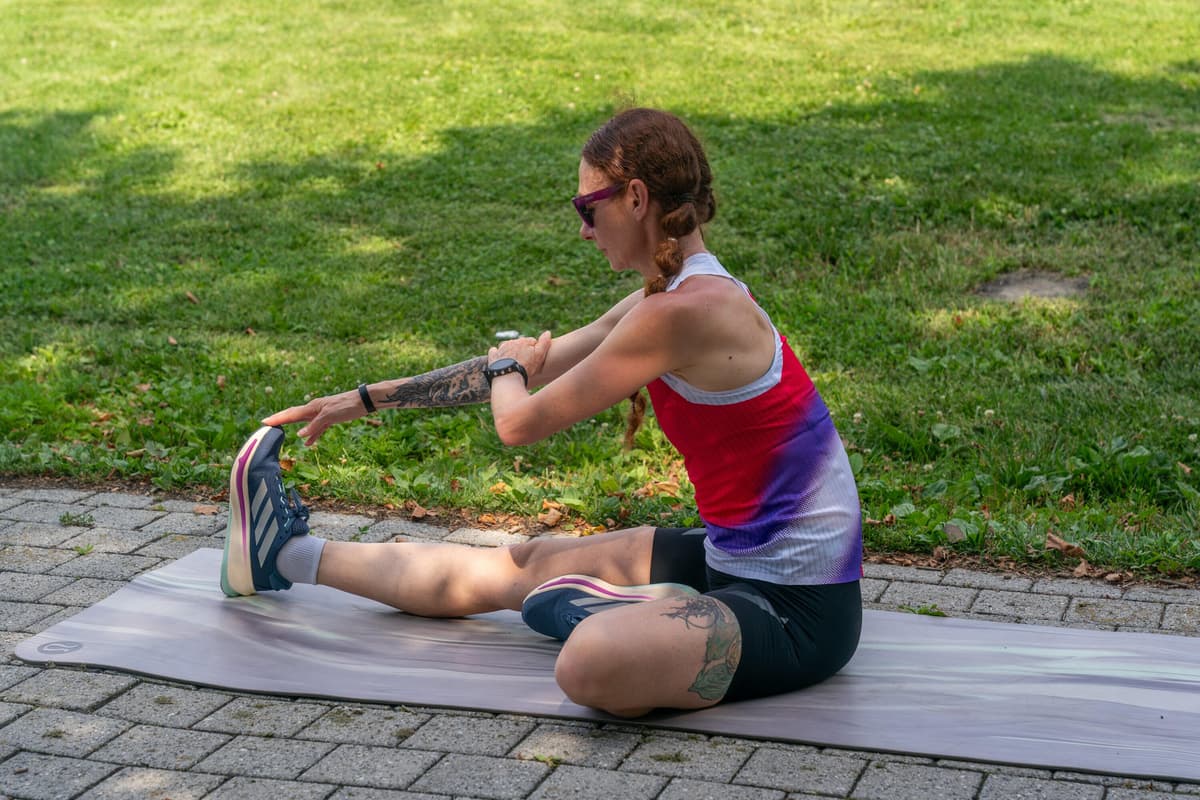
What You Do on Non-Running Days Can Boost Your Speed and Endurance—If You Follow This Advice on How to Optimize...
The article outlines how runners can turn non‑running days into performance‑boosting assets by matching off‑day activities to their weekly mileage. Coaches recommend a mix of strength training, low‑impact cross‑training, and full rest, with specific templates for three‑, four‑, five‑ and...

How Workplace Stress Hijacks the Nervous System to Cause Headaches, and a Neurologist's Guide to Managing Them
A neurologist explains how chronic workplace stress hijacks the nervous system, keeping cortisol and adrenaline elevated and lowering the pain threshold for headaches. The article details how prolonged mental activation, muscle tension, and disrupted sleep create a feedback loop that...
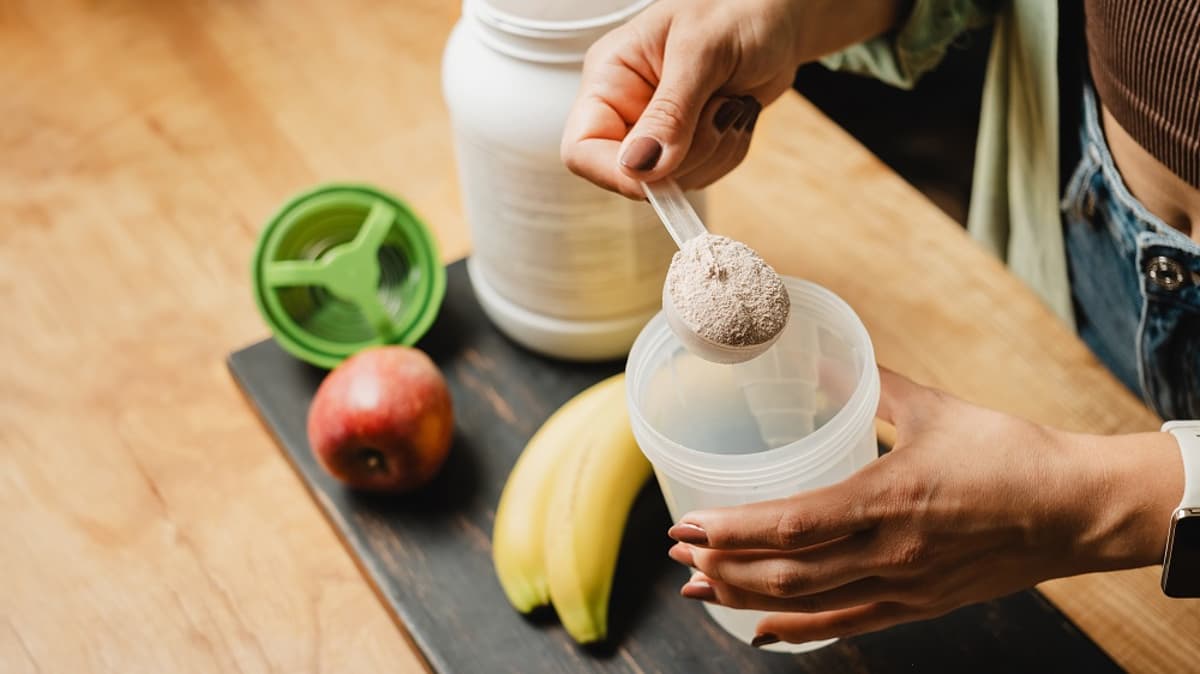
Creatine Shows Synergy With Exercise in Older Adults
Researchers in Spain examined whether creatine supplementation enhances high‑load, velocity‑intentional resistance training (HL‑VIRT) in adults around age 68. Over 16 weeks, participants who combined creatine with either elastic‑band or aquatic power training showed larger increases in brain‑derived neurotrophic factor, greater...
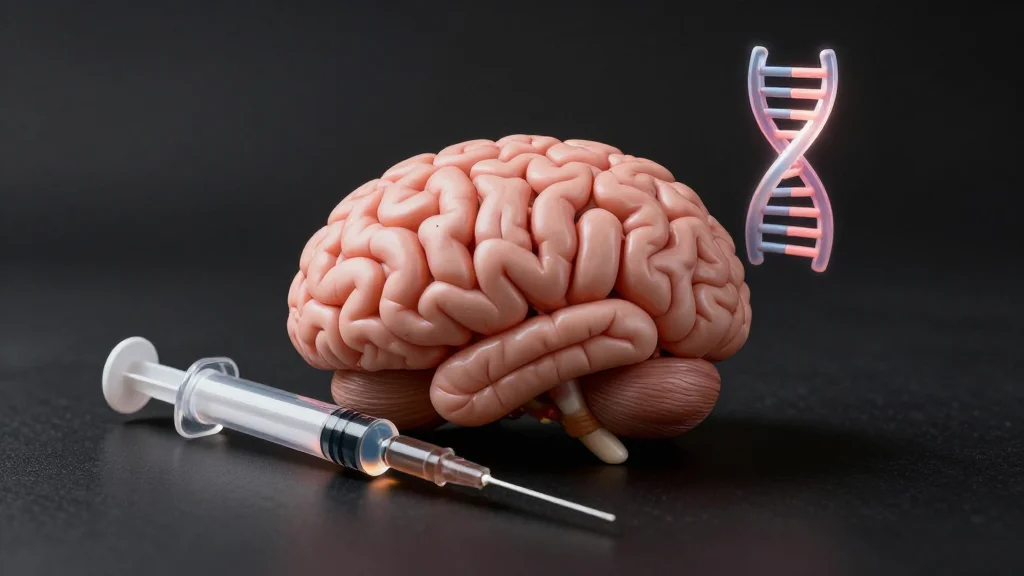
A Brain Mechanism May Help Slow Parkinson's Disease—But only in Females
Researchers identified a nicotine‑responsive receptor pathway that preserves dopamine‑producing neurons, potentially slowing Parkinson's disease progression, but the protective effect was observed only in female animal models. Using gene editing, they increased receptor availability without exposing the brain to nicotine. The...
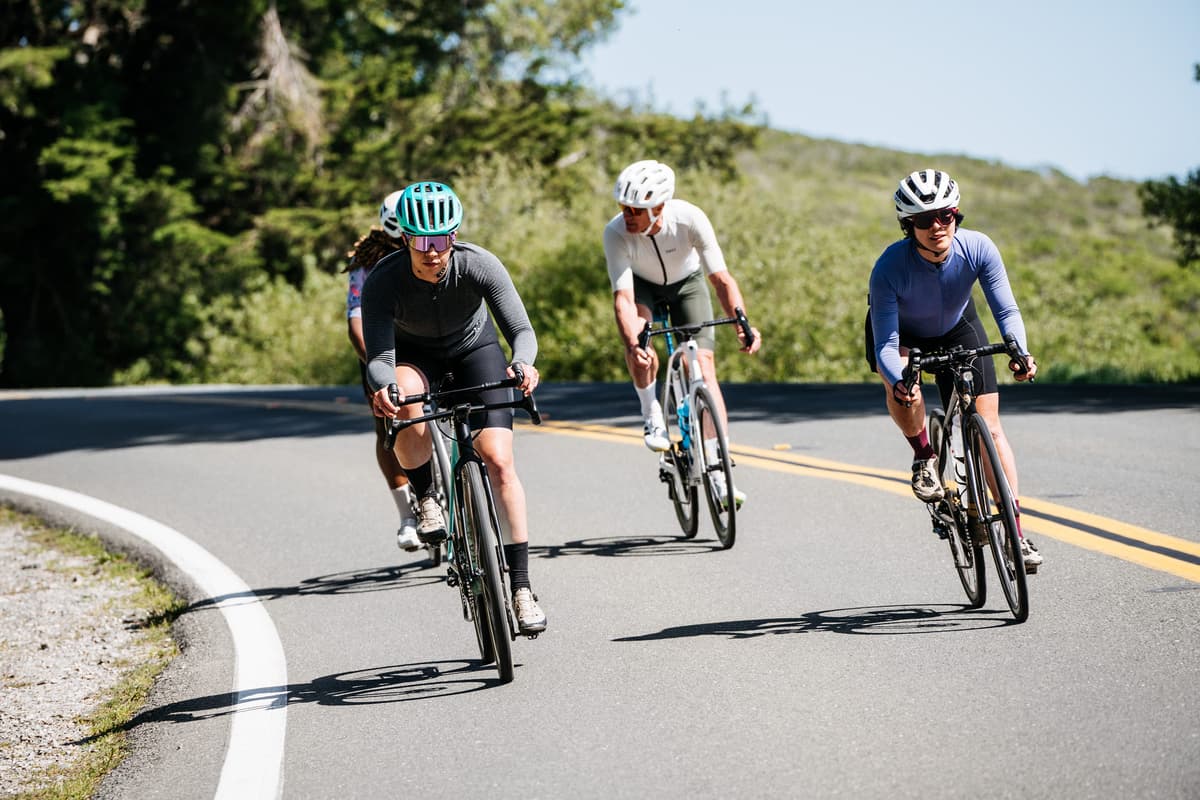
6 Transformative Benefits of Bike Riding
Daily bike riding delivers a blend of environmental, health, and productivity gains. A 20‑minute commute can satisfy the Physical Activity Guidelines, cut carbon emissions, and lower oil use, while research links cycling to reduced cancer, cardiovascular disease, and mortality risk....
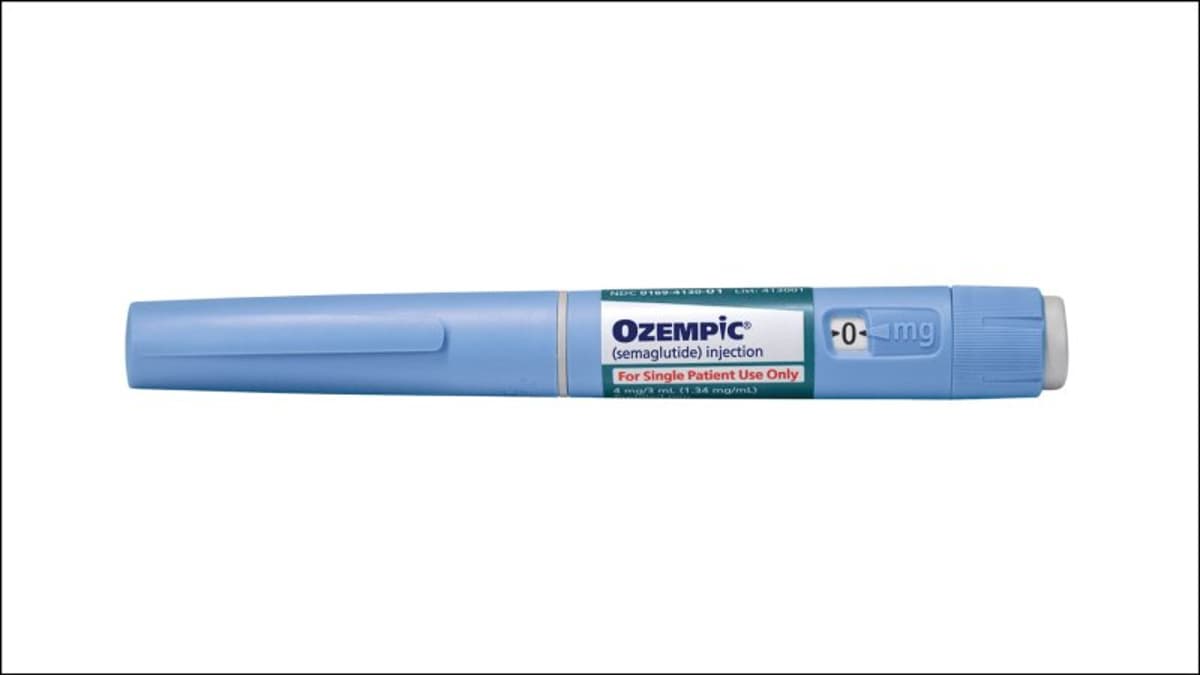
Do GLP-1 Drugs Like Ozempic Prevent Cancer?
GLP‑1 receptor agonists such as Ozempic, Wegovy, and the newly approved oral drug Foundayo have shown mixed evidence regarding cancer prevention. Some observational studies link them to lower obesity‑related cancer risk and improved survival, while other data show no association...

A Physical Therapist Guides Triathletes in Fixing Swim Breathing Problems
A physical therapist outlines five self‑assessment drills that triathletes can use to identify and correct mobility restrictions that impair swim breathing. The guide highlights limited thoracic rotation, thoracic extension, tight pecs, reduced lat/shoulder flexion, and poor cervical rotation as common...

Are Some Processed Foods Worse Than Others? Dietitians Explain How to Tell the Difference
The article clarifies that not all processed foods are unhealthy, distinguishing minimally and moderately processed items from ultra‑processed products. Dietitians advise checking ingredient length, added sugar (≤5% DV), sodium (<140 mg per serving), and the presence of protein, fiber, and key...

Functional Nutrition Tips for Maintaining Optimal Cellular Health in 2026
The Healthcare Guys’ 2026 guide outlines functional‑nutrition strategies that directly support cellular health, the foundation of energy, immunity and cognition. It identifies key nutrients—phospholipids, omega‑3s, magnesium, B‑vitamins, CoQ10 and antioxidants—that modern, calorie‑dense diets often lack. The article recommends whole‑food sources,...

Man Destined for Alzheimer's May Have Been Saved by Accidental Therapy
A U.S. mechanic with a hereditary Presenilin 2 mutation, which normally guarantees early‑onset Alzheimer’s, has so far avoided the disease. Researchers suspect his inadvertent exposure to extreme heat in ship engine rooms may have triggered protective biological responses. The case aligns...
Man Destined to Get Alzheimer’s Saved by Accidental Heat Therapy
Doug Whitney, who carries the high‑risk Presenilin 2 mutation that typically triggers early‑onset Alzheimer’s in the late 40s, has remained symptom‑free into his 50s. Researchers suspect his prolonged exposure to extreme heat while working as a ship‑engine mechanic provided an accidental...
![[Comment] Colonoscopy, Cancer Prevention, and the New Arithmetic of Benefit](https://hixhlmpcokxhartfkpyi.supabase.co/storage/v1/object/public/images/thumbnails/9c40ab18f39b6e9571bc1fd179f4f703.webp)
[Comment] Colonoscopy, Cancer Prevention, and the New Arithmetic of Benefit
Colonoscopy has long been hailed as the gold‑standard for colorectal cancer screening, with observational studies suggesting it cuts incidence and mortality by at least 50%. The 13‑year follow‑up of the NordICC randomised trial, however, shows a modest 18% reduction in...
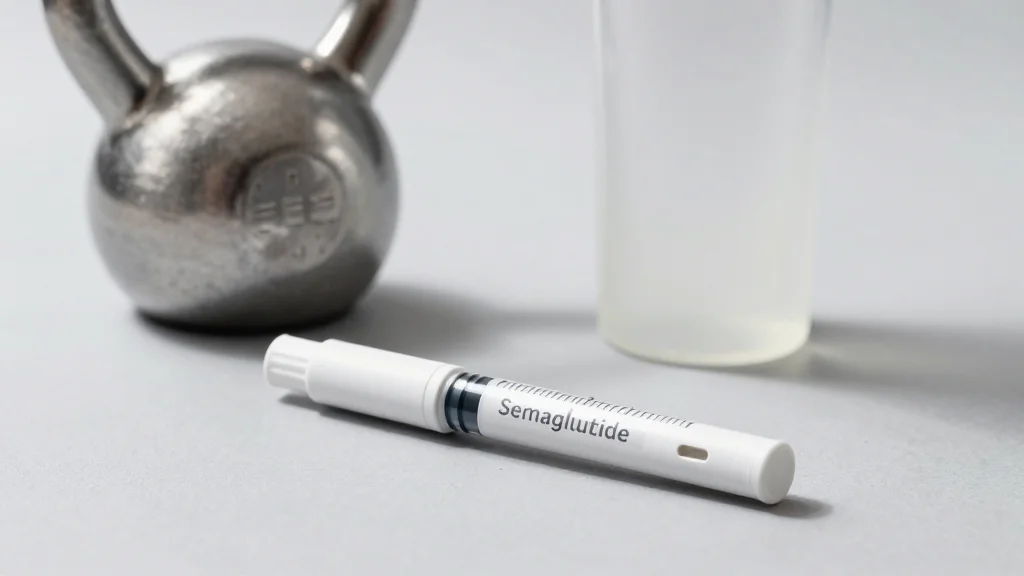
Taking GLP-1s? Make Sure You Exercise
GLP‑1 drugs such as semaglutide and Wegovy accelerate weight loss but can also erode muscle if not paired with exercise. Endocrinologist Dr. Anira Iqbal advises a mixed routine of strength, aerobic, plyometric and flexibility work to protect lean tissue and boost...
Body Mass Index and Dietary Intake as Nutritional Determinants of Sarcopenia in Older Adults
A retrospective study of 360 adults aged 60 and older found that 11.4% met sarcopenia criteria. Lower body‑mass index, reduced daily energy, protein, and dietary fiber intakes were each independently linked to higher odds of sarcopenia after adjusting for age,...

How 'Digital Twins' Could Help Predict the Fate of a Forest
Michigan State University researchers created a digital twin of a loblolly pine stand using lidar and AI. The model captured 90% of the 3,555 trees on a 7.5‑acre site and simulated thinning scenarios, revealing that shifting the starting row can...
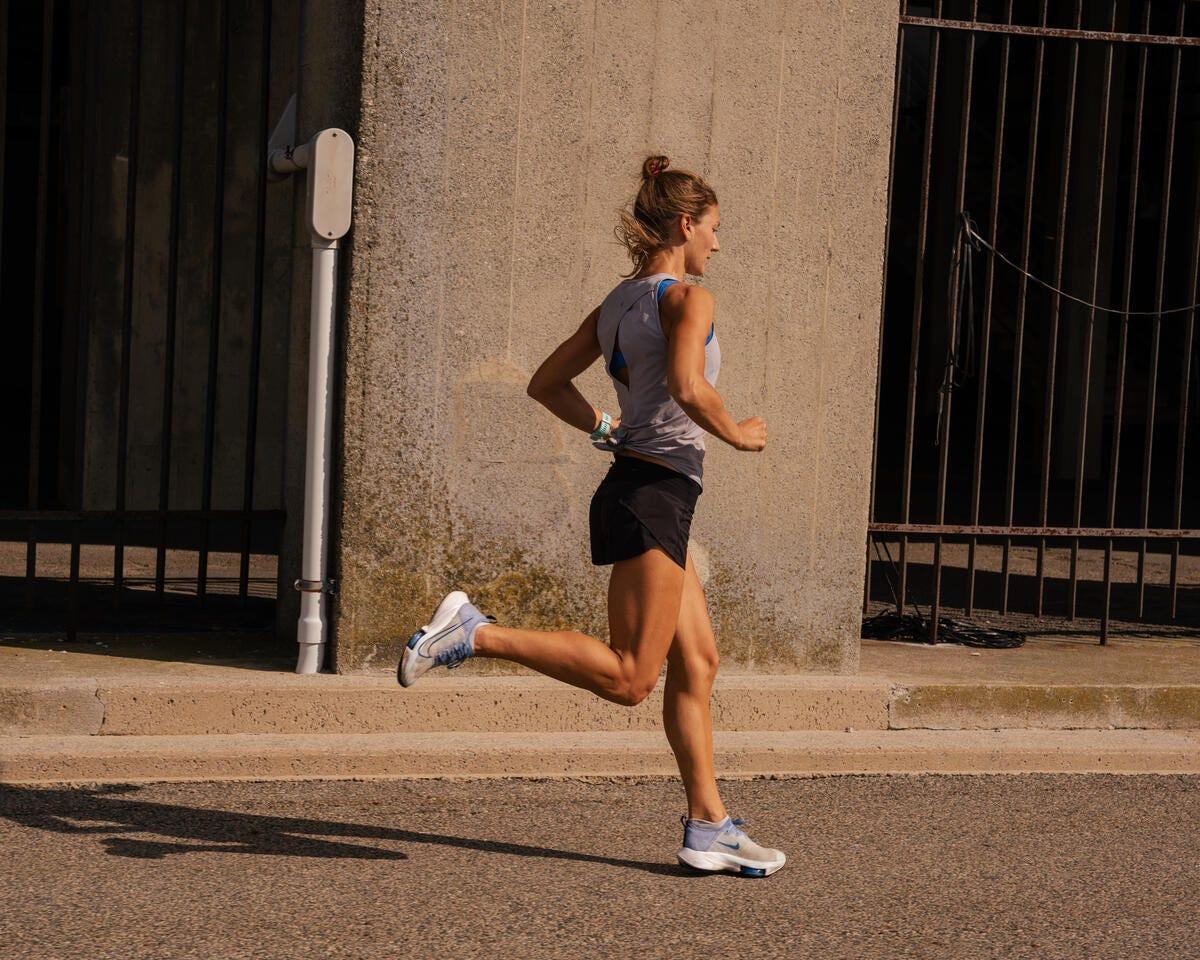
The Warmup Hack You Need to Actually Hit Your Threshold Pace
Runner’s World highlights a simple warm‑up tweak that helps athletes lock into their threshold pace before interval sessions. Coach and Olympian Marius Bakken recommends adding a 3‑5‑minute threshold effort after a standard 10‑20‑minute jog to gauge readiness. Based on heart‑rate...
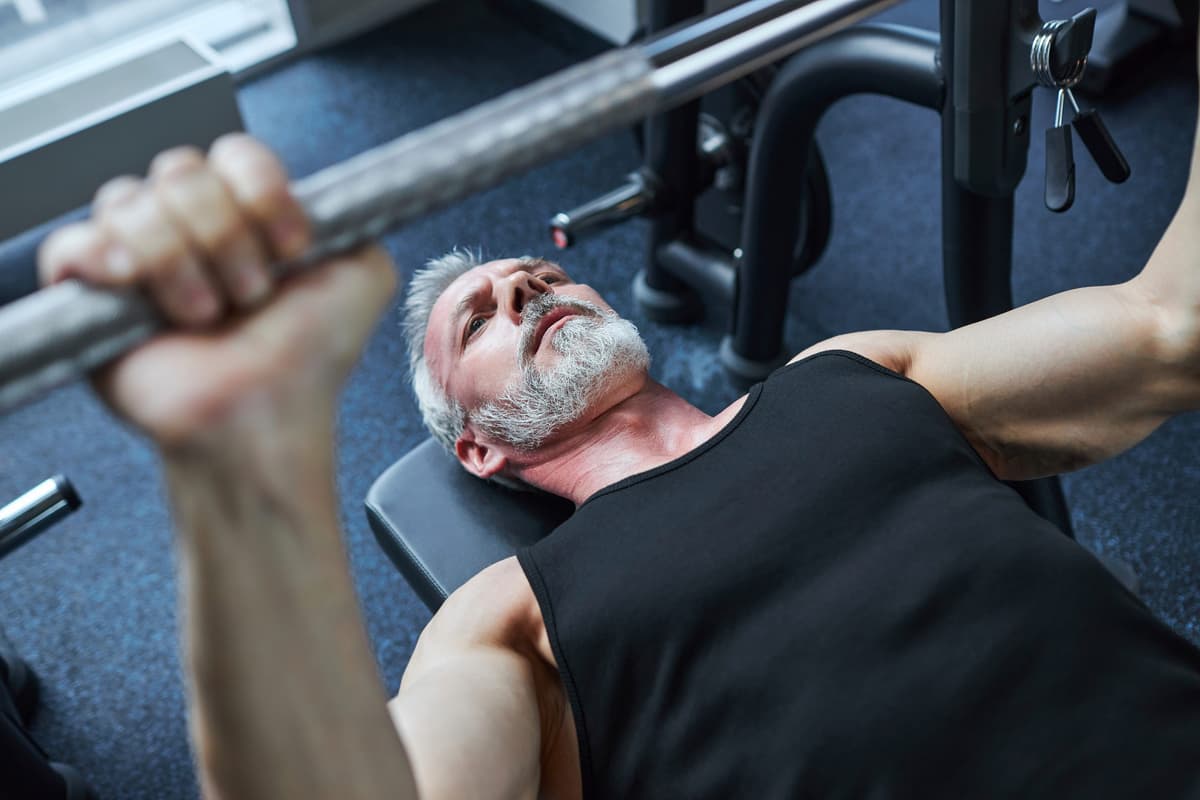
The Fitness Blind Spot That Catches Cyclists After 50
Older cyclists often mistake high mileage for complete fitness, overlooking the strength and bone‑density gaps that riding alone creates. After age 50, the body’s ability to retain muscle mass and skeletal load diminishes, making strength deficits more apparent in climbs,...

How to Gradually Increase Your Cycling Distance as a New Rider
Cycling coaches stress that new riders should increase mileage and intensity by no more than 10‑15% each week to prevent overuse injuries and overtraining. Beginners start with 30‑minute rides three to four times weekly, then add minutes or harder intervals...

Needle-Free Diabetes Care: 6 Devices that Painlessly Monitor Blood Sugar
Needle‑free glucose monitors are moving from research labs to commercial shelves, with six innovative devices highlighted for their non‑invasive approaches. Abbott’s FreeStyle Libre remains the market leader for interstitial sensing, while newcomers such as Occuity Indigo, D‑Pocket, Light Touch Technology,...

At What Age Do Long-Distance Triathletes Peak?
Analysis of a decade of Ironman and Ironman 70.3 results shows the sweet spot for peak performance lies in the early‑30s. Both men and women achieve their fastest overall times in the 30‑34 age bracket for full‑distance races, while 70.3...

Can You Live Longer By Drinking More Coffee? What A New Study Concludes
A new review in the journal Nutrients consolidates decades of cohort data, concluding that drinking roughly 3.5 cups of coffee daily (about 28 ounces) is associated with the greatest longevity benefit. The analysis links regular coffee intake to a 15% lower...
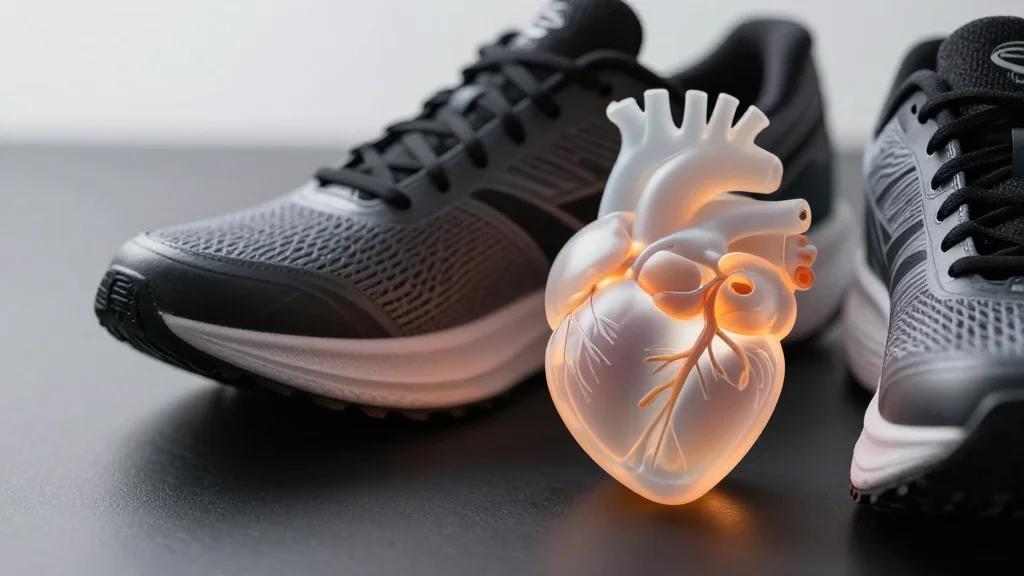
High-Intensity Interval Training Shows Strongest Vascular Benefits in Cardiovascular Patients
Researchers at Miguel Hernández University and ISABIAL conducted a systematic review and network meta‑analysis of 37 trials involving 6,818 patients with coronary artery disease or chronic heart failure. The analysis found high‑intensity interval exercise (HIIE) produced the largest gains in...

What Is Fartlek Training?
Fartlek, Swedish for “speed play,” is a flexible running workout that alternates faster bursts with easy jogs without preset intervals. Dr. Leonardo Oliveira explains the method lets runners adjust pace on the fly, using landmarks or perceived effort. The approach...
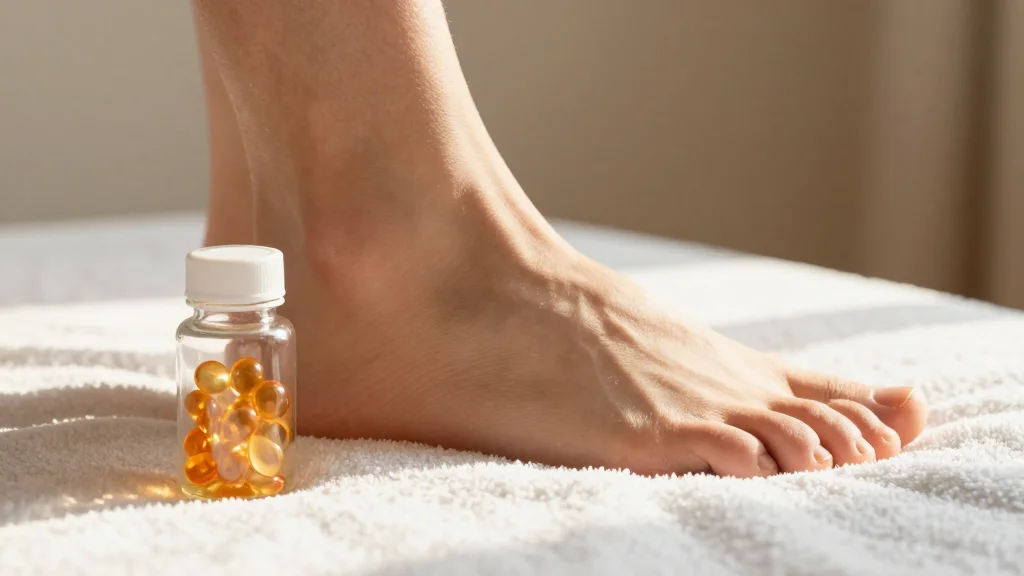
Re: Advances in the Pathophysiology and Treatment of Diabetic Peripheral Neuropathy
In a recent BMJ rapid response, GP Peter J. Lewis highlights that the latest state‑of‑the‑art review on diabetic peripheral neuropathy (DPN) omitted a growing body of evidence linking vitamin D deficiency (VDD) to the condition. He cites studies showing that roughly...
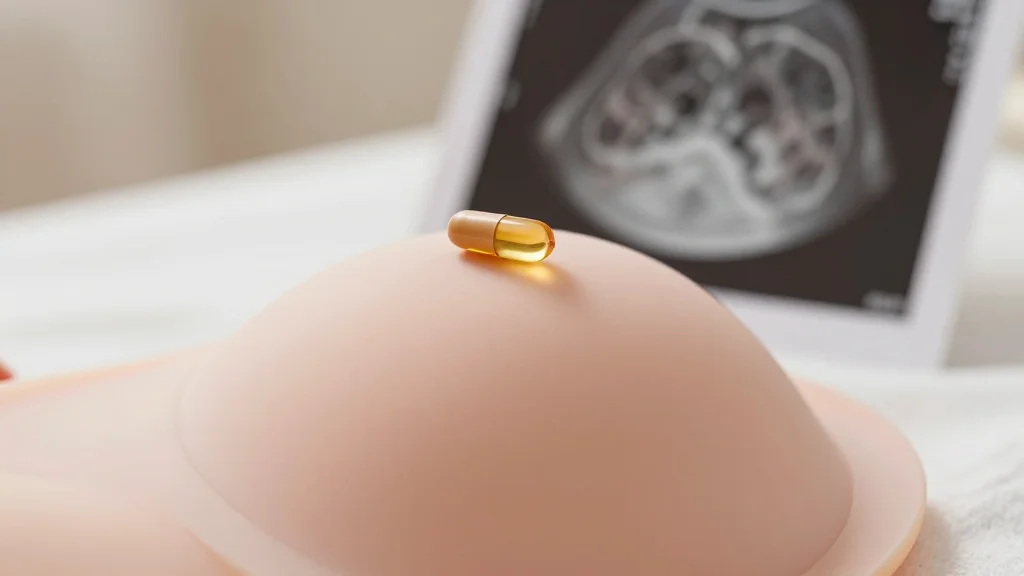
Low-Dose Drug Cuts Breast Density up to 26% with Fewer Side Effects
A Karolinska Institutet study found that low‑dose endoxifen, the active metabolite of tamoxifen, reduces mammographic breast density by up to 26%—comparable to the 18.5% reduction seen with standard 20 mg tamoxifen—while causing far fewer serious side effects. In a randomized, placebo‑controlled...
Exercise Is One of the Most Effective Ways to Treat Parkinson's Disease
Exercise is emerging as one of the most effective ways to slow Parkinson's disease progression, according to UNLV researchers. Interim dean Merrill Landers highlights aerobic activity’s ability to raise brain‑derived neurotrophic factor (BDNF) and curb neuroinflammation. His team measures blood...
Creatine Is Claimed to Benefit Body and Mind: The Potential Benefits and Limitations of the Popular Supplement
Creatine, a naturally occurring compound, is the most studied dietary supplement for enhancing high‑intensity performance and supporting cellular energy via phosphocreatine. Recent analyses highlight its ability to improve muscle power, sprint output, and, in certain groups, cognitive functions such as...

Even a Little Alcohol Here and There Damages Brain Health, Study Shows
A Stanford-led MRI study of 45 healthy adults found that even low‑level, "low‑risk" alcohol consumption is associated with reduced cerebral blood flow, especially in the frontal and temporal lobes. The effect intensifies with age, with older participants showing broader perfusion...

Natural Daylight in the Office Helps People with Type 2 Diabetes Control Blood Sugar
Researchers at the German Diabetes Center found that office workers with type‑2 diabetes who spent their daytime in natural daylight spent a larger share of the day (51 %) within a healthy glucose range, compared with 43 % under standard artificial lighting....
Liquid Biopsy Predicts Response to Breast Cancer Immunotherapy
Researchers at Vanderbilt-Ingram Cancer Center demonstrated that serial liquid biopsies analyzing peripheral blood RNA can predict response to pembrolizumab in high‑risk early‑stage HER2‑negative breast cancer. The study examined 546 blood samples from 160 patients in the I‑SPY2 trial, showing transcriptional...
Mechanical Load Inhibition of Heart Neoplastic Growth
A recent Science paper showed that mechanical load, via nesprin‑2 overexpression, blocks neoplastic growth in mouse and human heart tissue. In a BMJ rapid response, Giovanni Di Guardo proposes extending this concept to skeletal and smooth muscle tumors such as pediatric...

Stopping and Restarting Certain GLP-1s to Lose Weight May Make the Drug Less Effective
A preclinical study from the University of Pennsylvania found that stopping and restarting GLP‑1 weight‑loss drugs, such as semaglutide, markedly diminishes their efficacy. Overweight mice on a stop‑and‑start regimen regained weight during off periods and never recaptured their initial loss,...

Not Sure of Your Threshold Pace? This Is the Best Way to Find It, According to Research and Coaches
Running at threshold pace—often called lactate threshold or LT2—delivers the most efficient endurance gains, but only when the pace is spot‑on. Experts Kaitlyn Baird (Hospital for Special Surgery) and Gab Reznik (ToneHouse) argue that a 30‑minute time trial is the...

Treadmill Vs. Dumbbells — One Is Dramatically Better For Blood Sugar
A new preclinical study using mice on a high‑fat diet found that resistance training outperformed running in improving insulin sensitivity and reducing both visceral and subcutaneous fat. Over eight weeks, weight‑trained mice showed superior glucose tolerance and molecular adaptations that...
7 Tips To Optimize Your Walks & Improve Healthspan All At Once
Chiropractic physician Courtney Conley, co‑author of the new book *Walk*, outlines seven biomechanical and timing tweaks that turn ordinary strolling into a health‑optimizing habit. She stresses natural arm swing, upright posture, soft heel‑to‑toe roll, and a brisk cadence of 130‑135 steps...

ŌURA Closes the Hormonal Health Data Gap
Oura announced two new women’s health experiences—Hormonal Birth Control support and Menopause Insights—rolling out globally on May 6. The Hormonal Birth Control feature extends Cycle Insights to show how pills, patches, IUDs and other methods influence temperature, sleep, recovery and bleeding...
What Really Drives Body Recomposition — And It’s Not More Cardio
Recent fitness research debunks the myth that cardio alone drives fat loss, highlighting nutrition—especially protein—and resistance training as the primary levers of body recomposition. Adequate protein supports muscle preservation while calorie balance fuels fat reduction. Strength training signals the body...
New Study Shows Doing This During Your Walk Can Boost Strength & Stamina
A recent 12‑week study of roughly 100 frail and prefrail seniors found that increasing walking cadence by just 14 steps per minute – roughly a 10‑15% boost – markedly improved functional performance on the 6‑minute walk test. Participants who walked...

This Small Change At Home Improved Brain Performance In Just 4 Weeks
A randomized crossover study of 119 adults aged 30‑74 found that using a HEPA air purifier at home for one month improved executive‑function speed by 12% in participants over 40, compared with a sham device. The improvement was measured with...

Dietary Fats Shape Pancreatic Cancer Risk via Ferroptosis
Researchers at Yale School of Medicine published a study in Cancer Discovery showing that the type of dietary fat, not just total fat, influences pancreatic ductal adenocarcinoma development in mice. Diets high in oleic acid, a monounsaturated fat common in...

Best Red Light Therapy Devices of 2026, Tested and FDA-Cleared
Red‑light therapy’s market is booming, growing from $421 million in 2024 to $444 million in 2025 and projected to reach $658 million by 2032. CNET tested five FDA‑cleared devices across facial, eye, hair‑growth, neck and full‑body categories, highlighting Shark CryoGlow’s combined LED‑cryotherapy mask,...

Three Curious Animal Strategies for Immortality by Gunnar De Winter
The article explores three natural anti‑aging strategies observed in animals: the immortal jellyfish that can revert to a juvenile stage, the Greenland shark whose cold‑adapted, slow metabolism supports a lifespan of up to five centuries, and the Hydra’s ability to...

It’s Time to Take Genetic Testing Off the Pedestal
Genomic testing, once a specialist‑only tool, is now technologically mature and affordable, yet it remains underused in routine care. Advances in sequencing speed, AI‑driven interpretation, and large data sets have removed most technical barriers. Patients are increasingly seeking molecular insights,...

High-Intensity Exercise After Breast Cancer Surgery May Help Speed Recovery
A recent study presented to the American Society of Breast Surgeons found that high‑intensity resistance training can accelerate recovery after breast‑cancer surgery. Nearly 200 women who had lumpectomies, mastectomies or lymph‑node removals completed a three‑month program, lifting up to 200 lb....
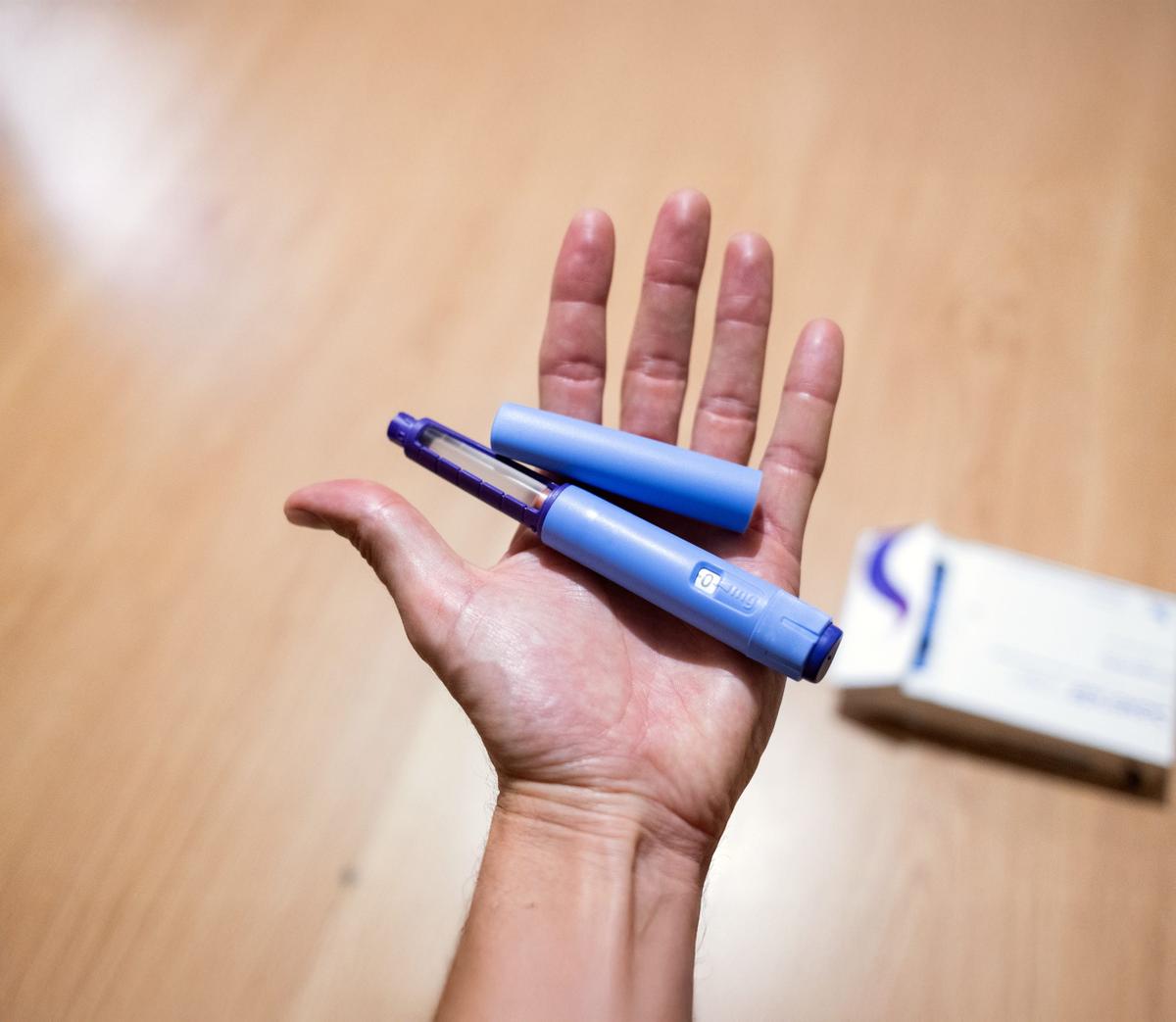
Cycling for Weight Loss: GLP-1s
GLP‑1 medications like Wegovy and Ozempic are increasingly used for weight loss, but they can blunt hunger and thirst signals, making proper fueling critical for cyclists. Bicycling’s guide, hosted by Ryan Grewell and nutritionist Namrita Brooke, outlines how to combine...

The Expert on 'Super Aging' Breaks Down the Science — and Grift — in Anti-Aging
Cardiologist Eric Topol argues that the anti‑aging boom should shift from chasing longevity to extending health span, the years free of major disease. His research on “Super Agers” over 80 showed genetics play a modest role, while exercise, sleep, social...