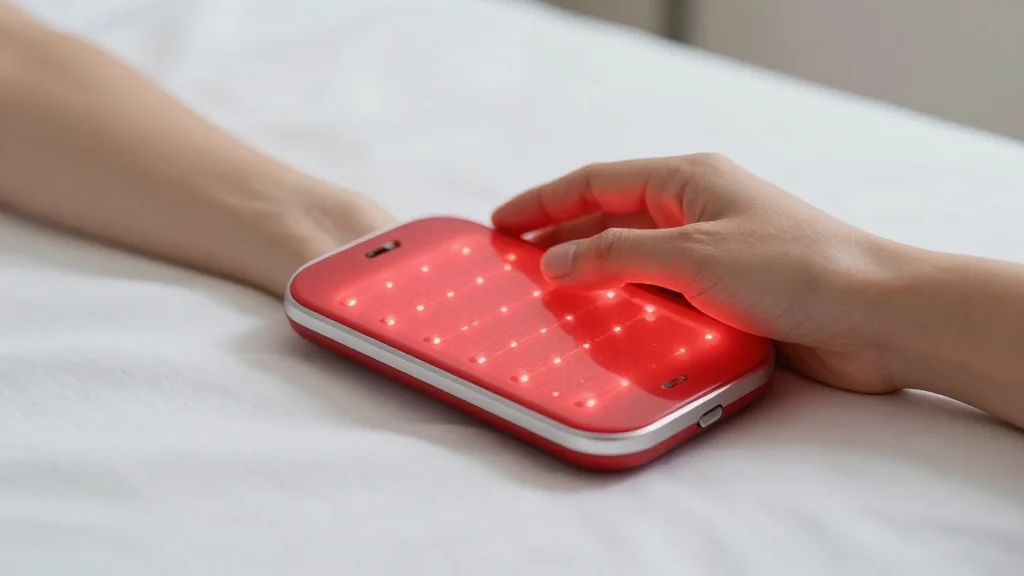
Can Red Light Therapy Really Deliver a Beauty and Health Glow-Up? Here's the Science
Why It Matters
The therapy’s mixed evidence shapes a multi‑billion‑dollar consumer market and influences clinical guidelines, making clear product standards crucial for both shoppers and healthcare providers.
Key Takeaways
- •FDA‑cleared devices are safe but not automatically effective
- •Red light modestly improves pattern hair loss and oral mucositis
- •Skin benefits are less dramatic than professional laser treatments
- •Wavelengths 620‑1072 nm penetrate deeper and drive efficacy
- •Buyers should demand third‑party optical testing and eye protection
Pulse Analysis
Red light therapy, or photobiomodulation, has moved from laboratory benches in the 1960s to a sprawling consumer market worth billions of dollars. The core mechanism—stimulating mitochondrial activity with wavelengths between 620 and 1,072 nm—has credible clinical backing for specific conditions such as androgenetic alopecia, oral mucositis in cancer patients, and certain ulcerations. Peer‑reviewed studies and a 2025 consensus panel highlight measurable hair‑density gains and accelerated wound healing, while the FDA has cleared devices for age‑related macular degeneration and fibromyalgia pain relief. However, the evidence for skin rejuvenation, acne reduction, or systemic benefits like sleep improvement remains modest, often lagging behind prescription‑grade laser peels and topical retinoids.
The rapid proliferation of at‑home panels, masks and caps has created a "Wild West" environment where marketing outpaces rigorous validation. Many products tout FDA clearance, which only confirms safety, not therapeutic potency. Experts advise shoppers to verify independent certifications—such as UL or Intertek—and request third‑party optical testing that confirms the correct wavelength and sufficient irradiance. Proper eye protection is essential, as prolonged exposure can risk retinal damage, and users with melasma should monitor pigmentation changes. Selecting a device tuned to the intended application—630‑800 nm for hair, 620‑1,072 nm for deeper skin layers—maximizes the chance of real benefit.
For businesses, the key challenge lies in balancing consumer demand for convenient, non‑invasive wellness tools with the need for evidence‑based product claims. Companies that invest in transparent testing, clear labeling and post‑market studies can differentiate themselves and potentially secure partnerships with healthcare providers. Meanwhile, clinicians can leverage the therapy as an adjunct, especially for conditions where conventional treatments are limited or carry higher risk. As research continues to clarify dosage parameters and long‑term outcomes, red light therapy is poised to remain a niche yet growing segment of the broader health‑tech ecosystem.
Can red light therapy really deliver a beauty and health glow-up? Here's the science
Comments
Want to join the conversation?
Loading comments...