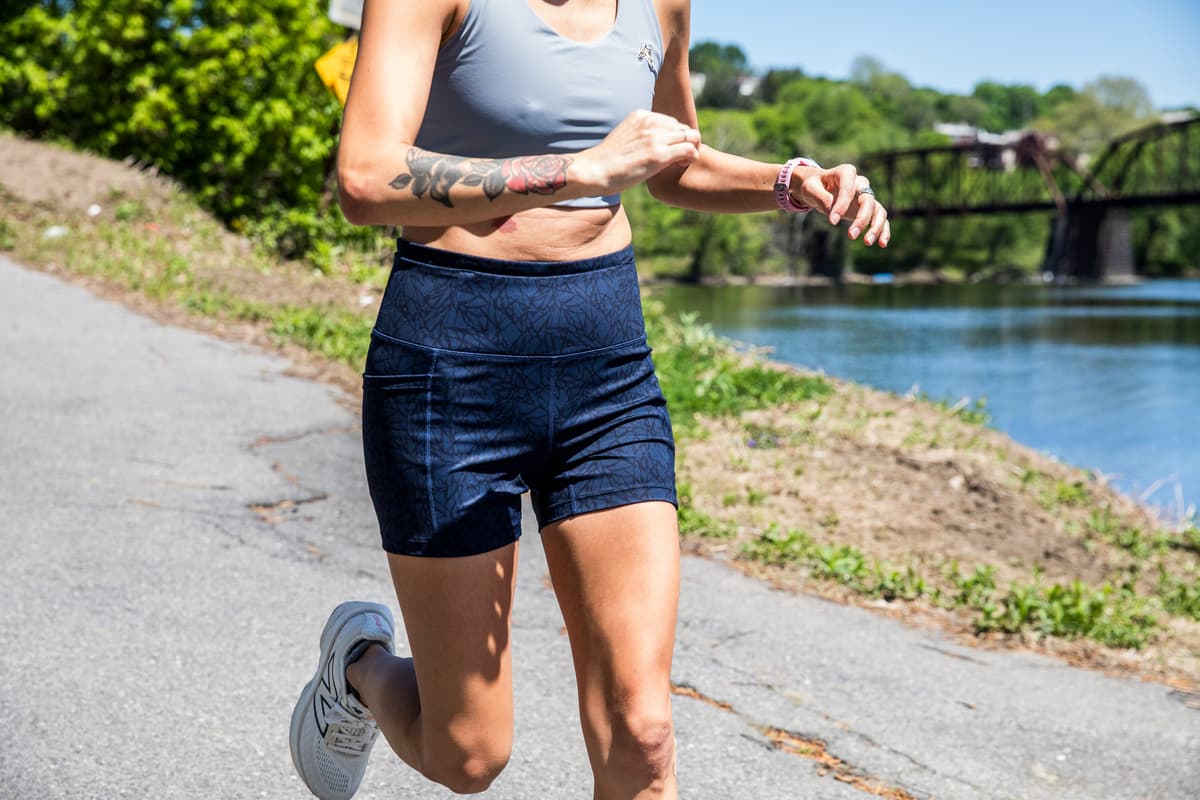
High-Waisted Bottoms Are Hot Right Now. But Should You Be Running in Them?
Why It Matters
Tight waistbands can compromise pelvic health and running efficiency, turning a fashion statement into a performance liability for athletes of all genders.
Key Takeaways
- •High-rise tights can compress pelvic floor, causing dysfunction
- •Symptoms include bladder leakage, hip ache, constipation, and reduced breathing
- •Medium compression with looser waistband reduces pressure while supporting muscles
- •Alternating with shorts helps strengthen core and alleviate pelvic strain
- •Dr. Liles recommends hand‑in‑waistband test for proper fit
Pulse Analysis
The high‑rise clothing wave has swept the running community, offering a sleek silhouette that sits above the belly button. While the look appeals to many, recent research suggests that a waistband that hugs too tightly can create a constrictive force similar to a tourniquet, pressing down on the pelvic floor. For runners, whose stride relies on coordinated core and lower‑body muscles, this added pressure can disrupt natural biomechanics and reduce overall comfort during long miles.
The pelvic floor is a network of muscles that supports the bladder, bowel, and reproductive organs, and it works in concert with the abdomen, hips, and glutes during each footstrike. When a tight waistband forces the pelvis upward, it can over‑activate these muscles, leading to fatigue, leakage, hip heaviness, and even constipation. Men may notice urinary difficulty or erectile issues, while women often report bladder leakage. Moreover, the compression limits diaphragmatic expansion, encouraging shallow breaths that increase the likelihood of side stitches and diminish oxygen intake—critical factors for endurance performance.
Dr. Amaya Liles recommends a pragmatic approach: select tights with medium‑to‑light compression and a waistband that yields to a hand placed inside. Alternating with athletic shorts during training allows the pelvic floor to recover while core‑strengthening exercises are emphasized. Brands like Old Navy’s PowerSoft line provide the right balance of support without excessive pressure. By prioritizing fit over fashion, runners can safeguard pelvic health, maintain optimal breathing, and ultimately improve race times.
High-Waisted Bottoms Are Hot Right Now. But Should You Be Running in Them?
Comments
Want to join the conversation?
Loading comments...