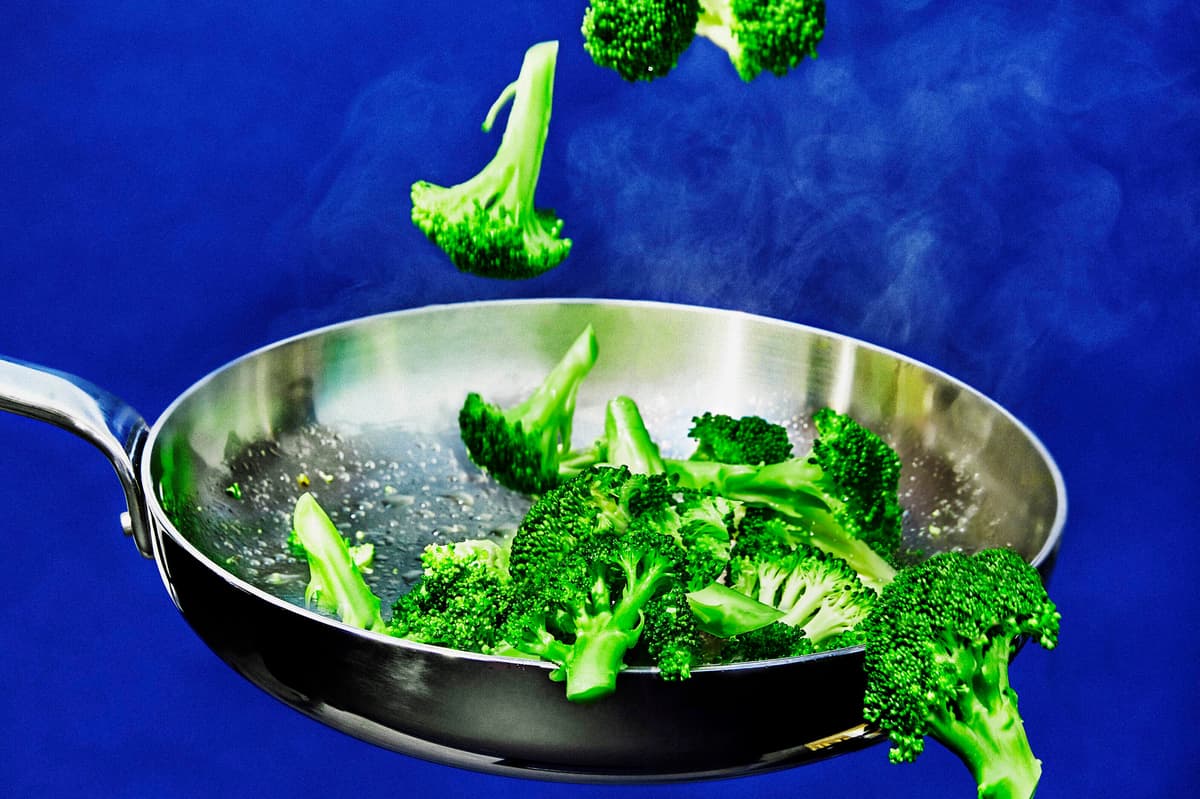
Cooking at Home Can Help Cut Dementia Risk
Why It Matters
If the association holds, encouraging regular home cooking could become a scalable, inexpensive strategy to curb dementia incidence, easing future healthcare burdens.
Key Takeaways
- •Cooking once weekly cuts dementia risk by about 30%
- •Benefit rises to 67% for individuals with low cooking skills
- •Meal preparation engages planning, sequencing, physical activity, and nutrition
- •Even simple recipes can provide meaningful cognitive stimulation
Pulse Analysis
The recent analysis published in the Journal of Epidemiology & Community Health examined data from the Japan Gerontological Evaluation Study, tracking almost 11,000 seniors over six years. Participants who reported cooking a meal from scratch at least once a week faced a 30% lower incidence of dementia compared with those who cooked less frequently. Notably, the risk reduction jumped to 67% among respondents who rated their cooking abilities as modest, suggesting that the mental challenge of learning and executing new recipes may be a key driver of the protective effect.
Why does the kitchen become a cognitive gym? Cooking demands a cascade of executive functions—planning a menu, sequencing steps, timing, and adjusting on the fly—mirroring the mental tasks that decline in early dementia. The physical component, from chopping vegetables to stirring pots, adds aerobic and strength elements that further support brain health. Moreover, the act of shopping for ingredients introduces social interaction and exposure to fresh, nutrient‑dense foods, both linked to lower neurodegeneration risk. While baking may amplify these benefits through precise measurements, even simple stovetop dishes engage the same neural pathways.
For policymakers and health practitioners, the findings point to a low‑cost, culturally adaptable intervention: promote cooking classes, community kitchens, and recipe‑sharing platforms tailored to older adults. However, researchers caution against assuming causality; individuals who remain independent enough to cook may already possess better baseline cognition. Future studies should isolate the dietary versus cognitive contributions and test whether structured cooking programs can replicate the observed risk reductions. In the meantime, encouraging seniors to experiment with new recipes—or to join group cooking activities—offers a pragmatic way to keep both mind and body active.
Cooking at Home Can Help Cut Dementia Risk
Comments
Want to join the conversation?
Loading comments...