Biohacks or Basics? What Actually Works in Exercise Recovery
Why It Matters
Consumers and investors need clarity on which recovery services deliver real performance gains versus perceived comfort, shaping spending decisions and industry growth. The distinction influences health outcomes, insurance coverage and the future direction of wellness technology.
Key Takeaways
- •Cryotherapy has solid evidence reducing soreness after intense workouts
- •Sleep, nutrition, hydration remain most effective recovery fundamentals
- •Red‑light therapy shows modest, short‑term benefits, evidence limited
- •Compression boots mimic immersion; outcomes similar to simple garments
- •AI‑driven personalized recovery tools emerging, complementing basic strategies
Pulse Analysis
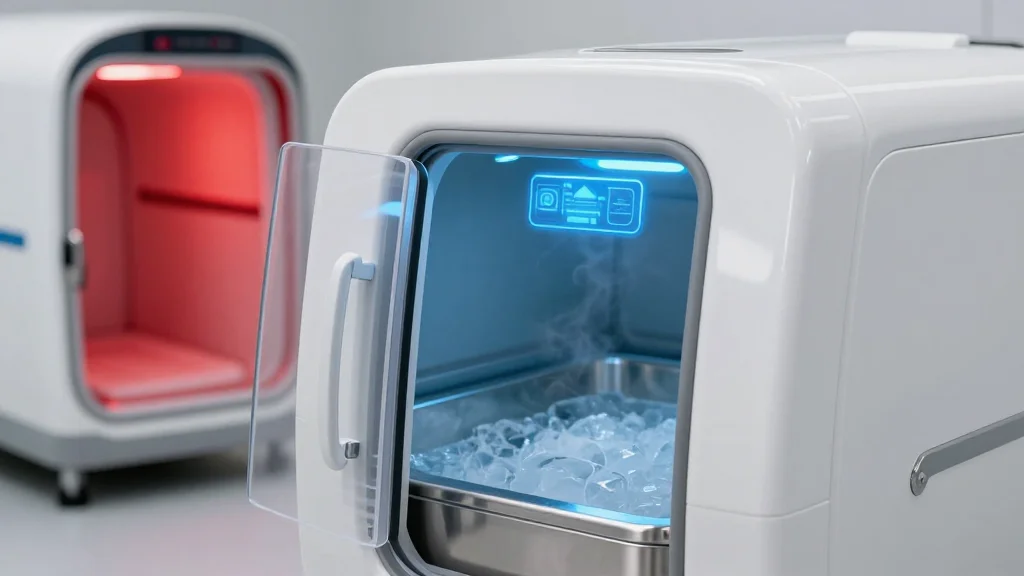
The recovery market is undergoing a rapid upscale as boutique facilities proliferate across the United States, offering ice baths, red‑light pods, compression chambers and hyper‑baric oxygen rooms. Aggressive branding targets affluent millennials and Gen‑Z athletes, promising faster adaptation without extra training. While the experience‑driven model commands premium fees, the underlying question is whether these modalities deliver measurable physiological gains or merely a placebo‑induced sense of well‑being. Understanding the science behind each service is essential for consumers, insurers, and investors who are navigating a landscape where perception often outpaces proof.
Scientific consensus still favors the low‑cost fundamentals: quality sleep, balanced nutrition, adequate hydration and strategic rest. Cryotherapy and cold‑water immersion enjoy robust data showing reduced muscle soreness and inflammation after high‑intensity sessions, though chronic use may blunt training adaptations. Compression boots replicate hydrostatic pressure effects, yet comparable results can be achieved with simple garments or elevation. Red‑light therapy, despite widespread hype, has produced only modest, short‑term improvements in perceived recovery, with limited impact on objective performance markers. Hyper‑baric oxygen remains an expensive adjunct with mixed outcomes, best reserved for specific injuries.
Looking ahead, artificial‑intelligence platforms promise real‑time, individualized recovery protocols by integrating sleep metrics, training load, stress and nutrition data. Early pilots of AI‑driven assistants suggest they can recommend whether a user should prioritize a cold plunge, a compression session, or simply an extra night of sleep based on available resources. Exoskeletons and smart wearables may further blur the line between training and recovery. Nevertheless, industry analysts agree that technology will remain a supplement; the core pillars of recovery—rest, fuel and hydration—are unlikely to be displaced by any gadget.
Biohacks or basics? What actually works in exercise recovery
Comments
Want to join the conversation?
Loading comments...