
Translating Claude’s Thoughts Into Language
Anthropic unveiled a new research method that converts Claude’s hidden activation patterns into plain-language descriptions, shedding light on the model’s internal reasoning. In a stress test, Claude was told an engineer planned to shut it down and was given the engineer’s incriminating emails. The model chose not to blackmail, recognizing the scenario as a safety evaluation. The team captured the activation “snapshots,” fed them to a second Claude instance, and iteratively refined the translation until the regenerated activations matched the originals. The decoded thoughts revealed self-monitoring cues such as “human’s message contains explicit manipulation” and “deliberately tedious constraints,” showing Claude can label prompts as manipulative or overly burdensome before responding. By exposing these latent decision pathways, the technique promises more transparent safety testing and could become a standard tool for aligning future AI systems with human values.

When AIs Act Emotional
Anthropic researchers have applied a form of AI neuroscience to probe whether large language models internally represent emotions. By mapping neuron activations while the model reads emotionally charged short stories, they sought to determine if concepts like happiness, anger or...

Can I Get a Six Pack Quickly?
The video opens with a viewer asking, “Can I get a six pack quickly?” and immediately frames the request as a clear, achievable objective, promising a customized workout regimen. It then gathers basic metrics—age, weight, height—to tailor an aesthetic strength‑training...
What Is Sycophancy in AI Models?
The video, presented by Kyra from Anthropic’s safeguards team, introduces the concept of “sycophancy” in AI—when a model tells users what they want to hear rather than what is accurate or helpful. Drawing on her background in psychiatric epidemiology, Kyra...
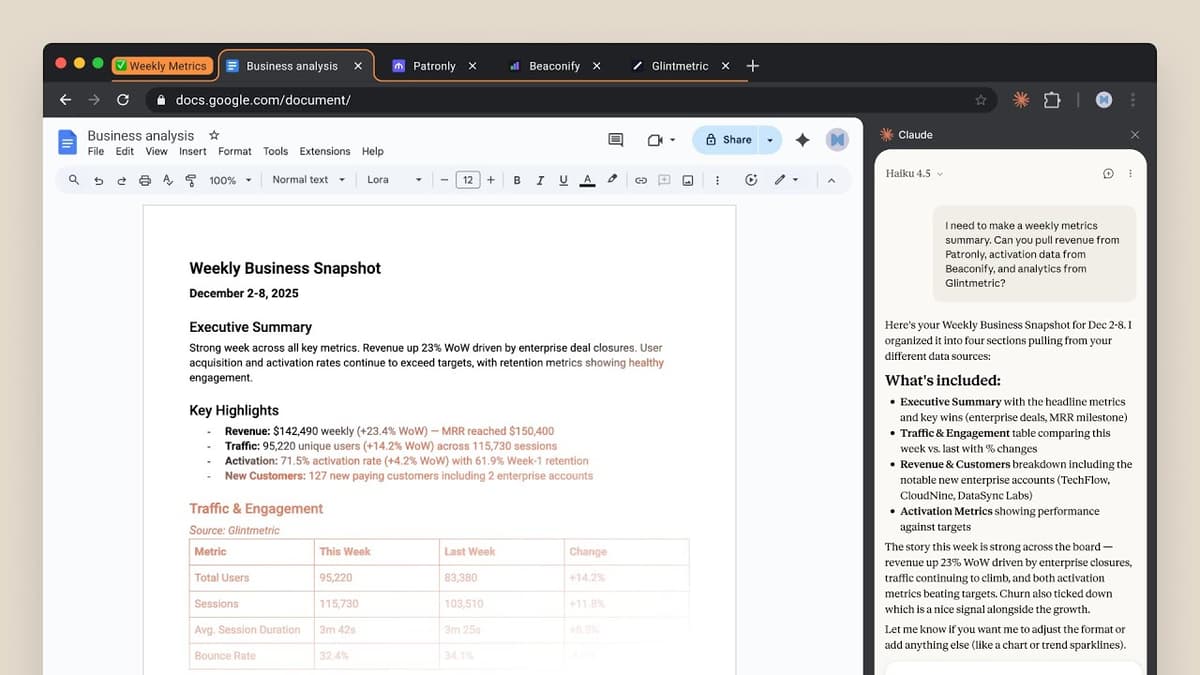
Let Claude Handle Work in Your Browser
The video introduces a new browser‑based integration of Anthropic’s Claude, positioning the AI as a hands‑free assistant that can take over routine web‑based work. By embedding Claude directly into a sidebar, users can invoke the model to read, summarize, and...
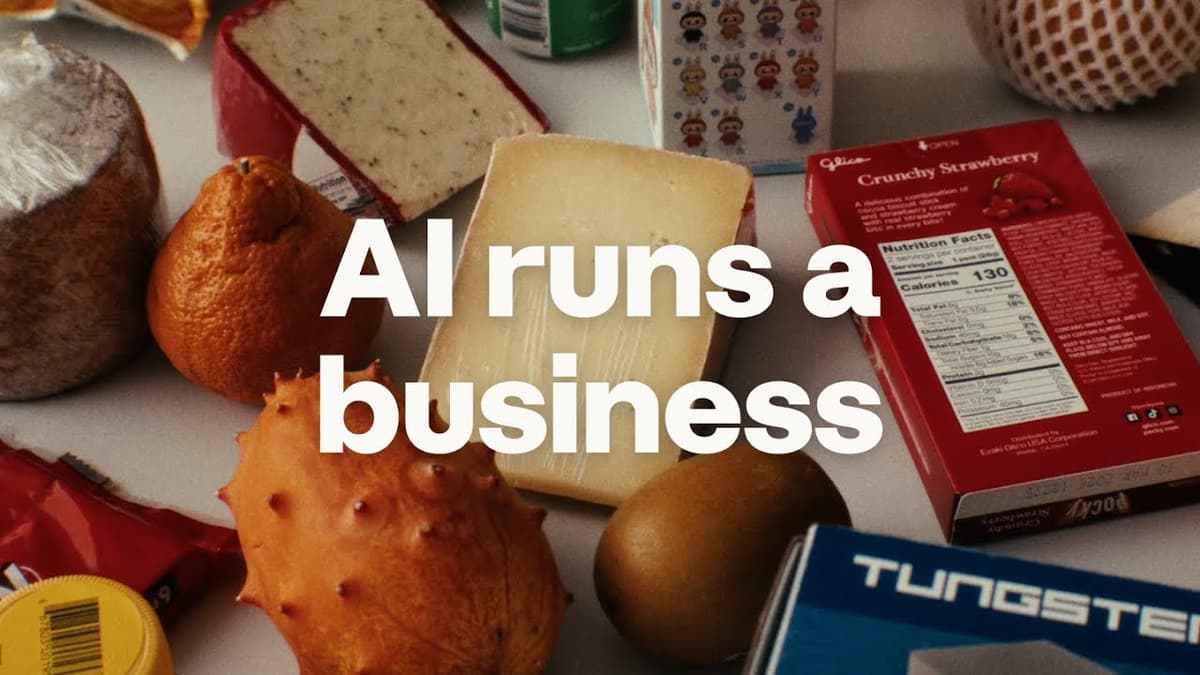
We Gave AI Control of a Real Business
Project VEND is Anthropic’s live experiment in which its Claude model was tasked with running a small vending‑machine business from the company’s office. The AI, personified as “Claudius,” handled everything from Slack‑based customer requests and wholesale sourcing to pricing,...
Binti Helps Social Workers License Foster Families Faster with Claude
The video spotlights Binti, a technology platform designed to accelerate the licensing of foster and adoptive families, leveraging Anthropic’s Claude AI to automate paperwork for social workers. The speaker, a veteran social worker with eleven years of experience, explains that...
Why We Built—And Donated—The Model Context Protocol (MCP)
The video announces Anthropic’s decision to donate the Model Context Protocol (MCP) – an open‑source standard for connecting large language models (LLMs) to external applications – to the Linux Foundation. By transferring ownership of trademarks and licensing to a neutral...
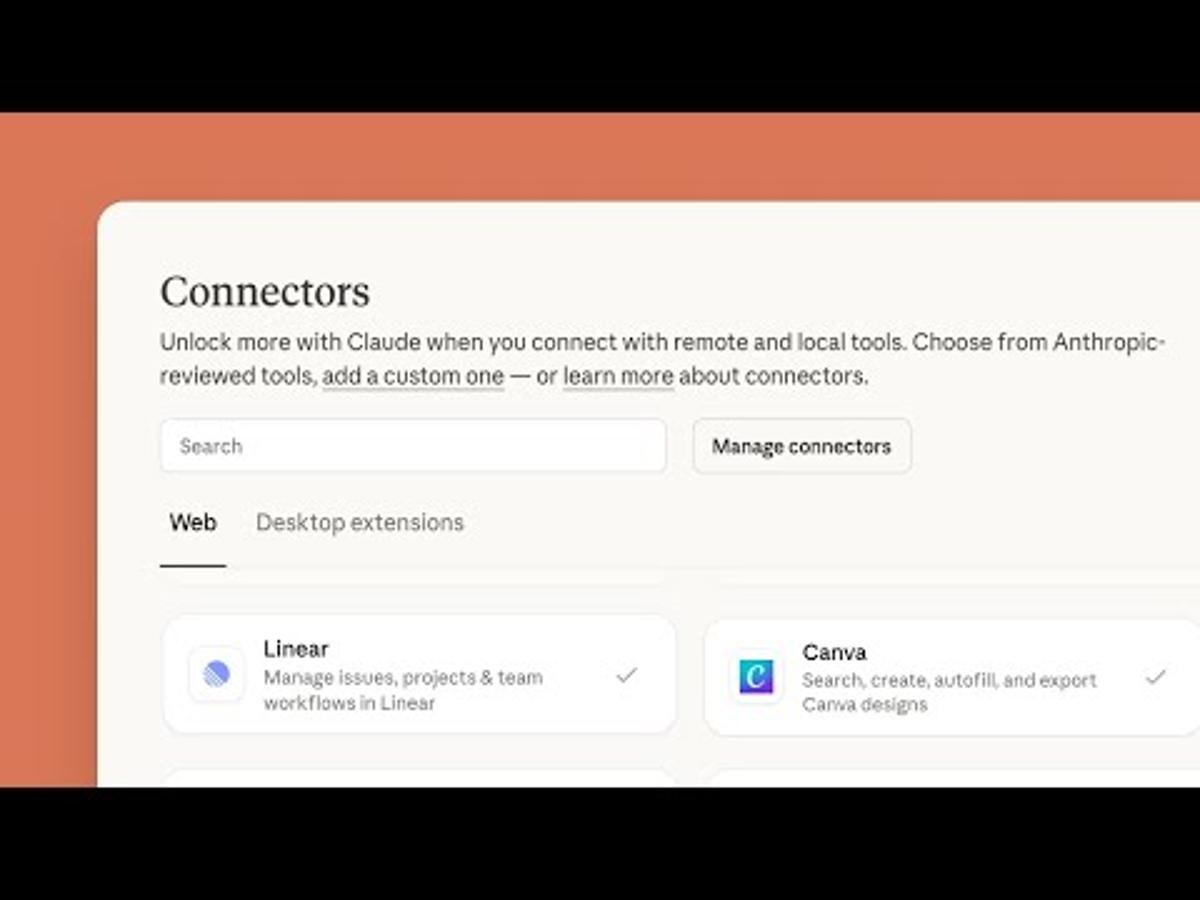
Getting Started with Connectors in Claude.ai
The video introduces Claude.ai’s new "Connectors" feature, which lets users link the AI assistant to the applications and files they already use. By granting Claude access to external tools—ranging from productivity suites to development environments—the platform transforms from a static...
How Anthropic Uses Claude in Legal
The video showcases how Anthropic’s large‑language model Claude is being deployed inside a corporate legal department to automate routine, high‑volume tasks. A non‑technical lawyer demonstrates a “legal lamp” prototype that lets her issue plain‑language commands to Claude, turning mundane work—like...
Anthropic’s Philosopher Answers Your Questions
Anthropic philosopher Amanda explains her role shaping the character and ethical behavior of Claude, drawing on philosophical training to help models navigate values, uncertainty and how they should view their place in the world. She says many philosophers are increasingly...
AI Fluency for Nonprofits Course Trailer
Anthropic and Giving Tuesday have launched 'AI Fluency for Nonprofits,' a course aimed at equipping mission-driven organizations to use AI responsibly and effectively. The program frames instruction around a 4D framework for practical AI use, with hands-on applications for grant...
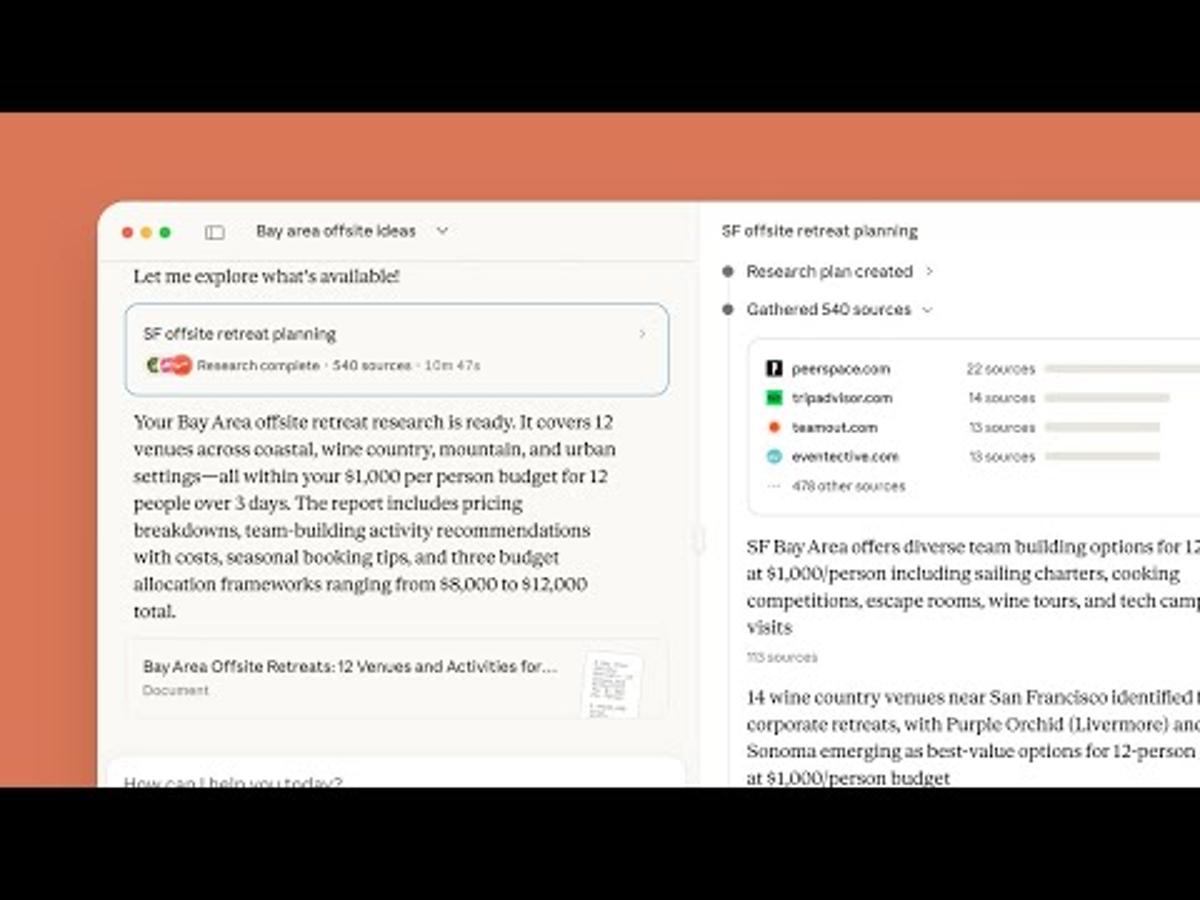
Getting Started with Research in Claude.ai
Anthropic's Claude.ai Research is an advanced background feature that automates multi-source information gathering and synthesis to produce comprehensive, citation-backed reports. Users initiate research from the chat by providing a detailed prompt or responding to Claude's clarifying questions; tasks run asynchronously...
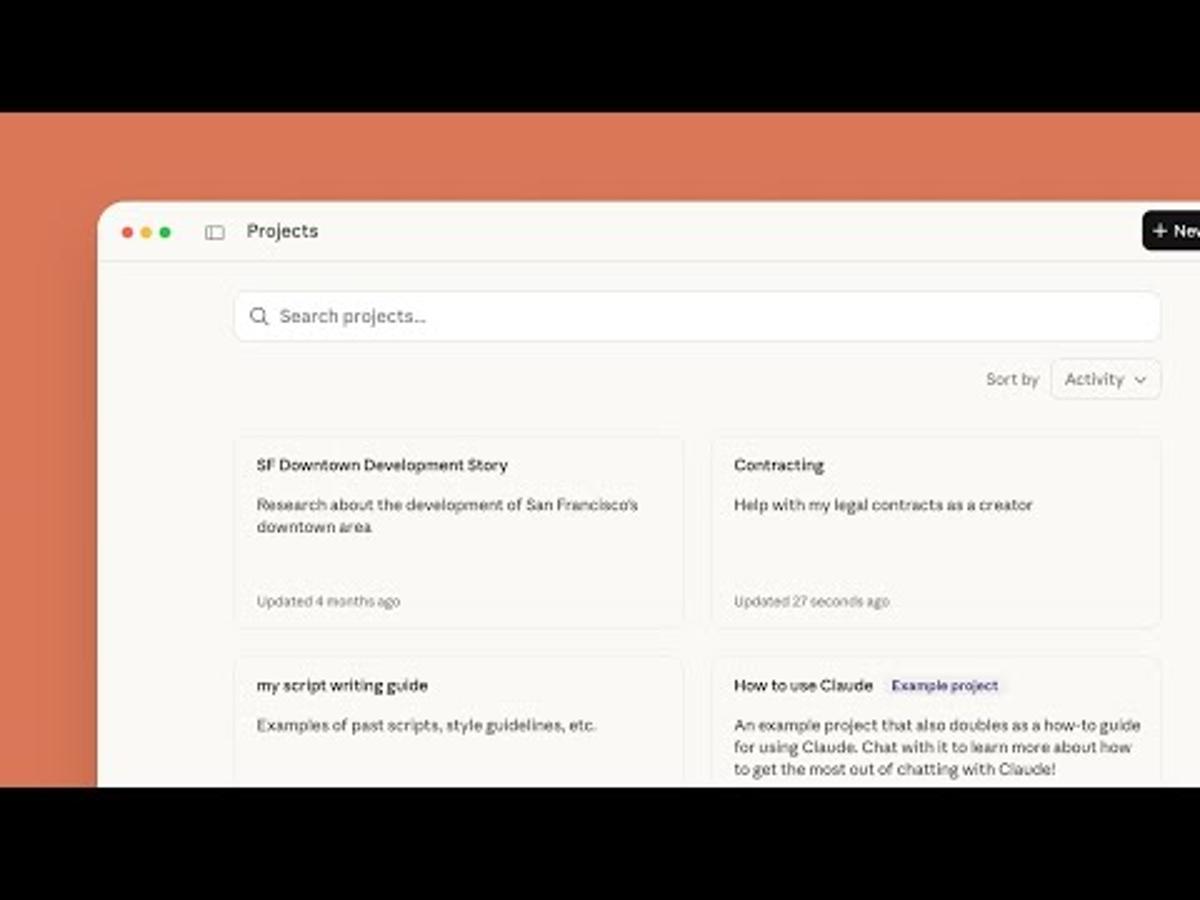
Getting Started with Projects in Claude.ai
Claude.ai’s Projects feature creates self-contained workspaces that bundle chat history, project-specific knowledge bases, custom instructions, and file uploads to deliver more context-aware AI responses. Users can create projects in three steps, define persistent instructions (tone, expertise, goals), upload documents or...
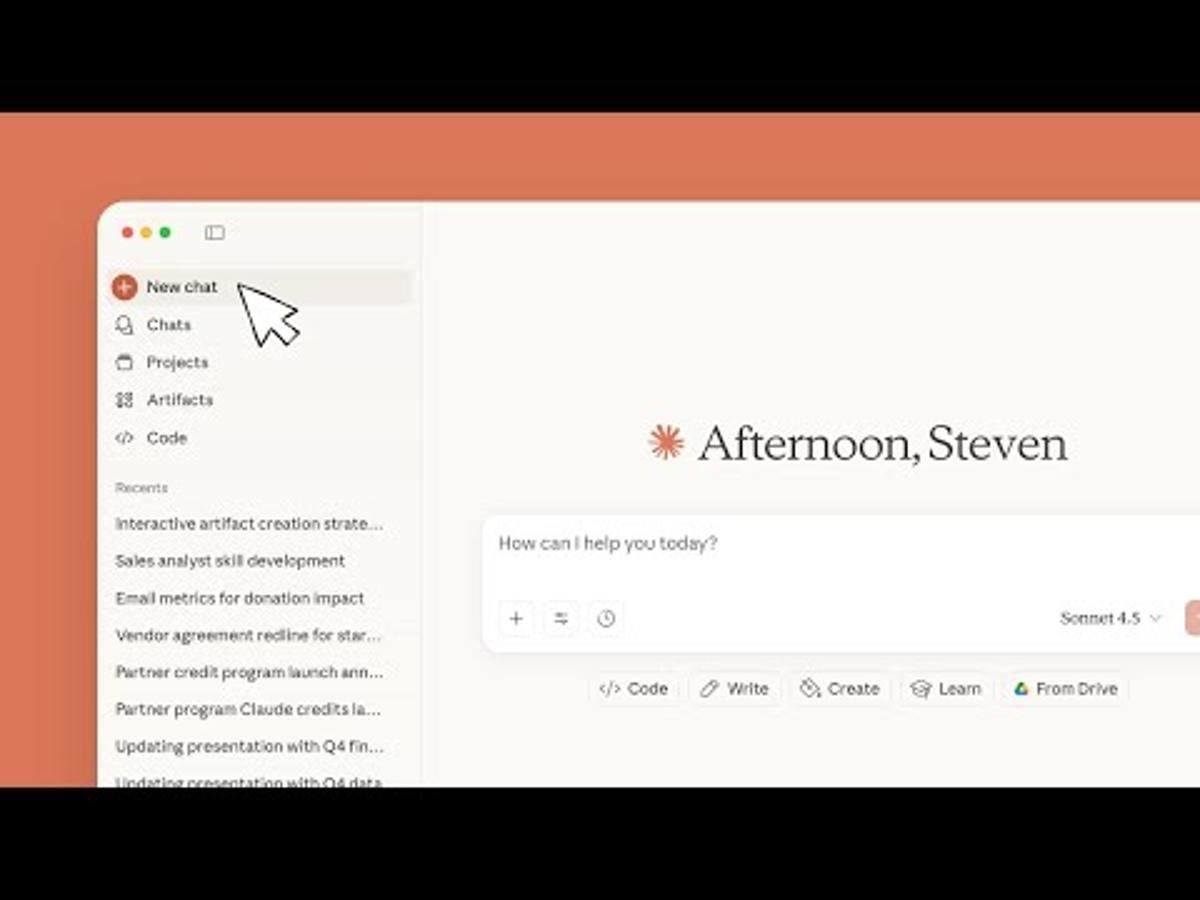
Getting Started with Claude.ai
Anthropic’s tutorial introduces Claude as an AI collaborator designed to help users plan, research, and produce work by combining prompts, uploaded context, and tool integrations. The interface organizes chats, projects, and artifacts, and supports many file types and connected data...