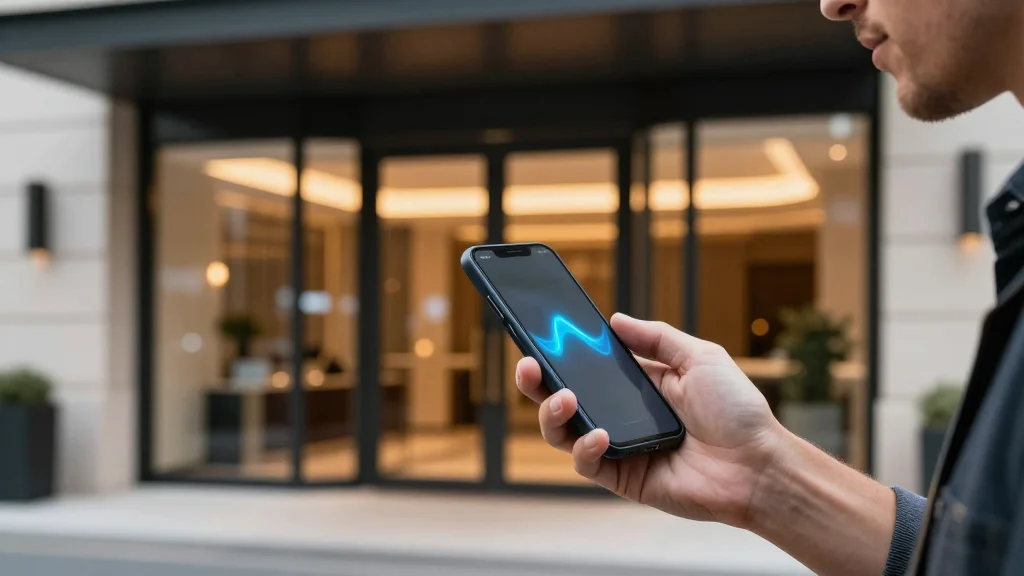
Anthropic's Claude AI Gains Booking.com Integration, Boosting Hotel Booking Automation

Companies Mentioned


Why It Matters
The Claude‑Booking.com integration illustrates how AI is moving beyond information retrieval to become a transactional layer in the travel value chain. By allowing users to complete hotel reservations within a chat, the technology reduces friction, potentially increasing conversion rates for Booking.com and its hotel partners. For the hospitality sector, the development signals a need to optimize property data for AI consumption, ensuring visibility in a new discovery channel that could rival traditional search engines and OTAs. Additionally, the feature highlights the competitive dynamics of the AI assistant market. As Anthropic, OpenAI, and Google race to embed real‑world actions into their models, the hospitality industry must monitor which AI platforms gain user trust and market penetration, as those will shape future booking behaviors and revenue streams.
Key Takeaways
- •Anthropic added a Booking.com connector to Claude, enabling hotel search and reservation via chat.
- •The connector is available on all Claude subscription plans, with a mobile beta already live.
- •Claude can process natural‑language requests like price range, dates, and guest count to return Booking.com options.
- •The integration positions Claude as a transactional assistant, competing with OpenAI’s ChatGPT plugins and Google Gemini.
- •Hotels may see increased AI‑driven traffic, prompting a need for API‑ready inventory and pricing data.
Pulse Analysis
Anthropic’s decision to make the Booking.com connector universally accessible reflects a strategic bet that volume will outweigh premium pricing. By lowering the barrier to entry, Claude can amass usage data, refine its recommendation algorithms, and demonstrate value to enterprise partners. This approach mirrors the early days of app ecosystems, where free or low‑cost access spurred rapid adoption and later monetization through premium features or data services.
From a market perspective, the hospitality industry is at a crossroads. Traditional online travel agencies (OTAs) have long dominated the booking funnel, but AI assistants now offer a direct line to consumers, potentially bypassing OTA fees. Hotels that can ensure their listings are optimized for AI queries—through structured data, dynamic pricing, and clear policy information—will likely capture a larger share of this emerging channel. Conversely, those slow to adapt may find their inventory relegated to a secondary role.
Regulatory considerations add another layer of complexity. While the current connector uses publicly available data, future expansions into personalized recommendations could raise privacy concerns, especially in jurisdictions tightening AI governance. Anthropic’s recent involvement in cybersecurity dialogues suggests it is aware of these risks, but concrete safeguards for travel data have yet to be disclosed. Stakeholders should watch for policy updates that could affect how AI platforms access and monetize booking data, shaping the competitive landscape for years to come.
Anthropic's Claude AI Gains Booking.com Integration, Boosting Hotel Booking Automation
Comments
Want to join the conversation?
Loading comments...