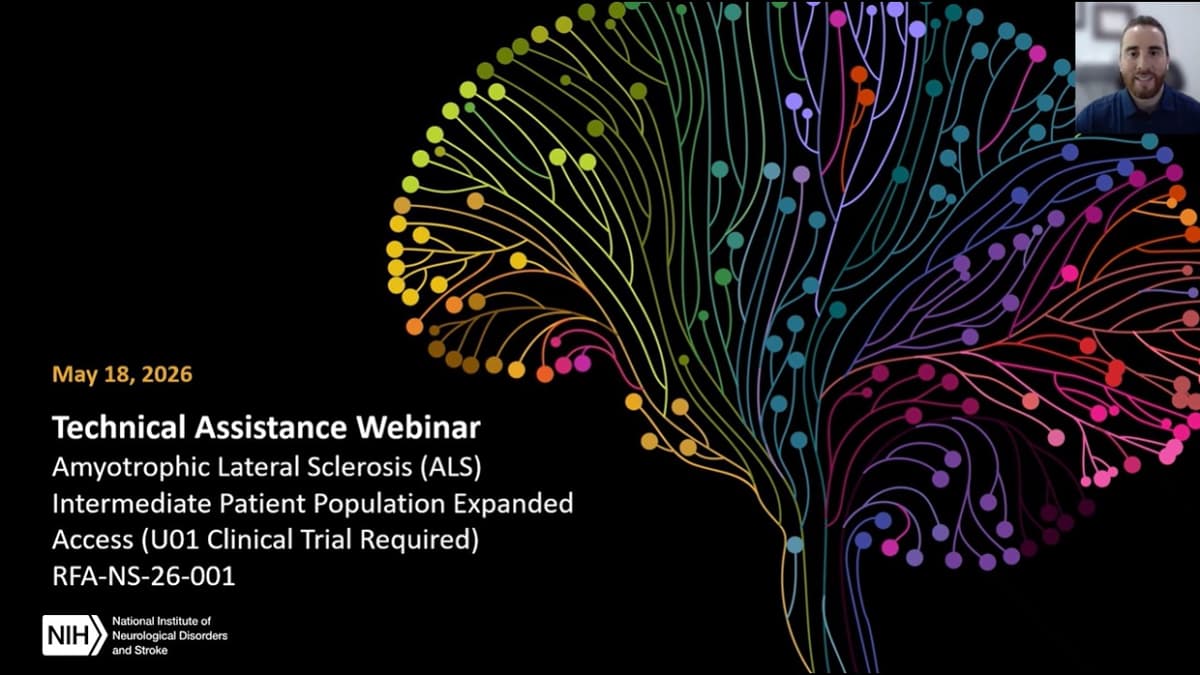
Technical Assistance Webinar RFA-NS-26-001: NINDS ALS Expanded Access Program
NIH’s NINDS held a technical assistance webinar to explain RFA‑NS‑26‑001, the ALS Expanded Access program authorized under the 2021 ACT for ALS law. The RFA targets an intermediate‑size patient population—more than one individual but fewer than a typical treatment IND—and provides grant funding to clinical sites that can deliver investigational drugs while generating research data. Key dates include a June 8 2026 application deadline with a July peer‑review and a September 2026 start, plus a second November 10 2026 deadline contingent on ACT for ALS reauthorization. Eligible applicants must be clinical trial sites participating in Phase 2/3 efficacy studies sponsored by a U.S. small‑business, and the investigational product cannot already have an NDA or BLA. Applicants must submit an FDA “may proceed” letter and an IND on the same day as the grant application, and obtain IRB approval before patient treatment begins. Dr. Amy Tsou emphasized that the program is a re‑issue of the original ACT for ALS funding, noting that five studies have been funded since FY 2022. The webinar introduced competitive renewal applications, which must propose distinct scientific aims and report progress toward regulatory approval. NIH will award the grants as cooperative agreements, assigning a program scientist to the primary leadership committee and providing access to NINDS biospecimen repositories and the ALS Knowledge Portal for data sharing. The initiative creates a pathway for ALS patients who are ineligible for standard trials to receive potentially life‑saving therapies while contributing valuable safety, biomarker, and patient‑experience data. For sponsors and sites, the program offers NIH partnership, funding, and infrastructure support that could accelerate drug development and improve the evidentiary base for future ALS approvals.

When Should Founders Fire Themselves as the CFO? | SaaS Metrics School
Founders often wonder when to step aside as chief financial officer. In the SaaS Metrics School episode, the host outlines clear revenue milestones—$1 million ARR for hiring a professional bookkeeper and $3 million ARR for engaging a fractional CFO—to ensure financial infrastructure...

Building a Agentic AI Trading Heartbeat That Works
A developer demonstrated an ‘agentic’ AI trading setup that uses lightweight sub-agents (GPT-5.4-4mini) to run a 30-second heartbeat, ingest live websocket trade data, and feed compact JSON summaries into a more capable main agent (Codex/GPT-5.5) to make position decisions. The...
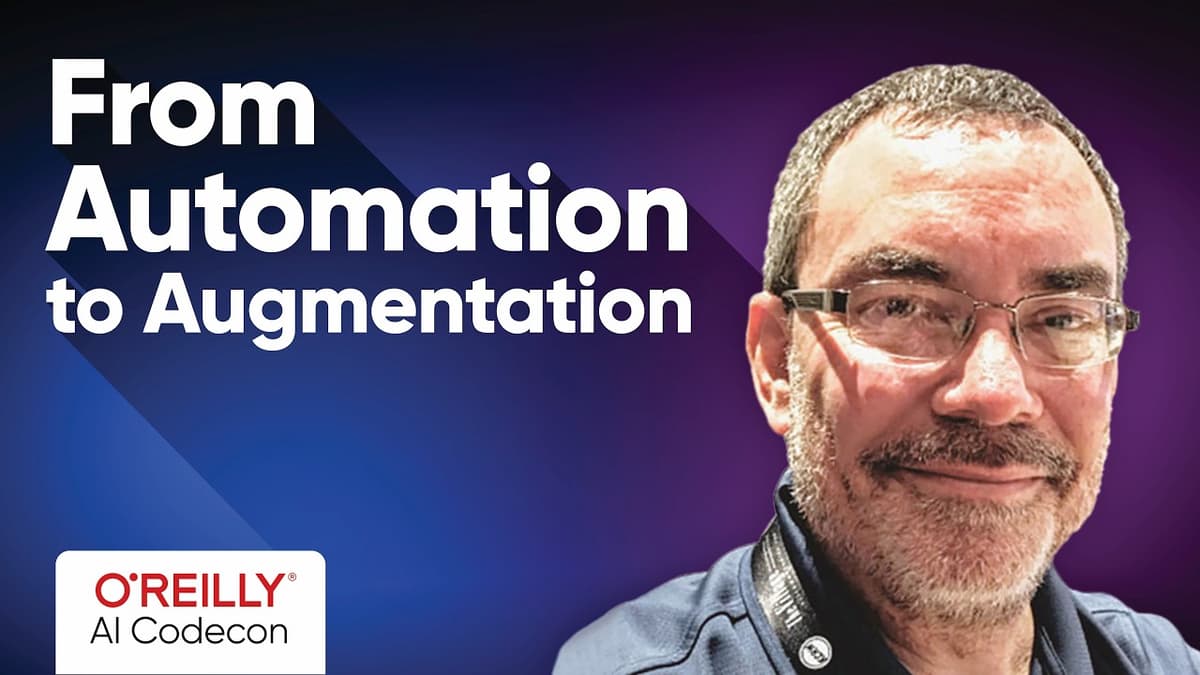
From Automation to Augmentation: Designing AI Coaches That Amplify Expertise with Mike Amundsen
In a recent talk, Mike Amundsen contrasted automation with augmentation, arguing that generative AI is being deployed primarily as an answer‑machine rather than a tool that expands human expertise. He introduced “AI coaches”—software agents that structure the human‑AI interaction, slowing...
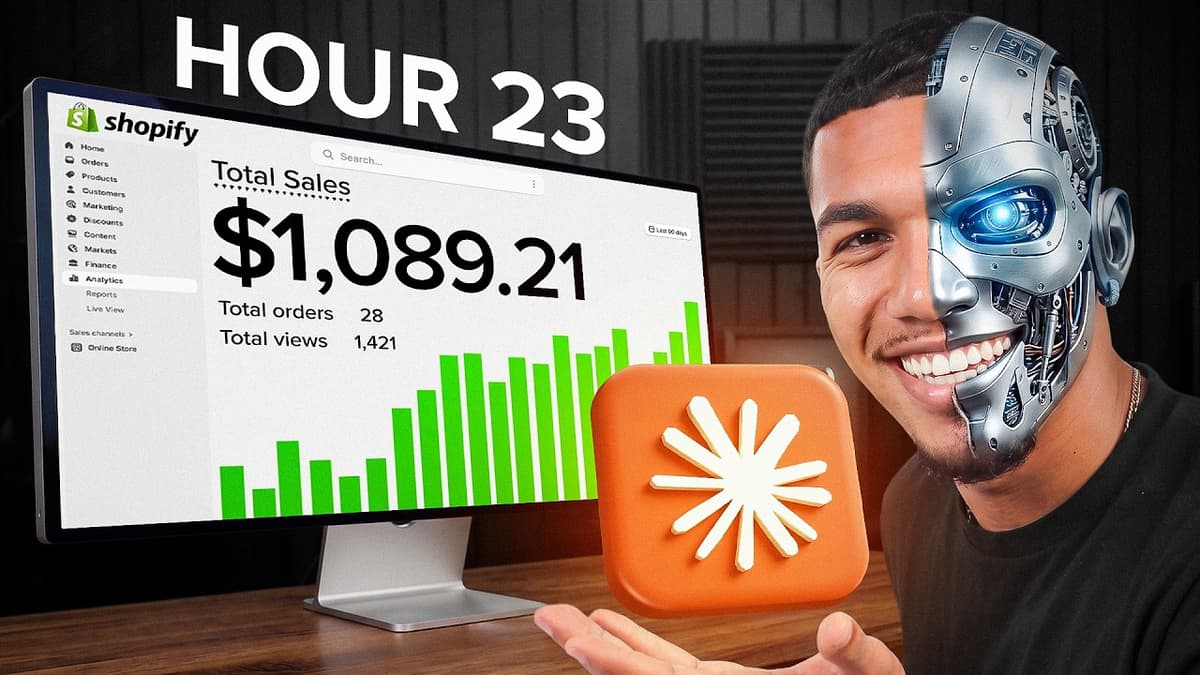
I Tried Starting a 1-Person AI Business in 24 Hours ($0 to $1,000 Challenge)
The video documents a 24‑hour challenge to generate $1,000 by launching an AI‑powered dropshipping store from scratch. The creator, who claims $10 million in personal sales and $50 million from students, walks viewers through product discovery, validation, sourcing, and pricing, emphasizing that...
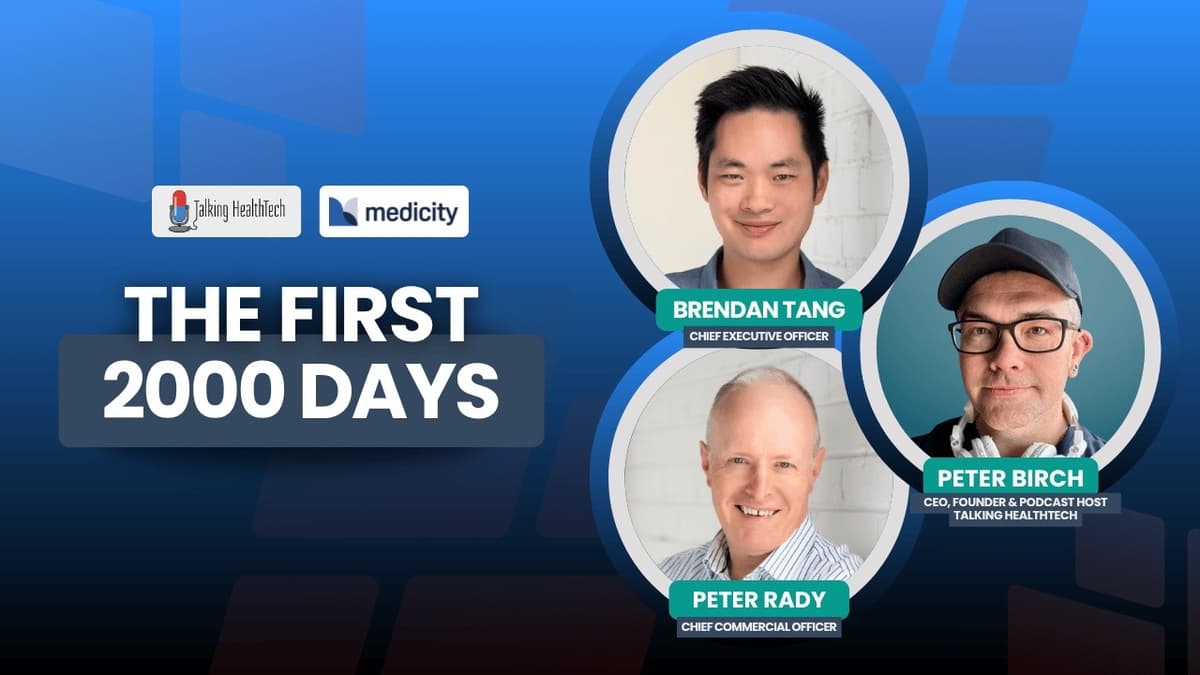
612 - Small Steps, Big Futures: Solving Maternity Care One Happy Baby at a Time
The Talking Health Tech podcast episode spotlights Medicity’s digital maternity solution, Eve, as a tool to support the critical "first 2,000 days" from conception to age five. The hosts discuss how the platform aligns with New South Wales’ strategic...

SoftBank Backs France's AI Infrastructure with €49 Bn Investment & Data Centre Expansion | N18G
SoftBank announced a massive investment to build AI data center capacity in France, committing to supply 5 gigawatts of electricity, the largest such power commitment in Europe. The financial outlay totals €75 bn for the data center infrastructure alone, and when chip...
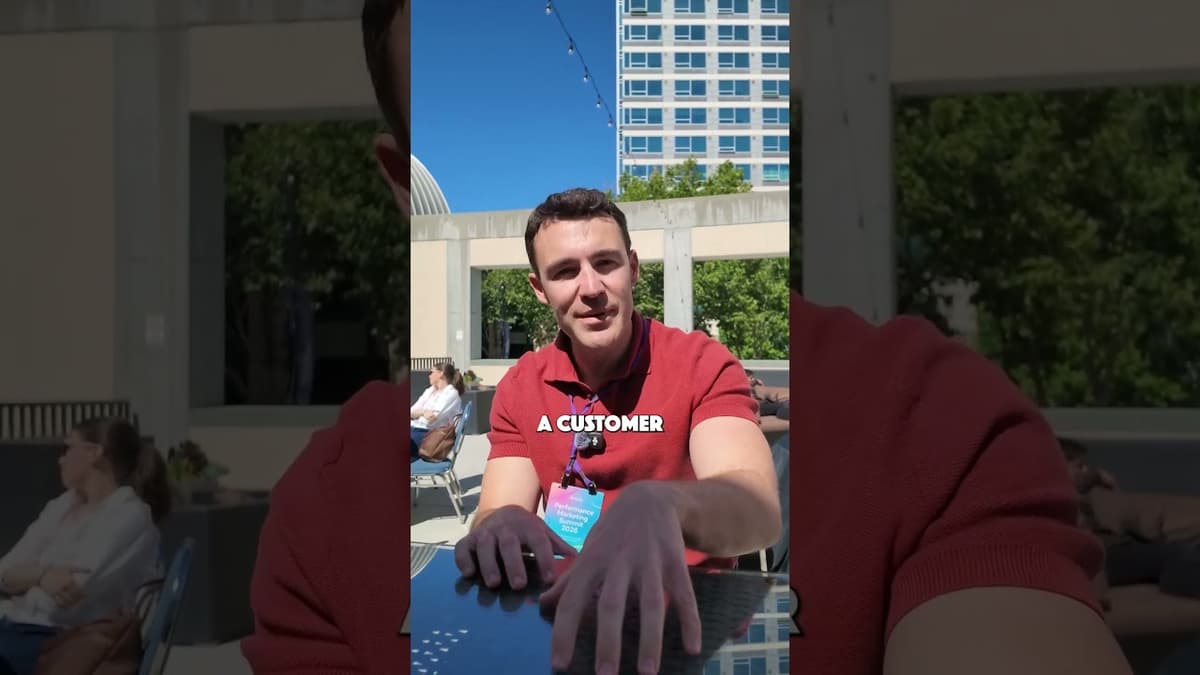
Everything Meta Ad Creators Throw at You... The Pixel, Objectives, Placements, Explained Simply.
At a Meta-sponsored advertiser event in Silicon Valley, the presenter distilled common Meta ad terms and tools for marketers, explaining reach versus impressions, conversion rate, lookalike audiences, the Meta Pixel, and user-generated content (UGC). Reach counts unique people exposed to...

Apollo's Chief Economist Torsten Slok Talks AI and US Economy | Bloomberg Talks
In a Bloomberg Talks interview, Apollo Global Management’s chief economist Torsten Slok argued that fears of AI wiping out white‑collar jobs are overstated and highlighted the technology’s broader macroeconomic effects on the United States. Slok pointed to a surge in business formation—census...
How Secure Payment Confirmation (SPC) Improves Security & Conversion Rates
The video introduces Secure Payment Confirmation (SPC), a W3C‑backed specification that brings passwordless, public‑key authentication to web‑based payments. Leveraging the Fast Identity Online (FIDO) alliance’s standards, SPC operates directly within browsers, eliminating the need for out‑of‑band methods such as SMS...
Marco Polo Marine Powers On: A Conversation with Its CEO
The Mark to Market podcast features Marco Polo Marine CEO Shaun Lee outlining the company’s strategic shift from traditional offshore oil‑gas support to offshore wind, focusing on Taiwan and broader North Asian markets. Lee describes how, after a 2018 debt restructuring,...

Max Levchin to CEOs Blaming AI for Layoffs: Own It
In this Power Players interview, PayPal co‑founder Max Levchin argues that the AI boom is fundamentally changing how companies build software and how CEOs should respond to layoffs. He emphasizes that engineers who understand generative‑AI tools now enjoy unprecedented productivity,...
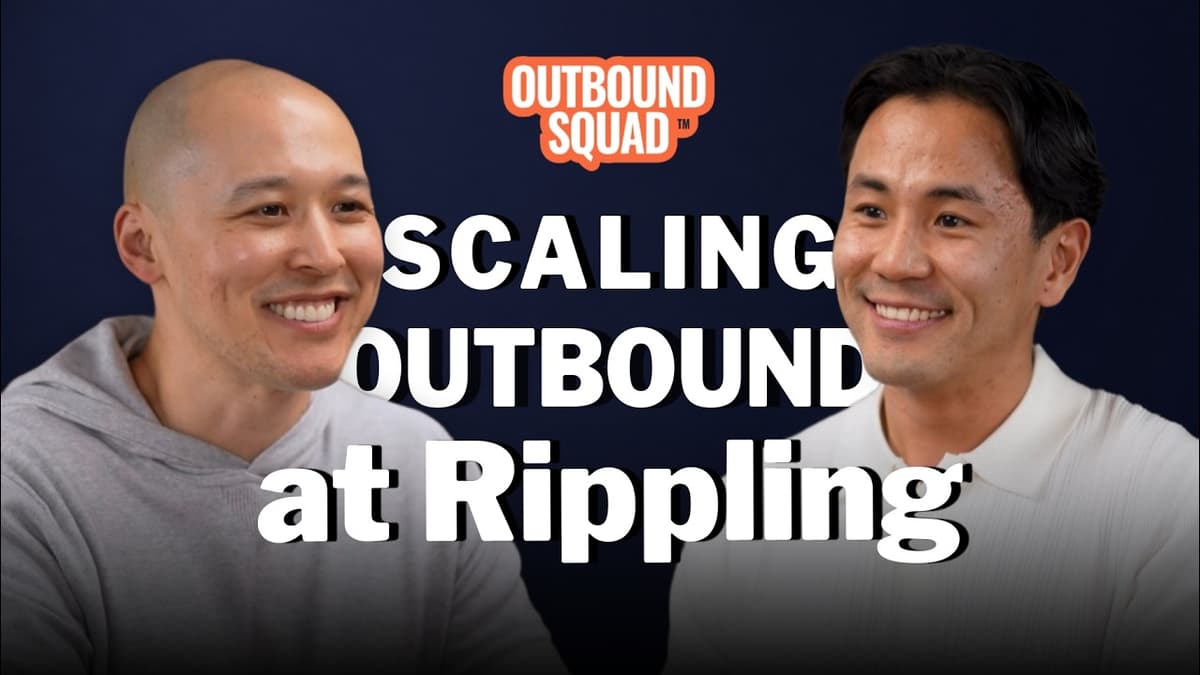
Scaling Unconventional Outbound with Sr Dir of Sales Development at Rippling
The video features a conversation with the Sr. Director of Sales Development at Rippling, who recounts his early days as an SDR at Outreach and how unconventional outbound tactics propelled his career. He describes the intense boot‑camp training, the habit of...
How I Access Every AI Model Without the Lock-In
The video explains how developers can avoid vendor lock‑in by routing all large‑language‑model (LLM) requests through Open Router, a service that presents a single OpenAI‑compatible API endpoint while aggregating dozens of providers such as OpenAI, Anthropic, Google Gemini, and emerging...
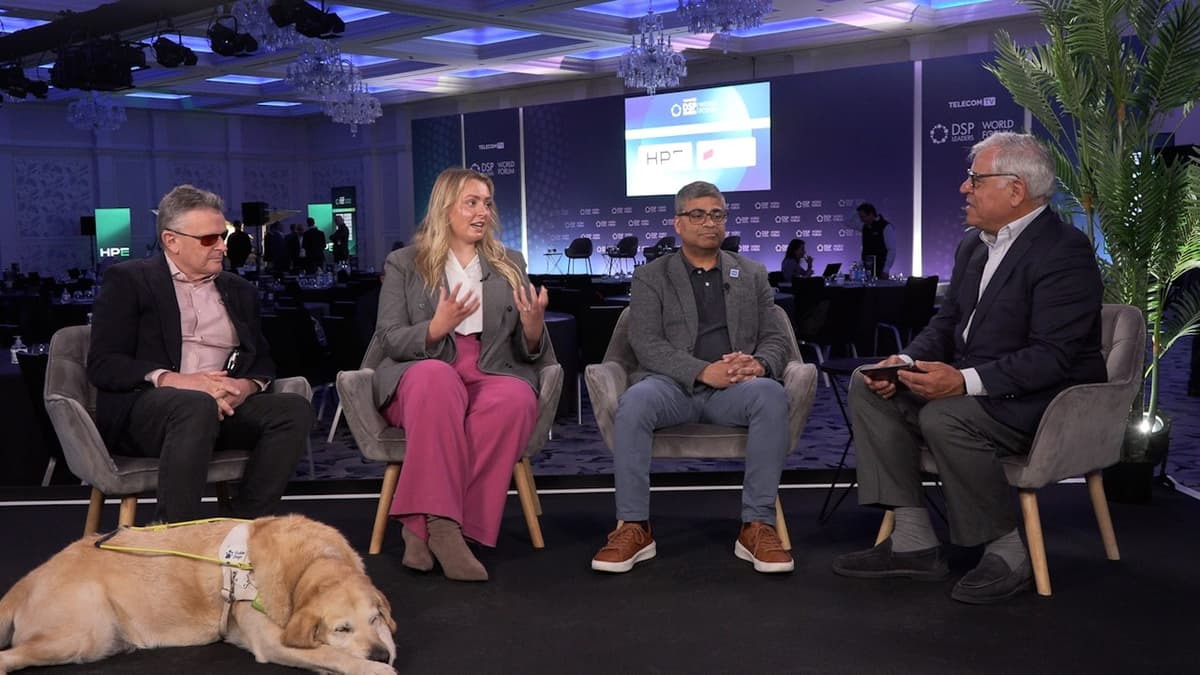
Moving Beyond AI Pilots to Business Transformation
The panel at Telecom TV’s DSP Leaders Forum tackled the gap between AI pilots and true business transformation for telecom operators. Speakers emphasized that AI should move beyond isolated proof‑of‑concepts toward initiatives that directly boost revenue and customer experience. Key insights...