
New Research Helps Explain Rachel Entrekin’s Historic Cocodona 250 Win. Here’s What You Can Learn From the Findings.
Rachel Entrekin shattered the Cocodona 250‑mile ultra by finishing in 56 hours, 9 minutes and 48 seconds, becoming the first woman to win overall. Researchers link her performance to "physiological resilience," a trait that lets athletes maintain output late in ultra‑endurance events. A recent lab study of 11 elite women and 11 performance‑matched men found women’s performance fell only 1% after three hours of treadmill work, versus a 10% decline in men. The authors attribute the edge to superior fat utilization, steadier pacing, and mental strategies that preserve glycogen and morale.

Cleared to Run Again After an Injury? This 9-Step Plan Helps You Come Back Stronger Than Ever
Jeff Dengate and Aly Ellis outline a disciplined 9‑step program for athletes cleared to run after injury. The plan emphasizes low‑impact conditioning, gradual mileage increases, and targeted strength work to rebuild durability. By pacing the comeback, runners can avoid common...
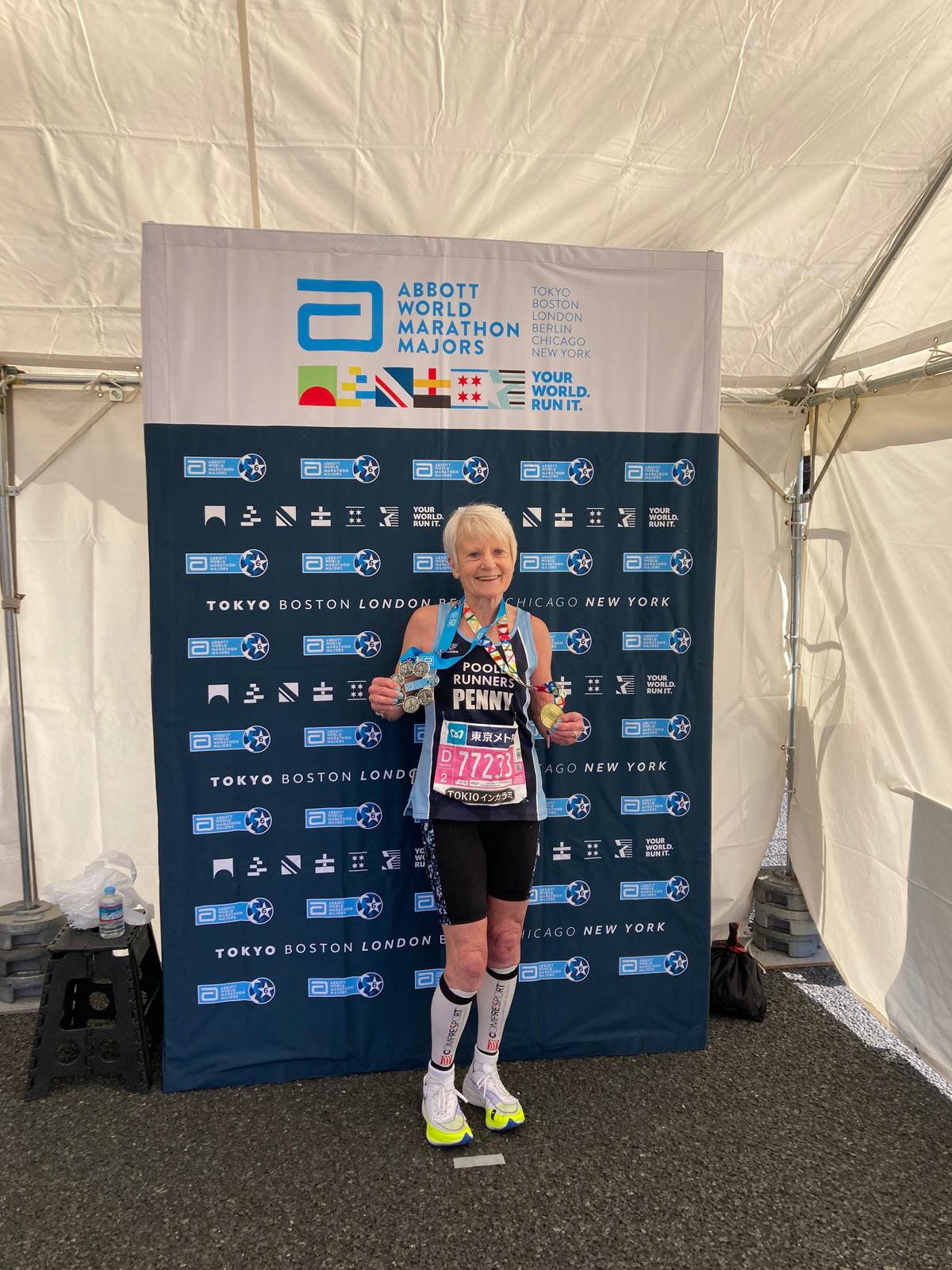
‘I’m a 75-Year-Old Grandmother of Six and Just Ran a 3:57 Marathon. This Is How I Train’
Penny Jarvis, a 75‑year‑old grandmother of six, shattered expectations by winning the 75‑79 age‑group at the World Marathon Championships in Cape Town with a 3:57:13 finish, setting a new British record. She has completed all six Abbott World Marathon Majors, earning the...

Zone 2 Heart Rate Training: How to Find (and Train) Your Real Zone 2
The article argues that Zone 2 training should be anchored to an athlete’s aerobic threshold (AeT) rather than the generic “220‑age” formula. It explains how a simple heart‑rate drift test or continuous AeT monitoring can pinpoint the true Zone 2 range. The...
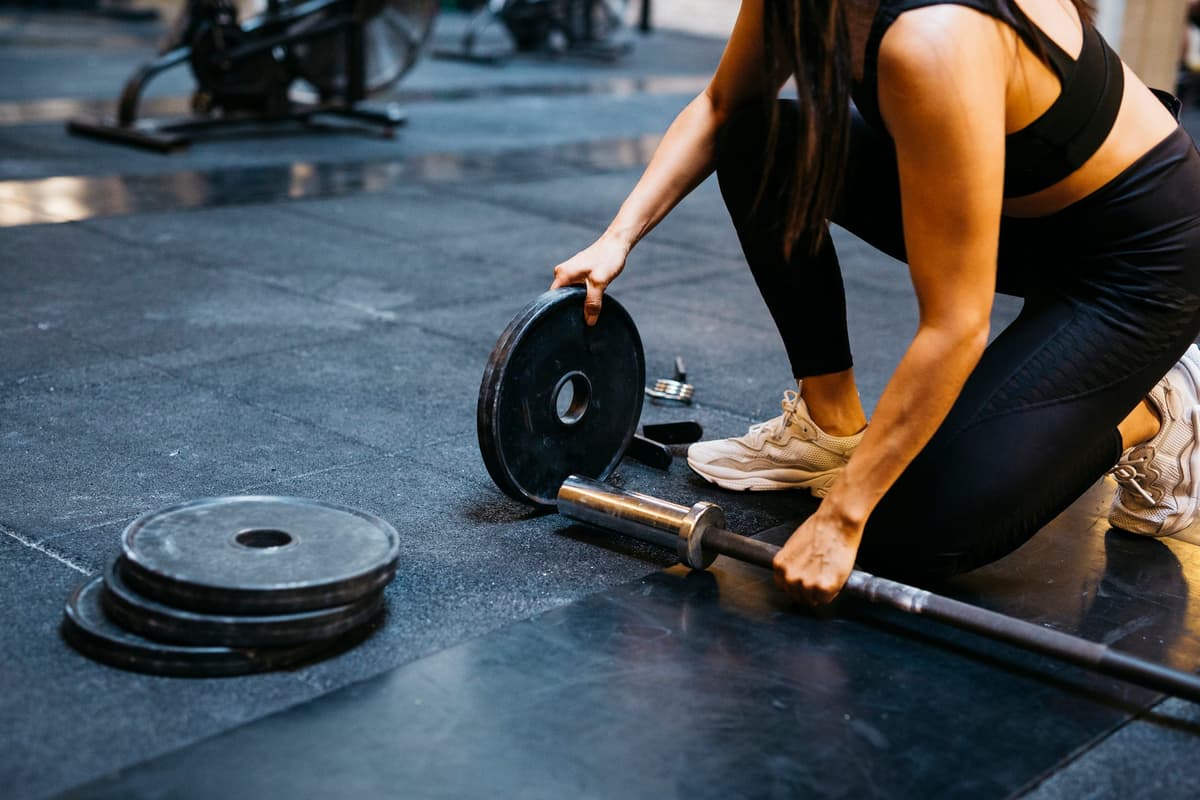
'After 5 Years of Strength Training, Here Are 4 Things I Wish I Knew at the Start for Quicker Results'
Fitness writer Rona Ahdout relays strength‑training insights from Sarah Mackay, who reflects on five years of gym experience. Mackay emphasizes pacing workouts instead of chasing quick results, using rep‑range progressions rather than raw weight jumps, prioritizing whole‑food nutrition over macro...

Why Pull-Ups Are the Ultimate Exercise for Building a Wider, Stronger Back
Pull‑ups remain the most effective exercise for developing a wider, thicker back, outperforming machines like lat pulldowns. The movement recruits a broad network of muscles—including lats, rhomboids, traps, rear delts, biceps, forearms and core—providing both hypertrophy and functional strength. Variations...
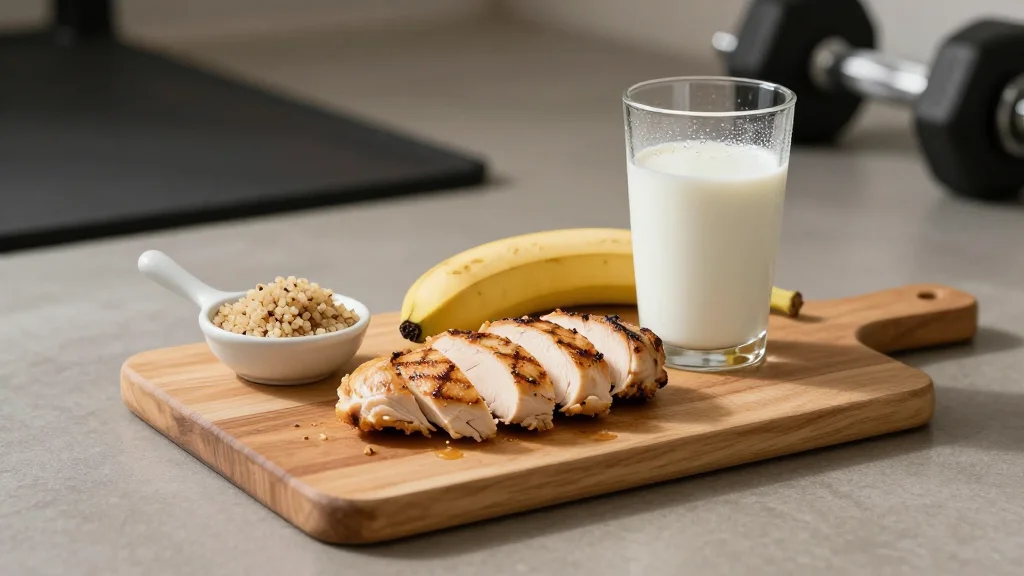
Nutrient Timing: Does the "Window of Opportunity" Really Exist?
The long‑standing “window of opportunity” in sports nutrition—immediate post‑exercise carbs, protein within 30 minutes, and pre‑exercise strategies—has been re‑examined. Recent research shows timing can influence physiological responses, but its practical impact hinges on context such as multiple daily sessions or high‑intensity...

As a Run/Walker, Going Longer Than 13.1 in Training Helped Me Run Faster on Half Marathon Race Day
Monique LeBrun, a health‑and‑fitness editor, added a 14‑mile long run to her three‑day‑a‑week half‑marathon training plan, ultimately covering more than 18 miles in a single session. Using the run‑walk method and zone‑2 pacing, she completed the workout in just over...

The Single Most Important Strength Training Move for Triathletes
The article argues the deadlift is the single most effective strength‑training exercise for triathletes because it recruits the entire posterior chain and core in a functional, full‑body movement. Co‑founder Nate Helming and former pro Simone Mitchell detail proper technique, common...
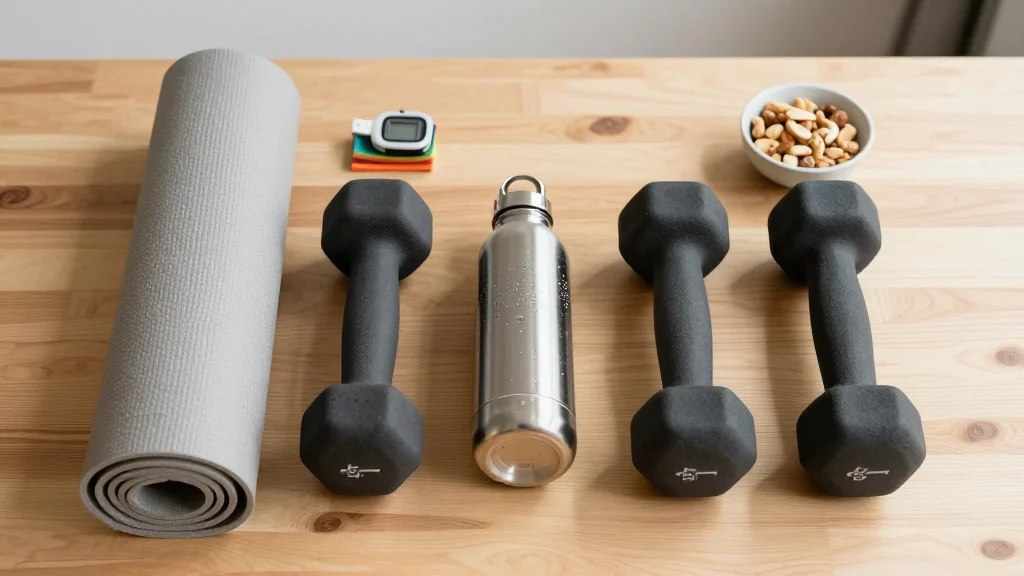
Why More Workouts Aren’t Better — And What To Do Instead
Fitness expert Shannon Ritchey argues that more workout time often backfires, leading to fatigue and burnout. She recommends shorter, higher‑quality strength sessions spread across four to five days, targeting each muscle group twice weekly. The plan pairs these sessions with...

This May Help Reduce Muscle Damage After Exercise, Study Shows
A recent study involving 34 recreationally active men examined tart cherry supplementation’s effect on muscle damage after a strenuous workout. Participants took either a placebo, low‑dose, or high‑dose tart cherry concentrate for ten days, after which muscle biopsies revealed significant...

How Much Time Should You Spend in Zone 2 Each Week? Experts Break It Down
Zone 2 training—low‑intensity, aerobic work—remains the backbone of most running programs. Coaches Mireille Siné and Marnie Kunz recommend the 80/20 split, allocating roughly 80% of weekly volume to zone 2 and the remaining 20% to harder intervals or tempo work. For runners...

Real-Time Calibration Helps Fitness Trackers Better Match Lab-Tested Exercise Measurements
Researchers have created an enhanced wearable motion‑tracking system that uses fuzzy algorithms and real‑time sensor calibration to align fitness‑tracker data with laboratory‑grade measurements. In controlled tests, heart‑rate, calorie burn, speed and distance readings closely matched standard lab procedures. The breakthrough...

I Tried the Goop That Makes You Run Faster (But Possibly Poop Yourself). It Worked.
Runner’s World senior editor Theo Kahler tested Maurten’s Bicarb System, a sodium bicarbonate supplement designed to buffer exercise‑induced acidity. He mixed the hydrogel‑encapsulated tablets 90 minutes before a 3K race, experienced no gastrointestinal distress, and finished 22nd in 8:59. The...

7 Training Hacks to Fight Fatigue and Hold Your Pace
Runner’s World outlines seven evidence‑based hacks that help athletes push fatigue farther and maintain pace longer. Post‑run sauna sessions can improve time‑to‑exhaustion by about 12 percent, while brief daily plyometrics sharpen running economy. Mindfulness, targeted brain‑training, and strength work each add...