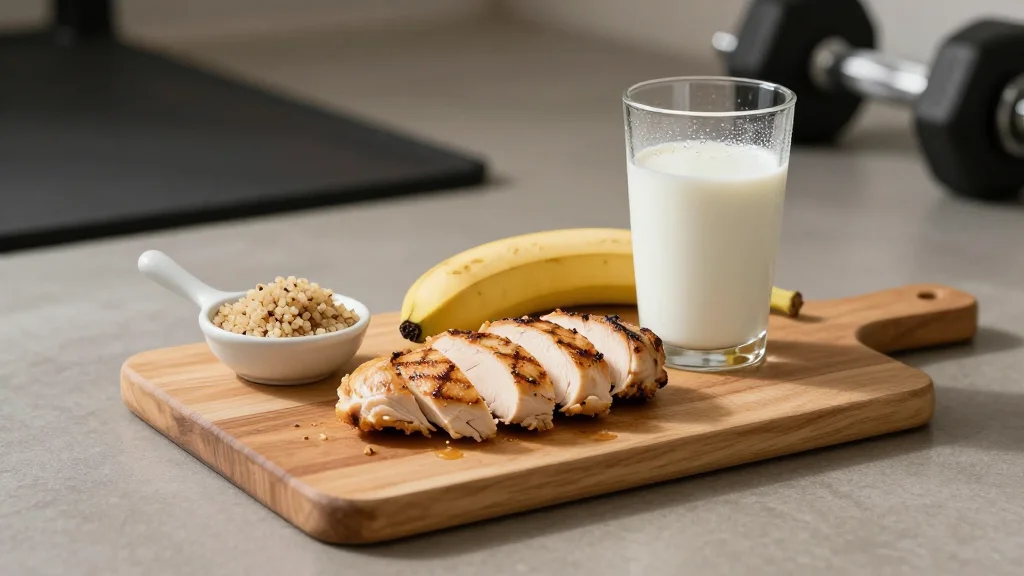
Nutrient Timing: Does the "Window of Opportunity" Really Exist?
Why It Matters
Knowing when nutrient timing truly affects performance lets athletes allocate nutrition resources efficiently, avoiding unnecessary protocols while maximizing recovery for competition schedules.
Key Takeaways
- •Immediate post‑exercise carbs boost glycogen only when recovery window is short.
- •Total daily carbohydrate intake outweighs precise timing for most athletes.
- •Protein’s “anabolic window” is hours long; distribution matters more than timing.
- •Sodium bicarbonate effectiveness varies; individualized timing essential for buffering.
- •Athletes should test nutrient timing in training, not rely on universal rules.
Pulse Analysis
The “window of opportunity” rose to prominence in the 1990s after seminal studies showed that carbs consumed immediately after exhaustive exercise accelerated glycogen resynthesis. Those early experiments, often limited to a few hours of recovery, created a compelling narrative that a narrow post‑workout window could make or break performance. Over time, broader investigations extended the recovery period to 24 hours and beyond, revealing that total carbohydrate intake across the day outweighs the exact timing for most training scenarios.
Parallel research on protein timing followed a similar trajectory. Initial work with elderly subjects suggested that consuming protein within 30 minutes of resistance training maximized muscle hypertrophy, coining the “anabolic window.” Subsequent trials with younger athletes demonstrated comparable muscle‑protein synthesis whether protein was ingested immediately or several hours later, shifting the focus to daily protein totals and even distribution across meals. This nuanced view encourages athletes to view nutrition as a continuous strategy rather than a series of isolated, time‑locked events.
Sodium bicarbonate supplementation stands out as a rare exception where precise timing is critical. The buffering agent must elevate blood bicarbonate levels before high‑intensity efforts, yet individual absorption rates vary widely, with peaks occurring anywhere from 45 minutes to three hours post‑dose. Modern protocols therefore advocate personalized timing trials, split‑dose regimens, and enteric‑coated formulations to balance performance gains against gastrointestinal discomfort. By integrating individualized testing into training cycles, athletes can harness the genuine benefits of bicarbonate while avoiding the pitfalls of a one‑size‑fits‑all schedule.
Nutrient timing: Does the "window of opportunity" really exist?
Comments
Want to join the conversation?
Loading comments...