
Bryan Johnson Longevity Protocol Discussion (2024 / 25 /26)
Bryan Johnson’s high‑priced longevity protocol was dissected by Dr. Gil Carvalho, who found its scientific core aligns with basic nutritional principles rather than exclusive commercial products. The analysis highlights that indefinite caloric restriction can endanger lean, active individuals, while a moderate protein intake of about 1.6 g per kilogram—preferably from plant and marine sources—optimizes muscle maintenance. Eliminating refined sugars, ultra‑processed foods, alcohol, and trans fats delivers the greatest health‑span gains, rendering many premium supplements and exotic salts unnecessary. The report concludes that affordable, evidence‑based diet tweaks outperform costly, brand‑driven anti‑aging regimens.

IAG and HiFe Plants Show 25g of Engineered Pea Leaves Can Meet a Woman’s Full Daily Iron Requirement
Innovation Agritech Group (IAG) and HiFe Plants have demonstrated that a 25‑gram serving of engineered HiFe1 pea leaves provides 100 % of the recommended daily iron intake for women. The HiFe1 variety accumulates up to 40 times more iron than conventional...

NAD Precursors - Save Your Money Folks
Recent human trials have shown that oral nicotinamide riboside (NR) and nicotinamide mononucleotide (NMN) are equally effective at doubling circulating NAD⁺ levels, contradicting earlier claims of NMN superiority. Pharmacokinetic studies reveal that both compounds are rapidly broken down by gut...

Predicting Alzheimers & Dementia (and Minimizing Risk)
Recent epidemiological studies show that high intake of omega‑3 fatty acids from oily fish dramatically lowers dementia risk. The Framingham Offspring cohort found a 49% reduction in Alzheimer’s disease for participants with the highest red‑blood‑cell DHA levels, while a UK...
Rethinking Insulin Resistance in Aging: A Reserve-Oriented Clinical Framework (Paper July 2026)
A new reserve‑oriented framework redefines insulin resistance in older adults, emphasizing muscle quality, mitochondrial health, and functional biomarkers over simple weight loss. The paper outlines actionable interventions—including SGLT2 inhibitors, senolytic fisetin, intranasal insulin, nicotinamide riboside, and weekly semaglutide—each supported by...

Viewpoint—N.A.D.+: Why Gwenyth Paltrow’s Heralded Anti-Aging Supplement Doesn’t Work
NAD+ supplements have become a high‑profile anti‑aging trend, buoyed by celebrity endorsements from Gwyneth Paltrow, Kendall Jenner and others. A new study in Nature Metabolism shows that blood NAD+ levels do not decline with age, contradicting the core premise behind...

Wine Waste Could Offer a Grape Way to Wean Chicken Farms Off Antibiotics
Cornell researchers found that adding just 0.5% grape pomace— the pulpy by‑product of wine production— to broiler chicken feed can nearly match the performance of zinc bacitracin, a widely used antibiotic growth promoter. In a 42‑day trial, pomace‑supplemented birds showed...
High-Dose Vitamin D Lowers Diabetes Risk In Some People
Researchers analyzing the D2d trial found that high-dose vitamin D (4,000 IU daily) reduced the incidence of type‑2 diabetes by 19 % among prediabetic adults carrying the AC or CC variation of the ApaI vitamin‑D‑receptor gene. Roughly 70 % of the study’s participants...
Vitamin C Clinical Evidence Guide: 2026 Medical Standards
Under the 2026 medical standards, Vitamin C remains essential for collagen synthesis, iron absorption, and immune function, but prophylactic megadosing is discouraged, especially for athletes. The guide classifies strong evidence for iron uptake, scurvy prevention, and reduced upper‑respiratory infections in highly...
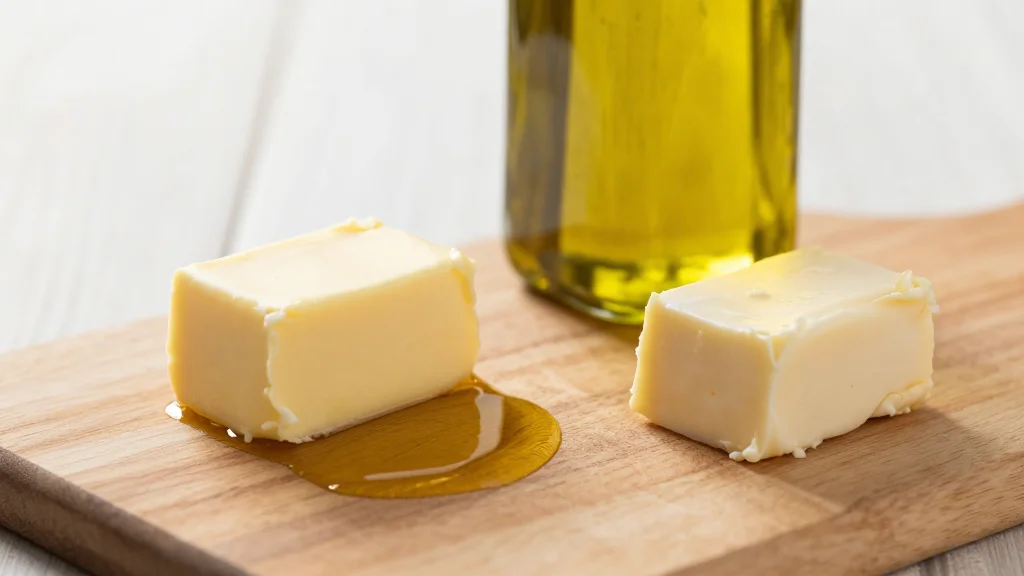
Seed Oil Panic: RFK Jr. And Influencers Made Linoleic Acid a Dietary Villain and Heart Risk. Evidence Points the Other...
The recent "seed oil panic"—driven by RFK Jr. and social‑media influencers—portrays linoleic‑rich vegetable oils as a major heart‑disease risk. The article counters that claim, noting the January 2026 U.S. dietary guidelines now list butter, beef tallow and olive oil as acceptable cooking...

New Guidance for Infant Manufacturers Available
The U.S. Food and Drug Administration has issued final guidance for infant formula manufacturers and testing laboratories on Protein Efficiency Ratio (PER) studies. The document outlines best practices for designing, conducting, evaluating, and reporting PER tests, which gauge the quality...
2g/Day of DHA for 2 Years Has No Impact on Cognition or Hippocampal Volume (PreventE4)
The PreventE4 trial tested 2 g per day of DHA for two years in cognitively normal APOE ε4 carriers, achieving a significant rise in the CSF DHA‑to‑arachidonic‑acid ratio. Despite this biochemical target engagement, magnetic‑resonance imaging showed no change in hippocampal volume or...

What Is Creatine, And Should You Be Taking It?
Creatine, a molecule synthesized from three amino acids and abundant in meat and fish, has moved from a hospital‑only wound‑healing aid to a mainstream dietary supplement. Social media hype now touts it for a wide range of health issues, but...
ADHD + Nutrition: What the Research Actually Says
The podcast episode breaks down current research on nutrition and ADHD, outlining three tiers of dietary change—from modest fruit‑and‑vegetable boosts to intensive anti‑inflammatory elimination diets. Across multiple studies, intensive diets produce symptom improvement in roughly 50‑60% of children, while the...
Amount of Central Fat Predicts Mortality Risk in Non-Obese Individuals
Recent clinical data confirm that targeted dietary strategies can dramatically reduce visceral and hepatic fat in non‑obese adults, independent of overall weight loss. Polyphenol‑rich Green Mediterranean patterns, high‑protein regimens, and resistant‑starch supplementation each show 40‑50% liver‑fat reductions, while extreme hypocaloric...