
Millions Take Omega-3 Fish Oil for Brain Health. New Research Suggests It May Do the Opposite.
A new longitudinal analysis of the Alzheimer’s Disease Neuroimaging Initiative (ADNI) found that older adults who regularly take omega‑3 fish oil experienced faster cognitive decline than non‑users. The study employed linear mixed‑effects models over a decade‑long follow‑up, revealing no reduction in amyloid or tau pathology but suggesting synaptic dysfunction as the culprit. These results overturn the long‑standing belief that omega‑3 supplementation uniformly protects brain health. The findings call for a reassessment of fish‑oil’s role in cognitive‑preservation strategies.

Magnesium-Acetyl-Taurate Superior to Magnesium L-Threonate? Recent Study Poinst to This Being True
A recent pre‑clinical rat study compared magnesium‑acetyl‑taurate (MAT) with magnesium L‑threonate (MLT) and found MAT superior in raising magnesium concentrations in brain tissue, blood plasma, cerebrospinal fluid, and muscle. MAT also delivered greater gains in spatial learning, memory, anxiety‑related behavior,...

Physionic Podcast Videos and Summaries / Transcripts
A 2023 meta‑analysis of 29,913 patients shows that pure EPA, administered as icosapent ethyl, significantly reduces myocardial infarction, cardiovascular death and all‑cause mortality. The REDUCE‑IT trial, using 4 g daily of prescription EPA, delivered a 25 % relative risk reduction and a...

Dietary Advanced Glycation End Products as Active Drivers of Biological Aging
Advanced glycation end products (AGEs) formed during high‑heat, dry cooking are now recognized as active drivers of biological aging rather than passive biomarkers. Dietary AGEs (dAGEs) cross‑link proteins and activate the RAGE‑NF‑κB axis, promoting oxidative stress, vascular stiffening, impaired bone...
The Adiponectin Paradox: Fat’s Secret Longevity Signal or a Bio-Marker of Decline?
Adiponectin, a hormone secreted by fat cells, is celebrated for its anti‑inflammatory and insulin‑sensitizing effects, yet epidemiological data reveal a paradox: while centenarians exhibit high levels, elevated adiponectin in most older adults correlates with higher mortality and frailty. Researchers attribute...

Picamilon
Picamilon, a Russian‑origin nootropic that bonds GABA with niacin, enables the inhibitory neurotransmitter to cross the blood‑brain barrier and act as an anxiolytic while boosting cerebral blood flow. Developed in 1969, it has been prescribed for anxiety, memory deficits, and...

Energy Management: Sleep, Nutrition & Exercise to Maintain Attention
The post frames attention as a finite biological resource that depletes when sleep, nutrition, or movement are insufficient. It argues that even minor deficits in any of these pillars erode mental output, shifting the conversation from generic "healthy habits" to...

Broken at the Biochemical Level: The B Vitamin Series Part 2: B Vitamins, Heart Health, and Stroke Risk: What the...
Recent research highlights that deficiencies in B‑vitamins—particularly B6, folate (B9) and B12—disrupt homocysteine metabolism, a key driver of cardiovascular strain. Elevated homocysteine impairs blood vessel integrity and raises the risk of heart disease and stroke. B‑vitamins also influence red blood...
All or Nothing, All for Nothing? Why Dieting Fails in Lipedema — and What Actually Works
Women with lipedema often exhaust themselves on conventional diets that cut calories and increase exercise, yet see little change in the painful, disproportionate fat of their legs. Researchers and clinicians now recognize lipedema as a disorder of fat regulation, inflammation,...

Maingaining Is a Waste of Time (New Study)
A recent 10‑week study compared a maingaining protocol (≈0% prescribed deficit) with a 10% energy deficit in trained lifters. Both groups added roughly 1 kg of lean mass, but the deficit group shed 2.9 kg of fat versus 1.4 kg in the maingaining...

From Stress to Recovery: Why Magnesium Is the Ultimate Mineral
Dr. Sircus explains that chronic stress rapidly depletes the body’s magnesium stores, creating a feedback loop that fuels disease. He argues modern diets no longer provide adequate magnesium, making supplementation essential for cardiovascular, metabolic, and neurological health. The video links...
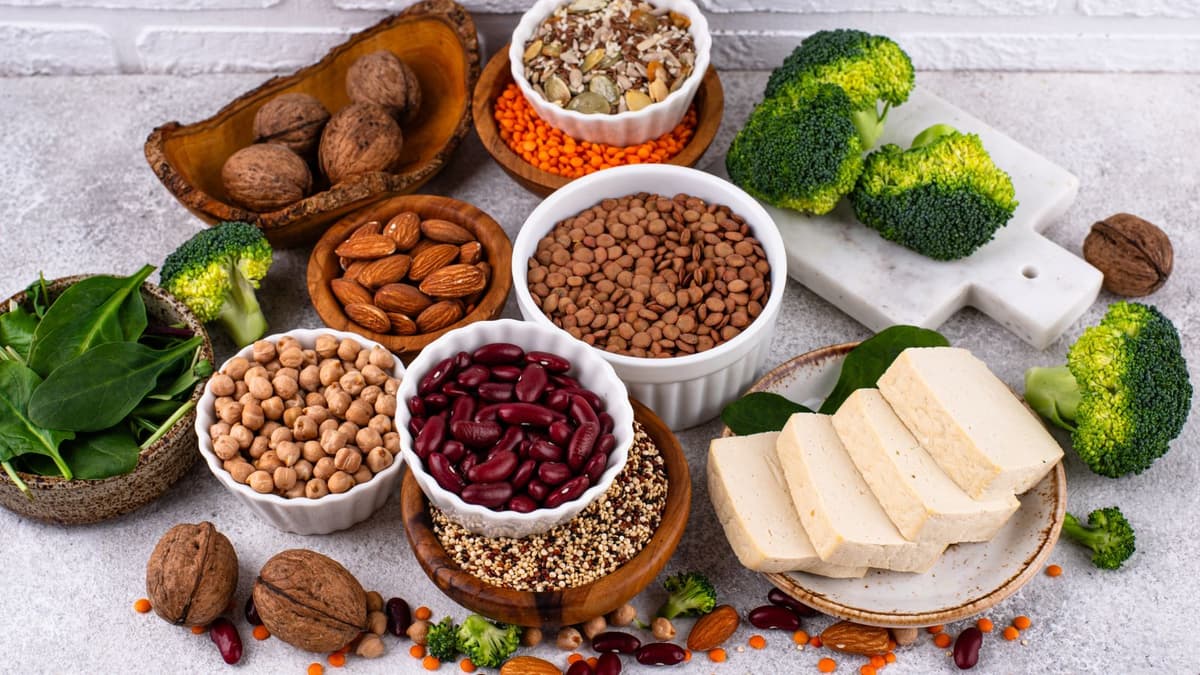
Managing Autoimmune Disease – the Evidence for a Whole Food Plant-Based Diet
A whole‑food plant‑based (WFPB) diet is presented as a evidence‑backed strategy to manage autoimmune diseases, which affect roughly 10% of the UK population (about 6.9 million people). The article explains how dysbiosis and a Western diet high in saturated fat and...

Molecular Hydrogen May Reduce Fatigue and Support Physical Function in People with Long COVID
A single‑blind, 14‑day pilot trial published in *Nutrients* examined hydrogen‑rich water versus regular water in 32 adults with long‑COVID. Participants drinking the hydrogen‑infused water reported statistically significant reductions in fatigue and showed measurable gains in six‑minute walk distance (42‑62 m), chair‑stand...

The Ancient Turmeric Drink that Can Revolutionize Your Health
A 5,000‑year‑old Ayurvedic drink called haldi doodh—turmeric paste mixed with warm milk, oil, and black pepper—has been validated by modern clinical research. The addition of piperine from black pepper can increase curcumin absorption by up to 2,000 percent, while the...

Industry-Funded Study of the Week: Full-Fat Dairy and Body Weight
A 12‑week Canadian trial added three daily servings of full‑fat dairy to the diets of overweight and obese adults following Canada’s Food Guide. Participants who increased dairy intake lost weight, lowered BMI, and consumed more protein and calcium. The research...

Why Fiber Matters More than You Think, According to Science
The article explains why dietary fiber matters, highlighting that its beta‑glycosidic bonds make it indigestible, unlike starch’s alpha bonds which are readily broken down for energy. This structural difference gives fiber its role in plant support and human gut health,...

My Secret Homemade Electrolyte Recipe
Valérie Orsoni argues that staying hydrated isn’t just about drinking water; it requires a balance of electrolytes—sodium, potassium, and magnesium. She explains how excessive plain water can dilute these minerals, stressing the nervous system and impairing performance. Commercial electrolyte drinks...
Happy Foods: What to Eat to Boost Your Mood
New analysis of a large Nurses’ Health Study cohort shows that women who consume about three servings of flavonoid‑rich fruits and vegetables each day are 3% more likely to report sustained happiness and up to 6% more likely to maintain...

The ADHD and Diet Myth, Debunked.
The article dismantles the long‑standing belief that specific diets can cure or dramatically improve ADHD symptoms. It highlights that roughly 15 million U.S. adults and 7 million children live with the disorder, yet scientific studies find no consistent link between eliminating dyes,...
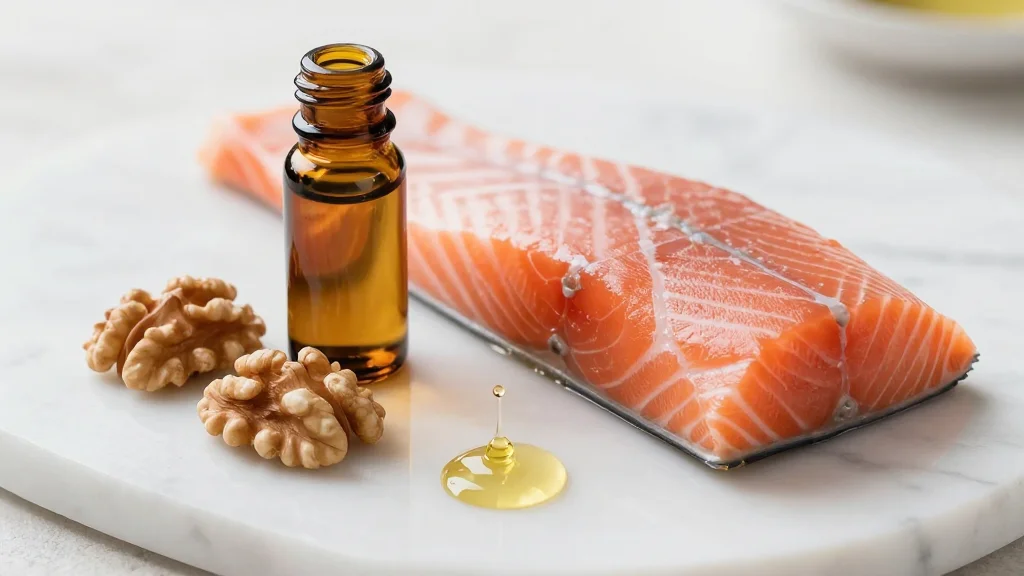
Omega-3s: Do They Help You Sleep?
Omega‑3 fatty acids—EPA, DHA, and ALA—are essential nutrients linked to brain, heart, and inflammation regulation. While DHA may boost melatonin and neuronal stability, research on sleep benefits remains mixed, with modest gains in some trials but no clear advantage for...

Nutrients for Bone Health and Osteoporosis
The article outlines how 13 nutrients influence bone health, distinguishing osteopenia and osteoporosis, and highlights the prevalence of these conditions in the U.S., with 10 million diagnosed and 44 million at risk. It explains that adequate intake of vitamins, minerals, and amino...
Does Anyone Take ADHD Stimulant Meds (Adderall, Vyvanse)? Tips on Reducing Neurotoxicity Risk?
Recent discussions highlight that ADHD may involve more than neurotransmitter imbalance, with oxidative stress and mitochondrial dysfunction playing key roles. Stimulant medications such as amphetamines boost dopamine turnover, which can increase reactive oxygen species and strain mitochondrial energy production. Users...

Study: Unsweetened Coffee Protects Against Cardiovascular Disease. Sweetened? Not So Much
A new analysis of 173,614 UK Biobank participants found that drinking two to three cups of unsweetened coffee daily lowers cardiovascular disease risk by about 15% compared with non‑drinkers. The protective effect follows a U‑shaped curve, with higher or lower...

What Are Antinutrients? Should You Be Concerned About Them?
Plant‑forward diets are widely endorsed for health and sustainability, yet social‑media influencers often warn against beans, grains, and leafy greens because they contain antinutrients. Antinutrients such as lectins and phytates can impair mineral absorption when consumed in large amounts, but...
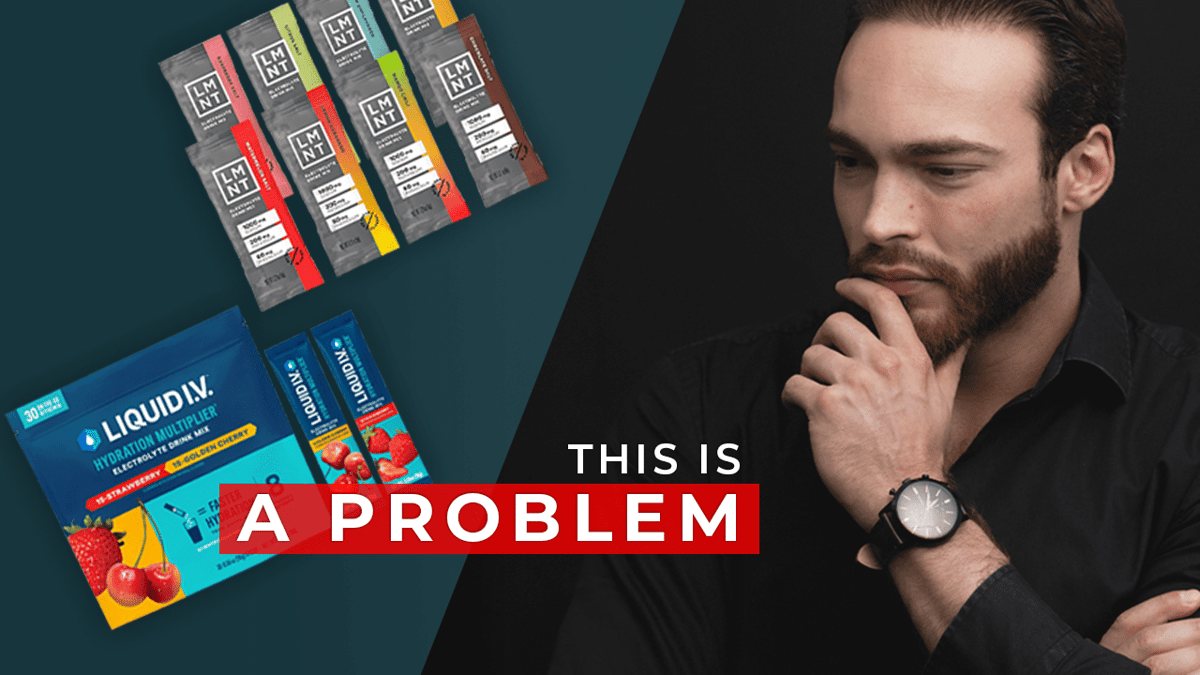
I Read Every Electrolyte Study. The Industry Is Lying.
Recent scientific reviews show electrolyte supplements, largely sodium, provide no performance advantage for the average consumer and may increase cardiovascular risk. Typical diets already deliver 3–5 g of sodium daily, exceeding most health guidelines, so added supplement packets can push intake...
Broken at the Biochemical Level: The B Vitamin Series - Part 1
The opening post of the "B Vitamin Series" frames B‑vitamins as foundational metabolic regulators rather than optional nutrients. It argues that adequate B‑vitamins are essential for energy generation, nerve transmission, cardiovascular health, and cellular repair. When levels dip, the body...
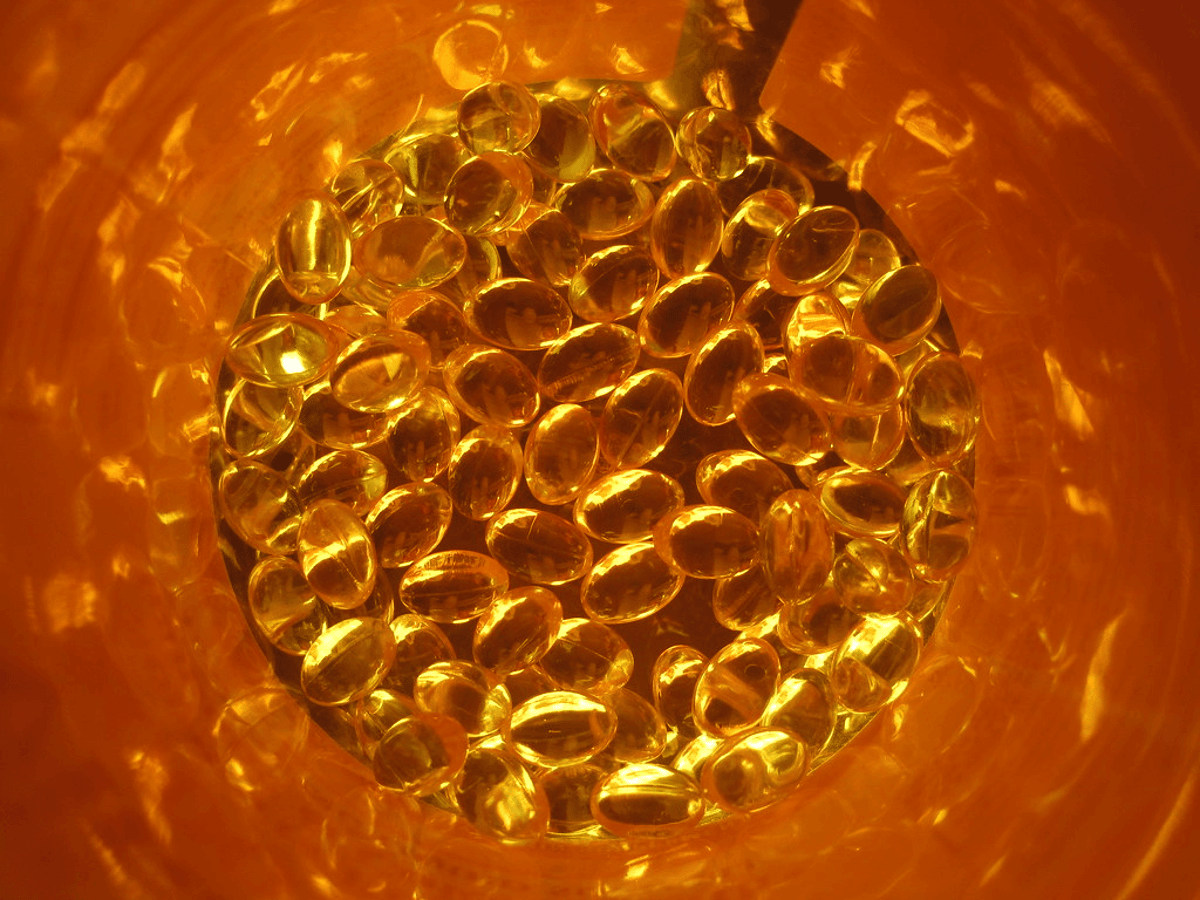
Blocked Arteries, Kidney Stones, Nausea, Constipation, Fatigue: Long List of Health Problems Caused by Too Much Vitamin D
Recent research highlights that excessive vitamin D intake can trigger hypercalcemia, leading to calcium deposits in arteries and soft tissues. The condition raises the risk of kidney stones, nausea, fatigue, muscle weakness, and, in severe cases, kidney failure or fatal...
How Personalizing Nutrition Can Manage Inflammatory Bowel Disease
Inflammatory bowel disease (IBD) affects roughly 2.4‑3.1 million Americans and costs the U.S. economy about $50 billion each year. New research highlights that the typical Western diet—rich in refined sugars, vegetable oils, and ultra‑processed foods—disrupts the gut microbiome, increases intestinal permeability, and...
Why Cooking for Better Health Makes Dietary Changes Easier
The article argues that home cooking empowers patients to adopt healthier diets, especially by reducing sodium, because it provides tangible, visual cues that reinforce nutritional awareness. It draws on a personal story of a mother with hypertension and explains how...
Parkinson's Disease
A recent randomized controlled trial found that daily resistant starch supplementation alleviated motor symptoms in Parkinson’s disease patients. Over a 12‑week period, participants showed a 15% reduction in Unified Parkinson’s Disease Rating Scale (UPDRS) motor scores compared with placebo. The...

Bacopa Monnieri
Researchers continue to validate Bacopa Monnieri, an Ayurvedic herb, as a potent nootropic and adaptogen. Clinical trials show that daily doses of 300‑450 mg of standardized extract improve memory, attention, and reduce anxiety by modulating acetylcholine and cortisol. The herb’s active...

Train Hard, Recover Harder
Athletes pushing harder risk overtraining when nutrition and recovery lag behind. The article outlines five evidence‑based nutrition tactics—protein intake, complex carbs, proper hydration, healthy fats, and strategic timing—to close the recovery gap. It stresses that these dietary levers must work...

Intuitive Eating Research: Is It Useful for Your Relationship with Food?
Intuitive eating, defined by Tribole and Resch in 1995, emphasizes eating to internal hunger and satiety cues. Tracy Tylka’s Acceptance Model of Intuitive Eating (AMIE) links body acceptance, body‑function appreciation, and self‑compassion to higher intuitive‑eating scores. A 2021 meta‑analysis by...
Practitioner Tip: What Common Supplements Are Mast Cell Triggers?
Mast Cell Activation Syndrome (MCAS) patients often react to supplements that seem harmless, because some active ingredients are high in histamine or act as mast‑cell liberators. The post highlights that fermented forms of vitamin C, such as ascorbic acid and ascorbyl...
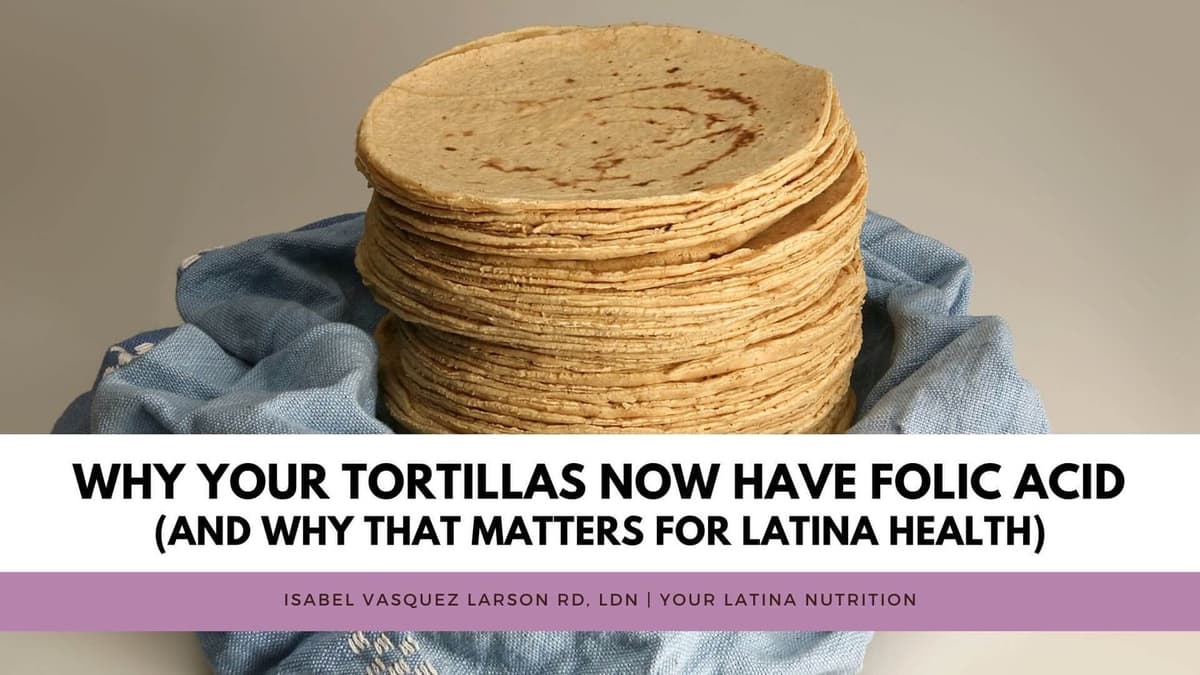
Why Your Tortillas Now Have Folic Acid (And Why That Matters for Latina Health)
On Jan 1 2026 California enacted a law requiring folic acid fortification of all commercially produced corn masa products, including tortillas. The measure targets the higher incidence of neural‑tube defects among Latina births, a gap left by earlier grain‑fortification policies that excluded...

Friday Hope: Zinc: Improves Intestinal and Lung Epithelial Integrity, Mitigates Oxidative Stress and Counters NF-kB Signaling
Zinc is essential for DNA synthesis, immune function and maintaining epithelial barriers. Recent studies show COVID‑19 patients with zinc deficiency face a 5.5‑fold higher risk of complications, longer hospital stays and increased mortality. Supplementation restores tight‑junction proteins, reduces oxidative stress...
Dairy vs Plant Milks: Which Should You Choose?
The article breaks down the expanding landscape of plant‑based milks—soy, oat, pea, almond, cashew, hemp, and more—against traditional dairy. It explains how plant milks are produced through soaking, grinding, and filtering, often with added stabilizers that classify them as ultra‑processed...

Podcast: Build Better Habits & Master the Mental Game of Eating
The Two Percent podcast released a new episode featuring Melissa Hartwig, co‑founder of the Whole30 movement, to discuss how short‑term elimination diets can rewire eating habits and uncover food sensitivities. Hartwig shares personal stories of trauma, sobriety, and how a...
Iron: An Underrated Factor in Aging
The piece argues that excess iron—especially heme iron from animal foods—acts like internal rust, driving oxidative damage through the Fenton reaction and contributing to cardiovascular disease, insulin resistance, and cancer. It highlights that typical ferritin levels in Western populations often...

Why GLP-1 Medications Require Expert Nutrition Guidance
GLP‑1 medications are reshaping obesity and diabetes treatment by delivering significant weight loss, but their appetite‑suppressing effects can lead to protein shortfalls, vitamin gaps, and muscle loss. A recent Academy of Nutrition and Dietetics survey found 98% of professionals flag...

Should You Give Your Child Melatonin? What the Research Actually Says
Melatonin supplement sales in the United States surged from $285 million in 2016 to $821 million in 2020, reflecting a sharp rise in pediatric use. A recent survey indicates that roughly one in five school‑aged children received melatonin in the past month....
Hydrogen-Rich Water Reduces Premenstrual Symptoms and Improves Quality of Life
A randomized, double‑blind trial published in BMC Women’s Health found that women who drank 1,500‑2,000 mL of hydrogen‑rich water each day during the luteal phase experienced a measurable drop in PMS symptom scores and reported better physical and psychological quality of...

Eat More Salt for Metabolic Health.
Recent analysis challenges the long‑standing advice to limit dietary salt, citing Dr. Ray Peat’s review of roughly 100 studies. Large cohort research shows that lower sodium intake correlates with higher mortality and fewer coronary events, while modest increases in daily sodium...
Dietary Interventions for Healthy Aging: An Epigenetic Perspective
A new review from Nanjing University of Chinese Medicine argues that diet functions as epigenetic software, supplying metabolites such as SAM, NAD+, α‑ketoglutarate and acetyl‑CoA that directly shape DNA methylation and histone modifications. It dissects three evidence‑backed interventions—Caloric Restriction, the...

Why Is Your Gut Leaking, And What Does That Actually Mean?
The article clarifies that while the intestinal wall does become leaky, the wellness industry’s diagnostic tests and supplement regimens are scientifically flawed. Commercial zonulin assays often measure the wrong protein, and “leaky gut syndrome” is not a recognized medical diagnosis....
How Your Gut Signals Fullness — and What Happens When That System Breaks Down
The post explains that the gut hormone GLP‑1, which curbs appetite and stabilizes blood sugar, depends on the short‑chain fatty acid butyrate produced by fermentable fiber. Modern diets high in seed oils and low in resistant starch starve butyrate‑producing bacteria,...
Practitioner Tip: Are Fillers and Other Ingredients Sabotaging Your Stabilization?
The article highlights that inactive ingredients—fillers, binders, coatings, and preservatives—can trigger mast cell activation in people with MCAS, even when the active supplement is well‑tolerated. It lists common culprits such as citric acid, titanium dioxide, corn starch, and magnesium stearate,...
Vitamin D: The Prohormone Your Doctor Is Under-Dosing
The post argues that vitamin D is a prohormone most physicians under‑dose, often recommending only the minimal 400‑800 IU despite widespread deficiency. It cites research supporting daily intakes of 2,000‑5,000 IU, especially in winter, and highlights the superior bioavailability of vitamin D3 over D2....
Magnesium Effects in Critically Ill Patients
Magnesium deficiency is a pervasive problem in intensive care, affecting up to 65% of ICU patients even when serum tests appear normal. Low intracellular magnesium is linked to higher rates of sepsis, prolonged mechanical ventilation, and increased mortality. Clinical studies...

Heart Association’s New Guidance Recommends Olive Oil and Other Unsaturated Fats
The American Heart Association’s 2026 dietary guidance upgrades its recommendations, placing olive oil, soybean oil and canola oil among the preferred sources of unsaturated fat. The new guidance pivots from focusing on individual nutrients to endorsing whole‑food dietary patterns that...