Are You Losing Muscle Mass in Midlife Without Even Knowing It?
The video highlights that midlife muscle loss is a silent risk factor for mortality and chronic disease, urging adults—especially women—to adopt progressive resistance training. It cites research showing average muscle mass declines 3‑8% per decade and strength 5‑17% without resistance work. The presenter stresses that the loss accelerates without progressive overload, and that heavy lifting is not required; training near muscular failure with moderate loads is sufficient. Women who switched from cardio‑centric, calorie‑restricted routines to strength‑focused programs reported stabilized energy, reduced brain fog, improved body composition, higher bone density, and better heart‑rate variability. The speaker notes these outcomes stem from adequate protein intake and systematic load progression. The message underscores that preserving muscle is a cost‑effective strategy to mitigate age‑related health decline, offering tangible benefits for productivity and longevity, and should be integrated into public health guidelines and corporate wellness programs.

Sleep 8 Hours Straight Without a Single Supplement (Works the First Night)
The video reframes insomnia as an electrical‑ion problem rather than a purely hormonal or psychological issue. It argues that sleep depends on precise ion gradients—sodium, potassium, magnesium, and calcium—that regulate neuronal firing and the brain’s resting membrane potential. When these...
The Anabolic Window Might Be One of Fitness' Biggest Myths. | EP#406
The video debunks the anabolic‑window myth, tracing its roots to 1980s glycogen‑replenishment studies that were later extrapolated to protein timing after resistance training. Acute experiments showed faster muscle‑protein synthesis when protein and carbs were consumed immediately post‑exercise, but longitudinal trials with...
What If There Was No Wagon? The Menopause Nutrition Reframe You Actually Need | Esther Blum
Nutrition coach Esther Blum reframes menopause eating by urging women to ditch binary 'good' and 'bad' labels around food and the notion of 'falling off the wagon.' She argues that food signals safety and pleasure is a legitimate nutrient, advocating...
The Hack That Extends Your Life No One Talks About | Educational Video | Biolayne
The video highlights a recent epidemiological study examining how dietary fiber influences mortality among people with hyperlipidemia, a high‑risk group for heart disease. Researchers followed 17 million data points over 3.5 years, comparing participants consuming ~11 g versus ~18 g of fiber daily. The higher‑fiber...
How To Slow Biological Aging With a Multivitamin, Vegetables, & Omega-3 | Dr. Steve Horvath
The podcast features Dr. Steve Horvath, creator of the Horvath epigenetic clock, explaining how biological age is measured and whether simple interventions—multivitamins, vegetables, omega‑3—can slow or reverse it. Horvath describes the Cosmos multivitamin trial, where participants showed a 2.1‑year reduction in...
Midlife Health Myths: What's True, What's Not? | LIVE with JJ Virgin
Health coach JJ Virgin used a live Q&A to debunk common midlife wellness myths and give practical guidance for women over 40, covering protein needs, GLP‑1 drugs, autoimmune diets, blood sugar and cholesterol management. She recommends aiming for roughly 30...
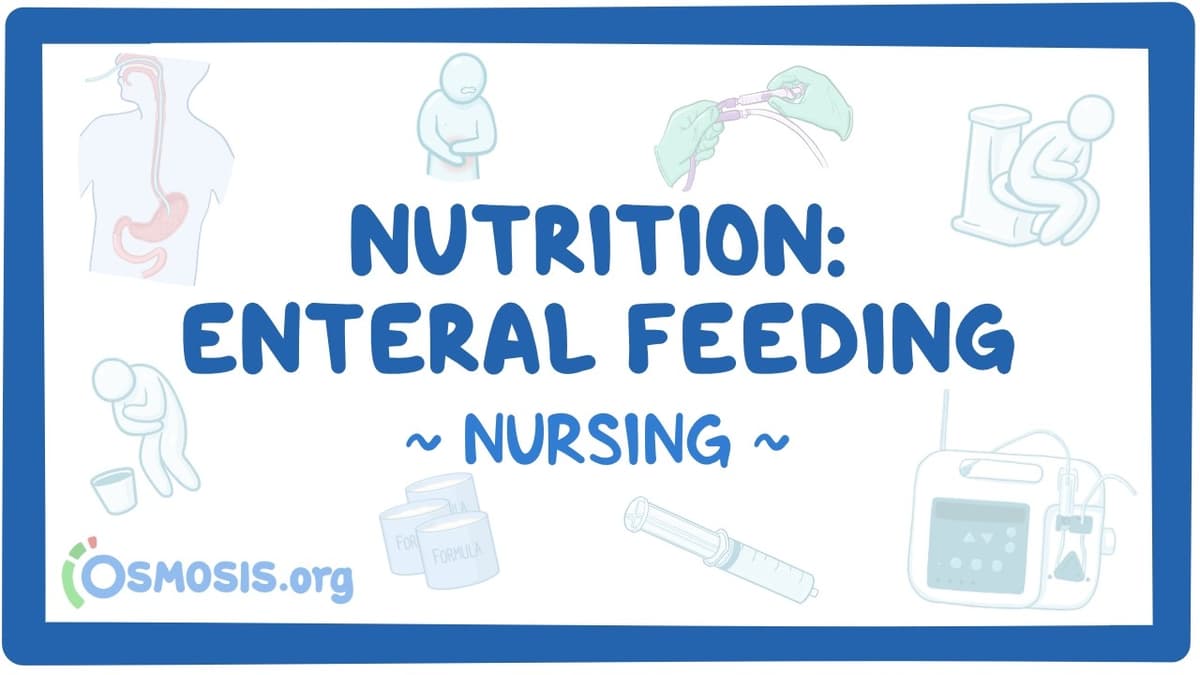
Nursing Fundamentals: Nutrition - Enteral
The video outlines the fundamentals of enteral nutrition (EN), a method of delivering fluids and nutrients directly into the gastrointestinal tract through a feeding tube. It emphasizes EN’s role for patients who cannot chew or swallow due to head‑neck trauma,...

ADM Positions Postbiotics at the Centre of Personalised Nutrition at Vitafoods Europe 2026
At Vitafoods Europe 2026, ADM’s global VP of marketing, June, highlighted postbiotics as the centerpiece of the company’s personalized nutrition strategy, positioning them alongside probiotics and prebiotics to meet rising consumer demand for targeted health benefits. ADM unveiled three flagship formats:...
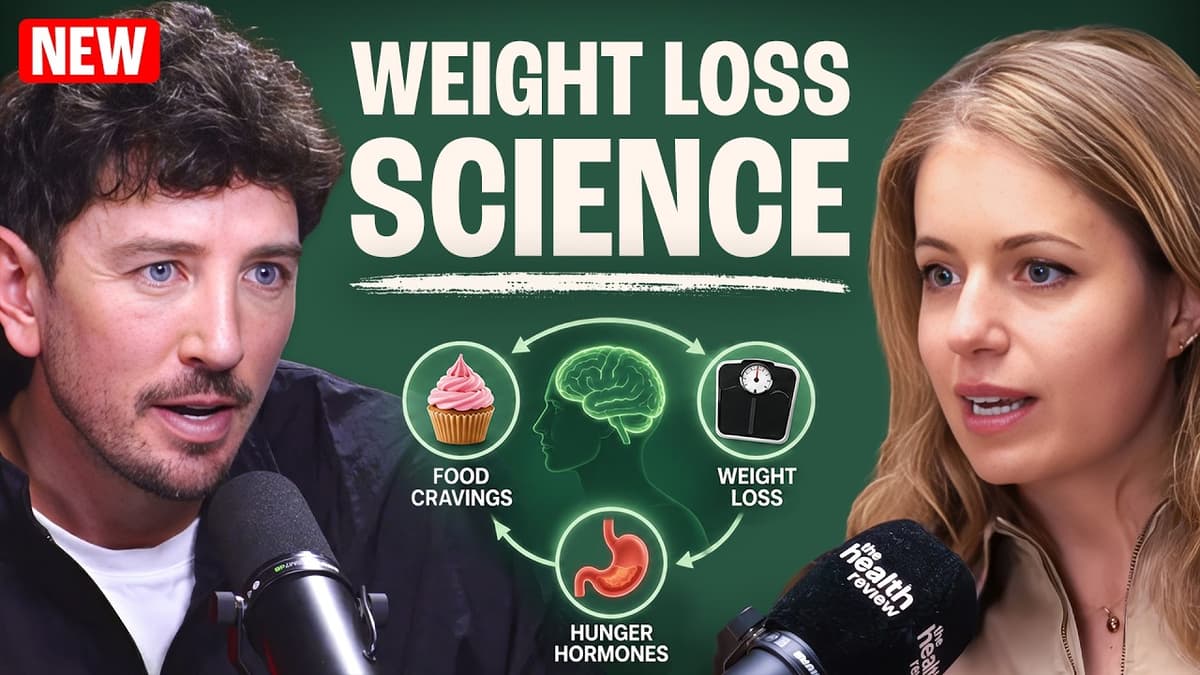
Nutrition Scientist Dr. Federica Amati: Why It's So Hard to Lose Weight and Keep It Off
Dr. Federica Amati, head of nutrition science at Zoe, explains why losing weight and keeping it off remains a biological challenge and how emerging GLP‑1 medications are reshaping the landscape. She frames the conversation around her new book, *The Appetite...
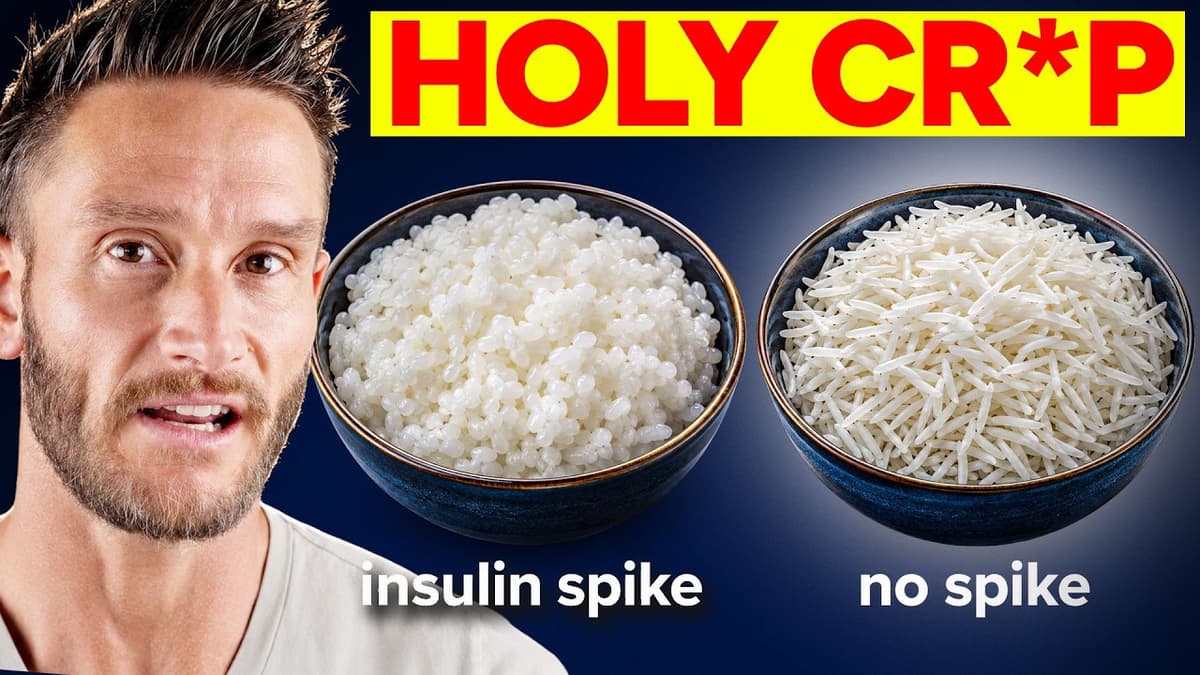
Stop Buying Brown Rice… This White Rice Is Better for You
The video debunks the blanket claim that brown rice is always healthier, showing that a single molecular factor— the amylose‑to‑amylopectin ratio— determines whether a rice variety spikes blood sugar or supports insulin sensitivity. Amylopectin forms large, branched granules that gelatinize quickly,...
Eating for Better Sleep & Foods that Improve Metabolic Health | Dr. Marie-Pierre St-Onge
The Huberman Lab episode spotlights Dr. Marie‑Pierre St‑Onge’s pioneering work on the two‑way link between sleep duration and dietary choices. By combining population data with controlled laboratory studies, her team shows how even modest sleep curtailment reshapes appetite hormones, brain...
Why Cutting Calories Makes Belly Fat Worse in Perimenopause
The video explains why cutting calories can exacerbate belly fat in perimenopausal women, linking muscle loss to insulin resistance and visceral fat accumulation. As women age from their mid‑30s, sarcopenia reduces glucose uptake, raising insulin levels that preferentially store fat around...
Intermittent Fasting Mistake: Don’t Skip Breakfast | Felice Gersh, MD
Dr. Felice Gersh warns that skipping breakfast—a common mistake in intermittent fasting—can undermine metabolic health. She explains that human physiology is tuned to process food more efficiently earlier in the day, with insulin sensitivity, glucose regulation, and mitochondrial function following...
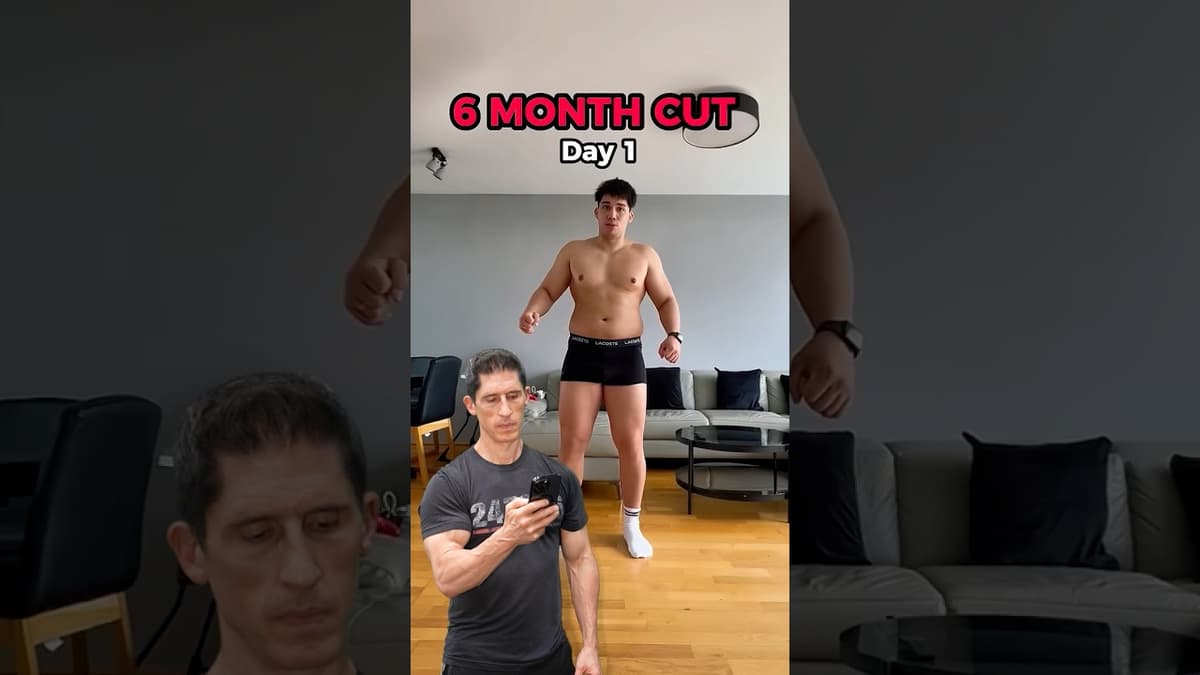
UNREAL 6 Month Transformation (EXPOSED)
A creator claims a six-month body transformation from 105 kg (231 lb) at 30% body fat to 75 kg (165 lb) and roughly 10% body fat. The video’s host breaks down the math, estimating about 53 lb of fat loss...