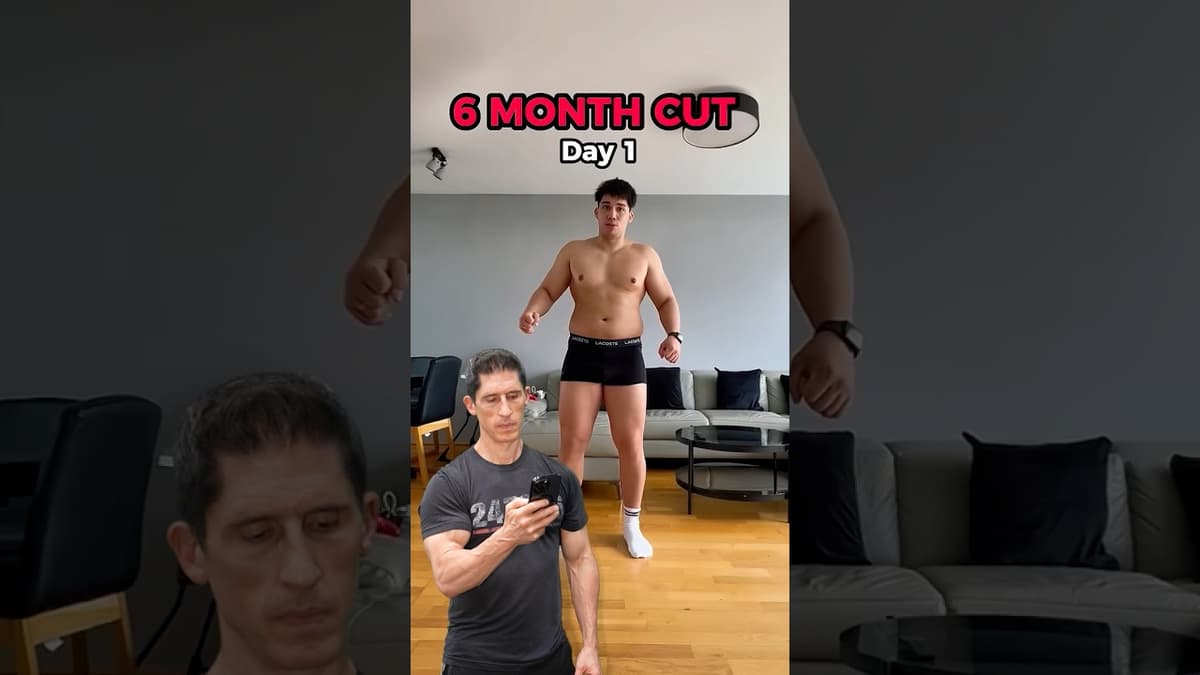
UNREAL 6 Month Transformation (EXPOSED)
A creator claims a six-month body transformation from 105 kg (231 lb) at 30% body fat to 75 kg (165 lb) and roughly 10% body fat. The video’s host breaks down the math, estimating about 53 lb of fat loss requiring roughly a 1,000-calorie-per-day deficit averaged over 180 days, achievable by combining a 500-calorie dietary cut with 500 calories burned through activity. The host cautions that preserving muscle through resistance training and adequate protein (about 1–1.2 g per pound of bodyweight) is essential; without it, significant fat loss can erase muscle and undermine the visible results. Overall, the numbers make the transformation plausible, but only if the dieter follows a strategic plan that prioritizes muscle retention.

The "Fruit Isn't Natural" Argument with Glucose Goddess | What the Fitness | Biolayne
A fitness influencer challenges the claim that fruit is "natural," prompting Biolayne to rebut that selective breeding affects many foods and that the naturalness argument is irrelevant to health outcomes. He cites research showing higher whole-fruit intake is associated with...
Podcast: Q&A with Dr. Greger 17
On the Nutrition Facts podcast Dr. Michael Greger answers listener questions on a range of diet and health topics. He debunks the Ayurvedic idea that fruits must be eaten alone as unsupported by evidence, and endorses whole-food, plant-based staples—sweet potatoes,...
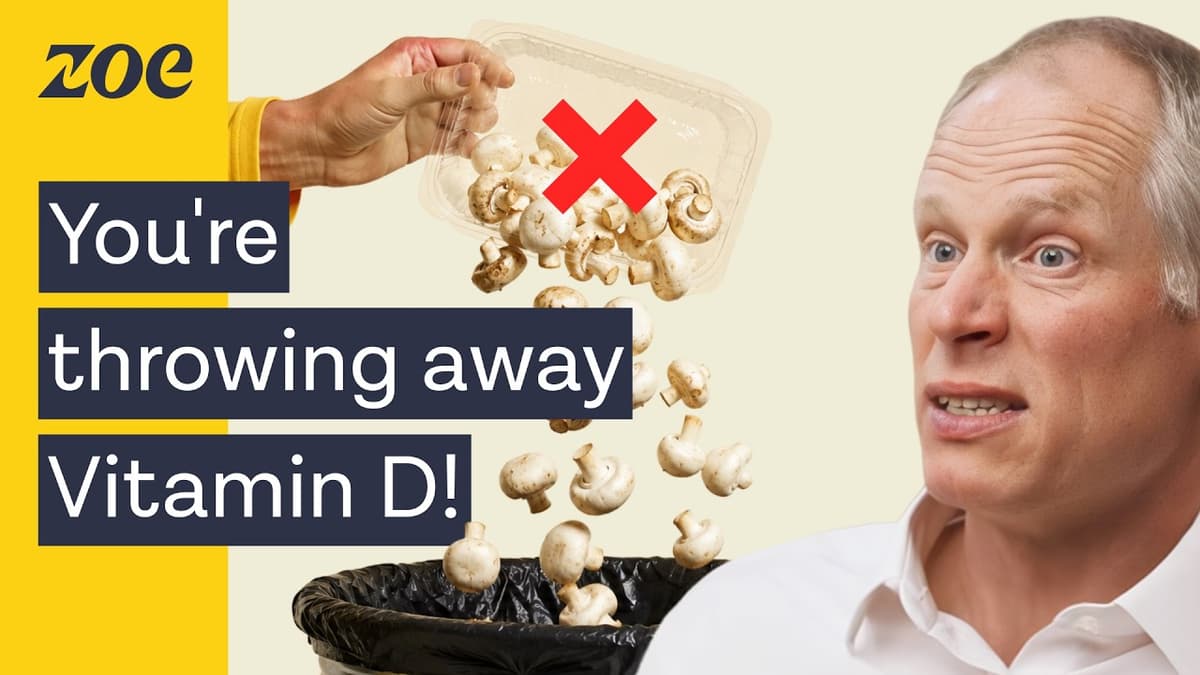
The Fungi Scientist: The #1 Mistake You're Making when Eating Mushrooms for Health
The video centers on how to maximize the health benefits of edible fungi, especially vitamin D production, and dispels common myths about mushroom consumption. Expert Robin May, a leading fungal immunologist, explains that mushrooms synthesize vitamin D when exposed to UV light,...
High-Fat Vs. High-Carb for Endurance Athletes: What the Science Really Says
The Fast Talk episode tackles the long‑standing debate over high‑fat versus high‑carbohydrate diets for endurance athletes, spotlighting a recent point‑counterpoint series in the American Journal of Clinical Nutrition by Dr. Timothy No and Dr. Louise Burke. Both researchers are highly...
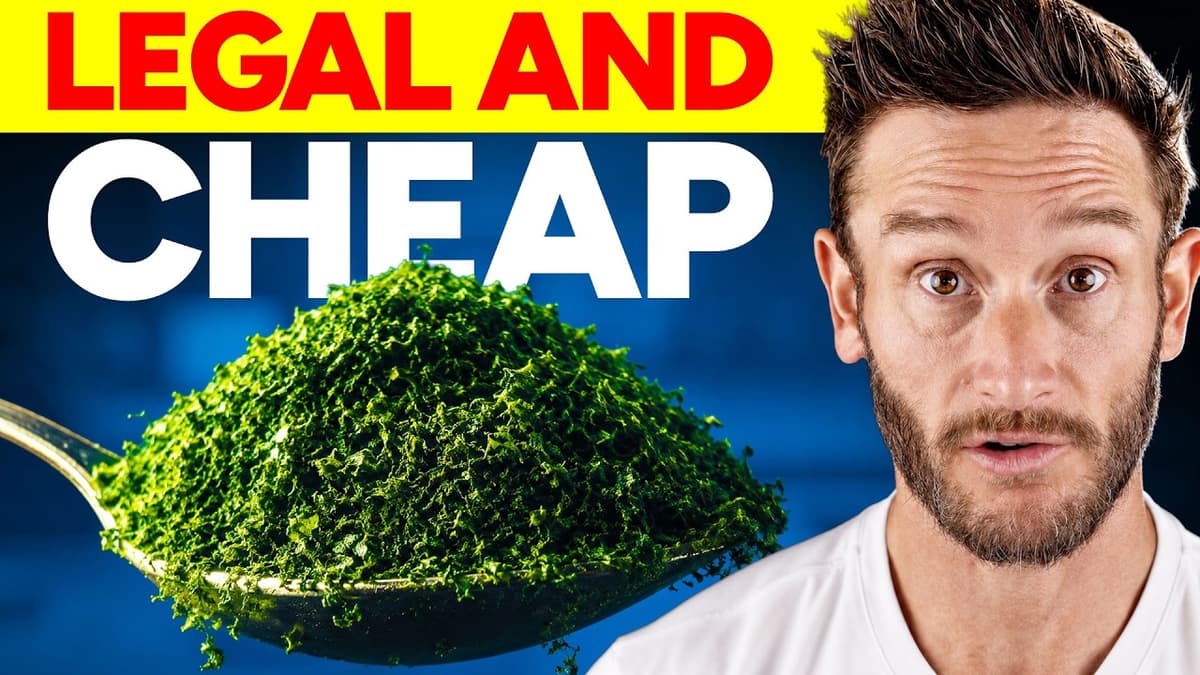
2 Tbsp Blocks Fat Storage, Crosses the Blood Brain Barrier, and Drops Estrogen
The video spotlights parsley’s flavonoid apigenin (also called epigenin) as a multi‑target compound that can influence fat storage, hormone balance, and brain health. The presenter explains that apigenin directly inhibits aromatase, the enzyme that converts testosterone to estrogen, and also...
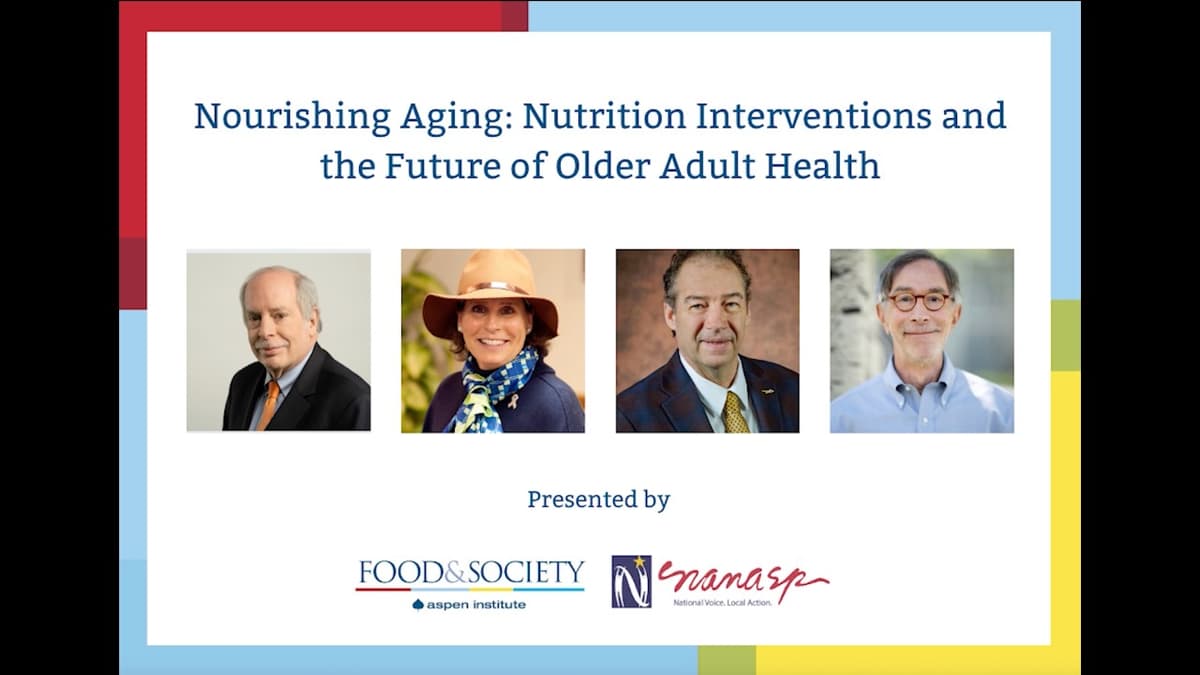
Nourishing Aging: Nutrition Interventions and the Future of Older Adult Health
At a Food & Society/Aspen Institute and NASAP forum, experts emphasized that targeted nutrition interventions—especially increasing protein intake and addressing dehydration, oral health, polypharmacy and mobility barriers—are critical to preventing malnutrition and sarcopenia among older adults. Panelists highlighted evidence-based tools...
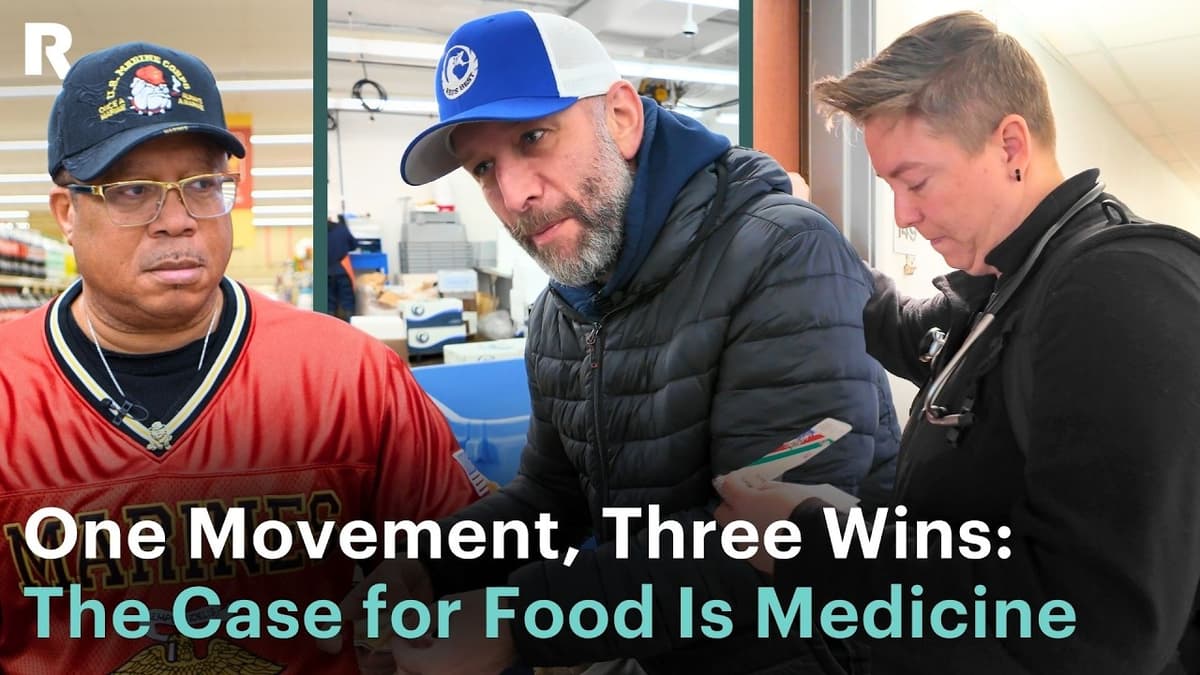
One Movement, Three Wins: The Case for Food Is Medicine
The video makes a compelling case for treating food as a therapeutic tool, weaving together a personal weight‑loss journey, a veteran nutrition pilot, and a supply‑chain partnership that links fishermen with community food programs. The speaker, once 300 pounds, credits a...
How to Fuel for HYROX | NYU Langone Health
The video, presented by NYU Langone Health sports nutritionist Nicole Lund, outlines how athletes should fuel for HYROX, a leg‑heavy endurance‑strength hybrid race. Lund emphasizes that proper hydration and carbohydrate timing are as critical as strength training for optimal performance. Key...
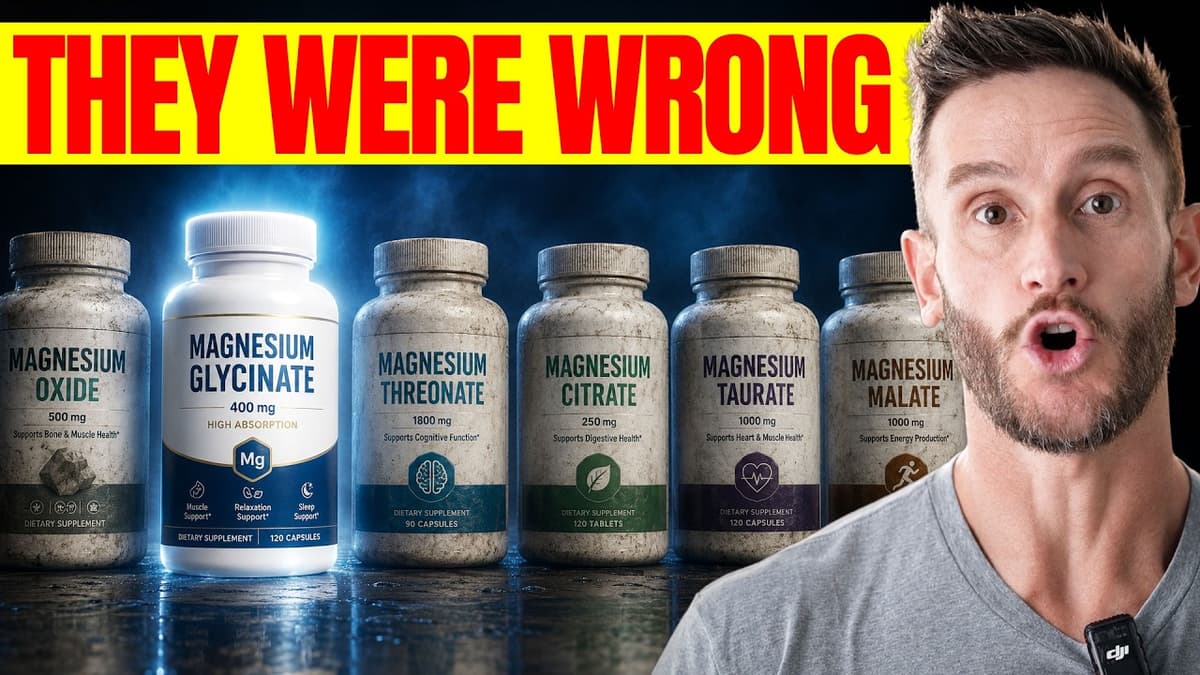
The Big Magnesium Lie (These Kinds Don’t Work)
The video reviews nine common magnesium forms and advises choosing based on specific health goals rather than assuming all supplements are equal. Magnesium chloride is presented as a versatile, highly soluble option that supports digestion; magnesium oxide has high elemental...
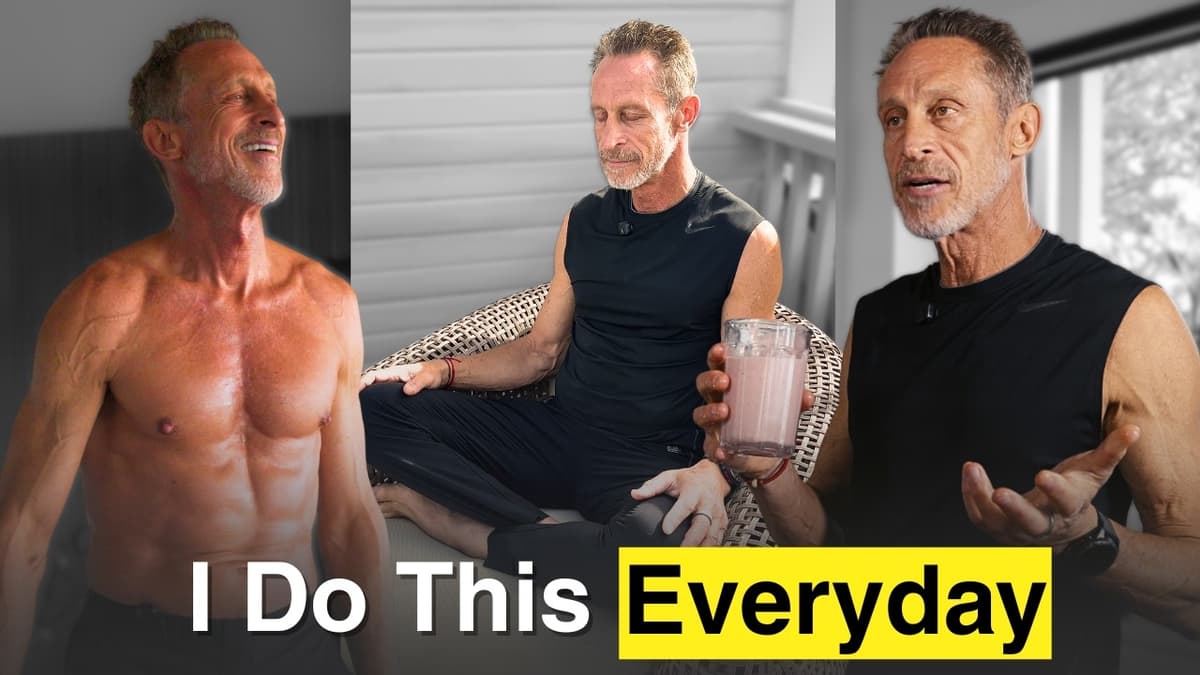
The Perfect Morning Routine for a Longer, Sharper Life | Dr. Mark Hyman
Dr. Mark Hyman outlines a science‑backed morning routine designed to optimize circadian rhythm, hormone balance, and long‑term brain health. He begins with 16 oz of electrolyte‑enhanced water, followed by 20 minutes of natural light or full‑spectrum lamp to reset the circadian clock. Breath...
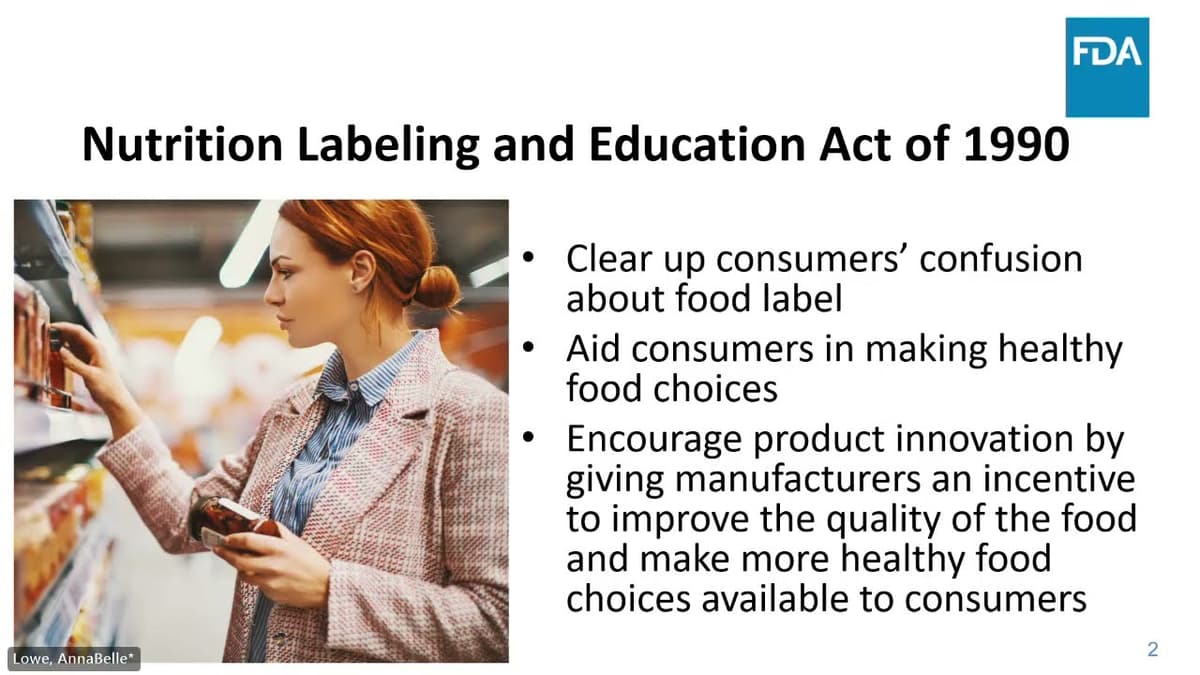
Understanding the Nutrition Facts Label, the Updated “Healthy” Claim, and Other Nutrition Claims
FDA nutrition officials used a National Women’s Health Week webinar to walk consumers through the Nutrition Facts label, common on-package nutrition and health claims, and the agency’s recently updated definition of the “healthy” nutrient-content claim. Presenters reviewed label fundamentals—serving size,...

Stop Getting Sick: The Immune System Hygiene Protocol | Carly Kremer
The video introduces “immune system hygiene” as a preventive strategy, championed by beekeeper and entrepreneur Carly Kremer, who claims she hasn’t been sick in seven years thanks to a daily regimen of propolis‑based products. Kremer cites scientific backing—a meta‑analysis of 17...
Treating Heartburn and Acid Reflux (GERD) Naturally
A physician-author announced a live one-hour webinar on June 5 titled "Treating Heartburn and Acid Reflux (GERD) Naturally," derived from chapters in his forthcoming book How Not to Hurt. He will argue that common drugs for GERD can cause harm...
37mg Is the Most Underrated Performance Enhancer for Fat Loss and Strength
The video highlights cortisepin, the primary active molecule in the cordyceps mushroom, as a potent nighttime performance enhancer: a targeted dose of about 30–40 mg (commonly 37.5 mg) before bed can noticeably increase deep sleep. Cortisepin acts like adenosine in...
Podcast: What’s Taurine and Why Do We Care? (Part 3)
The podcast’s final episode dissects taurine’s sources, weighing cost, convenience, and safety. Dr. Greger ranks pure taurine powder as the most concentrated and affordable option, followed by dried nori, shellfish, energy drinks, fin fish, and land‑based meats. He highlights that...
What to Eat for Better Skin: Supplements & the Fiber-Acne Connection | Dr. Mamina Turegano
The discussion centers on how internal nutrition and targeted supplements complement topical skincare to improve skin conditions ranging from acne to hyperpigmentation. Dr. Mamina Turegano emphasizes that diets high in sugar, refined carbs, and dairy elevate insulin and hormone fluctuations,...
Why Sweetness Isn’t the Real Problem
The podcast explores why sweetness itself isn’t the problem, featuring Sako Kold, founder of Nomos Su, a confectionery brand that re‑imagines sugar with metabolic and gut‑health science. Kold recounts a personal experiment of eliminating all sweet taste for three weeks, which...
Creatine and Numb Legs When You Run
Two experts discuss anecdotal reports linking creatine supplementation to numbness in the legs during running, noting initial skepticism but acknowledging stronger causality when symptoms resolve on discontinuation and recur on rechallenge. They concede there isn’t a clear physiological mechanism tying...
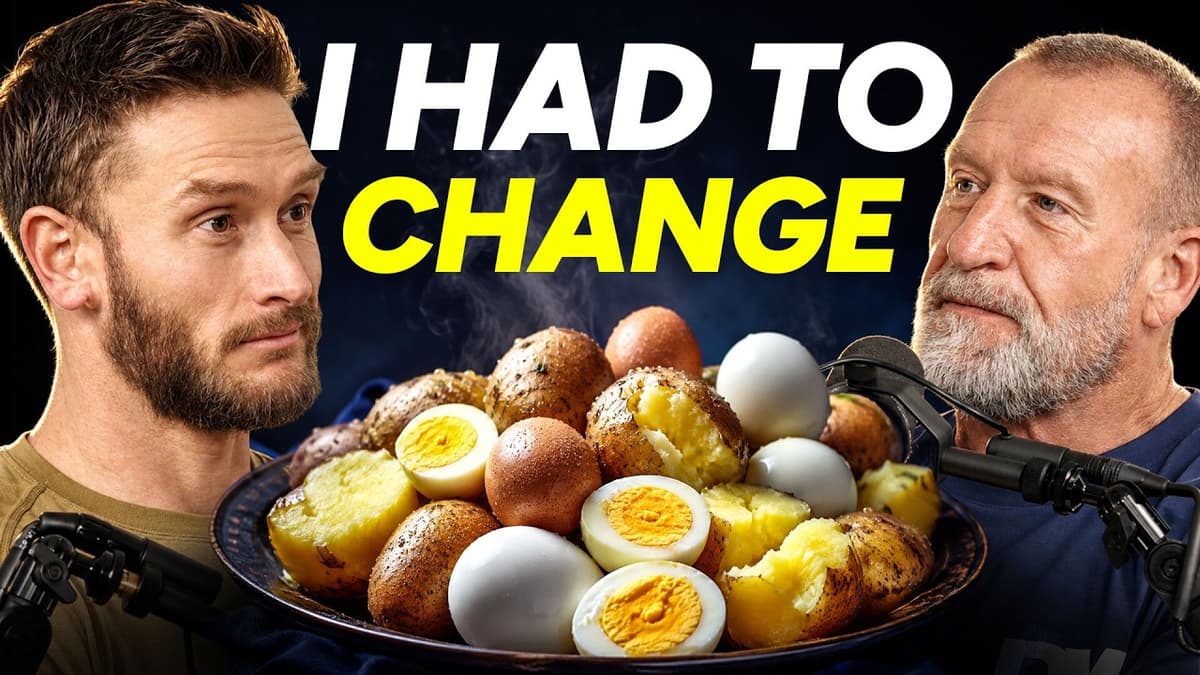
Dorian Yates Reveals His Exact Diet to Drop Fat and Build Muscle
Dorian Yates explains how his nutrition strategy evolved from the high‑volume, six‑meal routine he used during his Mr. Olympia years to a streamlined, health‑focused plan for his post‑competition life. He described consuming up to 6,000 calories daily, with roughly 1,000 g...

Symptoms & Root Contributors of Silent Reflux (LPR) ❌
The video explains that silent reflux (laryngopharyngeal reflux, LPR) can cause throat-focused symptoms—difficulty swallowing, hoarseness, chronic cough, excess mucus, throat clearing and a globus sensation—even when classic heartburn is absent. The presenter warns that proton pump inhibitors may reduce acidity...
Build Muscle, Great Posture & Resilience to Injury | Jeff Cavaliere
The Huberman Lab episode with physical‑therapy expert Jeff Cavaliere focuses on the often‑overlooked “small” exercises that protect the back, shoulders and hips, enabling lifelong strength and injury resilience. Cavaliere argues that longevity depends on functional movement, not just big compound...

Creatine Timing Explained
The video addresses a common question among athletes and fitness enthusiasts: when is the optimal time to take creatine? The presenter explains that creatine’s primary benefit comes from saturating muscle stores, after which timing becomes largely irrelevant. During the loading phase,...
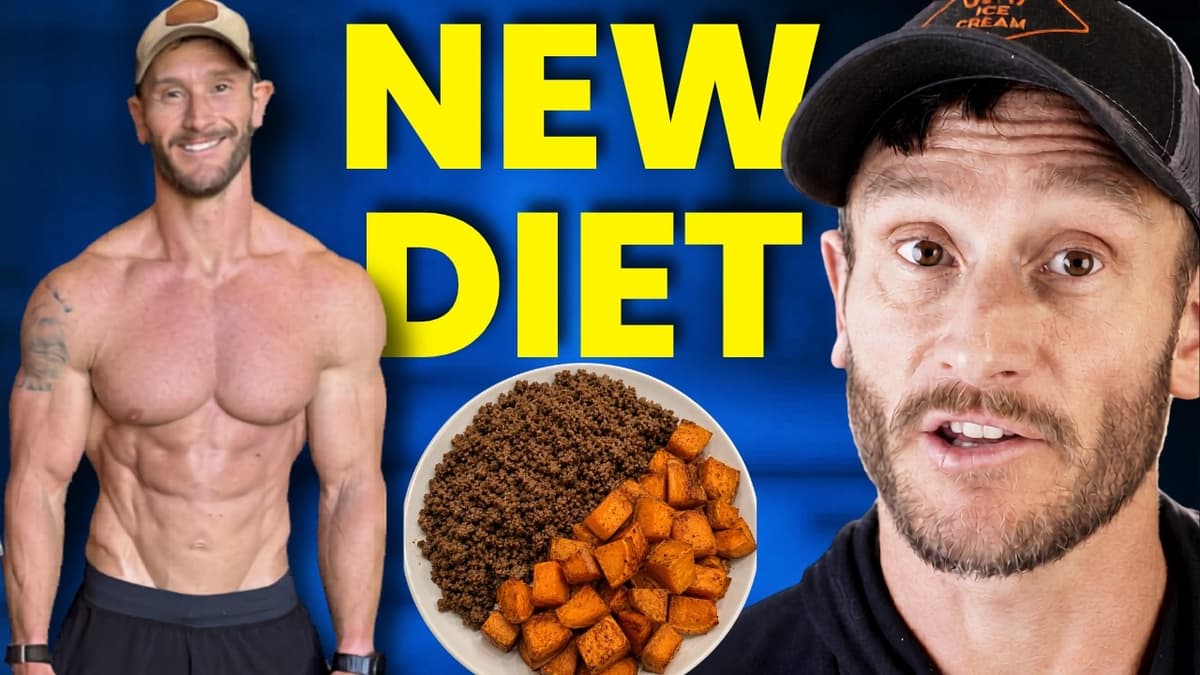
I Stopped 16:8 Fasting and This Happened (You Should Try It)
The video challenges the popular daily 16:8 intermittent fasting protocol, arguing that chronic morning fasts blunt the natural cortisol awakening response and can promote insulin resistance. The creator, once a staunch 16:8 advocate, now recommends re‑framing fasting on a weekly...

This Drives Cortisol Through the Roof - and We’ve Been Wrong for Decades
The video overturns decades‑old assumptions about cortisol, arguing that once energy availability falls below a critical threshold, calorie restriction stops being a weight‑loss tool and becomes a hormonal hazard. It defines that cutoff in terms of “energy availability” and explains...

Fiber vs Fermented Foods: What a Microbiome Scientist Says You Actually Need Both | EP#412
The episode explores why a microbiome scientist argues that both dietary fiber and fermented foods are essential for optimal gut and immune health, debunking the notion that one can replace the other. Epidemiological data show that each additional five grams of...
This Study Changed How I Think About Gut Healing (Low FODMAP & Regeneration)
The video highlights a recent study by Tarek Mazawi that reveals a regenerative capacity of the low FODMAP diet on the small‑intestinal lining. Histological slides showed that patients with IBS or IBD on a low FODMAP regimen restored normal densities...

It Seems Like a Lot More People Are Getting This Message as They Get Older...
The video highlights an inflection point for middle‑aged adults who are now being told to prioritize bone density and muscle mass as they age. Experts cite a minimum protein intake of 0.7 g per pound of body weight and stress that many...
Podcast: What’s Taurine and Why Do We Care? (Part 2)
The podcast episode examines taurine, a conditionally non‑essential amino acid, its age‑related decline, and whether supplementation can extend human healthspan. Animal work shows that restoring taurine in mice, worms and monkeys reverses age‑related decline and lengthens lifespan. Human meta‑analyses (2020, 2024)...
New Research on Torque Training, Ketones, Carb Loading and Pacing
The episode of the Scientific Triathlon podcast examined two recent studies: one on torque‑training intensity for cyclists and another on post‑exercise ketone supplementation during an eight‑week endurance program. Both researchers and host Michael Ericson broke down the methodology, outcomes, and...
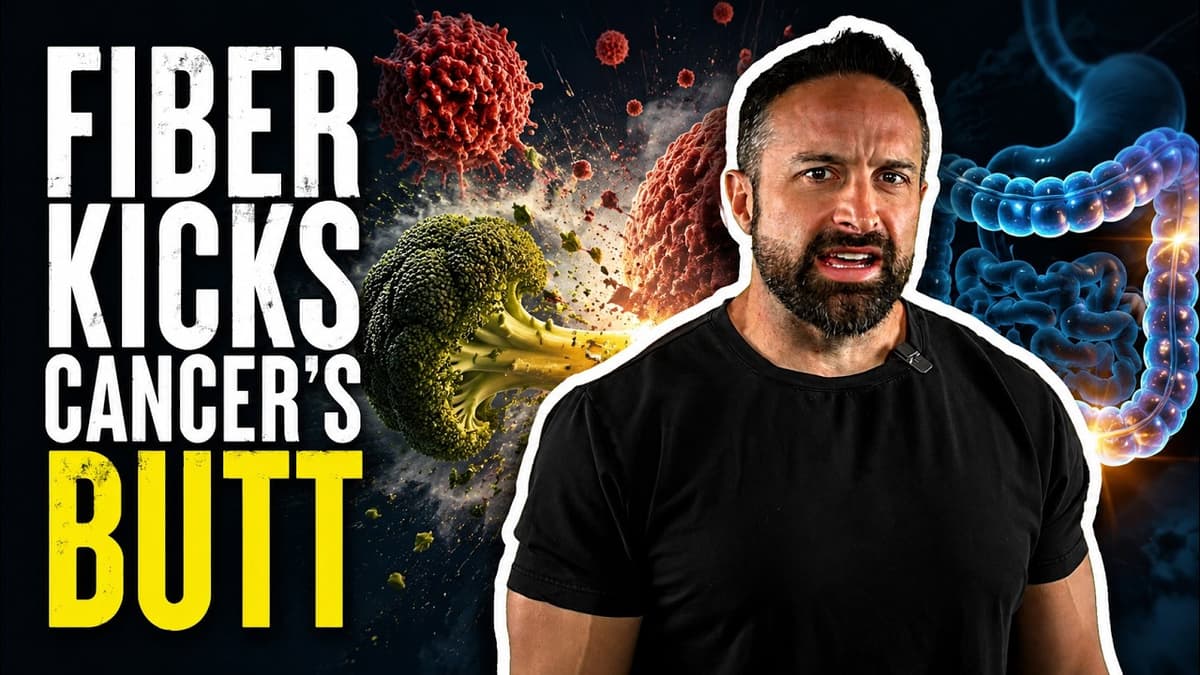
Fiber Kicks Cancer's Butt in New Studies | Educational Video | Biolayne
The video reviews two recent investigations linking dietary fiber to better cancer outcomes. A scoping review of breast‑cancer studies found a consistent signal: higher fiber and fruit‑vegetable intake lowered recurrence risk and boosted survival, even after statistically adjusting for BMI,...
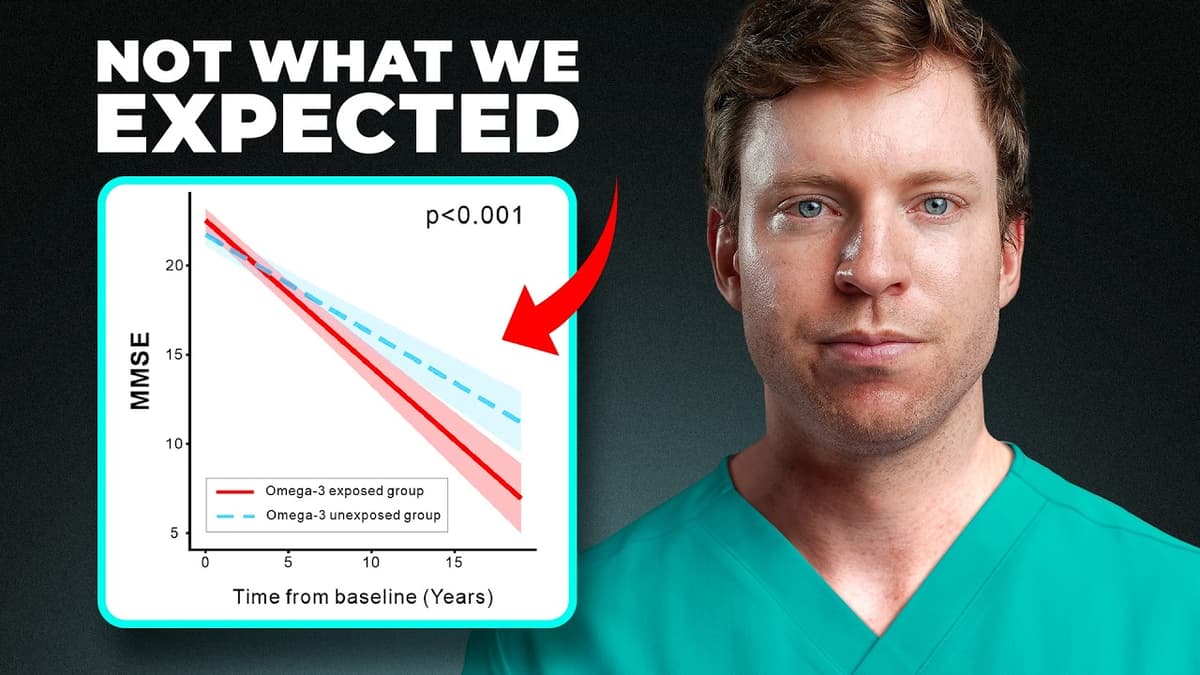
Concerning Omega-3 Brain Study
The video dissects a new longitudinal ADNI study that found older adults taking omega‑3 supplements experienced faster decline on every cognitive test over a median five‑year follow‑up. Researchers matched 273 supplement users with two non‑users each, controlling for age, sex,...
A Powder that Cleanses the Blood, Liver, and Gut
The video spotlights resistant starches—a class of indigestible carbohydrates—as a therapeutic “powder” that can cleanse blood, liver, and gut by modulating the gut microbiome. When consumed, resistant starch bypasses upper‑intestinal digestion and ferments in the colon, fostering a microbiome that produces...
Is Creatine Causing Your Shin Pain? +Splitting Training, Endometriosis for Lifters | Direct Line May
The Barbell Medicine Direct Line episode tackled a listener’s concern that a new creatine regimen was triggering shin and calf pain during runs, possibly indicating chronic exertional compartment syndrome (CECS). The hosts, Dr. Jordan Fagenbomb and Dr. Austin Barak, reviewed...

Coffee Doesn’t Actually Stress You Out
A new University College Cork study examined how daily coffee consumption influences the gut‑brain axis, challenging the notion that caffeine is the primary driver of coffee’s health effects. Researchers compared 31 regular coffee drinkers (3‑5 cups) with 31 non‑drinkers. Coffee altered...
Is There a Link Between Diet and Mental Health?
The Lancet podcast explores whether a ketogenic diet can influence mental health, focusing on its emerging role in managing bipolar disorder. Host Niall Boyce and guest Daniel "Danny" Smith discuss the diet’s composition—high fat, low carbohydrate—and its historical use for...

Your Body's Dehydration Warning System Is Broken | Dr. Mark Hyman
Dr. Mark Hyman explains that most people rely on thirst, but thirst is a late warning sign, and even mild dehydration can impair brain function. He cites research showing a 1‑2% drop in body water reduces concentration, causes fatigue, headaches, and...
How to Improve Cholesterol and Blood Pressure with Diet | Masterclass | The Proof EP#418
The episode is a master‑class on using nutrition to lower cholesterol, blood pressure, and cardiovascular risk, pulling together research from Harvard, cardiology dietitians, and nephrologists. It highlights legumes as an underrated food group, noting that swapping animal protein for plant protein...

Valter Longo: Can Short Fasting Cycles Regenerate the Body?
The Longevity Technology Unlocked podcast featured Dr. Valter Longo, the architect of the fasting‑mimicking diet (FMD), to explain how a five‑day, low‑calorie, plant‑based protocol can reset metabolism, stimulate stem‑cell activity, and reverse disease markers without the side effects of conventional...

Coughing After Meals? It Could Be Pepsin. #SilentReflux #LPR
The video explains that persistent cough after eating often stems from laryngopharyngeal reflux (LPR), a form of silent reflux where stomach enzymes reach the throat. Unlike classic GERD, LPR can cause symptoms without obvious acid exposure. Pepsin, the digestive enzyme, penetrates...

1 Cup Makes You Sleep Harder, Lowers Cortisol and Replaces Alcohol
The video explores kava—a plant‑derived beverage—as a non‑alcoholic alternative that deepens sleep, lowers cortisol, and fosters social cohesion. Presenters explain that kava’s primary action is as a GABA‑ergic modulator, producing a calming yet alert state. Unlike direct agonists such as benzodiazepines,...

Your Daily Dose: When It Comes to Salt, Less Is More.
The video spotlights the global health issue of excessive salt intake, reminding viewers that the World Health Organization recommends no more than 5 grams of sodium chloride per day – roughly one teaspoon. It reveals that most adults consume nearly twice that...
This Compound Reverses Immune Aging — Here's Why Scientists Are Stunned
The video focuses on urolithin A, a gut‑derived metabolite of ellagitannins found in pomegranate juice, that activates mitophagy – the selective removal of defective mitochondria – and appears to rejuvenate multiple physiological systems. Researchers highlighted how this compound boosts immune health...
Your Gut Microbiome Controls More Than You Think
The video explores how the gut microbiome—an ecosystem of microorganisms we co‑evolved with—governs physical, mental, and immune health. Host Dr. [Name] traces his scientific path from Los Alamos to Viome, where he translates microbiome research into consumer tests and interventions. Key insights include...
Why Getting Shredded Crashes Your Testosterone
The video discusses a recent study on natural male bodybuilders undergoing contest preparation, highlighting how extreme leanness impacts testosterone. Over an 11‑week cut, participants reduced body fat from 9.6% to 6.5%, while average testosterone dropped roughly 90 ng/dL, with the steepest decline...

Pediatrician Weighs in on Baby-Led Weaning
A pediatrician explains the fundamentals of baby‑led weaning, emphasizing that the approach is appropriate only when infants are developmentally ready. Babies must sit fully upright in a high chair with solid head and neck control before they attempt self‑feeding. The doctor...
Decoding Myths About Hunger
The video, anchored in the new book *The Hunger Code*, dismantles the long‑standing myth that hunger is a single, purely physiological signal and that weight loss can be solved by simply eating fewer calories. It argues that the prevailing "calories...

This Skyrockets Visceral Fat, Increases Cortisol and Ruins Sleep - Fix It
The video outlines a five‑pronged framework linking chronic stress, sleep disruption, vagal tone, circadian misalignment, and nutrient deficiencies to stubborn visceral fat. It argues that the nervous system’s "off switch" for fat storage is suppressed when cortisol remains elevated, inflammation...
Podcast: Everything You Wanted to Know About B12 (Part 2)
The podcast explains how vitamin B12 recommendations are derived and what intake levels are truly optimal for health. It contrasts the factorial approach that yields the U.S. RDA of 2.4 µg—designed to cover 98% of people—with newer research indicating that 4–7 µg...
Same Calories, Twice the Fat Loss: What the 2025 UCL Study Found | Rhiannon Lambert
The video examines ultra‑processed foods (UPFs) through the lens of a newly released 2025 UCL study and practical nutrition advice. It contrasts the weight‑loss outcomes of home‑cooked dinners with identical ready‑meal versions, revealing that participants who cooked their meals shed...