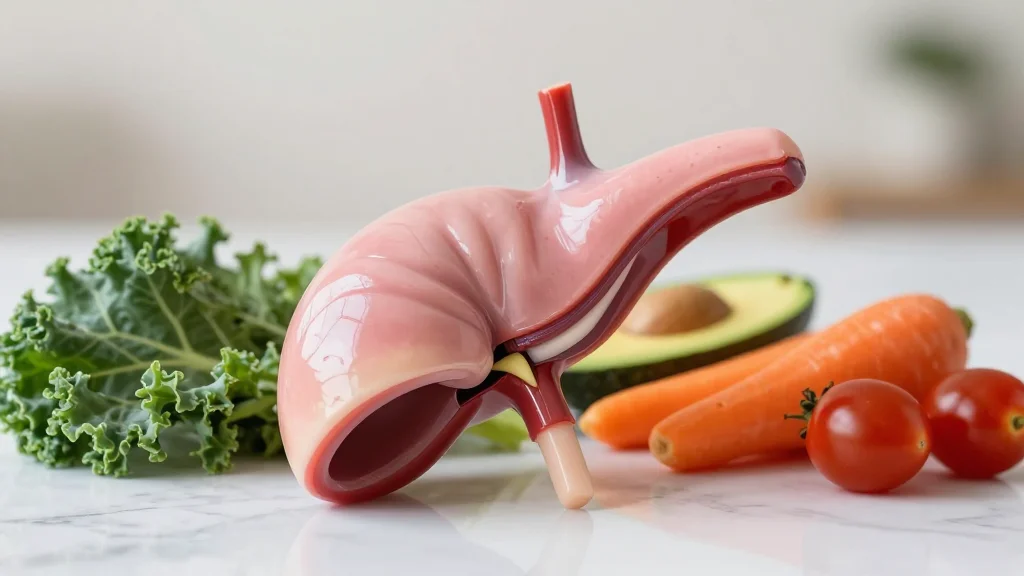
#601: Gallstones & Gallbladder Conditions: Impact of Diet – Angela Madden, PhD RD
In a recent interview, Dr. Angela Madden, PhD RD, dissected the evidence behind dietary advice for gallstones and gallbladder disease. She highlighted that the common recommendation to avoid fatty foods for symptom relief rests on limited direct research, especially when measured against clinical‑grade standards. By contrast, broader studies link overall diet quality and lifestyle factors to a lower risk of developing gallstones. Madden calls for a clear split between prevention strategies and management tactics, noting the scarcity of randomized trials for the latter.
Industry-Funded Study of the Week: Taurine Supplements
Nestlé’s research unit conducted a double‑blind, crossover trial with 44 healthy adults aged 25‑40, testing a blend of taurine and vitamins B6, B9, and B12. After 14 days of daily supplementation, participants reported significant gains in motivation, attention, mental energy...

The Geriatric Protein Paradox: Malnutrition Scales Linearly Into the Extreme Limits of Human Lifespan
A large survey of 1,497 Chinese adults aged 80 to over 110 found a linear increase in clinical malnutrition as age advances, with the steepest deficits observed in centenarians. Using the Geriatric Nutritional Risk Index, researchers showed each additional year...
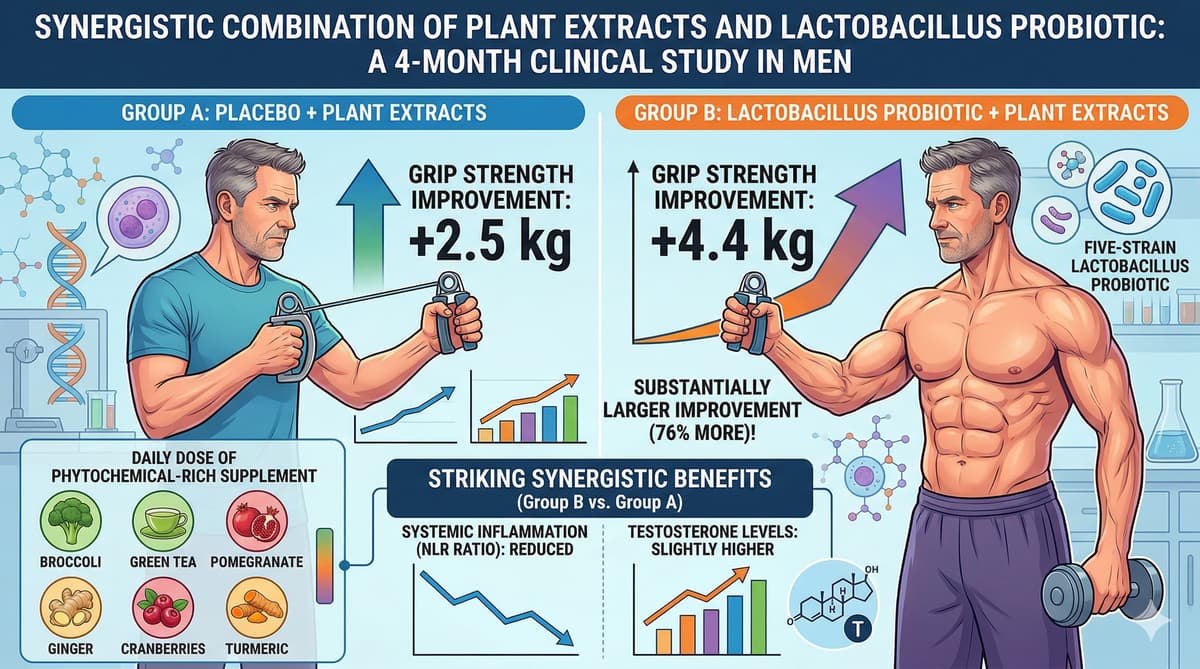
Gut Microbes and Plant Extracts: A Synergistic Formula for Reclaiming Muscle Power?
The article reviews a supplement protocol that pairs polyphenol‑rich plant extracts—curcumin, pomegranate, green tea, broccoli, cranberry and ginger—with a five‑strain Lactobacillus probiotic, inulin and vitamin D, taken as two capsules daily. Pharmacokinetic data show that unformulated curcumin and EGCG have very...
Diet and Death in the Chinese Elderly: Plant-Based and Meat-Heavy Patterns Show Divergent Sex-Specific Mortality Risks
A new epidemiological study of Chinese adults with a mean age over 85 reveals stark sex‑specific mortality patterns linked to diet. Elderly men who consume a meat‑heavy, animal‑protein‑rich “Carnivorous” pattern experience significantly lower death rates, while women on a sugar‑laden...
The Fiber Fix: Isolated Soluble Fiber Drives Clinically Meaningful Weight Loss and Metabolic Repair
Vitafusion Fiber Well markets a gummy that delivers 5 g of polydextrose (PDX) per serving, positioning it as a soluble fiber for weight loss and metabolic repair. Scientific review shows PDX ferments slowly throughout the colon, generating short‑chain fatty acids that...
Amount of Central Fat Predicts Mortality Risk in Non-Obese Individuals
The transcript presents evidence‑based dietary protocols that can dramatically lower visceral and hepatic fat without major weight loss. Clinical trials such as DIRECT‑PLUS, DiRECT and RS2 studies demonstrate that polyphenol‑rich foods, higher protein intake, unsaturated fats and resistant starch can...

Shilajit Ayurvedic Sex Drive-Boosting Myth: Tar-Like Ooze Extracted From Himalayan Rocks Doesn’t Work
Shilajit, a tar‑like resin harvested from Himalayan rock, is being promoted online as a natural testosterone booster. The only human data consist of two small, manufacturer‑funded trials involving 28‑38 men that reported modest increases in total and free testosterone after...

Friday Hope: Quercetin, Vitamin D and Curcumin All Modulate TGF-Β and Its Effects
Recent research shows that quercetin, vitamin D and curcumin each suppress the TGF‑β signaling cascade, curbing fibroblast activation and extracellular‑matrix deposition. Laboratory and animal studies report reduced collagen‑I, collagen‑III, fibronectin and Smad phosphorylation after supplement treatment. These antifibrotic actions complement...
Viewpoint — Influential Sports Scientists: ‘No Evidence that Organic Food Is Healthier’
Sports scientist Dr. Mike Israetel told The Rubin Report that organic produce offers no consistent nutritional advantage over conventional foods and that pesticide residues in U.S. diets are far below harmful levels. He linked the preference for organic to the...
From Fringe to Formulary: How Integrative Medicine, Peptides, and the D2C Biomarker Stack Are Reshaping the Boundaries of Evidence-Based Care
Integrative health, once a fringe market, now commands a $30 billion out‑of‑pocket industry with 37 % of U.S. adults spending on modalities like acupuncture, functional‑medicine and peptide protocols. Federal agencies are building measurement tools—NIH’s NCCIH $170 M Whole Person Health Index—and the VA’s...
Rhamnan Sulfate an Agent that Might Protect Microcirculation, Vascular Endothelium and Glycocalyx
Rhamnan sulfate (RS), extracted from the Japanese seaweed Monostroma nitidum, is emerging as a supplement that targets the endothelial glycocalyx rather than nitric‑oxide pathways. Early cell studies show RS restores glycocalyx thickness and cuts LDL permeability threefold, while ApoE‑deficient mice...
Don’t Waste Your Money on Expensive EVOO or ‘High Polyphenol’ Olive Oil!
A review of clinical and mechanistic data finds extra‑virgin olive oil (EVOO), especially high‑polyphenol varieties, superior to canola oil for cardiovascular health. The PREDIMED trial (≈7,400 high‑risk participants) reported a 31% reduction in major events with about four tablespoons of...
2g/Day of DHA for 2 Years Has No Impact on Cognition or Hippocampal Volume
A two‑year randomized trial gave participants 2 g of DHA daily and found no measurable improvement in cognitive performance or hippocampal volume. The null result adds to a growing body of RCTs that fail to demonstrate brain benefits from DHA supplementation...

Burning 15,000 Calories in 18 Hours
A University of Gothenburg field study tracked a 37‑year‑old Swedish athlete who burned roughly 15,000 calories across a four‑discipline “Tetrathlon,” revealing a severe metabolic reset that lingered for weeks. The research captured real‑time nutrition, blood‑sugar, heart‑rate and blood biomarkers, offering...

Paediatric Neurology and Therapeutic Carbohydrate Restriction
The article reviews emerging evidence that ketogenic metabolic therapy may benefit neonatal brain injury, preterm infants with mitochondrial disease, and children with autism spectrum disorder linked to PTEN mutations. Case reports demonstrate rapid lactate reduction and metabolic stabilization in a...
HHS Issues New Guidelines for Food Served in Hospitals
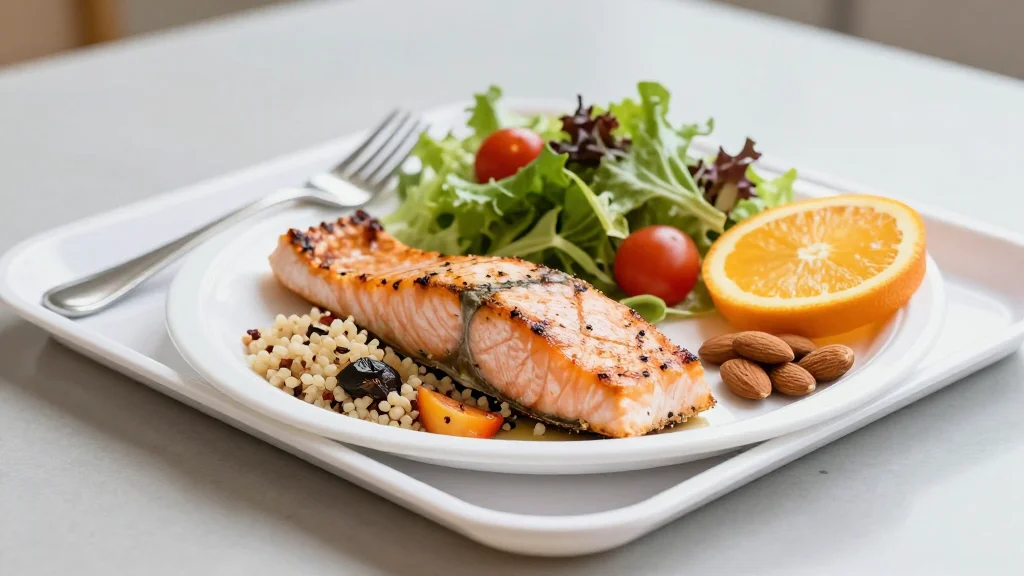
The U.S. Department of Health and Human Services (HHS) issued a memo directing hospitals to align their food service policies with the 2025‑2030 Dietary Guidelines. The rules require eliminating ultra‑processed foods, sugary drinks, refined grains, and processed meats, while mandating...

Cooking Once a Week Could Protect Your Brain
A six‑year Japanese cohort study of 10,978 adults aged 65+ found that cooking meals from scratch at least once a week lowered dementia risk by roughly 25‑30%. The protective effect was dramatically stronger—about 65‑70%—among participants with limited cooking skills, suggesting...

What We’ve Been Told About Saturated Fat, Fish, and Omega-3s May Need a Rethink
Dr. Tom Brenna, a veteran of U.S. dietary‑guideline panels, argues that two entrenched nutrition messages—capping saturated fat at 10% of calories and warning pregnant women against fish—are built on shaky evidence. He highlights how early studies conflated saturated and trans...
New Study Says I Was Wrong About NMN and NR?
A recent Norwegian crossover study reported that nicotinamide riboside (NR) raised blood NAD levels 2.3‑fold higher than nicotinamide mononucleotide (NMN) in six healthy adults. However, a larger 65‑participant Nature Metabolism trial found both NR and NMN roughly doubled NAD after...
Coenzyme Q10 (CoQ10) U-Shaped Dose-Response Relation with Blood Glucose and Blood Pressure
A short‑term ubiquinol regimen of 200 mg per day for two weeks boosted strength and endurance while lowering perceived exertion in moderately trained adults. Muscle‑damage biomarkers also fell, indicating protective effects after strenuous exercise. Separate meta‑analyses suggest CoQ10 supplementation can cut...
Vitamin C Re-Evaluated: A Direct Inhibitor of the 'Ferro-Aging' Clock
A 2026 Cell Metabolism study gave aged cynomolgus monkeys 30 mg kg⁻¹ vitamin C daily via drinking water for 40 months, showing direct inhibition of the ACSL4‑driven ferro‑aging clock. Pharmacokinetic data reveal vitamin C’s plasma half‑life ranges from 30 minutes to two hours at high doses,...
New Study Says I Was Wrong About NMN and NR?
Recent human trials show that nicotinamide riboside (NR) and nicotinamide mononucleotide (NMN) raise blood NAD levels similarly, contradicting a small crossover study that claimed NR was superior. Both compounds appear to be metabolized largely by gut microbes into nicotinic acid...
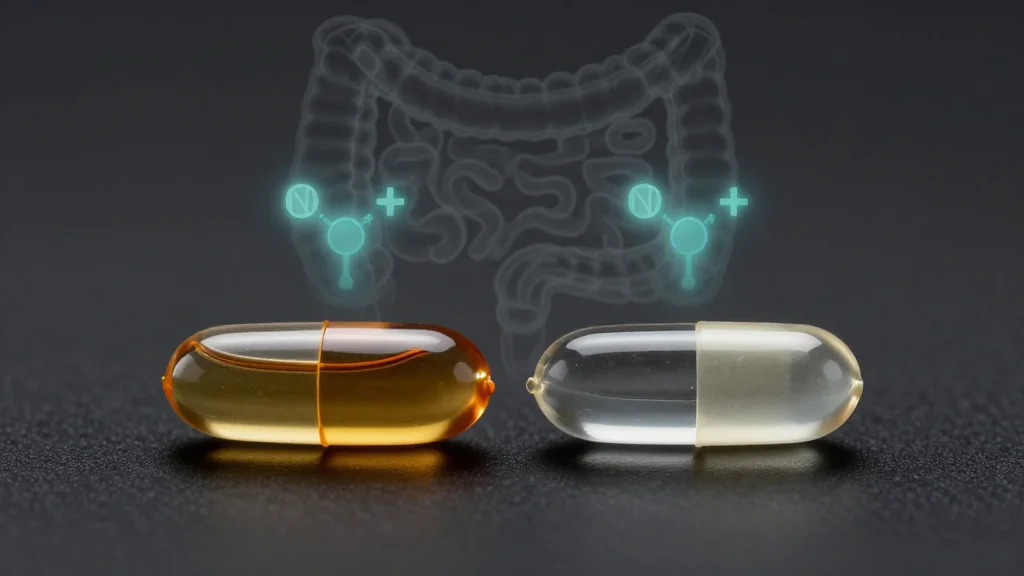
New Study Says I Was Wrong About NMN and NR?
The debate between nicotinamide riboside (NR) and nicotinamide mononucleotide (NMN) is losing relevance after recent trials. A crossover study of six adults showed NR raised blood NAD 2.3‑fold more than NMN, but a larger 65‑participant Nature Metabolism trial found both...

What If 30 Days Could Dramatically Improve Your Blood Sugar?
Dennis Hadac, a long‑time type 2 diabetic on multiple insulin injections, joined a 10‑day whole‑food plant‑based immersion and saw his blood sugars normalize, allowing him to stop all six diabetes drugs. Within months his A1c fell from 6.6 % to 5.9 % while...
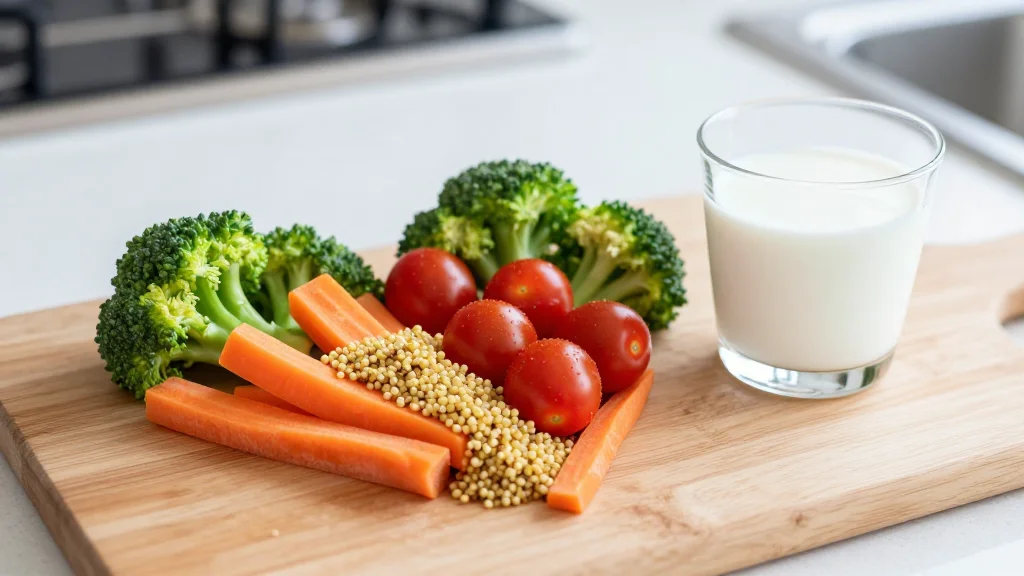
AHA Guidance on Plants, Meat, and Saturated Fat
The American Heart Association released a nine‑point dietary guidance that emphasizes plant‑based protein, low‑fat dairy, and limiting saturated fat to 10 percent of calories. The plan contrasts with Health Secretary Robert F. Kennedy Jr.’s recent push for more red meat and...
New Study Says I Was Wrong About NMN and NR?
A recent small crossover study suggested nicotinamide riboside (NR) raised blood NAD 2.3‑fold more than nicotinamide mononucleotide (NMN), but a larger Nature Metabolism trial with 65 participants found both precursors increased NAD similarly. Mechanistic work shows oral NR and NMN...
New Study Says I Was Wrong About NMN and NR?
Recent human trials have shown that nicotinamide riboside (NR) and nicotinamide mononucleotide (NMN) raise circulating NAD levels to a similar extent, contradicting a small Bergen study that suggested NR was superior. Both compounds appear to be metabolized largely by gut...
New Study Says I Was Wrong About NMN and NR?
Recent human trials have reignited the NR‑vs‑NMN debate, with a small six‑person crossover study suggesting NR raises blood NAD 2.3‑fold more than NMN, while a larger 65‑participant Nature Metabolism trial found no meaningful difference between the two. Both studies, however,...

GLP-1: The Risks They're Hiding From You + My Protocol to Start Producing It Naturally
GLP-1, a naturally produced hormone that regulates blood sugar and satiety, is the same mechanism targeted by weight‑loss drugs such as Ozempic and Wegovy. The article explains that endogenous GLP‑1 is rapidly broken down by the enzyme DPP‑4, whereas pharmaceutical...
An Opinionated Take on NEJM Highlights for Q1 of 2026
The first quarter of 2026 NEJM featured several disruptive studies, including a Canadian‑Australian dialysis trial where fish‑oil supplementation halved myocardial infarctions and cut strokes by two‑thirds. Merck’s oral PCSK9 inhibitor enlicitide achieved a 57% LDL reduction, positioning it for a...

Why Liposomal Magnesium Is the Next Leap Forward in Absorption
Liposomal magnesium wraps the mineral in phospholipid bubbles, allowing it to be absorbed through the body’s fat‑uptake pathways rather than the tight‑junction gates that handle most dietary magnesium. Conventional magnesium supplements dissolve quickly in the stomach, releasing ions in the...

Emerald Catalyst: Matcha’s Science-Backed Power Against Cancer
Recent independent studies highlight matcha's catechin EGCG as a potent anti‑cancer agent, capable of inducing apoptosis and disrupting tumor metabolism. Laboratory work shows EGCG downregulates mTOR and AKT pathways while protecting healthy cells from oxidative stress. Clinical observations link high...

Why Bariatric Patients Struggle with Protein and How to Fix It
Bariatric patients frequently fall short of protein recommendations, with up to 64% not meeting the minimum 60‑100 g daily intake. This shortfall leads to significant muscle loss—up to 25% of pre‑operative lean mass in the first year—and associated complications such as...

13 Essential Vitamins Good for the Brain
The article outlines 13 vitamins essential for optimal brain function and explains how deficiencies can blunt the effects of popular nootropic supplements like racetams and tryptophan. It cites NHANES data showing over 40% of U.S. adults lack adequate vitamin intake,...

IBS News Flash. FODMAP Diet Success Depends on Brain Not Just Gut
New research shows low‑FODMAP diet success for IBS hinges on the brain‑gut connection, not just food restriction. Patients with lower anxiety and higher resilience experience rapid, lasting relief, while those with stress or depression see limited benefit despite strict adherence....

On MAHA Action's Media Hub, Dr. Cate Shanahan Slams ‘Hateful Eight’ Seed Oils
On April 1, 2026 the MAHA Action Media Hub featured Dr. Cate Shanahan, who denounced eight common seed oils as the most harmful component of ultra‑processed foods. She labeled corn, canola, cottonseed, soy, sunflower, safflower, rice bran and grape seed...

Podcast Episode 27: Scrutinizing One of Our Longest-Funded Programs
GiveWell revisited its long‑standing vitamin A supplementation program, scrutinizing decades‑old trial data and new research to refine impact estimates. While classic randomized trials reported a 19% drop in child mortality, the organization now estimates a more modest 1%‑11% reduction in...
What Are Postbiotic Supplements — and Do You Really Need Them?
Postbiotic supplements contain isolated bacterial metabolites such as short‑chain fatty acids, enzymes, and cell‑wall fragments, but they do not replicate the continuous production achieved by a healthy gut microbiome. Research shows these compounds can reinforce gut barrier integrity, lower inflammation,...
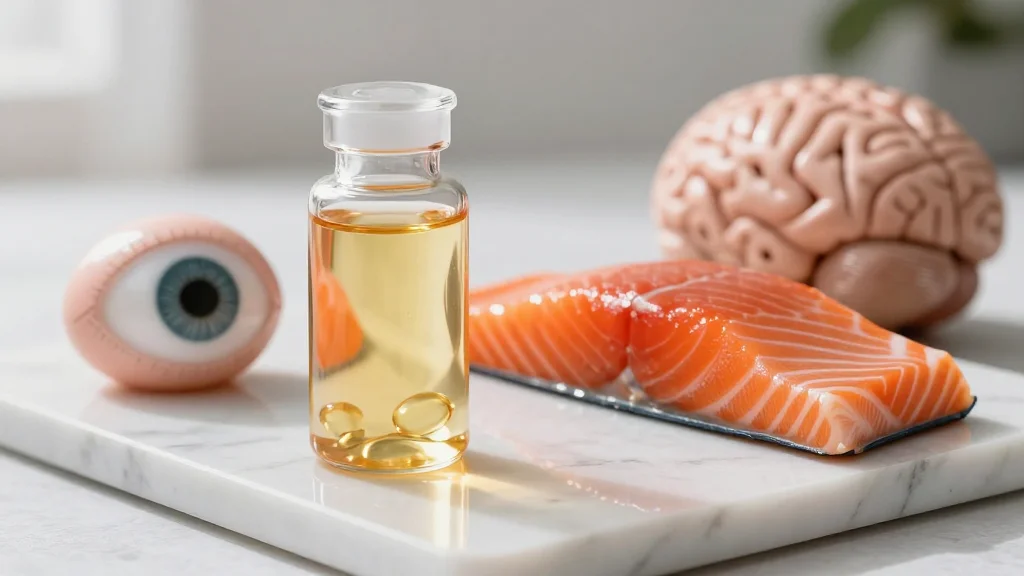
Beyond Cheap Fish Oil: How A 5:1 DHA Ratio Powers Brain Health & Vision
The article promotes IQ Ultimate Omega‑3, a supplement that delivers a 5:1 DHA‑to‑EPA ratio and is fortified with lutein and zeaxanthin. It explains that DHA is the primary omega‑3 in brain cell membranes and retinal photoreceptors, making a DHA‑dominant formula...

March 2026: Dave’s Favorite Products
Dave Asprey’s monthly "Dave’s Favorite Products" series spotlights biohacking tools that reinforce four core health pillars—circulation, cellular strength, mitochondrial energy, and nervous‑system resilience. The February 2026 post continues the trend, linking to January and December roundups that curate supplements, wearables,...

Natrava BEETS+ Powder Review: The Beet Supplement Built for Energy, Gut Health, and Cardiovascular Support
Natrava BEETS+ Powder is a US‑made beet root supplement that blends organic beet root, prebiotic inulin, a full B‑vitamin complex, turmeric, and adaptogenic mushrooms in a cherry‑berry flavored powder. Each scoop provides 2,500 mg beet root (200 mg nitrates), 2,000 mg inulin, 45 mg...

Iodine Requirements During Pregnancy: Timing, Thyroid Hormones, and Fetal Brain Development
The article highlights that only about 20% of UK women know iodine needs rise during pregnancy, despite recommendations increasing from 150 µg to 200‑250 µg daily. Early‑gestation iodine deficiency is linked to measurable drops in child IQ and thyroid hormone deficits, while...

13 BEST Magnesium Supplements Review 2026: Ultimate Guide
A comprehensive 2026 guide reviews 13 magnesium supplements, ranking them by bioavailability, purity, synergistic cofactors, and real‑world results. The methodology, based on four years of personal testing and biometric tracking, disqualifies low‑absorption oxide products. Top picks include RnA ReSet ReMag...

13+ Amazing Magnesium Benefits You Must Know For Optimal Health
Magnesium, an essential mineral involved in over 300 enzymatic processes, is increasingly recognized for its broad health benefits ranging from neuroplasticity to cardiovascular support. Recent analyses highlight that modern diets and lifestyle factors leave the majority of adults deficient, despite...

Night Shift Weight Loss: A Practical Fasting Guide for Physicians
Physician Aaron Grubner tested a simple fasting rule—no eating from 8 p.m. to 1 a.m.—while working night shifts. Over eight weeks, his weight fell from an average of 207.2 lb to 202.3 lb, a loss of about 4.9 lb (0.8 lb per week). Daily weigh‑ins showed...

The Latest on Ketone Supplementation
A recent Belgian study published in the Journal of Physiology examined exogenous ketone supplementation around training. Researchers found that consuming ketones during exercise did not improve performance metrics. However, taking ketone esters after a workout appeared to accelerate metabolic recovery...

10-Second Habit That Changes Your Entire Day
Jen Smiley introduces the "Wake Up Shot," a two‑minute, ten‑second morning drink that blends fresh ginger, lemon juice, turmeric with black pepper, and water. The recipe claims to improve digestion, lower inflammation, boost energy, and support immunity when taken first...

Nutrients for Headaches and Migraines
Headaches and migraines affect a sizable share of the U.S. population, with 20% of women and 9.7% of men reporting severe episodes in 2018. The blog highlights seven key nutrients—such as magnesium, riboflavin, omega‑3 fatty acids, coenzyme Q10, vitamin D, L‑tyrosine, and...
#599: Does Unprocessed Red Meat Increase Diabetes Risk? – Gil Carvalho, PhD MD & Mario Kratz, PhD
In a recent podcast, Dr. Mario Kratz and Dr. Gil Carvalho dissect the contentious evidence linking unprocessed red meat to type 2 diabetes and cardiovascular disease. Observational cohorts consistently show an elevated risk, yet short‑term randomized controlled trials report largely neutral...