Gut Microbes and Plant Extracts: A Synergistic Formula for Reclaiming Muscle Power?
Key Takeaways
- •Unformulated curcumin and EGCG have <2% oral bioavailability.
- •Probiotic group was younger and stronger at baseline.
- •Protocol costs about $50/month; modest ROI for already healthy diets.
- •CYP3A4 inhibition may increase Rapamycin and PDE5 inhibitor levels.
- •Urolithin A requires specific gut microbes; pomegranate alone insufficient.
Pulse Analysis
The gut‑muscle axis has attracted attention as researchers explore how intestinal health influences sarcopenia and functional decline. Polyphenols such as curcumin, EGCG, and ellagic acid are celebrated for anti‑inflammatory and antioxidant properties, yet their clinical impact hinges on systemic exposure. In their raw form, these compounds exhibit less than 2% oral bioavailability, meaning most of the dose remains in the gastrointestinal lumen where it can modulate microbial composition. By pairing them with a Lactobacillus blend, the protocol aims to convert otherwise inert phytochemicals into metabolic substrates that foster a healthier microbiome, potentially reducing systemic inflammation that contributes to muscle weakness.
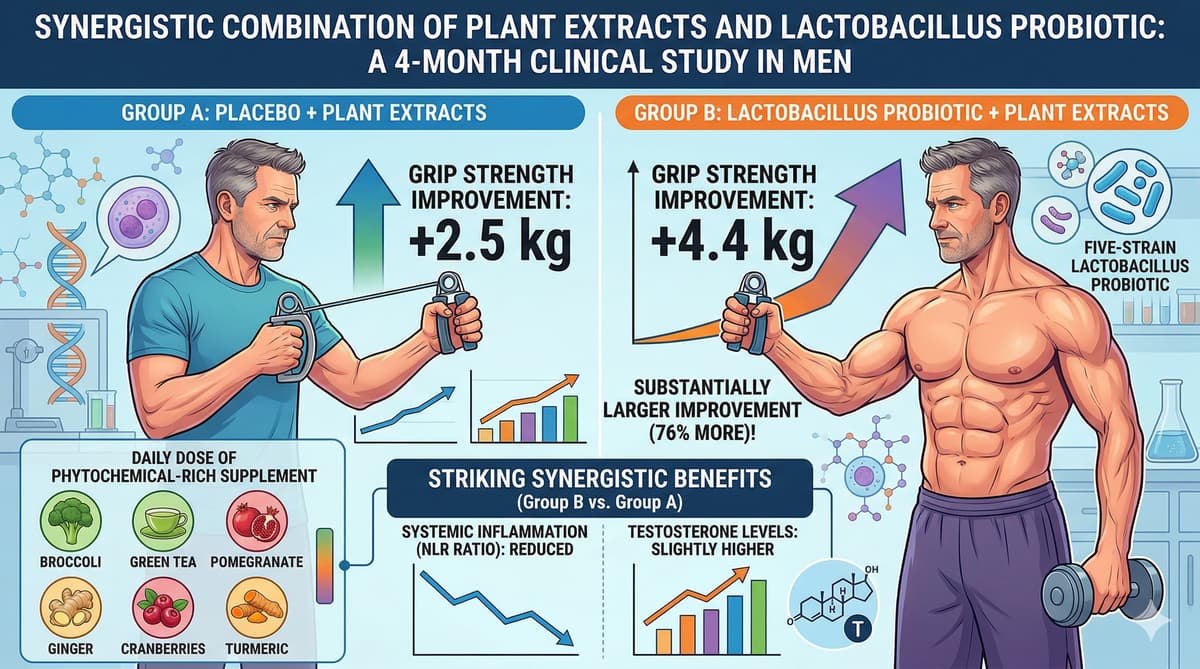
The trial cited in the article suffers from critical design shortcomings that dilute its conclusions. Participants receiving the probiotic were, on average, three years younger and entered the study with a grip strength advantage of 5.3 kg, making the observed 4.4 kg improvement versus 2.5 kg in controls more likely a function of baseline fitness than a true supplement effect. Moreover, testosterone was only measured at the four‑month mark, precluding any causal inference about hormonal changes. Robust biomarker panels—hs‑CRP, IL‑6, plasma urolithin A, and fecal short‑chain fatty acids—are recommended to verify target engagement, yet the study relied on the crude neutrophil‑to‑lymphocyte ratio, limiting mechanistic insight.
For practitioners and informed consumers, the protocol’s practical considerations are mixed. At $45‑$55 per month, the supplement bundle is affordable but offers modest ROI for individuals already consuming a diverse, polyphenol‑rich diet. More concerning are the documented CYP3A4 interactions; curcumin and EGCG can inhibit this enzyme, potentially elevating levels of drugs such as Rapamycin or PDE5 inhibitors and increasing adverse‑event risk. Additionally, the conversion of pomegranate‑derived ellagic acid to the mitochondrial enhancer urolithin A depends on specific gut microbes that many people lack, limiting the promised anti‑aging benefit. Overall, the regimen may serve as a short‑term gut‑support strategy for dysbiosis‑related inflammation, but expectations for direct muscle hypertrophy or hormonal enhancement should be tempered.
Gut Microbes and Plant Extracts: A Synergistic Formula for Reclaiming Muscle Power?
Comments
Want to join the conversation?