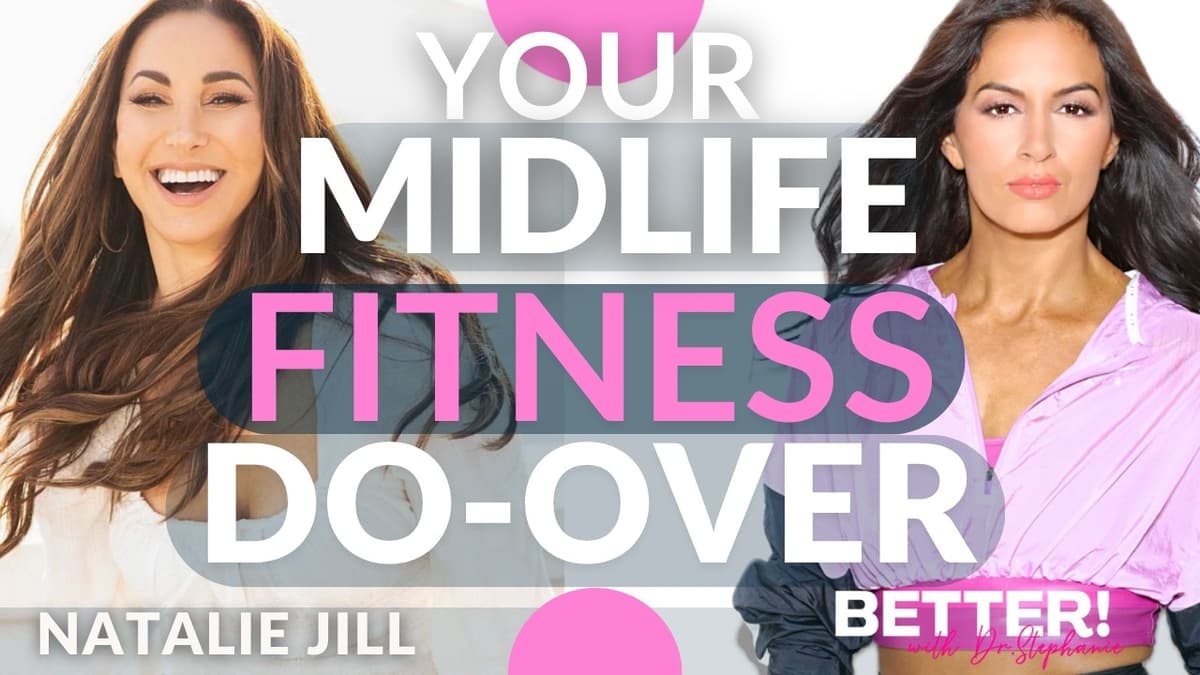
More Cardio, Less Food, Still Gaining: Your Midlife Fitness Do-Over with Natalie Jill
The episode of "Better with Dr. Stephanie" features fitness expert Natalie Jill discussing how midlife women can redesign their health strategy. Jill emphasizes that resistance training, especially weighted lifts, is essential for building lower‑body muscle, while cardio alone cannot replace strength work. She also critiques reliance on processed supplements, urging a return to whole, natural foods over protein powders and bars. Key data points include Jill’s personal revelation that removing five sets of breast implants eliminated chronic inflammation, resulting in a 15‑pound loss of water weight within four weeks. She links this to the broader concept of a "toxic load bucket," where hidden sources—implants, root canals, heavy metals—can sabotage health. Additionally, she highlights the role of NAD decline in skin aging and recommends cellular‑level skincare to restore barrier function. Notable quotes illustrate her journey: “I caught myself in a mirror and thought, what am I looking at?” and “What if?” which sparked a vision‑board exercise that reshaped her mindset. Jill also shares that she stopped using protein powders, favoring oatmeal, eggs, and real nutrients, and that she now embraces a natural A‑cup silhouette after expplanting. The conversation underscores that midlife fitness isn’t just about calories or cardio; it requires holistic detoxification, strength training, and mental reprogramming. For women navigating menopause, autoimmune issues, or post‑surgical recovery, Jill’s story offers a blueprint for reclaiming metabolic health, bone density, and skin vitality.

There Are Only 3 Rides You Should Do
The video distills cycling training into three essential ride types—endurance, high‑intensity, and easy recovery—rejecting complex periodization. Endurance rides require 2‑6 hours at steady zone 1‑2 heart rate, usually once a week. High‑intensity sessions focus on either threshold intervals (5‑15 min) or VO₂max bursts (30 s‑5 min)...
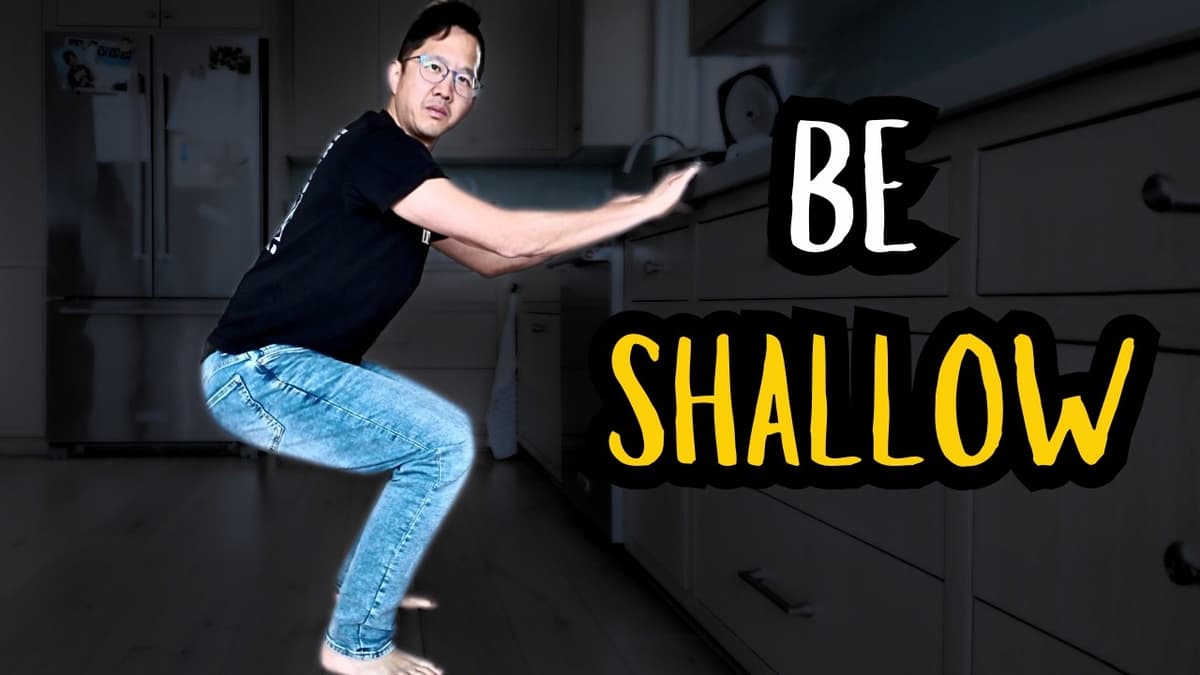
It's Better to Be Shallow
The video argues that attempting a deep squat before mastering the current range leads to pain and stalled progress, and proposes a counter‑intuitive strategy: spend more time in shallow squats. The presenter explains that most lifters mistake limited depth for lack...
Are You Losing Muscle Mass in Midlife Without Even Knowing It?
The video highlights that midlife muscle loss is a silent risk factor for mortality and chronic disease, urging adults—especially women—to adopt progressive resistance training. It cites research showing average muscle mass declines 3‑8% per decade and strength 5‑17% without resistance work....
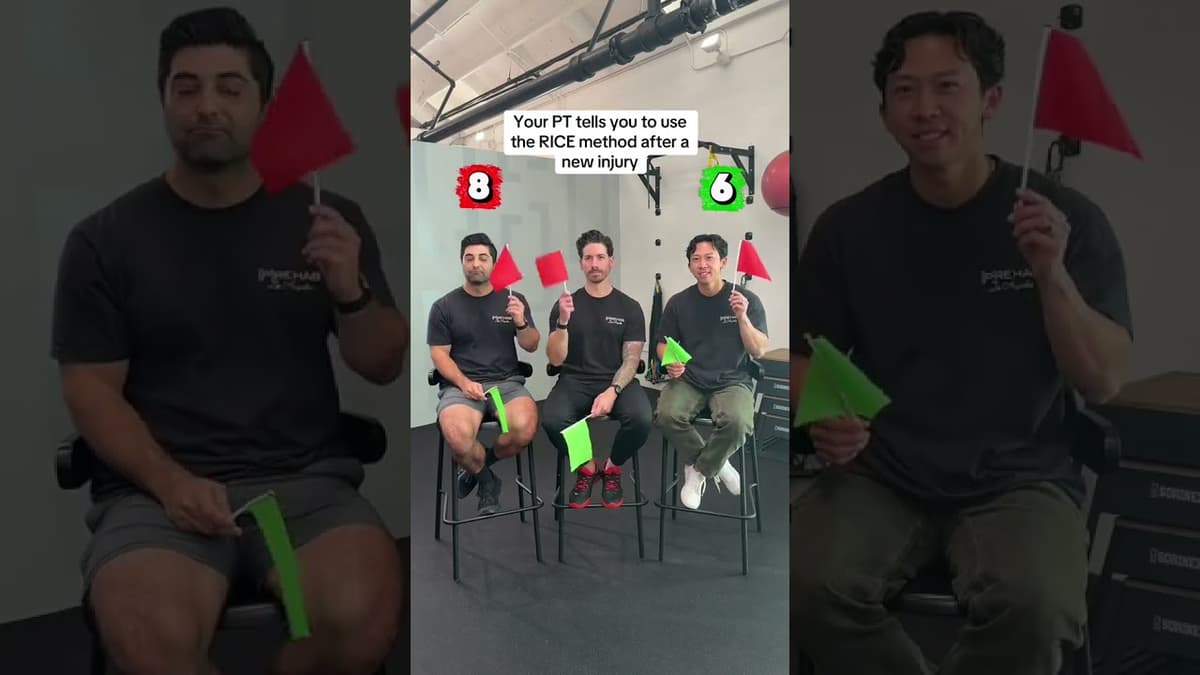
Physical Therapy Red vs Green Flags
The video outlines red and green flags to evaluate physical therapists, contrasting cookie-cutter care with evidence-based practice. Red flags include rigid prescriptions (only three sets of 10), mandatory imaging before starting therapy, blanket rest or RICE until pain resolves, heavy...
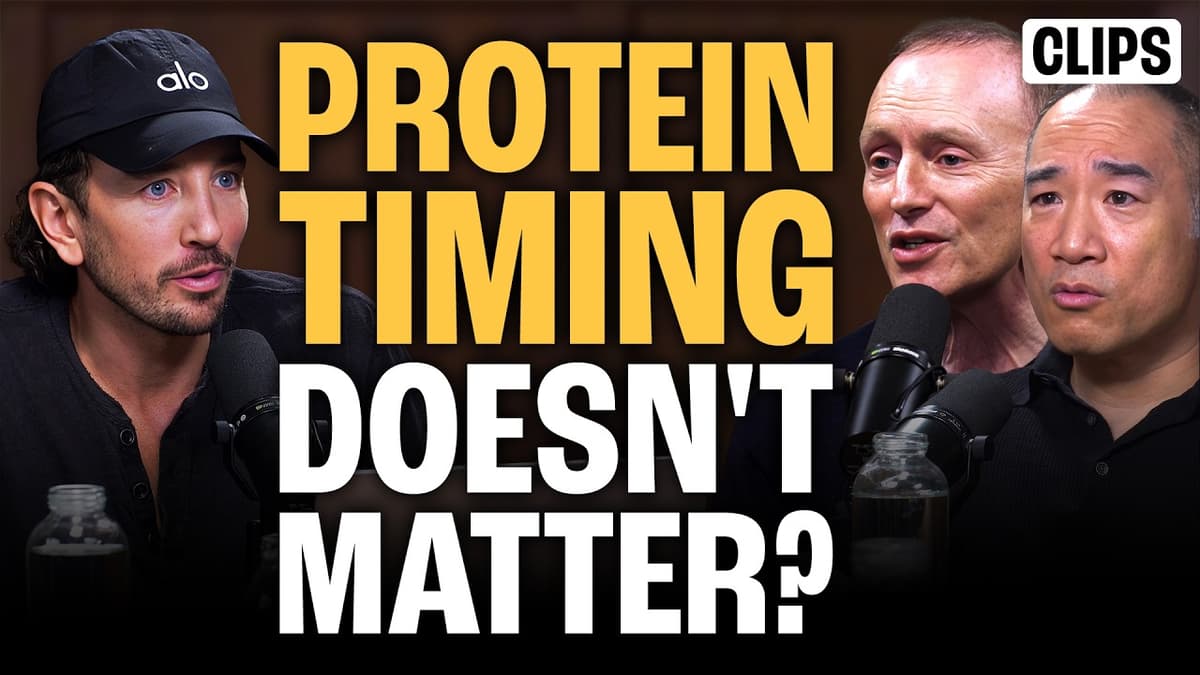
The Anabolic Window Might Be One of Fitness' Biggest Myths. | EP#406
The video debunks the anabolic‑window myth, tracing its roots to 1980s glycogen‑replenishment studies that were later extrapolated to protein timing after resistance training. Acute experiments showed faster muscle‑protein synthesis when protein and carbs were consumed immediately post‑exercise, but longitudinal trials with...
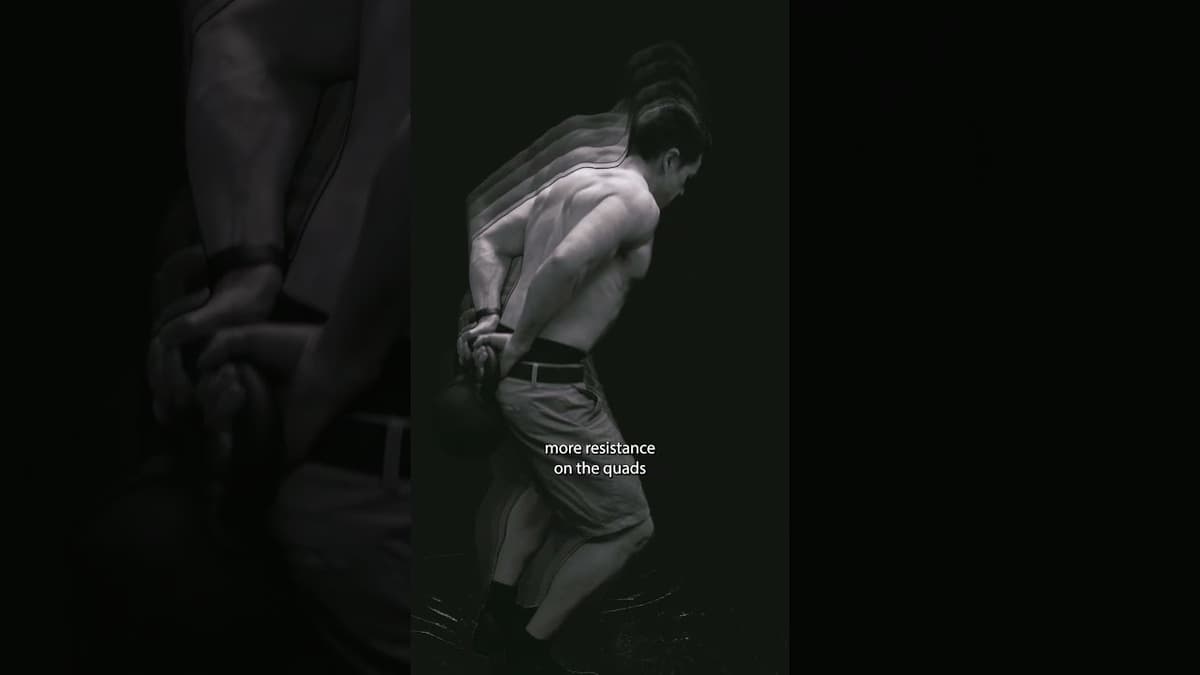
This Old-Time Lift Builds Powerful Quads and Indestructible Knees From Home
The video introduces the kettlebell hack squat, an old‑time lift that lets you develop powerful quadriceps and resilient knees from a home gym. The movement is performed on the balls of the feet with a kettlebell suspended behind the hips, mimicking...
QL Pain Test
The video walks viewers through a do‑it‑yourself assessment for quadratus lumborum (QL) pain, beginning with a hip‑tilt and tailbone‑lift sequence that isolates the deep ache often mistaken for general lower‑back soreness. By shifting the hips, locking the knees, and raising...
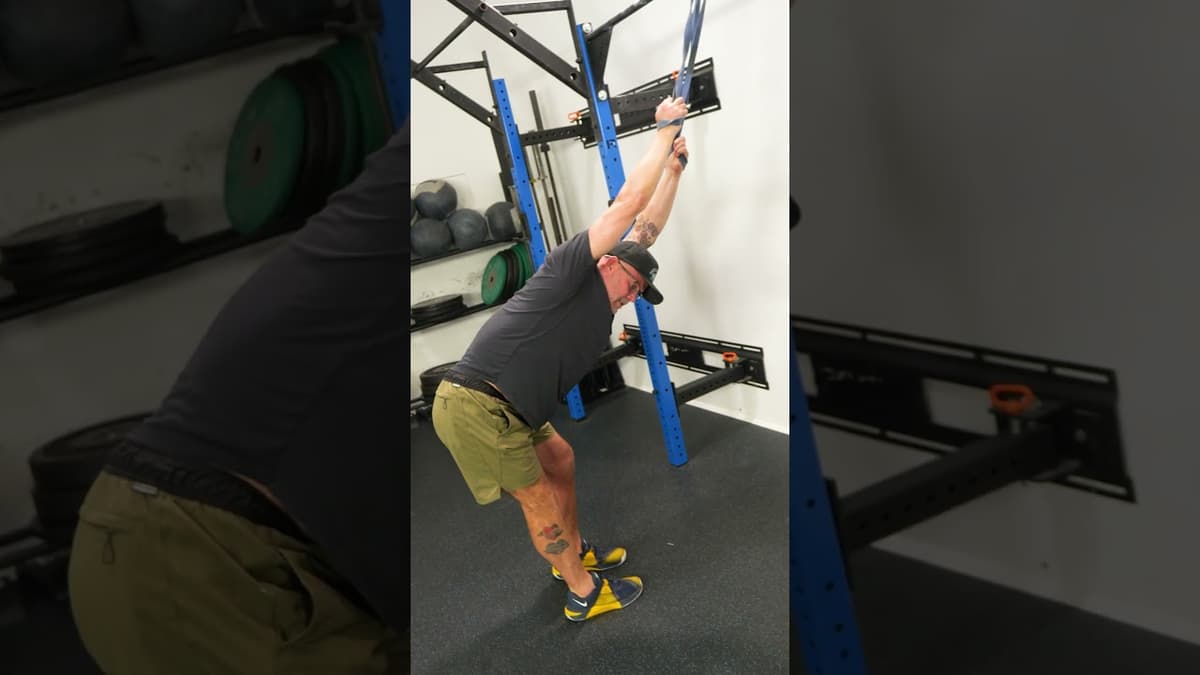
Double Overhead Band Stretch for Side Bending, Lat Length & Low Back Mobility (2 Min)
The video demonstrates a two-minute double overhead band stretch designed to improve side bending, lat length, and lower-back mobility. Using a double overhand grip and rotational movement, the exercise targets low-back tissues while encouraging extension and varied hand positions to...
Midseason Cycling Fatigue, Epic Ride Stories & the Best Training Books | Fast Talk Potluck
The Fast Talk Potluck episode tackles the growing problem of mid‑season fatigue among cyclists and triathletes, emphasizing that today’s ten‑month race calendars demand new recovery strategies. Hosts Grant, Julie, Trevor and Chris discuss why the traditional “train all year, take...
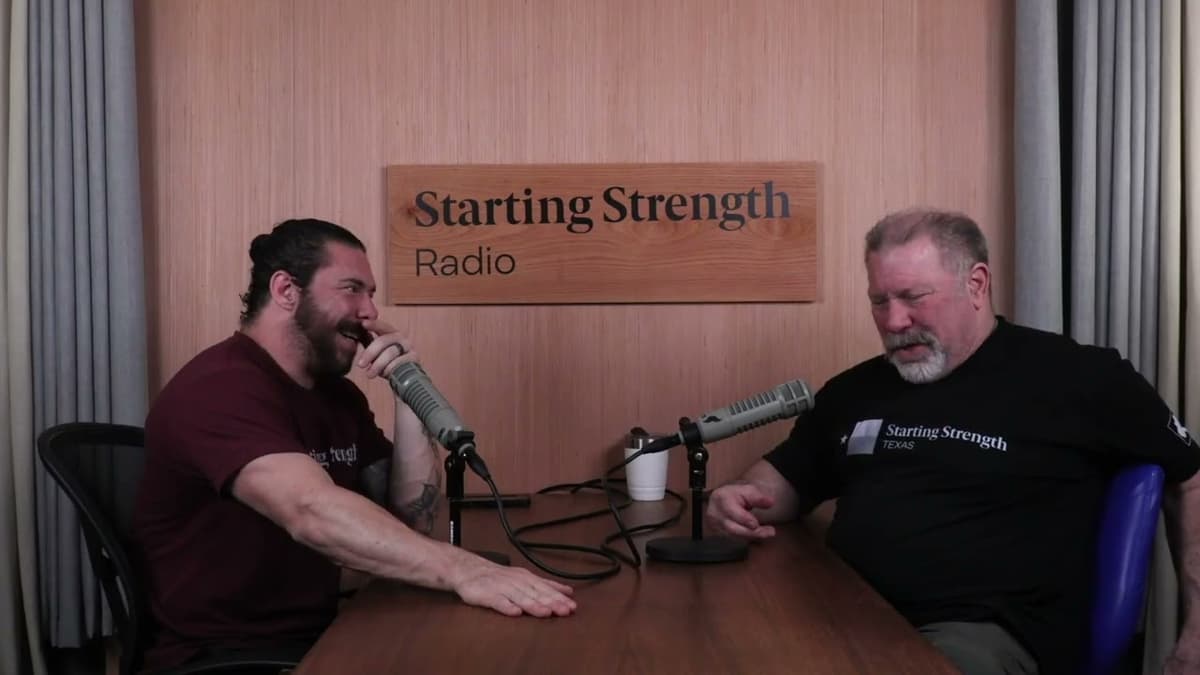
Competing While Underweight | Starting Strength Network Previews
In the Starting Strength Network preview, hosts recount beginning lifting in college without high-school coaching, crediting mentors like Bill Starr while warning that team-driven pressure to cut weight creates harmful training and dietary habits. They criticize coaches who prioritize team...
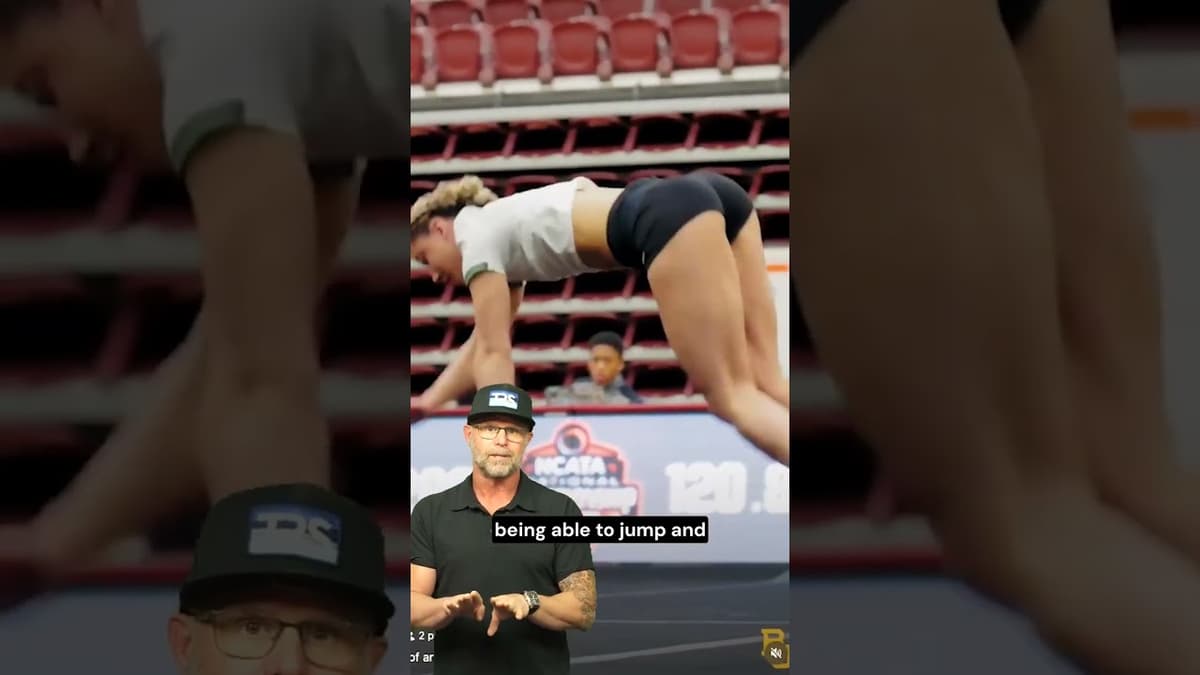
Watch What Athletes Do when Speed and Load Go Up. 👀
In a short coaching breakdown, the narrator highlights how athletes naturally adopt more neutral, straight foot positioning when speed and load increase, improving stability and reducing ACL risk. At low speeds and light loads, varied foot orientations can work, but...
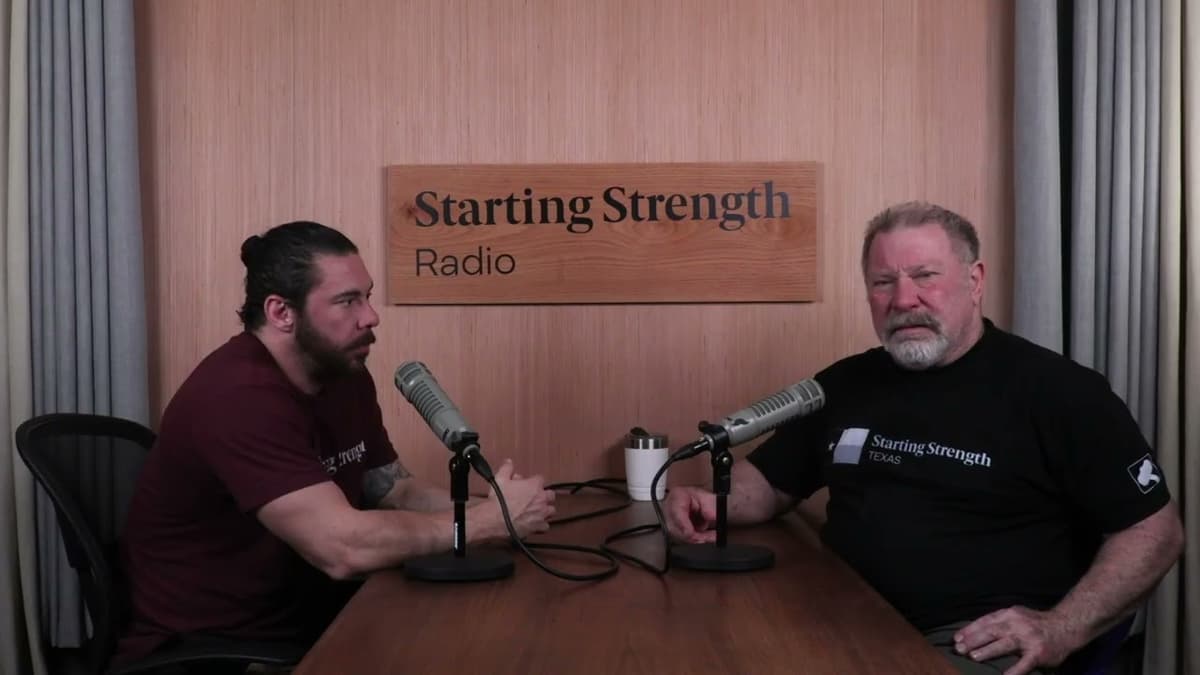
Stay Light | Starting Strength Network Previews
The video from Starting Strength Network critiques the common “stay light” mantra in youth powerlifting, arguing that it undermines natural growth and long‑term strength development. Hosts explain that adolescence is a biologically optimal window for gaining lean mass; restricting calories or...
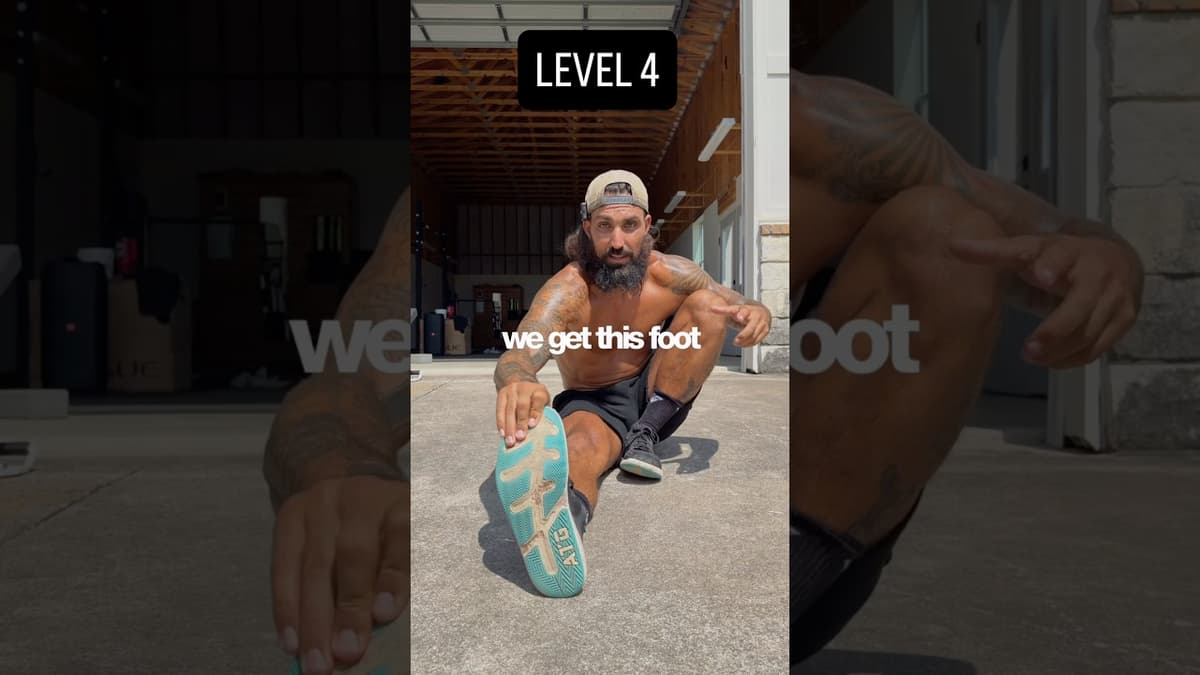
Live Longer Levels 1-5 (Last One Hard!)
The video presents a five‑level mobility routine designed to improve the ability to rise from the floor, a movement the creator says is directly tied to longevity. Citing research that links effortless standing with longer life expectancy, the instructor walks through...
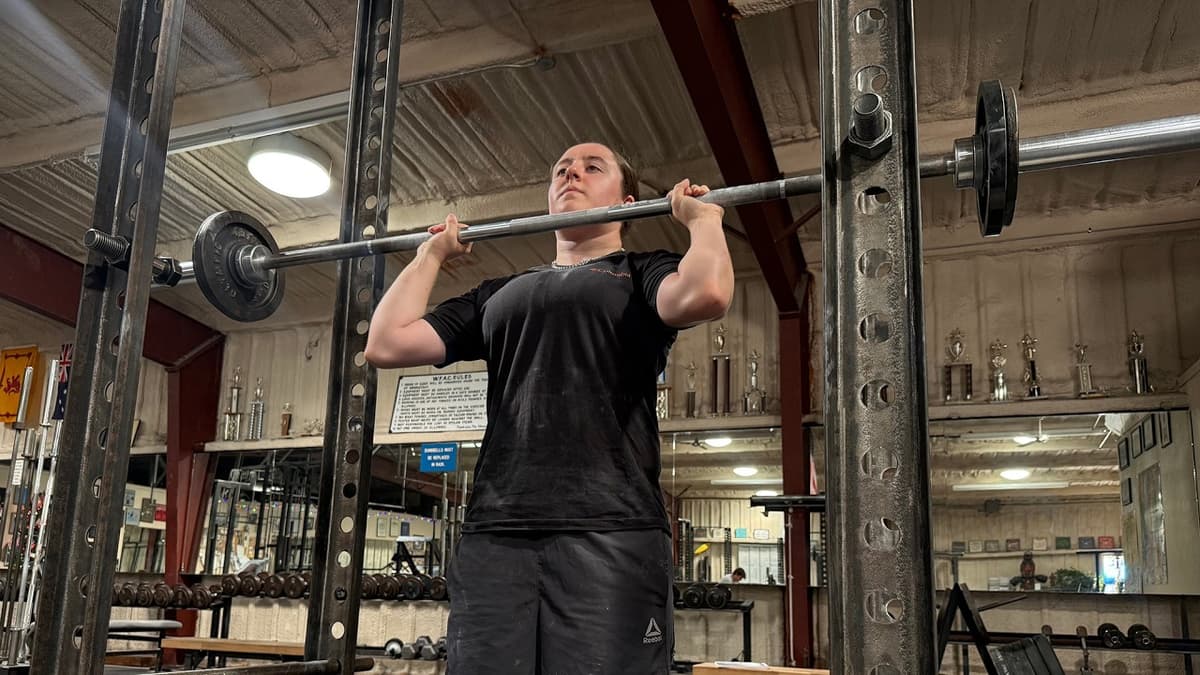
Don't Make These Press Mistakes
The video focuses on a common technical error in the overhead press: raising the bar too high at the start of the lift. Coach Rusty explains that the optimal starting position is just below the chin, keeping the head neutral,...