How Walking Transforms the Human Physique (W/Weight)
Why It Matters
Rucking turns a simple daily habit into a potent strength‑endurance workout, helping busy adults improve body composition and reduce injury risk without expensive equipment.
Key Takeaways
- •Weighted walking (rucking) builds leg, core, and back strength.
- •Carrying children provides natural progressive overload for parents.
- •Rucking activates upper‑back and spinal muscles rarely used in plain walking.
- •Low‑impact, scalable; start 5‑10 lb, 15‑20 min twice weekly for beginners.
- •Consistent rucking can lower body fat, improve posture, and boost endurance.
Summary
The video explains how adding weight to a regular walk—commonly called rucking—can reshape the human body, delivering stronger legs, a tighter core, and a more resilient back.
The presenter links the practice to our evolutionary history as upright walkers who carried infants, noting that the load acts as built‑in progressive overload. By forcing the shoulders, upper back, hips and spine to support extra mass, rucking recruits muscles that remain dormant during unladen walking, boosting strength endurance and often reducing body‑fat percentages.
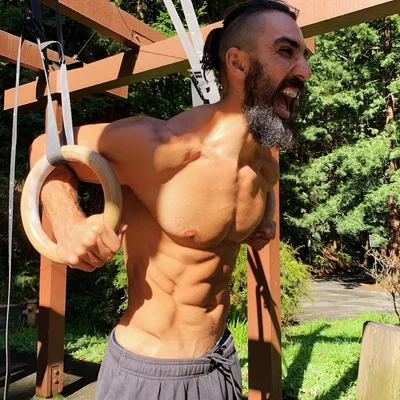
Historical examples range from the Greek wrestler Milo, who grew stronger by carrying a growing calf, to modern military training where soldiers use rucks for toughness. The speaker shares his own experience: after strapping a 20‑lb vest while hiking with his children, he achieved his leanest physique despite typical parental weight gain.
Because the activity requires only a backpack and modest weight, it offers a low‑impact, scalable entry point for sedentary adults seeking better posture, metabolic health, and functional strength, making it a practical complement to conventional gym routines.
Comments
Want to join the conversation?
Loading comments...