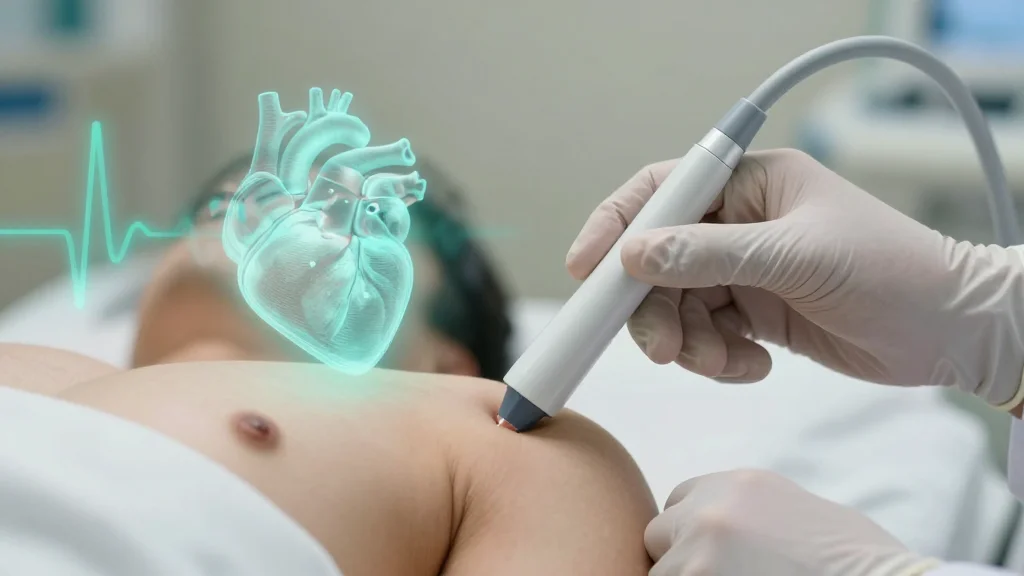
CPR Goes High-Tech: Transesophageal Echocardiography Turns Blind Compressions Into Precision Hits
Why It Matters
Higher end‑tidal CO2 indicates more effective perfusion, suggesting TEE guidance could improve CPR quality and ultimately patient outcomes. The evidence may trigger revisions of international resuscitation guidelines, affecting millions of cardiac‑arrest cases.
Key Takeaways
- •TEE guidance raised average end‑tidal CO2 by 15% during CPR
- •First randomized trial showed no survival difference in early phase
- •Data‑driven compressions could personalize resuscitation protocols worldwide
- •JAMA study may prompt guideline revisions for cardiac arrest care
Pulse Analysis
Traditional cardiopulmonary resuscitation relies on depth and rate targets, yet clinicians have long known that each patient’s anatomy and physiology differ. Transesophageal echocardiography (TEE) offers a window into the heart during compressions, allowing real‑time assessment of ventricular filling and forward flow. By placing a probe in the esophagus, providers can visualize the aortic valve and adjust force, timing, and hand placement to maximize stroke volume, turning a historically "blind" technique into a data‑driven practice.
The JAMA Internal Medicine trial enrolled patients with out‑of‑hospital cardiac arrest and randomized them to TEE‑guided versus standard compressions. Although 30‑day survival did not diverge in this early phase, the TEE group consistently achieved higher end‑tidal CO2 readings—about a 15 percent lift—signaling superior perfusion. End‑tidal CO2 is increasingly recognized as a surrogate for cerebral and coronary blood flow during arrest, making it a valuable quality metric. The study also demonstrated feasibility: clinicians could acquire usable images within seconds, and the technology did not delay shock delivery.
If subsequent phases confirm a survival benefit, TEE could become a new cornerstone of advanced cardiac life support. Guideline committees may incorporate imaging‑guided compressions, prompting hospitals to invest in portable TEE units and train emergency teams. Adoption hurdles include equipment cost, probe sterilization, and the learning curve for rapid image interpretation. Nevertheless, the prospect of tailoring compressions to each patient’s physiology promises to raise the ceiling on global survival rates, aligning resuscitation with the broader trend toward precision medicine.
CPR goes high-tech: Transesophageal echocardiography turns blind compressions into precision hits
Comments
Want to join the conversation?
Loading comments...