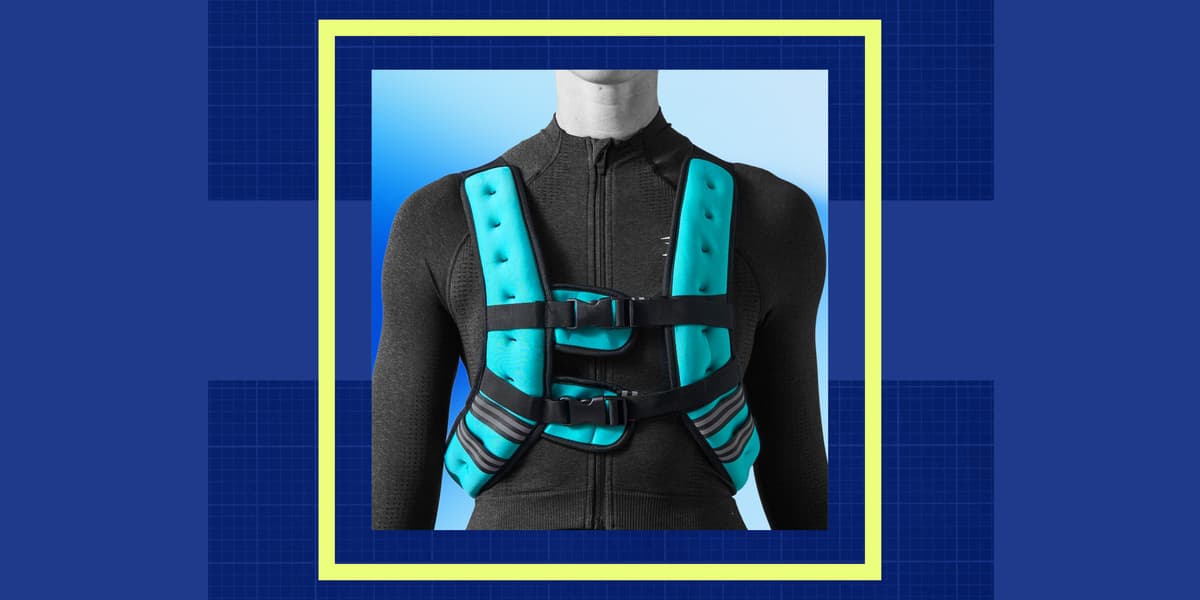
Does the Research on Weighted Vests Support the Hype?
Why It Matters
Understanding the evidence gap helps consumers make informed purchase decisions and guides fitness brands on product positioning. The disparity between hype and research also signals a need for targeted studies that reflect real‑world usage.
Key Takeaways
- •Research on weighted vests remains limited and inconclusive.
- •Most studies focus on older adults wearing vests for long durations.
- •Typical use involves short walks or gym sessions, not reflected in research.
- •Motivation boost may be the primary benefit for many users.
Pulse Analysis
Weighted vests have migrated from niche military and strength‑training circles to mainstream fitness, driven by sleek designs and social‑media advertising aimed at women. Brands tout added resistance for walking, running, or everyday activities, promising higher calorie burn and improved bone density. This marketing pivot aligns with a broader trend of wearable fitness accessories that blend functionality with fashion, appealing to consumers seeking quick, visible ways to intensify workouts without buying bulky equipment.
Despite the buzz, peer‑reviewed research on weighted vests is thin. Most clinical trials involve older adults who wear the vests for eight‑hour periods to study balance, muscle activation, and osteoporosis prevention. Those protocols differ sharply from the typical 30‑minute cardio session a casual user might undertake. Moreover, sample sizes are small and outcomes vary, leaving no consensus on calorie expenditure or cardiovascular impact. The scientific community therefore calls for rigorously designed studies that mirror everyday usage—short‑duration, moderate‑intensity activities across diverse age groups.
For consumers, the primary value may lie in psychology rather than physiology. The added weight can serve as a tangible cue that encourages movement, tapping into behavioral‑economics principles where perceived effort translates to perceived progress. Fitness brands can leverage this insight by positioning vests as motivational tools rather than performance enhancers, while researchers explore dose‑response relationships that reflect real‑world patterns. Until robust data emerge, shoppers should weigh the modest fitness gains against cost and comfort, treating the vest as a supplemental habit‑forming aid rather than a proven training device.
Does the Research on Weighted Vests Support the Hype?
Comments
Want to join the conversation?
Loading comments...