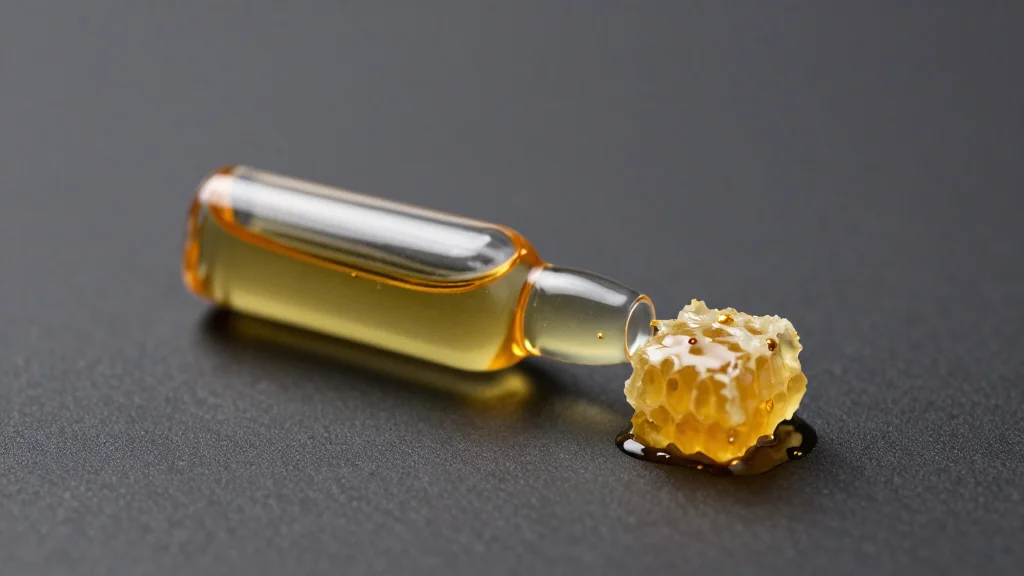
Australian Bee Glue Delivers a Scar-Fighting Compound that Shuts Down Raised Scars Before They Take Hold
Why It Matters
If successful, tomentosenol A could provide a more effective, targeted treatment for raised scars, reducing reliance on corticosteroids and surgery. This breakthrough positions Australian stingless‑bee propolis as a high‑value bio‑resource in the global wound‑care market.
Key Takeaways
- •Tomentosenol A blocks scar‑forming signals and triggers fibroblast apoptosis.
- •Lab tests used human skin cells; pre‑clinical trials are planned.
- •Australian stingless‑bee propolis contains nine chemotypes with strong antioxidant activity.
- •Industry sees propolis as a new therapeutic raw material worth billions globally.
- •Native Beeings aims to commercialize propolis‑based scar treatments.
Pulse Analysis
The discovery of tomentosenol A adds a promising candidate to the anti‑fibrotic drug pipeline. By interrupting the molecular pathways that drive excessive collagen deposition, the compound not only halts scar formation but also promotes the programmed death of myofibroblasts, the cells responsible for hypertrophic tissue. Such a dual mechanism mirrors natural wound resolution and could overcome the inconsistent outcomes of current interventions like corticosteroid injections and silicone sheets.
Propolis, the resinous glue bees use to seal their hives, has long attracted scientific curiosity for its antimicrobial and antioxidant properties. Recent work by UniSC chemists mapped the chemical diversity of propolis from two Tetragonula species, identifying nine distinct chemotypes across 170 samples collected along Queensland and New South Wales. This biodiversity, driven by Australia’s unique flora, yields a rich library of bioactive molecules, positioning the country as a potential hub for natural‑product drug discovery. The global market for bee‑derived ingredients already runs into billions of dollars, and the therapeutic segment is poised for rapid expansion as consumers seek biologically sourced solutions.
Commercialization prospects are already materializing. Companies such as Native Beeings and the Australian Native Bee Association are scaling propolis collection, turning what was once a waste by‑product into a high‑value raw material. With pre‑clinical studies underway, the pathway to regulatory approval could accelerate, offering clinicians a novel, locally sourced option for scar management. Successful human trials would not only improve outcomes for millions suffering from disfiguring scars but also showcase how biodiversity can be leveraged for sustainable healthcare innovation.
Australian bee glue delivers a scar-fighting compound that shuts down raised scars before they take hold
Comments
Want to join the conversation?
Loading comments...