
AI-Built Intrabodies Target Alzheimer’s Within
University of Essex researchers used artificial intelligence to redesign antibody fragments, creating "intrabodies" that remain stable inside human cells. By adjusting electrical charge, they converted 672 antibodies into intracellularly functional molecules that bind disease‑causing proteins linked to Alzheimer’s, Parkinson’s, Huntington’s and motor‑neuron disease. The work, published in Nature Communications, demonstrates a scalable platform for targeting previously inaccessible intracellular targets. While promising, the approach still requires effective delivery methods and clinical validation before therapeutic use.

Scientists Have Discovered an 'Achilles' Heel' In Deadly Superbugs
Scientists have identified pseudaminic acid, a sugar found only on the surface of certain Gram‑negative bacteria, as a vulnerable target. By synthesizing this sugar and creating monoclonal antibodies that bind it, researchers demonstrated in mice that the antibodies flag the...

Should All Middle-Aged Triathletes Get Advanced Lipid Testing? A Doctor Weighs In.
A recent case study of a 55‑year‑old Ironman who suffered cardiac arrest revealed that his standard cholesterol test missed dangerously high levels of small dense LDL particles. The authors argue that advanced lipid testing could uncover hidden atherosclerotic risk in...
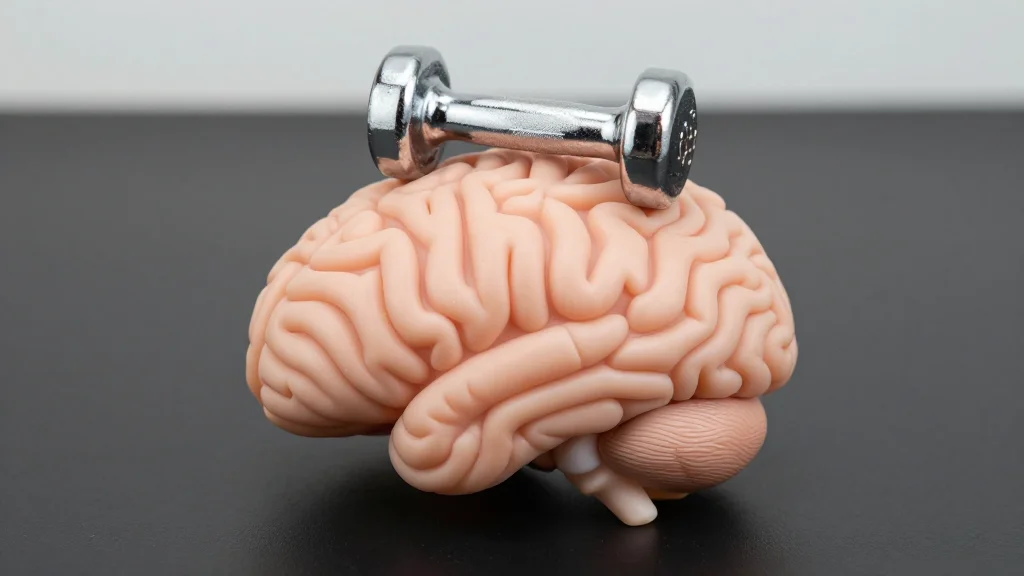
Lifting Weights Can Slow Down Biological Brain Aging in Older Adults
A randomized trial of 309 adults aged 62‑70 showed that one year of resistance training reduced biological brain age by 1.4‑2.3 years, as measured by advanced brain‑clock imaging. Both heavy (three weekly sessions) and moderate (one supervised, two home workouts)...
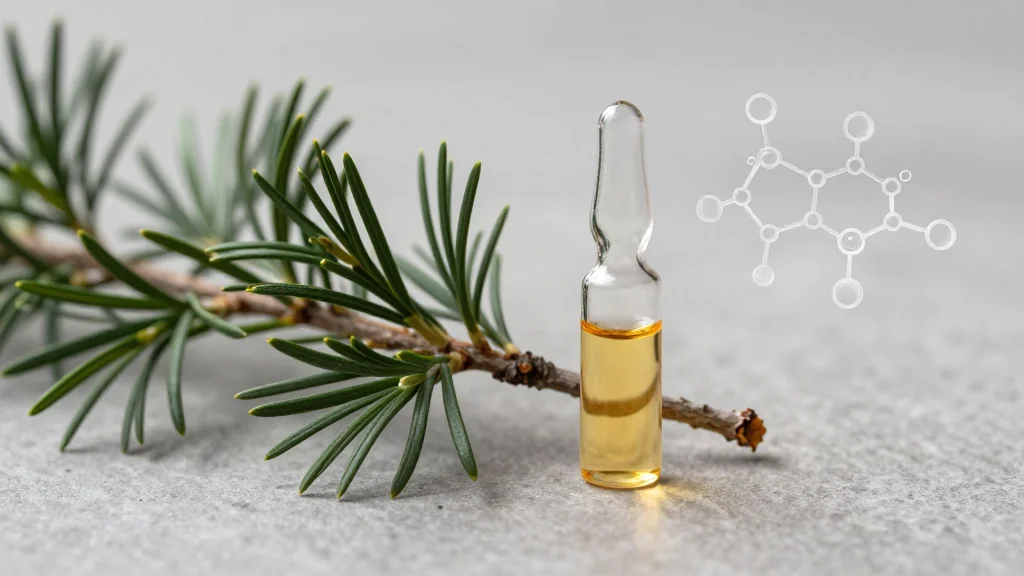
Homoharringtonine Extends Lifespan, Fights Obesity in Mice
Researchers reported that homoharringtonine (HHT), a plant‑derived alkaloid already approved for certain blood cancers, acts as a potent senolytic in mice. The compound selectively eliminated senescent cells across adipose, liver and muscle, leading to lower inflammation, improved glucose tolerance and...

How ‘The Pogačar Effect’ Rewrote the Rules of High-Carb Fueling for the Cobbled Classics
High‑carb fueling has become a cornerstone of the cobbled classics, with riders now ingesting roughly 120 g of carbohydrate per hour from the start of races like the Tour of Flanders and Paris‑Roubaix. The so‑called “Pogačar Effect,” driven by Tadej Pogačar and...
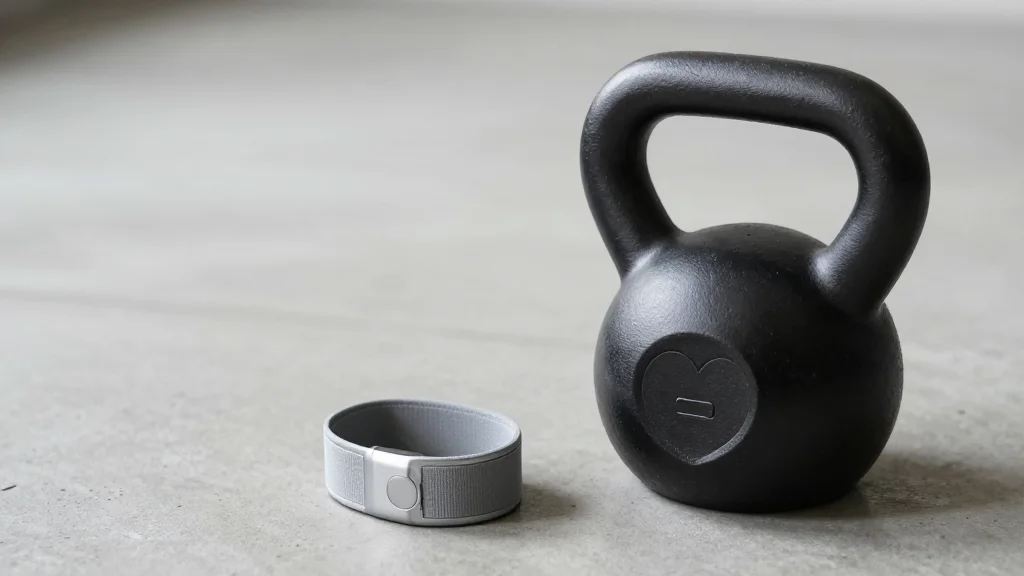
Optimising Exercise Training Prescription in Cardiac Rehabilitation Beyond Clinical Guideline Recommendations
The article reviews current cardiac rehabilitation exercise guidelines and proposes a more individualized, higher‑intensity prescription. It highlights that high‑intensity interval training (HIIT) and interval‑based resistance protocols can boost peak VO₂ and functional capacity without raising adverse events when supervised. The...

Effect of High-Intensity Interval Training on Aerobic Capacity, Physical Fitness, and Body Composition in Martial Arts Athletes: A Systematic Review...
A systematic review and meta‑analysis of 14 randomized trials involving 348 martial‑arts athletes found that high‑intensity interval training (HIIT) significantly enhances aerobic capacity, athletic performance, and body‑fat reduction. VO₂max improved with a large effect size (SMD = 1.04), while lower‑limb power, agility,...
Colon Cancer Screenings: When To Start
Colorectal cancer diagnoses are rising among adults under 50, prompting a shift in screening recommendations. The U.S. Preventive Services Task Force now advises average‑risk individuals to begin colonoscopy screening at age 45, down from 50. High‑risk patients—those with symptoms, family...

AI-Powered Stroke Tool Linked to Improved Patient Outcomes in Large Clinical Trial
A large cluster‑randomized trial of more than 21,000 acute ischemic‑stroke patients across 77 Chinese hospitals tested an AI‑powered clinical decision support system (CDSS). The tool, which combines AI‑assisted imaging with guideline‑based treatment prompts, lowered the 3‑month composite vascular‑event rate from...

NIH Awards Top Scientific Teams for Innovations Linking Nutrition and Autoimmune Disease
The National Institutes of Health announced 15 winning teams in its Nutrition for Our Immune System Health (NOURISH) Autoimmunity Challenge, each receiving a $10,000 prize. The challenge solicited scalable, patient‑centered ideas that integrate diet, microbiome, and multi‑omics approaches to study...

Link Between Ceramide Transport and Cell Senescence Could Inform Aging Biology Research
University at Buffalo researchers discovered that impairment of the ceramide transfer protein (CERT) blocks ER‑to‑Golgi ceramide transport, causing ceramide buildup in the endoplasmic reticulum and triggering ER stress that drives replicative senescence. Pharmacological inhibition of CERT reproduced the senescent phenotype...
Private Clinics Face Longevity Learning Curve
Longevity medicine is moving from niche research into private clinics, where providers are experimenting with layered diagnostics such as genomics, imaging and deep blood panels. The Longevity Show’s new blog outlines the challenges these clinics face, including the lack of...
PREMAZ Expands Early Brain Screening Through Health Is One
PREMAZ, a Cambridge‑backed digital cognitive assessment, has partnered with UK wellness provider Health is One to embed early brain‑health screening into everyday well‑being services. The 10‑15 minute test focuses on "memory precision," detecting subtle declines that traditional tests miss. By...

Discovery of Noma-Linked Bacteria Opens Path to Early Diagnosis and Prevention
Researchers at Liverpool School of Tropical Medicine have discovered a previously undescribed Treponema species strongly associated with noma, a fatal disease affecting impoverished children. Using metagenomic sequencing and machine learning on saliva samples, they identified the bacterium early in disease...
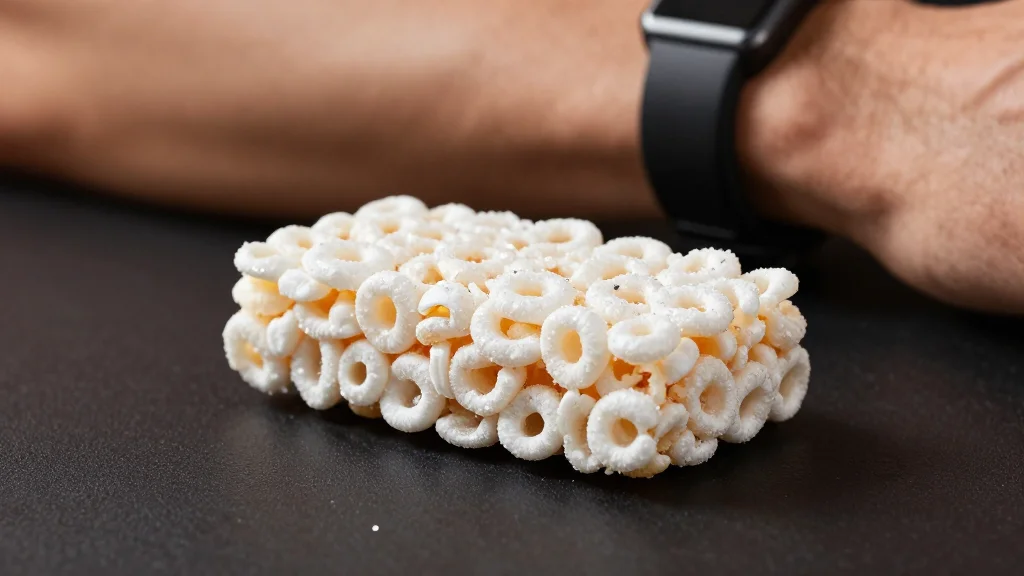
How Nathan Payton Feeds the Strongest Men on Earth
At the Arnold Classic, nutrition architect Nathan Payton guided four strongmen who finished second, third, fourth and seventh, showcasing his impact on elite performance. He relies on dry‑starch snacks like Rice Krispie treats combined with sodium to lock fluid and...

How a Growth Factor and SIRT1 Might Combat Disc Degeneration
Researchers reported that administering the metabolic hormone FGF21 boosts SIRT1 expression, which in turn activates the PINK1‑Parkin mitophagy pathway and reduces cellular senescence in intervertebral disc cells. In a rat model of puncture‑induced disc degeneration, FGF21 treatment partially restored nucleus...

The SEEDS Framework for Boosting Testosterone Naturally
The Art of Manliness outlines the SEEDS framework—Sleep, Exercise, Environment, Diet, and Stress—as a practical, evidence‑based approach to naturally boost testosterone. Research shows that limiting sleep to five hours can cut testosterone by 10‑15%, while 6.5‑9 hours supports optimal hormone...
Reprogramming Youth: How AI-Engineered Peptides Unlock Longevity Beauty
The article argues that longevity‑focused beauty must move from vague claims to mechanism‑first validation, using the 12 hallmarks of ageing as a roadmap for skin. It positions peptides as the ideal modality because they can precisely modulate the mid‑layer signalling...
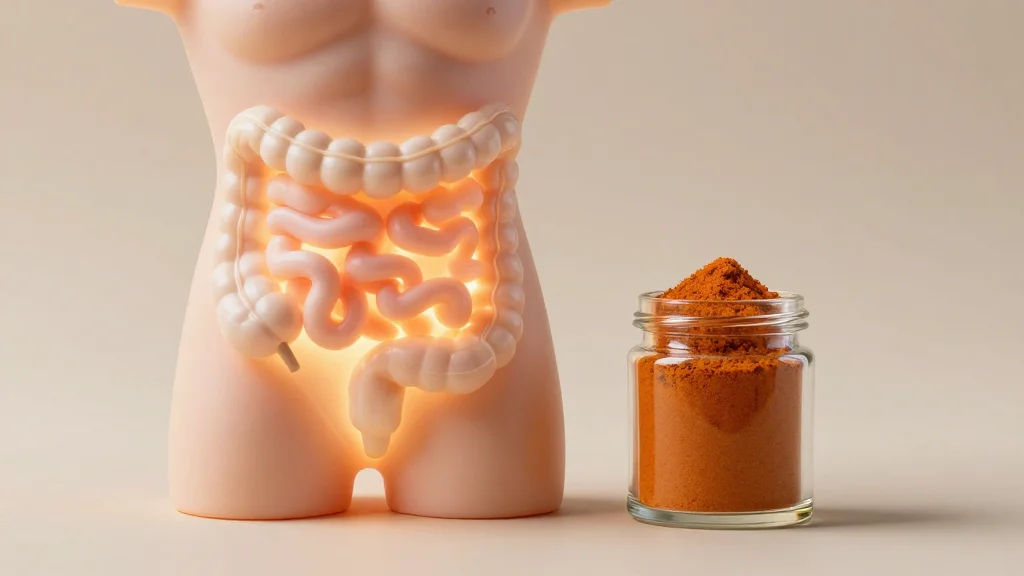
Is Berberine "Nature’s Ozempic?" Here’s What 126 Studies Reveal
A new review of 126 studies examined berberine’s role in metabolic health, finding that its effects stem from gut‑microbiome modulation, reduced inflammation, and improved intestinal barrier function rather than direct hormone signaling. Unlike GLP‑1 drugs such as Ozempic, berberine works...
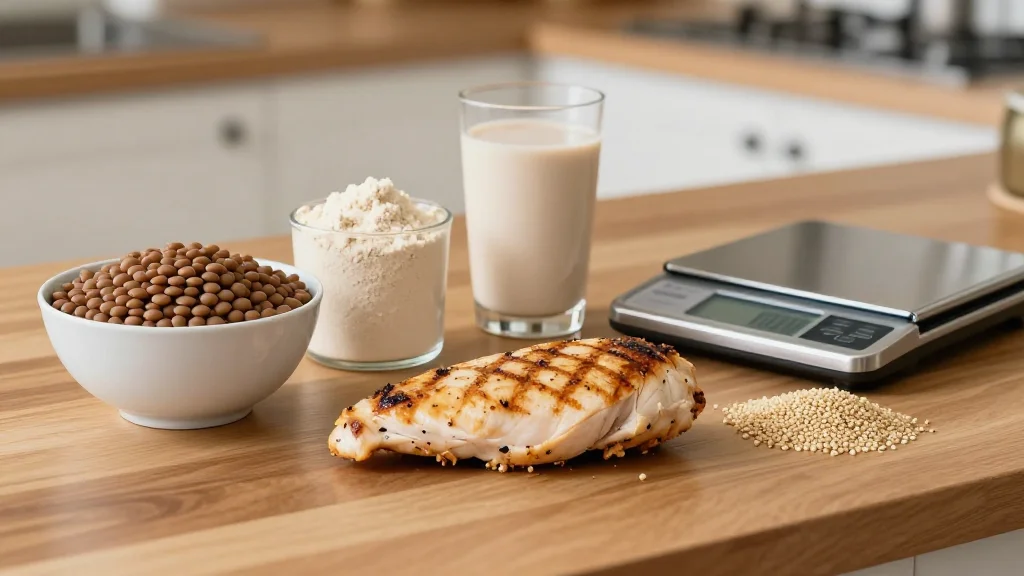
How Much Protein Do You Need? Here's How to Personalize Your Optimal Intake
Protein intake has surged in public discourse, prompting the latest Dietary Guidelines to recommend 1.2‑1.6 g per kilogram of body weight daily. The article explains how to calculate personal needs, adjusting for activity level, age, and muscle‑preserving goals. It also compares...

Strong for Life Part 2 – From Frailty Score to Strength Prescription
Strength training is positioned as a modifiable lever to counter frailty, using the Rockwood Clinical Frailty Scale (CFS) to tailor exercise intensity. The article outlines a three‑level prescription matrix—supported, standard, and power—matched to CFS bands, recommending 4‑6 core movements performed...

Could Solar-Powered Smart Clothes Track Your Health?
University of Georgia researchers reviewed MXene‑based smart textiles that can continuously monitor body temperature, blood pressure and heart rate while also providing antimicrobial protection. The fabrics harvest solar energy, enabling built‑in power banks that could charge phones or laptops. The...

Scientists Intrigued by Microbe That That Makes Mice Swole
Researchers identified the gut bacterium Roseburia inulinivorans as a factor that boosts muscle strength in both humans and mice. In a cohort of 90 young adults and 33 seniors, individuals harboring the microbe exhibited up to 29% greater grip strength...

Could Broccoli Shots Be the Secret to Your Next PB?
Broccoli sprout shots marketed under the Nomio brand are gaining traction among elite endurance athletes, who claim the isothiocyanate‑rich supplement lowers lactate and eases training stress. Early laboratory data suggest modest physiological changes, but real‑world performance gains remain unproven. The...

Precision Medicine May Be on the Way for Patients with Endometriosis
Researchers at Yale School of Medicine have devised a blood test that reads epigenetic methylation patterns in white‑blood cells to predict which endometriosis patients will respond to progesterone‑based birth control. The study examined 31 women, identified over 1,400 differentially methylated...

System-Wide Algorithm Boosts Blood Pressure Control Across 90,000 Patients
A UC Health‑wide hypertension algorithm was embedded in electronic health records for roughly 90,000 patients, raising the proportion of controlled blood pressure from 68.5% to nearly 74% by mid‑2025. The stepwise, clinician‑guided tool, called the UC Way Hypertension Medication Algorithm,...

Are Gut-Friendly Foods Like Kimchi, Kombucha Affecting Your Heart Health?
The British Heart Foundation warned that popular gut‑friendly foods such as kimchi, sauerkraut, kombucha and fruit smoothies can pose hidden cardiovascular risks due to added salt, sugar, and low fiber. Cardiology dietitian Michelle Routhenstein clarified that while probiotic strains may...
Listening to Music for 24 Minutes May Ease Anxiety, Study Finds
Researchers at Toronto Metropolitan University discovered that a 24‑minute session of music combined with auditory beat stimulation (ABS) significantly reduces anxiety symptoms in adults already taking medication. In a randomized trial of 144 participants, the 24‑minute condition outperformed a 12‑minute...

What Houses, Garbage, and Trucks Teach Us About Aging with Dr. Uri Alon
In a recent episode of Longevity by Design, Dr. Uri Alon presents a systems‑biology model that likens the body to a village where houses generate garbage, trucks clean it up, and a threshold determines collapse. The framework links the balance of...
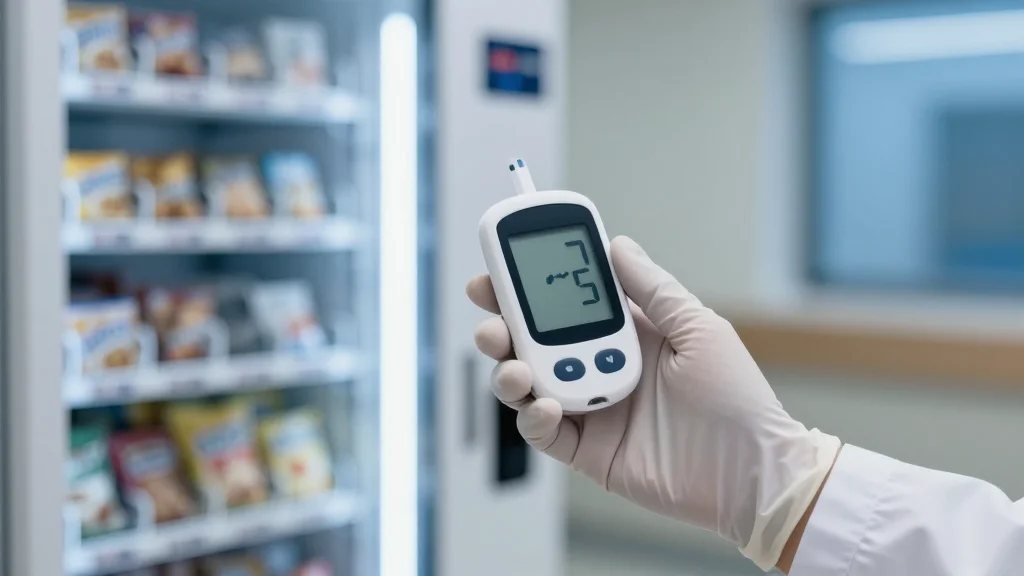
Night Shifts Worsen Type 2 Diabetes Management, Study Finds
A new study by King’s College London tracked healthcare workers with type 2 diabetes across night, day and rest shifts, revealing that night‑shift schedules impair diet quality and increase blood‑glucose variability. Participants relied on vending‑machine snacks and faced up to 22‑hour...
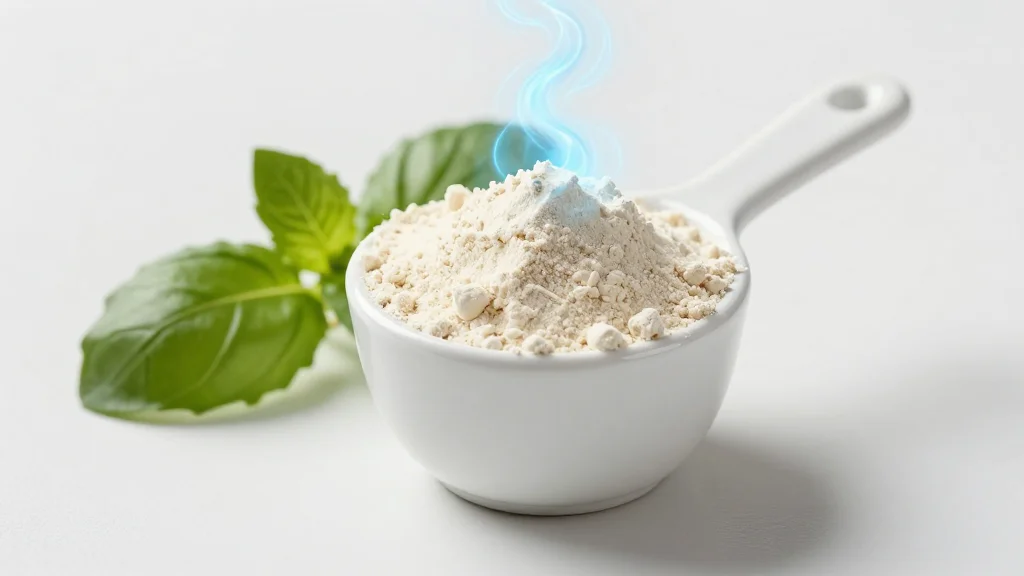
The Role and Application Prospects of Plant-Derived Bioactive Peptides in Exercise Fatigue Recovery
Plant-derived bioactive peptides (PBPs) are emerging as natural, sustainable supplements that mitigate exercise‑induced fatigue. They act on multiple fronts—scavenging reactive oxygen species, suppressing pro‑inflammatory cytokines, and activating AMPK pathways to accelerate glycogen replenishment. These mechanisms collectively improve muscle recovery and...
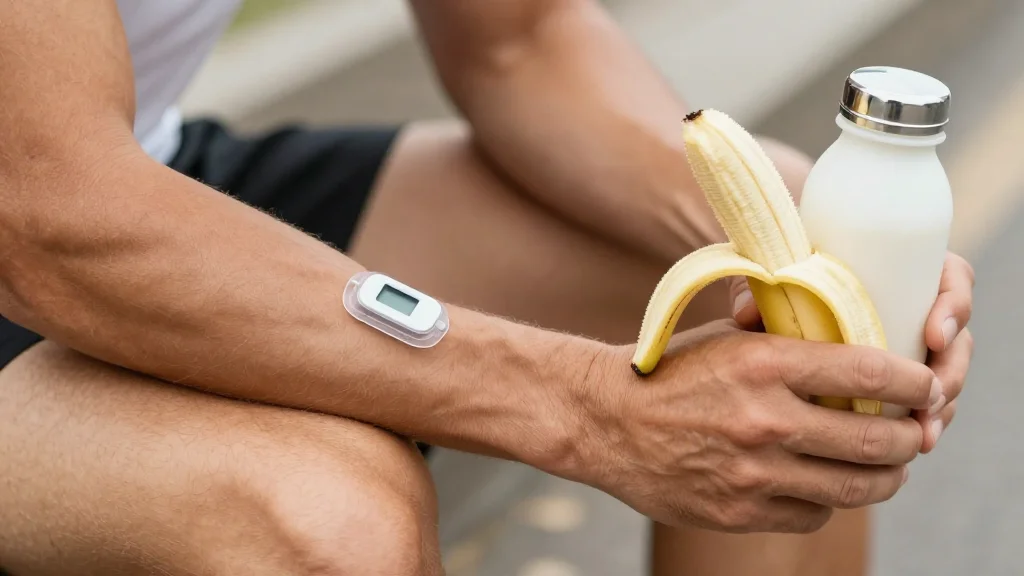
Nutritional Considerations for Athletes with Diabetes: Optimizing Performance and Glycemic Control
The review consolidates recent evidence on nutrition strategies that enable athletes with Type 1 and Type 2 diabetes to balance peak performance with tight glycemic control. It grades recommendations from strong (meta‑analyses) to expert consensus, emphasizing carbohydrate timing, protein intake, and targeted...

Coach Juliet Starrett Has the Secret to Riding Strong Into Your 50s, 60s, and Beyond
Juliet Starrett, a former extreme‑water champion turned mobility entrepreneur, champions the concept of "durability"—a blend of strength and mobility—to help cyclists thrive past their 50s. She argues that aging riders must counter declining bone density and stiffness by adding two...
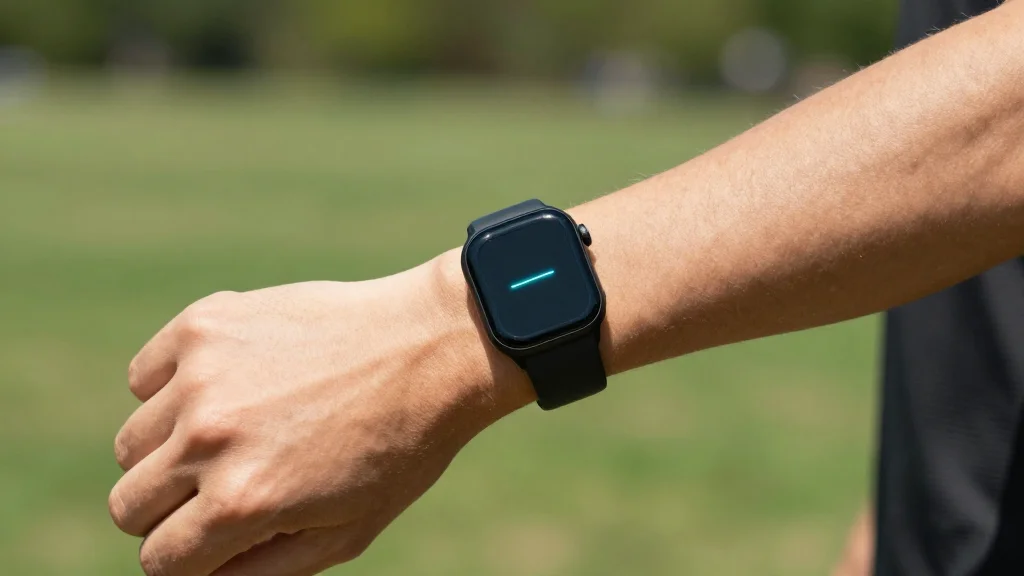
Should You Track Your VO2 Max?
The Economist highlights a surge in interest around VO₂ max after Norwegian triathlete Kristian Blummenfelt posted a record‑breaking score of roughly 84 ml kg⁻¹ min⁻¹. Traditionally a metric for elite athletes, VO₂ max is now being promoted by fitness influencers as a personal health dashboard. Wearable...

Rubedo Announces Positive Preliminary Results for RLS-1496
Rubedo Life Sciences reported positive preliminary Phase 1 data for RLS‑1496, the first human‑tested GPX4 modulator designed to clear senescent cells. The 4‑week, double‑blind study in the EU showed the drug was well‑tolerated, produced a clear dose‑response, and reduced epidermal thickness...

How Personal Training Helps You Hit Your Goals
Executives increasingly turn to personal trainers to replace generic workout plans with customized, data‑driven programs. By aligning fitness goals with demanding schedules, trainers provide structure, accountability, and biomechanical expertise that translate hard work into measurable performance gains. The approach mirrors...

Mitochondria Delivery Method Rescues Parkinson’s in Mice
Scientists have engineered red‑blood‑cell membrane capsules to ferry healthy mitochondria into diseased cells, dramatically improving delivery efficiency. In vitro, the capsules restored mitochondrial function in mtDNA‑deficient and mutant fibroblasts, reducing pathogenic DNA fractions and boosting ATP production. In vivo, mice...

Entrepreneurs Say They Run on Coffee. What If Coffee Is Running Them Into the Ground?
Entrepreneurs are questioning the health impact of their daily coffee habit as reports of fatigue, inflammation, and anxiety rise despite unchanged caffeine intake. The article highlights that over half of commercial coffee tests positive for mold, while acrylamide formation and...
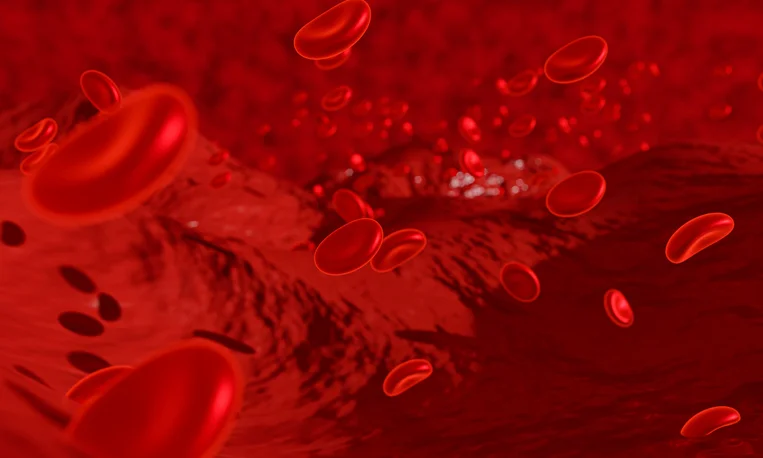
Blocking TIE2 Protein May Prevent Blood Vessel Defects in the Brain
Researchers at the University of Pennsylvania identified the endothelial receptor TIE2 as a pivotal link between the MEKK3‑KLF2/4 and PI3K signaling cascades that drive cerebral cavernous malformations (CCMs). In mouse models, oral inhibition of TIE2 with the tyrosine‑kinase inhibitor rebastinib...

AstraZeneca’s in Vivo CAR-T Led to Early Responses, but One Death in China Trial
AstraZeneca’s in‑vivo CAR‑T platform, acquired last year, has entered a Phase I/II trial in China for relapsed/refractory multiple myeloma. Early data show a 33% overall response rate with several partial remissions, but the study also reported one death due to severe...

Rethinking Aging: Why Healthspan Should Be The Goal
The article argues that extending healthspan—years lived in good health—should eclipse the pursuit of sheer longevity. It highlights the growing gap between longer lifespans and rising chronic disease burdens, urging a shift toward interventions that improve quality of life. Researchers...
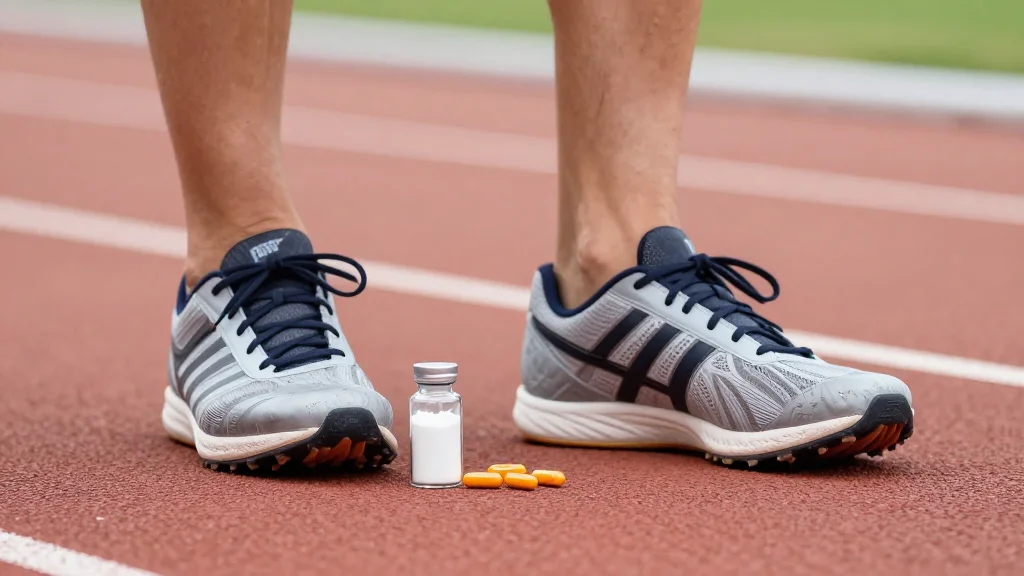
No Ergogeniceffect of Β-Alanine on Repeated Sprint Ability: A Systematic Review and Multilevel Meta-Analysis of Randomized Controlled Trials
The systematic review and multilevel meta‑analysis of 17 randomized controlled trials involving 293 healthy participants found that chronic β‑alanine supplementation does not improve repeated sprint ability (RSA). Pooled standardized mean differences for mean RSA performance, peak performance, and fatigue decrement...

IBS Diets Don’t Work for Everyone. New Research Shows Why – and It’s Not Just About the Food
New research shows that the low‑FODMAP diet’s effectiveness for irritable bowel syndrome (IBS) depends as much on gut‑brain interactions as on food restriction. In a six‑month study of 112 adults, researchers tracked symptom changes across the diet’s restriction, reintroduction and...

At the Intersection of Personalized Health and GLP-1s
A NutraIngredients webinar highlighted how GLP‑1 agonists, wearables, and at‑home diagnostics are reshaping personalized health. Over 25‑30 million people are currently on GLP‑1 drugs, a figure expected to double by 2030, while roughly 100 million U.S. consumers now wear devices that generate...

If You Want to Improve Your Breathing Performance on the Bike, You Need to Get Familiar With This Muscle
Cyclists often overlook the diaphragm, yet it powers the breath that fuels every pedal stroke. Research and expert insight reveal that many riders habitually breathe shallowly, using chest muscles instead of the diaphragm, which limits oxygen intake and hampers performance....

Study Explores Broccoli Powder Supplementation in Exercise
A recent Lithuanian Sports University study examined short‑term broccoli powder supplementation in 17 healthy men performing an incremental bike‑ergometer test. Participants consumed 10 g of broccoli powder (0.5 % mustard seed) for 14 days, which significantly increased urinary sulforaphane, confirming absorption. However,...

Vitamins B3 Plus B6 May Boost Muscle Repair After High Intensity Exercise: Nestlé Study
A Nestlé‑backed randomized trial gave healthy men 714 mg nicotinamide and 19 mg pyridoxine daily for nine days after intense eccentric exercise. The B‑vitamin combo boosted muscle stem cell numbers by 29% and accelerated differentiation markers—MyoD+ cells rose 67%, myogenin+ cells 34%,...

Doing Cardio May Boost Your Memory
Researchers published in Brain Communications found that just 20 minutes of moderate‑intensity cardio can increase hippocampal ripple activity, a brain rhythm linked to memory consolidation. The study monitored 14 drug‑resistant epilepsy patients with implanted electrodes before and after cycling, observing...

Replacing TV Time with Reading or Desk Work May Lower Dementia Risk
A 19‑year Swedish cohort study of 20,811 adults aged 35‑64 found that mentally passive sedentary activities, such as TV watching, increase dementia risk, while mentally active sitting—reading or desk work—significantly lowers it. Substituting equal amounts of passive with active sedentary...