Scientists Discover Diet that Tricks the Body Into Burning Fat without Exercise
Why It Matters
This diet‑induced thermogenesis offers a non‑exercise, non‑cold strategy to increase energy expenditure, opening new avenues for obesity treatment and functional food development.
Key Takeaways
- •Low methionine/cysteine diet raises mouse thermogenesis 20%.
- •Weight loss occurs without reduced intake or increased activity.
- •Beige fat activation drives diet‑induced calorie burn.
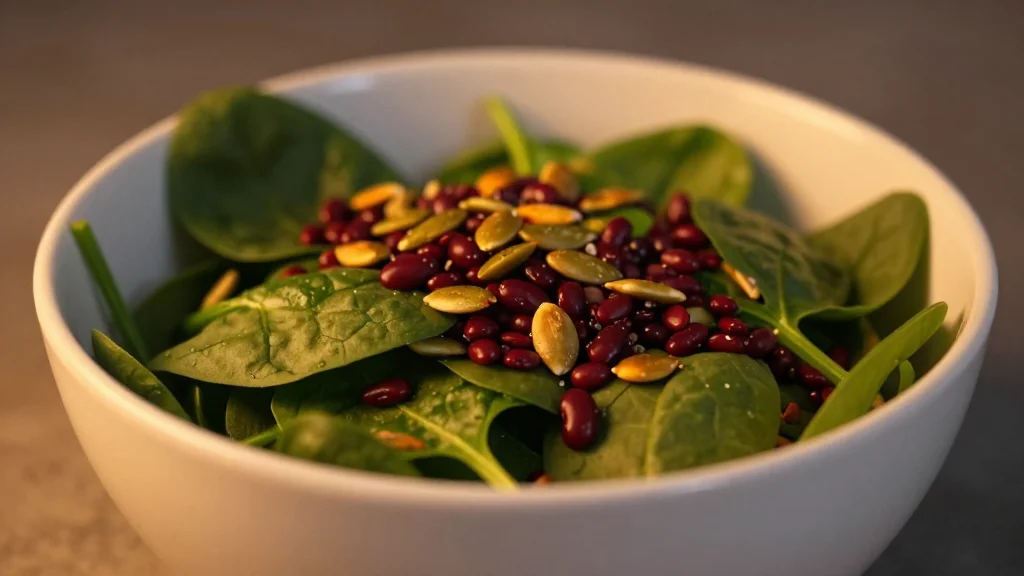
- •Plant‑based foods naturally low in these amino acids.
- •Potential for obesity drugs mimicking cold exposure.
Pulse Analysis
Thermogenesis has long been associated with cold exposure, where the body burns extra calories to maintain core temperature. Researchers have pursued pharmacological mimics of this process, yet practical, safe methods remain elusive. The recent study from the University of Southern Denmark adds a dietary dimension, showing that specific amino‑acid restriction can activate the same heat‑producing pathways without the discomfort of ice baths, positioning nutrition as a potential lever for metabolic control.
The experimental diet eliminated methionine and cysteine, two sulfur‑containing amino acids abundant in animal proteins. Mice fed this regimen displayed a 20% rise in energy expenditure, driven primarily by beige fat—a thermogenic tissue located beneath the skin that also responds to cold. Importantly, the mice’s food intake and activity levels remained unchanged, isolating the diet as the causal factor. This mechanistic link aligns with epidemiological observations that plant‑rich, low‑protein diets correlate with healthier aging, suggesting that the amino‑acid profile, rather than calorie restriction alone, may underlie some of those benefits.
Looking ahead, the findings could reshape obesity therapeutics and functional‑food design. Pharmaceutical firms might develop compounds that safely inhibit methionine and cysteine metabolism, while food manufacturers could formulate low‑sulfur products targeting weight management. Human trials are essential to confirm translatability, especially given differences in metabolism and dietary patterns. If successful, such strategies could complement existing treatments like GLP‑1 agonists, offering a lifestyle‑compatible, low‑risk option for patients seeking additional weight loss without intensive exercise or extreme cold exposure.
Scientists discover diet that tricks the body into burning fat without exercise
Comments
Want to join the conversation?
Loading comments...